Last Updated on: 06 Jul 2026
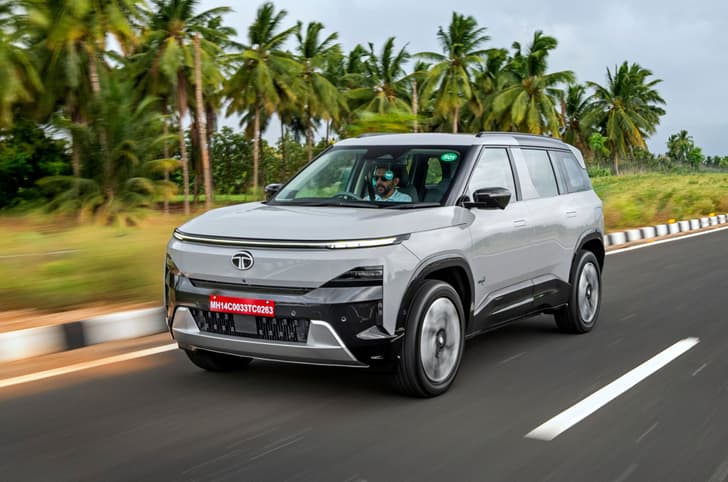
Tata Curvv EV User Reviews
Tell us about your experience
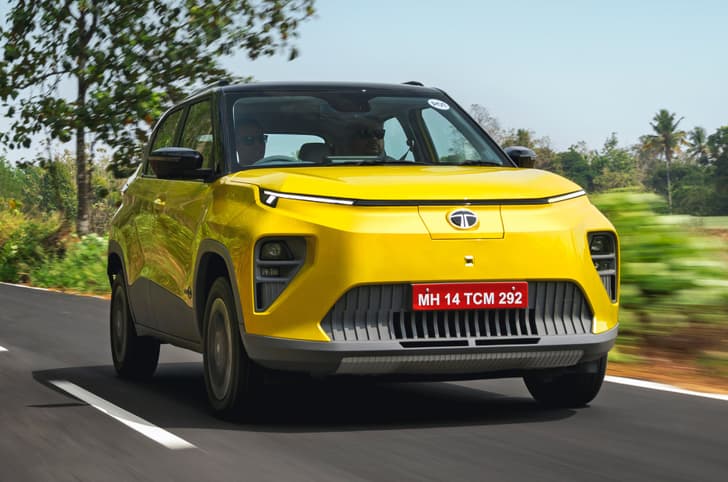
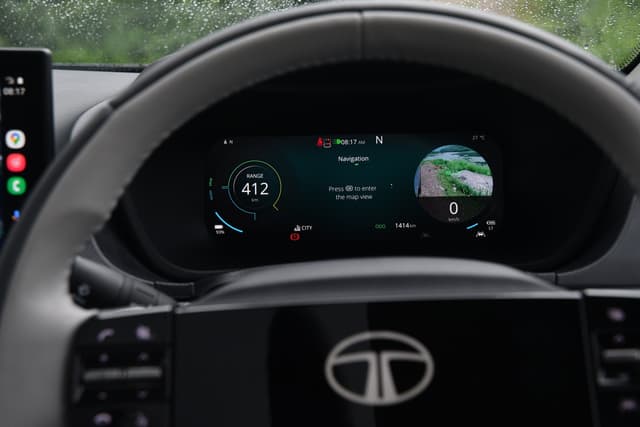
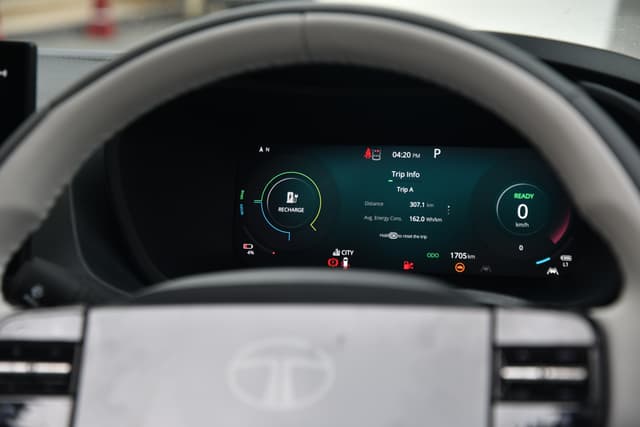
Tata Curvv EV has issues like severe battery drain and 'Critical Error Alert'. The claimed range of 502 km is reduced to just 300 km. This indicates a serious fault in the system software or battery management system that needs urgent fixing.
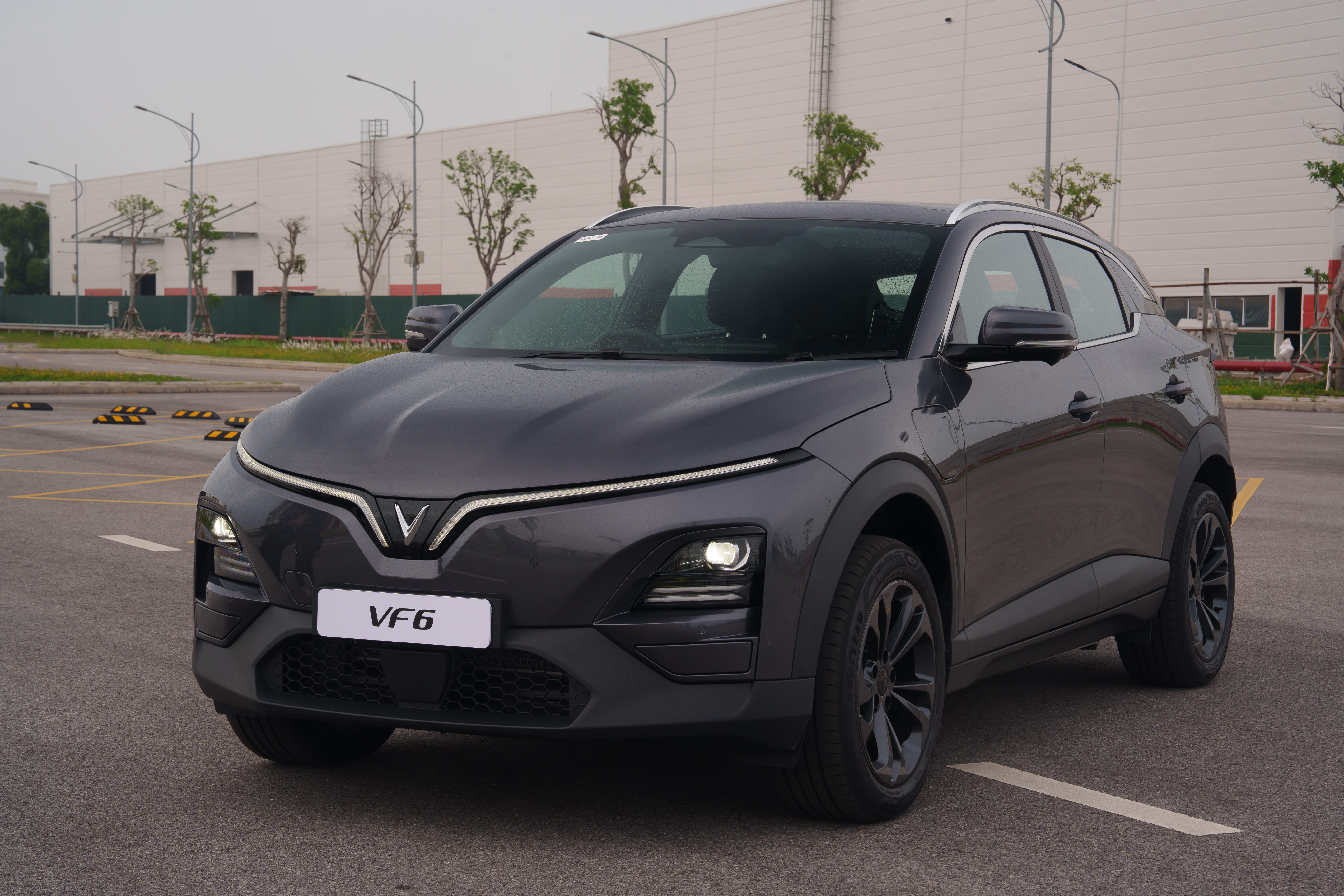
Tata Curvv EV is much more better, feature rich, stylish and balanced.
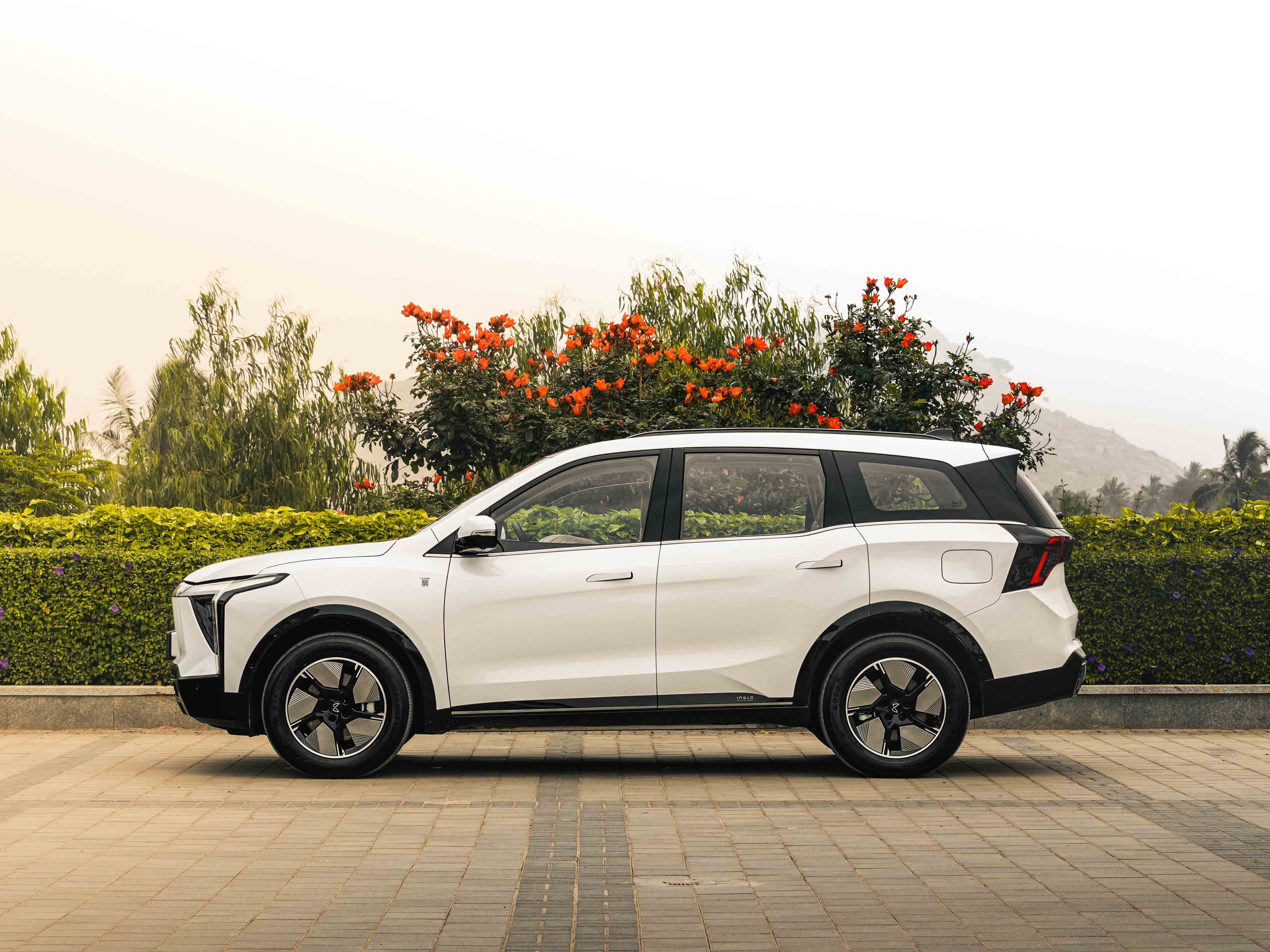
My friend owns a Tata Curvv EV with a 55kWh battery. It's a good option for those who need to travel long distances daily.
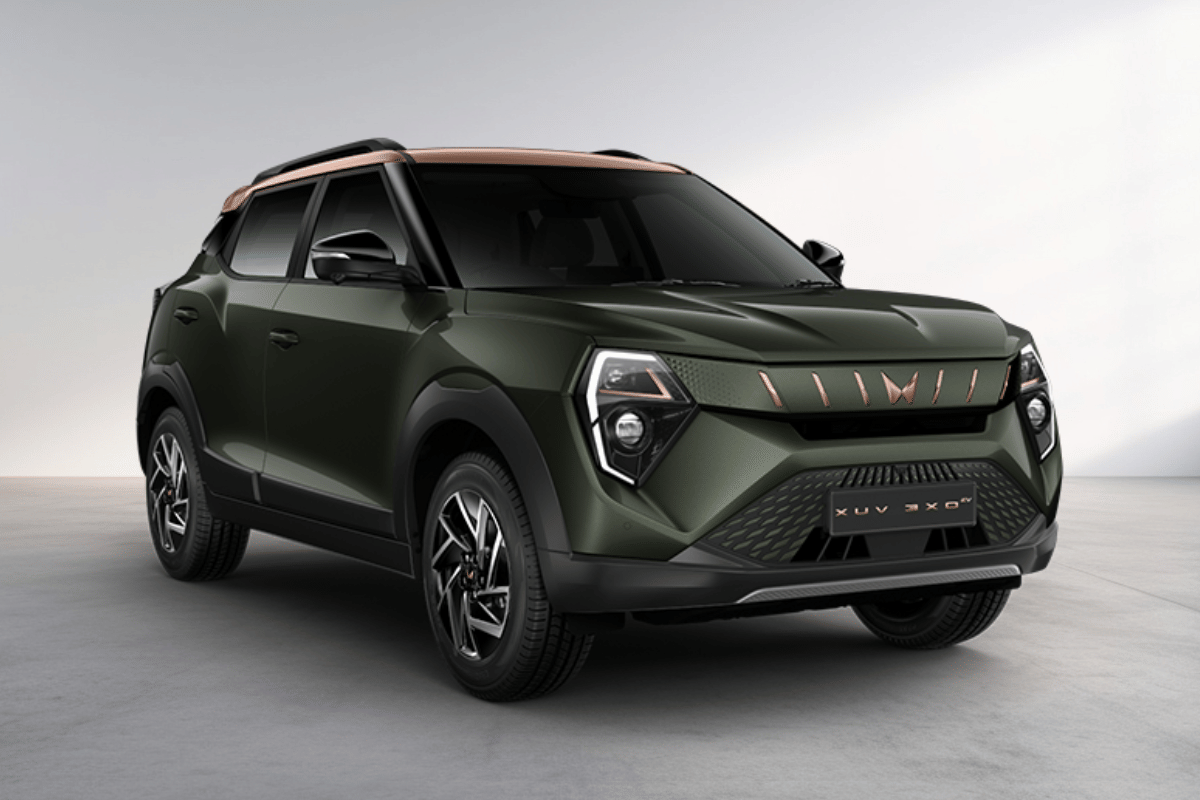
Tata Curvv EV Expert Reviews
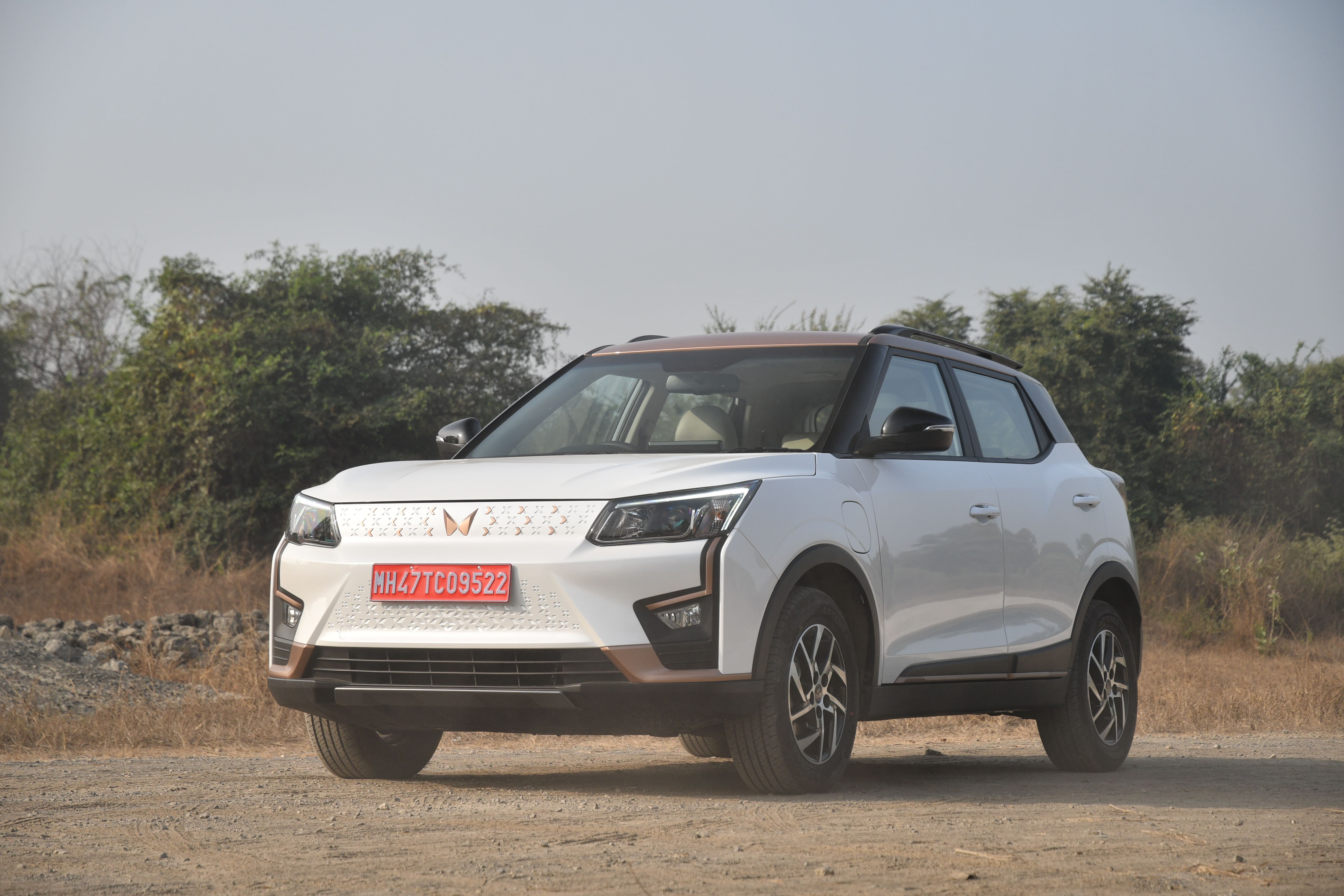
We like
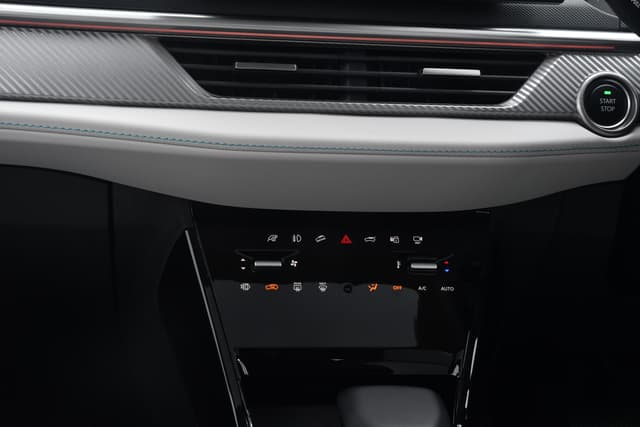
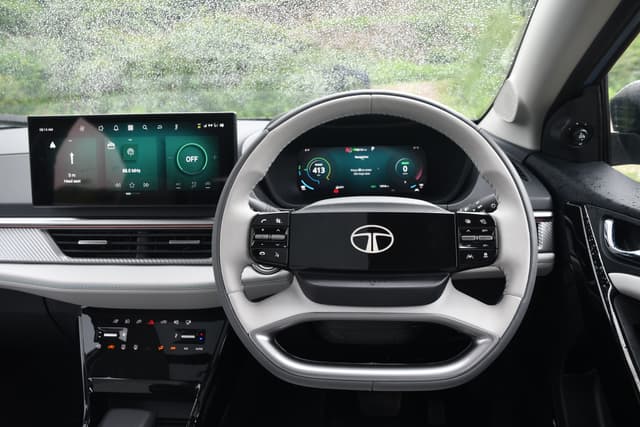
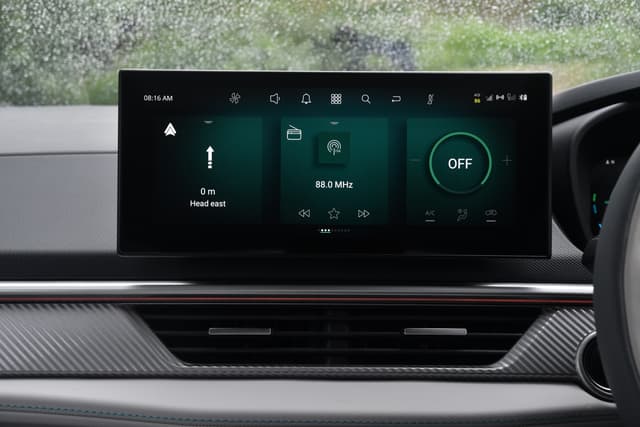
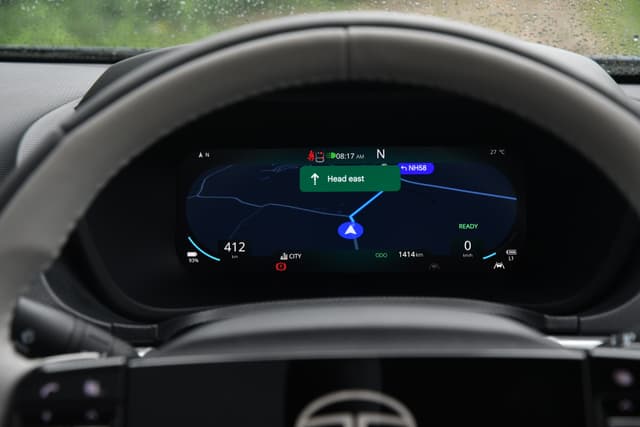
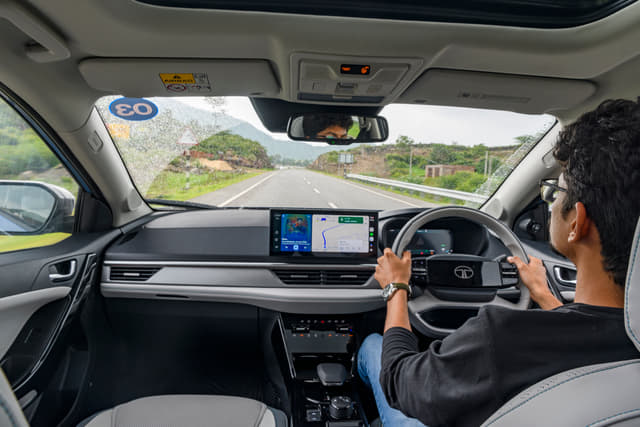
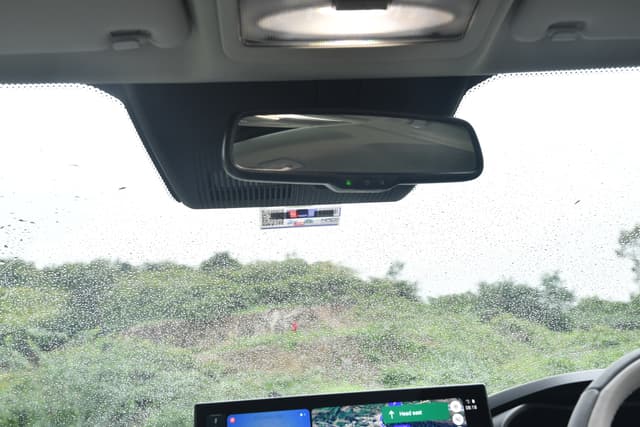
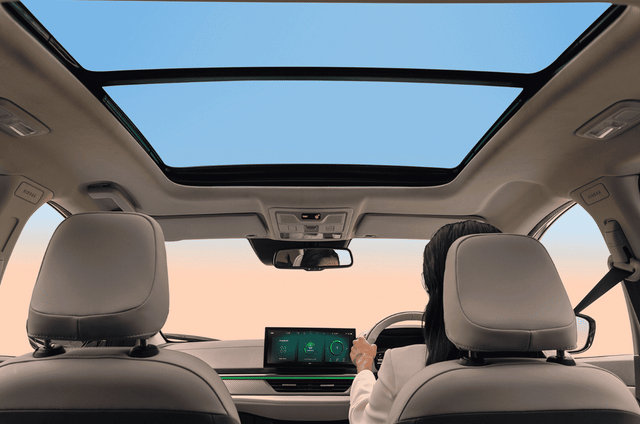
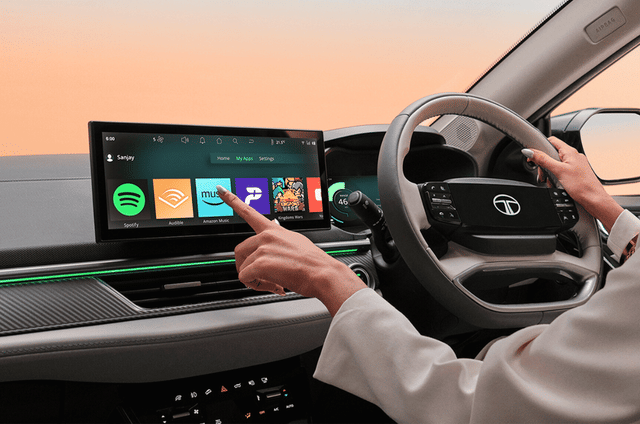
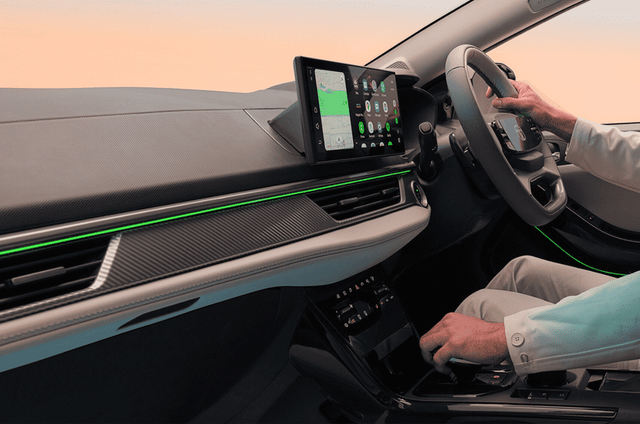
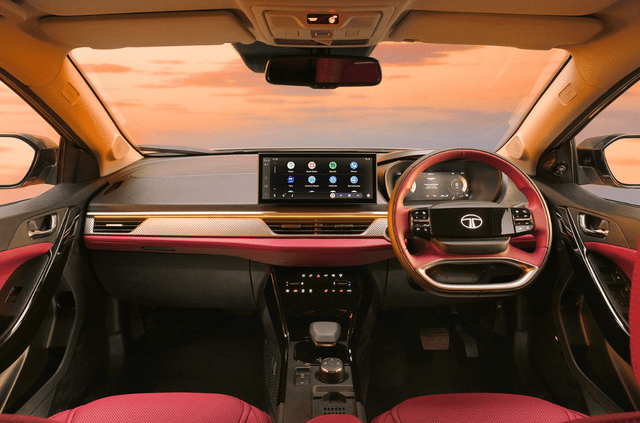
Feature-loaded cabin
Range and performance
We don't like
Some ergonomic issues
Rear seat under thigh support lacking
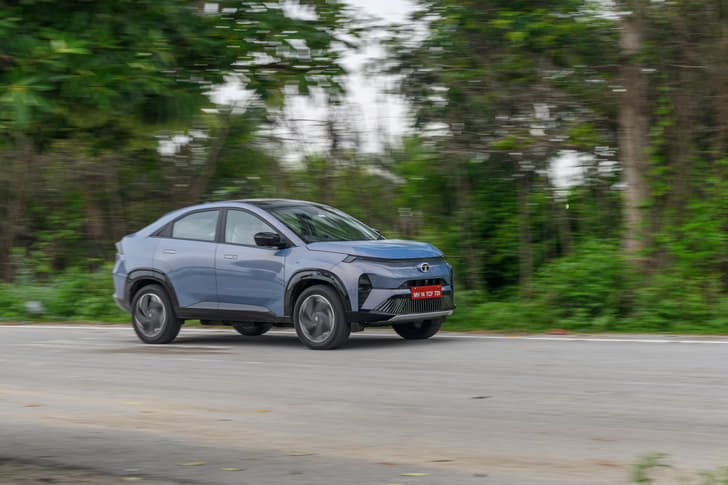
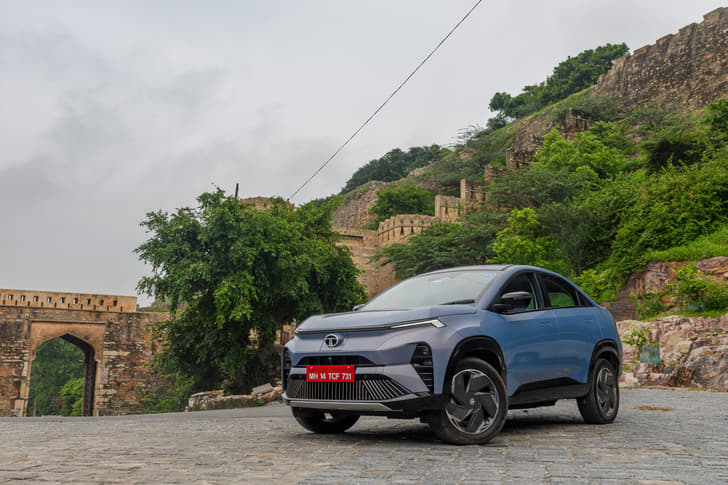
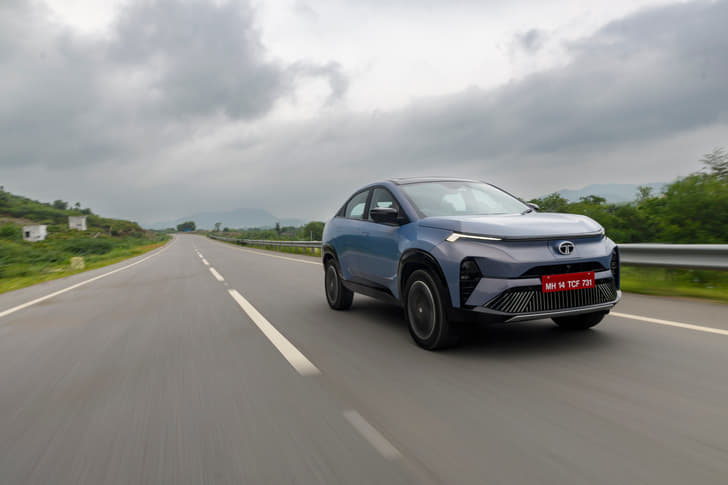
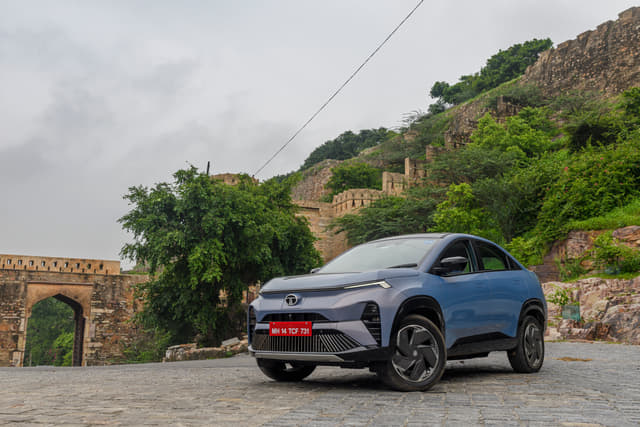
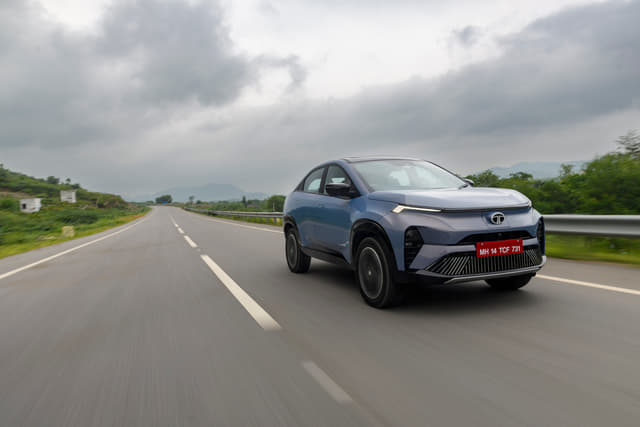
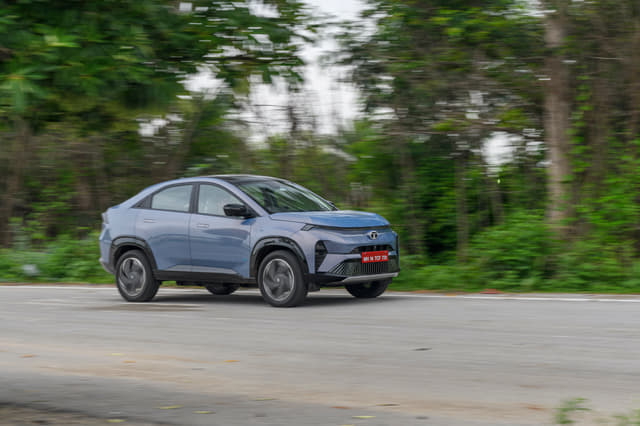
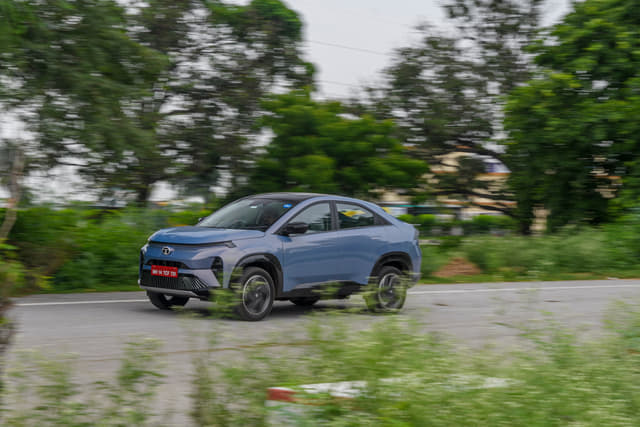
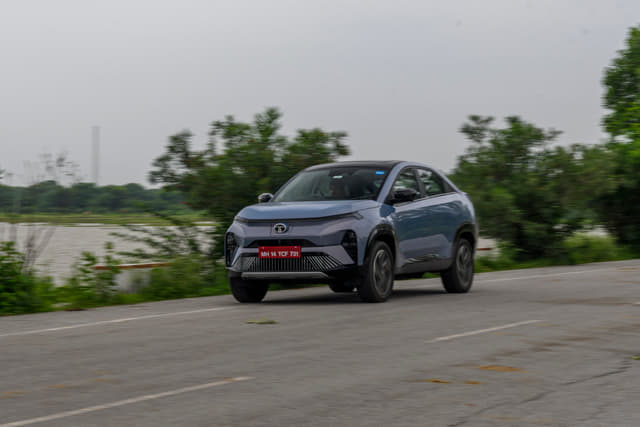
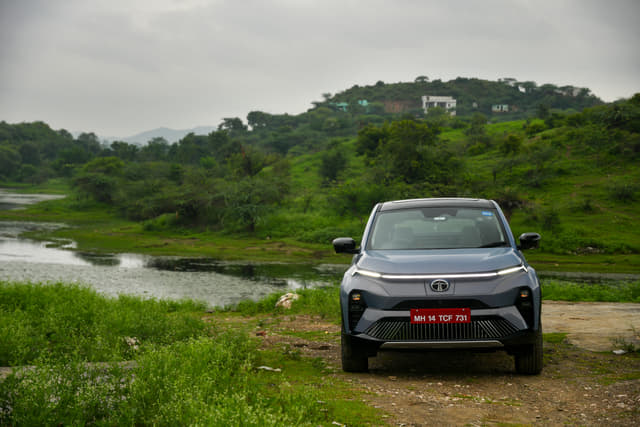
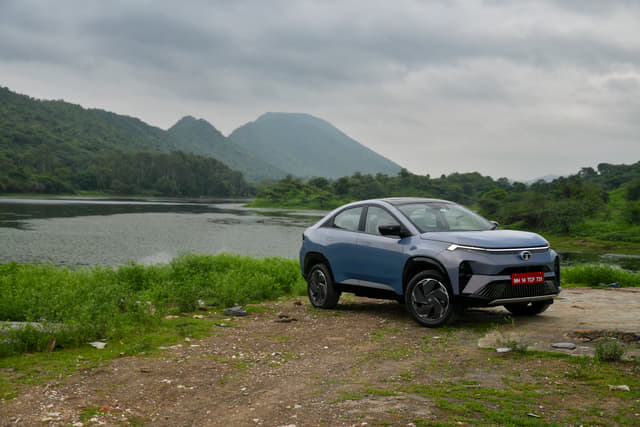
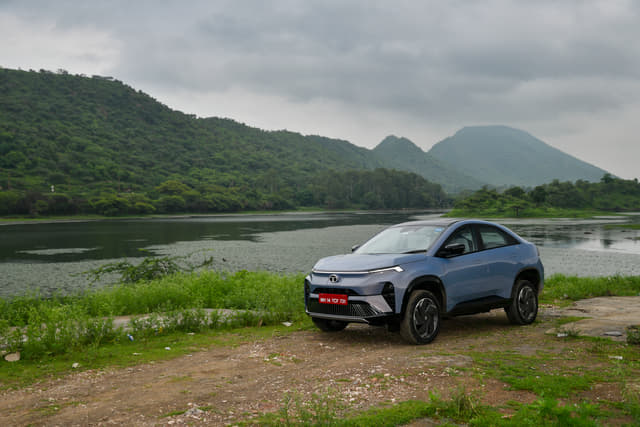
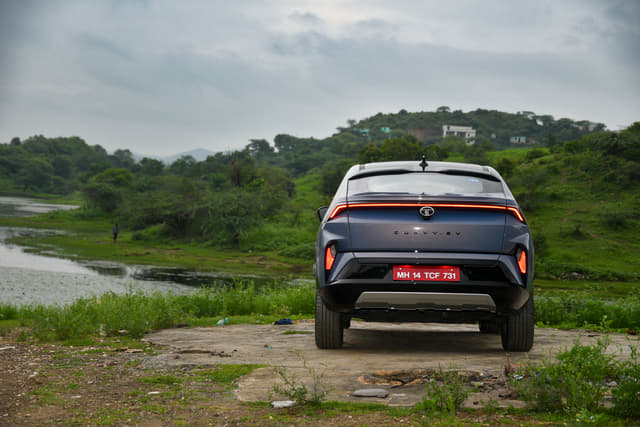
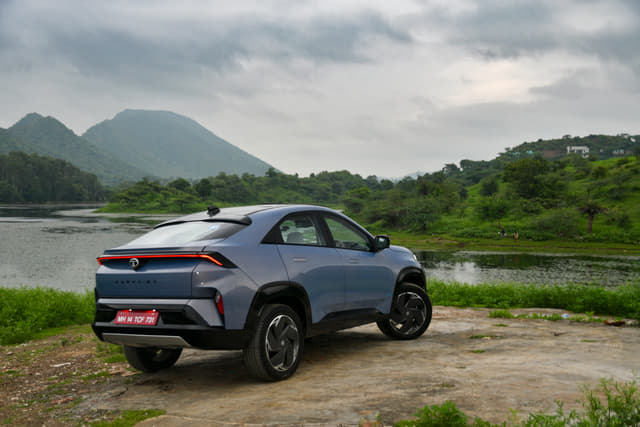
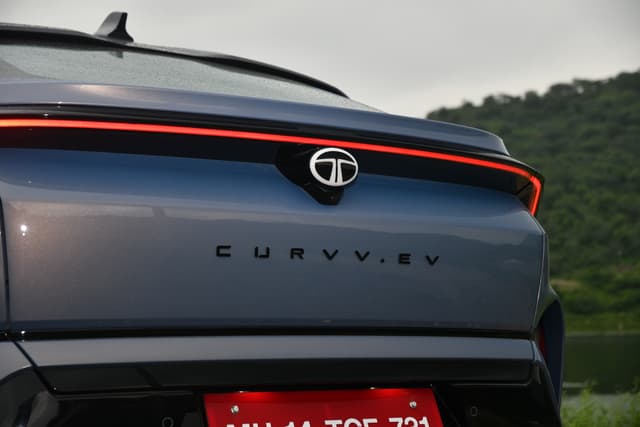
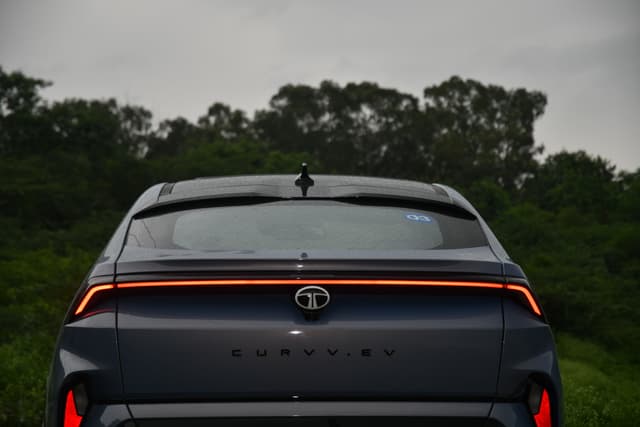
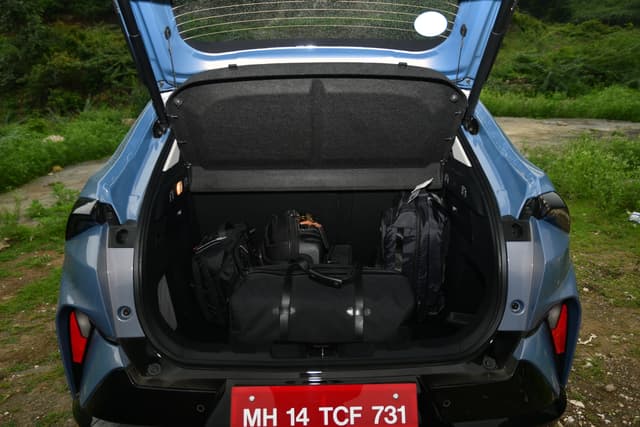
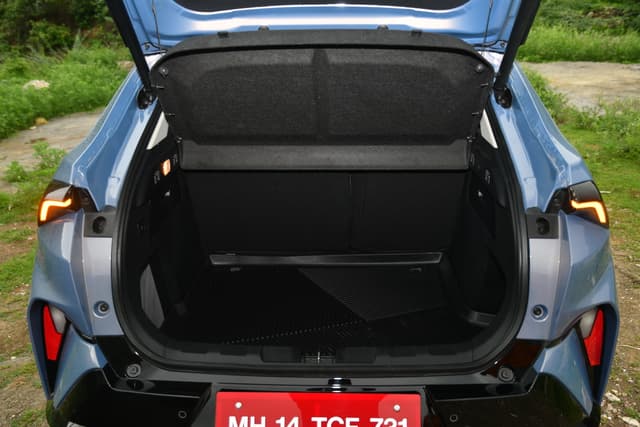
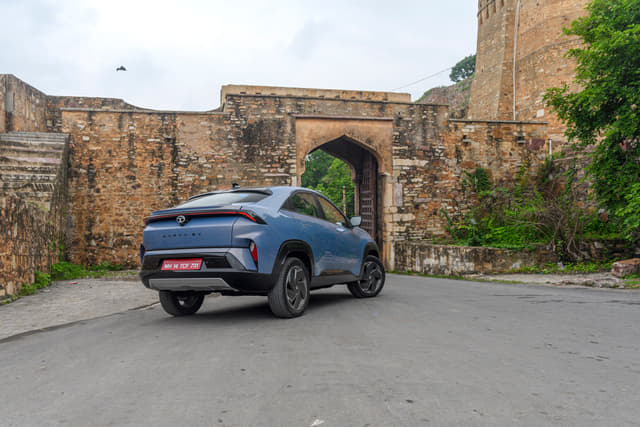
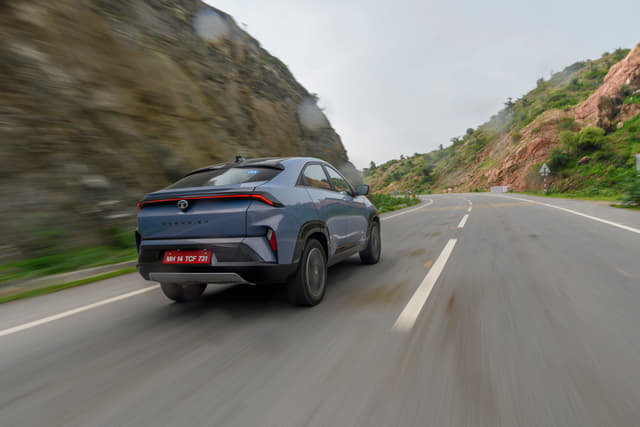
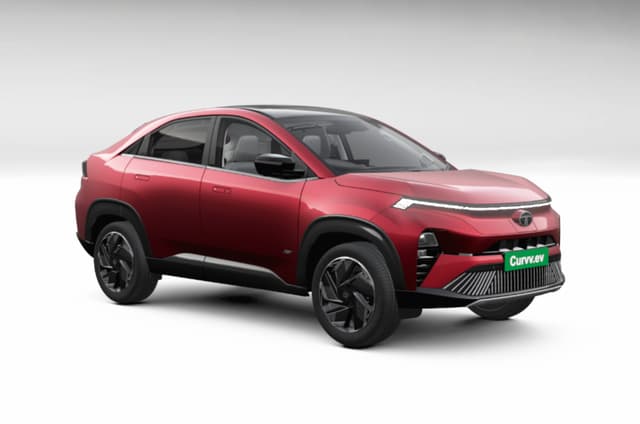
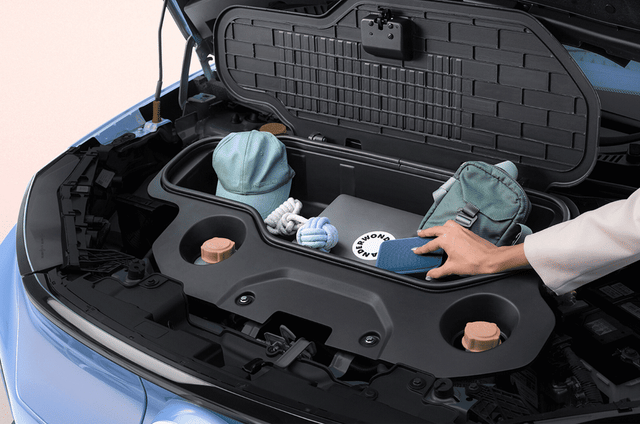
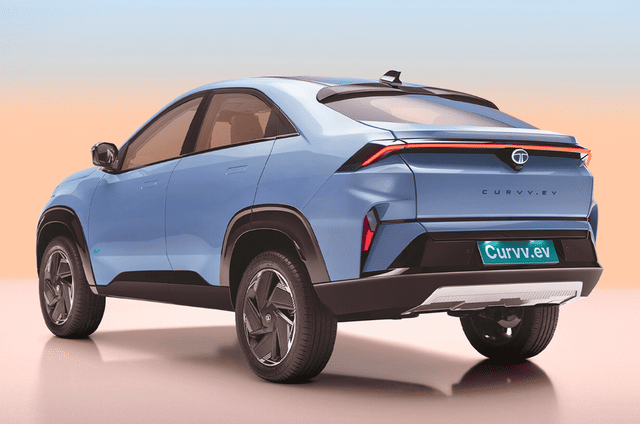
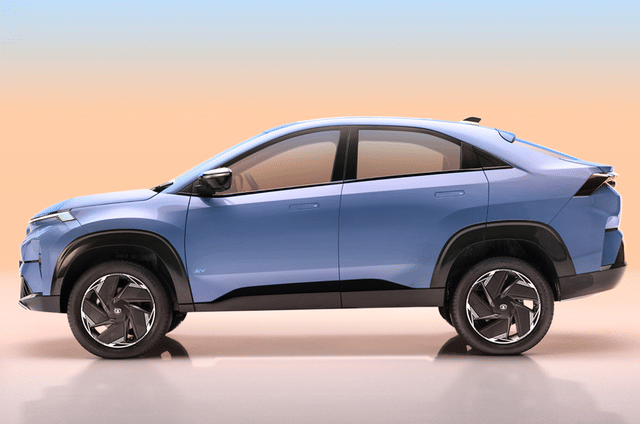
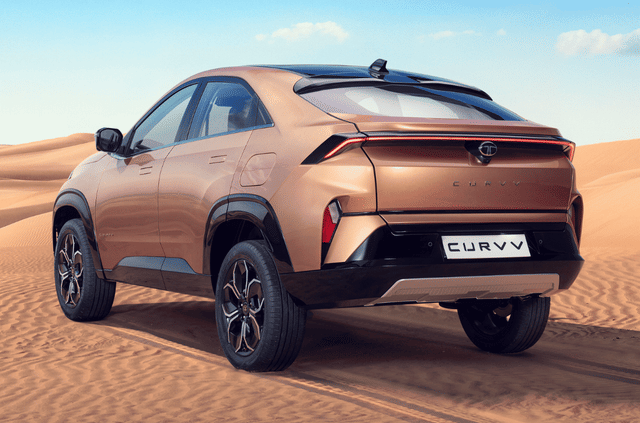
Tata Curvv EV Images
Questions you may find useful
Which is the better EV overall between the Tata Curvv EV 55kWh Accomplished X and the Tata Harrier EV 65 Adventure S? The price difference is around Rs. 6 lakh. I currently own a Tata Tiago, drive around 1,000km a month in the city, and now want to upgrade. Please suggest which is the better overall product with better fit and finish.
Since you already have a Tata Tiago and your monthly running is only around 1,000km, there isn't an urgent need to upgrade immediately. The Tata Sierra EV is expected to launch within the next month and is likely to share its battery pack and powertrain with the Harrier EV. That means you could get very similar performance and range in a different package, giving you one more strong option to evaluate before making your purchase.Between the two cars you've shortlisted, the Harrier EV is undoubtedly the more premium product. It offers a more spacious cabin, better ride comfort and a more upmarket feel. However, whether it is worth spending an additional Rs 6 lakh over the Curvv EV 55 Accomplished X depends on how much you value the extra space and premium experience. From a pure value-for-money perspective, the Curvv EV makes a strong case.
Hi team, I'm planning to buy an EV, and I'm confused between the Tata Curvv EV and the Tata Sierra EV. Kindly advise which one is the better choice. Also, are there any other EVs under Rs 18 lakh that offer good quality and features?
The Tata Sierra EV has just been launched, and if you can stretch your budget, it's our recommendation.The Sierra EV sits above the Curvv EV in Tata's line-up, which is why it is more expensive. It comes with a larger battery pack, a more spacious cabin, a bigger boot and a noticeably more premium feel. It also gets a richer feature list and is likely to be the better long-term family EV.However, with a budget of Rs18 lakh, the Sierra EV is realistically out of reach. It starts at Rs 18.79 lakh (ex-showroom), so the on-road price will be well above your budget. In that case, the Curvv EV remains a very sensible choice.
I want a new car for my use, considering 40 kms/day in the city. Should I go for Kylaq or Tata Curvv EV, considering new tech and the future of green energy
If you consider new tech and green energy, pick the Tata Curvv EV. With 40 km a day in the city, an EV makes the most sense - you can charge at home once or twice a week, spend far less per km, and enjoy a quiet, smooth drive in traffic. The big question is, do you have a dedicated parking spot with a plug at home or office? If yes, you’re set. You will barely visit public chargers for city use, and the range will easily cover a week of commuting.The Skoda Kylaq is still a sensible pick only if you cannot install home charging or you often do long highway runs. Petrol refuelling is instant, and planning is zero, so it is easier outside the city.One catch with the Curvv EV is its higher upfront price, patchy or busy public chargers on some routes, and a likely poor resale value. However, for your daily city use, though, Curvv EV wins.
Hello Autocar. Thank you for continuing to solve our doubts in such a genuine way. I have a small query. We currently own a 2022 Tata Altroz XZ+ diesel. Since I have to travel about 100km daily, we are planning to upgrade to an EV. However, everyone at home, including me, is attached to the Altroz and is looking for a similar experience. I wanted to ask if an Altroz EV is in the works or if there has been any development on that front. Otherwise, could you suggest whether the Punch EV or the Nexon EV would be better for a family of four?
Pick the Tata Nexon EV. It will feel closest to your Altroz while giving you more range cushion and more room for four. With 100 km daily, that larger battery and stronger AC performance mean less charging stress and easier weekend runs, and the Nexon’s wider rear seat and bigger boot make family life comfier. The Nexon's larger footprint also translates to greater confidence, especially at higher speeds.The Punch EV is a great value and very easy to drive in traffic. If your use is almost all city and parking is tight, the Punch EV can be considered as an option. However, for an Altroz owner used to that solid, grown-up feel, the Nexon EV will feel more familiar.About an Altroz EV, there’s nothing on sale or officially announced for the near term. Tata showed a concept years ago, but the current focus is Punch EV, Curvv EV, Harrier EV and Sierra. If you want an EV now, do not wait.
I want to purchase a car for my daily commute on village roads, as well as for highway driving. My monthly running is around 3,000 km, and once every quarter, I travel to a city that is approximately 350 km away from my town. Considering my usage pattern, would an EV be a suitable choice? Please suggest the best options within a budget of Rs. 20-30 lakh.
If you can install a charger at home and have charging stations on the route to your destination, an EV does make sense for your heavy use. Under Rs. 20 lakh, consider the Tata Curvv EV with the 55kWh battery pack. In our real world tests, it managed 352km on the highway which means your 350km journey is possible with a quick stop in between to top up. It also has good ground clearance and rides well, so it will deal with village roads nicely.For under Rs. 30 lakh, consider the Mahindra XEV 9e with the 79kWh battery pack. In our tests, it managed 488km on the highway meaning with some care, your 350km journey is possible in one go. You will need to charge at your destination though. EVs are less efficient on the highway and particularly with a full load require care to ensure the battery doesn't deplete too quickly. Your charging stops will also need to be planned in advance and there is possibility that you will have to wait at a stop for charge to become available. If this seems like too much work, then stick to a diesel. Under Rs. 20 lakh, consider the Kia Seltos diesel or the Hyundai Creta diesel. Under 30 lakh, you could consider the Mahindra XUV 7XO or the Scorpio N. All of these will comfortably manage village roads and do long highway stints without worries.