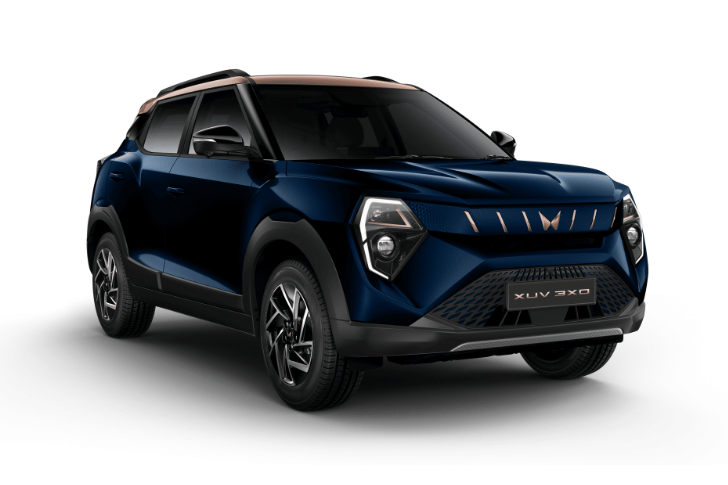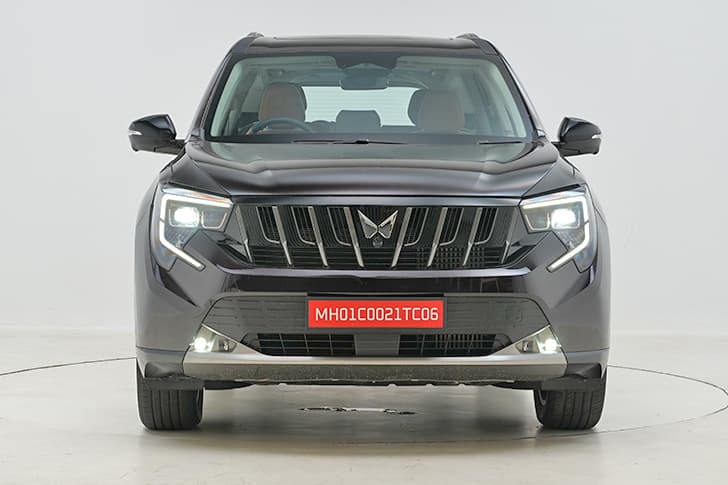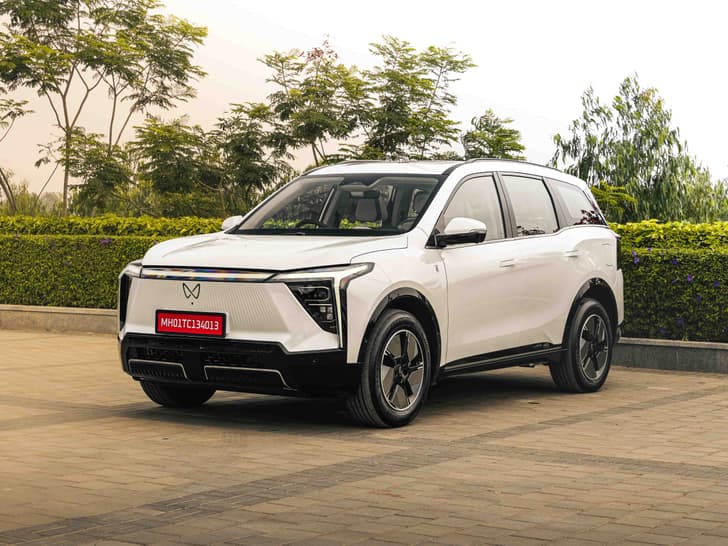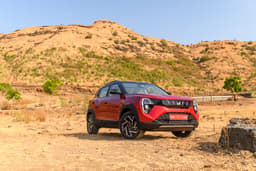
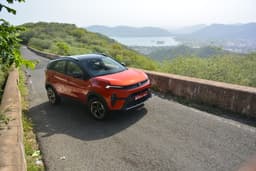

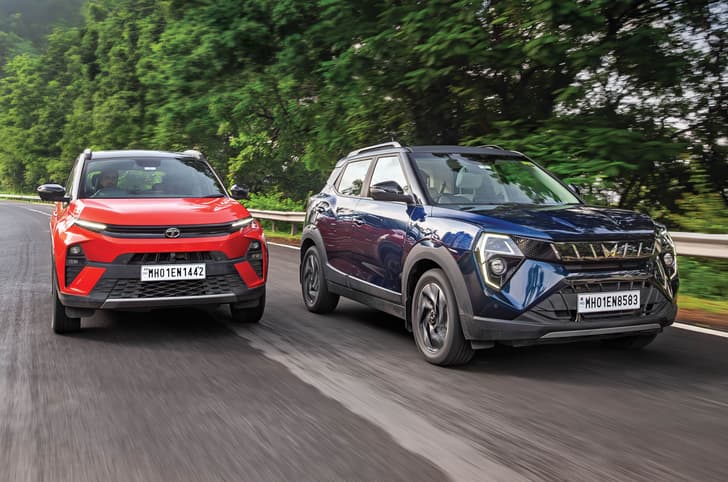
The newest entrant in the compact SUV space is the Mahindra XUV 3XO, which builds on the strengths of its predecessor, the XUV300, and ups its desirability quotient on account of a new interior, more features and an overall fresher design language. Mahindra’s changes seem to have paid off, as the 3XO has been well received by the market, with waiting periods on the rise. We put the diesel manual version through our real-world tests and, for perspective, compare it to the Tata Nexon diesel – one of the best-sellers in the segment – to find out which is better.
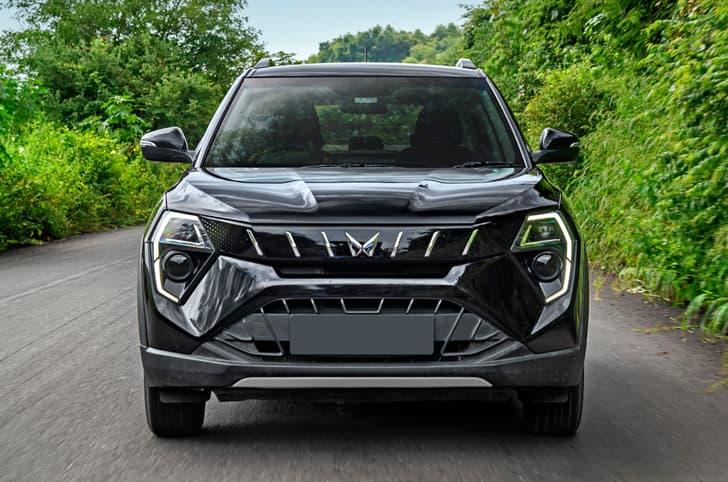
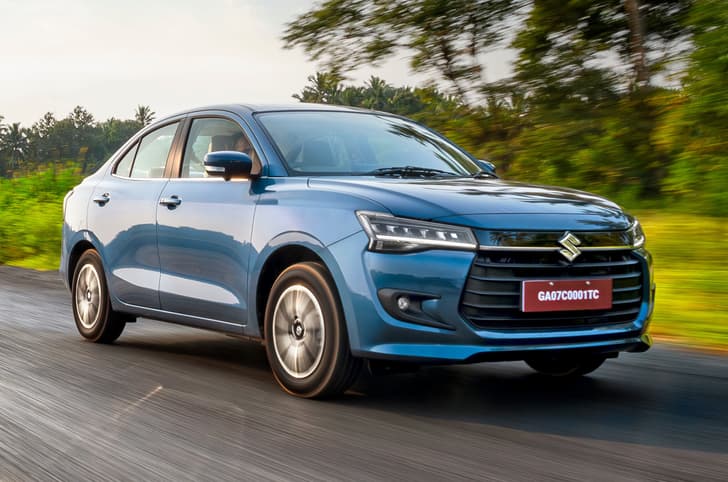
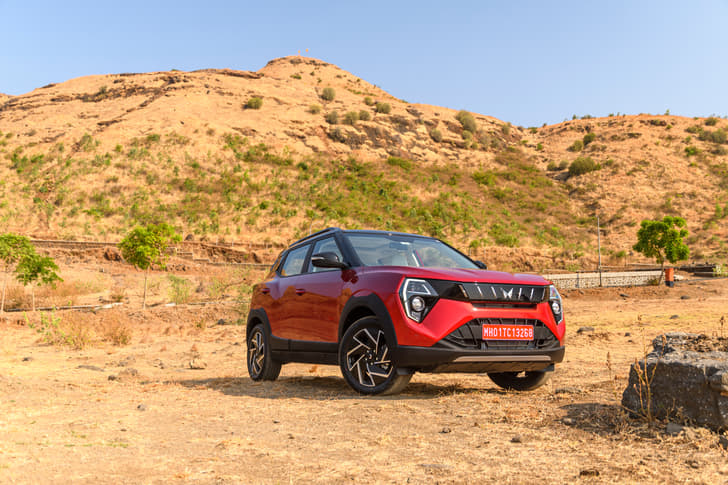
The XUV 3XO’s squat stance, larger 17-inch alloys and connected LED tail-lamps give it a more premium look than the 300. However, certain design elements could come across as overdone to some.
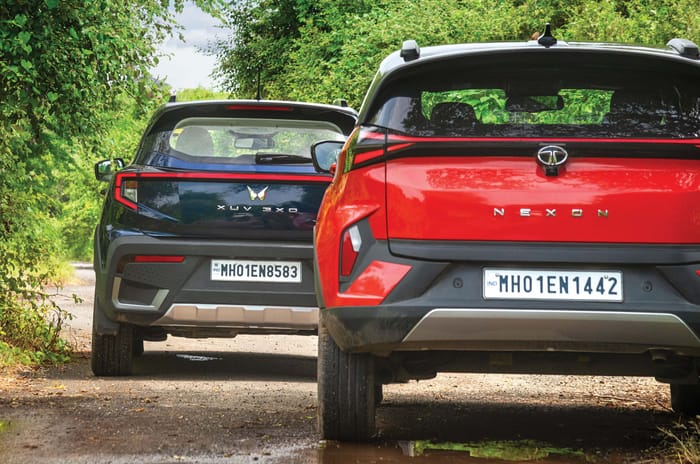
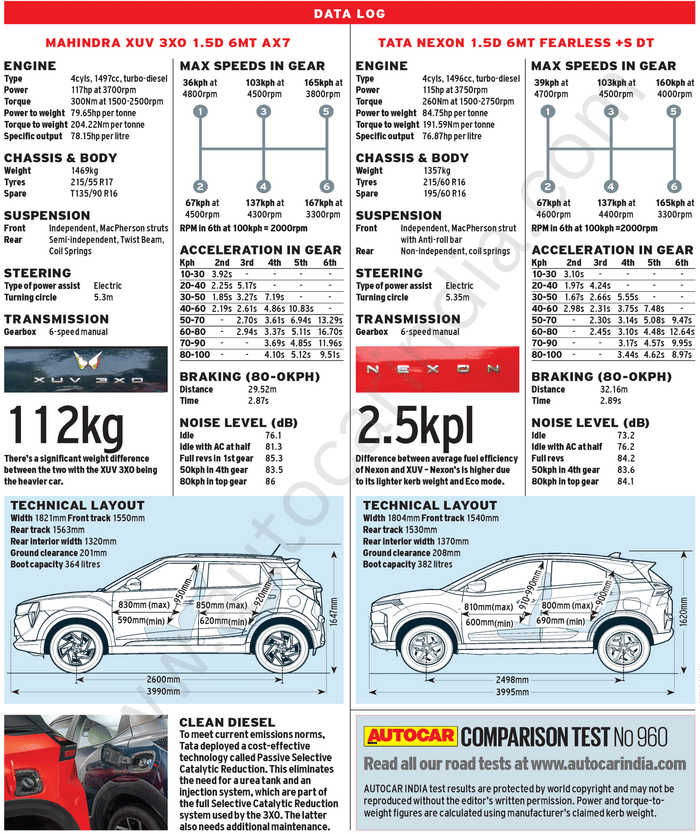
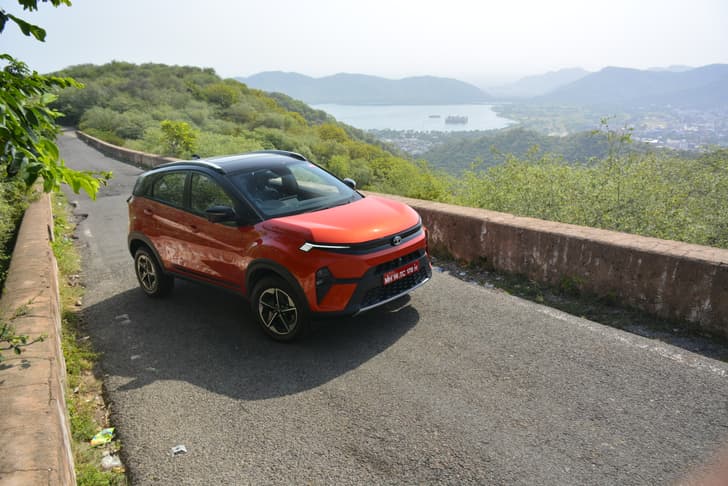
The Nexon’s sharper styling – the distinct Tata family look, coupé-like roofline and harmonious curves – lends it a more modern look. While both cars are similar in dimensions, the XUV 3XO’s wheelbase is much longer, which translates into more cabin room (more on that later). The Nexon sits slightly higher above the ground with a clearance of 208mm versus the XUV’s 201mm.
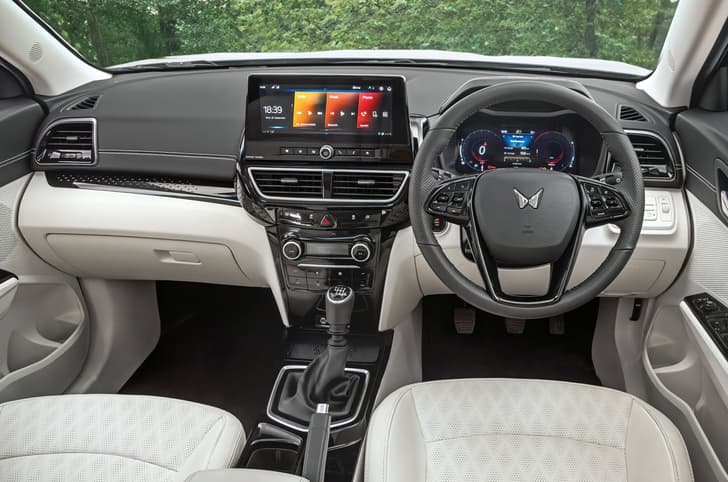
Mahindra XUV 3XO interior and seating
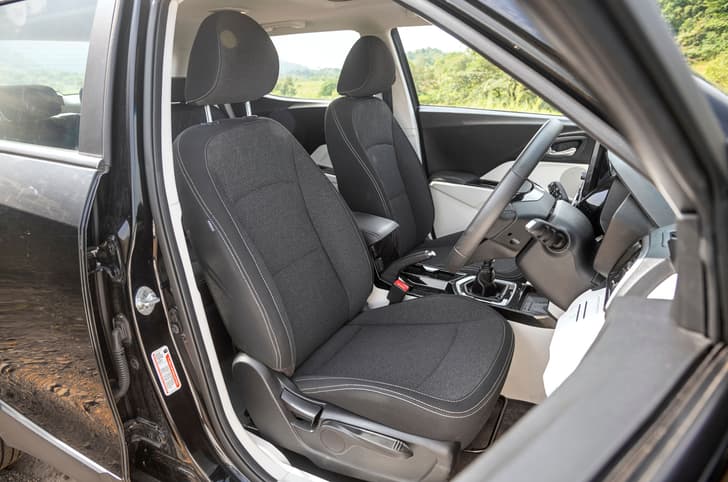
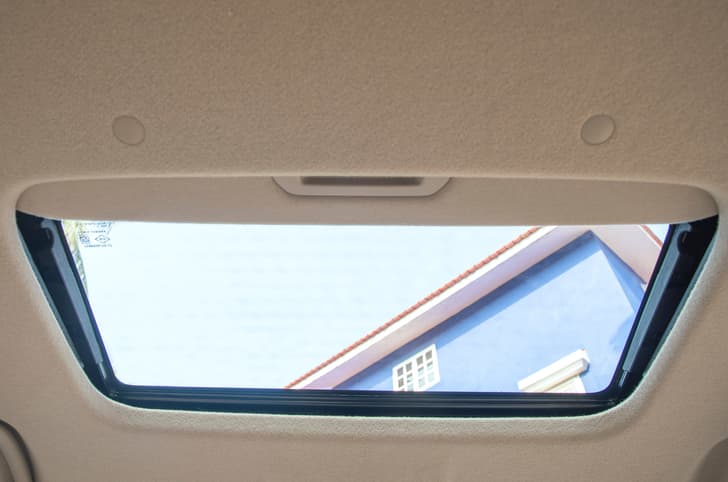
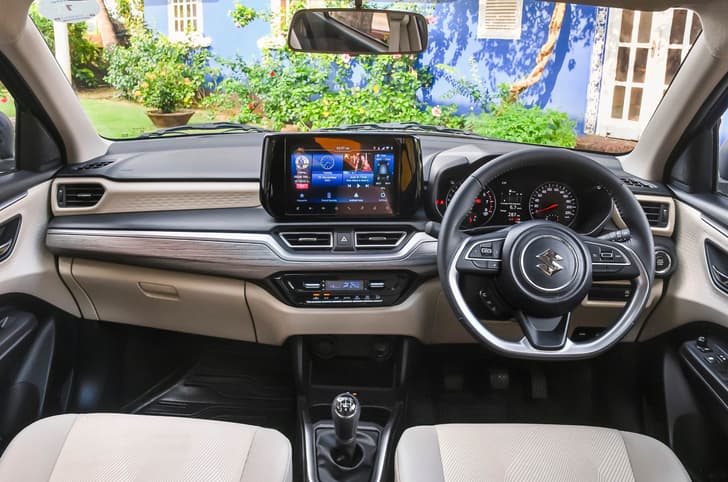
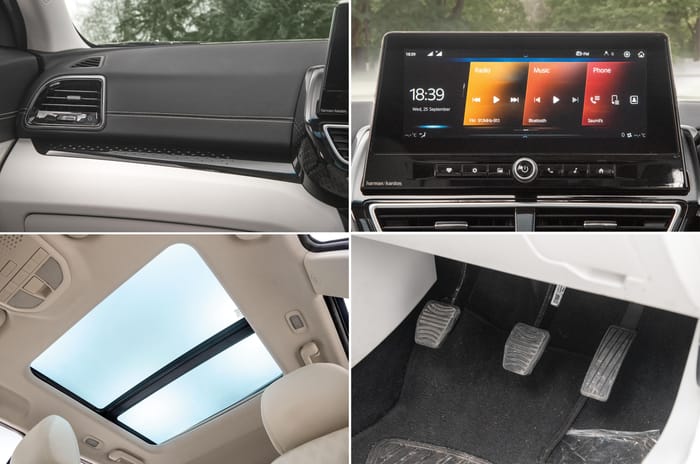
The XUV 3XO’s cabin certainly looks more upmarket, thanks to a generous use of bright colours and a segment-first panoramic sunroof. Furthermore, soft-touch materials on the dashboard and door cards, as well as the dimpled, leather-wrapped steering, feel high quality – the overall fit and finish are top-notch. On the whole, the Mahindra’s cabin makes you feel like you’ve spent your money well, although it will require more effort to keep clean.
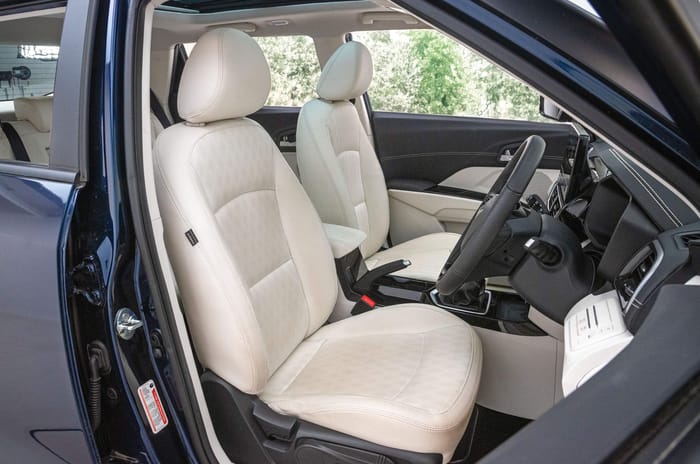
The cabin fares well in terms of user-friendliness, too – ergonomics are agreeable, storage areas are well-defined, and the use of proper buttons and knobs makes things easier to use on the move. The driver’s seat, however, isn’t very comfy due to a snug backrest, inadequate thigh support and a cramped footwell, leaving no room for a dead pedal.
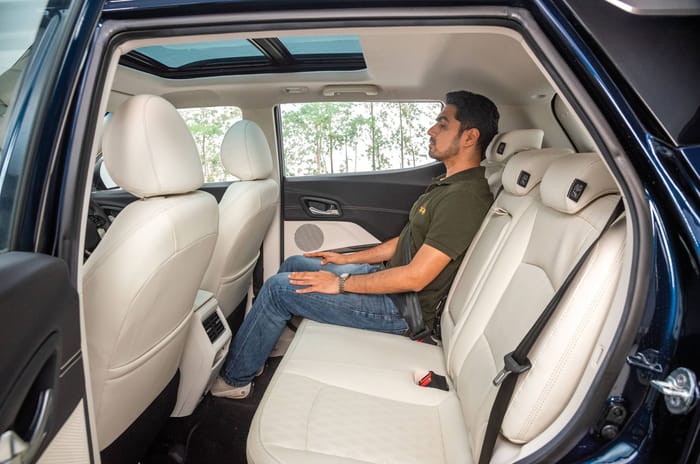
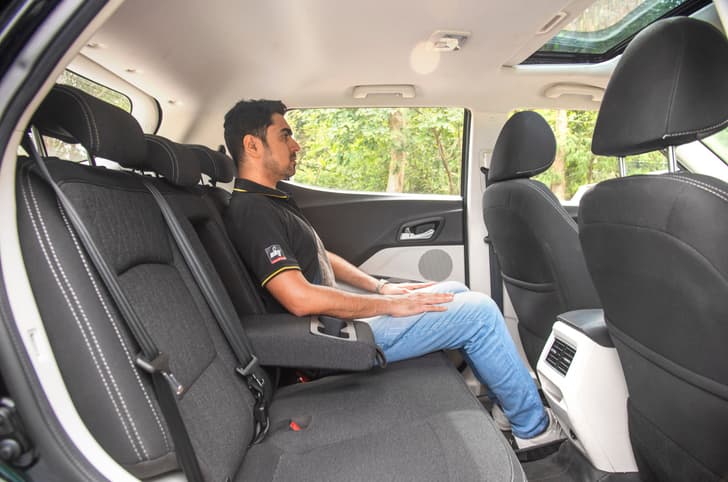
The rear seat experience is much better, though, with a broader seat, a comfier backrest angle and an overall greater sense of space than the Nexon. The shoulder room is good, too, so three abreast will be an easier fit. However, thigh support for the outer passengers will feel inadequate due to the curvy seat base design. What’s nice is that even the middle occupant gets a three-point seat belt as well as an adjustable head restraint.

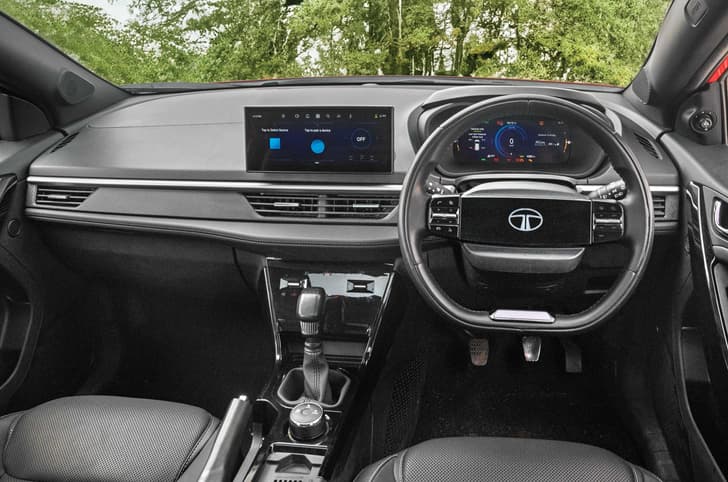
Tata Nexon interior and seating
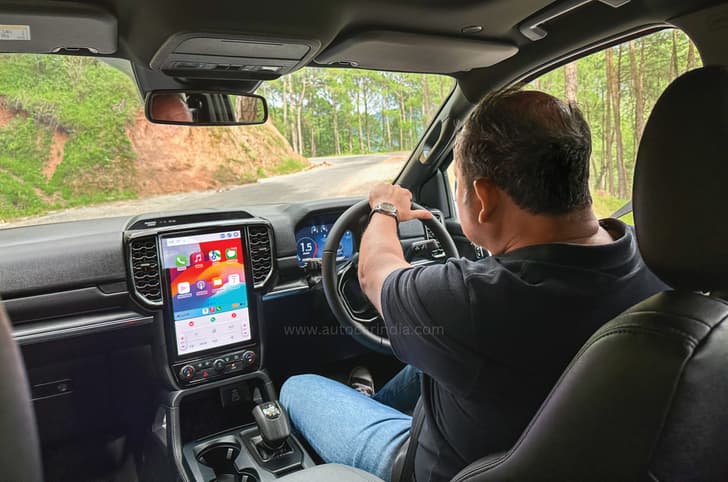
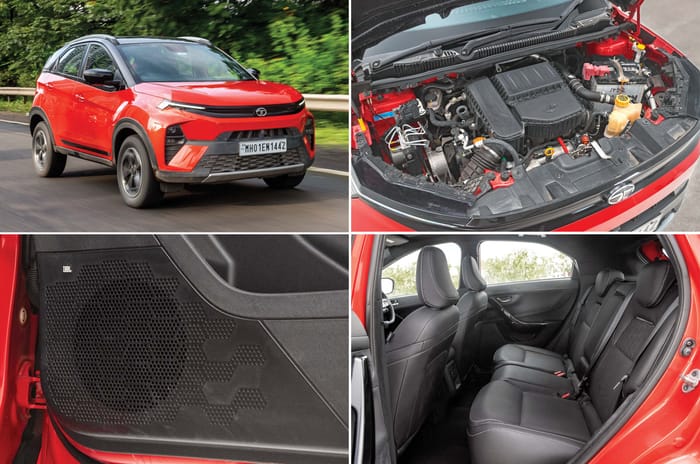
Shifting focus to the Nexon, the dark-coloured cabin hampers its sense of roominess and makes it appear a lot smaller, at least visually. The dashboard sports some modern-looking bits like a floating touchscreen, two-spoke steering wheel and capacitive touch controls for the HVAC system, but these bits are finished in piano black, which is likely to pick up surface scratches and smudge marks easily.
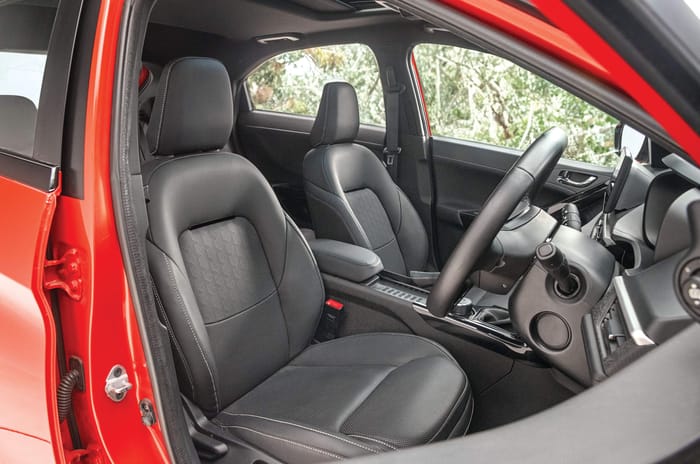
The Nexon continues to be plagued by ergonomic foibles, such as the inconvenient placement of its USB ports deep in a recess and the awkwardly angled bottle holders in the door. The buttons on the thick-rimmed steering protrude out a fair bit, and a wireless charging pad has replaced the front cup holders.
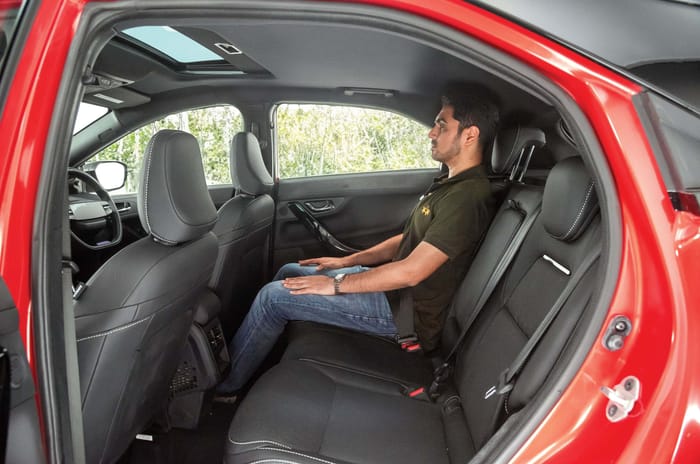
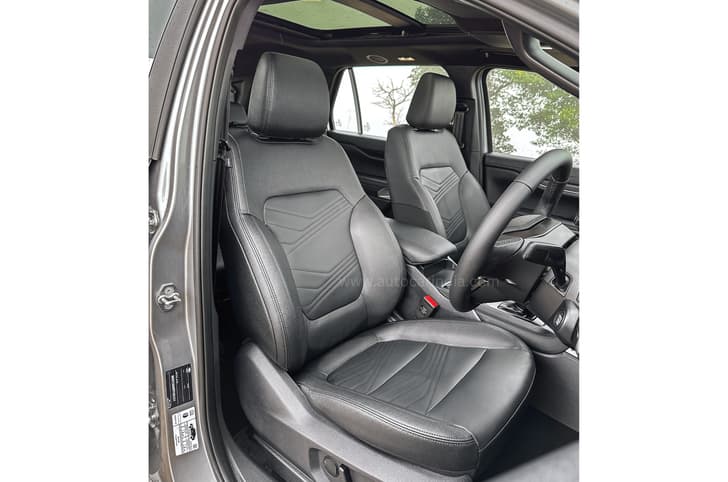
The front seats have a ventilation function, but the seats are about as narrow as the 3XO’s. Knee and legroom at the rear are tighter, and even though there isn’t any dearth of shoulder room, its back seat seems to be designed to accommodate just two adults, as the thick, concave side bolsters force the outer passengers inward. Also, the middle passenger will have to make peace with the tall central floor hump and protruding air-con console.

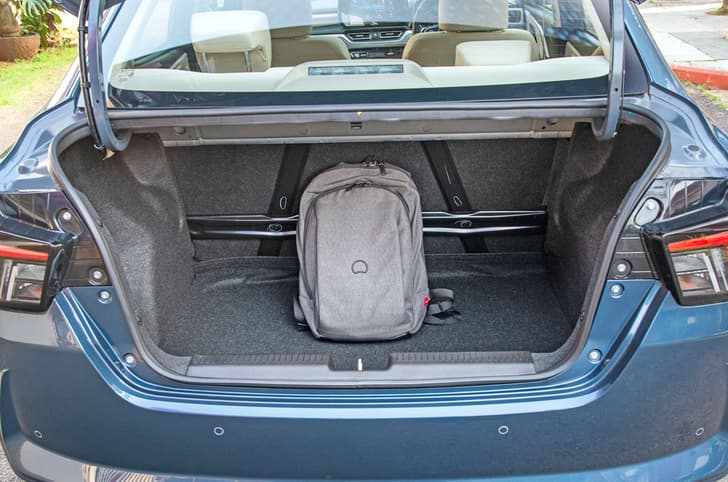
In terms of boot space, the Nexon’s is a bit larger than the XUV’s, and its loading lip is higher, too. Interestingly, the 3XO only gets a temporary spare tyre (T135/90 R16), which is one of the reasons its boot space is more than that of its predecessor, which had a larger spare. Also, for an otherwise well-equipped car, the 3XO doesn’t get a parcel shelf as standard; it has to be bought as an accessory.
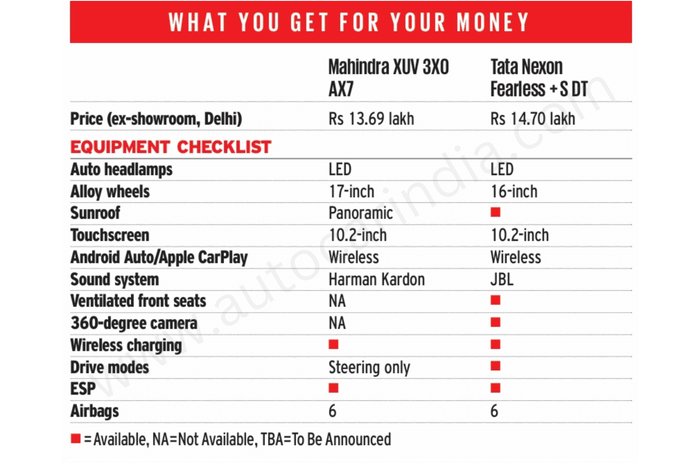
The Mahindra XUV 3XO has a much lower starting point, with its base variant priced at Rs 9.99 lakh – Rs 1 lakh lower than the Nexon’s. For this comparison, we have the XUV 3XO’s second-from-top AX7 variant priced at Rs 13.69 lakh and the Nexon’s fully loaded Fearless +S DT variant, which costs Rs 14.70 lakh. The Nexon’s Fearless variant is priced at Rs 13.70 lakh, but it misses the JBL sound system and the sunroof. The Mahindra also gets a fully loaded AX7 L variant priced at Rs 14.99 lakh, which adds ADAS, a 360-degree camera and an electronic parking brake.
The Mahindra doesn’t get ventilated front seats, which the Nexon offers, but even this AX7 variant gets 17-inch alloys (vs Nexon’s 16 inchers) and a panoramic sunroof and rear disc brakes, which the Tata doesn’t get.
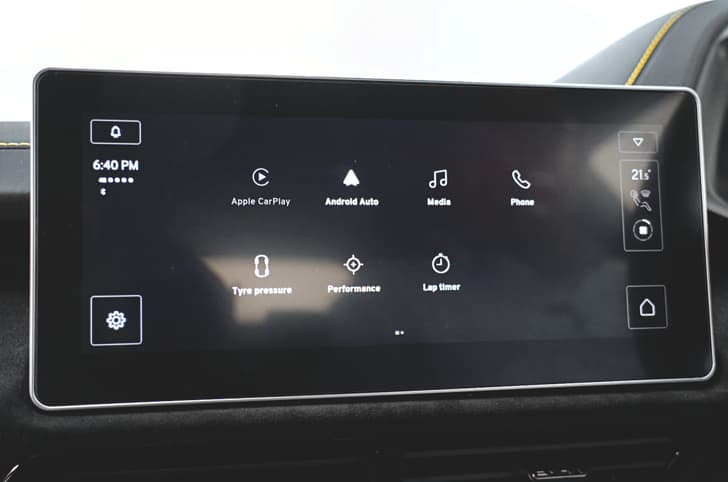
As far as their user experience, user interface and sound systems go, the Nexon certainly has an edge. The touchscreen feels nicer to use, and the JBL speakerssound more immersive and deliver a better aural experience. In our XUV 3XO test vehicle, many features, such as wireless Android Auto and Apple CarPlay, hadn’t been activated. Even the different sound modes didn’t change the audio experience.
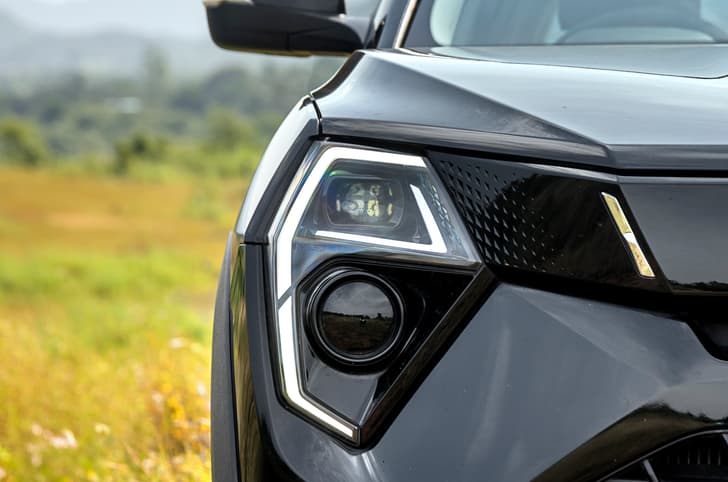
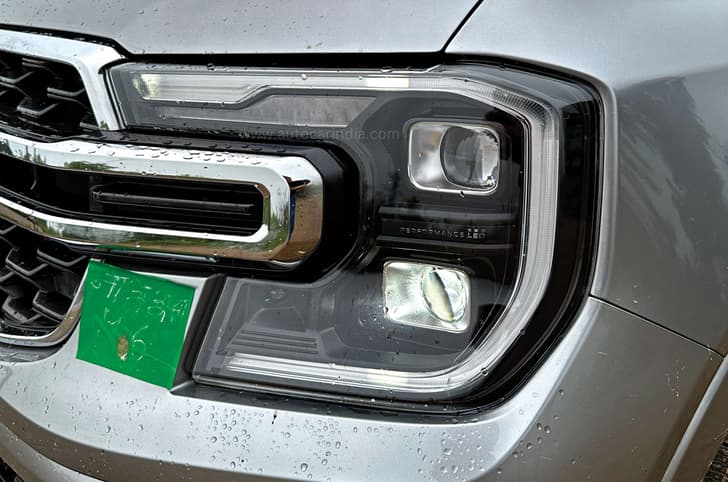
What worked better, though, were the XUV’s LED headlamps, which illuminated the road more evenly and had a better spread, too.
Interestingly, the Nexon’s 360-degree camera is clearer in the day, but in low-light conditions, the XUV’s two reversing lights brighten up the area better. The Nexon’s single reversing light results in a camera feed that isn’t as clear, although it displays a much wider view.
Both the cars are powered by 1.5-litre, four-cylinder turbo-diesel engines mated to 6-speed manual transmissions. But that’s where their similarities end. To meet stringent BS6.2 emissions norms, Tata uses a Lean NOx Trap (LNT) and diesel particulate filter (DPF). It is accompanied by the cost-effective Passive Selective Catalytic Reduction that eliminates the need for a urea tank and an injection system, which are a part of the Selective Catalytic Reduction (SCR) system. The XUV 3XO diesel deploys the latter, which is more expensive as it warrants a separate AdBlue tank and other ancillaries. It also needs regular maintenance as owners have to refill the AdBlue tank at fixed intervals, which is an added cost.
Right off the bat, the Mahindra’s diesel feels smoother and more refined. Yes, you can hear some diesel clatter at idle, but the engine note isn’t as coarse or as gravelly as the Tata’s. With 117hp and 300Nm, the XUV’s diesel has the numbers in its favour – 2hp and 40Nm more than the Nexon’s. However, its 1,469kg kerb weight makes it 112kg heavier than the Nexon diesel, which negates its advantage on paper. Like other Mahindras, a crisp throttle response lends it a nice feeling of power each time you dab the accelerator. There is some turbo lag below 1,700rpm, but the gush of torque beyond that makes the XUV sail past slower-moving traffic with ease.
The Tata’s engine feels stronger, thanks to its lighter kerb weight and more aggressive power delivery. Turbo lag is also managed better, and the drive modes, which transform the way the Nexon behaves, make a significant difference. In ‘Eco’ mode, it feels starved of power in the interest of efficiency. However, dial it to ‘Sport’ mode, and the Nexon sprints forward with gusto.
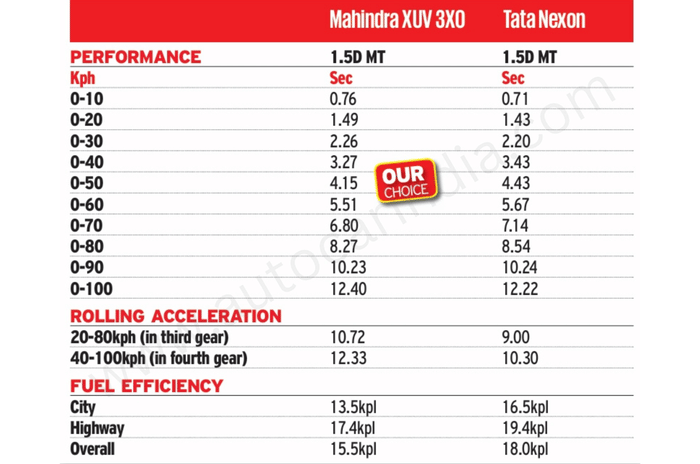
In our tests, both cars were neck and neck when accelerating from 0kph to 100, but in rolling acceleration, the Nexon leaves the XUV trailing by a significant margin in every gear.
So, while the Nexon diesel impresses with its performance, refinement isn’t its strong suit. The gravelly diesel note gets progressively louder as you spin this engine harder.
The Mahindra XUV 3XO gets an automatic engine stop-start system to save fuel while idling, whereas the Nexon gets an Eco drive mode to abate fuel consumption. In our real-world test, the Nexon’s 1.5-litre diesel delivered an average fuel efficiency of 18kpl, which is 2.5kpl higher than what the XUV 3XO diesel achieved. In the city, the Nexon bettered the XUV’s number by 3kpl, delivering 16.5kpl. On the highway, the Nexon returned 19.4kpl in our tests, 2kpl better than the Mahindra.
Typical of a Mahindra, the XUV 3XO’s underpinnings feel tough. It soaks up harsh blows from bad roads with an added layer of cushioning, resulting in a plush low-speed ride, although the suspension can get quite loud while at work. At highway speeds, too, the XUV feels planted, and while vertical movement is greater than the Nexon’s, body movements aren’t to the point of feeling uncomfortable. There are steering modes on offer in the XUV 3XO that alter the weight and resistance of the electric power steering, and while ‘Sport’ mode makes the steering unnaturally heavy, ‘Comfort’ feels light and effortless, which is what most users are likely to prefer. While on the topic of user-friendliness, the clutch pedal doesn’t warrant any more effort than the Nexon’s, and even though its gearbox has long throws, it feels smoother and easier to slot into gates. The XUV gets rear disc brakes (the Nexon gets drums at the rear), so despite being 112kg heavier, in our panic braking tests from 80kph to a standstill, it stopped at a shorter distance.
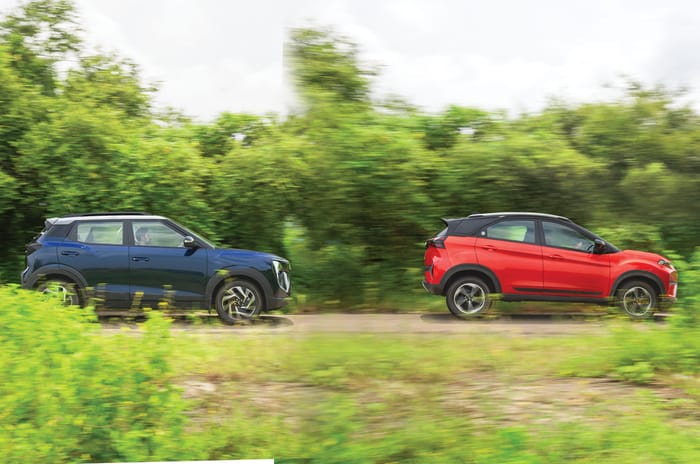
The Nexon feels sportier thanks to sharper steering, a tighter chassis and an overall stiffer suspension setup. Its structure feels inherently robust, and it shrugs off bad roads and does so in a quieter manner. What’s also nice is that the Nexon remains glued to the road at highway speeds, and the body roll is well in check. However, since its suspension isn’t as absorbent as the XUV’s, passengers in the Nexon are likely to feel sharp body movements over rough sections of road, especially at city speeds.
The Tata Nexon brings a lot to the table, such as a spacious cabin, a long list of features, and a fantastic infotainment and audio experience. And besides feeling tough, it boasts a 5-star Global NCAP crash-test rating. The 3XO has scored five stars, too. What’s more, the Nexon’s strong diesel engine makes it both quicker and much more fuel-efficient than the Mahindra XUV 3XO.
However, the XUV 3XO’s diesel engine is far ahead on smoothness and refinement; its driving controls are lighter, and ride quality in the city is plusher. A generous use of bright colours and higher-quality materials make its interiors feel more upmarket, too. Yes, it misses ventilated front seats, a very popular feature these days, but it makes up for it with others like a panoramic sunroof and ADAS (on the AX7 L), for a price very close to the Nexon’s. In summary, while the Nexon has strong fundamentals, it is the Mahindra that feels more polished and upmarket, and that’s why it wins this comparison test.
Also see:
Mahindra XUV 3XO vs Tata Nexon comparison video
 Lenny D'sa
 Sergius Barretto
 Soham Thakur
 Nikhil Bhatia