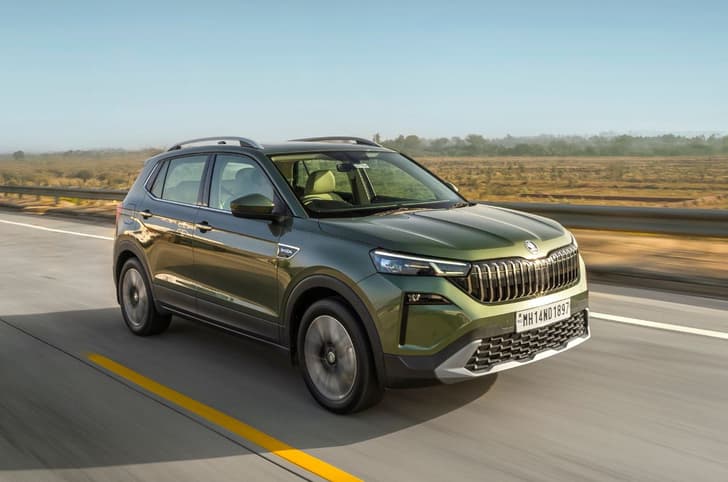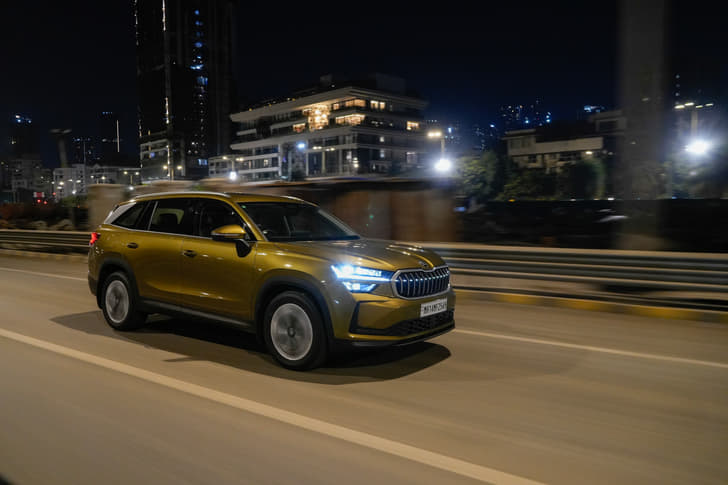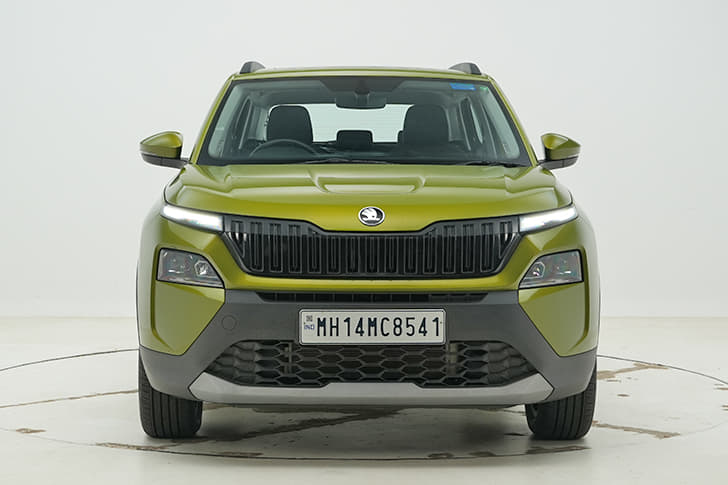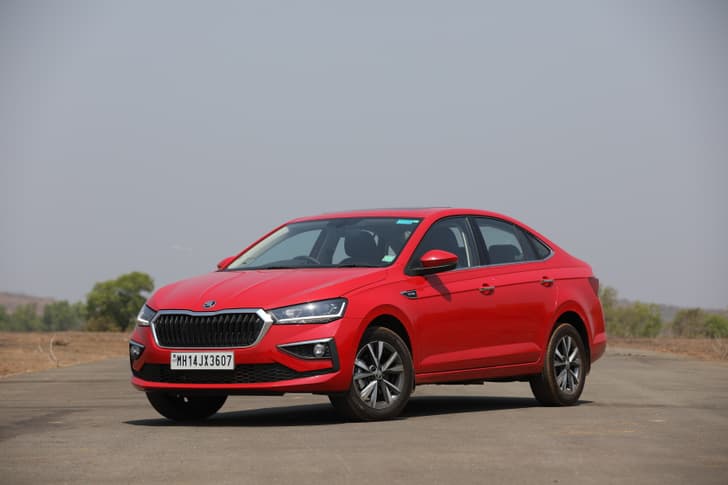
Skoda Auto Volkswagen India Pvt Ltd (SAVWIPL) has entered into discussions with the JSW Group for a strategic equity partnership aimed at funding and developing its next-generation SUV portfolio based on the CMP21 platform. The deal, if finalised, could redefine Skoda-VW’s growth prospects in India, combining VW’s technology with JSW’s financial and industrial strength.
Volkswagen Group's India plans
Local partner a must for Skoda-VW India.
The Volkswagen Group’s Indian subsidiary abandoned the costly MQB A0 37 platform in favour of the more versatile CMP21 architecture, projected to support a range of internal combustion, hybrid and electric SUVs. However, with the project's estimated investment exceeding Euro 1 billion (over Rs 1,026 crore), VW Group has made it clear that Skoda-VW India must bring in a local equity partner to share the financial burden and gain project approval.
Talks with Mahindra fell through.
Initial talks with Mahindra & Mahindra, viewed as a logical partner given its automotive pedigree, faltered due to divergent strategic priorities and valuation disagreements. The JSW Group, which has huge ambitions in the automotive space and is parallelly an equity partner in JSW-MG India, has emerged as the new preferred partner.
Speaking exclusively to our sister publication Autocar Professional at the Munich Mobility Show, Klaus Zellmer, global CEO of Skoda Auto, acknowledged the ongoing search for a partner. “Partnerships remain a strategic option to combine cultural alignment with business goals. The train has not left the station yet.”
Potential of Skoda-VW and JSW partnership
Discussions highlight dependence of local partnerships by international manufacturers.
Preparations on the CMP21 platform continue, despite not getting a greenlight, to avoid delays in the planned mid-2027 launch. A successful tie up with JSW could be pivotal in reinvigorating Skoda-VW’s ambitions amid India’s rapidly electrifying and evolving automotive market landscape.
In a broader industry context, the Skoda-VW and JSW discussions highlight how international automakers increasingly depend on strategic local partnerships to absorb risks, navigate market complexities, and capture growth in the Indian market which is now the third largest in the world.
 Viraaj Bhatnagar
 Dipan Sur
 Dhruv Dhaka