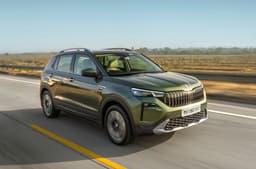


Almost five years since it first launched, the Skoda Kushaq has received a substantial facelift that brings forth updates to its exterior, interior, features list, and even powertrain options. How does the refreshed Kushaq precisely differ from its pre-facelift avatar, though? We delve into the details.
2026 Skoda Kushaq facelift vs old model exterior design
Majority of changes concentrated on the fascia
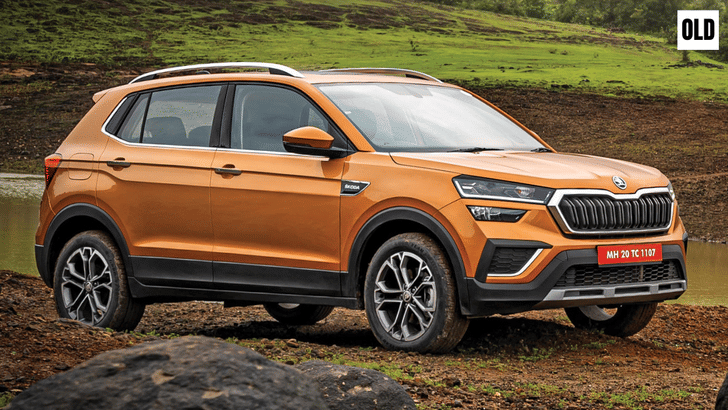
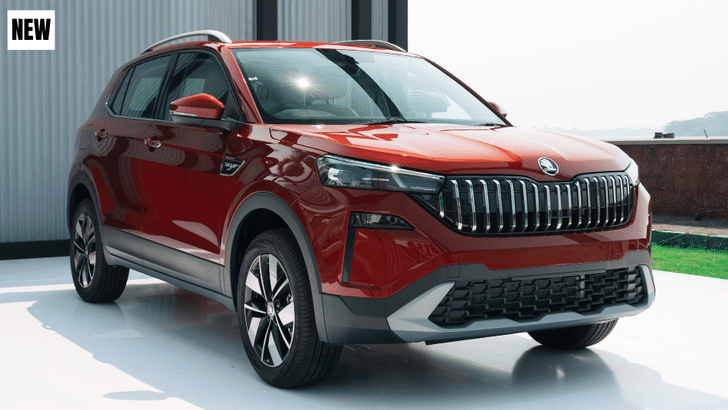
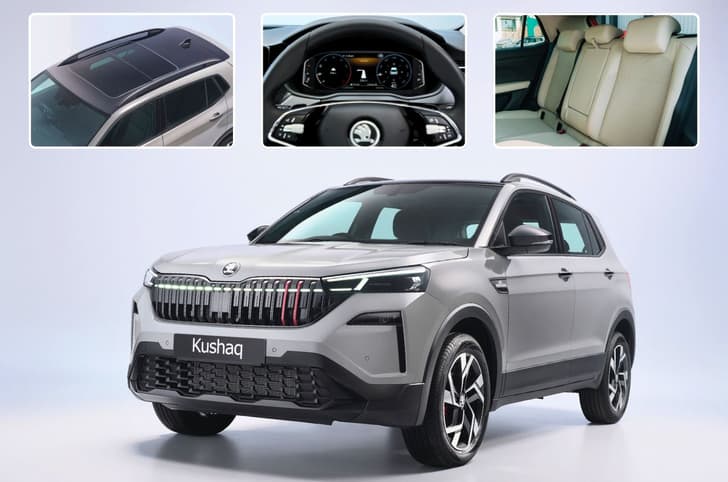
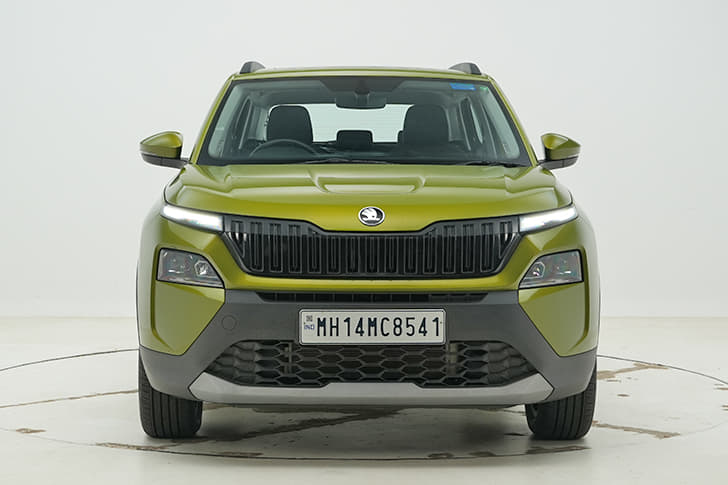
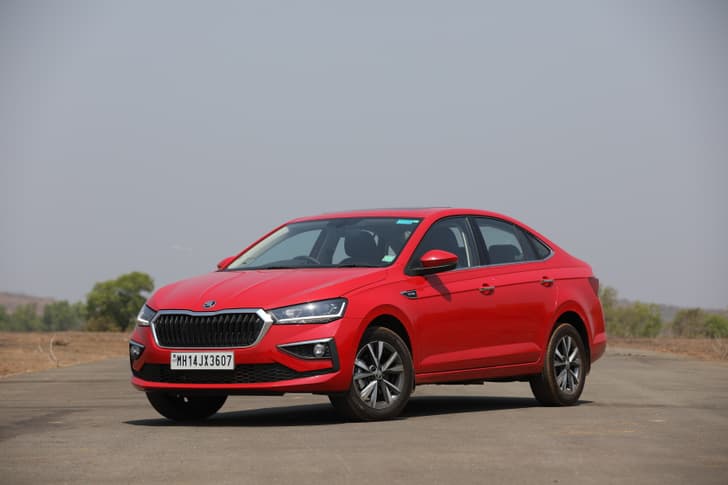
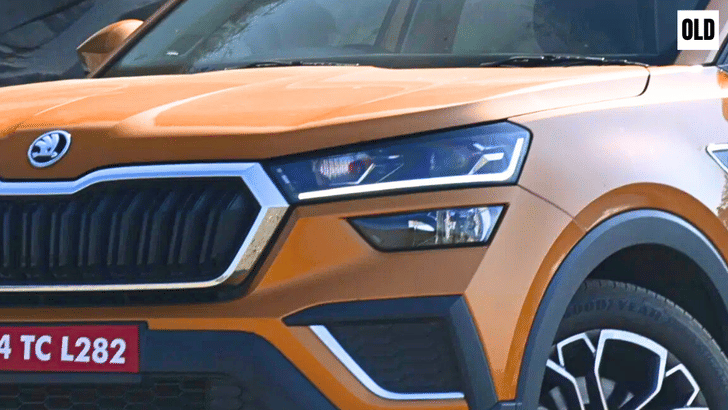
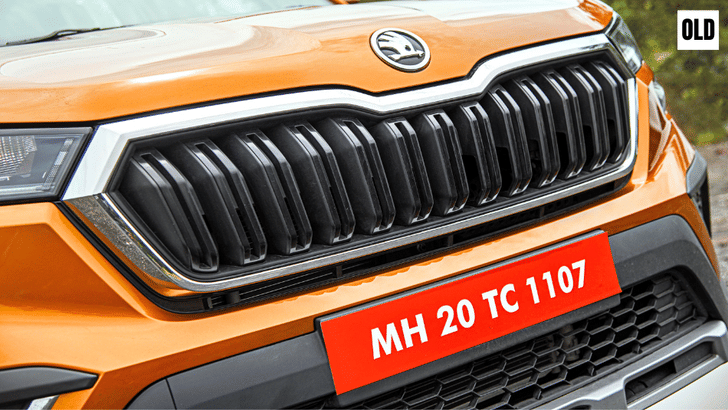
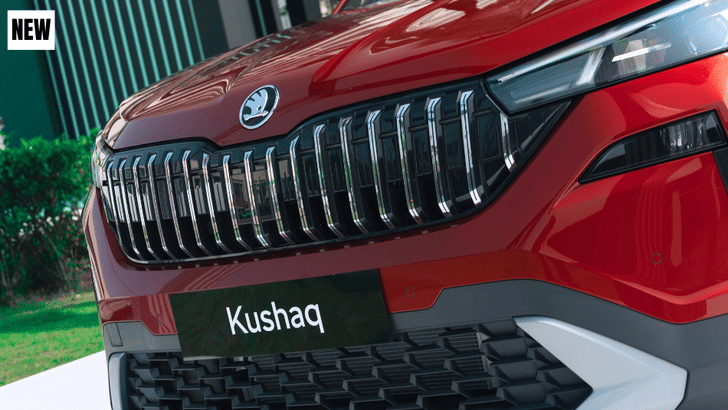
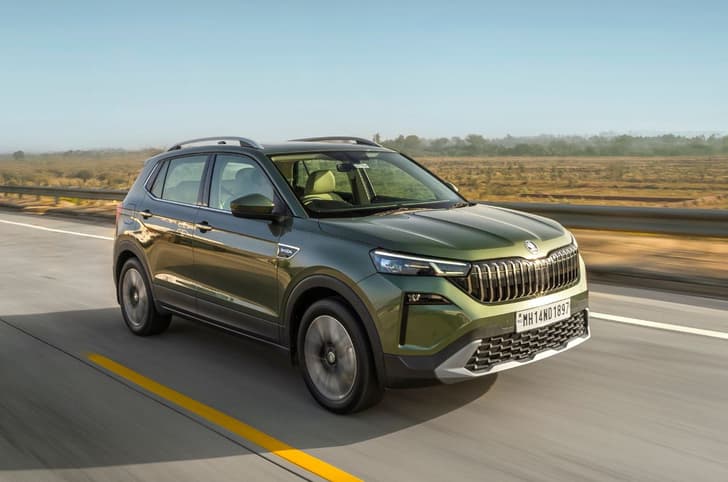
Some of the most prominent changes are up front, where the Skoda Kushaq facelift sports a wider grille with chrome-lined slats, slimmer surrounds, and a light strip à la the Kodiaq. The LED headlights now feature eyebrow-like DRLs as opposed to the L-shaped signatures of the prior model, the fog lamps are smaller and have been repositioned a bit lower down, and the redesigned bumper gets a larger air dam and ridged skid plate.
Kushaq facelift gets rear LED light bar
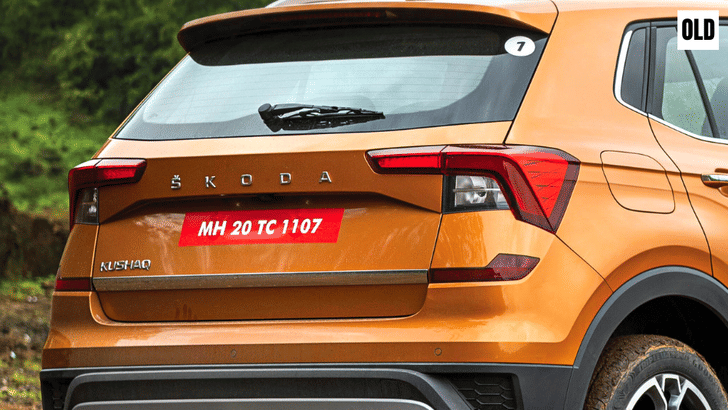
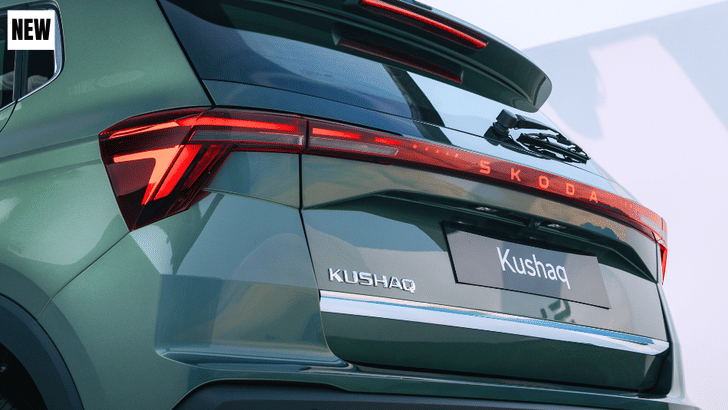
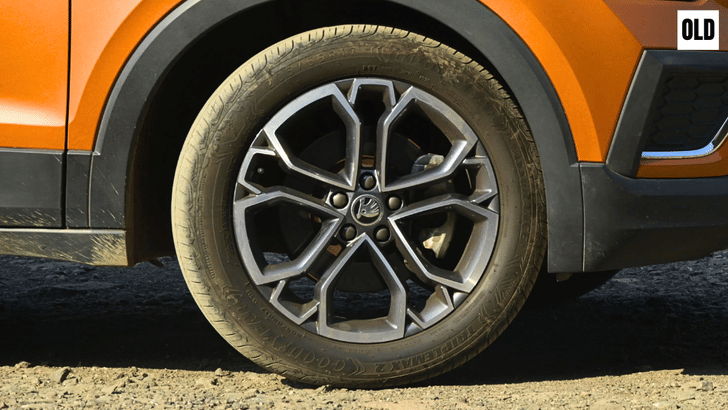
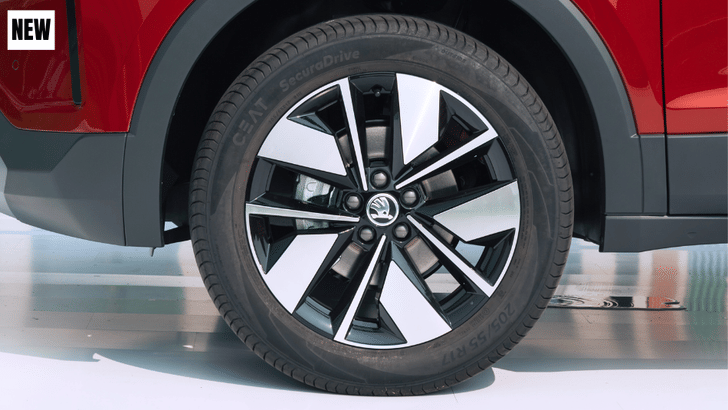
Aside from new alloy wheel designs, the Kushaq facelift’s side profile looks largely identical to that of the pre-facelift version. However, the rear end of the Kushaq facelift ditches the outgoing model’s conventional tail-lamp setup in favour of an LED light bar that includes illuminated ‘SKODA’ lettering and sequential indicators. The reflectors have been moved into the rear bumper, which also features a bit more cladding and a ridged skid plate, similar to the one on the fascia.
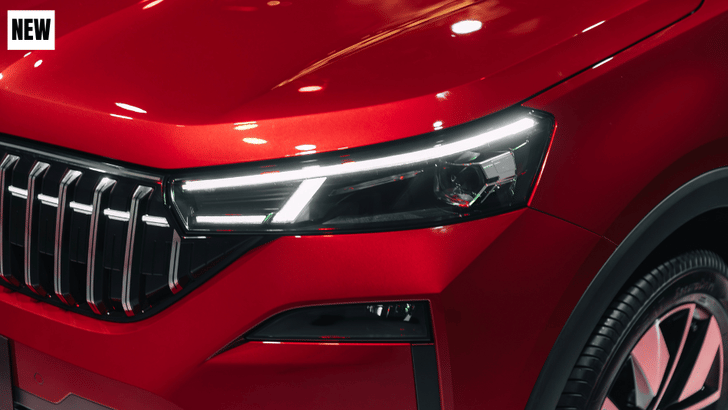
In terms of colours, the Kushaq facelift improves upon the original with three new options, namely Cherry Red, Shimla Green and Steel Grey, for a total of eight exterior shades.
2026 Skoda Kushaq facelift vs old model interior and features
No changes to the overall layout, but colour schemes are different
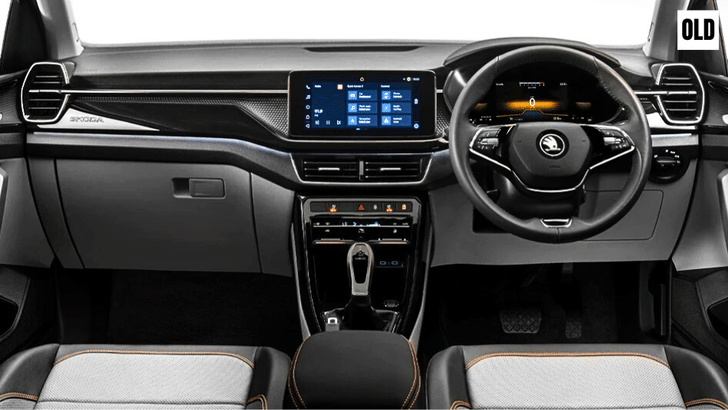
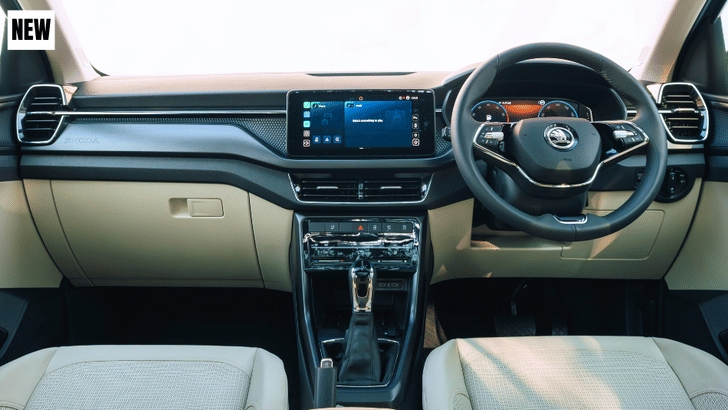
The interior layout of the Kushaq facelift is largely unchanged from that of the prior model, though the former’s Prestige trims now get beige upholstery and the sportier Monte Carlo variants feature a black-and-crimson colour scheme inside. Some of the gloss-black trim pieces have been replaced, too, although the touch-capacitive HVAC controls haven't made way for physical knobs and buttons.
Interestingly, Skoda claims a larger 491-litre boot space for the Kushaq facelift – a hefty 106 litres more than the prior Kushaq – but the shape of the luggage bay hasn't changed by much. This could suggest that for the Kushaq facelift, Skoda is measuring boot space up to the roof instead of the parcel tray.
Panoramic sunroof and all-new digital driver's display
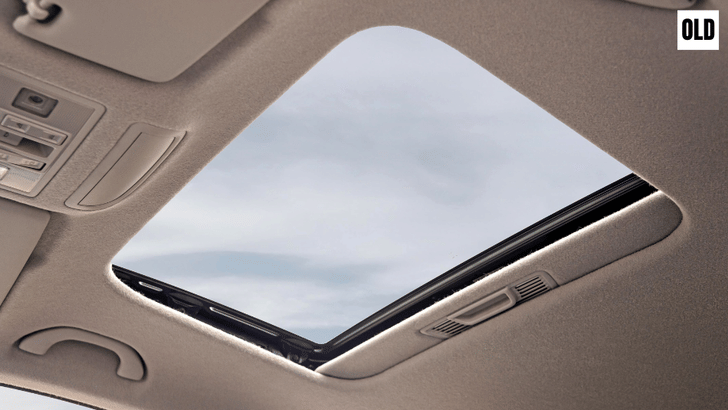
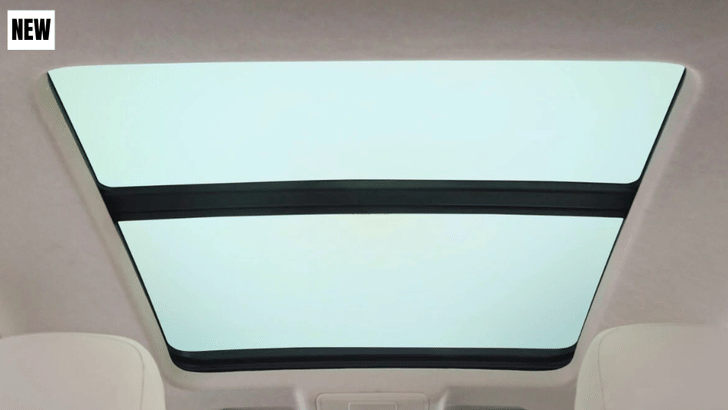
Notably, higher-spec variants of the Kushaq facelift are equipped with a new 10.25-inch digital instrument cluster, which is substantially larger than the old model’s 8-inch unit and has revised graphics. The Kushaq facelift also has a 10.1-inch infotainment touchscreen with updated software, and it comes with a panoramic sunroof too; the prior model got a single-pane sunroof only.
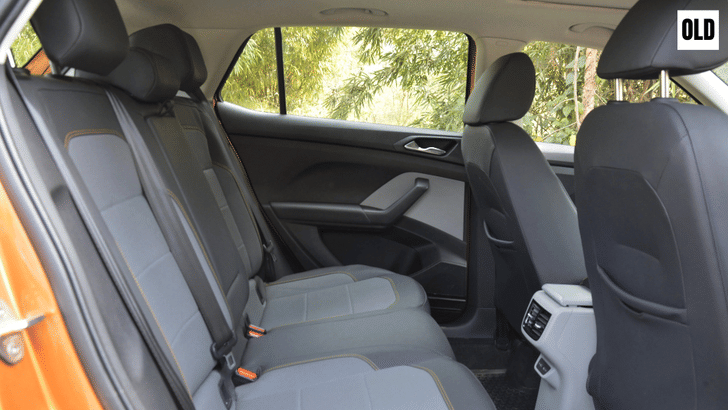
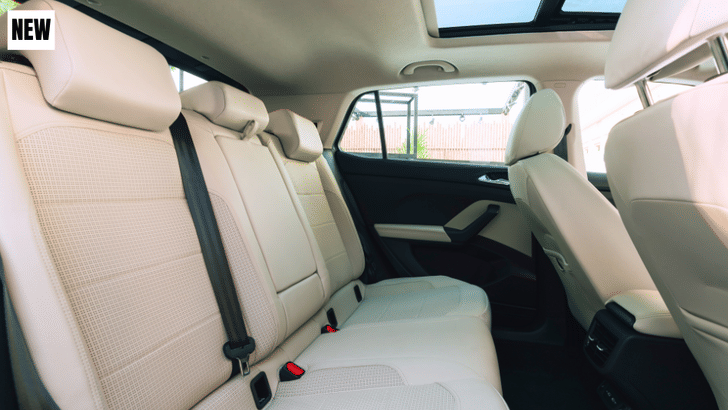
Coming to creature comforts, the biggest addition to the Kushaq facelift is a rear seat massage function – a segment-first feature. It also outdoes the old Kushaq by offering front parking sensors, rain-sensing wipers, dual-colour ambient lighting and Google Gemini integration in the infotainment system.
2026 Skoda Kushaq facelift vs old model powertrains
New 8-speed AT replaces 1.0 TSI's 6-speed AT option
While the Kushaq facelift carries forward the previous model’s 115hp 1.0-litre turbo-petrol and 150hp 1.5-litre turbo-petrol engines, it replaces the former’s 6-speed torque converter automatic gearbox option with a brand-new 8-speed automatic unit.
Much like the pre-facelift Kushaq, the 1.0 TSI engine can also be had with a 6-speed manual gearbox, and the stronger 1.5 TSI motor is available exclusively with a 7-speed dual-clutch automatic. Addressing consumer feedback, Skoda has also included rear disc brakes for the 1.5 TSI variants of the Kushaq facelift.



 Uday Singh

 Glenn Noronha
 Dipan Sur