Autocar India

Upcoming Skoda cars in India (4)

The automotive market is gearing up for exciting launches, and upcoming Skoda cars in India are among the most anticipated. Known for blending design, features, and performance, Skoda continues to attract strong interest from buyers. 


There are 4 upcoming Skoda cars in 2026 expected to be introduced across different segments. These models will cover a wide price range, giving customers multiple options to choose from. 


With changing preferences, upcoming Skoda cars in India are set to offer modern styling, advanced technology, and improved efficiency. Whether you are planning a practical family car or a premium upgrade, the upcoming Skoda cars in 2026 bring something for every buyer. 

Show more
Upcoming
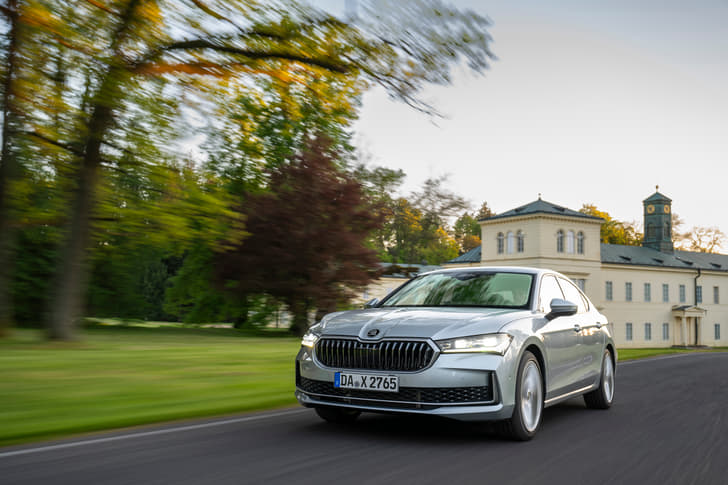
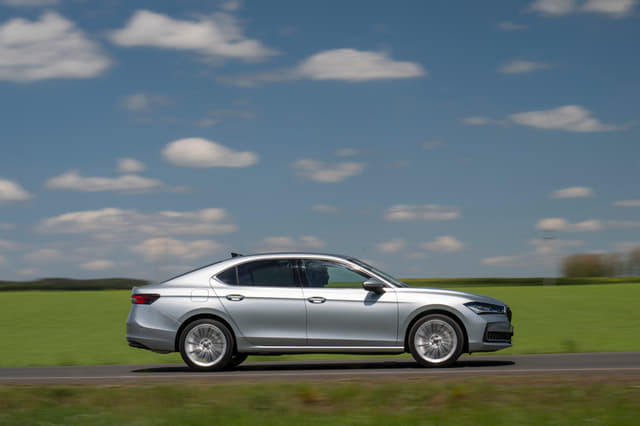
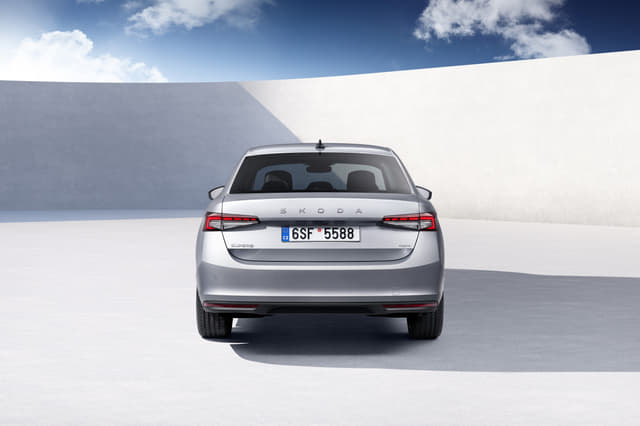
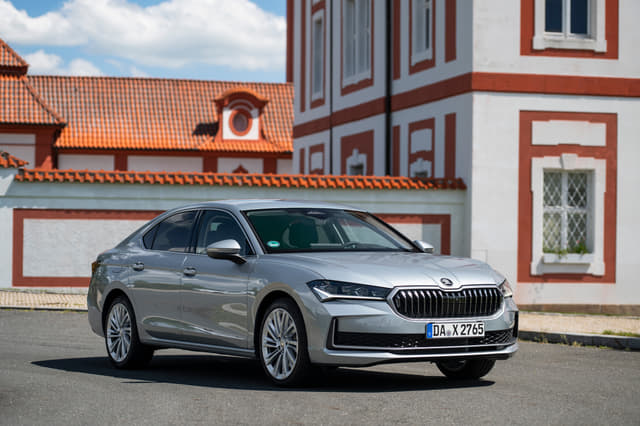
Skoda Superb Front Right Three Quarter
Skoda Superb Alloy Wheels
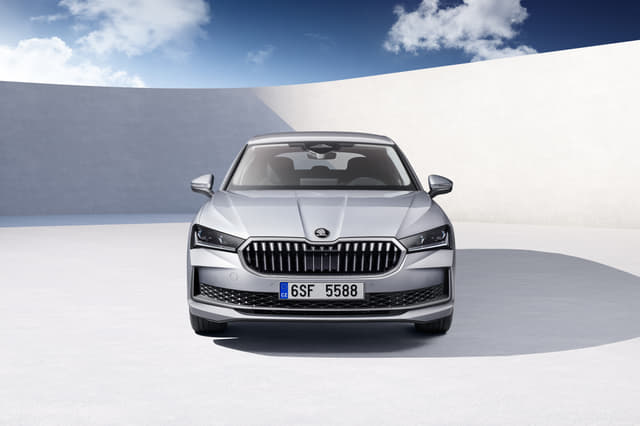
Skoda Superb Front View
Skoda Superb Rear View
Skoda Superb Front Right Three Quarter
8
2026
Exp. Launch
Petrol
Automatic
Sedan
Upcoming
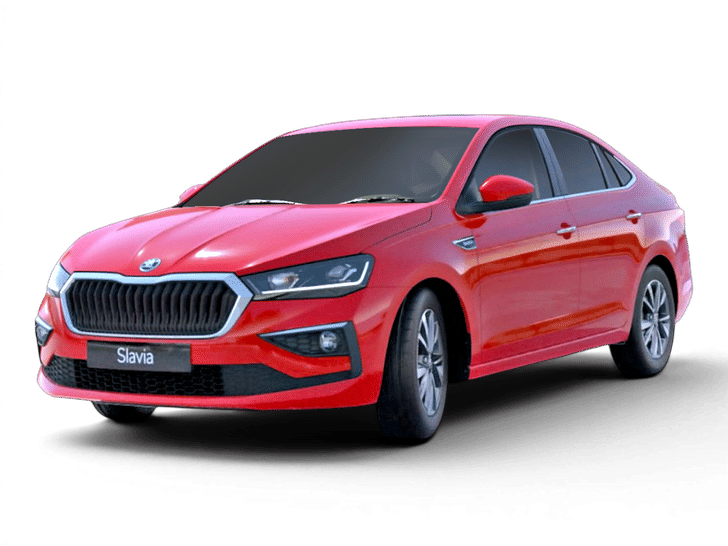
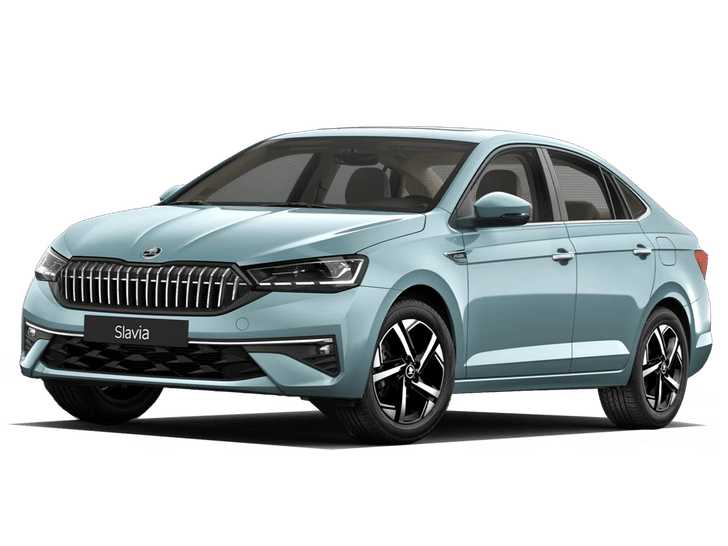
Skoda Slavia facelift
August 18, 2026
Exp. Launch
Petrol
Automatic
Sedan
Upcoming
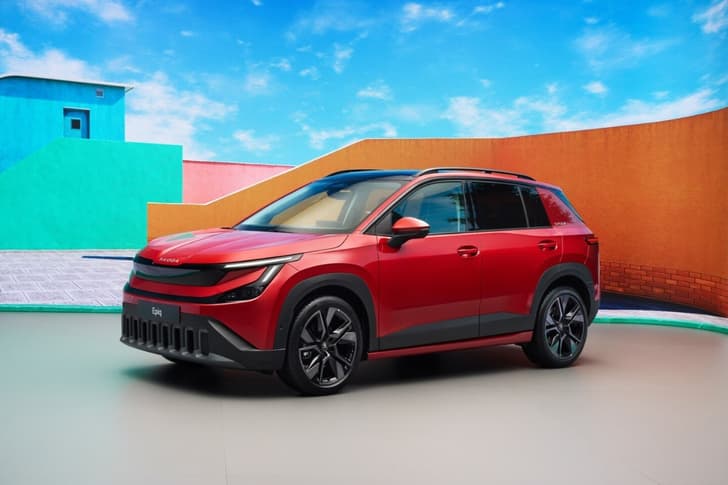
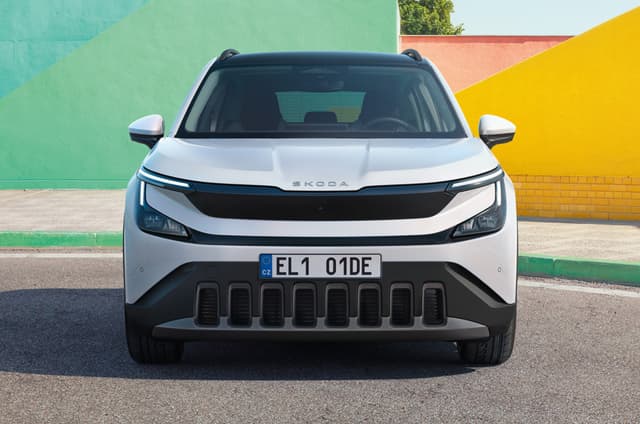
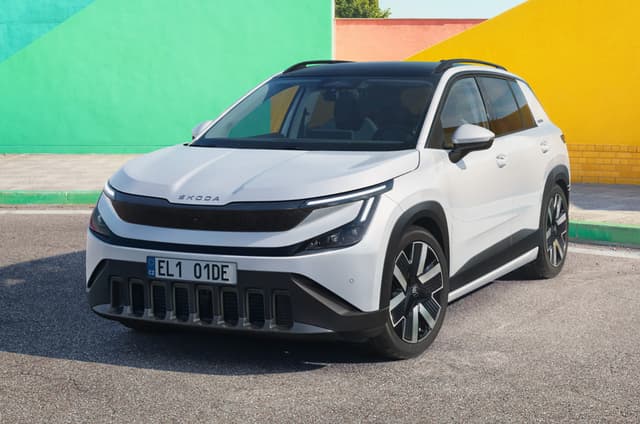
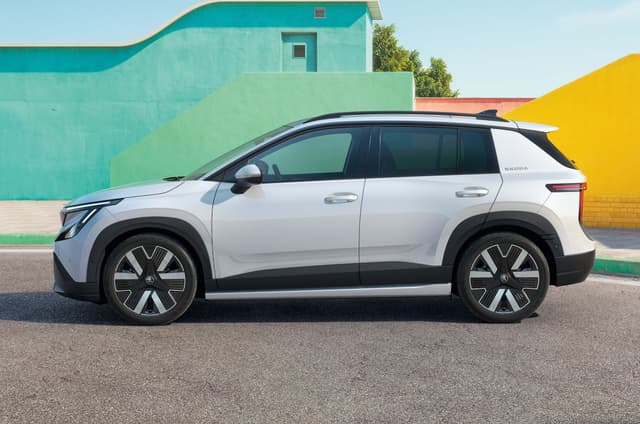
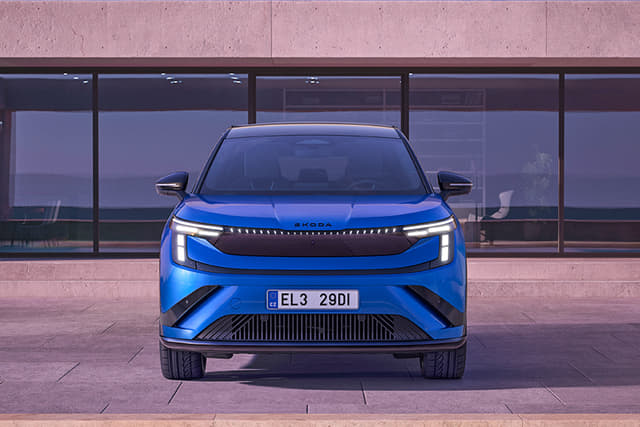
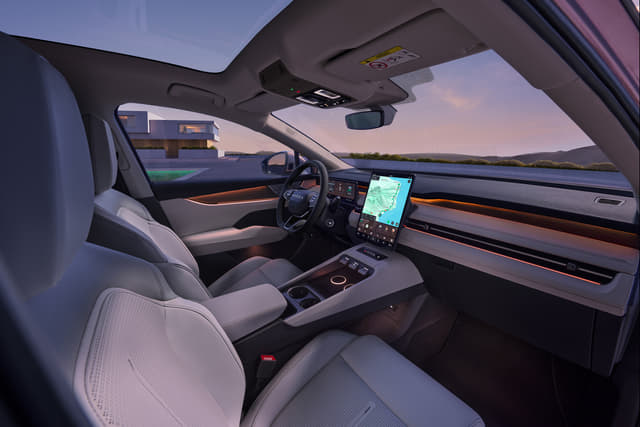
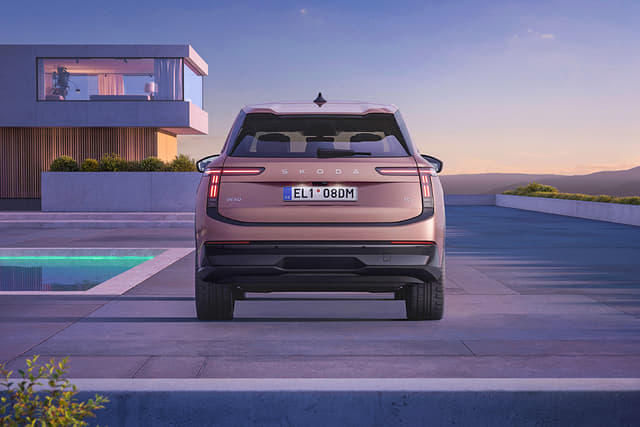
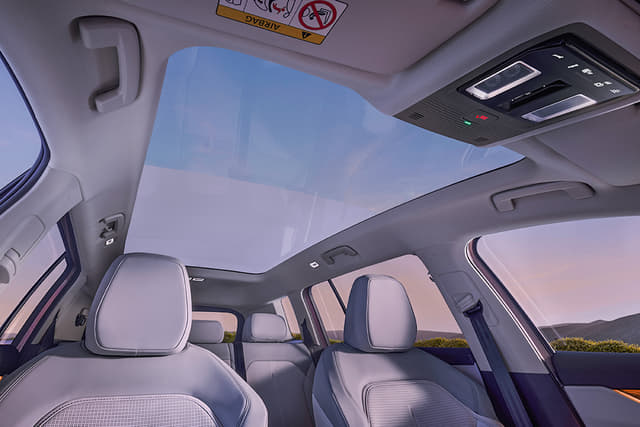
Skoda Epiq
Skoda Epiq
Skoda Epiq
Skoda Epiq
Skoda Epiq
2027
Exp. Launch
Electric icon
Electric
SUV
Upcoming
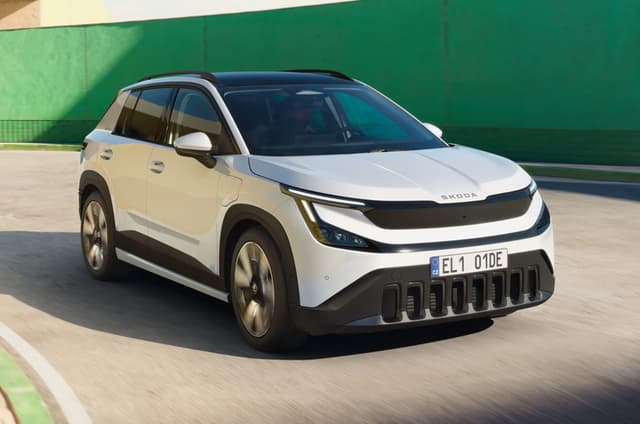
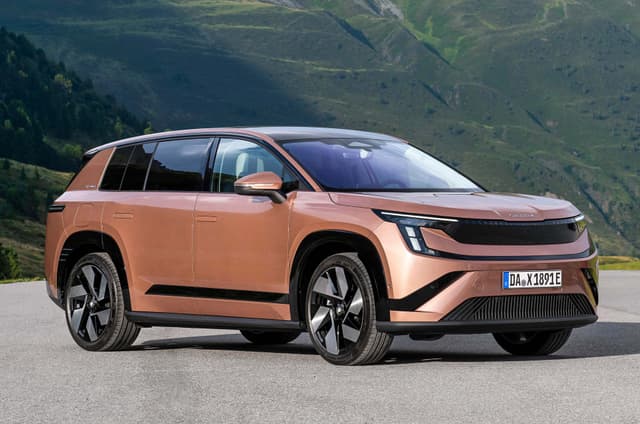
Skoda Peaq
Skoda Peaq
Skoda Peaq
Skoda Peaq
Skoda Peaq
2027
Exp. Launch
Electric icon
Electric
SUV

Trending Questions on Skoda Cars - Answered by Autocar Experts

3d

I used to own a Tata Nexon AMT petrol for five years, but I had to sell it due to a serious manufacturing-related rusting issue and a poor service experience. I’m now looking to buy a new automatic petrol SUV with a budget of up to Rs 14 lakh. The car will mainly be used for weekend driving within the city, with perhaps one long trip every month. The annual running is expected to be only around 5,000- 6,000 km. A car that does not require much hassle in terms of servicing would be a major plus. Good power output and decent fuel efficiency are also important. What options can be considered?

Verified
1h

Given your low annual running, weekend city use and a monthly highway trip, a petrol automatic is the right choice. Since you had a poor experience with Tata cars, we would recommend the Maruti Suzuki Brezza automatic. It is a reliable, hassle-free SUV with a proven service network, which is exactly what you are looking for. The 1.5-litre petrol engine is smooth and the 6-speed torque converter automatic is far better than the AMT you had in the Tata Nexon. It is not the most powerful car in the segment, but it is dependable and easy to live with.If you want something with a bit more power and a more engaging driving experience, the Skoda Kylaq 1.0 TSI automatic is a good alternative. The turbo petrol engine is punchy and the 6-speed torque converter automatic is smooth in the city. Skoda's service network is not as extensive as Maruti's, but it has improved significantly in recent years.The Mahindra XUV 3XO petrol automatic is also worth considering. It is one of the most powerful cars in the segment and offers a strong feature list, but the boot is on the smaller side.Overall, the Brezza is the safest recommendation for your requirements. If you want more performance, the Kylaq is the better choice.

VehicleMaruti Suzuki Brezza
VehicleTata Nexon
VehicleMahindra XUV 3XO
VehicleSkoda Kylaq
4d

I own a 2022 Volkswagen Taigun 1.5 GT MT and have driven around 56,000 km. Recently, I have been experiencing knee pain and possibly the early stages of arthritis. Considering the traffic in Gurugram, I am thinking of switching to an automatic transmission, but I am unsure whether the Taigun’s DSG gearbox would be a reliable option for long-term ownership. What would you suggest? I do not want to upgrade to a higher segment, but I also do not want to compromise on the level of performance I currently enjoy.

Verified
3h

Given your knee pain and Gurugram traffic, moving to an automatic is the right decision. The Volkswagen Taigun 1.5 TSI DSG is a fantastic driver's car, but the DSG gearbox is not the most stress-free ownership proposition in the long term, especially in heavy stop-start traffic. If you want to stay in the same segment and not compromise on performance, the Skoda Kushaq 1.0 TSI with the 8-speed torque converter automatic is the best option. The 1.0 litre TSI engine will not be as peppy as your 1.5 litre Taigun, but for everyday traffic it is surprisingly good and lively enough driven at everyday speeds. You will not lose any performance in the city and the torque converter gearbox is far more robust, smoother and better suited to city traffic. It is also a genuinely enjoyable car to drive, so you are not giving up the driving experience you enjoy. If you want to save some money, the Skoda Kylaq 1.0 TSI with the same torque converter automatic is also worth considering. It is essentially the same mechanical package in a slightly smaller and more affordable body. The key point is that the torque converter automatic is the right solution for your knee and your city usage, and you do not have to compromise on performance to get it.

VehicleSkoda Kushaq
VehicleSkoda Kylaq
VehicleVolkswagen Taigun
4d

Which is the better car between the Kylaq and the new Brezza 1.0-litre turbo? Most of my driving will be in the city, but on road trips, the car will cover around 600-700 km in a day. My priorities are decent suspension, good handling and drivability, along with confidence-inspiring highway manners. At speeds above 100 kph, which of the two offers better stability and performance?

Verified
5h

Go for the Skoda Kylaq 1.0 TSI. It is the better fit for your usage. The 1.0 TSI turbo petrol engine is punchy and offers strong mid-range performance, which makes highway overtakes easy and the car feels stable and confident at triple-digit speeds. The suspension is well-tuned, offering a good balance between ride comfort and handling, and the steering is precise, which inspires confidence on long highway runs. The Maruti Suzuki Brezza 1.0 turbo is a good car, but the Kylaq feels more engaging to drive and is better suited to your requirements. The only thing to keep in mind is that the Kylaq's boot is on the smaller side, so if you regularly carry a lot of luggage, that is something to consider. Overall, for your mix of city driving and long highway trips, the Kylaq is the better fit.

VehicleSkoda Kylaq
VehicleMaruti Suzuki Brezza
1w

I have a 2012 Volkswagen Jetta 2.0 TDI Highline. I’ve tried two cars since then, but I still haven’t found a suitable replacement that matches it in terms of driving dynamics. So, I’m continuing to hold on to the Jetta for now. Could you suggest a suitable replacement that offers a similar driving experience?

Verified
6h

If you are still holding on to your 2012 Volkswagen Jetta 2.0 TDI Highline, it is clear that driving enjoyment is a top priority. The Jetta diesel’s strong torque, solid build and planted highway manners are difficult to replace, especially in today’s market, where diesel-powered mass-market sedans are no longer available.The closest modern alternatives in terms of driving feel would be the Skoda Slavia and Volkswagen Virtus with the 1.5 TSI engine. Both offer strong performance, good handling and a solid, confidence-inspiring feel on the highway. The 1.5 TSI engine is genuinely punchy, and the overall driving experience is among the better options in the segment.If moving up a segment is an option and an SUV body style is acceptable, the Skoda Kodiaq and Volkswagen Tayron are also worth considering. Both offer a more premium experience, excellent highway manners and a strong 2.0-litre turbo-petrol engine. However, they are considerably larger and more expensive than the Jetta.

VehicleVolkswagen Virtus
VehicleSkoda Kodiaq
VehicleSkoda Slavia
VehicleVolkswagen Tayron
3d

I have a Škoda Superb L&K 2022, which comes with a front-wheel-drive (FWD) drivetrain, while in some international markets, the Superb has been offered with a rear-wheel-drive (RWD) setup. My first question is: how does FWD differ from RWD in terms of basic driving dynamics? Secondly, what does chassis weight distribution mean in a car, and what significance does it have for driving dynamics and handling? Is an ideal weight distribution necessarily associated with an RWD setup? Also, is it correct to say that RWD is always better than FWD or AWD? Finally, does a four-cylinder engine with twin turbochargers have any significant advantage over an inline-six-cylinder engine?

Verified
1d

The Skoda Superb is a front-wheel-drive car globally, including in international markets. There is no rear-wheel-drive version of the Superb. The confusion may come from the fact that some premium sedans in the same segment, such as the BMW 5 Series and Mercedes E-Class, are rear-wheel drive, but the Superb itself is not. The Superb is available in some markets with AWD (all-wheel drive), but that too is a front-biased system with the rear wheels driven only when needed.The difference between FWD and RWD is most noticeable in driving dynamics. In a front-wheel-drive car, the front wheels are responsible for both steering and putting power down, which can lead to understeer (the car does not turn as much as intended) and torque steer (the car pulls to one side on its own) when pushed hard. In a rear-wheel-drive car, the front wheels steer while the rear wheels deliver the power, which generally results in better balance and a more engaging driving experience, especially in performance driving.Weight distribution refers to how the car's mass is spread between the front and rear axles. A 50:50 weight distribution is often considered ideal because it helps the car remain balanced during cornering. This is not exclusive to rear-wheel-drive cars, but it is easier to achieve in RWD layouts because the drivetrain components are more evenly distributed along the length of the car.It is not correct to say that RWD is always better than FWD or AWD. Each layout has its own advantages. FWD is more space-efficient, cost-effective, and better in slippery conditions; RWD offers better driving dynamics; and AWD provides the best traction in all conditions.On the engine front, a 4-cylinder twin-turbo can produce impressive power and torque, and tends to be lighter, but an in-line 6 or V6 is inherently smoother and more refined. A larger-capacity engine tends to also be more effortless than a boosted low-capacity engine making the same power output. The choice between the two depends on the application: the 4-cylinder is lighter and more efficient, while the inline-6 offers a more premium and refined driving experience.

VehicleMercedes-Benz E-Class
VehicleBMW 5 Series LWB
VehicleSkoda Superb

Last Updated on: 15 Aug 2026