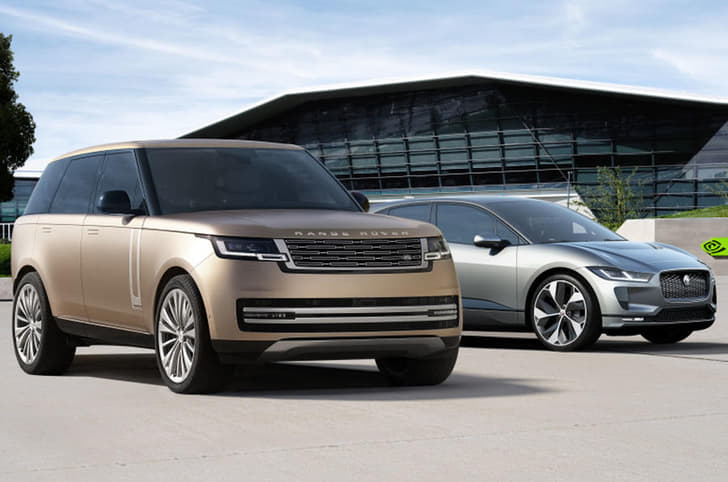
Jaguar Land Rover (JLR) has laid out ambitious targets for the reduction of greenhouse gases across its production processes and vehicle fleet by 2030.
- The move is in line with the 2015 Paris Agreement
- All Jaguar models will be electric from 2025
- Goals have been approved by the SBTi
In line with objectives set out in the 2015 Paris Agreement – an international treaty aimed at keeping global warming to less than 1.5deg C – Jaguar Land Rover will slash greenhouse gas emissions from its operations by 46 percent over the next eight years, and emissions from its value chains by an average of 56 percent.
All Jaguar models to be EVs from 2025
It will also reduce greenhouse gas emissions from the vehicles it produces over their lifetimes by 60 percent. Crucial to this will be the electrification of its model line-up: all Jaguar models will be electric from 2025 while Land Rover will start launching pure-EVs in 2024 and offer an electric version of every model by the end of the decade.
The goals have been approved by the international Science Based Targets initiative (SBTi).
Net zero emissions target
The targeted reductions are relative to greenhouse gas emissions achieved by JLR in 2019, and represent a significant step towards the company's self-imposed target of achieving total net zero emissions by 2039.
Details of precisely how the company will cut its emissions have yet to be fully detailed, but it says it will "decarbonise across design and materials, manufacturing operations, supply chain, electrification, battery strategy, circular economy processes, and up to end-of-life treatment".
It has also appointed Rossella Cardone to the newly created role of director and head of sustainability, wherein she will report to strategy and sustainability boss Francois Dossa.
"Sustainability sits at the core of our Reimagine strategy, with the aim to achieve net carbon zero by 2039, as the creator of the world’s most desirable modern luxury vehicles," Cardone said. "As we move from climate ambition into action, we are minimising our carbon footprint. Science-based targets tell us how much, and how quickly we need to reduce our greenhouse gas emissions."
Jaguar Land Rover in India
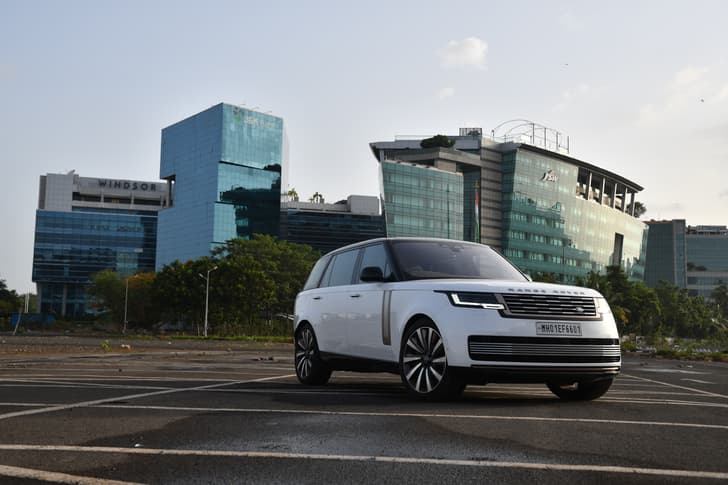
Jaguar launched its I-Pace all-electric SUV last year, while Land Rover launched the latest iteration of the Range Rover luxury SUV this January.

 Dhruv Dhaka
 Dipan Sur