Last Updated on: 26 Feb 2026
Mahindra XUV 7XO
Mahindra XUV 7XO price starts from ₹13.66 lakh to ₹24.92 lakh (ex-showroom). There are 27 variants of XUV 7XO available in India. The Mahindra XUV 7XO is the facelifted version of the XUV 700 SUV.
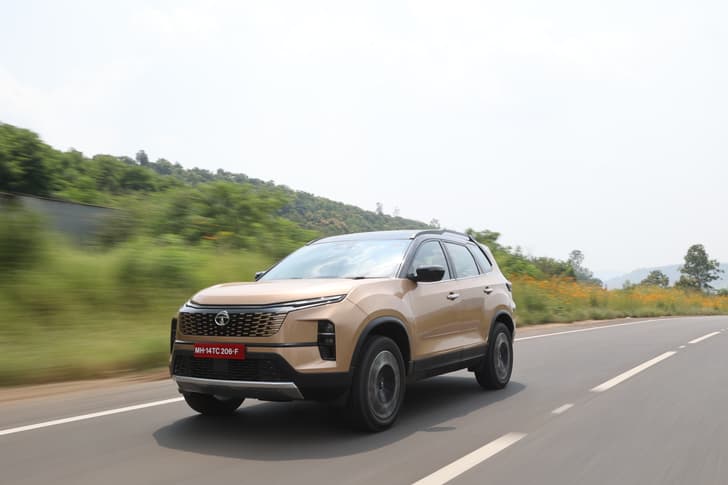
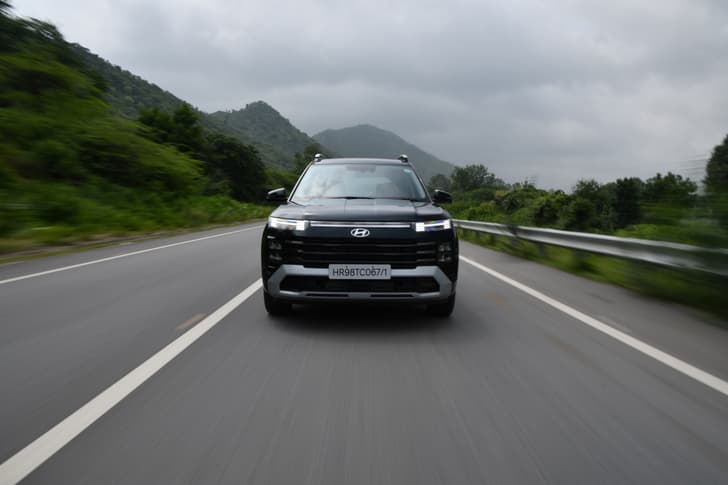
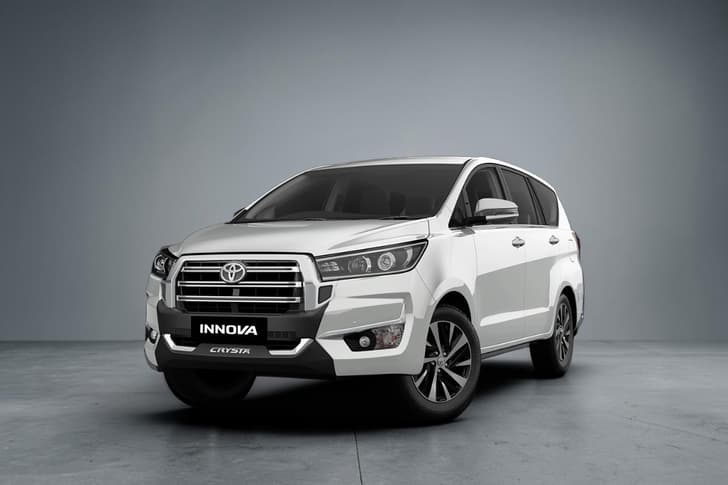
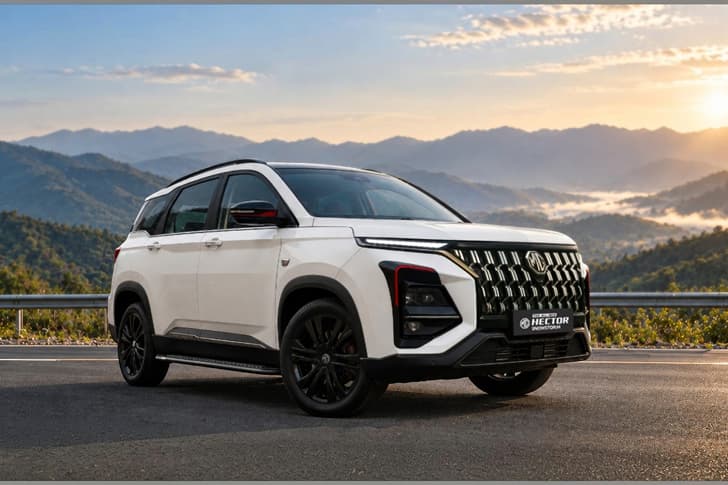
The Mahindra XUV 7XO mileage, as per ARAI certification, ranges from 13kpl to 17kpl, depending on the fuel type and transmission option. XUV7XO engine options include a 203hp, 2-litre turbo-petrol engine and a 185hp, 2.2-litre diesel engine. Both engines are available with manual as well as automatic gearbox options. The XUV 7XO diesel-automatic option also comes with an all-wheel-drive (AWD) setup in the higher trims. Mahindra XUV 7XO rivals include Tata Safari, Hyundai Alcazar and MG Hector.
Mahindra XUV 7XO Key Highlights
- The XUV 7XO ex showroom prices starts from ₹13.66 lakh to ₹24.92 lakh.
- Mahindra XUV 7XO SUV is available in 27 variants.
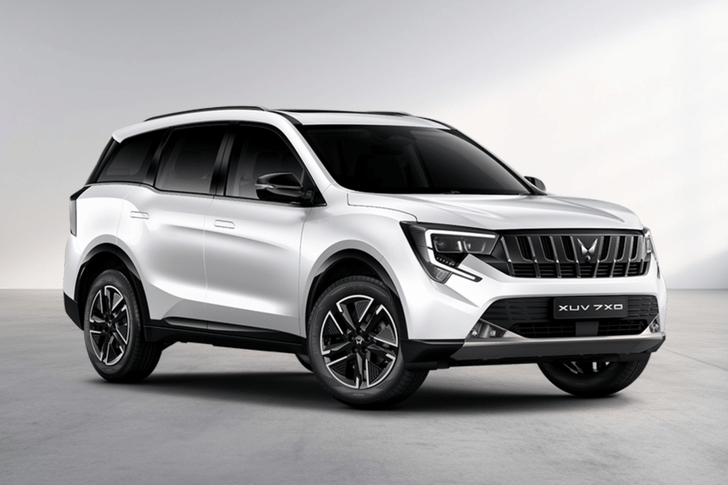
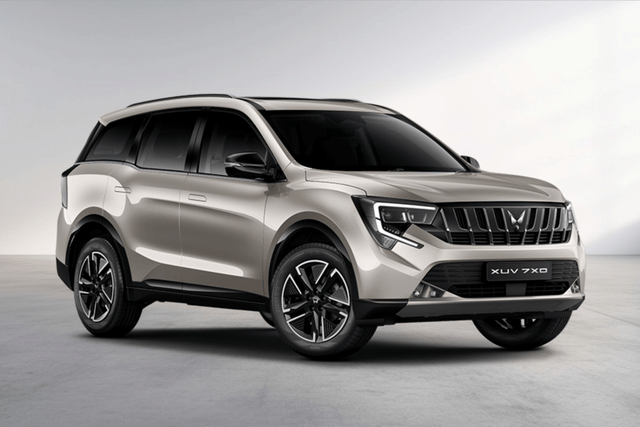
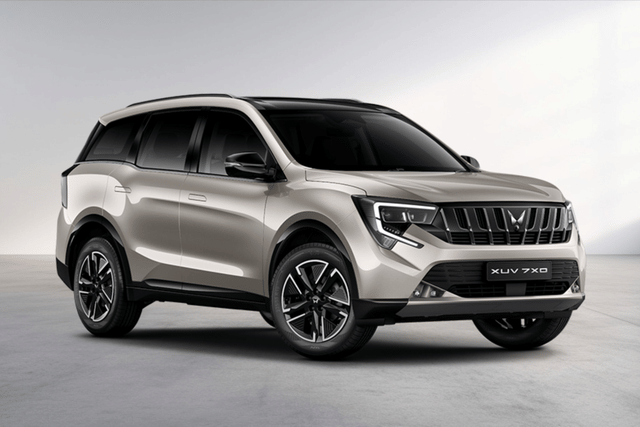
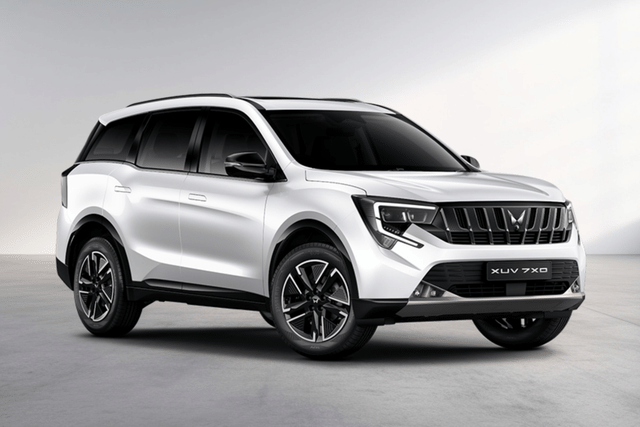
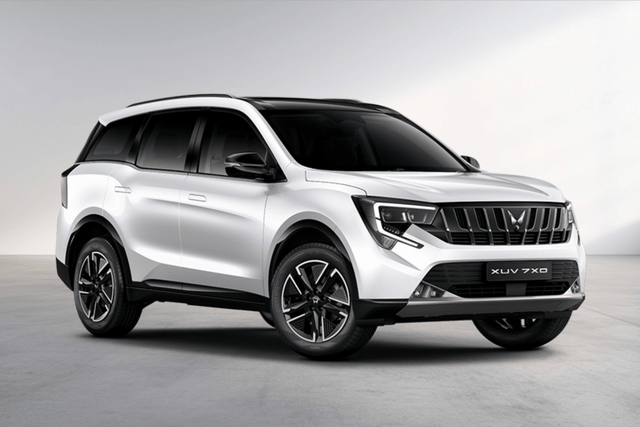
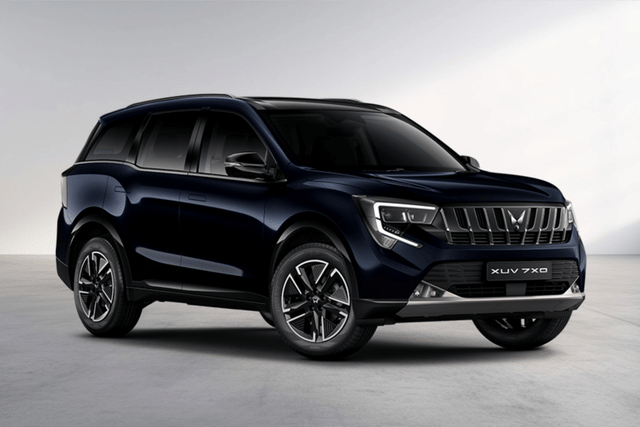
- It gets a new grille with gloss black and chrome elements and new projector LED headlights.
- It also gets pixel-shaped LED fog lamps now.
- In profile, it continues with flush-type door handles and a chrome strip on windowline, but features new gloss black cladding on wheel arches.
- It also gets new 19-inch dual-tone alloy wheels.
- At the rear, it features the XEV 9S wraparound LED taillights with a gloss black section between them.
- The rear bumper and tailgate have also been reworked with significant cuts and creases.
- XUV 7XO cabin has a triple-tone beige, black and tan theme, with the seats also featuring the same theme.
- New features include a new triple-screen setup on the dashboard, an electric boss mode on the front passenger seat, and rear seat ventilation.
- It also gets a 360-degree camera with a transparent bonnet function, similar to the Tata Harrier EV.
Mahindra XUV 7XO Engines and Performance
- The XUV 7XO car is offered with a range of engines, including a 2-litre turbo-petrol and a 2.2-litre diesel. Manual, Torque Converter Auto transmission choices are on offer.
- An AWD setup is exclusive to the diesel motor
- The XUV 7XO petrol produces 203hp and 380Nm, while the XUV 7XO diesel makes 185hp and 420Nm (MT)-450Nm (AT).
- XUV 7XO mileage varies by driving style, road conditions and several other factors.
Mahindra XUV 7XO Key Specifications
| Specification | XUV 7XO |
|---|---|
| Engine Options | 2-litre, 4 cylinder turbo-petrol, 2.2-litre turbo-diesel |
| Fuel Efficiency | Not revealed |
| Transmission | 6MT/ 6AT |
| Body Style | SUV |
| Cargo Volume | 60 litres |
Which Mahindra XUV 7XO variant should you buy in 2026?
- XUV 7XO AX7: Represents good value by packing in plenty of features, and offering all available powertrain options
- XUV 7XO AX7L: Aimed at the chauffeur-driven; both 6 and 7-seater seating layout choices are available
Mahindra XUV 7XO Dimensions
| Dimensions | XUV 7XO |
|---|---|
| Length (mm) | 4,695 |
| Width (mm) | 1,890 |
| Height (mm) | 1,755 |
| Wheelbase (mm) | 2,750 |
| Boot space (litres) | 60 litres |
Mahindra XUV 7XO Interior and Exterior
Interior
- Wide seats offer good support all round
- Front seats are ventilated and powered
- Trio of 12.3-inch displays, 1,400W 16-speaker Harman Kardon music system with Dolby Atmos
- Boss mode, panoramic sunroof
Exterior
- C-shaped DRLs, split-beam LED headlight setup
- 19-inch alloy wheels, flush door handles with proximity sensor
- Tail-lights feature a hexagonal pattern
Mahindra XUV 7XO Latest Updates
- Jan 10, 2026: Bookings will commence from January 14, and initial deliveries for pre-bookings commence from the same date.
- Jan 6, 2026: XUV 7XO test drives will commence from January 8, 2026.
- Jan 5, 2026: Mahindra XUV 7XO launched in India.
- Dec 16, 2025: Mahindra XUV 7XO interior design teased.
- Dec 15, 2025: Mahindra XUV 7XO pre-bookings commence
- Dec 8, 2025: XUV700 facelift teased with a new XUV 7XO moniker.
- Dec 6, 2025: Mahindra XUV700 facelift spied.
- Mar 12, 2024: Mahindra trademarks the XUV 7XO name.
Mahindra XUV 7XO Features and specifications
Our Rating | 9 |
Engine | 1997 cc - 2184 cc |
Fuel Type | Petrol, Diesel |
Transmission | Manual, Torque Converter Auto |
Seats | 6 - 7 |
Body Style | SUV |
Doors | 5 |
Max Power | 185hp at 3500 rpm |
Max Torque | 450Nm at 1750-2800 rpm |
| Engine Installation | Front |
| Fuel Type/ Propulsion | Diesel |
| Max Engine Torque | 450Nm at 1750-2800 rpm |
| Max Engine Power | 185hp at 3500 rpm |
| Auto Start/Stop | Yes |
| Fuel Tank Capacity | 60 litres |
| Rear Brakes | Disc |
| Front Brakes | Ventilated Disc |
| Type of Power Assist | Electric |
| Steering Adjust type | Manual |
| Height | 1755 mm |
| Width | 1890 mm |
| Length | 4695 mm |
| Wheelbase | 2750 mm |
| warranty Duration | 3 |
| warranty Distance | 100000 |
| Rear Power Outlet | |
| Front Passenger Seat Adjust from Rear | |
| Third Row AC Vents | |
| Keyless Entry |
| Rear Defogger | |
| Adaptive Cruise Control | |
| Blind Spot Monitor | |
| Tyre Pressure Monitoring System |
| Headlight Type | LED |
| Projector Headlamps | |
| Body Coloured Bumpers | |
| Daytime Running Lights | LED |
| Shift Indicator | |
| Distance to Empty | |
| Average Speed | |
| Average Fuel Consumption |
| CD Player | |
| Wireless Phone Charging | |
| Bluetooth Telephone Function | |
| Bluetooth Audio Streaming |
Explore iconic SUVs from a legendary brand
Go anywhere with confidence. Book your Defender today.
Book Test DriveBuilt for adventure. Designed for everyday life.
Book Test DriveWhen roads end, the Defender begins.
Book Test DriveMahindra XUV 7XO price & variants
The XUV7XO price ranges from ₹13.66 lakh to ₹24.92 lakh, ex-showroom. Whereas, the XUV 7XO on road price starts from ₹15.87 lakh and goes up to ₹29.56 lakh, varying by place of registration.
The Mahindra XUV 7XO variants include 27 choices. Notably, the 3-row Mahindra SUV is available with both petrol and diesel engine options, with manual and automatic transmission choices. It comes in both 6- and 7-seater configurations.
| Mahindra XUV 7XO car prices: Ex-showroom | |
|---|---|
| Base model | ₹13.66 lakh |
| Mid model | ₹20.40 lakh |
| Top model | ₹24.92 lakh |
Mahindra XUV 7XO Price List (On Road) (March 2026) -
- Mahindra XUV 7XO on road price in Delhi - ₹15.87 lakh - ₹29.56 lakh
- Mahindra XUV 7XO on road price in Mumbai - ₹16.14 lakh - ₹30.18 lakh
- Mahindra XUV 7XO on road price in Hyderabad - ₹16.82 lakh - ₹30.93 lakh
- Mahindra XUV 7XO on road price in Pune - ₹16.14 lakh - ₹30.18 lakh
- Mahindra XUV 7XO on road price in Kochi - ₹16.27 lakh - ₹31.68 lakh
Mahindra XUV 7XO Official Brochure
Download the complete brochure with specs, features, and variants.
Mahindra XUV 7XO expert review
We like
Punchy performance from both powertrains
Ride comfort and high-speed composure
Feature packed
We don't like
Third row is tight for adults
Confusing infotainment UI
The XUV 7XO is instantly recognisable, albeit with an edgier treatment for its front fascia. The signature DRLs are still there but aren’t as large as before, the LED headlight flanks a new slimmer grille and below is a sharper bumper with four ICE cube-shaped lighting units.
The silhouette hasn’t changed, but wheel size has gone up from 18 to 19-inchers and trim around the wheel arches is gloss black. At the rear, the LED taillamps are taken from the XEV 9S and it gets a more squared-off bumper. Overall, the design isn’t quite as cohesive as the original design, but it is well executed nonetheless.
8
Comfort up front is excellent, with the wide seats offering good support and a decent range of adjustment. Both front seats are ventilated and powered, with the driver getting a memory function, while the passenger seat has powered boss mode. The steering wheel now also adjusts for reach as well as rake. The two-spoke steering is also lifted from the 9S, but this time gets physical buttons instead of the haptic ones. The middle row is similarly comfortable, with a wide bench or optional captain’s chairs – both options are ventilated. The seat reclines, but it doesn’t slide like the one in the XEV 9S. While there is plenty of legroom in the middle row without it, a sliding function would have helped the third row. As it stands, the third row is cramped for adults. With it stowed away the luggage area is substantial.
8
The trio of 12.3-inch displays – standard across the range – are sharp and bright, and the infotainment and passenger display are responsive to touch, though the user interface does take some getting used to. The absence of physical buttons means adjusting the HVAC is now, at minimum, a two-step process. The passenger screen gets a privacy filter here unlike on the BEVS, so it no longer draws your eye when checking the far-side mirror. Also featured is a 1,400W 16-speaker Harman Kardon music system, a bring-your-own-device provision to mount tablets on the front seatbacks, with an integrated 65W Type-C charger. The all-important panoramic sunroof is available from the mid AX5 trim onwards, but for rear window sunblinds you’ll need to splurge for the top AX7 L trim. Safety kit is equally comprehensive, with six airbags, four-wheel disc brakes, ABS, ESC, hill-hold and hill-descent control standard. The AX7 T trim adds a knee airbag and an upgraded Level 2 ADAS suite.
9
The 2.0-litre turbo-petrol makes 203hp and 380Nm, channelled to the front wheels via a six-speed manual or torque-converter automatic. It feels grunty, almost diesel-like at the lower end, but is happy to extend to the 5,800rpm redline. It’s refined and smooth too, with no vibrations creeping into the cabin. The six-speed automatic is also well suited to the engine, but paddle shifters are still missing. The 2.2-litre diesel motor puts out 185hp and 450Nm (420Nm with the manual), and while it’s not as effortless as the petrol, it’s no slouch either. Refinement is good; the engine gets vocal when pushed hard, but in day-to-day driving it’s nicely muffled. Here too, the automatic is a good match for the engine, but the manual feels shorter geared than you’d expect. It’s happy to chug along in third around town and rarely requires a downshift to make an overtake, but a taller sixth would help it settle into a cruise and eke out better efficiency still.
9
Mahindra hasn’t quoted fuel-efficiency figures, but we don’t expect them to differ much from the XUV700. The ARAI figures for the petrol XUV700 are 13kpl with the automatic and 15kpl with the manual – in the real world, these often drop into the single digits. The diesel XUV700 is more frugal, with ARAI figures of 17kpl and 16.57kpl for the manual and automatic respectively, and it’s possible to get close to these numbers on a steady highway cruise.
7
Despite the wheel size going up an inch, the low-speed ride is even better than before thanks to the new DaVinci dampers. There’s a newfound plushness to the way it soaks up rough patches without letting anything through to the cabin. It also gets hydraulic bump stops that greatly soften that thud you get when the suspension bottoms or tops out. As before, high-speed manners are superb with an uncanny ability to mask speed as the dampers do a great job of keeping the body flat and composed. Confidence is high through the bends as the XUV 7XO unflinchingly sticks to the chosen line. Even unsettling mid-corner bumps and dips are dealt with in a fluid, one-and-done motion. The electric steering is light enough to be twirled with one finger at a standstill but weights up and provides good feedback as speeds rise. Braking performance is strong too, with disc brakes on all four corners – now standard across the range.
9
The starting price of Rs 13.66 lakh – exactly the same as the outgoing MX trim of the XUV700 – is incredible bang for your buck. These prices are introductory and set to rise after the first 40,000 bookings, but it is still tremendous value for what you get. The strong engines continue to deliver the punchy performance we’ve come to love, and the ride and handling balance is even better than before. If that isn’t enough, there is enough tech to shame some from segments above. Sure there’s still bits that need improving like a less confusing UI and more physical controls and those who regularly seat seven will find more comfort in the back of some of the competition, but given the XUV7XO’s tremendous abilities in all other areas, this is something many will ignore.
9
Reviewed by: Lenny D'sa
Mahindra XUV 7XO reviews

Mahindra XUV 7XO comparison
Mahindra Dealers in Delhi
Planning to buy XUV 7XO? Here are a few dealers in Delhi
Apmp Motors LLP - Sector 81 A
Plot No 64 Mustil, Kharsa No 10/7/2/2, VPO: Manesar NH-48, Delhi Jaipur Hihgway, Sector 81 A, Manesar, Haryana 122051
8505818068
Dewan Fourwheels - Mohindergarh
Mohindergarh, Majra Chungi, Narnaul, Haryana 123001
8607600222
Dewan Fourwheels - Narnaul
Mohindergarh Road, Opp. Panchayat Bhawan, Narnaul, Haryana 123001
Eminent Spares - Mayapuri Industrial Area
Phase 2, C-165, Mayapuri Industrial Area, New Delhi, Delhi 110064
9555579009
Etgo Corporation Llp - Haldoni Mor Kulesra,
Showroom No.3, Haldoni Mor Kulesra, Greater Noida, Uttar Pradesh 201306
9355420606
Mahindra XUV 7XO news
Mahindra XUV 7XO Images
Check out 114 Mahindra XUV 7XO images, where we have detailed its bold exterior design, feature-loaded cabin and its robust safety features.
The Mahindra XUV 7XO combines a bold exterior design with a lot of modern-day elements, a loaded cabin and a strong safety suite.
Mahindra XUV 7XO videos
In our detailed Mahindra XUV 7XO videos, we give a detailed walkaround of the SUV, where we talk about its exterior and interior design, and also detail its features.


Mahindra XUV 7XO Colours
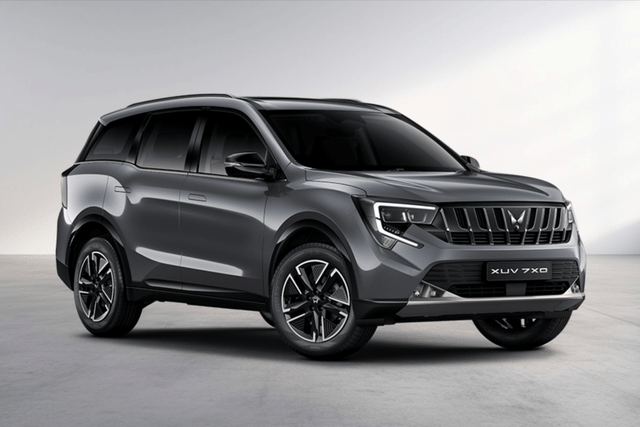
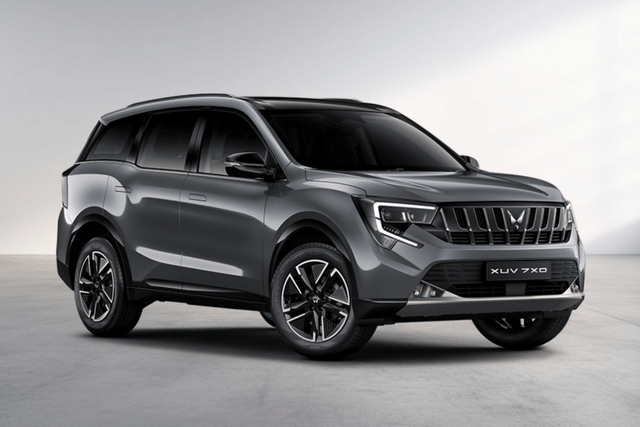
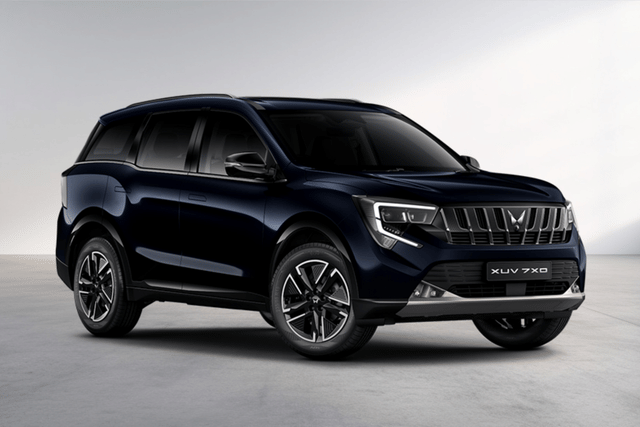
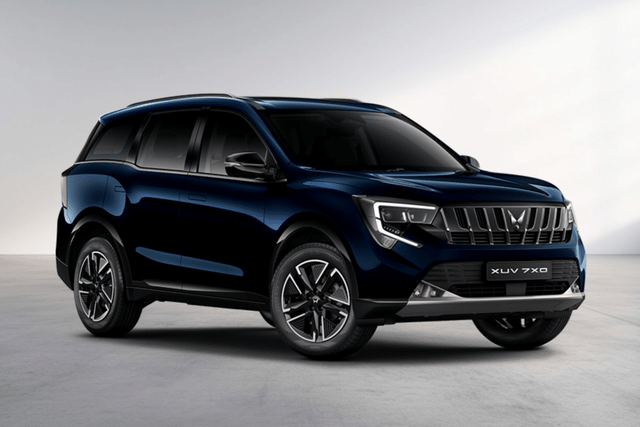
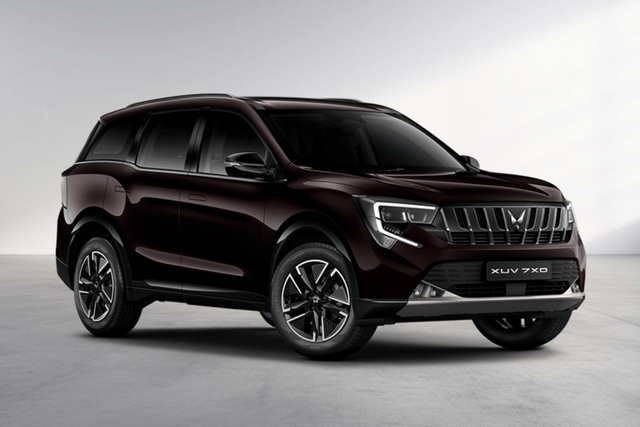
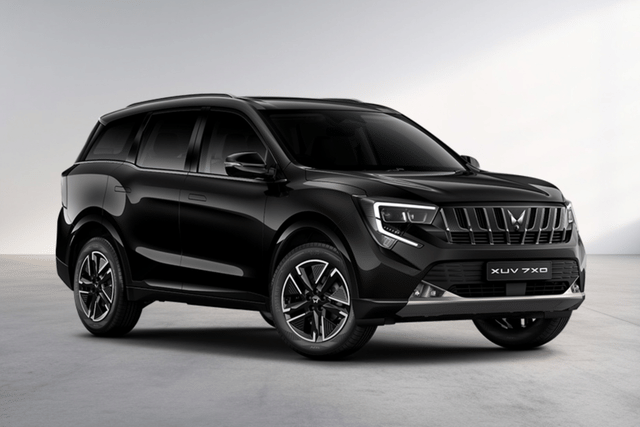
The Mahindra XUV 7XO colour options include 11 choices. These include Desert Myst, Desert Myst Dual Tone, Everest White, Everest White Dual Tone, Galaxy Grey, Galaxy Grey Dual Tone, Midnight Black, Midnight Black Dual Tone, Nebula Blue, Ruby Velvet, Stealth Black.
The Mahindra XUV 7XO cabin colour theme is a mix of black, beige and tan hues, which is also the case with the SUV’s seats, which get a leatherette upholstery.
Mahindra XUV 7XO FAQs
The Mahindra XUV 7XO is the XUV700 facelift.
The Mahindra XUV 7XO prices range between ₹13.66 lakh and ₹24.92 lakh. These prices are valid only for the first 40,000 bookings of the SUV.
The 2026 XUV 7XO SUV is being offered with both 6- and 7-seater options.
The Mahindra XUV 7XO carries forward the XUV700 SUV's 2-litre turbo-petrol and 2.2-litre turbo-diesel engine options.
Yes, the Mahindra XUV 7XO is offered with an AWD choice in the higher-spec variants.
The Mahindra XUV 7XO measures 4,695mm in length, 1,890mm in width, 1,755mm in height. It has a wheelbase of 2,750mm.
Over the XUV 700, the 7XO gets a triple-screen setup, a 6-way powered co-driver's seat with boss mode, a 16-speaker Harman Kardon sound system and ventilated second-row seats.
The XUV7XO gets a new grille, dual-barrel LED headlights, new LED taillights, 19-inch alloy wheels, and gloss black cladding on wheel arches and the lower edge of the SUV.
The Mahindra XUV 7XO is available in 27 choices, which are broadly clasified into AX, AX3, AX5, AX7, AX7T and AX7L.
The Mahindra XUV 7XO rivals include the Tata Safari, Hyundai Alcazar and MG Hector Plus.
With ARAI-certified figures between 13 and 17 kmpl, the XUV 7XO offers fuel efficiency that varies by fuel type and transmission.
Trending Questions on Mahindra XUV 7XO - Answered by Autocar Experts
I currently own a 2021 Hyundai Venue (iMT) Petrol. I usually travel to my hometown in Punjab once a month, while the rest of my driving is within the city. I’m now looking to upgrade to an SUV that offers strong aesthetics and solid build quality. The first option that comes to mind is the Tata Harrier. I had been eagerly waiting for its petrol variant, and now that it has finally been introduced this year, I’m considering buying the Fearless+ variant in white. However, I’m a bit concerned about Tata’s reputation for manufacturing defects and resale value. Given this, would it still be a good decision to go ahead with the Harrier, or should I instead consider a better alternative like the Mahindra XUV700?
If you've got your heart set on the the Tata Harrier Petrol Fearless+, we'd suggest you go for it. We understand your concerns - Tata doesn't have a stellar reputation for reliability and fuss-free ownership, which is perhaps one of the biggest deterrents for (potential) buyers.
However, since this generation of the Harrier has been around in the market for a few years now, its common glitches and initial niggles are likely to be sorted out. The 1.5 Turbo-Petrol GDI on the other hand is all new, hence we'd highly recommend opting for the maximum warranty coverage.
The Mahindra XUV 7XO is also a good option - its 2.0-litre turbo-petrol engine is a strong performer. Also, besides being spacious and well-equipped, the XUV also gives you the flexibility of three-row seating.
And compared to Tata, Mahindra has a slightly better reputation as far as reliability goes. Overall, the XUV 7XO is a more-rounded package, but if you like the Harrier petrol, go for it. The Harrier petrol is a much improved offering.
I have booked the Mahindra XUV 7XO diesel automatic AX7L variant, but I’m still confused about whether the diesel engine is suitable for my long‑term usage. My driving pattern is that I drive only once a week on weekends because I work from home. On weekends, I usually take a short trip of around 30 km to a nearby city and return. Occasionally, once in two months, I take a longer trip of around 300 km. I am worried about whether this driving pattern could cause diesel engine problems—especially DPF‑related issues. Petrol mileage is very low, so I’m hesitant about choosing the petrol version as well. Could you please advise whether diesel is the right choice for me?
Your concern is valid. With the usage pattern you have described, there is a genuine possibility of facing DPF related issues with the diesel version of the Mahindra XUV 7XO.
Diesel engines today rely on a Diesel Particulate Filter which needs regular longer drives at steady speeds to regenerate properly. Since your car will mostly be used once a week with short 30 km trips and only an occasional 300 km drive every couple of months, the engine may not get enough consistent running for DPF regeneration.
Considering your very limited running, we would recommend going for the turbo petrol automatic instead. Yes, the petrol will be less efficient, but the price difference between the petrol and diesel versions is roughly around Rs 1 lakh. Also, while the diesel is more efficient, the difference is not as large as many expect. With the automatic gearbox, the Mahindra diesel is not exceptionally fuel efficient either. In real world conditions you will see roughly 2 kpl difference in mixed driving condition.
Given your low annual running, the fuel savings from diesel will not be significant enough to justify the potential complications.
I have already booked Safari Adventure X Plus Petrol Automatic but confused on it considering TATA glitches etc. My main reason is to for it is being a car which has safety for family and small engine to give decent mileage in city. But People generally suggest to go for XUV 700 keeping mileage aside or go for Invicto or Kia Carens for mileage but finding Invicto at higher budget making breakeven in more than 80000 KM and Kia Carens really low on safety. Pls suggest.
Before you go ahead with the purchase, please keep in mind that the Tata Safari is a heavy vehicle and in its petrol-automatic guise, expecting double digit city fuel efficiency will be a bit ambitious. Yes, on the open roads, at constant speeds and light throttle inputs, the turbo-petrol could deliver good fuel efficiency, but in bumper-to-bumper traffic and stop-go conditions, fuel efficiency will be low. As a family car though, the Safari is a good option, on account of its spacious cabin, and impressive ride comfort. Tata's service experience can be a hit or a miss, and it isn't the best in terms of reliability either, occasionally throwing up a glitch or two. The Mahindra XUV 7XO is slightly better in that regard, however space isn't as good as in the Tata, especially in the third row. Also, the XUV's 2.0-litre turbo-petrol-automatic will fare worse (if not equally) as far as efficiency goes.
Hence, if you want a fuel-efficient family car, the Maruti Invicto or the Toyota Innova Hycross hybrid are the ones to get. Of course, these are very expensive, and as you've rightly pointed out, unless your usage is very high, it will take a long time to benefit from its lower running costs after breaking even. But as far as reliability, peace of mind and a trouble-free ownership experience goes the Maruti and Toyota are still the ones to beat.
With a budget of 25L, I'm looking for a 5-seater car. It should be fun to drive and provide a comfortable ride. Safety, reliability and after sales service should be too-notch. I'll be driving this 60% in city and 40% on highways. It should also have a good interior and features including ventilated seats, wireless carplay/android auto, panaromic sunroof, 360 degree camera.
With a budget of around Rs 25 lakh and your priorities of fun to drive performance, comfort, safety and strong after sales support, the Kia Seltos fits your requirements very well. The current Seltos is larger than before, spacious and very comfortable for daily driving. Interior quality is among the best in the segment and it comes loaded with premium features, including the ones you have mentioned such as ventilated seats, wireless Apple CarPlay and Android Auto, a panoramic sunroof and a 360 degree camera. The 1.5 litre turbo petrol engine paired with the 7 speed DCT transmission offers strong performance while remaining refined and smooth in city use. It also fits comfortably within your budget and Kia’s after sales service network is generally reliable.
If you want something different, the Tata Sierra with the turbo petrol automatic is another good option. It offers even more cabin space than the Seltos and its wider body makes it a more comfortable five seater. The ride quality is also very comfortable and it comes with all the features you are looking for. The downside is that it is about Rs 1.5 lakh more expensive than the Kia, and although Tata’s after sales service is improving, Kia still has the stronger reputation in that area.
If you want something larger, you can also consider the Mahindra XUV 7XO AX7 within your budget. Even though it is a seven seater, with the third row folded it becomes a very spacious and comfortable five seater. It gets a powerful 2.0 litre turbo petrol engine producing over 200 hp paired with a smooth six speed torque converter automatic that delivers effortless performance. The handling is good, the ride is comfortable and it comes with most of the features you want. The only notable omission compared to your list is ventilated front seats. If you can live without that feature, it is another strong option to consider.
I have been using the Mahindra KUV100 mid variant since 2016, and it has now crossed 1.10 lakh km. I am planning to buy a new car with a budget of Rs 10-15 lakh and want an automatic. I am confused between the Mahindra 3XO and the Mahindra 7XO base variant, but I am open to other brands as well. My usage includes occasional city driving and one or two highway trips every month. Which car would be the better choice?
You will need to stretch your Rs 15 lakh budget significantly for the base Mahindra XUV 7XO petrol-automatic. Among the options that fit your budget, the Mahindra XUV 3XO is an excellent pick.
You could either choose the 1.2-litre turbo-petrol MPFI or 1.2-litre turbo-petrol GDI, both of which are mated to a 6-speed torque converter (automatic). The MPFI is powerful enough, smooth and has a better value than the GDI option; this is the one that we'd recommend.
Kindly suggest between Innova Crysta GX Plus new or old automatic Crysta, or diesel Scorpio N Z8 Select auto new, for family travelling and overall keeping for the long term. I am confused. Kindly guide.
Hi Autocar Team, I am planning to buy a new SUV in 2026 within a budget of ₹30-40 lakh. I want a proper off-road capable vehicle that also works well as a family car. Can we expect the Toyota RAV4 to launch in India in 2026? Please advise.
As of now, Toyota has no concrete plans to bring the Toyota RAV4 to India in 2026 or anytime soon. The challenge is cost. The RAV4 would have to be imported or assembled in small numbers, which would push its price well beyond what most buyers in the Rs 30-40 lakh bracket expect. Also, by Indian standards, it’s not a particularly large SUV, and at that price, buyers here tend to want more size and presence.
Sadly, there’s a bit of a vacuum in the Rs 30-40 lakh space, and in this range, your more practical choices are SUVs like the Mahindra XUV7XO and the Tata Harrier. Both are spacious, comfortable for family use, and capable on bad roads.
If you can stretch closer to Rs 50 lakh, options like the Skoda Kodiaq and the upcoming Volkswagen Tayron (a more affordable version below the R-Line is expected) are very strong all-rounders with a more premium feel.
Another SUV worth waiting for is the Kia Sorento, which we understand could arrive around the festive season at roughly Rs 40 lakh. That might come closest to what you’re looking for, a proper global SUV with family practicality and some genuine all-road ability.
I drive around 178 km daily (approximately 46,000 km per year), mostly on highways and expressways. I am trying to decide between CNG and diesel for my next car. My main concern with CNG is long-term engine wear, as I have heard that some CNG engines may require major repairs after 1-1.3 lakh km. Since I plan to keep the car for at least 5+ years, durability is very important to me. My priorities are low NVH (noise, vibration, and harshness), smooth highway cruising, comfort, durability, and reliable long-term ownership. Considering my usage pattern and high annual mileage, which engine option would be better - CNG or diesel? Also, which car would you recommend?
For the kind of usage you describe, around 178km a day and roughly 46,000km a year - a diesel car makes far more sense than a CNG one.
Firstly, diesel is much more widely available on highways and expressways, which is where you’ll be spending most of your time. With such high daily mileage, convenience matters, and diesel fuel stations are easy to find almost anywhere in the country.
Secondly, diesel engines are better suited to long-distance cruising. Their strong low-end and mid-range torque make overtaking easier and allow the car to cruise at highway speeds with less effort. This also typically results in lower engine stress and more relaxed driving. It should suit your priorities of smooth cruising, good NVH and long-term durability.
CNG cars, on the other hand, do have a few compromises. Performance is noticeably weaker than petrol versions, because CNG produces less energy. When the car is fully loaded or when you need quick overtakes on the highway, the lack of power becomes quite evident.
Another practical issue is that the CNG cylinder takes up a large portion of the boot, which can be inconvenient if you are frequently travelling with luggage. From a mechanical perspective, modern factory-fitted CNG engines are much better engineered than earlier conversions.
However, CNG is a dry gaseous fuel and doesn’t have the lubricating properties of liquid fuels, so over very high mileages, there can be slightly higher wear on valves and valve seats. For someone covering well over 40,000km a year, a diesel powertrain is generally the more robust long-term solution.
Since you haven’t mentioned your exact budget, here are a few strong diesel options across segments. In the compact SUV class, the Hyundai Venue diesel is a good choice with a refined and proven 1.5-litre engine. If you want something larger and more comfortable for long highway drives, the Hyundai Creta diesel remains one of the best all-rounders with excellent refinement and efficiency.
And if you are looking for something bigger and more premium, the Mahindra XUV7XO diesel offers strong performance, good highway manners and a very robust engine.
Both Hyundai Motor India and Mahindra & Mahindra have well-proven diesel engines that are known to handle high mileage well when properly maintained. Given your driving pattern and ownership horizon of 5 years or more, diesel is clearly the more suitable and practical choice.
I have been using a Tata Harrier Manual Jet Edition for the last three years and am now planning to upgrade because I am not satisfied with Tata’s service experience. My budget is around Rs 25-30 lakh and my usage will be a mix of city and highway driving. Which car would you recommend in this price range?
If you prefer to stick with a 5-seater SUV format, the new Kia Seltos is a good option. In your budget, you can get the top-of-the-line X-Line diesel automatic. It is a proven engine mated to a slick automatic gearbox, and Kia's service is amongst the best in this segment.
However, if you'd like to move to a bigger 7-seater SUV, then the new Mahindra XUV 7XO is worth considering. The AX7 trim with the diesel automatic fits in your budget and is a spacious, feature-packed, powerful SUV with superb ride quality. Mahindra service also generally has a better reputation than Tata. Before you make your choice, make sure you take a test drive of both vehicles.
Is buying a Jeep Compass diesel automatic a good decision, especially considering that the company is offering an assured buyback option of 60 percent after 3 years or 30,000 km and 55 percent after 4 years or 40,000 km?
Several more affordable SUVs on sale are far more modern, refined, comfortable and with better performance than the Compass, which makes Jeep's pricing hard to justify.
Yes, the Jeep is an excellent long-distance cruiser; it is well-equipped, too, and if you are absolutely smitten by the Jeep Compass, the attractive buyback plan is something you could opt for.
However, if you are not a die-hard Jeep fan and are open to options, you could consider a Mahindra XUV 7XO or Tata Harrier instead.