
Autocar India
NI

Nitin

8w

I drive around 178 km daily (approximately 46,000 km per year), mostly on highways and expressways. I am trying to decide between CNG and diesel for my next car. My main concern with CNG is long-term engine wear, as I have heard that some CNG engines may require major repairs after 1-1.3 lakh km. Since I plan to keep the car for at least 5+ years, durability is very important to me. My priorities are low NVH (noise, vibration, and harshness), smooth highway cruising, comfort, durability, and reliable long-term ownership. Considering my usage pattern and high annual mileage, which engine option would be better - CNG or diesel? Also, which car would you recommend?

Autocar India team

Autocar India

Verified
7w

For the kind of usage you describe, around 178km a day and roughly 46,000km a year - a diesel car makes far more sense than a CNG one.
Firstly, diesel is much more widely available on highways and expressways, which is where you’ll be spending most of your time. With such high daily mileage, convenience matters, and diesel fuel stations are easy to find almost anywhere in the country.

Secondly, diesel engines are better suited to long-distance cruising. Their strong low-end and mid-range torque make overtaking easier and allow the car to cruise at highway speeds with less effort. This also typically results in lower engine stress and more relaxed driving.  It should suit your priorities of smooth cruising, good NVH and long-term durability.

CNG cars, on the other hand, do have a few compromises. Performance is noticeably weaker than petrol versions, because CNG produces less energy. When the car is fully loaded or when you need quick overtakes on the highway, the lack of power becomes quite evident. 

Another practical issue is that the CNG cylinder takes up a large portion of the boot, which can be inconvenient if you are frequently travelling with luggage. From a mechanical perspective, modern factory-fitted CNG engines are much better engineered than earlier conversions. 

However, CNG is a dry gaseous fuel and doesn’t have the lubricating properties of liquid fuels, so over very high mileages, there can be slightly higher wear on valves and valve seats. For someone covering well over 40,000km a year, a diesel powertrain is generally the more robust long-term solution.

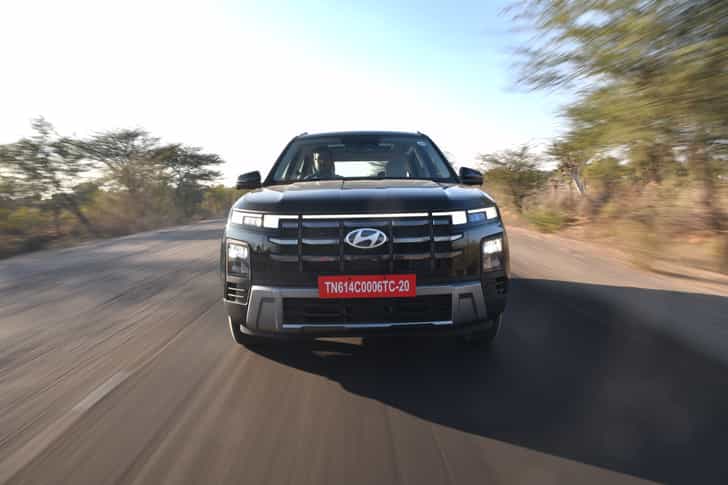
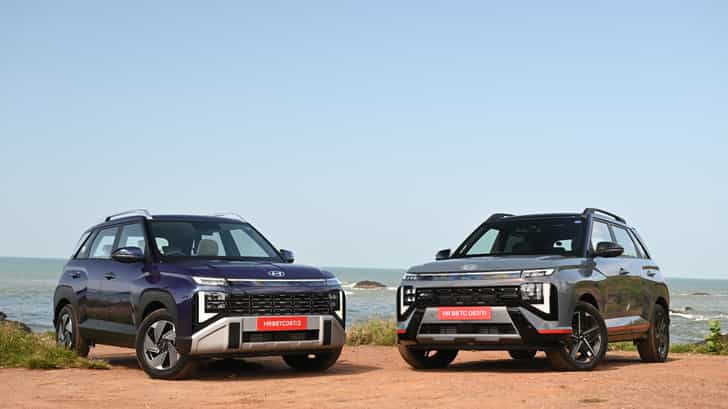
Since you haven’t mentioned your exact budget, here are a few strong diesel options across segments. In the compact SUV class, the Hyundai Venue diesel is a good choice with a refined and proven 1.5-litre engine. If you want something larger and more comfortable for long highway drives, the Hyundai Creta diesel remains one of the best all-rounders with excellent refinement and efficiency. 

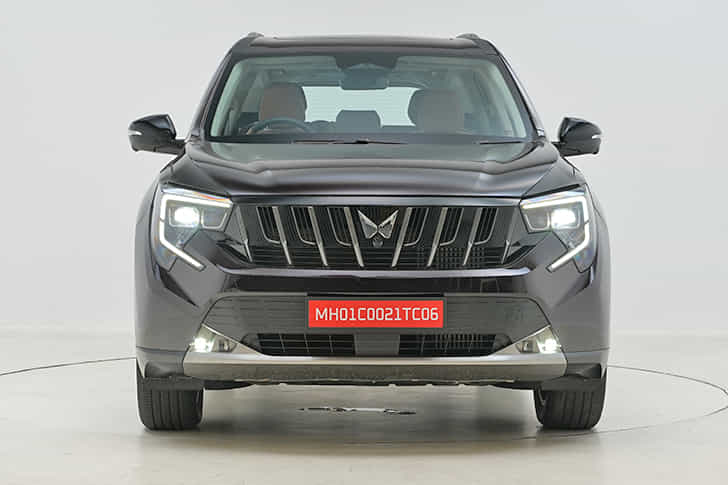
And if you are looking for something bigger and more premium, the Mahindra XUV7XO diesel offers strong performance, good highway manners and a very robust engine.

Both Hyundai Motor India and Mahindra & Mahindra have well-proven diesel engines that are known to handle high mileage well when properly maintained. Given your driving pattern and ownership horizon of 5 years or more, diesel is clearly the more suitable and practical choice.
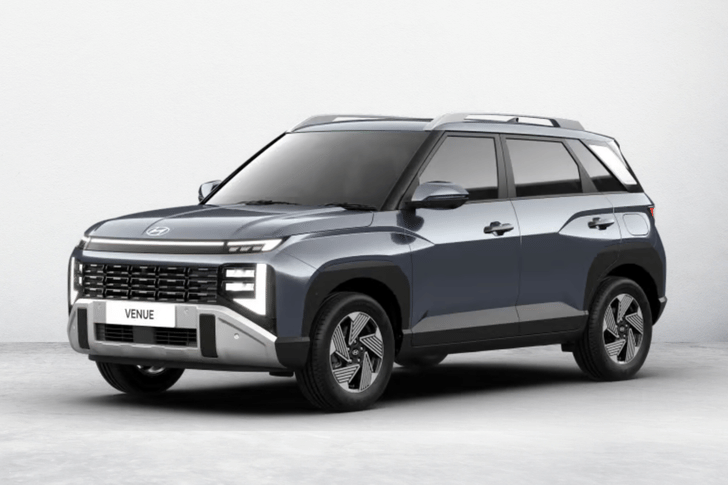
 

Hyundai Venue

Hyundai Venue

PI

Pinak

7w

Going with EV seems a very good option. Take a look at Nexon EV.

JA

JAYAPRAKASH

7w

I am using Honda WRV Diesel Vx MT variant from 2018 onwards.Now I prefer to change the vehicle with a new Diesel vehicle. Should I go for the Kia Seltos or Tata Sierra if the model to be selected is Diesel Automatic.

More questions on similar cars

AN

Anil

1d

I am planning to upgrade from my current Suzuki Baleno top-spec Alpha variant. I am looking for higher ground clearance, ventilated seats, a 360-degree camera, and a smoother transmission (unlike my current AMT). I am considering the Duster, Seltos, Victoris, and Creta. My annual driving is mostly in the city and under 10,000 km. Kindly suggest the best option.

Autocar India team

Autocar India

Verified
1d

You are looking for higher ground clearance, smoother automatic, cooled seats and a more premium experience, and the Seltos delivers on all of these. The IVT gearbox is very smooth in city traffic, a clear step up from your current AMT, and the naturally aspirated petrol is refined and easy to drive for your low, city-heavy running. Being a newer generation car, it also feels more premium inside and out, offers better space and has a well-sorted ride that suits both city and occasional highway use.The Duster is a strong alternative if you prioritise driving feel. The turbo petrol with DCT is more engaging, but in daily city use it will not feel as smooth as the Seltos IVT, and fuel efficiency will also be lower. The Grand Vitara is efficient and easy to drive, but it does not feel as premium and the engine and gearbox combination is not as strong or responsive as the Seltos. It is also not as spacious. The Creta shares a similar powertrain, but being the older car, it does not feel as fresh or as premium inside, is slightly less spacious and costs similar money, which makes the Seltos the better pick.

VehicleRenault Duster
VehicleKia Seltos
VehicleHyundai Creta
SH

Sajjad Haider

2d

Hi, I am confused between the Maruti Suzuki Brezza ZXi Plus Automatic, Kia Seltos Base Variant, and Hyundai Creta Base Variant. My budget is around ₹14.5 lakh. My monthly running will be approximately 1,000–1,100 km, with occasional highway trips twice a year. My priorities are safety, peace of mind, comfort, and decent mileage. I am based in Lucknow.

Autocar India team

Autocar India

Verified
2d

Your usage is moderate, mostly city with occasional highway trips, and you want a stress-free ownership experience. The Maruti Suzuki Brezza fits this perfectly. It has a smooth and reliable torque converter automatic, a comfortable ride for daily use and Maruti’s strong service network, which ensures low maintenance and hassle-free ownership over time. It also delivers decent real-world mileage for a petrol SUV, which matters for your running.Now, comparing your other options. The Kia Seltos base and Hyundai Creta base are from a higher segment and are bigger, more spacious cars. The Seltos especially offers better rear seat space and a larger boot, which is useful for family trips. However, within your budget, you are getting only the base variants, which means you miss out on key features and, more importantly,So the choice comes down to this. The Brezza gives you a complete, well-equipped and easy-to-own package. The Creta and Seltos give you a bigger car, but in a stripped-down form.

VehicleMaruti Suzuki Brezza
VehicleKia Seltos
VehicleHyundai Creta
KD

Koustav Dutta

4d

Hi, I’m planning to buy my first car with a budget of around 13-14 lakh. My usage will be minimal, mostly occasional office travel and a few long drives each year (like Ladakh or Spiti). Based on this, I’ve decided to opt for a petrol manual, naturally aspirated engine, as I prefer a simpler and more reliable setup (also a bit concerned about future fuel changes, like E85). Initially, I shortlisted the Kia Sonet because of its looks, but I’ve seen reviews mentioning it lacks power on highways and in hilly terrains, especially during overtakes. I also considered Honda Elevate, Toyota Hyryder, and Hyundai Creta. However, after comparing base variants, I found the Kia Seltos (2026) to be the most value-for-money option. It offers key features, like a display, all-disc brakes, steering-mounted controls, cruise control, TPMS, Rear view camera, parking sensor, speakers, etc., which are missing in the base variants of the other cars. I’m also not interested in a sunroof. Given my usage and priorities, would you recommend going ahead with the Seltos, or should I reconsider any of the other options?

Autocar India team

Autocar India

Verified
2d

Light daily use with a few tough hill trips in a Rs. 13-14 lakh cap points you straight to the Kia Seltos HTE 1.5 petrol base manual. From your list, it fits your brief best because the 1.5-litre naturally aspirated motor feels adequate on highways and hills compared to smaller engines, and the base trim still gives you the useful everyday features you care about without paying for a sunroof or extra frills.Why does it suit you? First, power and gearing. Versus the Sonet’s smaller petrol, the Seltos feels stronger when you need a quick overtake or a climb with luggage, so you will shift less and feel more relaxed on the highway. Second, you’ve called out features like a touchscreen, steering controls, cruise control, rear camera and TPMS. The Seltos base packs most of these, so you don’t need to step up to a variant just to avoid living with a bare cabin. Third, your choice of a simple petrol manual lines up well with the Seltos 1.5, which is a proven, easy-to-own engine.A couple of trade-offs to note. On broken roads at low speeds, the Honda Elevate and Hyundai Creta ride softer over bad patches, but their base trims miss many of the features you want. Also, like any non-turbo petrol at high altitude, you will need to use lower gears on steep climbs.Given your priorities, go ahead with the Seltos 1.5 petrol base manual. It lines up with your needs and budget the best.

VehicleKia Seltos
VehicleHyundai Creta
VehicleHonda Elevate

Popular discussions right now

PS

P S RAHUL

2d

I am 60 years old and have booked the Toyota Innova Hycross top-end variant. My usage will be mostly within the city, along with 4-5 long trips every year. Is this the right choice for my needs, or should I consider any other options? I plan to continue doing long-distance drives comfortably over the next 10 years.

Autocar India team

Autocar India

Verified
1d

You want a car that is comfortable in the city, easy to drive and capable of doing long trips for the next 10 years. The Toyota Innova Hycross fits this very well. The hybrid system makes it very smooth and quiet in city driving, and the automatic gearbox is effortless, which becomes more important with age. On highways, it is stable, comfortable and built for long-distance travel, which is what the Innova name has always stood for.What really works in your favour is long-term ownership. Toyota’s reliability, strong service network and resale value make it one of the safest bets if you plan to keep the car for many years. The Hycross also offers excellent space, easy ingress and egress and a comfortable ride, which are important for everyday use and for passengers as you grow older.

VehicleToyota Innova HyCross
VN

Vedant Nawange

6d

Hi, I am confused between buying the Kia Seltos diesel, which I love for its interior and power and which gives around 15 km/l mileage, and the Toyota Hyryder, which involves a slight design compromise but offers 22+ km/l mileage. My daily running is around 70 km, including both city traffic and highway cruising. Also, please share if there is even the slightest possibility of a Kia Seltos hybrid coming next year, as I would be happy to wait.

Autocar India team

Autocar India

Verified
4d

With a 70 km daily mix of traffic and highway use, we would lean towards the Toyota Urban Cruiser Hyryder strong-hybrid. Your usage is high, and the hybrid will use far less fuel in city traffic while staying calm and smooth. It pulls away on electric power at low speeds, so stop-go driving feels quiet and easy.You like the Seltos for its cabin and stronger shove, and that is fair. The Seltos diesel feels stronger when you press the throttle for quick passes, and its cabin does look and feel richer. If most of your 70 km is open highway and you really value that strong pull and the Kia car interior, the Seltos diesel automatic is still a solid pick.On a Kia Seltos hybrid: Kia does intend to introduce a hybrid, but timing is not yet decided as they are trying to localise components. We estimate it could arrive in 2027, but that could change. For your mix of city and highway, the Hyryder strong-hybrid lines up best with what you need right now.

VehicleKia Seltos
VehicleToyota Urban Cruiser Hyryder
SB

Shashidhar Bhat

6d

Hi, My monthly driving distance is around 1,000 km, mostly on highways, and safety is a priority for me. Automatic transmission is also a must. My budget is ₹12-13 lakhs. Could you please advise me on the best car for my requirements?

Autocar India team

Autocar India

Verified
5d

Mostly highway use, about 1,000 km a month, safety first, and an automatic in the Rs 12-13 lakh range, in that brief, we would suggest the Skoda Kylaq Signature. Its torque converter is much smoother than an AMT or DCT, so city driving feels easy, and performance from the 1.0 TSI makes highway overtakes effortless. The Kylaq has a 5-star crash score from Bharat NCAP and feels steady at highway speeds, which builds confidence. It also rides well over broken patches, so you are not tossed around.Two things to keep in mind: while the front seats are comfy and supportive, space in the back seat is a bit tight. It makes up for it with a large boot and a low loading lip. If you want more space, look at the Nissan Magnite Tekna Turbo CVT, which has a 5-star safety rating from Global NCAP.Overall, for highway-heavy use with safety at the top, the Kylaq lines up best in your budget.

VehicleSkoda Kylaq
VehicleNissan Magnite

Posted on: 8 Mar 2026