Autocar India

Hyundai cars in India (15)
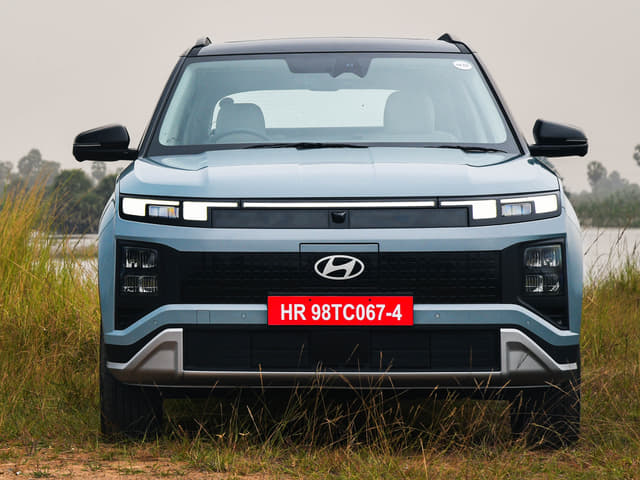
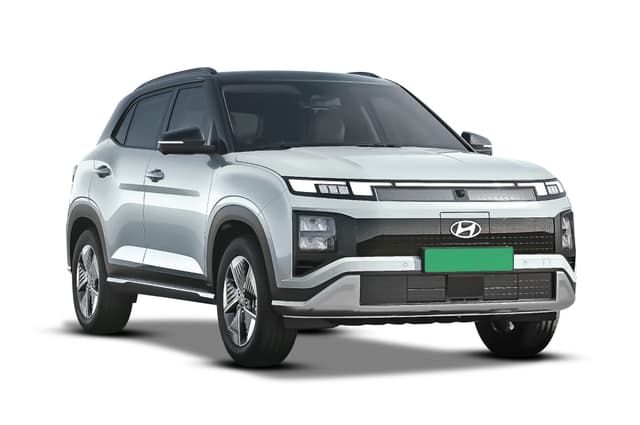
South Korean carmaker Hyundai first set up a manufacturing plant in Sriperumbudur, Tamil Nadu, in 1996. In two years after that, Hyundai launched the Santro in 1998. Since then, it has introduced models such as the Accent, Verna, i20, Santa Fe, Tucson, Creta, Venue and more. Hyundai is one of the oldest car brands in the country, and models like the Creta have been instrumental in the brand's success here. In fact, the Hyundai Creta has been the most-selling mid-size SUV for many years.

Show more
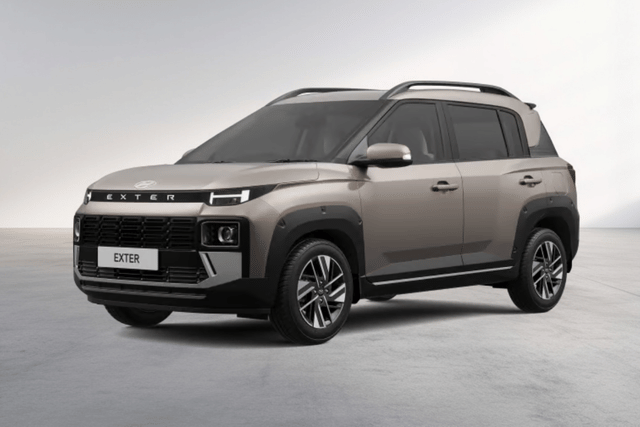
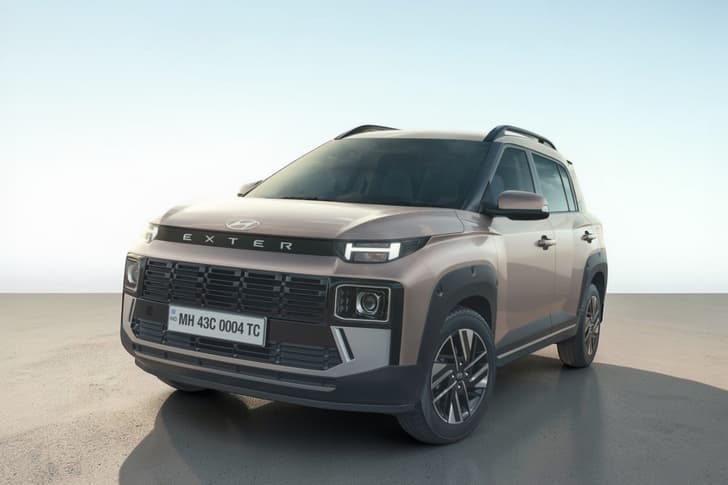
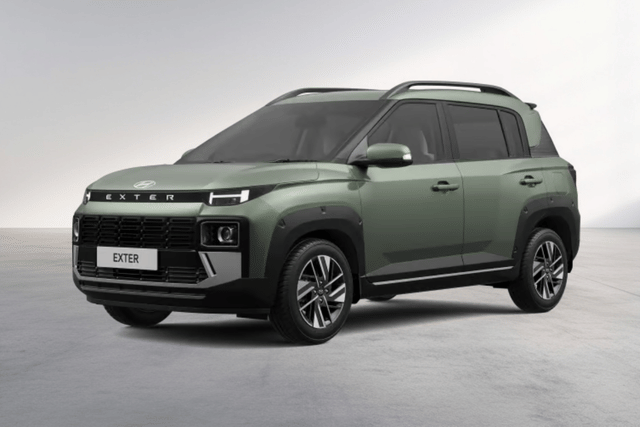
Hyundai Exter
Ranger Khaki color image
Golden Bronze color image
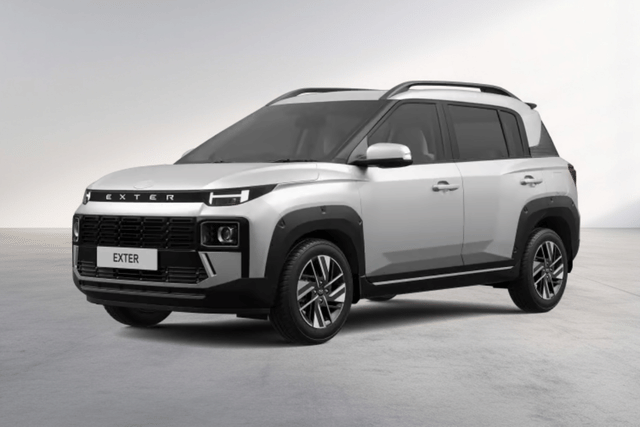
Hyundai Exter
Atlas White color image
8
19.2-27.1 kmpl
CNG, Petrol
Manual
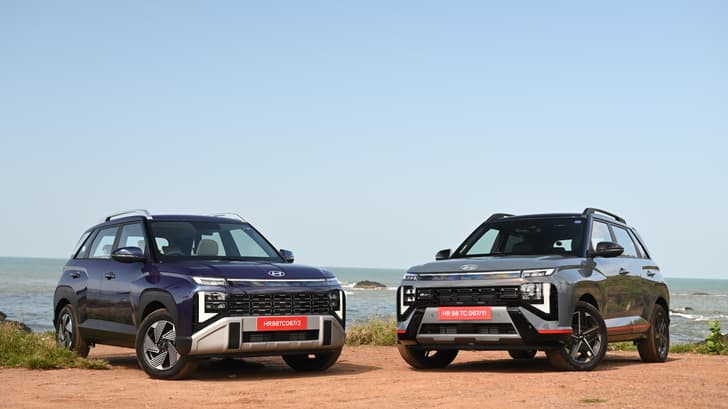
Hyundai Venue
Hyundai Venue
Hyundai Venue
Hyundai Venue
Hyundai Venue
8
17.9-21.0 kmpl
Diesel, Petrol
Automatic, Manual
Upcoming
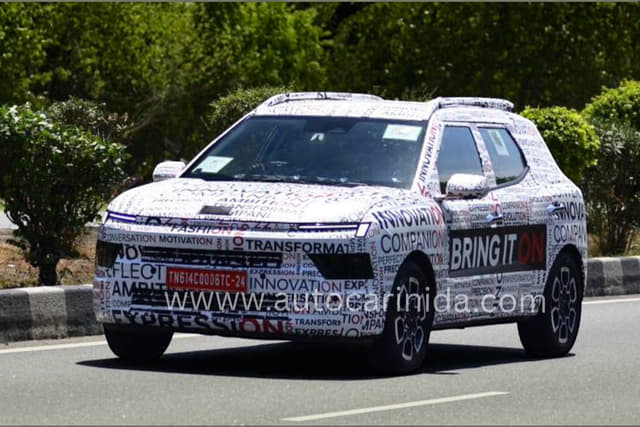
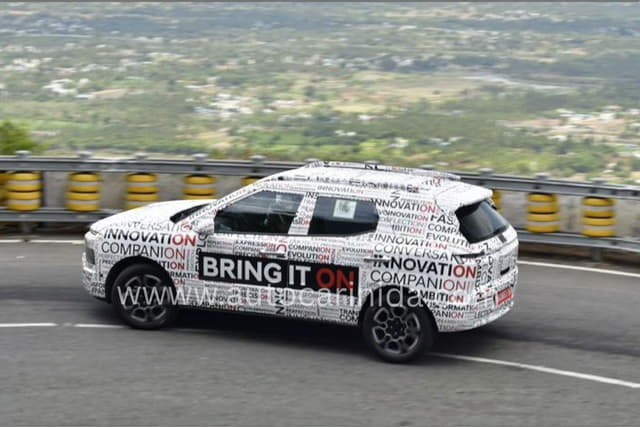
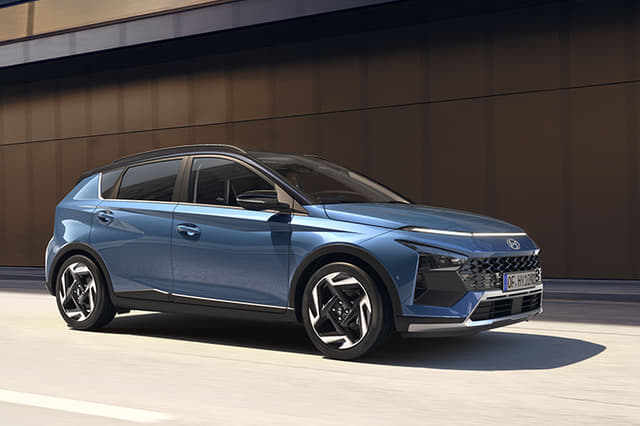
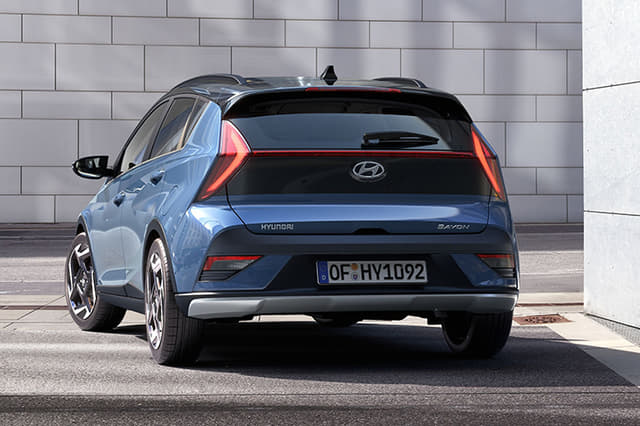
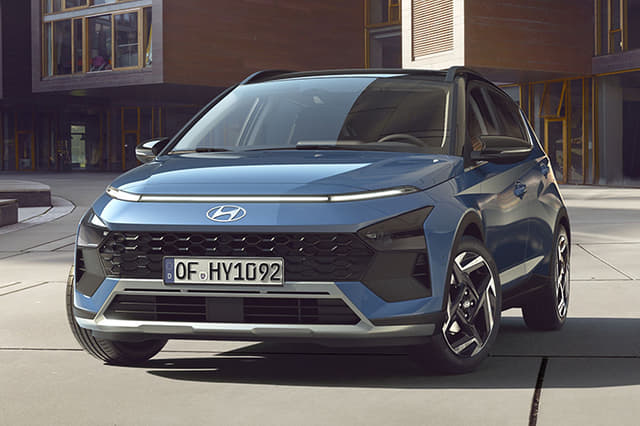
Hyundai Bayon
Hyundai Bayon
Hyundai Bayon
Hyundai Bayon
Hyundai Bayon
Late 2026
Exp. Launch
Petrol
Manual
SUV
Upcoming
Hyundai Compact EV
Late 2026
Exp. Launch
Electric icon
Electric
SUV
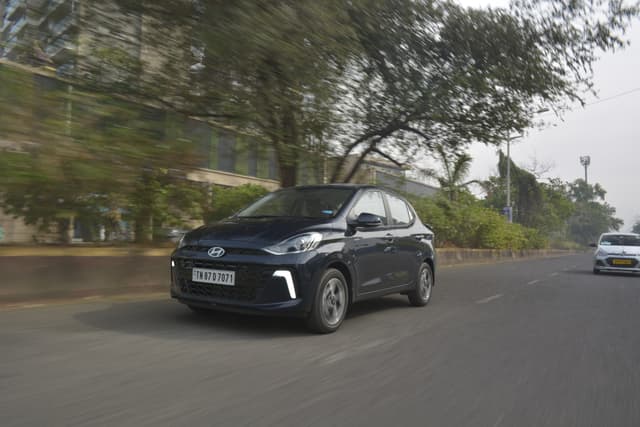
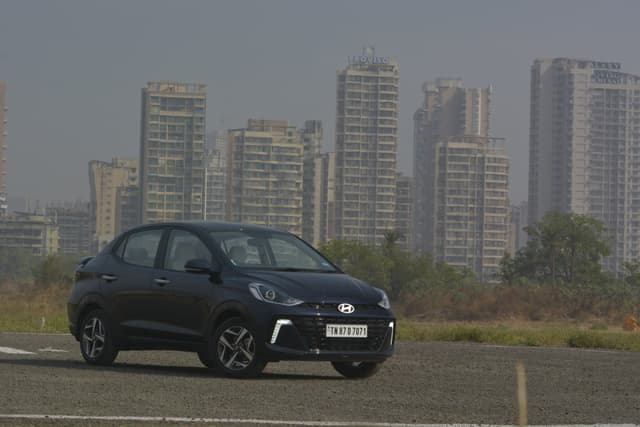
Hyundai Aura Front View
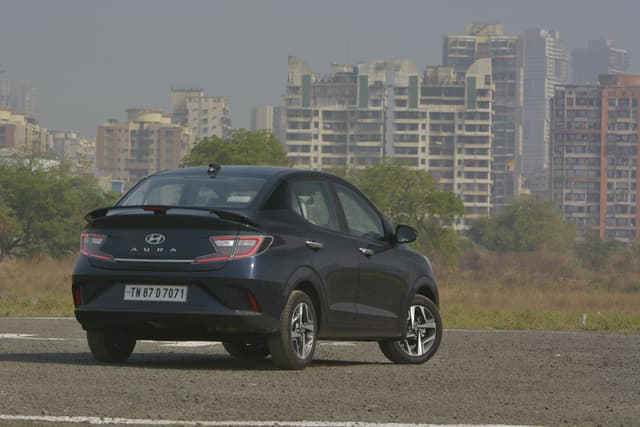
Hyundai Aura Rear View
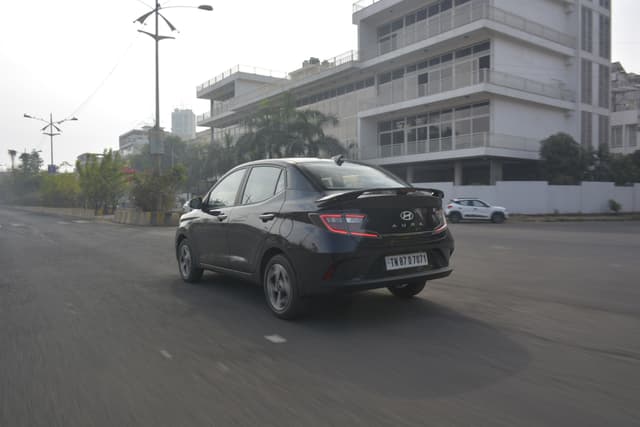
Hyundai Aura Alloy Wheels
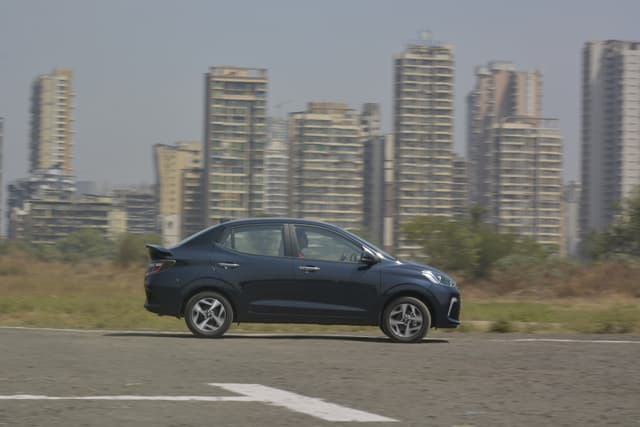
Hyundai Aura Front Right Three Quarter
7
17.0-28.4 kmpl
CNG, Petrol
Manual
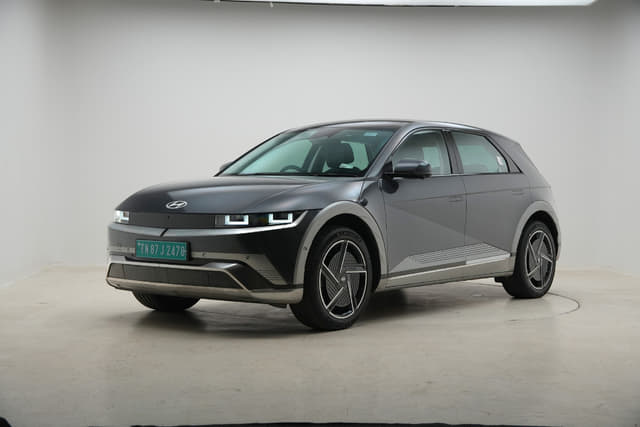
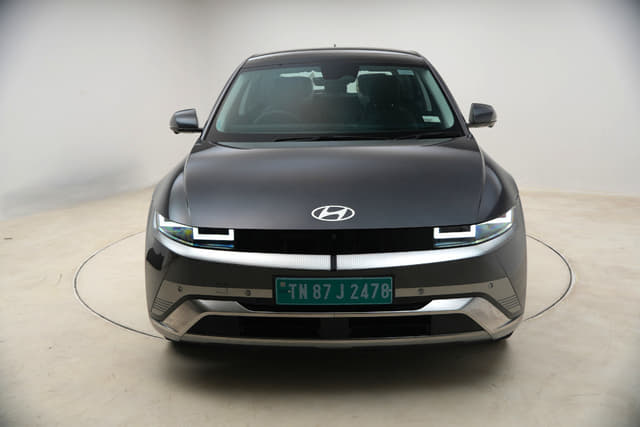
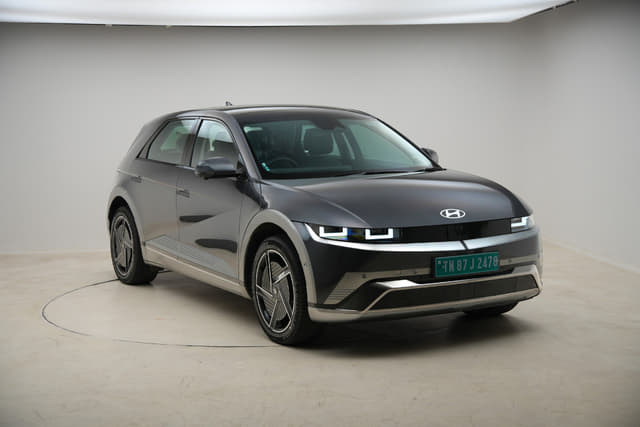
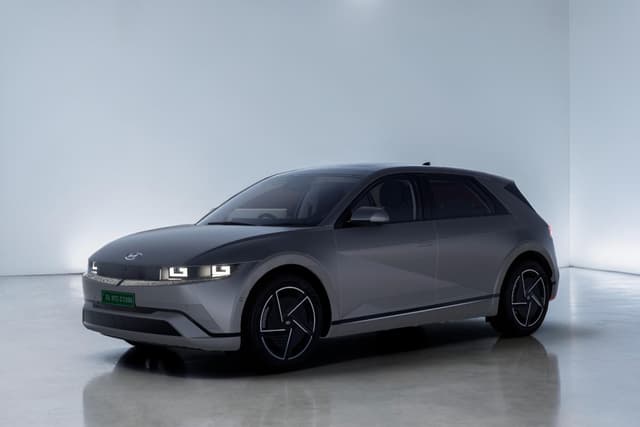
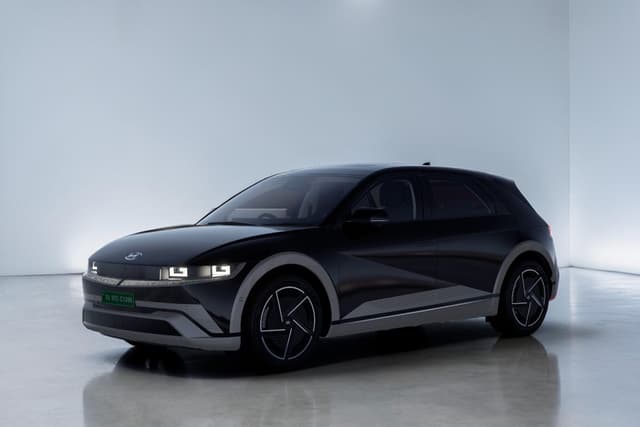
Hyundai Ioniq 5
Hyundai Ioniq 5
Hyundai Ioniq 5
Gravity Gold Matte color image
Midnight Black Pearl color image
9
631-690 km
Electric icon
Electric
5 seater
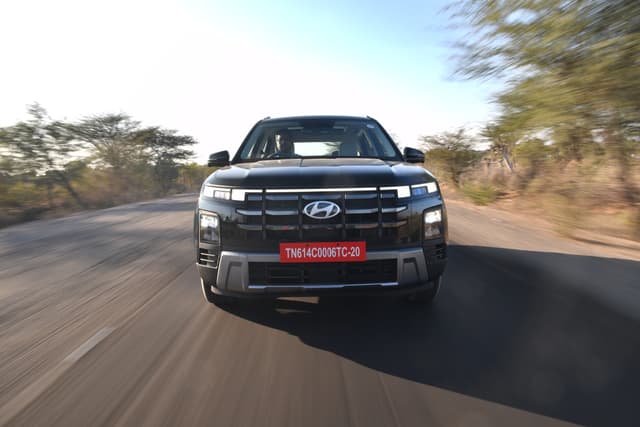
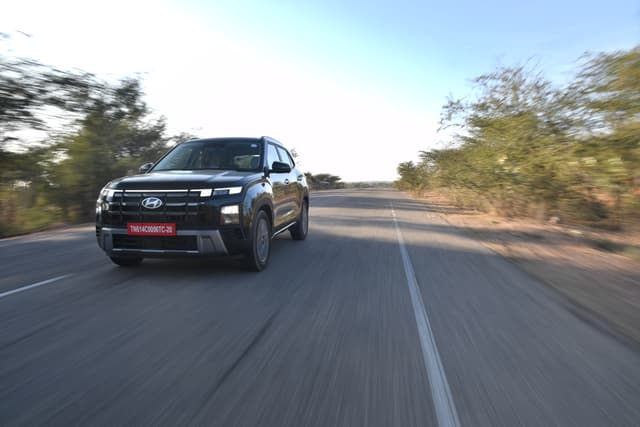
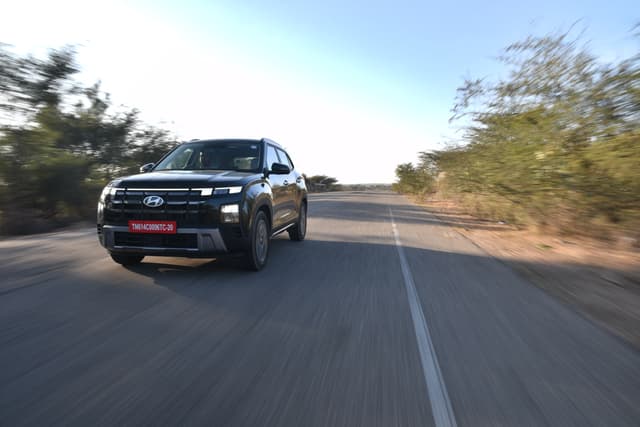
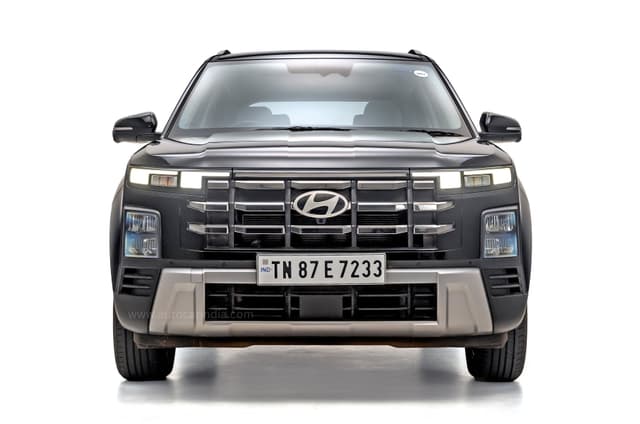
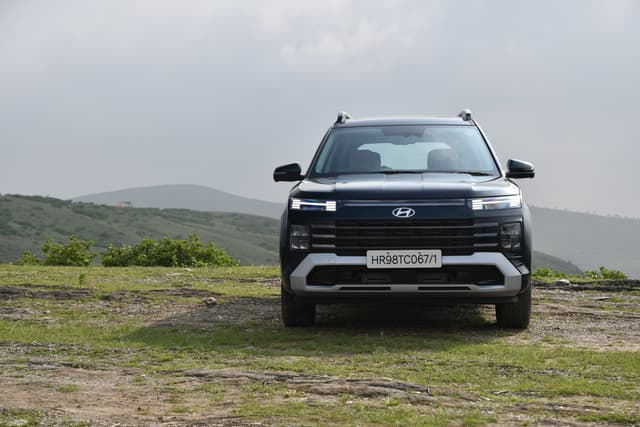
Hyundai Creta Front View
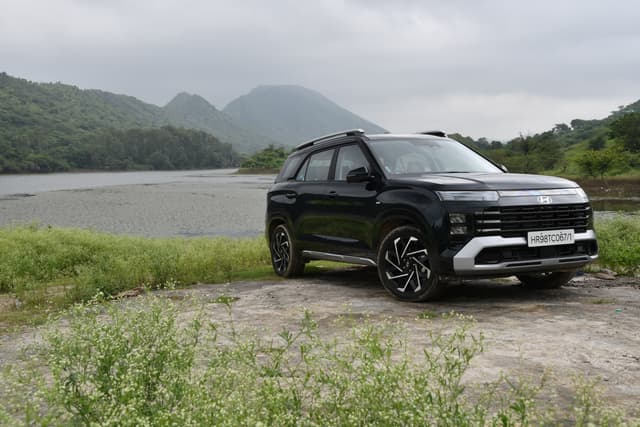
Hyundai Creta Front Right Three Quarter
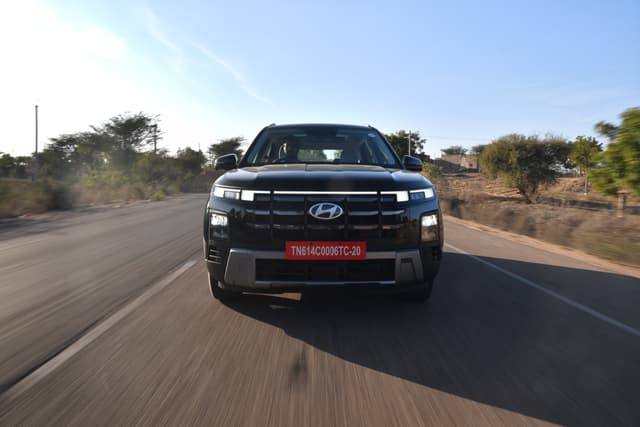
Hyundai Creta Front View
9
17.4-21.8 kmpl
Diesel, Petrol
Automatic, Manual
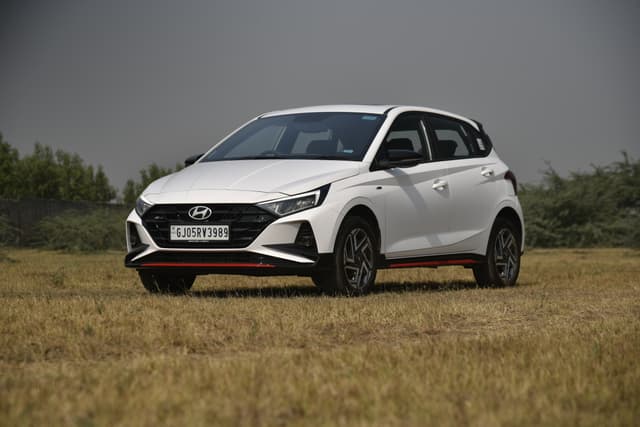
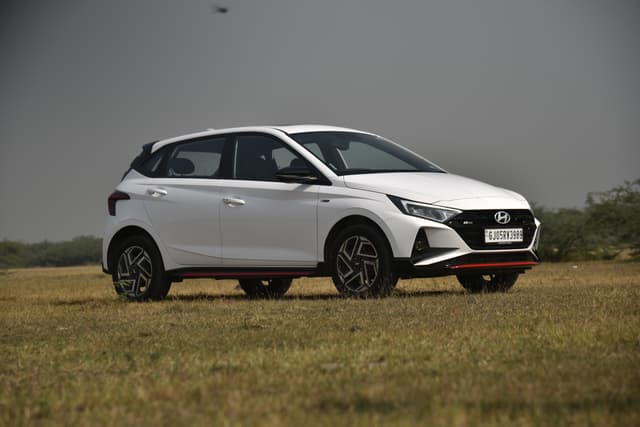
Hyundai i20 Front Left Three Quarter
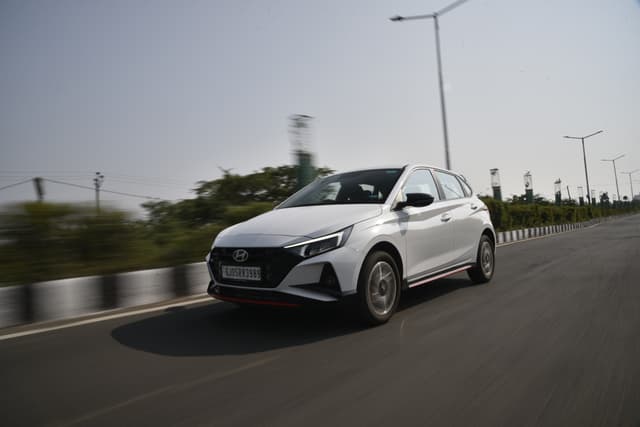
Hyundai i20 Front Right Three Quarter
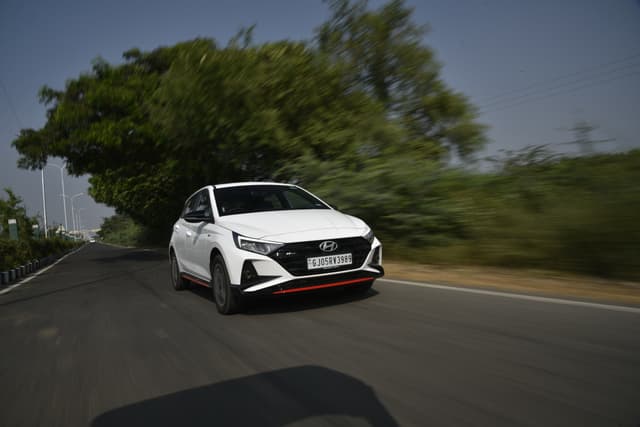
Hyundai i20 Front Left Three Quarter
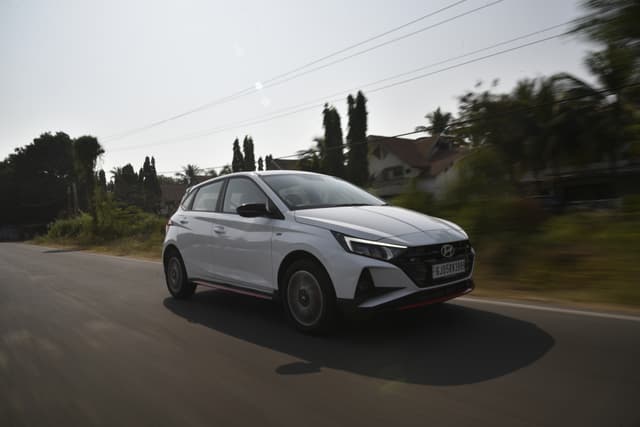
Hyundai i20 Front Right Three Quarter
8
16.0-20.0 kmpl
Petrol
Automatic, Manual
Titanium Black color image
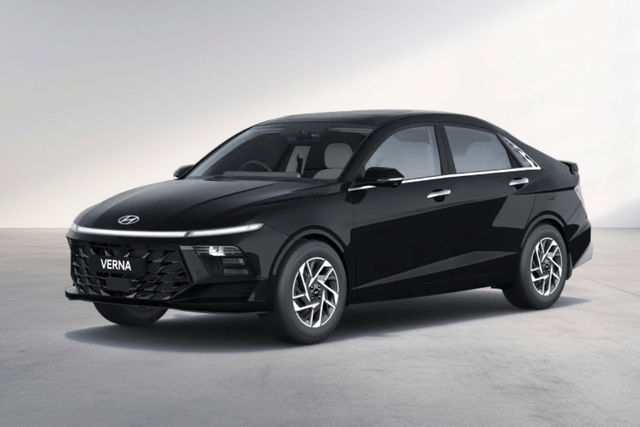
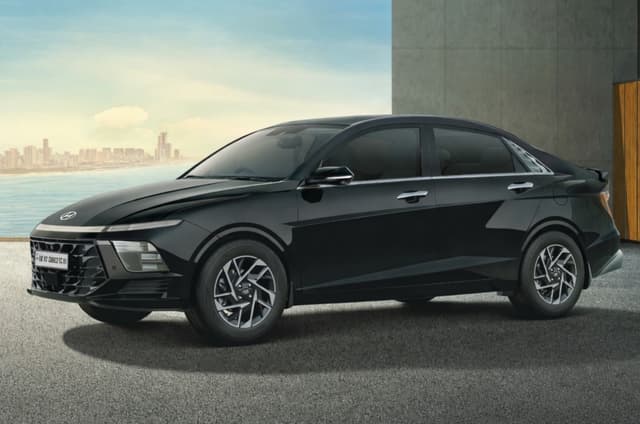
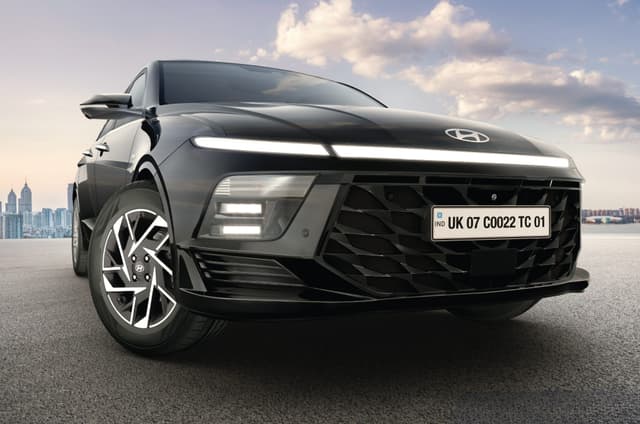
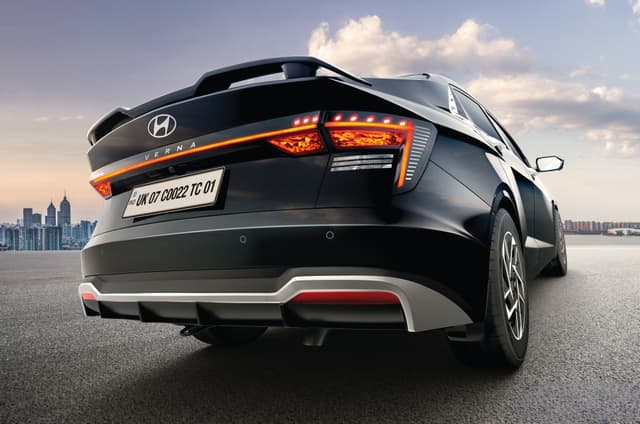
Hyundai Verna
Hyundai Verna
Hyundai Verna
Hyundai Verna
8
18.6-20.6 kmpl
Petrol
Manual
Hyundai Alcazar Front View
Hyundai Alcazar Front Right Three Quarter
8
17.5-20.4 kmpl
Diesel, Petrol
Automatic, Manual
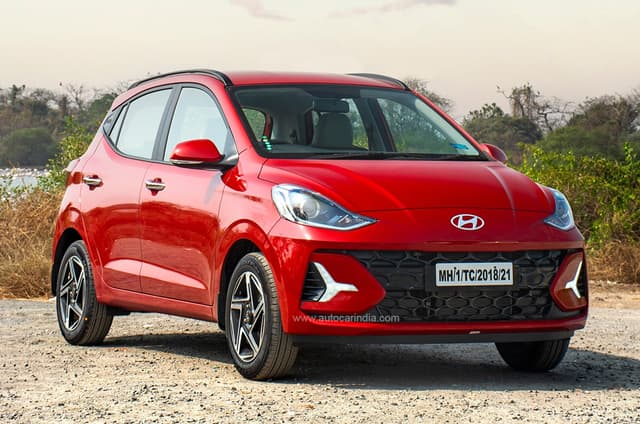
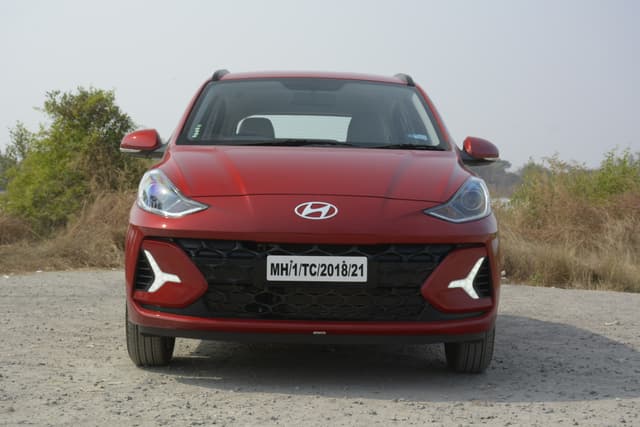
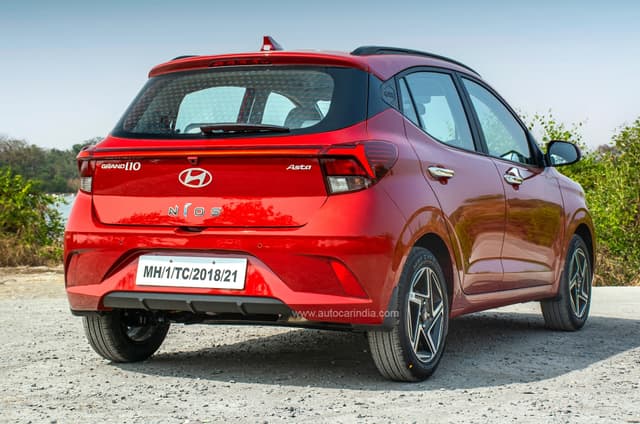
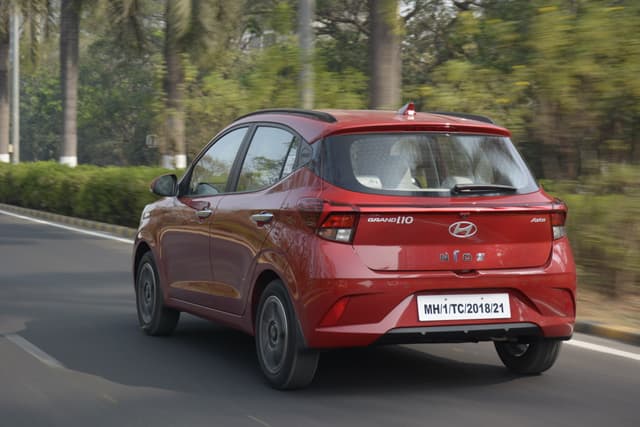
Hyundai Grand i10 Nios Front Left Three Quarter
Hyundai Grand i10 Nios Alloy Wheels
Hyundai Grand i10 Nios Front View
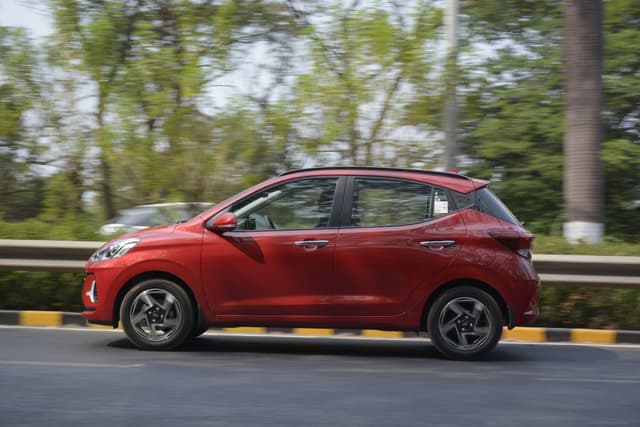
Hyundai Grand i10 Nios Rear View
8
16.0-18.0 kmpl
CNG, Petrol
Automatic, Manual
Upcoming
Hyundai New Creta
2027
Exp. Launch
Petrol
Manual
SUV
Upcoming
Hyundai New i10
Late 2027
Exp. Launch
Petrol
Manual
Hatchback
Upcoming
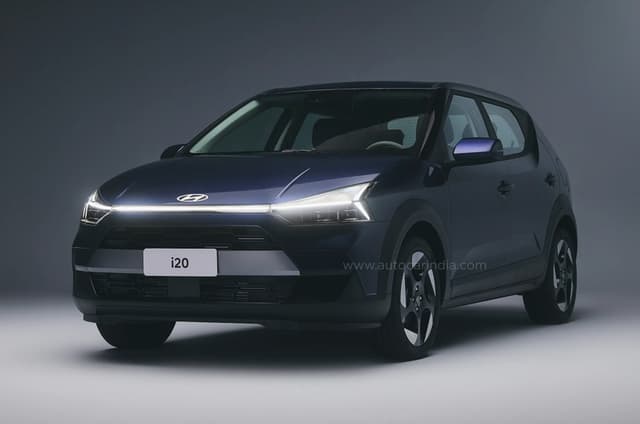
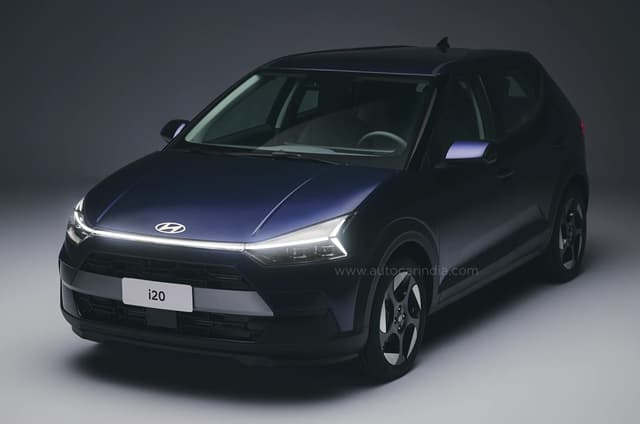
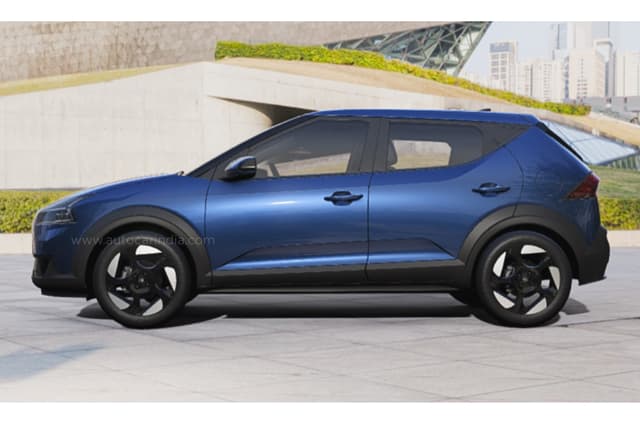
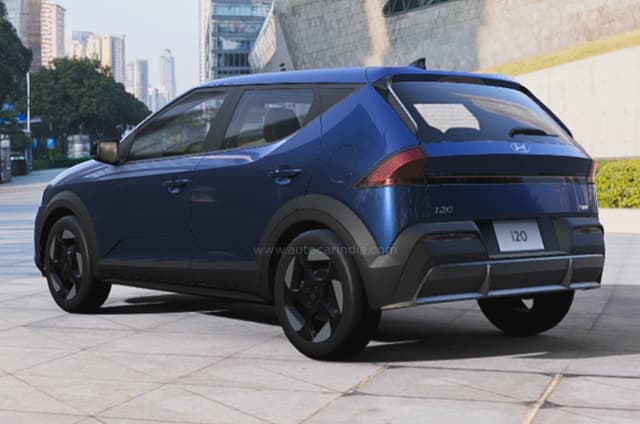
Hyundai New i20
Hyundai New i20
Hyundai New i20
Hyundai New i20
Hyundai New i20
2027
Exp. Launch
Petrol
Automatic
Hatchback
Hyundai Creta Electric
Hyundai Creta Electric Front Right Three Quarter
9
420-510 km
Electric icon
Electric
5 seater

Find cars by transmission

Hyundai Cars - FAQs

Hyundai cars generally offer a long list of features, polarising design and a relatively more premium interior compared to rivals.

Each brand has their own strengths, but when it comes to overall fit-and-finish of parts, Hyundai has an upper hand over Tata Motors.

Yes, Hyundai cars are generally reliable and offer a good ownership experience. Regular maintenance and driving habits also play a key role in ensuring a car runs optimally over the years.

Cars such as the Hyundai Creta N Line and i20 N Line come with some exterior tweaks, high-performance powertrains and tuned suspension setups over their standard counterparts.

Hyundai cars can easily be considered by anyone, let alone a first-time car buyer. Hyundai cars generally come with a long lost of features, and multiple powertrain options. Also, over the years, the company has built a huge service network in the country, enhancing the ownership experience of customers.

Need an expert opinion on your car related queries?

Trending Questions on Hyundai Cars - Answered by Autocar Experts

2h

Currently, I own a Kia Sonet Diesel Manual and Scorpio N diesel manual. I want to replace Scorpio N diesel manual with a mid-size SUV EV. So, I’m waiting for the Mahindra BE 07 since the XEV 9e is too big for my daily commute and the Mahindra BE 6 isn’t suitable for a family. I am replacing my Scorpio N because there’s too much traffic in the city, parking constraints, and that car is huge, and I want to drive something smaller for daily commute. My usage is 70% within city and 30% within highway.

Verified
3m

You are making the right call moving away from the Scorpio N. It is ok as a highway SUV, but in dense city traffic and tight parking, its size becomes a daily headache. The XEV 9e would put you in exactly the same situation, so it is not the right replacement. The BE 6 is a good EV, but it is more of a coupe-style SUV with a sloping roofline, which compromises rear headroom and practicality for family use.The BE 07 is the right car to wait for. It is Mahindra’s upcoming flagship EV and is expected to be a proper midsize SUV with a more practical, family-friendly cabin. It should offer the right balance of size, space and EV performance for your 70:30 city-highway usage. The only caveat is timing - if you need a car soon, the BE 07 may not arrive quickly enough.If you want an alternative that is available now, the Hyundai Creta EV is a very good option. It is spacious and practical EV with a comfortable ride and a family-friendly cabin. It is not as rugged as the Scorpio N, but for city commuting and occasional highway runs, it is a very well-rounded package, moreover the electronics and powertrain are very well calibrated making for a fuss free and easy drive experience and with very good reliability. Not something todays current EVs can boast off. Overall, your thinking is correct: the BE 7 is the right size and type of EV to replace a Scorpio N for city-focused family use. If you can wait, it is worth holding out for to see if it shapes up well. If not, electric Hyundai Creta is the best available alternative at the moment.

VehicleMahindra BE.07
VehicleMahindra BE 6 Sporteq
VehicleMahindra XEV 9e
VehicleMahindra Scorpio N
VehicleHyundai Creta Electric
2h

Finally sold my old i20 last week after almost two years of trying to decide whether to keep it as a second car. Got less than I expected for it, but honestly relieved not to be paying insurance and parking for two cars anymore.

9h

I am currently using a Hyundai Creta 1.5 CRDi diesel and am looking for an upgrade. I have shortlisted three cars: the Mahindra XUV 7XO, Toyota Innova HyCross and Hyundai Alcazar. I will drive around 400-500 km per week. Which one should I prefer?

Verified
4h

Go for the Toyota Innova Hycross. With 400-500 km a week, you need a car that is comfortable, reliable and effortless over long distances. The Toyota Innova HyCross hybrid is the best fit here. It is extremely comfortable, has a spacious cabin, and the hybrid powertrain is smooth and efficient, especially on highways where it delivers excellent fuel economy for a car of its size. Toyota's reliability and low maintenance costs also make it a strong long-term ownership proposition.The Mahindra XUV 7XO diesel is a good alternative if you specifically want a diesel SUV with strong performance and a more engaging driving experience, but the Hycross is the better all-rounder for your usage. The Hyundai Alcazar is not a true upgrade from your Creta and does not offer the same level of space, comfort or long-distance capability as the other two.The only drawback with the HyCross is that it is not as engaging to drive as the XUV 7XO, but for your usage, comfort and efficiency matter more. Overall, the HyCross is the car you will be happiest with after five years of ownership.

VehicleToyota Innova HyCross
VehicleMahindra XUV 7XO
VehicleHyundai Alcazar
1d

I have an elite i20 2018 model my stock size is 195/55 r16 but I want to install 195/60 r16 because that's the tyre comes in Geolandar XCV newly launched by Yokohama. I am confident enough that these upsize will not hamper but I want to know that installing these tyres will it be good? As my i20 is lightweight compared to SUV and these tyres are mostly made for SUV and heavy vehicle so am I putting an extra load by adding these heavy tyres, will it damage my enitre dynamics drastically? I want a superior braking, and a good comfort road noise minimisation could be average but should not be too soft that it gets easily punctured or cracks in sidewall while hitting a potholes. heard many reviews of UC 6 getting punctures and cracks in sidewalls due to potholes. Turanza 6i is also an alternative but comes with the same problem too much soft compound and I drive like idgaf in potholes without any stress. Another good option is blue earth gt max shall I consider it but heard that wet grip is not that great and doesn't feel good in steering. As the geolandar xcv launched newly in India so I was kinda leaned towards its preference but as it is made for only Suv and crossover am kinda in doubt what should I do. Please suggest something worth invsting my money for.

Verified
22h

The Geolandar XCV is a good tyre, but it is designed for SUVs and crossovers, and your Hyundai i20 is a much lighter car. The tyre will be heavier than your stock tyre, and that will add unsprung weight, which will affect ride quality and handling. The sidewall will also be stiffer than a typical hatchback tyre, which could make the ride harsher on a light car like the i20. The upsize from 195/55 R16 to 195/60 R16 is not huge, but it will increase the overall diameter by about 3.5%, which will slightly affect speedometer accuracy and gearing.If your priority is durability and resistance to sidewall damage, the Geolandar XCV will do the job, but it is overkill for an i20.

VehicleHyundai i20
1d

I am planning to buy a sub-4m SUV and have shortlisted the Skoda Kylaq Signature Plus Automatic and Hyundai Venue HX5 Diesel Automatic. My annual running is expected to be around 16,000 to 18,000 km, including approximately 12,000 km of highway driving. From an economic point of view, I am slightly concerned about the Kylaq’s real-world petrol mileage, especially given the high amount of highway running. I am also concerned about the long-term implications of E20 petrol and whether it could lead to any issues in the future. On the other hand, I have concerns about buying a diesel due to the possibility of future government restrictions and the uncertainty around long-term diesel ownership. Considering these factors, I would appreciate your advice on which of the two would be the better choice for at least eight years of ownership.

Verified
1d

Go for the Hyundai Venue Diesel Automatic. With your annual running of 16,000-18,000 km and a strong highway component, the diesel makes clear financial sense. The Venue’s diesel is refined and well suited to long-distance driving, and the 6-speed torque converter automatic is smooth and reliable. Hyundai’s service network and ownership experience are also strong, which matters over an 8-year horizon.The Skoda Kylaq Signature Plus Automatic is the better driver’s car, but the 1.0 TSI petrol will not match the diesel’s efficiency at your running, and the E20 concern is largely overstated – modern engines are engineered for it, and there is no official roadmap beyond E20. On the diesel side, the government has not announced any blanket restrictions on private diesel cars, and with Bharat Stage 6 and DPF technology in place, long-term ownership is not a major concern.The Venue is the more sensible and cost-effective choice for your usage pattern. If you want a more premium and spacious diesel SUV, the Kia Seltos Diesel Automatic is worth stretching for, but within your shortlist, the Venue is the right call.

VehicleHyundai Venue
VehicleKia Seltos
VehicleSkoda Kylaq

Last Updated on: 14 Sept 2026