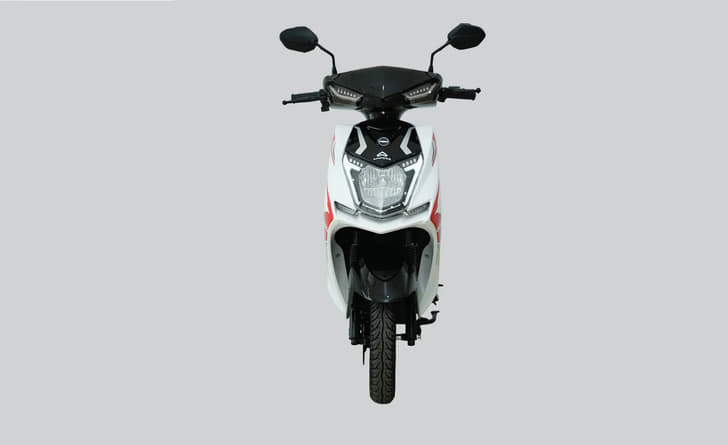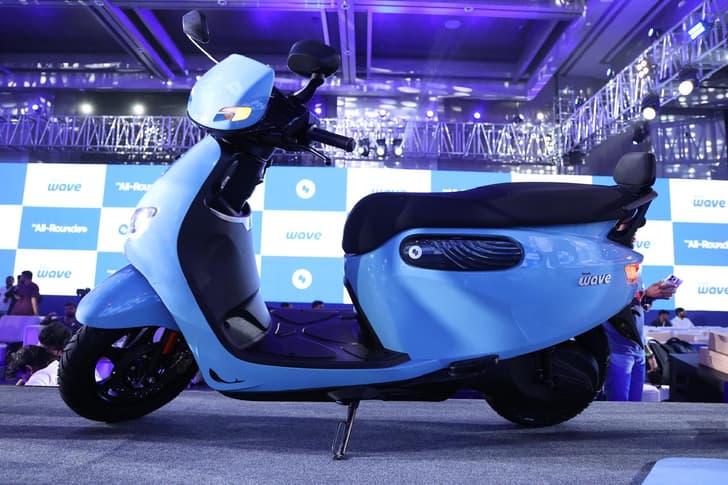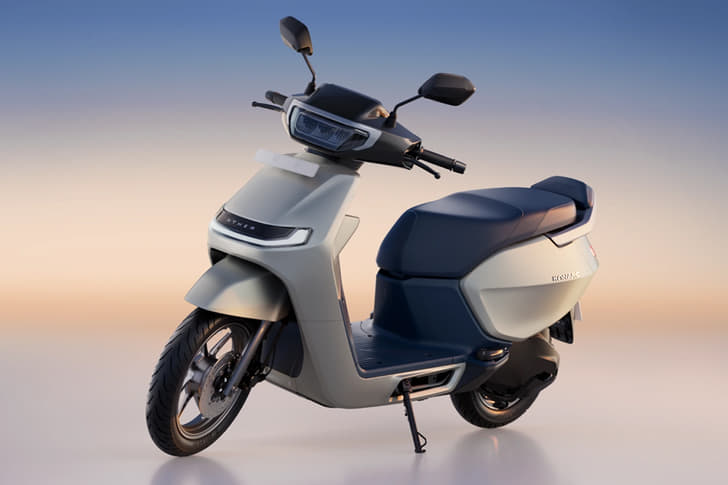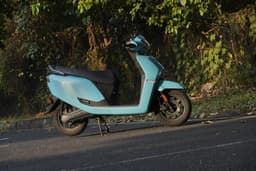

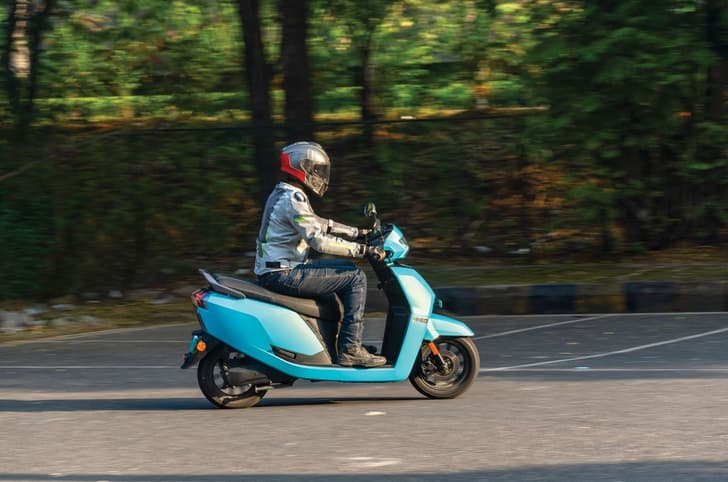
The Ampere Nexus is currently the most premium offering by the brand and has been designed and developed in India. It exists in an extremely competitive space, where it is up against not only legacy OEMs but also established electric vehicle startups. The big question is: Does this new kid on the block have the credentials to hold its own against the rivals? Well, here’s what we discovered.
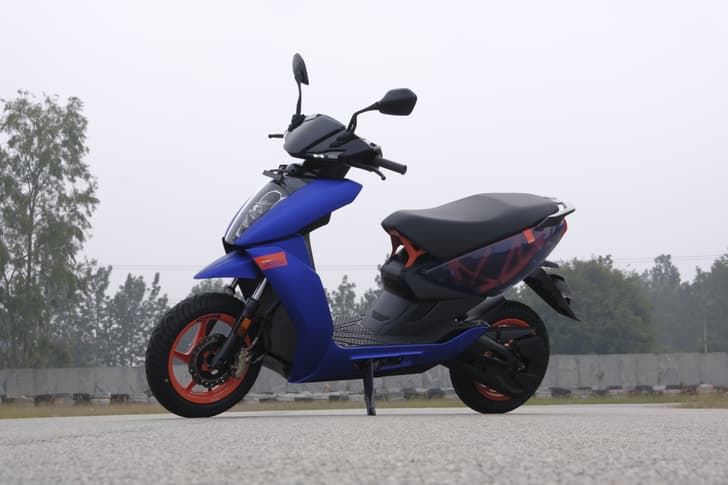
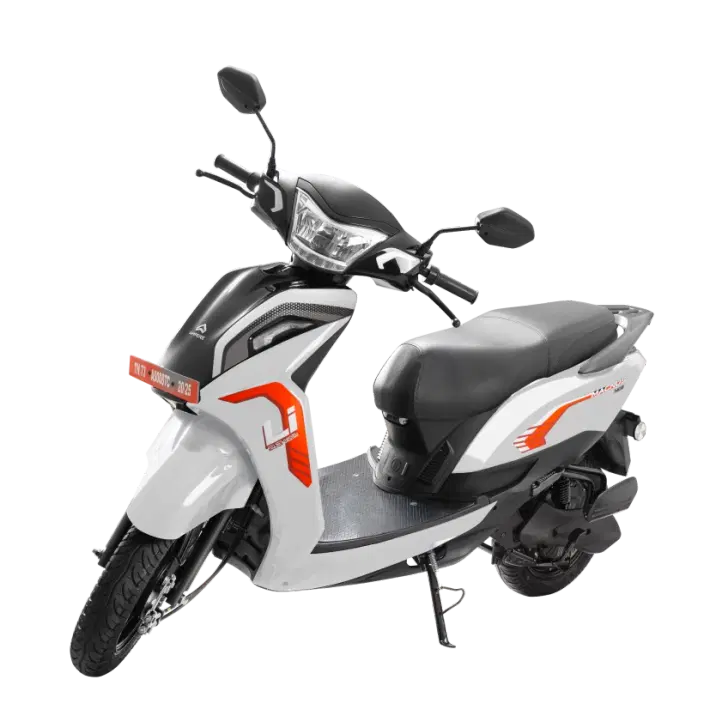
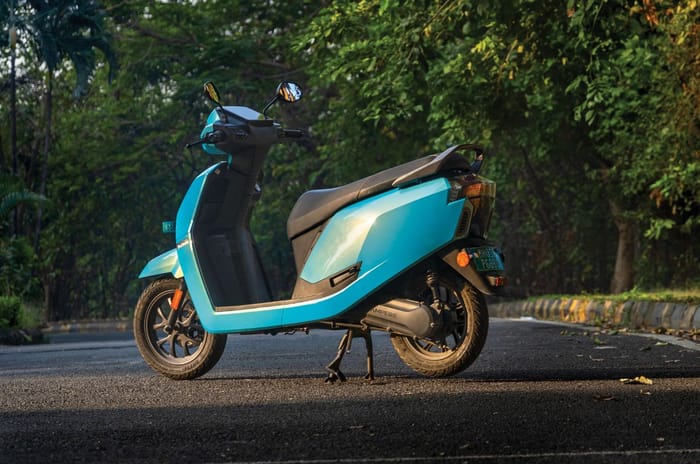
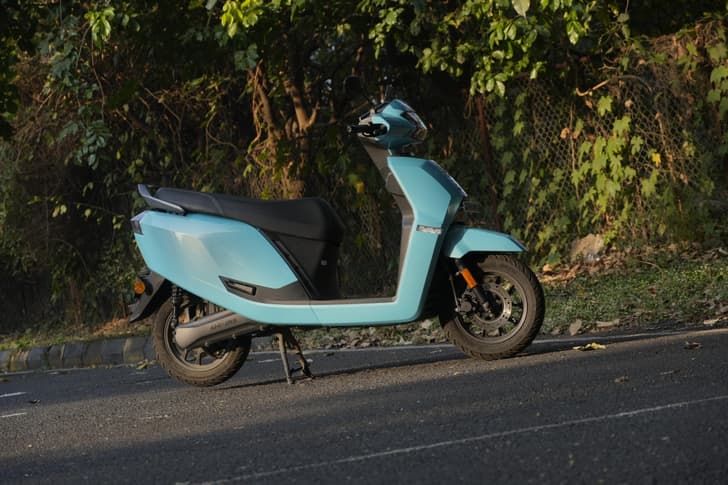
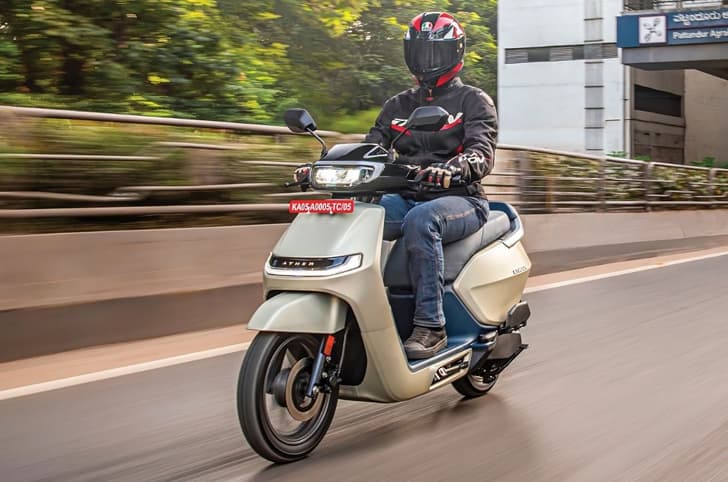
The Nexus is a handsome-looking scooter finished in this shade of Zanskar Aqua. Not only is it bright and eye-catching but it also has a beautiful pearlescent finish under direct sunlight. Its design cues are subtle and tastefully done, and its overall build quality is decent.
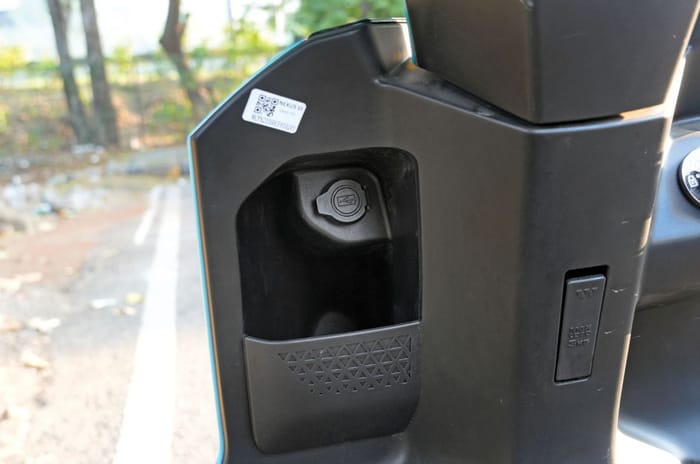
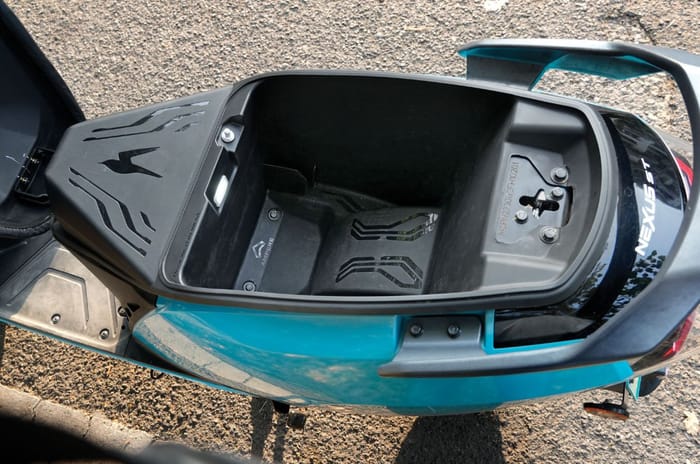
There is a deep storage compartment located under the handlebar, but the shape is odd, and the plastics have a sharp edge, which feels built to a cost. The boot can swallow up most half-face helmets but will struggle with a full-face one, especially with its bulky charger inside.
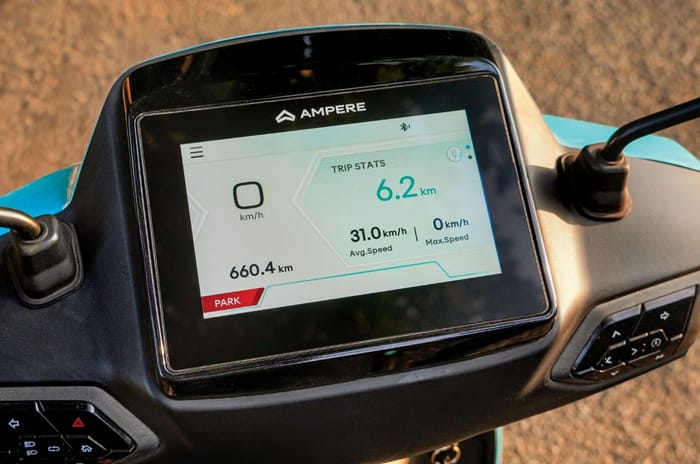
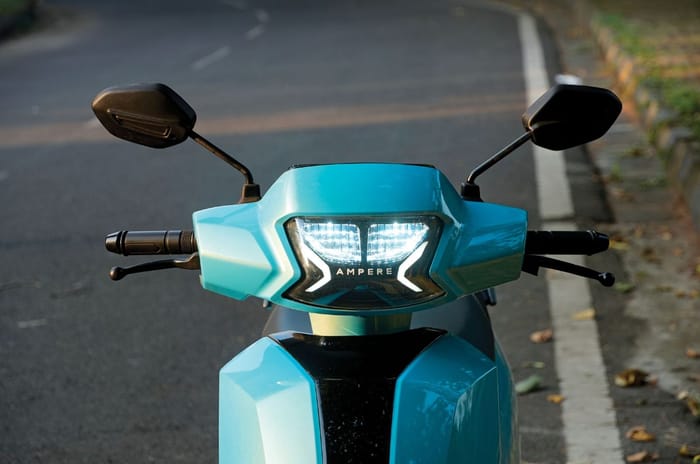
In terms of features, the Nexus gets an LED headlight that performs very well and a bright and legible 7-inch TFT display. However, the display isn’t very smooth and, at times, had a delayed response to my touch inputs. The UI could be nicer, and it is also a little harder to use with gloves.
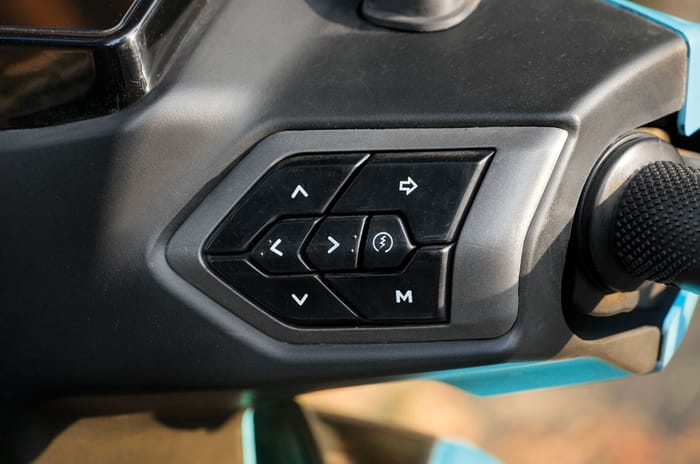
While the piano black switchgear looks premium, with its tightly packed buttons, it demands Blackberry levels of muscle memory to use.
The charging socket is located near the footboard and looks like a bit of an afterthought. Even the charger looks rather simple and not as well-designed as offerings from its rivals. Unplugging the charger involves pressing two release buttons simultaneously, which can get a little tedious.
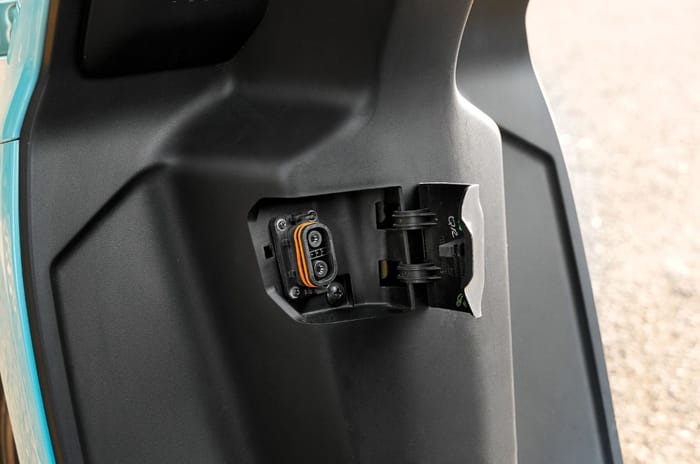
Despite its simplistic design, this charger is capable of juicing up the Nexus in around four hours. However, a bigger issue is the time it takes for the Nexus to boot up right after charging, which can sometimes take as much as five minutes in my experience. That is something that needs to improve. Overall, while this is a premium scooter, it could do with better attention to detail and finish.
Ampere’s Nexus delivers a comfortable and nimble riding experience, making it well-suited for urban commuting. Darting through traffic was an easy affair, and the suspension made little work of any unexpected bumps. I’ve also received good feedback from those pillion riders.
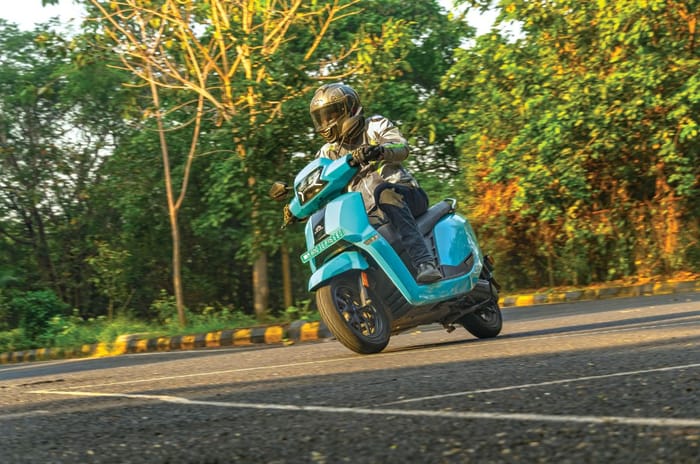
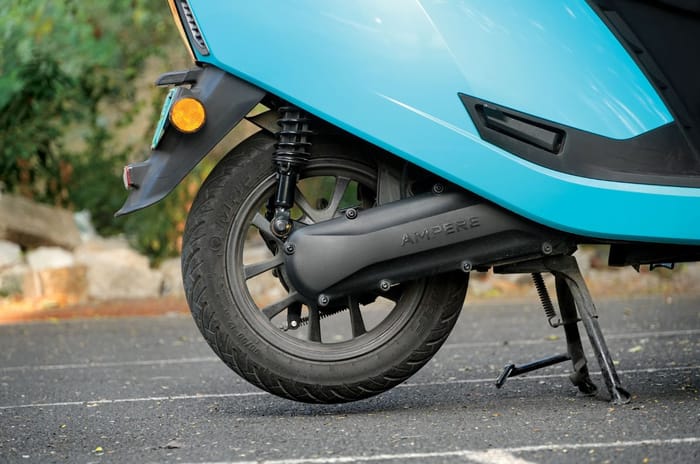
With a telescopic fork and twin rear shocks, the overall setup is well-controlled and leaves very little to complain about. Handling is good, and it is only on hard impacts at higher speeds where the scooter will generate an occasional hard thud. All in all, this scooter does a commendable job of striking a good balance between ride and handling.
The Nexus features three riding modes: Eco, City and Power. The throttle response is smooth across all modes, ensuring a predictable ride without jerky acceleration. However, it is a bit too dull and reserved up to about 25kph even in City and Power modes. In my experience, these two modes struck a good balance, and I’d often oscillate between them on my commutes. On the other hand, Eco mode is very slow and is best reserved for extreme bumper-to-bumper traffic or to get home on a low battery. For reference, in Eco mode, the Nexus takes over 12 seconds to reach 40kph, whereas the TVS iQube takes a mere 4.63 seconds to do the same.
In our tests, the Nexus performed adequately, with a 0-60kph time of 12.98 seconds in Power mode, which makes it one of the slower scooters in its segment. It features a 3kWh LFP battery and sports a peak motor output of 4kW. The Nexus has a certified range of 136km, but in our tests, we managed to extract just under 100km, which is around 10 percent lower than similarly priced rivals with similarly sized batteries.
In City and Power modes, you can expect a range of about 50km to 70km, respectively. Once the battery drops to 10 percent, the Nexus goes into limp mode, which severely limits performance. The Nexus’ braking performance is decent, and the combi braking system works well. However, the brakes require a firm pull and could do with better feedback. In our tests, the Nexus managed to come to a halt from 60kph in 22.04m. For reference, the popular TVS iQube managed to do the same in just 19.71m.
The Nexus is a comfortable and endearing electric scooter, but it has areas that need improvement. Ampere’s Nexus is clearly the best-made and most premium offering by the brand yet, but it still has some catching up to do compared to its rivals.
The Nexus’ excellent ride quality, comfort and practicality work in its favour and give it a slight edge over its competitors. However, it still needs work on its overall finish and the end-user experience to meet what people have come to expect at this price point. If comfort is all you seek, then the Nexus could be the one for you, but buyers looking for a more polished experience will find other alternatives.
 Dinshaw Magol

 Rishaad Mody