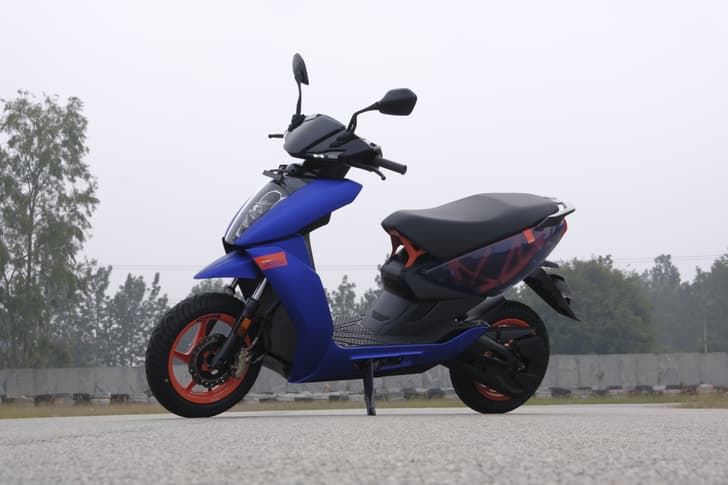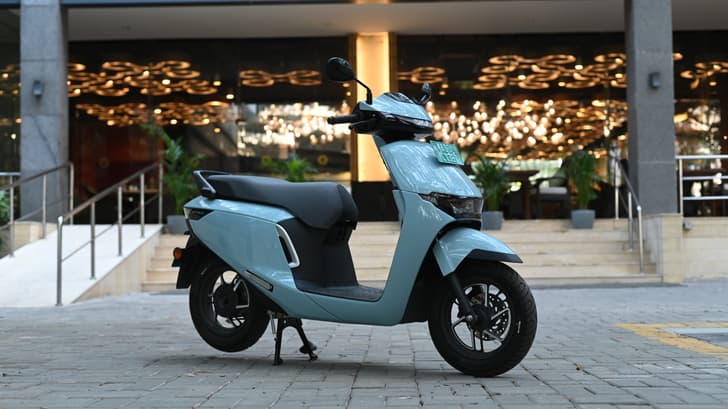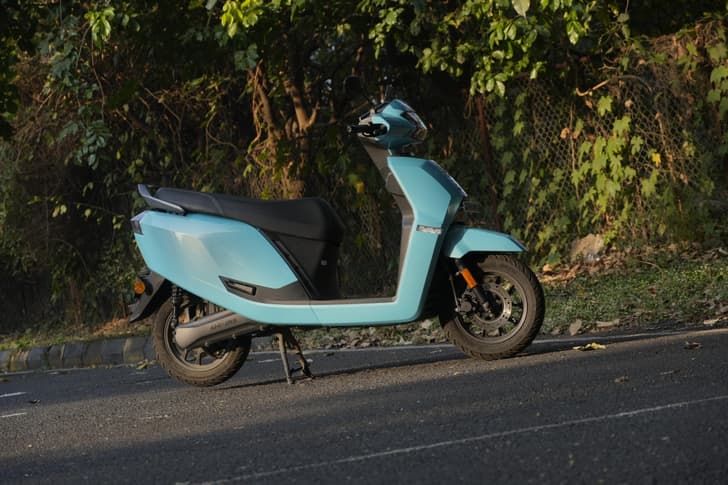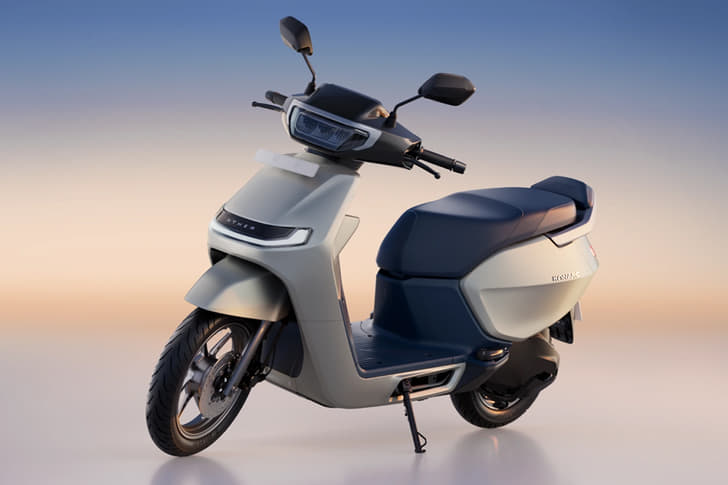

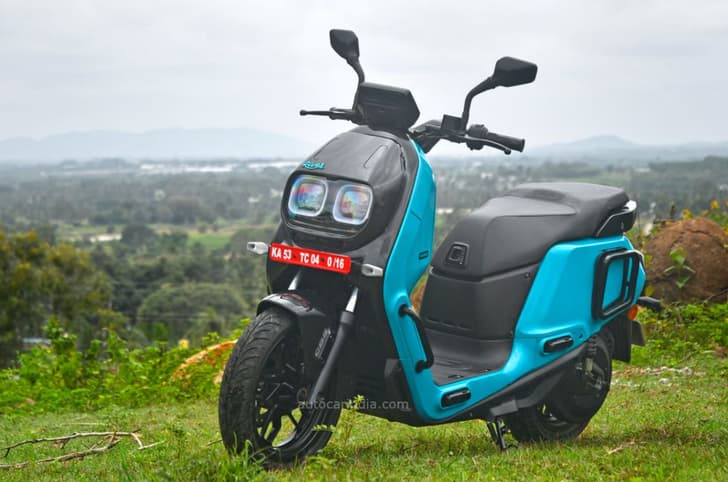
The Indie is the sole offering from Bengaluru-based startup River. While it has a few strengths that tip the scales in its favour, there are also two reasons why you may want to consider other options.
3 reasons to buy the River Indie
Spacious and practical
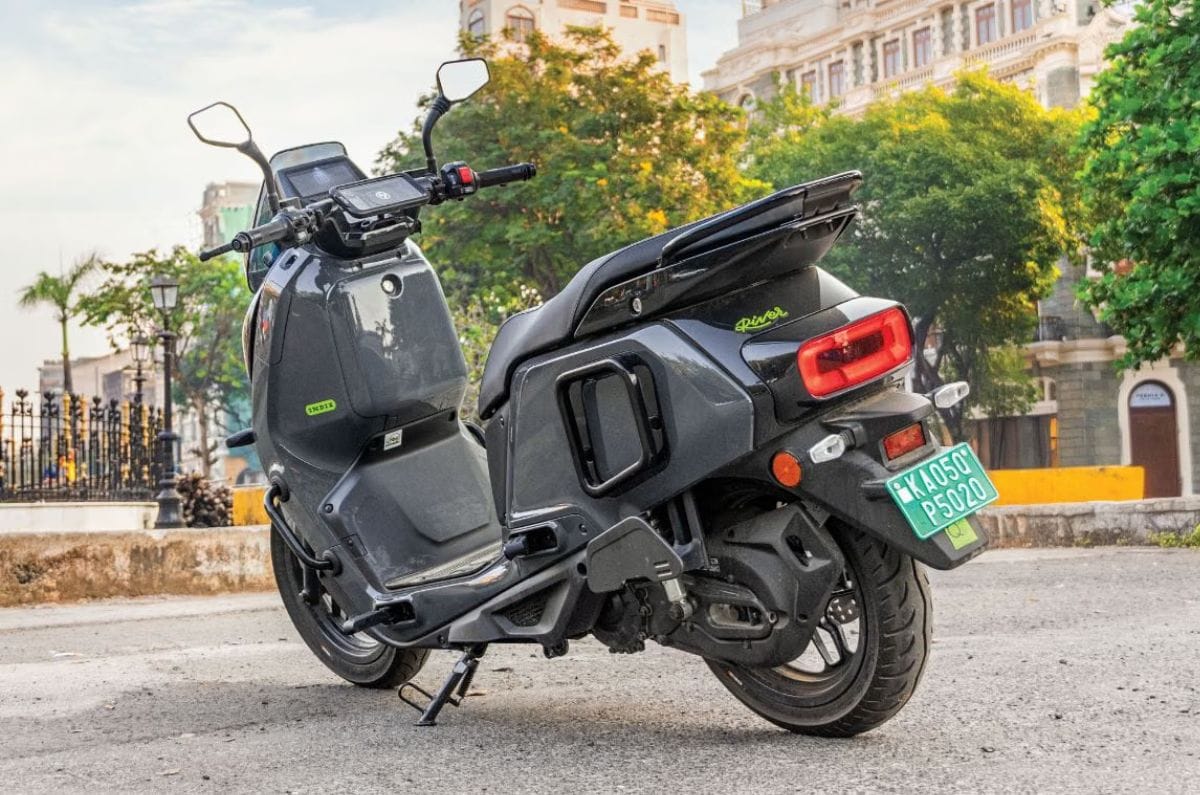
What truly sets the River Indie apart – aside from its quirky design – is the sheer amount of storage it offers. With a cavernous 43 litres of underseat boot space and an additional 12 litres of front-apron storage, running out of space on the Indie is unlikely. However, if you do manage to fill all 55 litres of onboard storage, River also offers accessory panniers and a top box. The mounts for these come standard on the scooter and double up as crash guards.
Unique style and presence
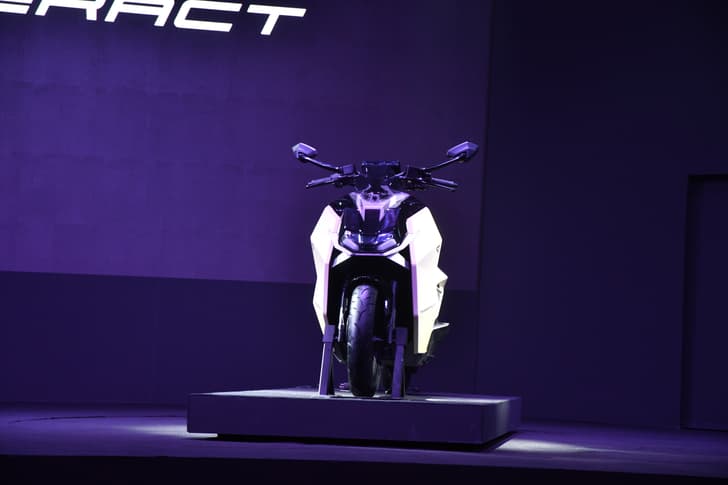
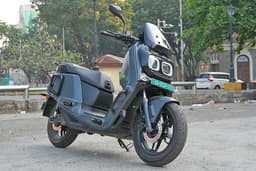
Another aspect working in the Indie’s favour is its design. Yes, it’s quirky and unconventional, but the response to it has largely been positive. Despite featuring a large, boxy front apron instead of the flowing panels seen on most scooters, the Indie looks surprisingly well proportioned. Adding to its visual appeal are the 14-inch wheels, which give it a strong stance. The twin ‘squircle’ DRLs further enhance the striking front end – one that’s likely to make people look twice.
Quiet and powerful motor
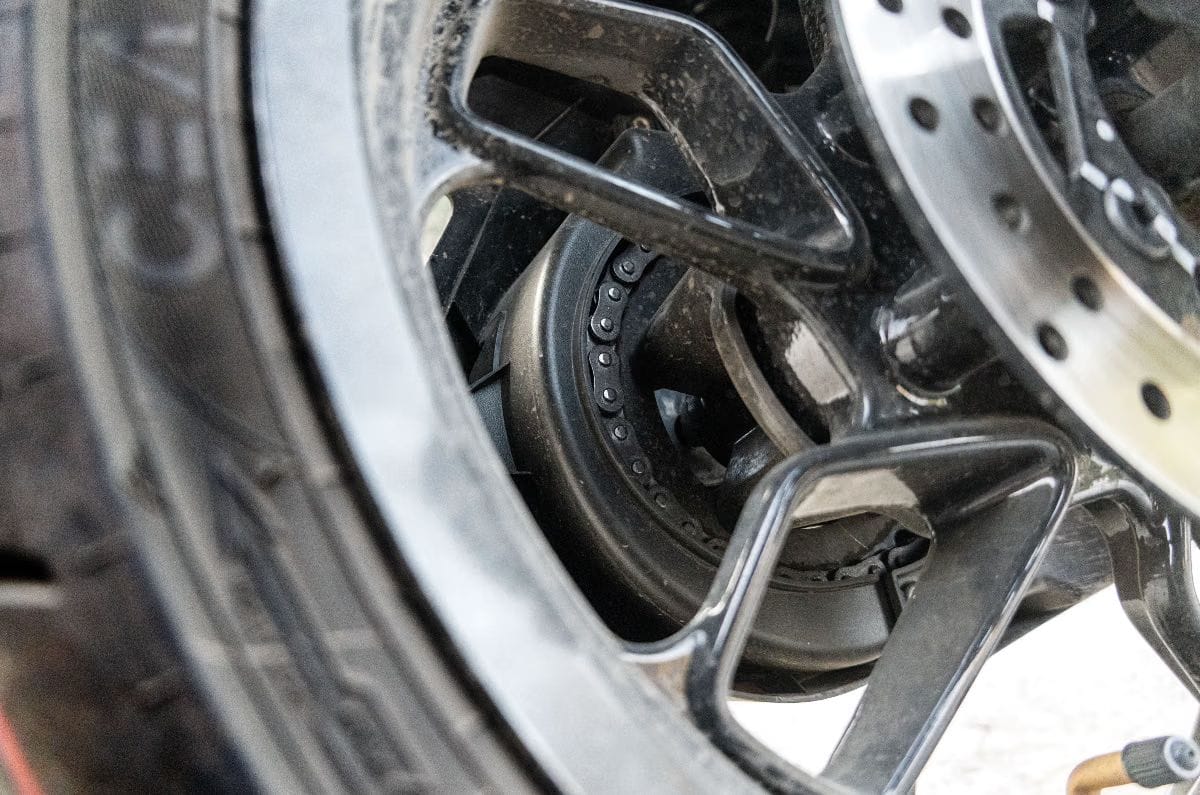
Another thing that stood out during our time with the Indie was just how silent its motor is. It delivers a strong punch while remaining exceptionally quiet, with the only noticeable sound being a faint chain drone. Even under hard acceleration or sustained top-speed runs, the motor’s performance remains consistent and does not heat up as quickly as some other EV motors.
2 reasons to skip the River Indie
Slow charging speed
The Indie is equipped with a 4.1kWh battery pack and is offered with a 480W charger, as well as a larger 750W charger. Our test unit was with the faster charger, but even then, a full charge took over six hours.
No remote release for boot or cubby
All access points require the use of a physical key, which can quickly become tiring. At this price point, the absence of a quick-release mechanism for either the boot or the front cubby feels like a glaring omission. The Indie lacks quick-release functionality for both the underseat storage and the apron. To charge the scooter, you must first unlock the boot and then unlock the apron to access the charging flap – all using the same key. This is far from ideal and also increases the risk of scratching the front-apron paint while simultaneously inserting the key and handling the charger.

 Vishal Venugopal
 Stephen Raj Antony