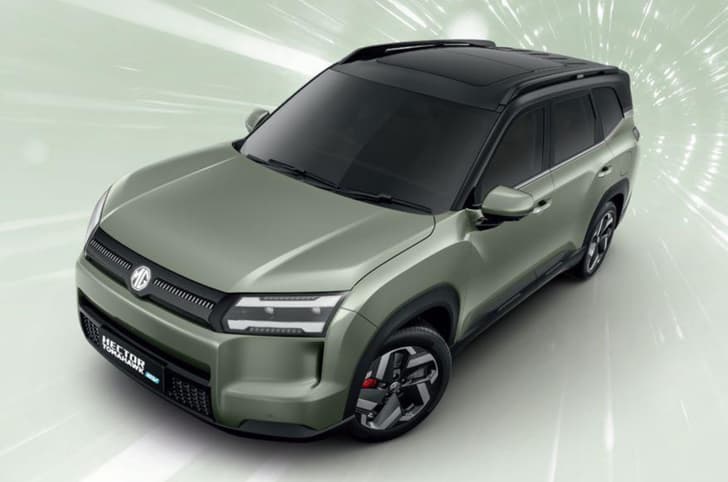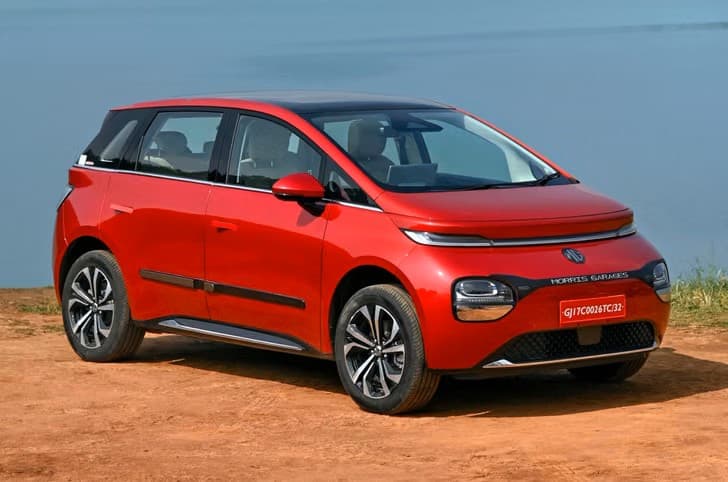
JSW MG Motor is targeting 70 to 80 percent of its sales from EVs in the coming years, with MD and CEO Anurag Mehrotra confirming that price parity with petrol cars has already arrived. Models like the Windsor, starting at Rs 9.99 lakh, have become catalysts for MG’s growth, pushing its market share in the electric car segment from under 10 percent to 30 percent in just two years.
Why MG aims for EVs to comprise 80 percent of sales
EVs prove cheaper to buy, run and maintain than ICE cars
Maintenance is another big win, with EVs requiring nearly one-tenth of the upkeep of ICE cars due to fewer moving parts and no oil or transmission servicing. Mehrotra insists this advantage remains intact despite the recent 10 to 15 percent GST cuts on petrol and diesel vehicles.
“If you look at a 4.3-metre car like the Windsor and compare it to a similar petrol automatic, you will find that the EV is already cheaper,” said Mehrotra in an interview with Autocar Professional’s Ketan Thakkar at the 65th SIAM Convention, adding that the development can reshape India’s automotive landscape.
New energy focus expands reach
SAIC tech and MG Select fuel JSW MG’s EV growth
JSW MG is focusing its “where to play and how to win” framework squarely on new energy vehicles, with access to SAIC’s technology enabling quicker launches. The premium MG Select channel is also expanding reach with halo products like the Cyberster roadster and M9 MPV, which clocked 170 units in the first month despite supply constraints.
The decision was clear: the new energy space is where the brand sees its biggest growth potential. With technology access from parent company SAIC, MG can accelerate development and bring more mature products to market faster.
JSW MG prioritising profit through localised EVs
Economics, not regulation, powers EV shift; ICE retained for transition
Around 20 to 30 percent of the portfolio will remain ICE as part of a balanced transition. Localisation and profitability are the company’s immediate priorities, but the direction is clear: EVs are shifting from niche to mainstream, powered by economics rather than regulation alone.
With inputs from Shristi Ohri
 Autocar India News Desk
 Dipan Sur