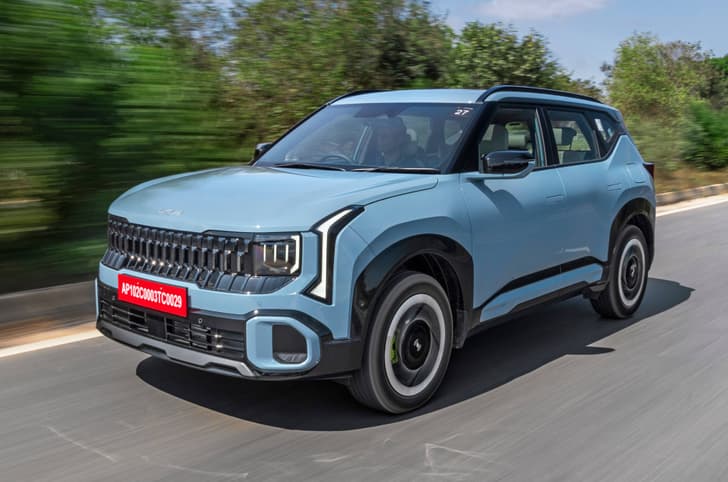
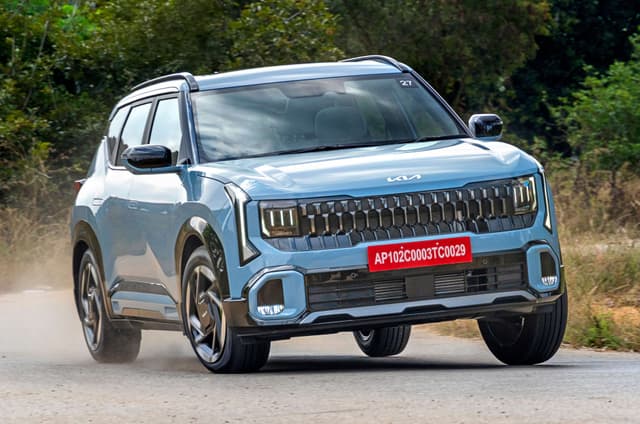
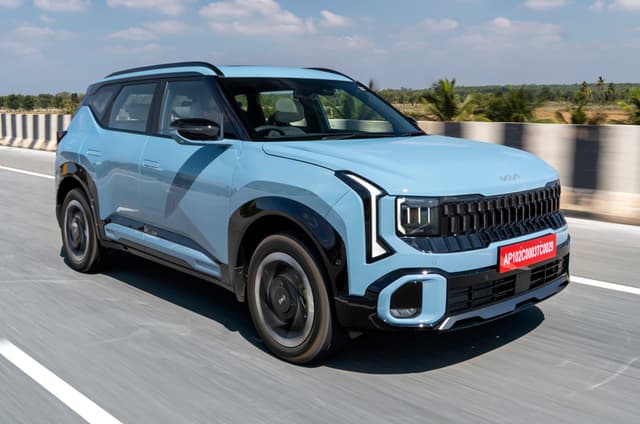
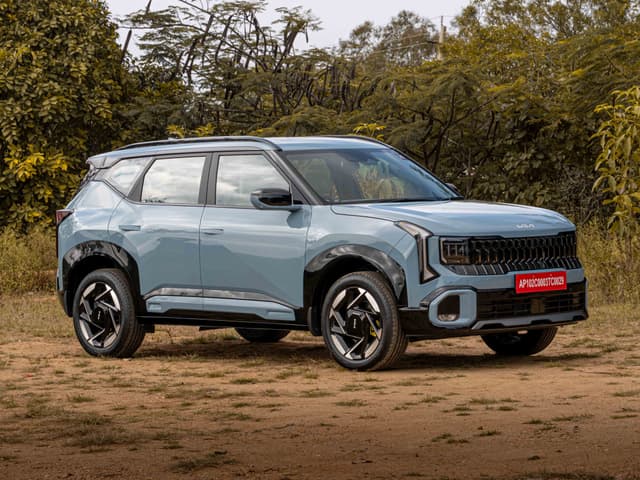
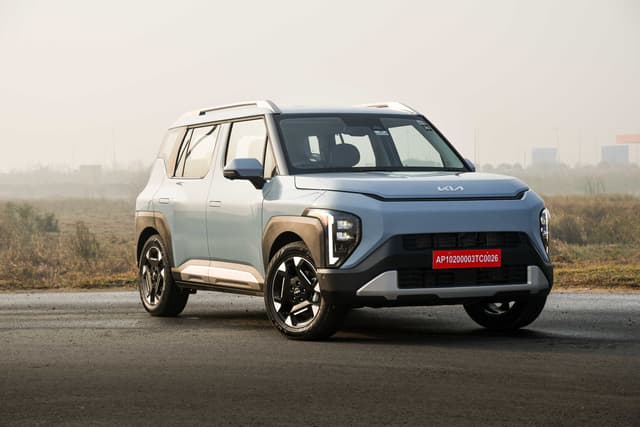
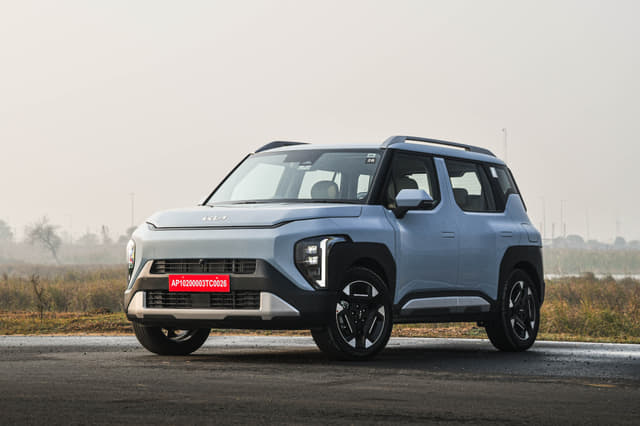
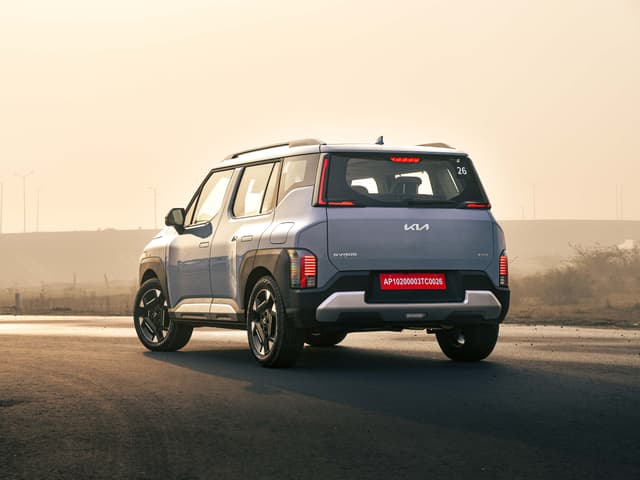
Kia Diesel Cars in India (7)
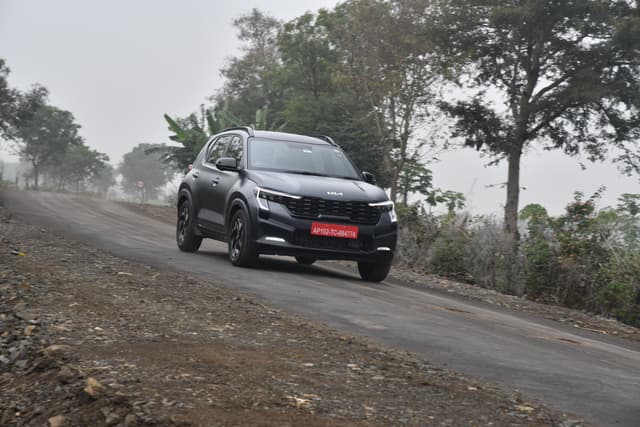
Discover the best Kia Diesel Cars. Our comprehensive guide covers detailed specifications, expert reviews, pricing information, and buying advice for Kia Diesel Cars. Find the perfect cars that matches your requirements and budget.


Trending Questions on Kia Cars - Answered by Autocar Experts
I am 67 years old and plan to drive extensively across India. I am looking for a reliable, easy-to-maintain, sub-four-metre diesel SUV with a good automatic transmission. I do not want a sunroof or unnecessary features, but would prefer all the essential equipment. Please suggest the best possible options.
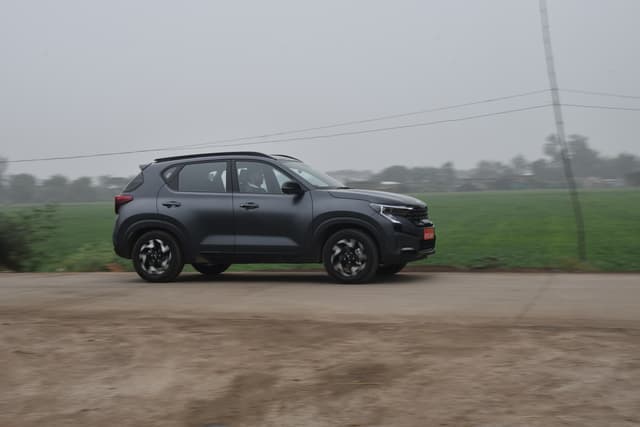
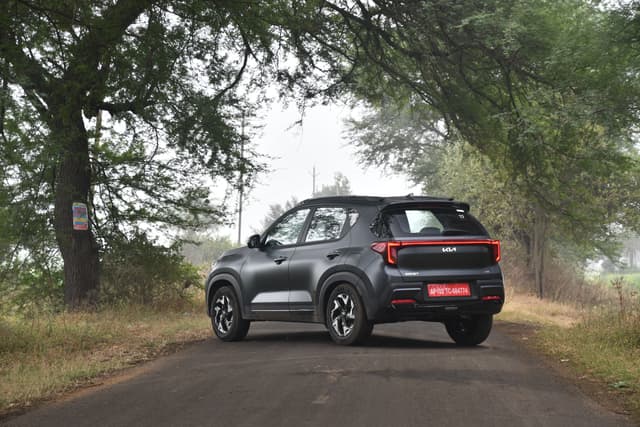
Both the Kia Sonet and Hyundai Venue are the best diesel automatic compact SUVs on sale today, especially if the priority is effortless long-distance driving with low running costs. Both use a strong 1.5-litre turbo-diesel engine producing 116hp and 250Nm, paired with a smooth six-speed torque-converter automatic. This is an important advantage over the AMT automatics offered in several other sub-four-metre diesel SUVs, as a torque-converter feels more natural and refined in traffic, while also being better suited to relaxed highway cruising.For driving extensively across India, this powertrain makes a great deal of sense. The diesel’s strong low-end torque gives both SUVs confident overtaking ability even with passengers and luggage on board, while the automatic takes the effort out of city traffic and long days behind the wheel. The Venue diesel automatic has an official fuel-efficiency figure of 17.9kpl, while the Sonet diesel automatic is rated at around 19kpl, though real-world figures will naturally depend on driving conditions.Between the two, we would pick the Hyundai Venue. It is the fresher product, has a marginally longer wheelbase and feels a touch roomier than the Sonet, particularly in terms of overall cabin ambience. More importantly for someone planning extensive travel, Hyundai’s wider service network across India offers additional peace of mind for routine maintenance or support away from home. The Sonet remains an excellent alternative, particularly if you prefer its styling, cabin design or a particular variant’s feature mix. But for your requirement of a reliable, easy-to-maintain, no-nonsense diesel automatic SUV that can cover serious distances comfortably, the Venue would be our first recommendation. Choose a sensible mid-spec diesel automatic variant if available, and avoid paying extra for features you do not need, such as a sunroof.
Hi, I am currently using an i20 Active diesel and am looking for a change to an automatic. Could you please suggest a diesel automatic car, such as the Sierra, Creta, Seltos, or any other suitable option? My usage is around 20-30% in the city and 70-80% on long drives.
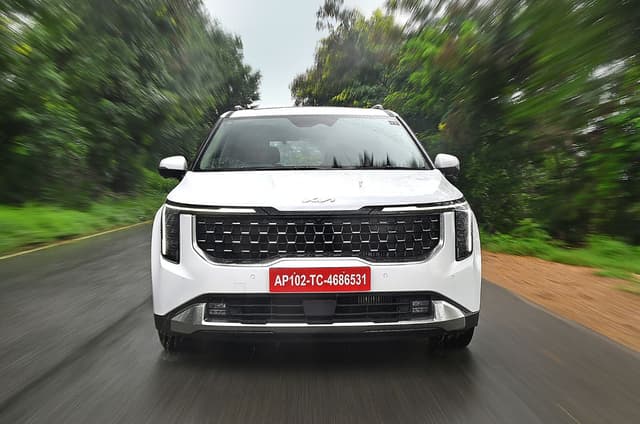
With 70-80% highway usage and a preference for a diesel automatic, the Kia Seltos diesel automatic is the most sensible upgrade from your i20 Active. The Seltos diesel is a good highway performer with a refined engine, a well-sorted automatic gearbox and a comfortable, premium cabin. The 1.5 diesel is very efficient too.The Tata Sierra diesel automatic is a good alternative if you prioritise ride comfort, rear seat space and a large boot, but the Seltos is the more polished and proven product overall.
Hi, my car usage is around 3,000km per month. Currently, I drive a 2020 Ford Endeavour diesel AT 4x4 and a 2017 Mahindra Thar CRDe 4x4 for rough and countryside roads. I enjoy driving both cars on these kinds of roads, although I experience quite a bit of body roll and physical strain. For city driving and highways, I use a 2017 Skoda Rapid diesel MT and an Innova Crysta diesel. I particularly enjoy driving the Skoda, while I prefer travelling as a passenger in the Crysta because of its comfort. As you can see, I have been a diesel car owner so far, but with diesel cars becoming less common in the market, should I consider switching to a petrol engine or a hybrid? My usage covers almost every type of Indian road, including metro cities, countryside roads, highways and hilly terrain, so I am finding it difficult to decide which car would suit my requirements best within a budget of Rs 40 lakh, with an automatic transmission. My top priorities are safety, with zero compromise, followed by driving comfort and the highest possible mileage.
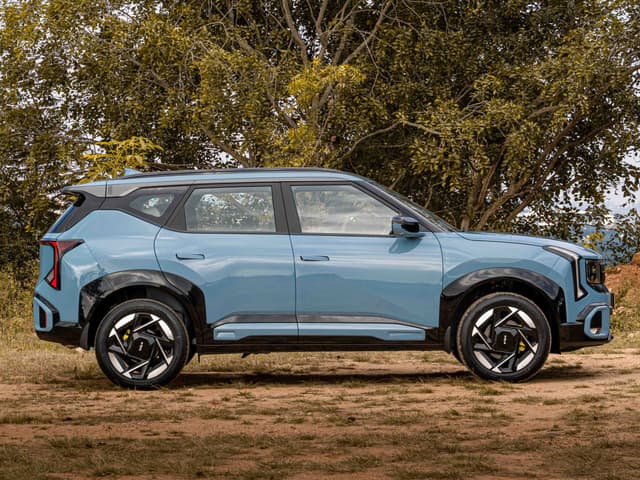
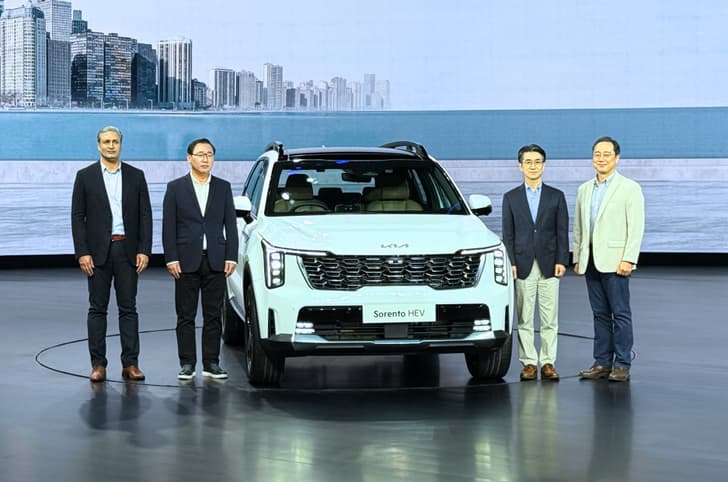
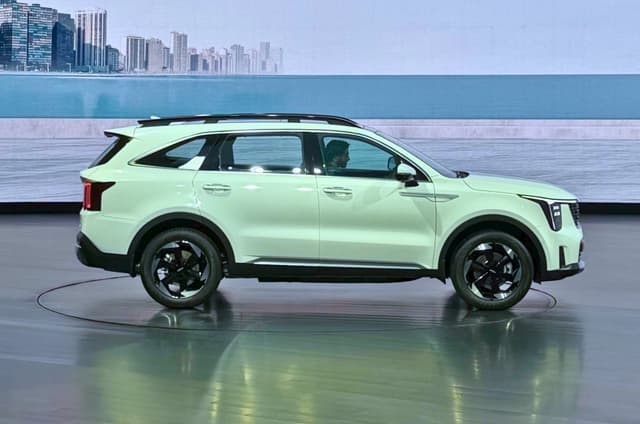
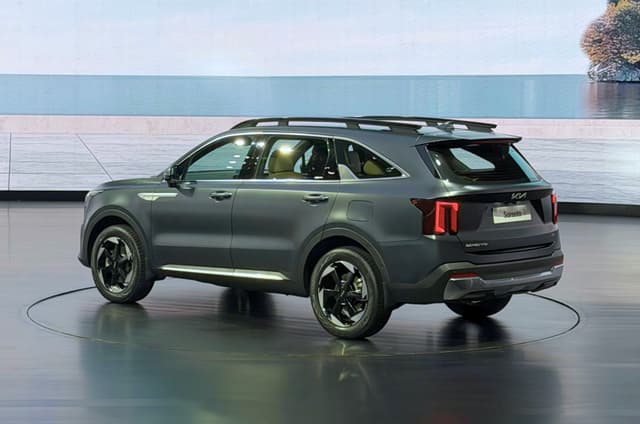
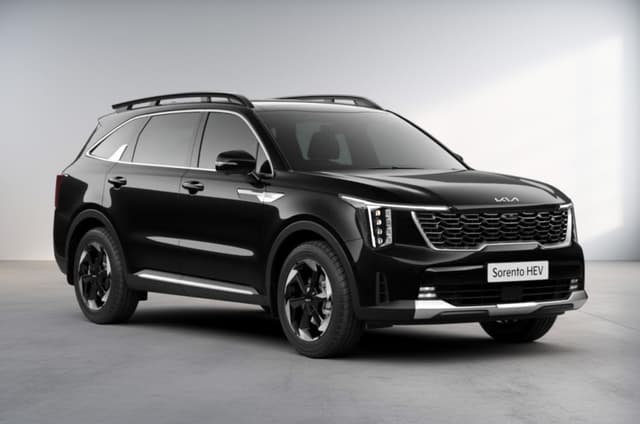
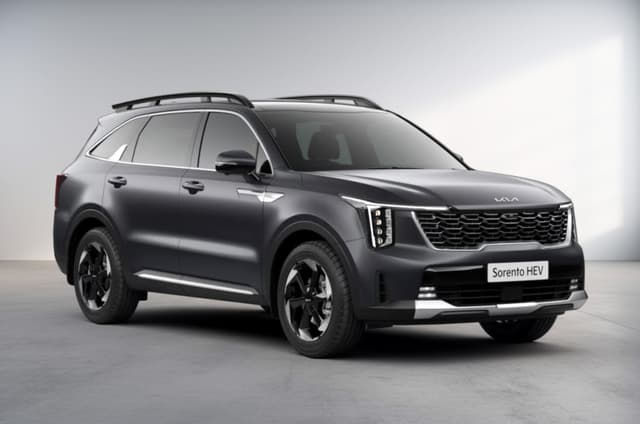
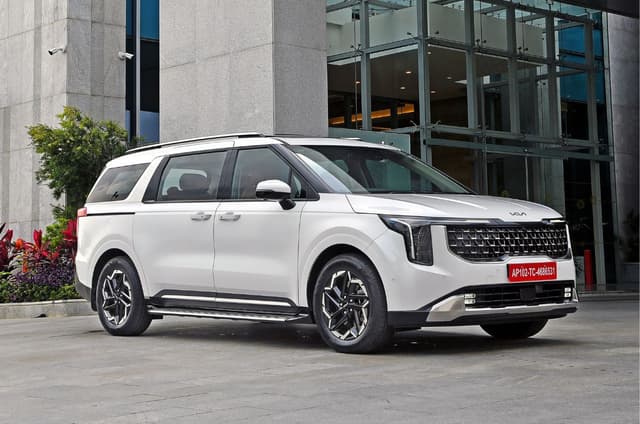
You already have different cars for different purposes, but you haven't mentioned which of the four cars you would like to replace. Within Rs 40 lakhs, the Toyota Innova Hycross hybrid is an excellent, tried and tested option. It is efficient, extremely spacious, and the ride comfort is good too. Also, with light steering, a responsive powertrain and good visibility and driving aids, it is very user-friendly. So unlike the Innova Crysta, which would be more suited for the chauffeur-driven, the Hycross is also surprisingly easy to drive too.You could also consider the new Kia Sorento, which seems excellent value for money. We haven't got a chance to drive or test it yet, however it seems spacious, well-equipped and on first impression, the interior quality seems to be excellent. This is one SUV you must test drive before finalising - it has both 2.2 diesel and 1.6 turbo strong hybrid options.
Hi Team, I am confused between the Mahindra XUV 7XO diesel AX7T and Tata Harrier EV Fearless Plus. My concern is that diesel vehicles may be phased out sooner, which could affect diesel engines in general. Since there is no proper hybrid vehicle in this segment and reliability concerns around EVs in India are causing some uncertainty, I am a bit unsure. Any advice would be appreciated.
First, a quick clarification: diesels are unlikely to be phased out anytime soon. There are tighter emissions norms and some city-specific restrictions to keep an eye on, but there is no immediate reason to avoid a modern BS6 diesel purely on the assumption that it will soon become unusable. Mahindra, in particular, is likely to continue offering diesel SUVs for as long as there is meaningful demand. The XUV 7XO AX7T’s 2.2-litre diesel remains a strong fit for frequent highway use, long-distance touring, heavy loads and buyers who value effortless torque and quick refuelling.Your EV reliability concern is understandable, but it should not be a deciding negative by itself. An electric car has fewer mechanical moving parts than an ICE vehicle, which can reduce routine powertrain maintenance requirements. The more relevant question is whether your charging situation and typical driving pattern suit one. If you have dependable home or workplace charging, the Harrier EV makes a compelling case with its quieter, smoother driving experience and substantially lower running costs. The Fearless+ gets a 65kWh battery with a claimed 538km range, while 75kWh versions claim up to 627km, though real-world range will naturally be lower and depend on speed, weather and driving style.If you do regular intercity runs, especially in areas where charging stops may be inconvenient, the Mahindra XUV 7XO diesel is still the easier all-round ownership proposition. It is also likely to be the better choice if you plan to keep the car for a long time without changing your travel routine.If a hybrid is what you are after, there are now two relevant options. The MG Hector Tomahawk PHEV offers a useful EV-only range of around 100km, backed by a 1.5-litre petrol engine. However, a plug-in hybrid only makes sense if you can charge it regularly. The Kia Sorento is a conventional strong hybrid, so it does not need external charging and should offer better refinement and economy than a regular petrol SUV. It is, however, considerably more expensive than the XUV 7XOOur advice: Choose the Harrier EV if you have home charging and most of your running is urban or predictable. Choose the XUV 7XO diesel if long highway trips and maximum convenience matter more.
I'm looking to buy the Seltos HTK(O) automatic but am confused between the 1.5 NA petrol IVT and the 1.5 diesel turbo TC. The petrol is costing me around Rs 17.9 lakh, while the diesel is around Rs 19.7 lakh, before any discounts or negotiations. My monthly running is likely to be around 1,200-1,300km, with roughly 60 percent highway and 40 percent city driving. This includes a 700km highway run to Dwarka from Bathinda and back, which is a regular trip, around 300-350km of office commute, and another 100-150km for weekend outings. In the petrol, I'm mainly concerned about E20-related issues such as moisture, the possibility of higher ethanol blends in the future, lower mileage and the engine feeling slightly underpowered, particularly during occasional trips to the mountains. With the diesel, my main concern is the possibility of DPF and EGR-related issues. The car will be driven by both me and my wife. Which one would you suggest for this usage? I'm more inclined towards the diesel, but the concerns around DPF issues are making me reconsider.
Go for the Kia Seltos HTK(O) Diesel AT. Your running is around 1,200-1,300 km a month with a 60% highway bias, which is exactly the kind of usage where a diesel makes sense. The diesel engine is stronger on the highway, offers better overtaking performance and will be more efficient over long distances, so the higher upfront cost will be recovered over time. The DPF concern is understandable, but your usage pattern is actually ideal for a modern diesel – regular highway runs keep the system healthy and minimise the risk of issues. The petrol IVT is smooth and reliable, but it will feel less punchy on the highway and in the hills, and the fuel cost difference will add up over time. As for E20, modern engines are engineered to handle it, and there is no official roadmap beyond E20, so it should not be a reason to avoid petrol, but in your case the diesel is simply the better fit. The Seltos diesel automatic is a well-rounded package and will suit your usage perfectly.
Last Updated on: 21 Sept 2026