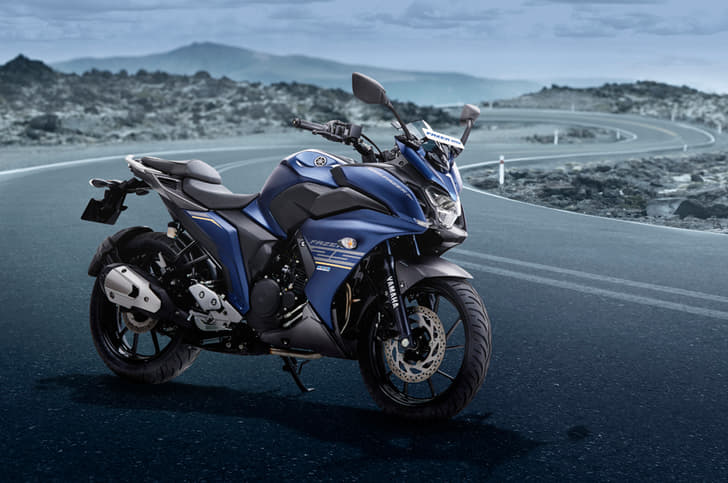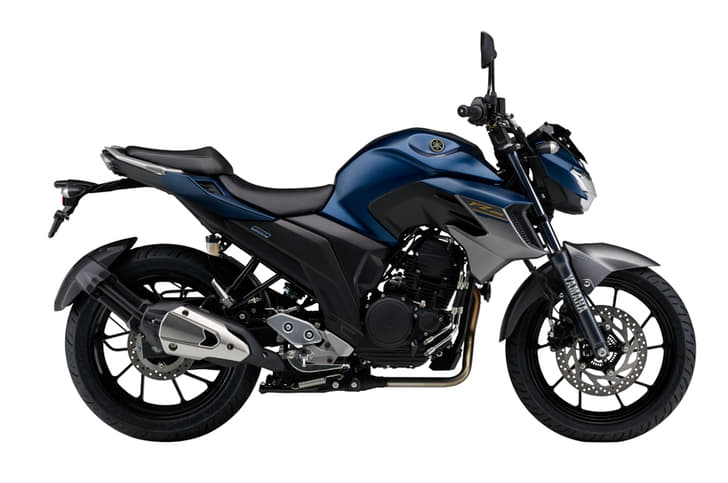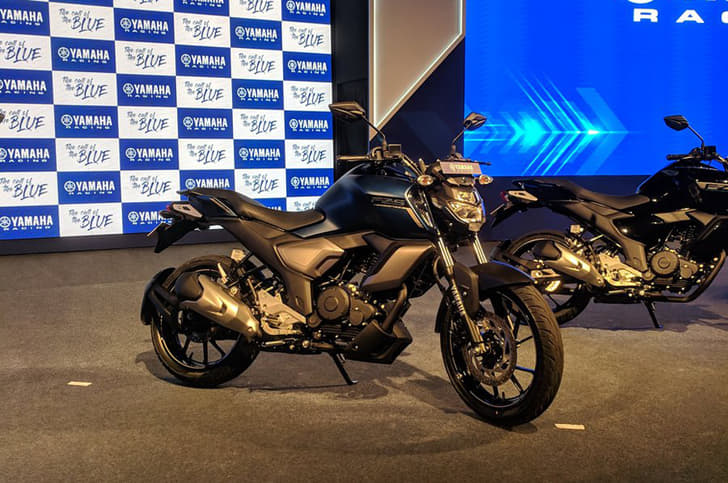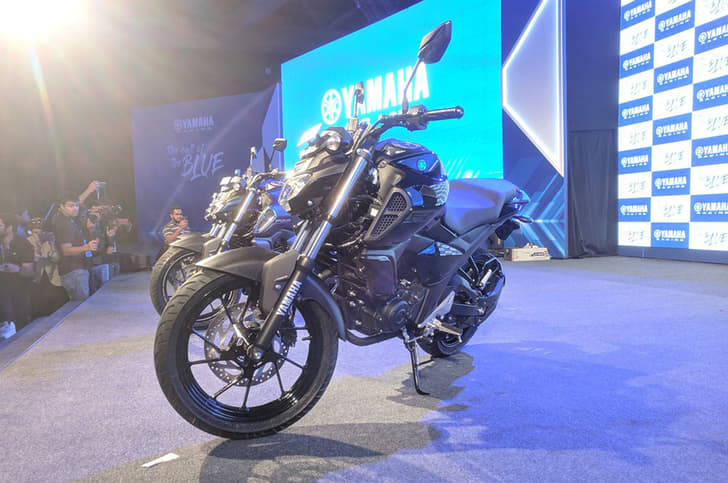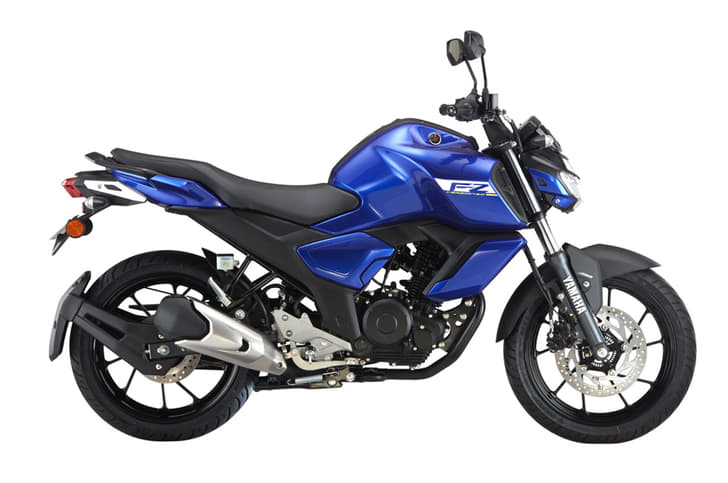
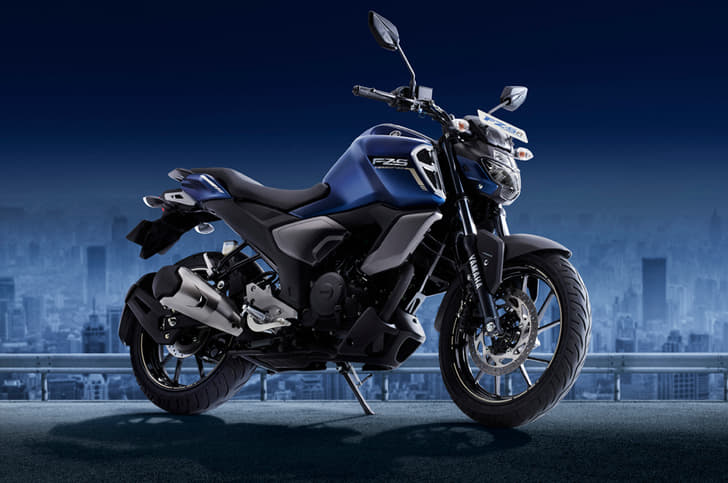
Just like previous ‘version’ updates from Yamaha, the updates on the FZ V3.0 and FZS V3.0 have been inspired from a bike higher up in the brand’s line-up – in this case, it’s the Yamaha FZ25. Here are the five key things to keep in mind about the updated bikes:
New styling
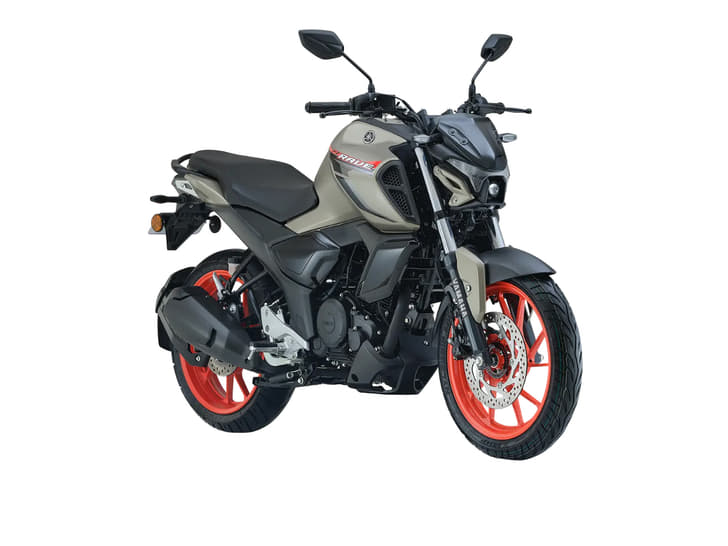
The bikes receive updated bodywork but retain the sharp, muscular profile of the FZ series. A wider front-end stance is a result of wider panels and side shrouds around the tank. Speaking of, the front-end of the tank also sports a faux air vent-like grille structure. The motorcycles also lose their split seat layouts for a single unit that is larger and better padded than before. Adding further to pillion comfort is a new, large one-piece aluminum grab handle. Rider comfort gets a boost on the new bikes too, as Yamaha has also decided to use a new handlebar that’s slightly raised compared to the previous model’s and will allow for a more upright riding position. The switchgear and dual-cable throttle also appear to be borrowed from the FZ25. Prior to this, the FZ series last received an update over four years ago and so the changes are most welcome. However, an aspect that misses out on an update is the powertrain.
Same old powerplant
Both bikes continue to be powered by the same engine on the second generation iterations of the bikes. The 149cc, air-cooled, two-valve, single-cylinder motor makes 13.2hp at 8,000rpm and 12.8Nm of torque at 6,000rpm. The previous-gen FZ was one of the lightest motorcycles in its class, but also happened to be the least powerful. However, with an increased kerb weight of 137kg (up from the previous bike’s 132kg), the FZ no longer has the weight advantage it earlier did, and in fact, has the lowest power-to-weight ratio in its segment. Take a look at how the FZ V3.0 compares against its closest rivals in terms of power-to-weight ratio.
Cut from the same cloth
In case you were wondering what the differences between the FZ and the FZS are – the S variant receives a belly pan while the FZ doesn't. The FZS also gets chrome-finished outlines on the faux air intake-like vents on the tank, giving the bike a more premium appearance. Apart from these minor stylistic differences, the only other thing that sets the two bikes apart is the colour options. The new FZ is available in two colour schemes – Metric Black and Racing Blue – while the FZS comes in three colours – Matt Black, Dark Matt Blue and Grey and Cyan Blue.
Features
One of the most significant updates is the addition of a Bosch single-channel ABS unit. The bikes also receive a new LCD instrument cluster that has now gone from a positive mode LCD to a negative mode one. This means that light coloured letters appear on a darker background instead of the other way, which was seen on the older bike. The new LED headlight is reminiscent of the one on the FZ25, but we hope it offers a more powerful beam. The addition of ABS allows the FZ and FZS to comply with the upcoming mandatory ABS norms that come into effect from April 1, 2019.
Competition and pricing
The FZ-FI V3.0 ABS and FZS-FI V3.0 ABS have been priced at Rs 95,000 and Rs 97,000, respectively. This is a hefty hike of around Rs 13,000 over the non-ABS second generation variants. In terms of competition, the FZ takes on the likes of the Honda CB Hornet 160R, TVS Apache RTR 160 4V, Suzuki Gixxer and Bajaj Pulsar NS160. The Suzuki Gixxer and the CB Hornet 160R are currently the only other bikes from those mentioned to come with ABS (single-channel unit on both).
The FZ is one of the manufacturer’s most successful motorcycles in the country and the update makes it fresher and safer as well. How the customer base will respond to the lack of a powertrain update remains to be seen.
 Ved Janve
 Vishal Venugopal
 Dinshaw Magol