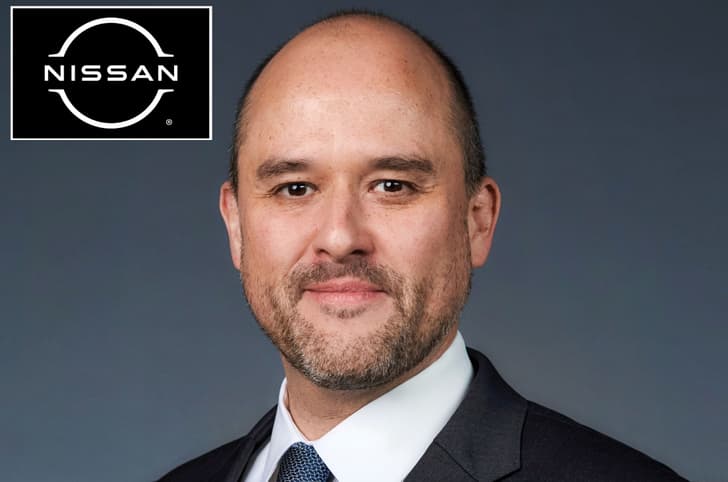
Amid a global reset and product rebuild, Nissan’s new CEO says India is a market the company remains committed to, as it evaluates hybrids, EVs, and a phased expansion beyond the Magnite.
It’s been a challenging period for the industry and for Nissan. How have the first few months been for you, and where does India fit into this phase?
I was appointed CEO in April, so it’s been about six months now, though it feels a bit longer. We announced the Re:Nissan plan in mid-May, and since then, we’ve been working very hard to implement it. Everything is progressing according to schedule.
What we are doing now is shifting into what I call “second gear”, focusing on products, on market requirements, and on moving into a more product-oriented narrative that shows what Nissan stands for: making great cars that make people smile.
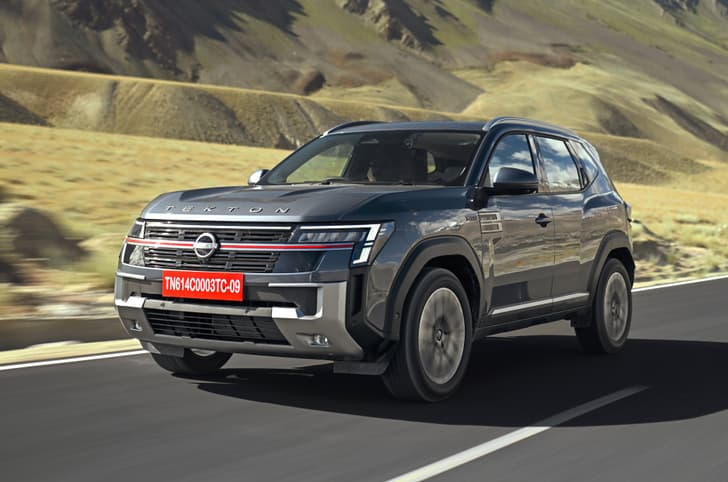
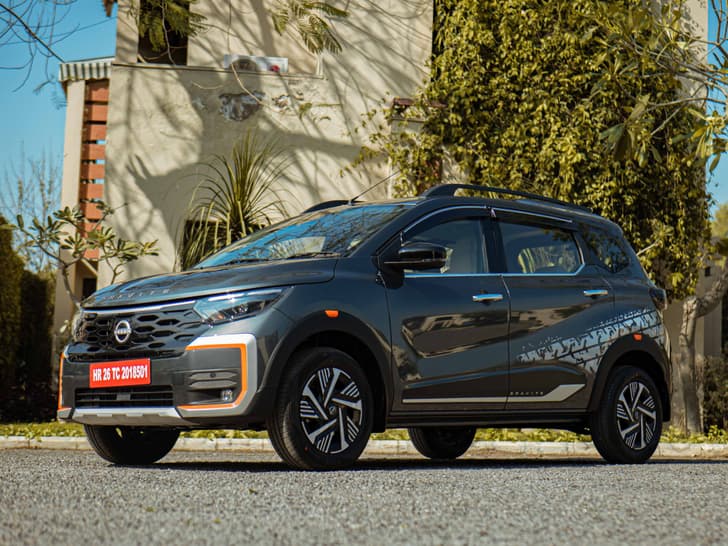
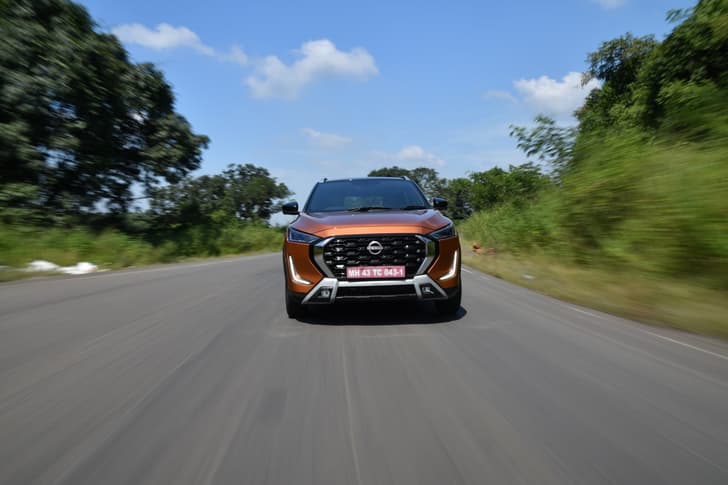
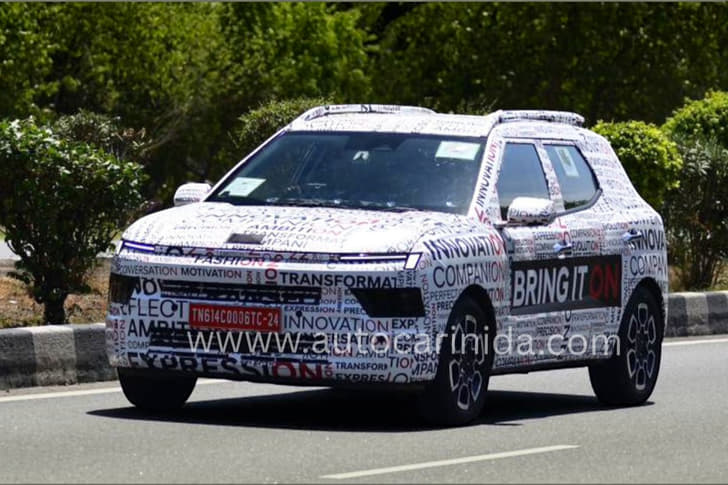
India is very important for Nissan, and we are committed to the market. We come from a difficult stage because we’ve had only one car, Magnite, for quite a long time. But despite that, the brand and the network remain very strong. The cars are reliable; they do well, but we don’t have enough products. That is why we are committed to bringing more products to India. We have announced the Tekton, and we will continue adding to the portfolio.
India is also important beyond the domestic market. The engineering talent, quality and cost competitiveness are strong, and we are using this capability globally. Magnite is doing remarkably well in Mexico and some Middle East markets. Our Indian engineering teams are highly competent and delivering solutions to the rest of the Nissan world.
You’ve announced new SUVs, but there’s still no EV in the India plan. With CAFE norms becoming tougher, how are you looking at powertrains and the next phase of investment?
We are nimbler now, which is good. We’re looking closely at how the market is evolving. CAFE does add complexity, and there are a few ways to deal with it. One is to hybridise heavily, another is to bring EVs.
We are taking this step by step. We want to make sure the upcoming cars are launched successfully. I don’t want to overload the commercial team too quickly. Moving from one model to five is not as easy as it sounds; it requires building the right teams and developing the right competencies. Gradually, we will see how the portfolio evolves.
Nissan had strong halo models earlier: the 370 Z and the GT-R. The Patrol now comes in right-hand drive. Could India get it as a CBU?
This is a recurring question. The challenge with Patrol is capacity, a good problem to have. We don’t have enough production to serve all the markets that want it. So, as much as I would love to bring it to more markets, including India, we have to prioritise markets with stronger margins.
I also don’t want to disappoint customers by promising a car and then not having it available. Conceptually, Patrol is a heartbeat model for Nissan, like the Z, the GTR, and the Leaf, and ideally, it should go to as many markets as possible because it represents what Nissan is.
On electrification – is hybridisation more realistic for India, or do EVs still remain part of the strategy?
We haven’t decided what is best yet. Both options are open – hybrid, EV, or a combination. Our primary focus right now is to execute the cars that are coming soon, make a strong statement, bring more customers into showrooms, and then gradually expand.
You’re entering the MPV segment. Will this be India-specific, or will it have export potential?
It’s a complementary product for India and will be relatively small. We will also evaluate export opportunities. Since Magnite has proven successful overseas, it’s possible that this MPV could follow in some markets.
The Magnite facelift is a big step. Do you see more updates or an all-new model? And will you continue investing in CMF-A?
We’re still analysing the best way forward. Magnite plays a very important role for us because it addresses three things that are normally difficult to combine: affordability, volume and profitability. So yes, the nameplate must continue.
The next step could be the evolution of CMF-A, or it could be another platform. Regulatory requirements may force us to change platforms. We are assessing what makes the most sense: investing further in CMF-A or using another asset.
On hybrids — are you considering HR18 or another configuration?
We haven’t decided which hybrid technology to use. Pricing is the big challenge. India is extremely aggressive on pricing. So we are weighing hybridisation with a price increase versus keeping ICE models affordable and balancing CAFE with an EV. That is what we are analysing.
Nissan earlier spoke about a CMF-A EV. But the market has shifted. Are you exploring a larger EV — maybe CMF-B?
We are looking at the best way to meet CAFE requirements. Hybrid is one option. EV is another. It could be a small EV or a different type of EV. We’re exploring all possibilities. We are also working actively with Renault. They need our help; we need theirs. Platform sharing and technology discussions are very much ongoing.
With increasing investment needs globally, how do you view partnerships or alliances going forward?
Partnerships can be of two types. One is where you work on projects – like we do with Mitsubishi, Renault, and others. We will continue doing this because it is necessary and it creates win-win value. The other is integration. At the moment, we are not engaged in any formal discussion with anyone. But we never say never. If something brings value to Nissan and protects the brand’s sustainability, we remain open. Doing everything alone is very difficult. Partnerships are part of our plan.