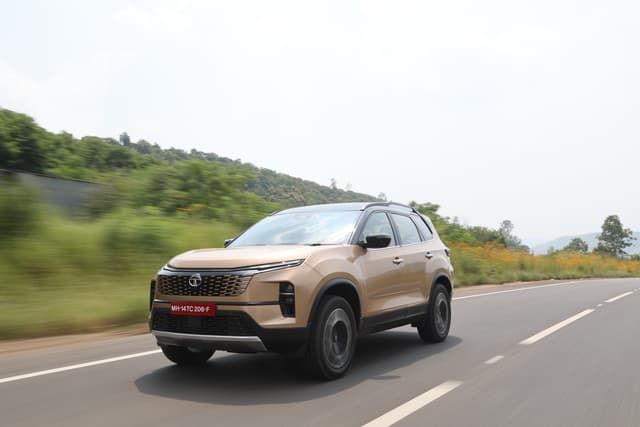
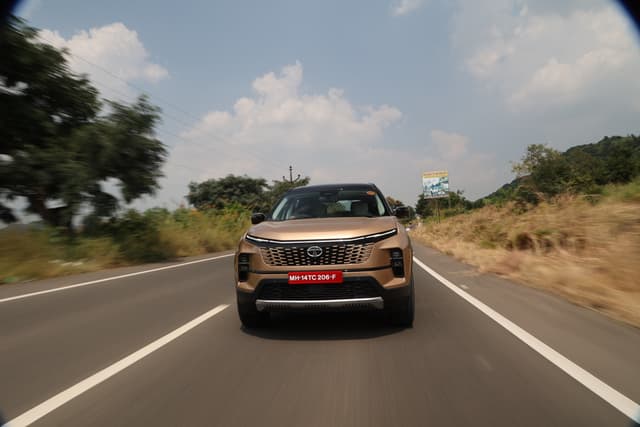
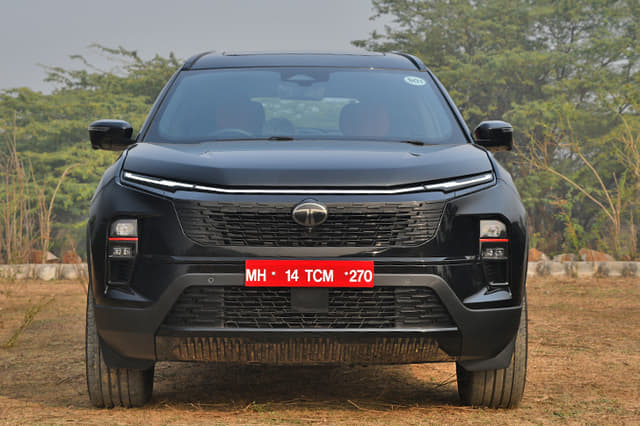
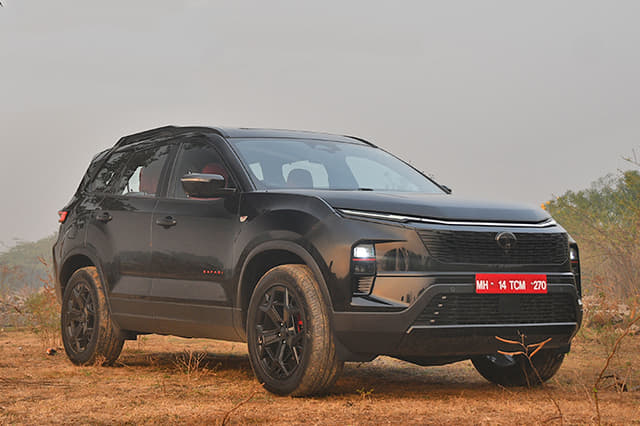
Manual Cars With Cruise Control in India (66)
Discover the best Manual Cars With Cruise Control. Our comprehensive guide covers detailed specifications, expert reviews, pricing information, and buying advice for Manual Cars With Cruise Control. Find the perfect cars that matches your requirements and budget.


Find cars by fuel type
Trending Questions on Cars - Answered by Autocar Experts
I am planning to buy a car with a factory-fitted CNG kit, an automatic transmission, and cruise control within a budget of Rs 15 lakh. Please suggest some options.
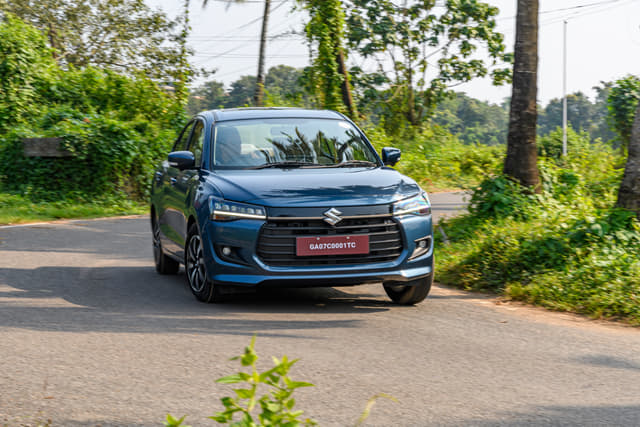
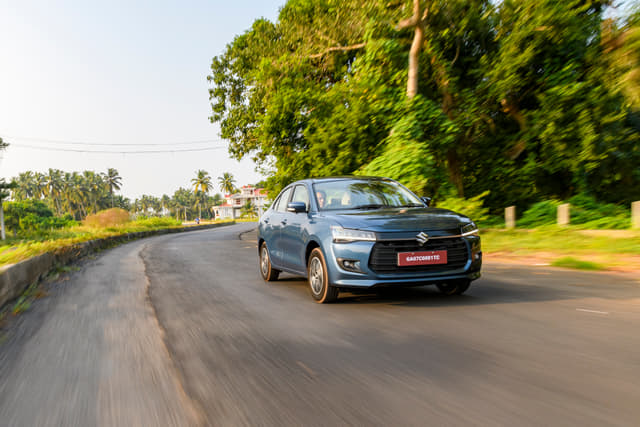
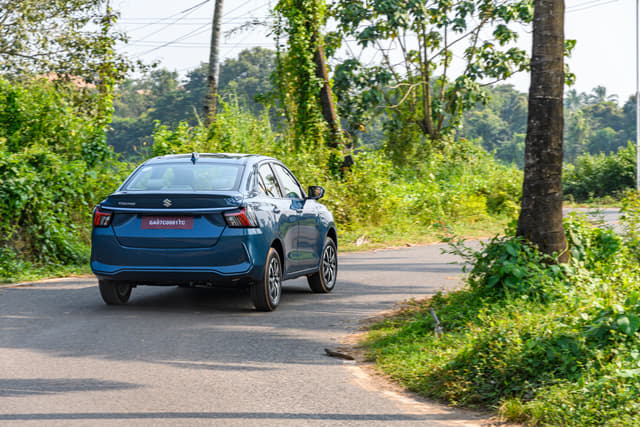
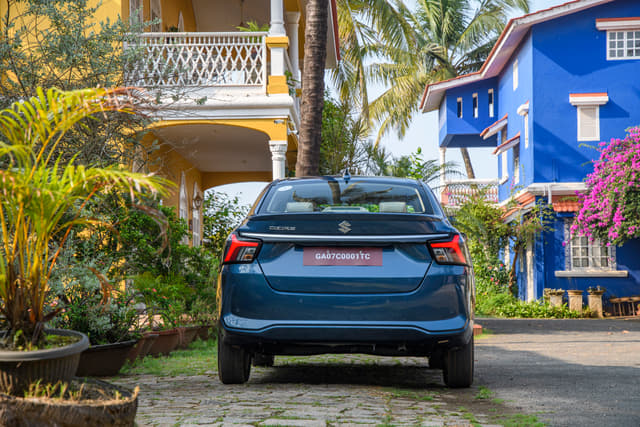
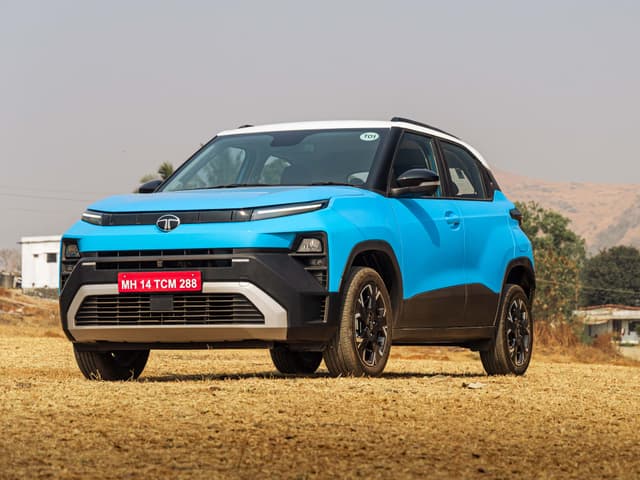
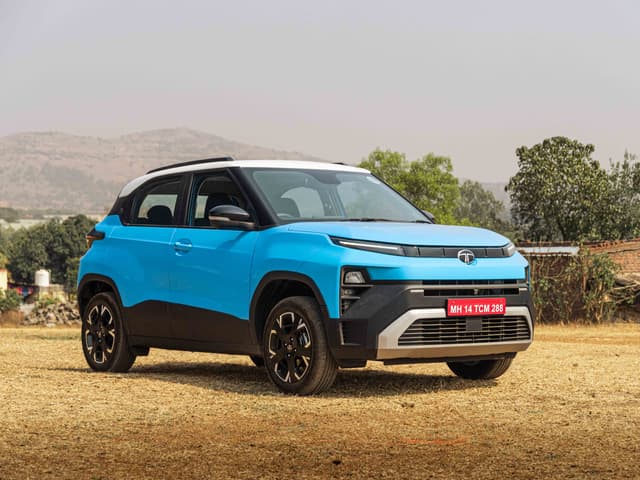
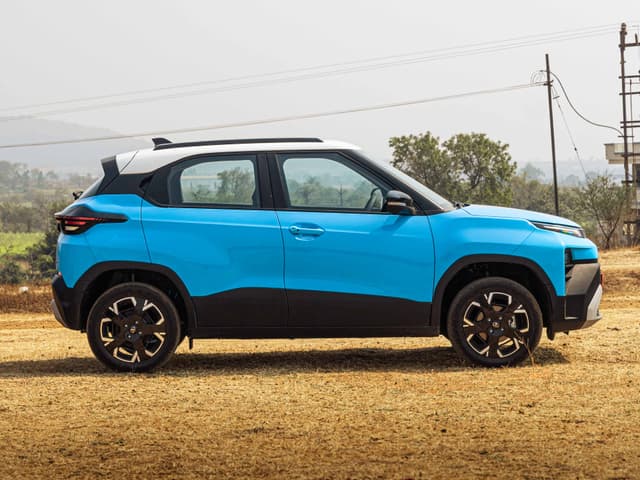
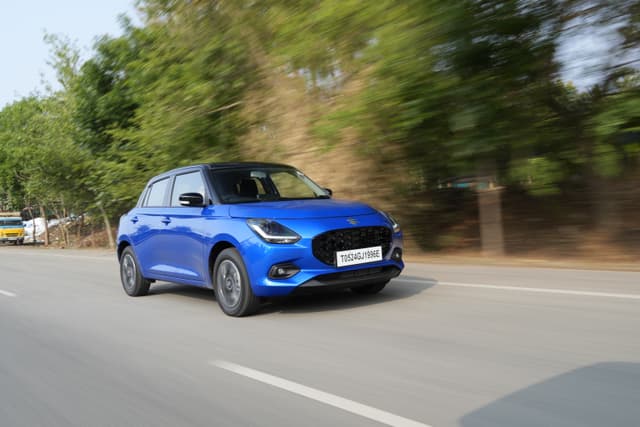
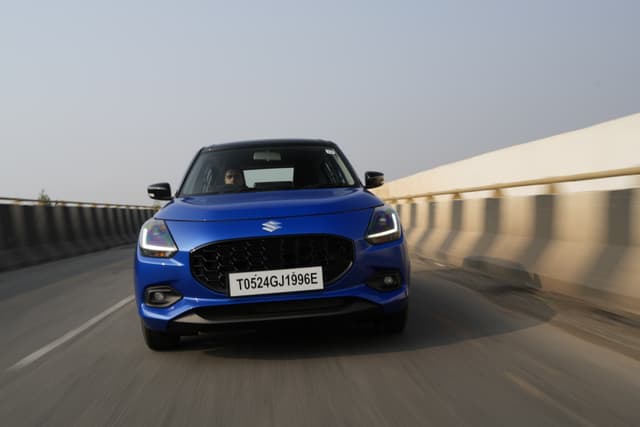
There are quite a few options that would meet your requirements, so its hard to pinpoint a specific model without knowing a bit more about your requirements and driving conditions. If you are looking for a city car then pick the Tata Punch, the compact dimensions are easy to manage in tight city traffic and the elevated driving position gives you a decent view outside. If however you want something bigger and with more space then the Maruti Suzuki Dzire would be a good option as you will have more rear space as well as a larger boot. Both cars will fit well within your budget. If you want a larger CNG car then you will have to settle for a manual and the a model like the Kia Carens Clavis or the Maruti Victoris.
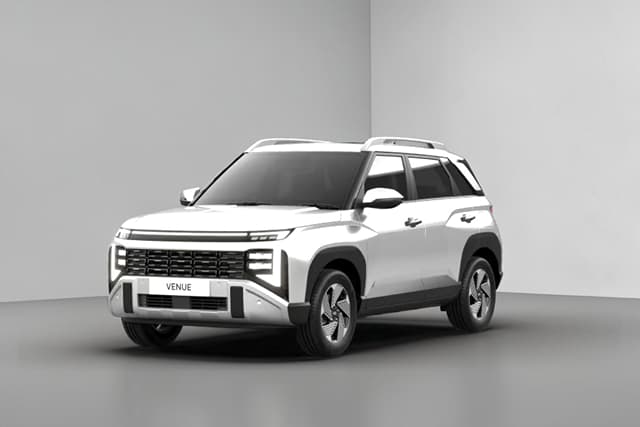
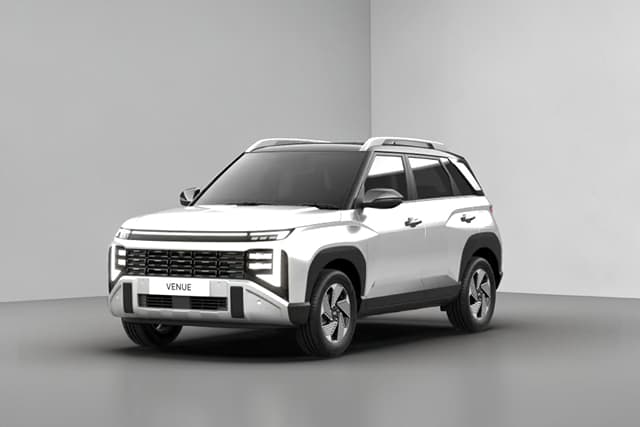
Hi team, I am planning to buy my first car and I want to know which one to choose between the Kia Sonet HTK+(O) and the Hyundai Venue HX5+, both of which come with a 1.2L petrol MT. I am seriously confused about choosing between the two, so please help me out.

With a price difference of over Rs 1 lakh, we would suggest going for the Kia Sonet HTK+(O). Both cars use the same 1.2 litre naturally aspirated petrol engine, so there is little to separate them in terms of performance. This Kia car offers better value for money, with a good feature list at a lower price. However, if rear seat space is a priority, the Hyundai Venue makes a lot of sense, as it offers a more spacious cabin and better rear seat comfort.Do keep in mind that the Sonet is due for a generational replacement, so buying the current model now may mean missing out on a newer product soon.
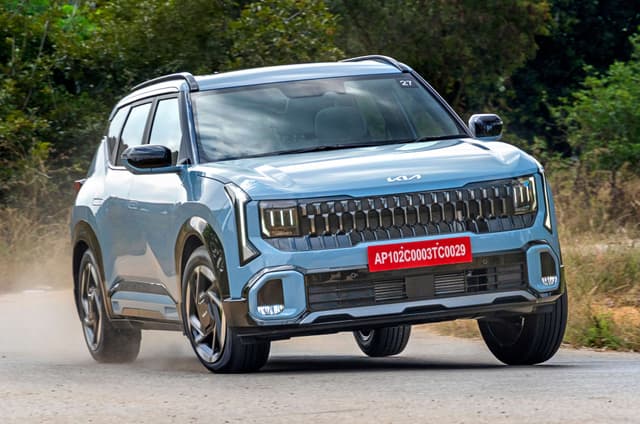
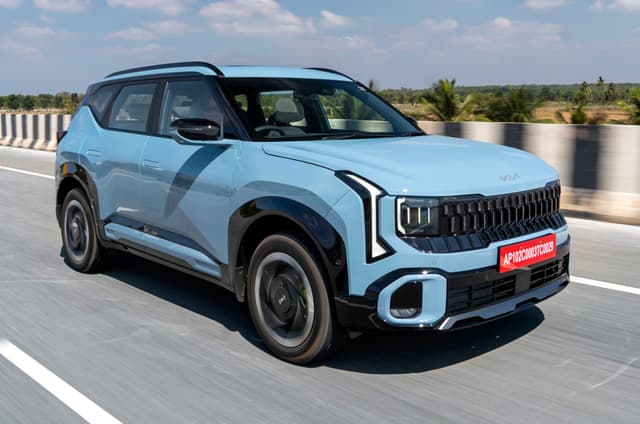
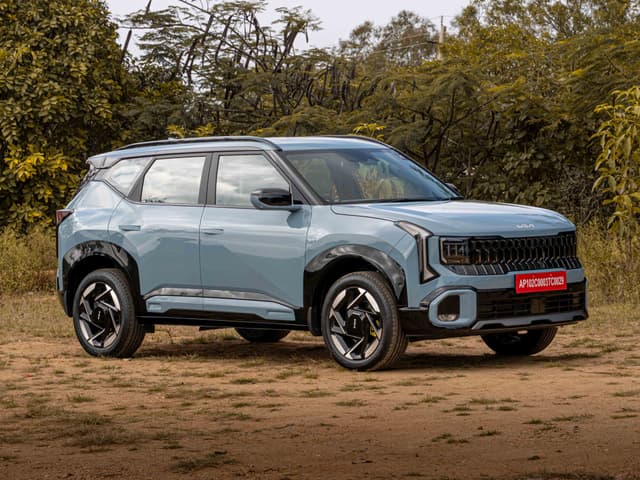
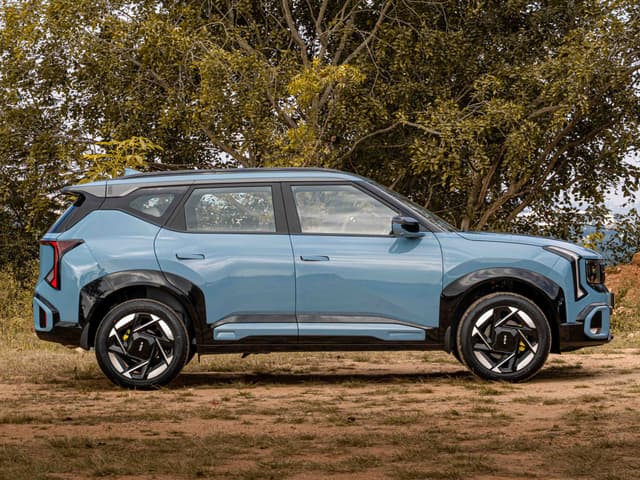
I'm planning to buy a new car for daily use (we already have a Ciaz diesel at home), and I've been going back and forth for a while, so I'd really appreciate some expert opinions. I started with the Brezza, then widened it to the Nexon, XUV 3XO and a few others. My running is high, about 20,000 km (In total, 2 cars) a year (well over 15,000 km at the least), so I figured a diesel makes more sense than petrol. I liked the 3XO MX2 diesel the most. If I go ICE, it will be a manual only. Now the Kia Syros EV is on my shortlist too. On-road prices as I see them: 3XO MX2 about Rs 11 lakh, Syros EV about Rs 15 lakh, so a Rs 4 lakh gap. My rough numbers: - 3XO diesel at around 18 km/l and about Rs 98/litre works out to roughly Rs 1.09 lakh a year in fuel. - Syros EV charged at home (42 kWh pack, 320 km claimed, maybe 250 km in real life) works out to roughly Rs 30,000 a year in electricity. - Including lower servicing for the EV, I'm getting a payback of about 4.5 to 5 years. I'm also considering a home solar plant (about Rs 2.25 lakh). Other points: I can charge at home every day, and I rarely do trips above 300 km (and the Ciaz is there for any long trips). I also hear the Hyundai HE1i is coming around the end of this year or early next year, so I'm wondering whether to wait for it. So, what would you do? Is the Syros EV worth the extra Rs 4 lakh at this running, or should I stick to the 3XO diesel? Anything I'm missing, like battery warranty, resale value, or real-world range and service experience? Thanks in advance!
Of the cars on your shortlist, the Kia Syros EV would be the one we'd recommend. It feels superior to the Mahindra XUV 3XO in many ways. For starters, it feels significantly airier inside, offers more luggage space and just feels newer with better-executed tech. The ability to charge at home significantly moves the scale in favour of the Syros EV. Your electricity and charging costs would be negligible, particularly with a home solar plant. While the 42 kWh battery pack version will not be ideal for 300km road trips, a charging stop will give you the range you need. Where the Syros EV excels is as a city car with an ease of use and refinement that the Mahindra can't match.Kia has also gone the distance with assured buybacks and a warranty on the battery pack, so you can go ahead with your purchase with an added degree of comfort. Hyundai will bring out a new electric car next year, and it could be worth the wait if you're not in a pressing hurry for a new car. As things stand, however, the Kia Syros EV is a sensible pick for your requirements.
I am planning to buy a new car and am considering the Honda Elevate VX manual. The colour I want may be available in a month or two. In the meantime, I am wondering whether I should consider the diesel Kia Seltos HTE (O) instead. I don't commute daily and mainly use my car on weekends, sometimes with my family, for city drives and occasional picnics. However, given the rising fuel costs, I'm considering the Kia diesel. What would you suggest?
Given your limited driving, a diesel car does not make financial sense. Since you primarily use your car at weekends for family outings, city drives and occasional highway trips, the additional upfront cost of a diesel is unlikely to be offset by fuel savings.If you prefer the Kia Seltos, we would recommend the naturally aspirated petrol version instead. It is smooth and easy to drive in the city and has enough performance for occasional highway runs, while saving you a healthy amount upfront compared to the diesel.The Honda Elevate VX MT is an excellent alternative too, with its spacious cabin, comfortable ride and straightforward petrol powertrain. Our recommendation would be to choose between the Elevate and the Seltos petrol based on your preferences for driving experience, features and comfort, rather than buying a diesel purely to save on fuel costs.
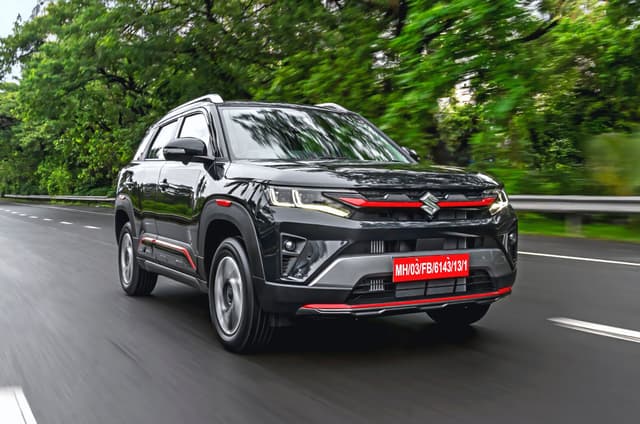
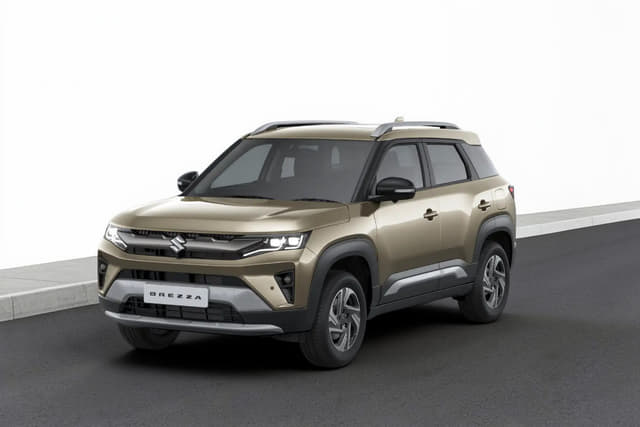
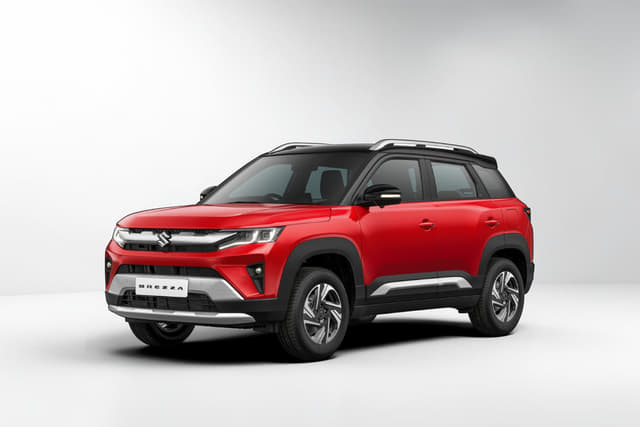
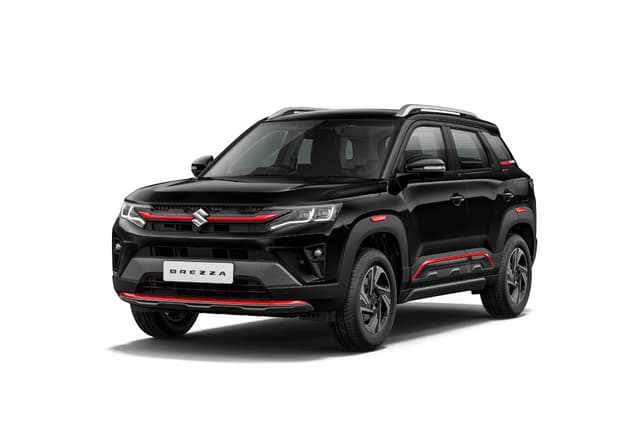
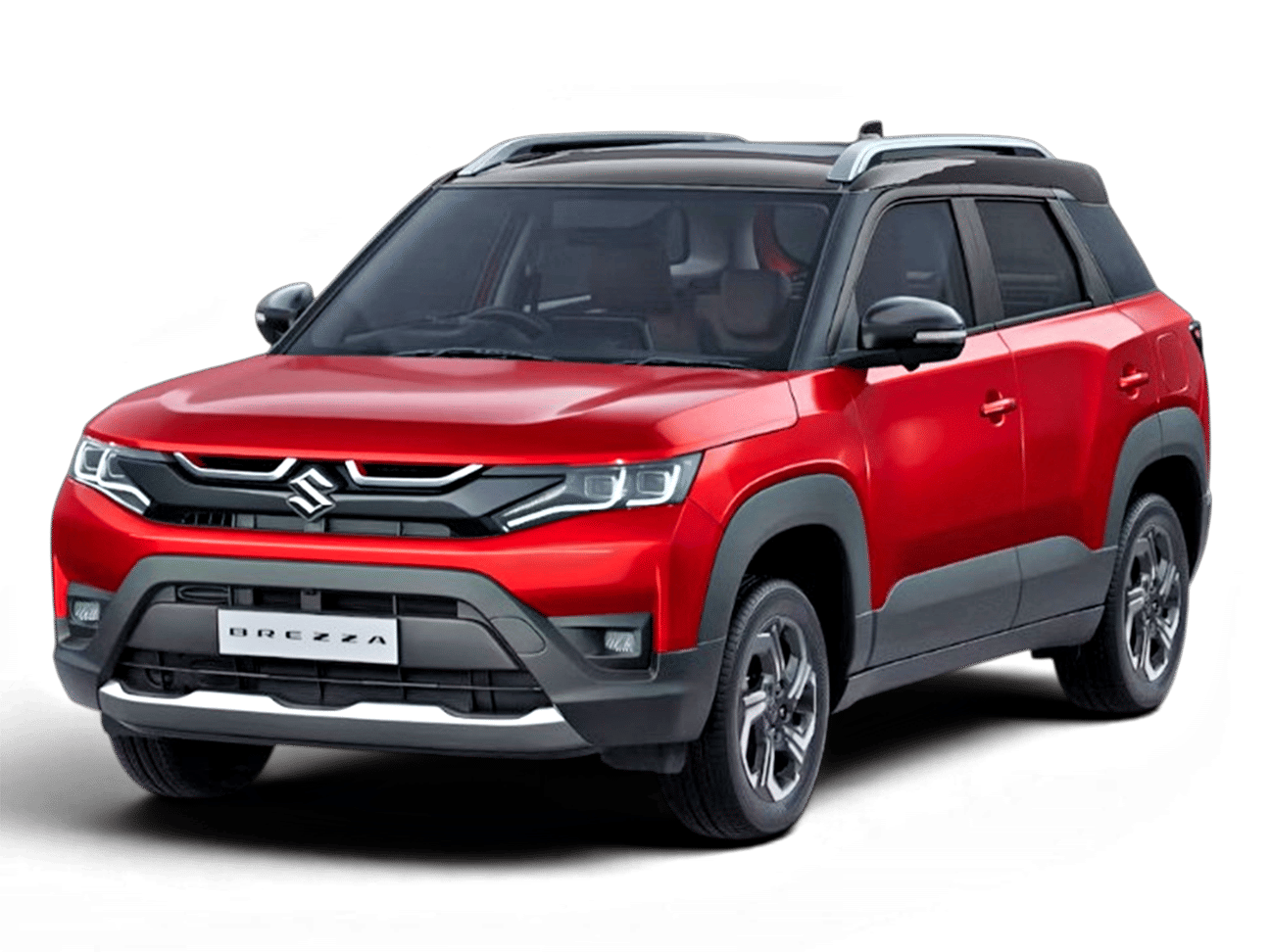
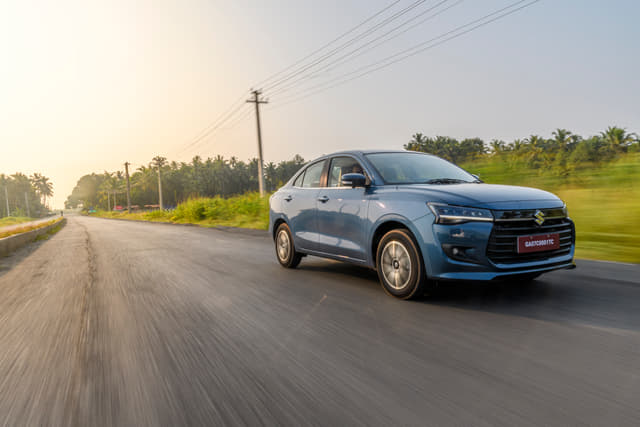
Hi! My annual running is around 9,000km in the city and 3,000km on highways. Should I buy the petrol Maruti Suzuki Dzire ZXi or the Brezza VXi with the 1.0-litre turbo-petrol engine and manual transmission? The Brezza felt a bit too wide and large for city use, and making U-turns is likely to be more difficult than in the Dzire. I also found the Brezza's softer seats potentially tiring over a 500km highway drive. I'm concerned that the turbo-petrol engine will be more complicated to maintain because of GPF cleaning requirements and the need for RON 95 fuel. Carbon build-up could also be an issue, given that only 30% of my annual running is on highways. On hills, I wonder if the turbo engine will leave me wanting more. By contrast, the Dzire felt more nimble and easy to manoeuvre. Its 15-inch tyres should also be fine for highway use. At cruising speeds below 100kph with two or three people on board, wouldn't it be nearly as good as the Brezza? The popular Z12E engine should also get an upgrade if E27 becomes the baseline fuel. However, would the heavier Brezza be safer in a crash? I plan to sell the car after four or five years, by which time the EV market should have stabilised. Wouldn't the petrol Dzire also have better resale value than the Brezza? Given my usage, what are the reasons I should seriously consider the Brezza?
From what you have described, go for the Maruti Suzuki Dzire. You clearly prefer its compact dimensions, lighter feel and easy manoeuvrability, and with 9,000km of city driving annually, these advantages will matter far more often than the Brezza's higher ground clearance or SUV stance. The Dzire should also be perfectly capable of comfortable highway cruising at under 100kph with two or three occupants.The Brezza's main reasons for consideration are its higher ground clearance, more commanding driving position, more potent turbo petrol engine and greater flexibility on rough roads. However, if you already find it too wide for city use and have concerns about its engine and long term maintenance, there is little reason to stretch yourself into it.Both the new Dzire and Brezza have been crash-tested, so the comparison should use their actual ratings rather than assume the heavier SUV is safer. The new Dzire scored 5 stars for adult and child occupant protection under Bharat NCAP. The Maruti Suzuki Brezza has also received a five-star BNCAP rating for both adult and child protection. So, there is no reason to choose the Brezza solely because you assume it will be safer in a crash.
Last Updated on: 3 Nov 2026