Mahindra Electric Cars in India (8)
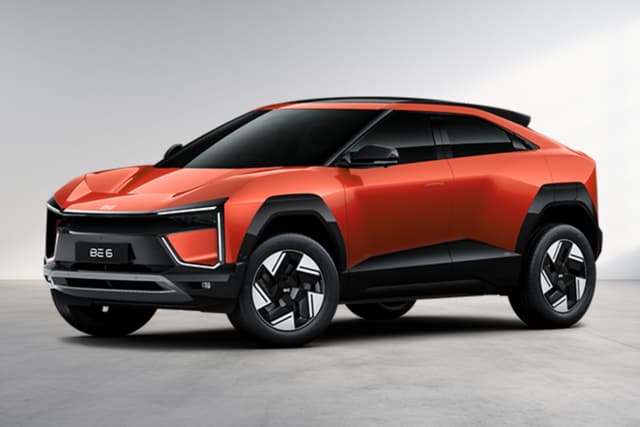
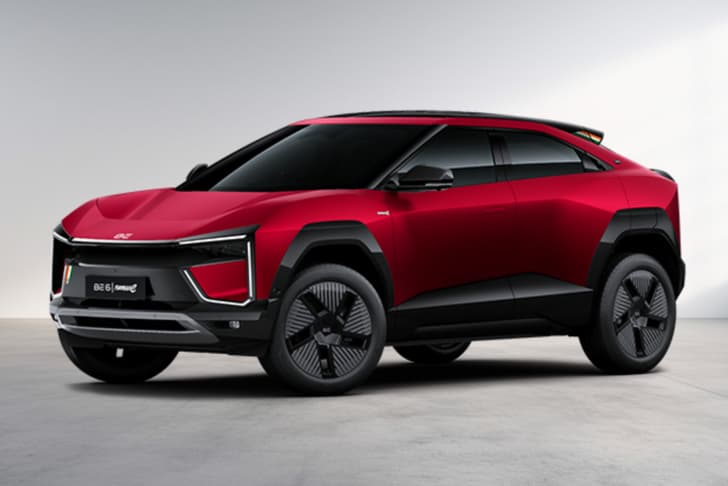
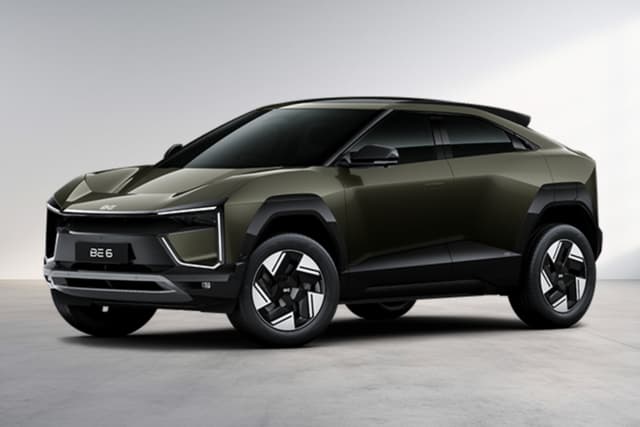
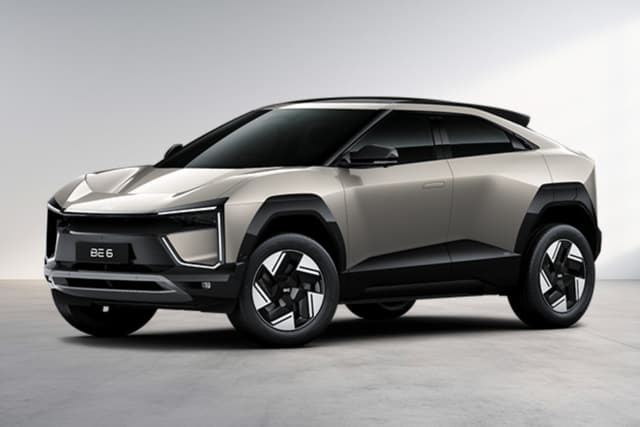
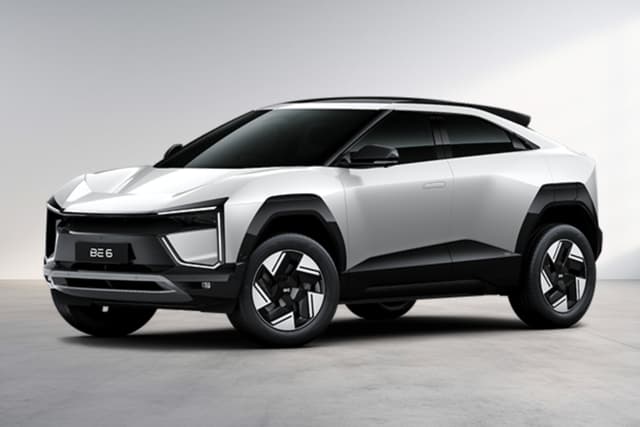
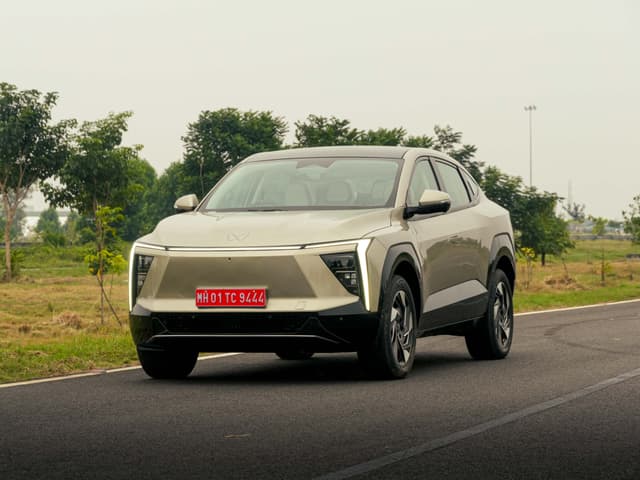
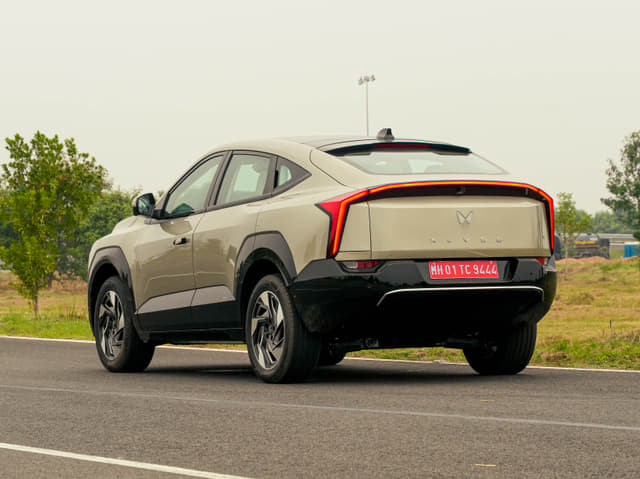
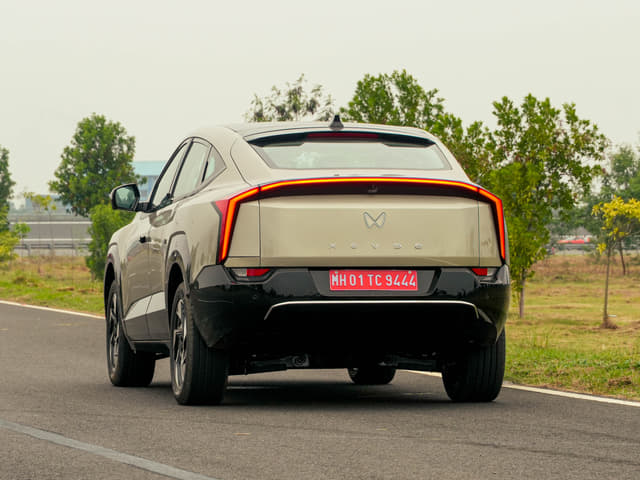
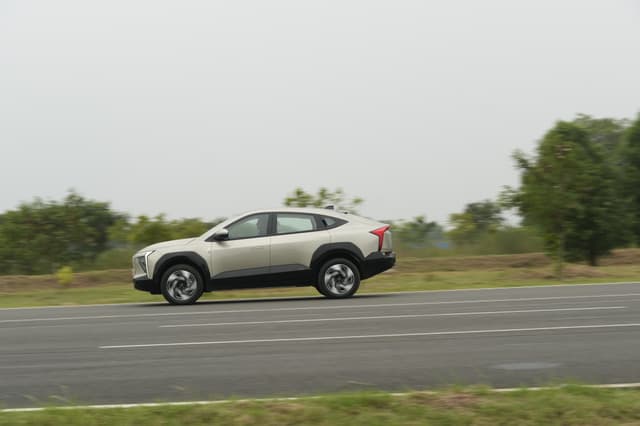
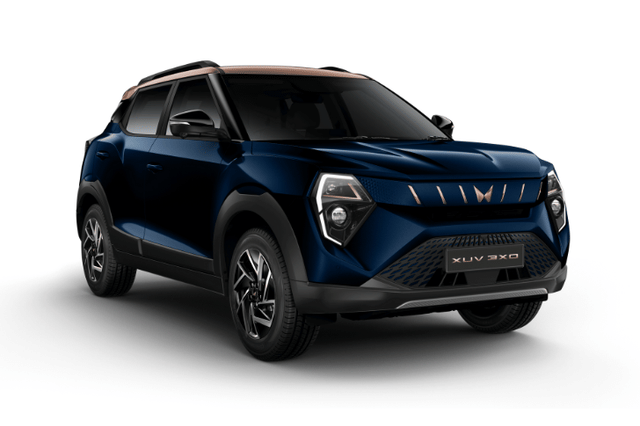
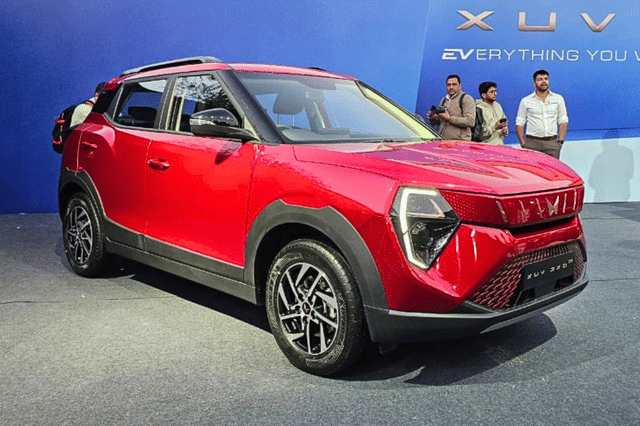
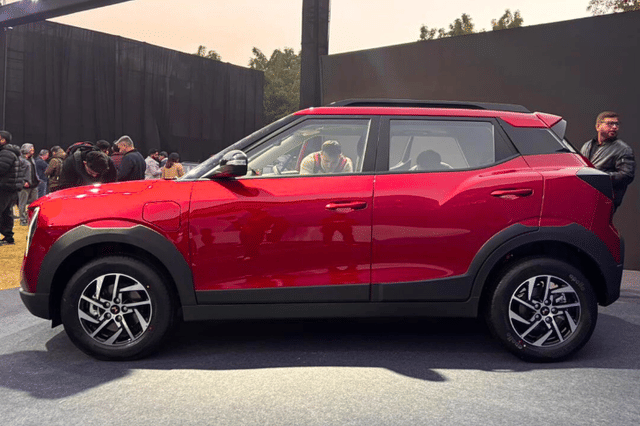
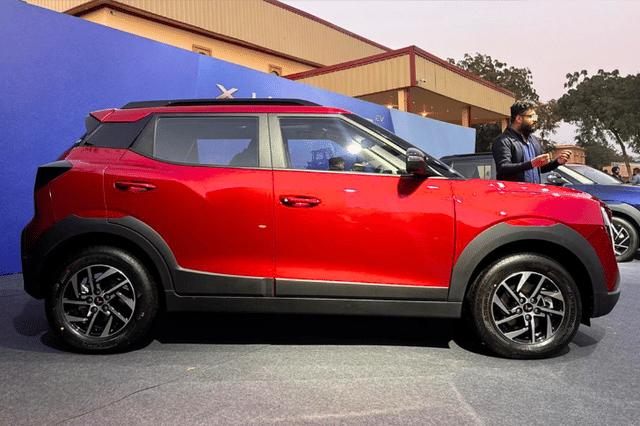
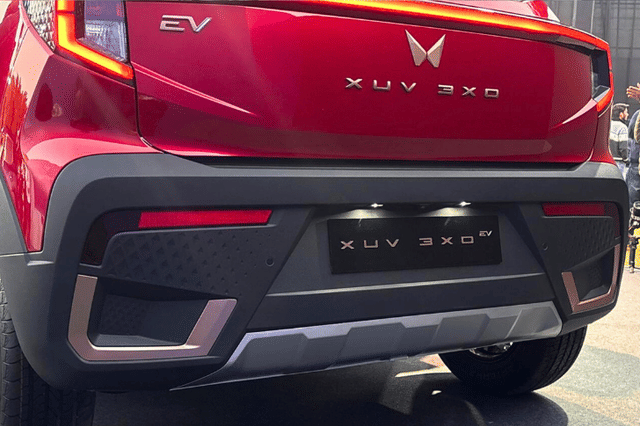
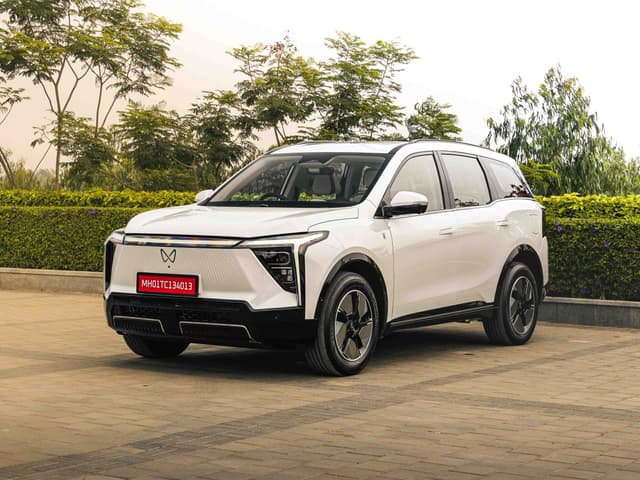
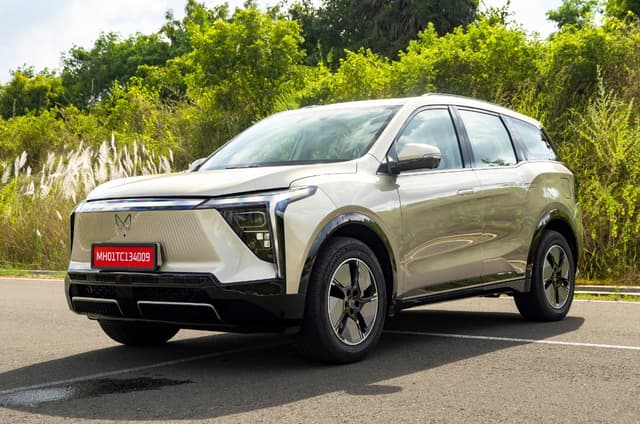
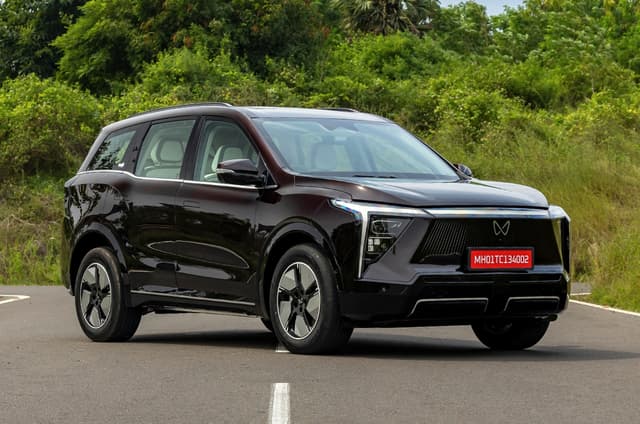
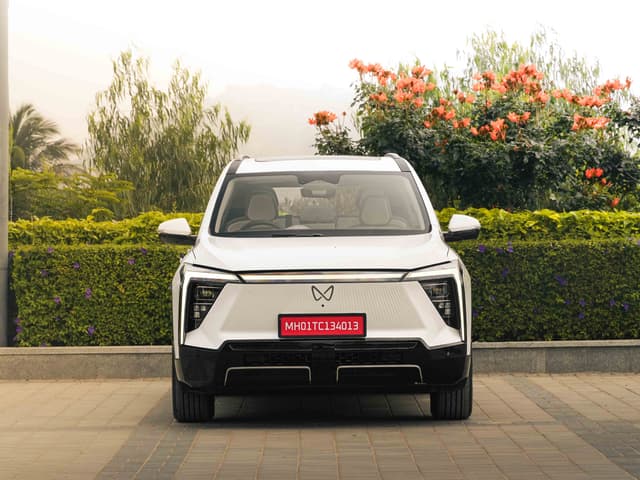
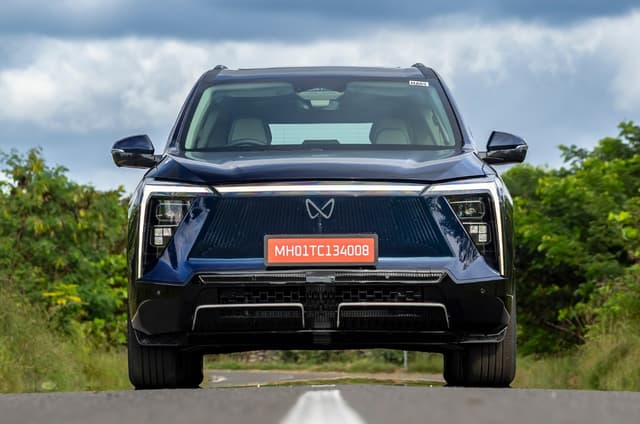
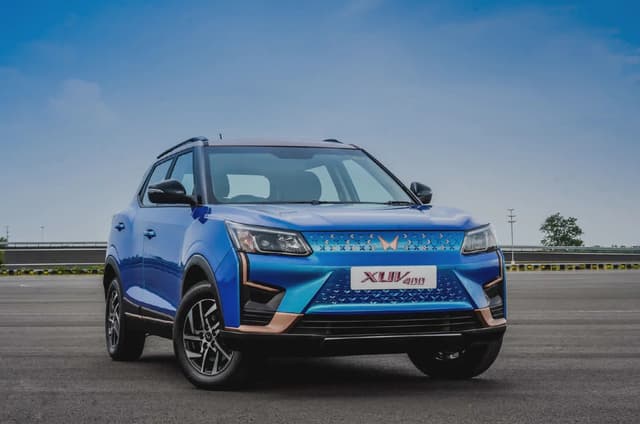
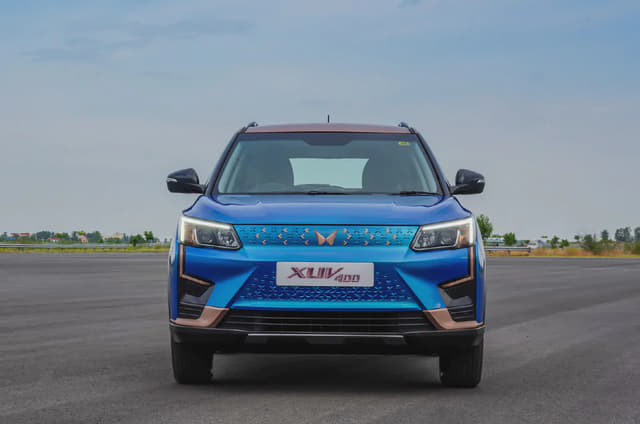
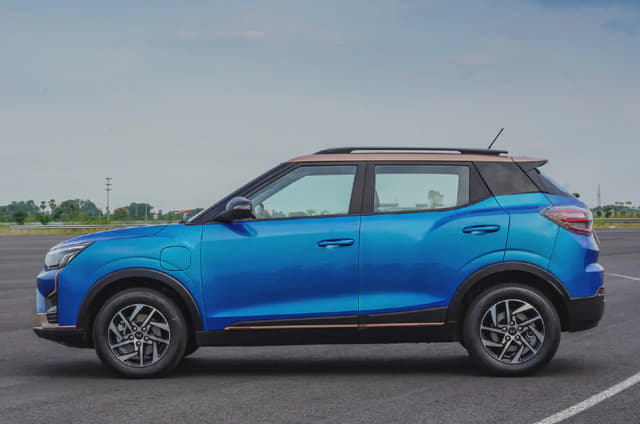
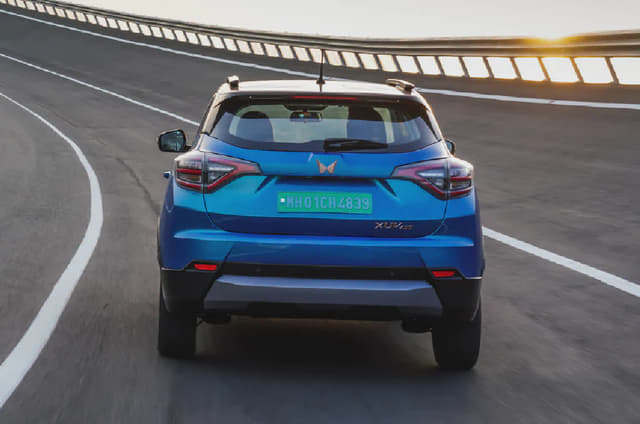
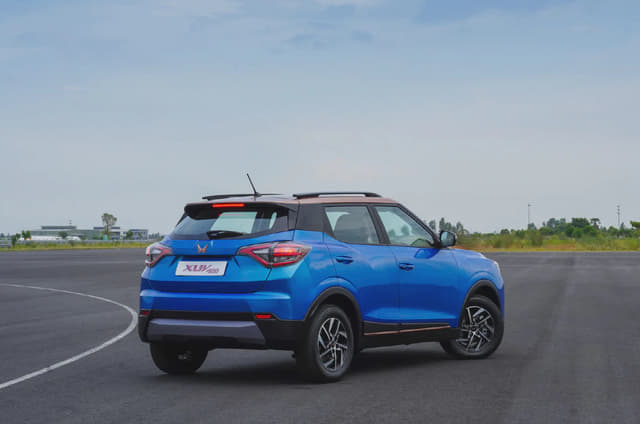
Mahindra electric cars in India currently offer a growing SUV-focused EV lineup. As of now, in September 2026 Mahindra's electric car portfolio includes models such as Mahindra XUV400, Mahindra BE 6 and Mahindra XUV 3XO EV.
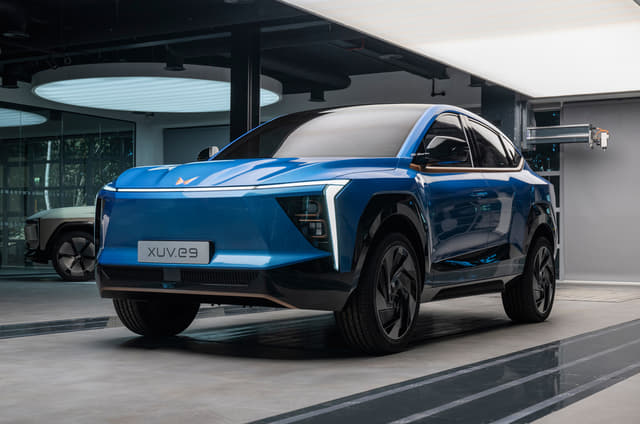
The Mahindra electric car price in India starts from ₹13.89 lakh, for XUV 3XO EV. The Mahindra XEV 9e sits at the top end of the range, with prices going up to ₹30.50 lakh. Check out the Mahindra electric cars' prices in the table below:
Mahindra Electric Cars - Price List September 2026
In terms of seating, the Mahindra XEV 9S stands out as the 7 seater electric SUV, while the remaining models are five-seaters. Safety-focused buyers can look at models like XEV 9e, BE 6, and XUV400, which are listed with a 5-star safety rating, and feature-rich options include 360-degree camera availability on the BE 6 and XEV 9e.
Mahindra EV Model | Ex-showroom Price |
Mahindra XUV 3XO EV | ₹13.89 - ₹14.96 lakh |
Mahindra XUV400 | ₹15.49 - ₹17.49 lakh |
Mahindra BE 6 | ₹18.90 - ₹26.90 lakh |
Mahindra XEV 9S | ₹19.95 - ₹29.45 lakh |
Mahindra XEV 9e | ₹21.90 - ₹30.50 lakh |
Mahindra Electric Cars- Key Highlights
Criteria | Mahindra EV Model |
Cheapest car | Mahindra XUV 3XO EV (₹13.89 - ₹14.96 lakh) |
Most expensive car | Mahindra XEV 9e (₹21.90 - ₹30.50 Lakh) |
5 star safety rating | XEV 9e, BE 6 and XUV 400 |
360 degree camera | Mahindra BE 6 and XEV 9e |
7 seater | Mahindra XEV 9S |


Mahindra Electric Cars - FAQs
The Mahindra electric cars in India lineup currently includes 5 models, which include the Mahindra XUV 3XO EV, Mahindra XUV400, and Mahindra BE 6.
The Mahindra electric car price in India starts at ₹13.89 lakh for the XUV 3XO EV and goes up to ₹30.50 lakh for the Mahindra XEV 9e.
The Mahindra electric car low price model is the Mahindra XUV 3XO EV, priced between ₹13.89 - ₹14.96 lakh.
The Mahindra latest electric car positioned is XUV 3XO EV.
The new Mahindra electric car price at the premium end reaches up to ₹30.50 lakh ex-showroom for the XEV 9e.
Among the Mahindra SUV electric car options, the Mahindra XEV 9S is the only model listed as a 7 seater electric SUV.
Within the Mahindra all-electric car lineup, the XEV 9e, BE 6, and XUV400 are listed with a 5-star safety rating.
Trending Questions on Mahindra Cars - Answered by Autocar Experts
Sir, the Mahindra XEV 9S with a 59kWh battery has a claimed range of 521km, while the MG Hector Tomahawk with a larger 69.2kWh battery has a claimed range of 517km. Do you really think the MG Tomahawk would deliver a lower range than the XEV 9S despite having a larger battery?
The claimed range figures are based on the official MIDC test cycle, which is a laboratory test and not a real-world figure. The Mahindra XEV 9S and MG Hector Tomahawk EV are very different cars. The 9S is a more aerodynamic, lower-slung SUV, while the Hector Tomahawk EV is a larger, heavier SUV with a more upright body. Aerodynamics and weight play a huge role in efficiency, especially at higher speeds. So even though the MG has a bigger battery, it is also likely to be less efficient, which is why the claimed range is similar.In the real world, you should expect both cars to deliver significantly lower range than the claimed figures. The 9S will likely be the more efficient car, but the difference will not be as dramatic as the MIDC numbers suggest. The MG's larger battery will give it a slightly higher usable range, but it will also consume more energy per kilometre. Ultimately, the choice should be based on the car that best suits your needs rather than the claimed range figures.
The MG Hector Tomahawk EV has a 69.2kWh battery, which is 10.2kWh larger than the 59kWh unit in the Mahindra XEV 9S, yet both have almost identical claimed ranges of around 517km and 521km, respectively. What is the main reason for this difference: lower vehicle efficiency, aerodynamics, powertrain efficiency or battery characteristics? Based on your testing, would you expect the Tomahawk’s real-world range to be higher or lower than that of the XEV 9S 59kWh?
The MG Hector Tomahawk EV’s larger 69.2 kWh battery, delivering a similar claimed range to the Mahindra XEV 9S Pack One Above 59kWh (517 km vs 521 km) is primarily a reflection of vehicle efficiency rather than battery chemistry. The Hector Tomahawk EV is a larger, heavier SUV with a more upright body and a less aerodynamic shape, which naturally increases energy consumption per kilometre. The XEV 9S, while still a large SUV, is a more modern, ground-up EV with a sleeker design and a more efficient powertrain, allowing it to extract more range from a smaller battery.In real-world testing, we would expect the Hector Tomahawk EV to deliver a slightly higher absolute range than the XEV 9S 59 kWh, simply because of the larger battery. However, the difference is unlikely to be dramatic, and the Mahindra will remain the more efficient vehicle in terms of energy consumed per kilometre. The Hector Tomahawk EV’s advantage is range, not efficiency.
Hi, I have a Kia Carens 1.5 turbo DCT and an Xcent AMT. I am looking to replace the Xcent with an EV. My monthly running is around 20k km, with mostly city usage. I want a sporty EV in the Rs. 20-25 lakh price range that will be more enjoyable to drive than the Kia.
Since you're looking for a sporty EV, we'd recommend that you consider the Mahindra BE 6 Sporteq. It is a standout EV that looks radical, is feature-loaded, and feels great to drive. This Mahindra is not only powerful but also very efficient, resulting in impressive real-world range. Since your usage is mainly within the city, and if you can arrange for home charging, you can opt for the 59kWh battery pack version for its lower purchase price compared to the higher battery options.The VinFast VF7 is also an excellent option; however, its sales and support network isn't as strong as Mahindra's, hence the BE 6 is the better option.
I’m 65 and am considering the Mahindra BE 6, Tata Sierra EV, Maruti Suzuki e-Vitara and Toyota Urban Cruiser Ebella. I particularly want ventilated front seats and a 360-degree camera. I am not very concerned about performance or technical aspects and instead want an EV that is comfortable and easy for me to drive. My usage will include both city driving and long-distance trips. Which one would be suitable for my requirements?
Based on your requirements, the Maruti Suzuki e-Vitara would be our recommendation. It offers a comfortable cabin, especially up front, a relaxed driving experience and a good suite of comfort features.The Mahindra BE 6 has the edge on performance, while the Tata Sierra EV has more space, and both offer a longer real-world range, but they are also considerably more expensive and, for your requirements, not worth the extra outlay. The e-Vitara is a good all-rounder, with more than sufficient range, and also the comfort features you seek - ventilated front seats and a 360-degree camera.The Toyota Urban Cruiser Ebella is the same as the e-Vitara but more expensive, and again, it doesn't justify its premium. Overall, the e-Vitara strikes the best balance between comfort, features and ease of ownership for your needs.
Hi Team, I am confused between the Mahindra XUV 7XO diesel AX7T and Tata Harrier EV Fearless Plus. My concern is that diesel vehicles may be phased out sooner, which could affect diesel engines in general. Since there is no proper hybrid vehicle in this segment and reliability concerns around EVs in India are causing some uncertainty, I am a bit unsure. Any advice would be appreciated.
First, a quick clarification: diesels are unlikely to be phased out anytime soon. There are tighter emissions norms and some city-specific restrictions to keep an eye on, but there is no immediate reason to avoid a modern BS6 diesel purely on the assumption that it will soon become unusable. Mahindra, in particular, is likely to continue offering diesel SUVs for as long as there is meaningful demand. The XUV 7XO AX7T’s 2.2-litre diesel remains a strong fit for frequent highway use, long-distance touring, heavy loads and buyers who value effortless torque and quick refuelling.Your EV reliability concern is understandable, but it should not be a deciding negative by itself. An electric car has fewer mechanical moving parts than an ICE vehicle, which can reduce routine powertrain maintenance requirements. The more relevant question is whether your charging situation and typical driving pattern suit one. If you have dependable home or workplace charging, the Harrier EV makes a compelling case with its quieter, smoother driving experience and substantially lower running costs. The Fearless+ gets a 65kWh battery with a claimed 538km range, while 75kWh versions claim up to 627km, though real-world range will naturally be lower and depend on speed, weather and driving style.If you do regular intercity runs, especially in areas where charging stops may be inconvenient, the Mahindra XUV 7XO diesel is still the easier all-round ownership proposition. It is also likely to be the better choice if you plan to keep the car for a long time without changing your travel routine.If a hybrid is what you are after, there are now two relevant options. The MG Hector Tomahawk PHEV offers a useful EV-only range of around 100km, backed by a 1.5-litre petrol engine. However, a plug-in hybrid only makes sense if you can charge it regularly. The Kia Sorento is a conventional strong hybrid, so it does not need external charging and should offer better refinement and economy than a regular petrol SUV. It is, however, considerably more expensive than the XUV 7XOOur advice: Choose the Harrier EV if you have home charging and most of your running is urban or predictable. Choose the XUV 7XO diesel if long highway trips and maximum convenience matter more.
Last Updated on: 22 Sept 2026