The MG Hector Tomahawk EV has a 69.2kWh battery, which is 10.2kWh larger than the 59kWh unit in the Mahindra XEV 9S, yet both have almost identical claimed ranges of around 517km and 521km, respectively. What is the main reason for this difference: lower vehicle efficiency, aerodynamics, powertrain efficiency or battery characteristics? Based on your testing, would you expect the Tomahawk’s real-world range to be higher or lower than that of the XEV 9S 59kWh?

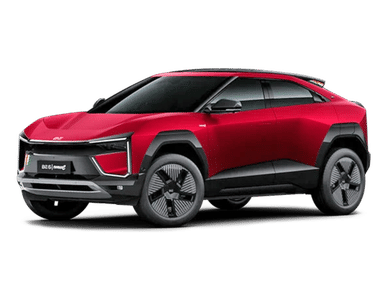
The MG Hector Tomahawk EV’s larger 69.2 kWh battery, delivering a similar claimed range to the Mahindra XEV 9S Pack One Above 59kWh (517 km vs 521 km) is primarily a reflection of vehicle efficiency rather than battery chemistry. The Hector Tomahawk EV is a larger, heavier SUV with a more upright body and a less aerodynamic shape, which naturally increases energy consumption per kilometre. The XEV 9S, while still a large SUV, is a more modern, ground-up EV with a sleeker design and a more efficient powertrain, allowing it to extract more range from a smaller battery.
In real-world testing, we would expect the Hector Tomahawk EV to deliver a slightly higher absolute range than the XEV 9S 59 kWh, simply because of the larger battery. However, the difference is unlikely to be dramatic, and the Mahindra will remain the more efficient vehicle in terms of energy consumed per kilometre. The Hector Tomahawk EV’s advantage is range, not efficiency.
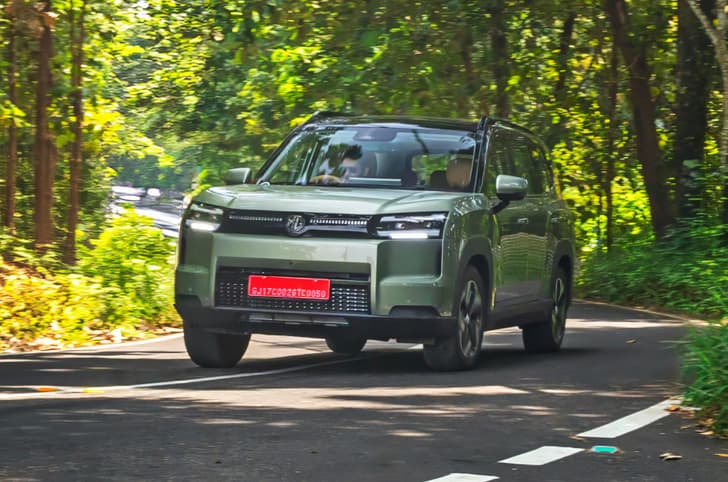
MG Hector Tomahawk EV
Explore cars mentioned

More posts on similar cars

Expert reviews worth reading

Popular discussions right now







Posted on: 20 Sept 2026