Autocar India
3d

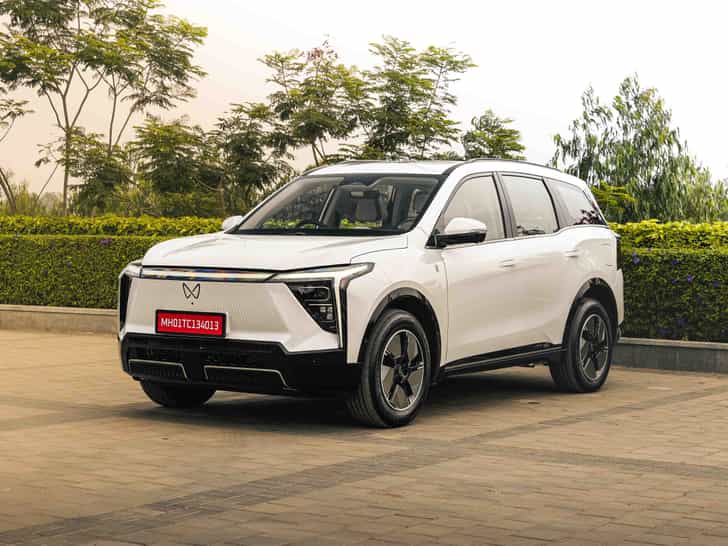
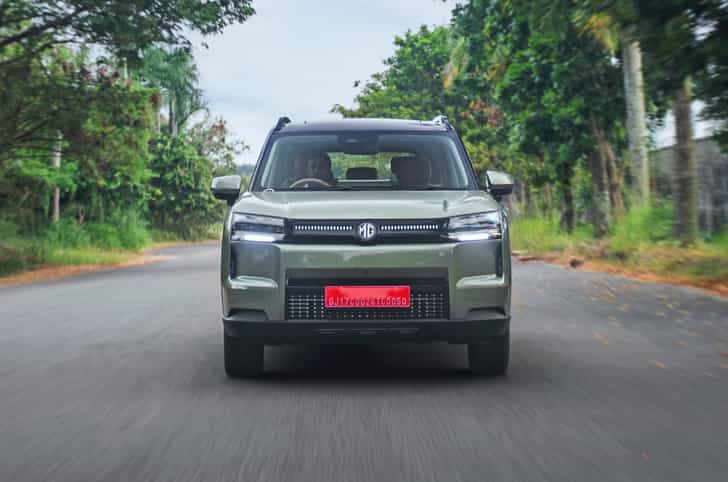
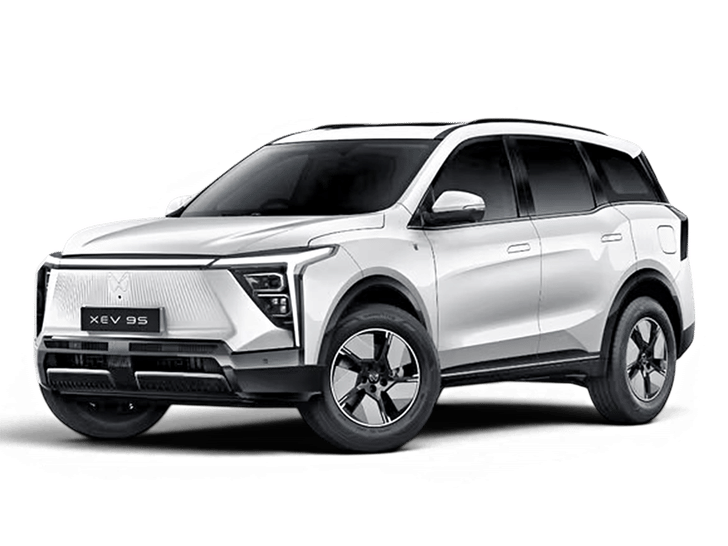
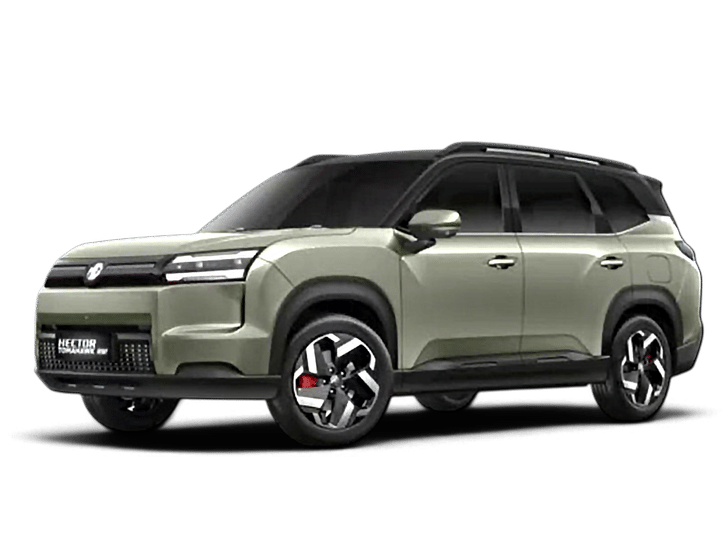
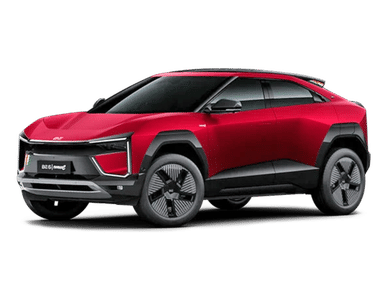
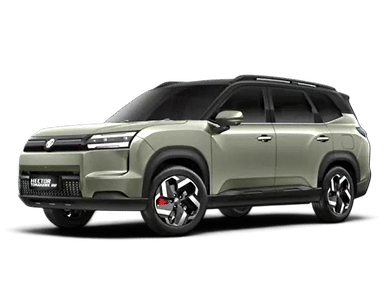
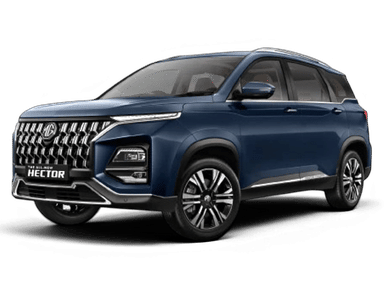
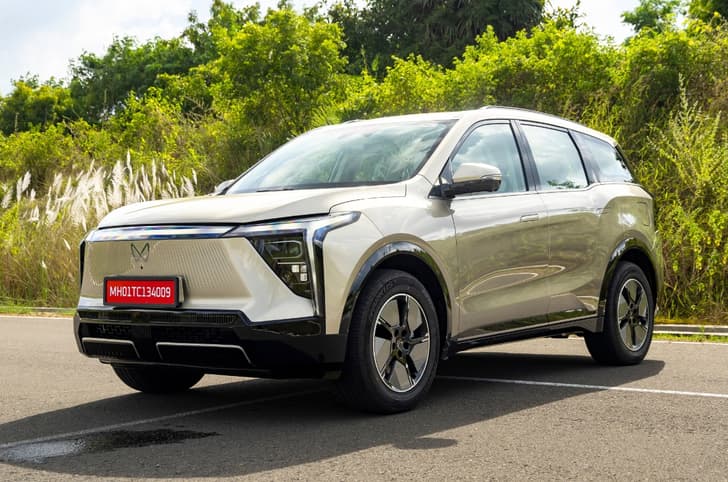
Sir, the Mahindra XEV 9S with a 59kWh battery has a claimed range of 521km, while the MG Hector Tomahawk with a larger 69.2kWh battery has a claimed range of 517km. Do you really think the MG Tomahawk would deliver a lower range than the XEV 9S despite having a larger battery?

Verified
5m

The claimed range figures are based on the official MIDC test cycle, which is a laboratory test and not a real-world figure. The Mahindra XEV 9S and MG Hector Tomahawk EV are very different cars. The 9S is a more aerodynamic, lower-slung SUV, while the Hector Tomahawk EV is a larger, heavier SUV with a more upright body. Aerodynamics and weight play a huge role in efficiency, especially at higher speeds. So even though the MG has a bigger battery, it is also likely to be less efficient, which is why the claimed range is similar.

In the real world, you should expect both cars to deliver significantly lower range than the claimed figures. The 9S will likely be the more efficient car, but the difference will not be as dramatic as the MIDC numbers suggest. The MG's larger battery will give it a slightly higher usable range, but it will also consume more energy per kilometre. Ultimately, the choice should be based on the car that best suits your needs rather than the claimed range figures.
Mahindra XEV 9S

Mahindra XEV 9S

More posts on similar cars

1d

The MG Hector Tomahawk EV has a 69.2kWh battery, which is 10.2kWh larger than the 59kWh unit in the Mahindra XEV 9S, yet both have almost identical claimed ranges of around 517km and 521km, respectively. What is the main reason for this difference: lower vehicle efficiency, aerodynamics, powertrain efficiency or battery characteristics? Based on your testing, would you expect the Tomahawk’s real-world range to be higher or lower than that of the XEV 9S 59kWh?

Verified
5h

The MG Hector Tomahawk EV’s larger 69.2 kWh battery, delivering a similar claimed range to the Mahindra XEV 9S Pack One Above 59kWh (517 km vs 521 km) is primarily a reflection of vehicle efficiency rather than battery chemistry. The Hector Tomahawk EV is a larger, heavier SUV with a more upright body and a less aerodynamic shape, which naturally increases energy consumption per kilometre. The XEV 9S, while still a large SUV, is a more modern, ground-up EV with a sleeker design and a more efficient powertrain, allowing it to extract more range from a smaller battery.In real-world testing, we would expect the Hector Tomahawk EV to deliver a slightly higher absolute range than the XEV 9S 59 kWh, simply because of the larger battery. However, the difference is unlikely to be dramatic, and the Mahindra will remain the more efficient vehicle in terms of energy consumed per kilometre. The Hector Tomahawk EV’s advantage is range, not efficiency.

VehicleMG Hector Tomahawk EV
VehicleMahindra XEV 9S
5d

XUV 7XO AXT diesel automatic vs XEV 9S: which one should I buy? My driving is around 40-50km per day, with 80-90% of it in the city. I like to go on short trips almost every 15 days, so I believe DPF should not be a problem, but I would like your advice on this. I can also have a charger installed at home. Which one would you suggest?

Verified
1d

Go for the Mahindra XEV 9S. With 40-50 km a day, 80-90% city driving, and the ability to install a home charger, you are the ideal electric car owner. The XEV 9S is a genuinely well-rounded electric SUV with a strong real-world range, a spacious and comfortable cabin, and a very refined driving experience in the city. Your regular short trips every 15 days are easily manageable with an EV, and the convenience of home charging will make ownership effortless.The XUV 7XO AXT diesel is a very good SUV, but your usage pattern does not justify a diesel. Modern diesel cars are far less problematic than they used to be, but DPF regeneration still requires regular sustained highway runs, and your usage is predominantly city-based. The XEV 9S, on the other hand, will deliver lower running costs, zero tailpipe emissions, and a smoother, quieter driving experience that is perfectly suited to your daily routine.The only caveat is long-distance touring. If your short trips are genuinely long highway runs, you will need to plan charging stops. But for your usage, the XEV 9S is the smarter, more future-proof choice.

VehicleMahindra XEV 9S
VehicleMahindra XUV 7XO
1d

Hello Team, I am getting the Volkswagen Taigun Highline Plus AT and Skoda Kushaq Signature AT at almost the same price. I would appreciate your suggestions on which one would be the better choice based on driving quality, AC performance, ride comfort, reliability and maintenance costs, and overall city-driving experience. Around 90% of my usage will be in city traffic, so city drivability, comfort and ease of driving are particularly important to me. I would also appreciate any suggestions based on real-world ownership experiences with either of these cars. Thank you!

Verified
2h

Go for the Skoda Kushaq Signature AT. Both the Volkswagen Taigun and Kushaq are mechanically identical, so driving quality, AC performance, and overall city drivability are essentially the same. The 1.0 TSI paired with the 6-speed torque converter automatic is a proven combination that works very well in city traffic, with smooth shifts and good low-end response. The Kushaq Signature stands out for its value for money: it is a higher variant with more features at the same price, making it the smarter buy. In terms of reliability and maintenance, both cars are on par, and ownership costs are broadly similar. The only real difference is the interior design and brand preference. The Taigun has a slightly more premium-looking cabin, but the Kushaq Signature offers more equipment for the money. For a buyer with 90% city usage, the Kushaq Signature AT is the better overall package.

VehicleSkoda Kushaq
VehicleVolkswagen Taigun

Popular discussions right now

2d

Help me choose the right car for my usage. Please be practical and challenge my assumptions. My situation: I am 31 and work as a software developer. I currently work from home in Balsane, Dhule, but I am moving to Mumbai around March. My wife and I are expecting a baby in February. My parents live in a village where local transport is poor. My Mumbai office is near Powai, but parking is difficult. I prefer a manual car. Usage: My current running is around 10,000 km per year, but it may increase. I travel between Mumbai and Balsane, which is around 400 km one way, around 5-7 times a year, along with Dhule/Sakri and local trips. I also drive around Mumbai on weekends. The AC is usually on, and on long trips, the car will have my wife, baby, and luggage. Budget: Rs. 6-9 lakh on-road. I am willing to spend more only if it is genuinely worth it. Shortlist: - Tiago XE Petrol - Punch Pure+/Smart Petrol - Punch Pure+/Smart CNG - Brezza LXi turbo-petrol Please tell me: 1. Which one should I buy and why? 2. Petrol vs CNG for my usage? The CNG premium is around Rs. 1 lakh, and the nearby village pump may open around Diwali, but this is not guaranteed. 3. What real-world mileage can I expect with the AC on? 4. Please consider loan interest, fuel costs, maintenance, depreciation, and resale value. 5. Is the Brezza worth the extra money? 6. Give me one final choice and tell me what I should avoid.

Verified
2d

The Brezza LXI Turbo is far superior to the Punch and Tiago as far as smoothness, performance, and cabin space are concerned. It is also backed by Maruti's widespread support network, and the ownership experience is likely to be fuss-free. The on-road cost of the Brezza LXI will fall within your Rs 9 lakh budget, and even though you might miss a few features, it still feels worth opting for. Alternatively, you could also consider the Maruti Dzire VXI MT for its large boot, comfy ride and strong fuel efficiency.

VehicleMaruti Suzuki Brezza
VehicleTata Punch
VehicleTata Tiago
VehicleMaruti Suzuki Dzire

Posted on: 20 Sept 2026