Autocar India
1d

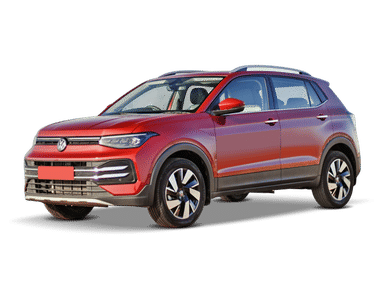
Hello Team, I am getting the Volkswagen Taigun Highline Plus AT and Skoda Kushaq Signature AT at almost the same price. I would appreciate your suggestions on which one would be the better choice based on driving quality, AC performance, ride comfort, reliability and maintenance costs, and overall city-driving experience. Around 90% of my usage will be in city traffic, so city drivability, comfort and ease of driving are particularly important to me. I would also appreciate any suggestions based on real-world ownership experiences with either of these cars. Thank you!

Verified
6m

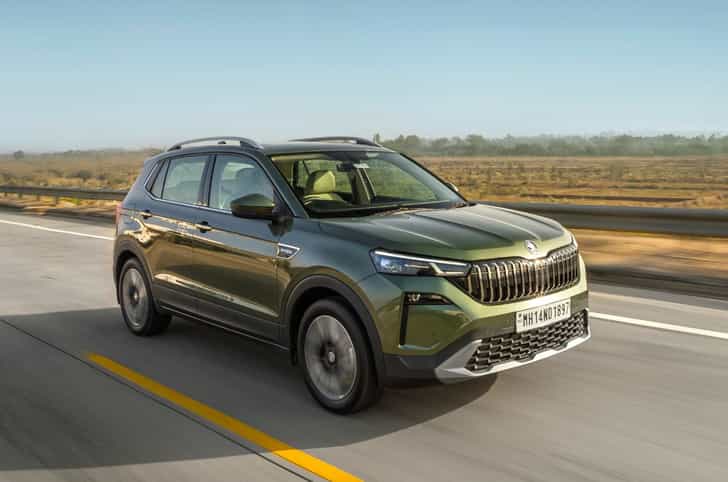
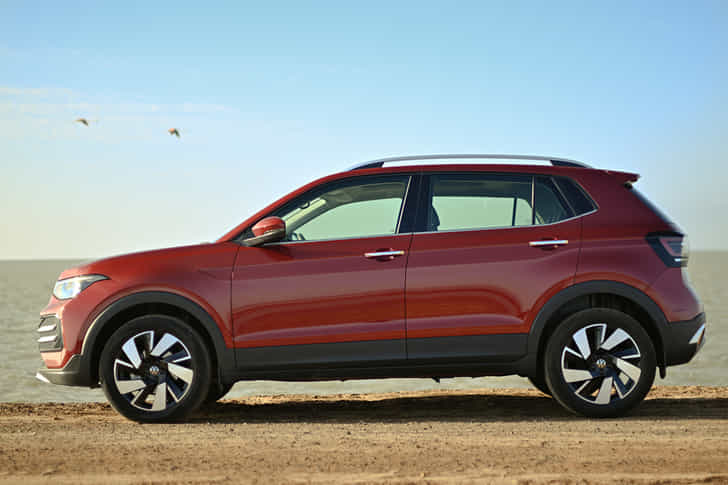
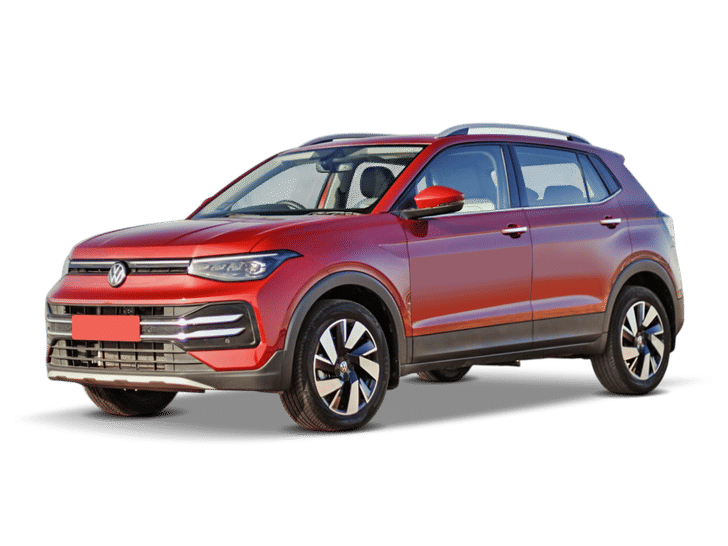
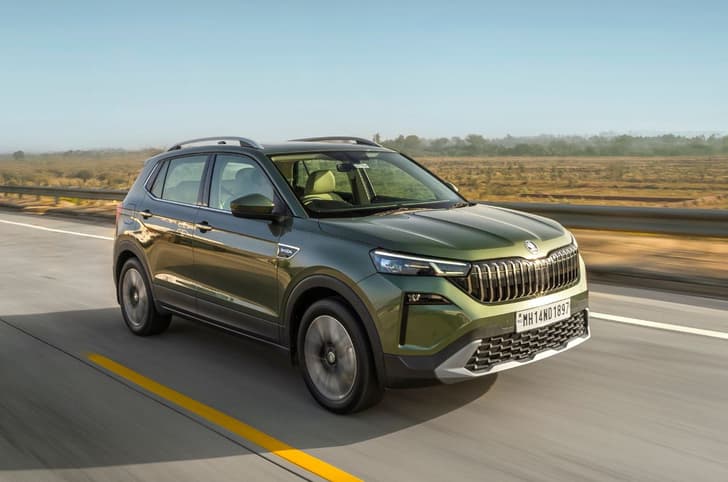
Go for the Skoda Kushaq Signature AT. Both the Volkswagen Taigun and Kushaq are mechanically identical, so driving quality, AC performance, and overall city drivability are essentially the same. The 1.0 TSI paired with the 6-speed torque converter automatic is a proven combination that works very well in city traffic, with smooth shifts and good low-end response. 

The Kushaq Signature stands out for its value for money: it is a higher variant with more features at the same price, making it the smarter buy. In terms of reliability and maintenance, both cars are on par, and ownership costs are broadly similar. The only real difference is the interior design and brand preference. The Taigun has a slightly more premium-looking cabin, but the Kushaq Signature offers more equipment for the money. For a buyer with 90% city usage, the Kushaq Signature AT is the better overall package.
Skoda Kushaq

Skoda Kushaq

More posts on similar cars

1d

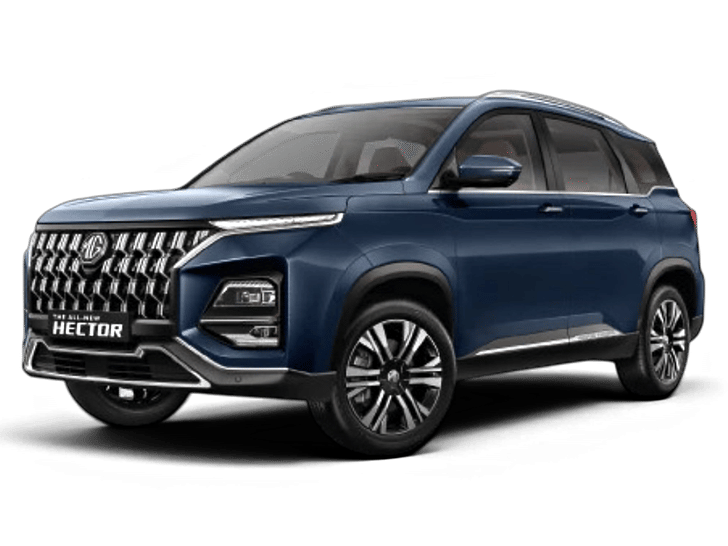
The MG Hector Tomahawk EV has a 69.2kWh battery, which is 10.2kWh larger than the 59kWh unit in the Mahindra XEV 9S, yet both have almost identical claimed ranges of around 517km and 521km, respectively. What is the main reason for this difference: lower vehicle efficiency, aerodynamics, powertrain efficiency or battery characteristics? Based on your testing, would you expect the Tomahawk’s real-world range to be higher or lower than that of the XEV 9S 59kWh?

Verified
3h

The MG Hector Tomahawk EV’s larger 69.2 kWh battery, delivering a similar claimed range to the Mahindra XEV 9S Pack One Above 59kWh (517 km vs 521 km) is primarily a reflection of vehicle efficiency rather than battery chemistry. The Hector Tomahawk EV is a larger, heavier SUV with a more upright body and a less aerodynamic shape, which naturally increases energy consumption per kilometre. The XEV 9S, while still a large SUV, is a more modern, ground-up EV with a sleeker design and a more efficient powertrain, allowing it to extract more range from a smaller battery.In real-world testing, we would expect the Hector Tomahawk EV to deliver a slightly higher absolute range than the XEV 9S 59 kWh, simply because of the larger battery. However, the difference is unlikely to be dramatic, and the Mahindra will remain the more efficient vehicle in terms of energy consumed per kilometre. The Hector Tomahawk EV’s advantage is range, not efficiency.

VehicleMG Hector Tomahawk EV
VehicleMahindra XEV 9S
23h

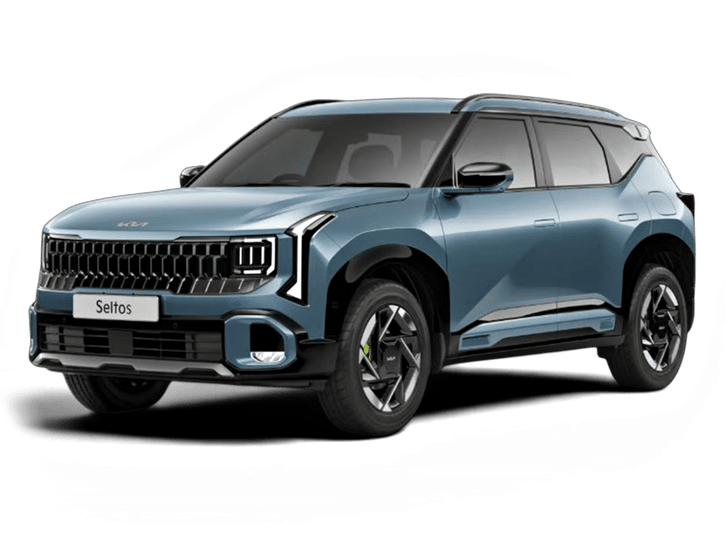
I’m planning to buy a car for my parents and am currently stuck between the Mahindra XUV 7XO and Kia Seltos. We also have a Golden Retriever, so space and practicality are important factors for us. My parents and I test-drove both cars separately. The Seltos was good and my parents liked it, but none of us were particularly excited by it. In contrast, we really liked the XUV 7XO, especially its premium and luxurious feel, spacious cabin and overall road presence. It also seems like a much better fit for our dog. I had almost finalised the XUV 7XO, but then I started reading owner reviews and noticed what appears to be a significantly higher number of complaints and reported issues compared with the Seltos. That has made me quite hesitant. Both cars felt great during the test drives, but I’m less concerned about how they feel on day one and more interested in what ownership will be like two to five years down the line. Another concern I have with both cars is their motorised, flush-fitting door handles. I understand that they look great and are part of the modern design, but I genuinely wonder how reliable these mechanisms will be over five to 10 years. A traditional mechanical door handle is a simple mechanism that I rarely worry about failing. With a motorised or flush-fitting handle, I can’t help but wonder what happens if the motor, sensor, electronics or mechanism develops a fault after several years. My priorities are reliability and a low chance of problems, minimal trips to the service centre, a good after-sales experience, comfort for my parents, enough space for our Golden Retriever, and, most importantly, a car they can keep for several years without constantly worrying about something going wrong.

Verified
4h

Go for the Mahindra XUV 7XO. It is the better fit for your parents and your Golden Retriever. The Kia Seltos is a very good car, but it won't excite you or your parents, and that matters. The XUV 7XO offers more space, a more premium feel and a stronger road presence, which your family clearly appreciates. It is also a more practical car for a large dog, thanks to its wider cabin and more accommodating boot.The ownership concerns around the XUV 7XO are understandable, but they are often amplified online. Mahindra has made significant improvements in recent years, and the XUV 7XO is a more mature product than its predecessor. The Seltos is the safer ownership bet, but it is not the car your family is excited about.On the flush door handles, both cars use similar technology. They are designed to last, and failures are rare. If the mechanism does fail, it is a replaceable part, not a showstopper. Both cars also have manual overrides in case of an electrical issue.The XUV 7XO is the car your family wants. It is the car that will make your parents happiest over the next 5-10 years. Buy the car you are excited about, not the one you are settling for.

VehicleKia Seltos
VehicleMahindra XUV 7XO

Popular discussions right now

2d

Help me choose the right car for my usage. Please be practical and challenge my assumptions. My situation: I am 31 and work as a software developer. I currently work from home in Balsane, Dhule, but I am moving to Mumbai around March. My wife and I are expecting a baby in February. My parents live in a village where local transport is poor. My Mumbai office is near Powai, but parking is difficult. I prefer a manual car. Usage: My current running is around 10,000 km per year, but it may increase. I travel between Mumbai and Balsane, which is around 400 km one way, around 5-7 times a year, along with Dhule/Sakri and local trips. I also drive around Mumbai on weekends. The AC is usually on, and on long trips, the car will have my wife, baby, and luggage. Budget: Rs. 6-9 lakh on-road. I am willing to spend more only if it is genuinely worth it. Shortlist: - Tiago XE Petrol - Punch Pure+/Smart Petrol - Punch Pure+/Smart CNG - Brezza LXi turbo-petrol Please tell me: 1. Which one should I buy and why? 2. Petrol vs CNG for my usage? The CNG premium is around Rs. 1 lakh, and the nearby village pump may open around Diwali, but this is not guaranteed. 3. What real-world mileage can I expect with the AC on? 4. Please consider loan interest, fuel costs, maintenance, depreciation, and resale value. 5. Is the Brezza worth the extra money? 6. Give me one final choice and tell me what I should avoid.

Verified
1d

The Brezza LXI Turbo is far superior to the Punch and Tiago as far as smoothness, performance, and cabin space are concerned. It is also backed by Maruti's widespread support network, and the ownership experience is likely to be fuss-free. The on-road cost of the Brezza LXI will fall within your Rs 9 lakh budget, and even though you might miss a few features, it still feels worth opting for. Alternatively, you could also consider the Maruti Dzire VXI MT for its large boot, comfy ride and strong fuel efficiency.

VehicleMaruti Suzuki Brezza
VehicleTata Punch
VehicleTata Tiago
VehicleMaruti Suzuki Dzire

Posted on: 20 Sept 2026