DCT cars in India (39)
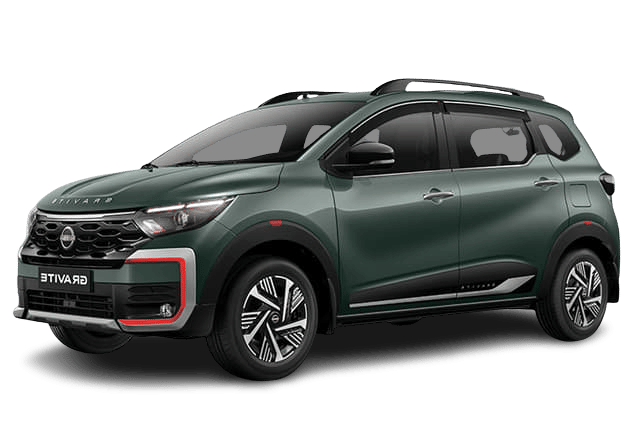
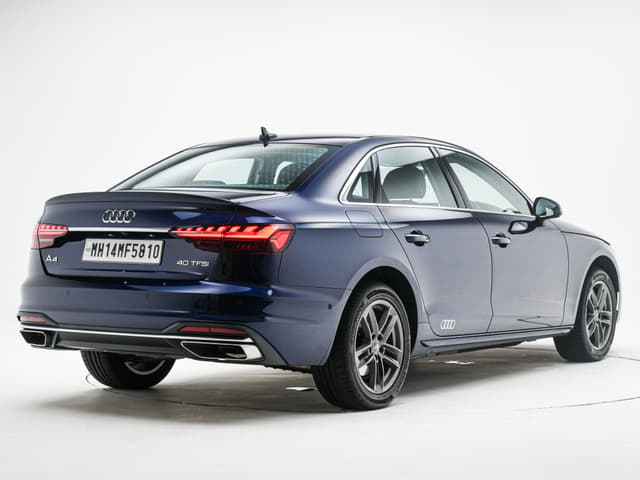
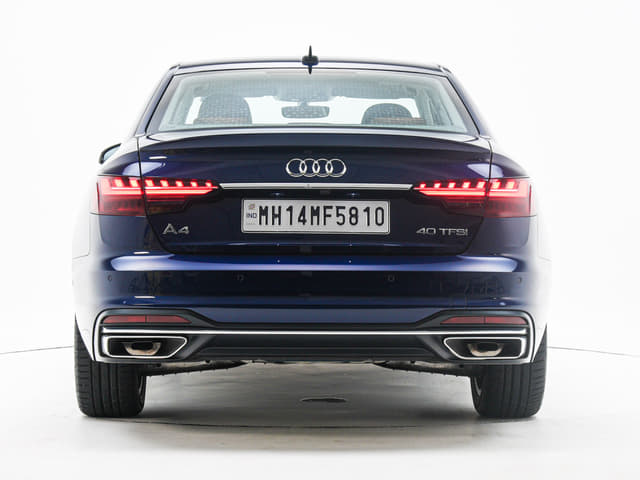
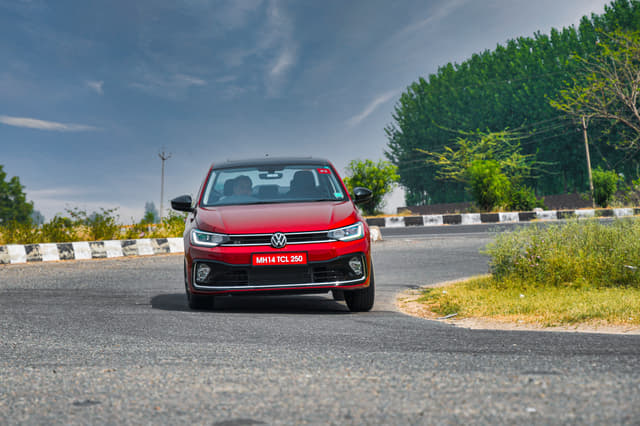
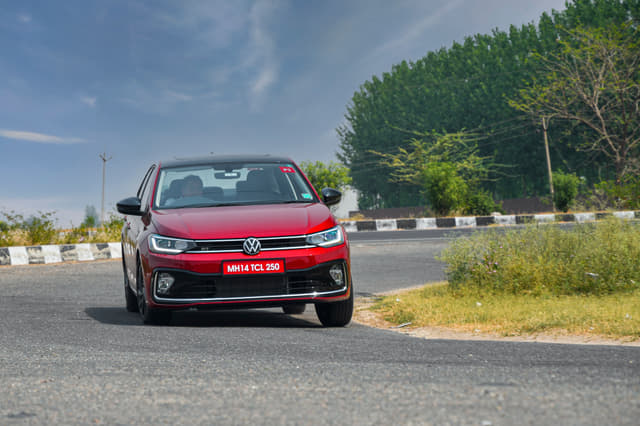
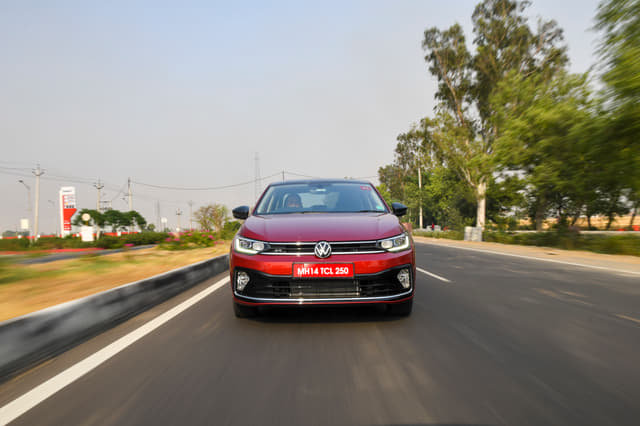
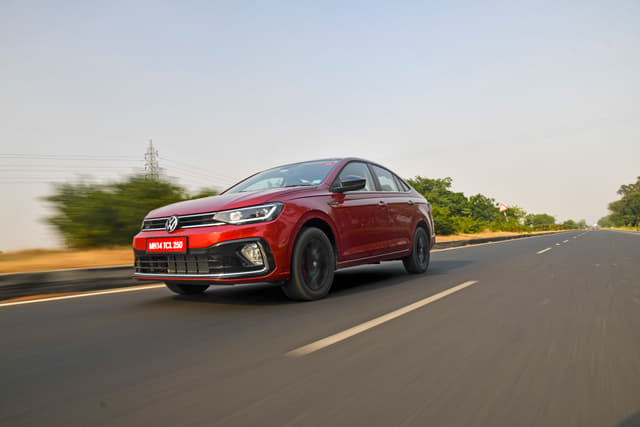
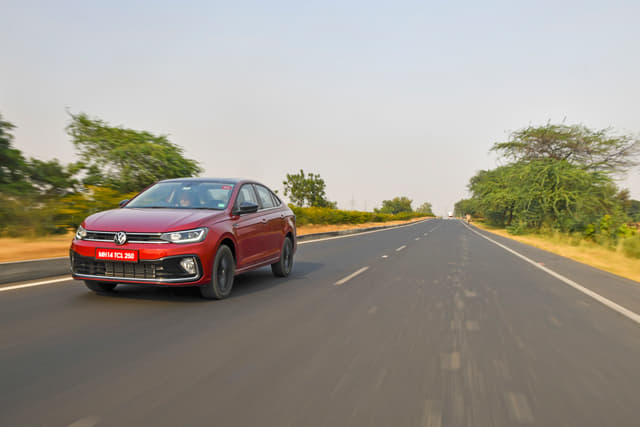
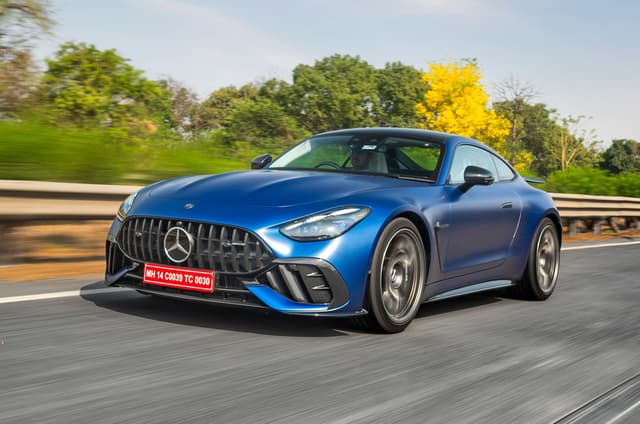
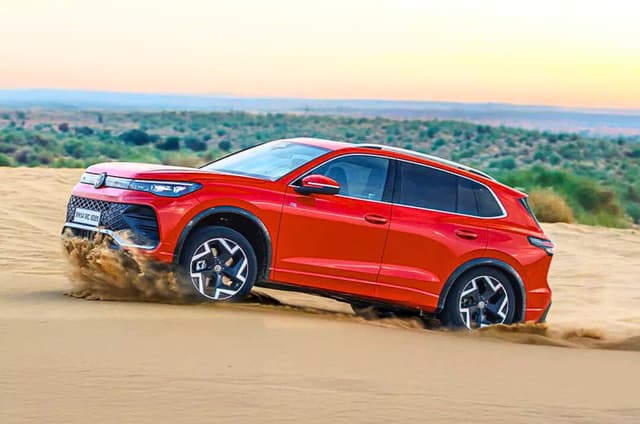
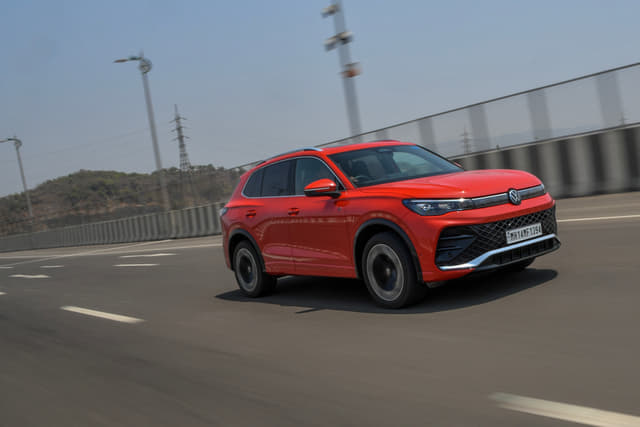
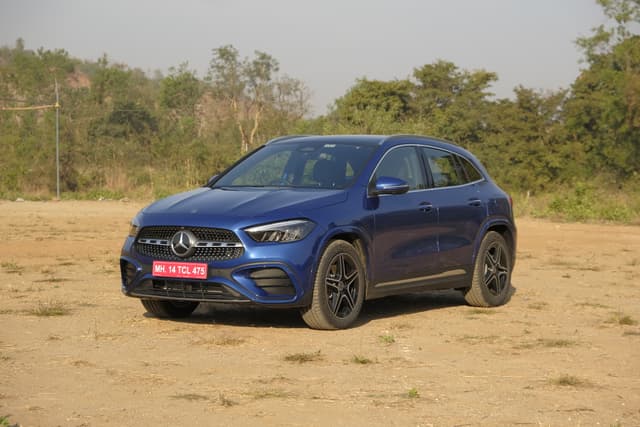
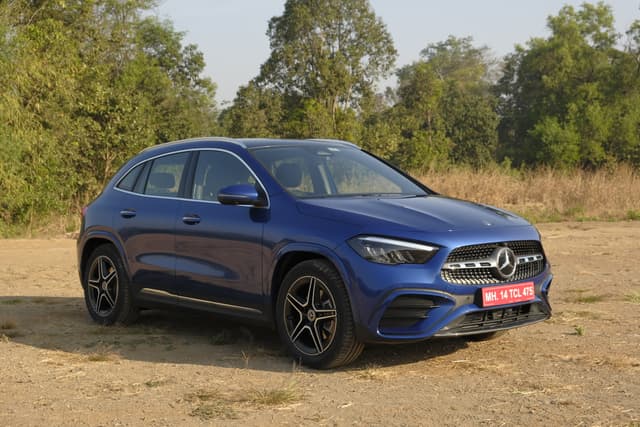
A DCT transmission uses a dual-clutch gearbox to shift gears quickly and smoothly, giving buyers a more responsive and enjoyable driving experience. Currently, around 39 DCT transmission cars are available in India, mostly from brands such as Mercedes-Benz, Skoda and Volkswagen.
DCT Cars - Key Highlights
Parameter | Models |
Upcoming DCT Cars | Skoda Superb, Volkswagen Tayron, Ferrari Amalfi |
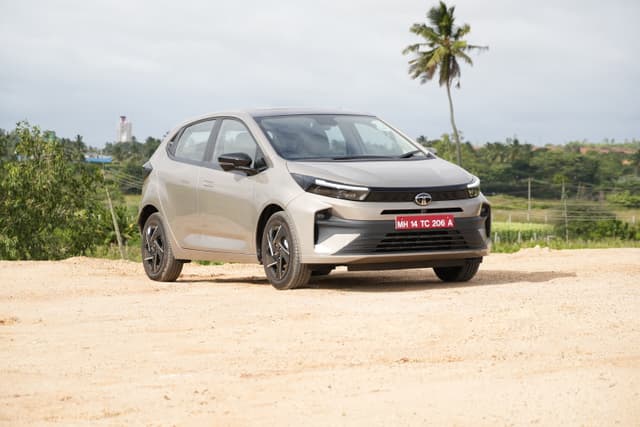
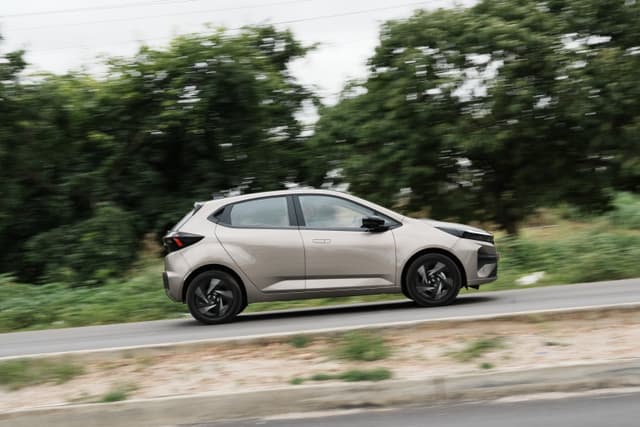
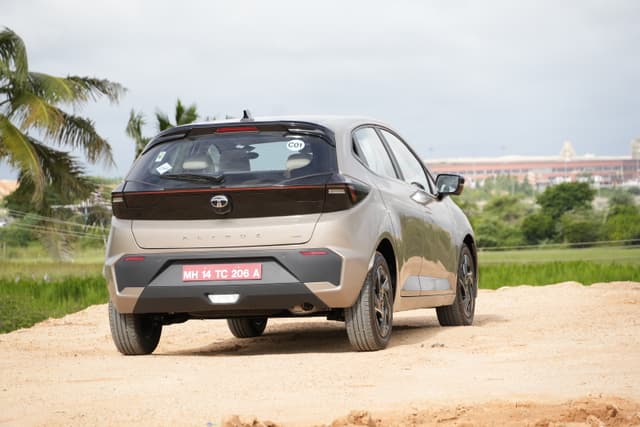
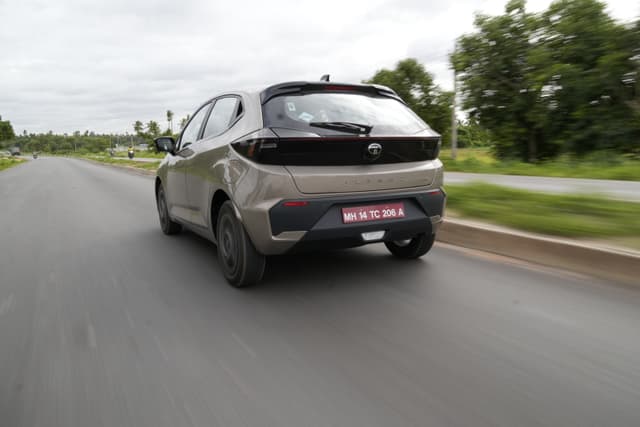
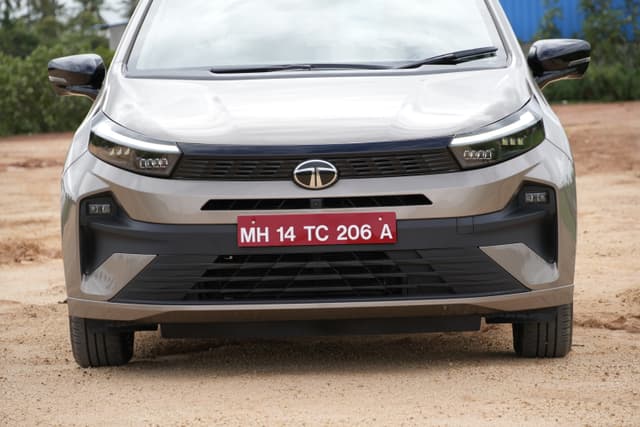
Cheapest DCT Car | Tata Altroz (₹6.30 - ₹10.51 Lakhs) |

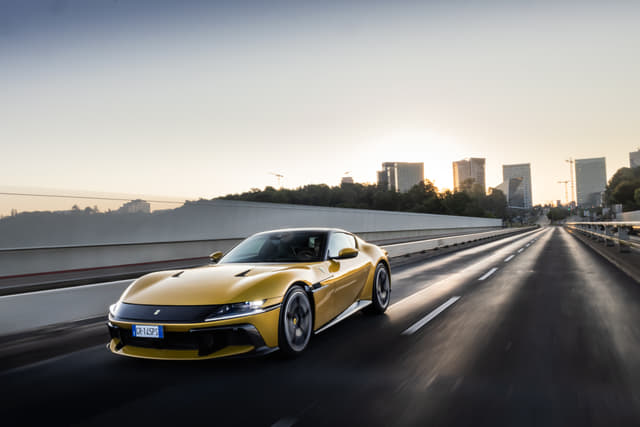
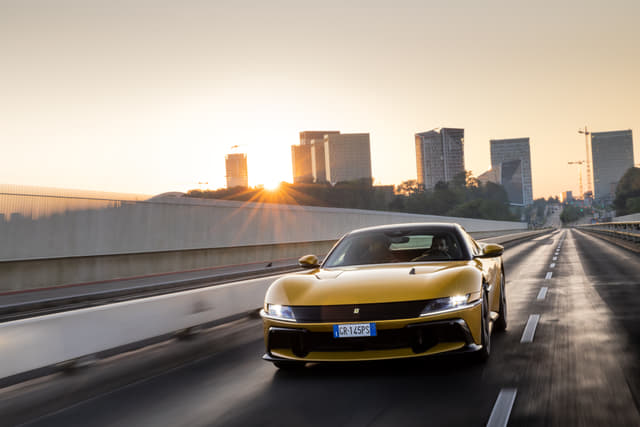
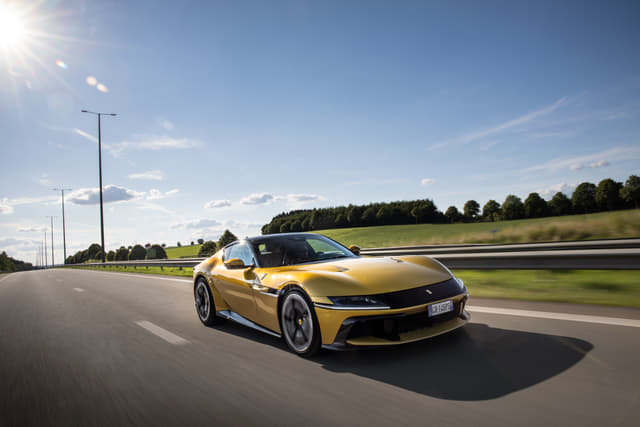
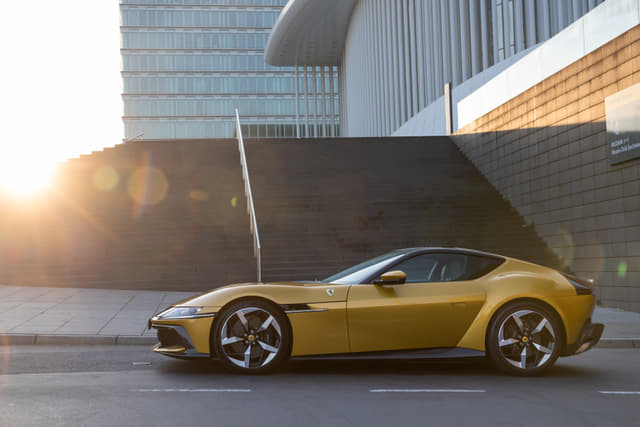
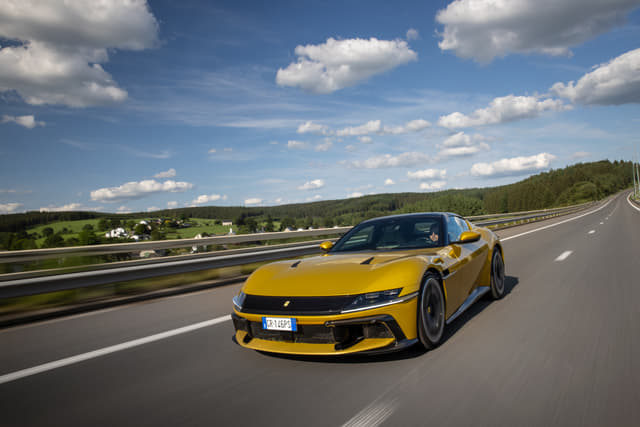
Most Expensive DCT car | Ferrari 12Cilindri (₹8.50 - ₹9.15 Cr) |
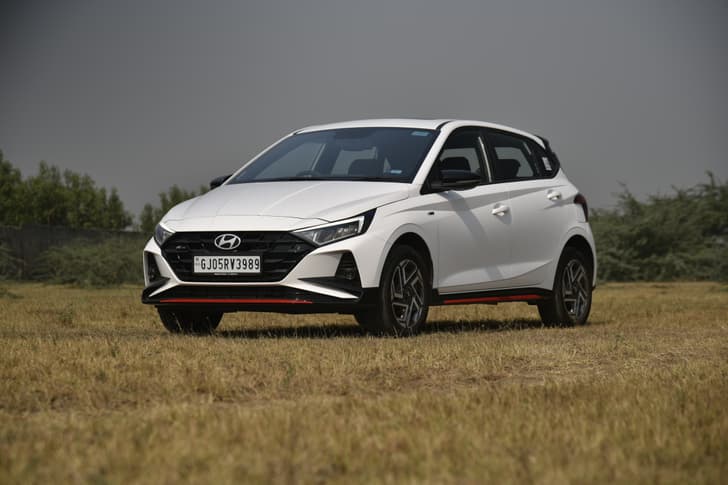
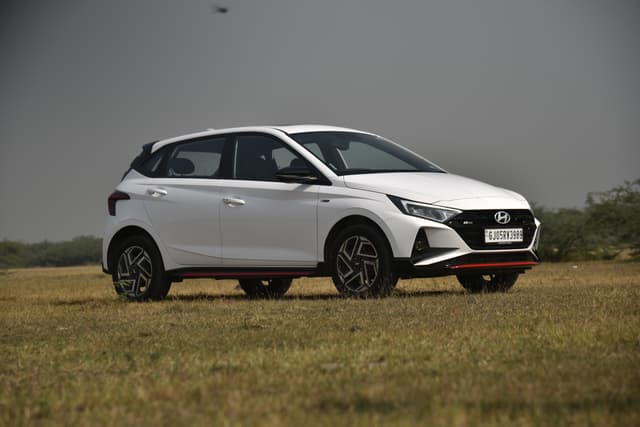
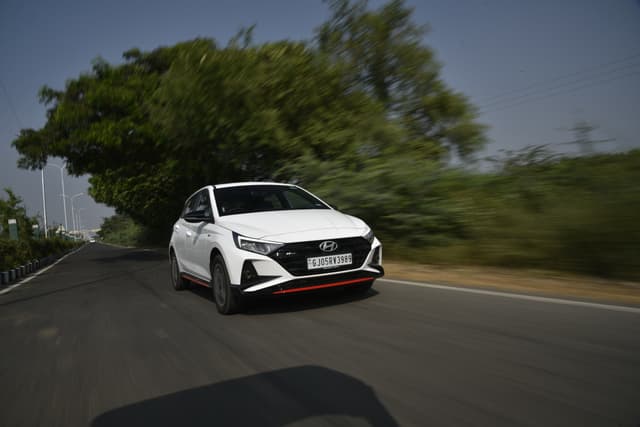
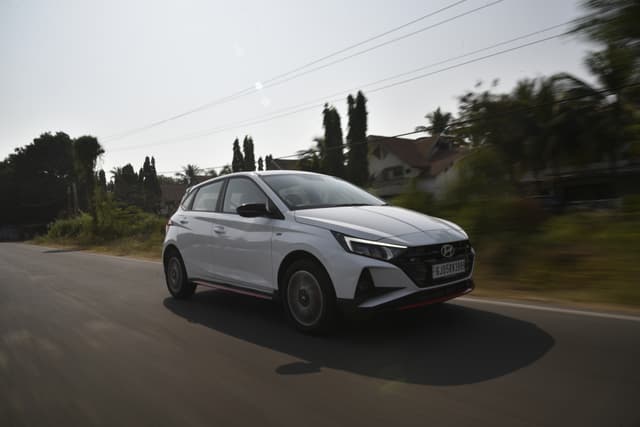
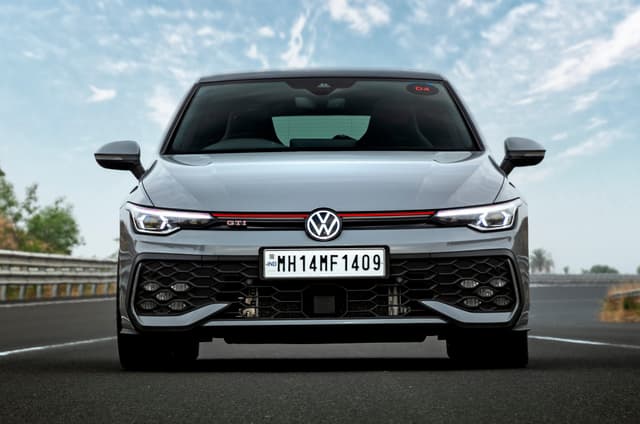
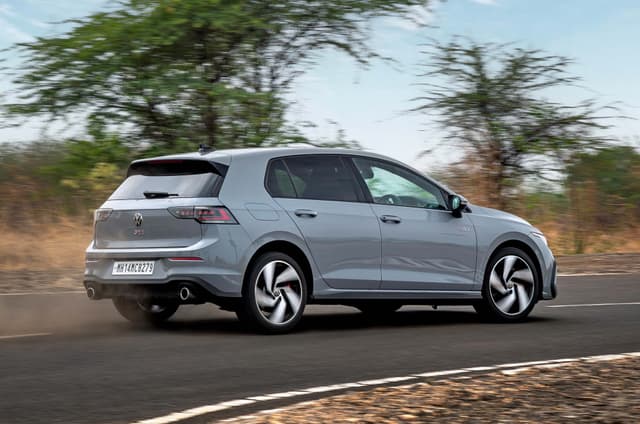
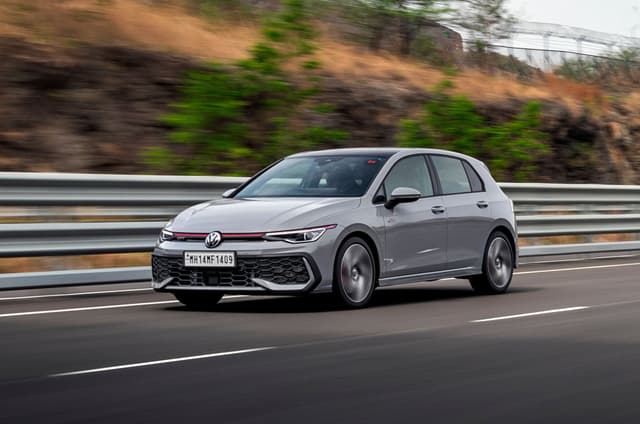
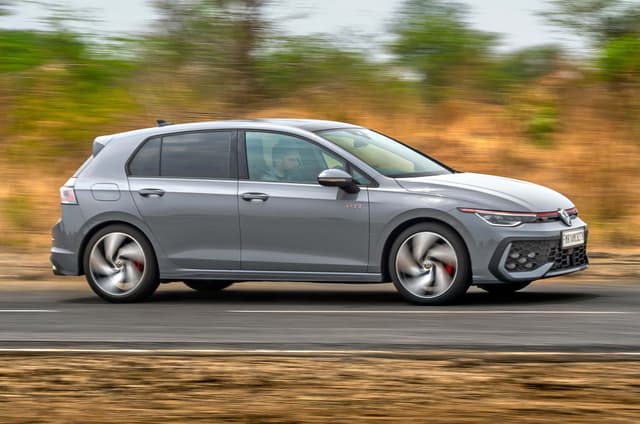
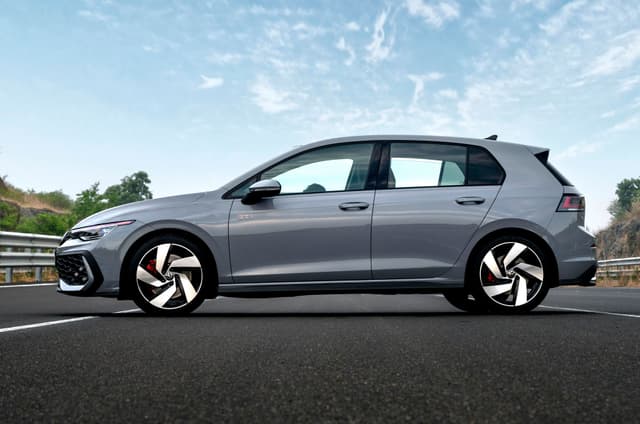
Hatchback Car | Hyundai i20, Tata Altroz, Volkswagen Golf |
CNG DCT Cars | Tata Nexon, Tata Altroz |
DCT car with the Highest Mileage | Tata Altroz- 27.8 kmpl |
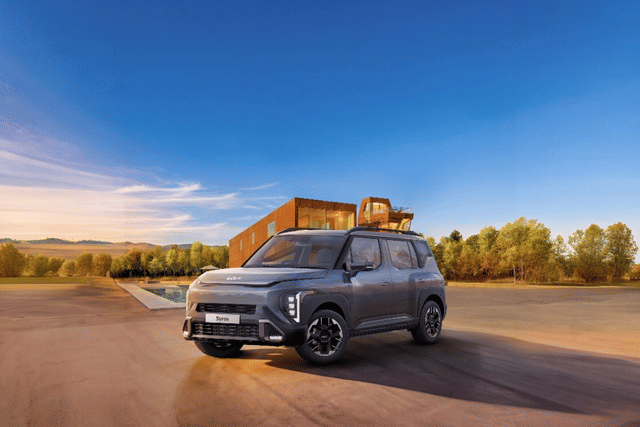
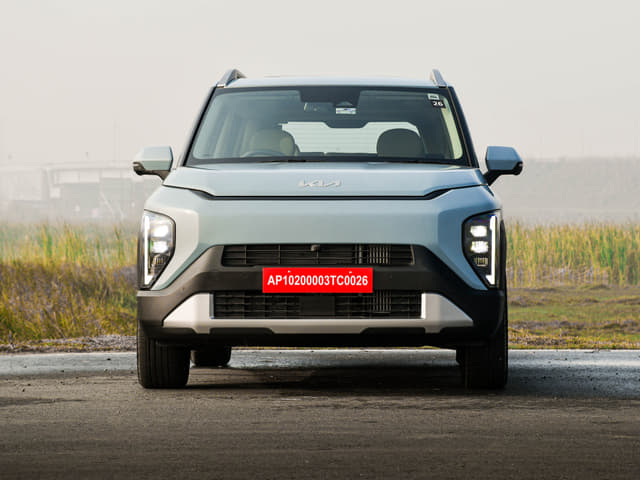
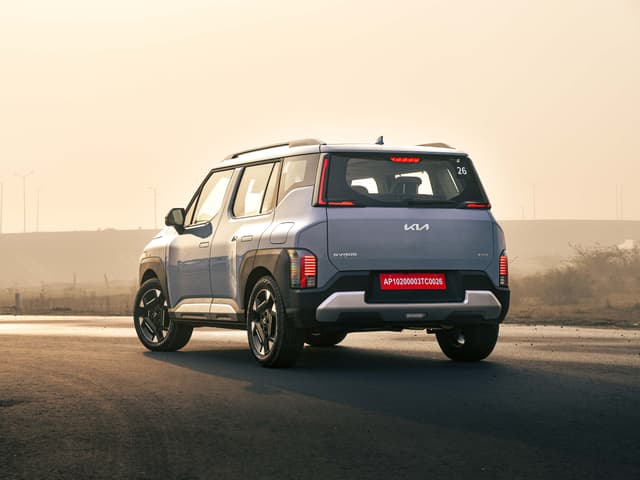
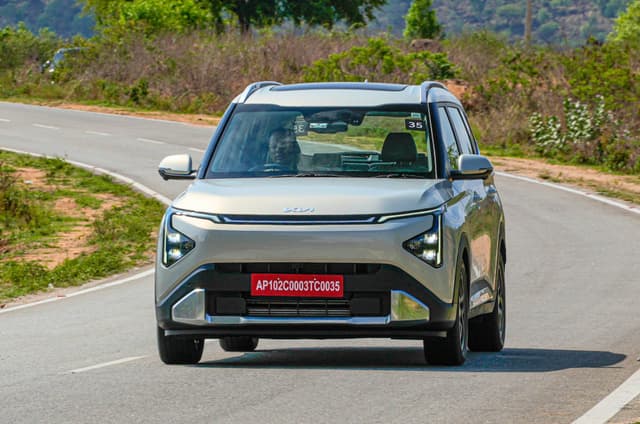
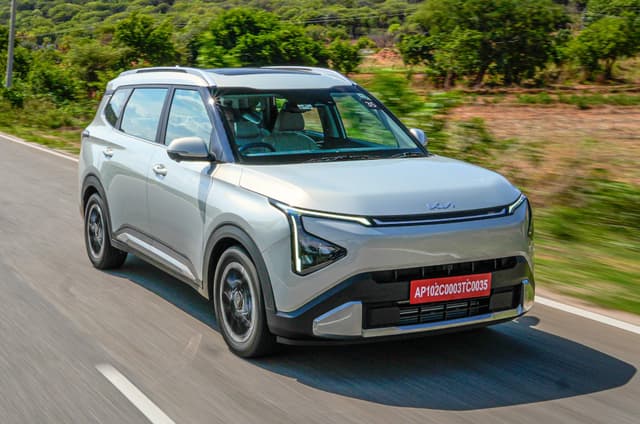
5 Star Safety Rating DCT cars | Tata Curvv, Kia Syros and Hyundai Verna |
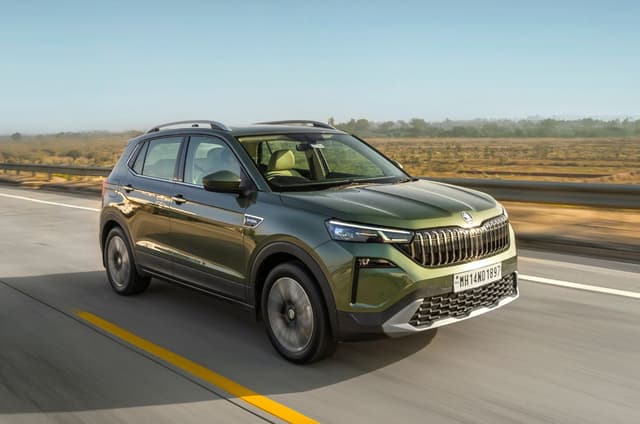
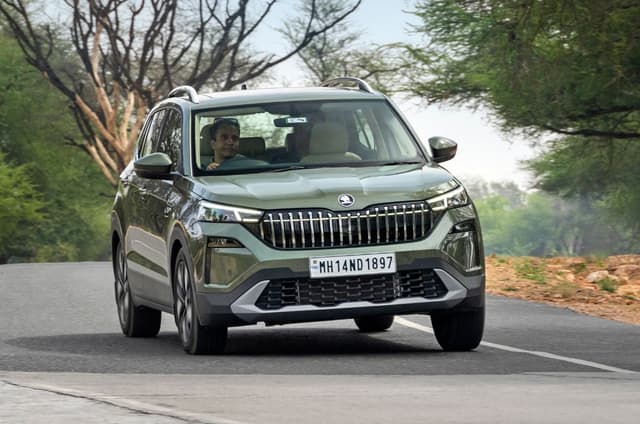
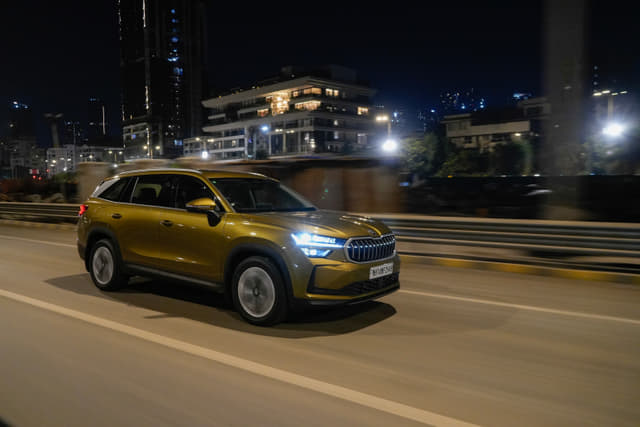
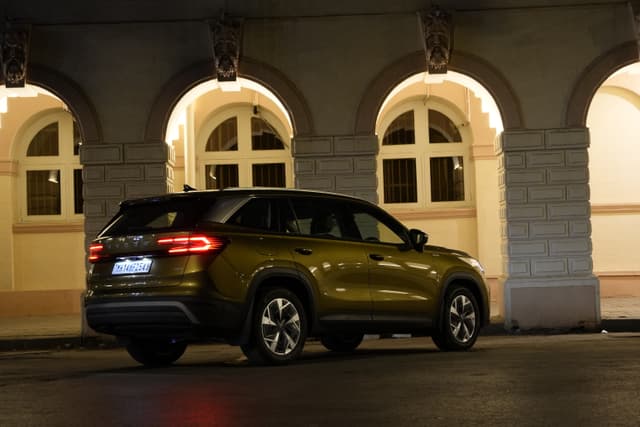
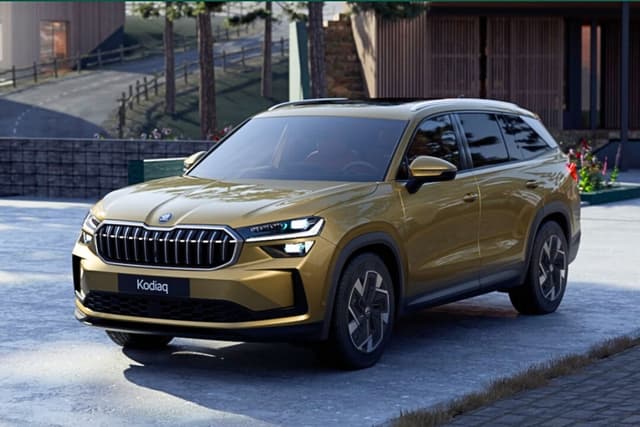
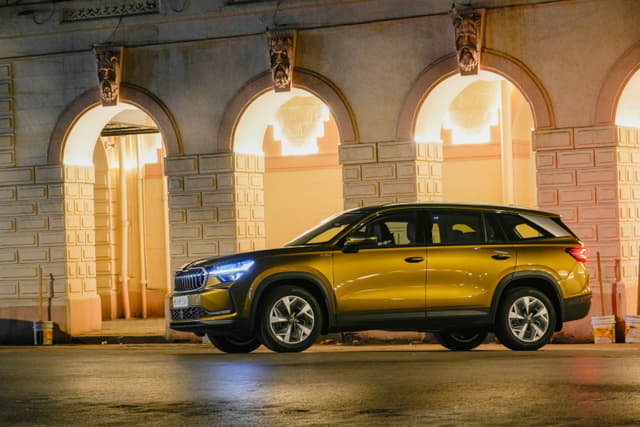
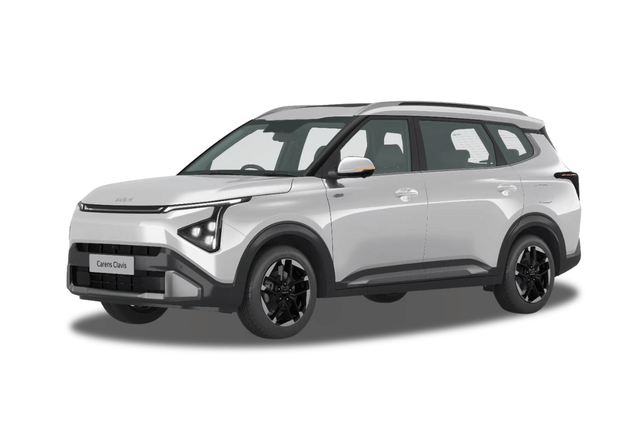
7 Seater Car | Hyundai Alcazar, Kia Carens Clavis, Skoda Kodiaq |


Find cars by body type


DCT Cars - FAQs
The full form of DCT is Dual-Clutch Transmission..
A DCT transmission uses two clutches to pre-select gears, giving faster and more responsive shifts than AMT, CVT or torque converter gearboxes
Hyundai Creta, Kia Syros and Volkswagen Tiguan are among the best DCT cars in India.
Yes, DCT cars under ₹10 lakh include the Hyundai i20, Kia Sonet and Tata Nexon.
The cheapest DCT car in India is the Tata Altroz, priced between ₹6.30 - ₹10.51 Lakh.
Hyundai Alcazar, Kia Sonet and Tata Nexon are some of the best diesel DCT cars available.
Alcazar, Verna and i20 variants are some of the popular Hyundai DCT cars.
Upcoming DCT transmission cars in India include the Skoda Superb, Volkswagen Tayron and Ferrari Amalfi.
The DCT engine car with the highest mileage is the Tata Altroz, delivering up to 27.8 kmpl.
DCT automatics with a 5-star safety rating include Tata Curvv, Kia Syros and Hyundai Verna.
Trending Questions on Cars - Answered by Autocar Experts
Hi, I currently drive a 2014 Maruti Suzuki Dzire Petrol and am planning to upgrade to a new SUV. My shortlisted options are the Kia Seltos HTX(A) DCT and the Mahindra XUV 7XO Petrol Automatic. My biggest concern with the XUV 7XO is its low fuel efficiency. My monthly running is less than 1,000 km, as I work from home, with a 60:40 city-to-highway split in the NCR. I also plan to use the new car for trips to the mountains, so it should offer strong performance, sufficient torque, and confident handling. I also test-drove the new Renault Duster and loved the driving experience, but I wasn't impressed by Renault's showroom and after-sales experience. Which of these would you recommend for my requirements?
Given your usage of less than 1,000km a month with a 60:40 city-highway mix in NCR, the Kia Seltos HTX(A) DCT is the better fit. The Seltos turbo petrol DCT is a strong performer with good mid-range torque, making it well-suited for mountain drives and highway overtakes. It also offers a more polished ownership experience with Kia’s wider service network and better dealership consistency, which is important for long-term peace of mind.The Mahindra XUV 7XO petrol automatic is a more powerful and larger SUV, but it is also heavier and less efficient, which is a concern given your low running. The Seltos strikes a better balance between performance, efficiency and ease of ownership. The new Duster is a genuinely enjoyable driver’s car, but as a package does not score well against the Seltos in terms of equipment and space.The Seltos HTX(A) DCT is the most sensible choice here.
I want an automatic car for my daily commute in Pune traffic. My daily running will be approximately 20 km for my office commute, along with occasional long trips on weekends. Considering the increasing ethanol blending and rising petrol prices, please suggest which option would be more practical for my usage. I am confused between Honda Amaze VX CVT and the Hyundai Venue HX6 DCT. I have heard that the 1.0-litre turbo DCT delivers significantly lower mileage than the CVT in traffic conditions like those in Pune.
For your usage, the Honda Amaze VX CVT is the more practical choice. Your 20km daily commute in Pune traffic means you need a car that is smooth, reliable and easy to live with, and the Amaze’s CVT gearbox is far better suited to stop-start conditions than the Venue’s DCT. The Venue HX6 DCT is a good car, but the 1.0 turbo petrol paired with a dual-clutch automatic of this Hyundai car is not the most efficient setup in heavy traffic, and the gearbox can feel a bit jerky at low speeds. The Amaze’s naturally aspirated petrol engine is also simpler and more predictable in terms of power delivery and mileage. This also helps with long-term ownership, and Honda’s reliability record is strong.On ethanol blending, both cars are E20-compliant and there is no official roadmap beyond E20, so it should not be a deciding factor. Higher ethanol blends will reduce fuel economy, but most cars are built with higher materials tolerances to handle slightly higher blends, should they be introduced. Honda, especially, has been at the forefront of compliance, being among the first brands to introduce E10 and E20 compatibility, well before their official introduction.The only reason to pick the Venue would be if you specifically want the SUV body style, a more feature-rich cabin or a more premium feel, but for your usage the Amaze is the better fit. The Venue HX6 DCT is also far more expensive than the Amaze VX CVT.
I have a strict budget of Rs. 12 lakh, and I'm looking for an automatic car, preferably with a DCT transmission in Kochi, Kerala. This will be my first car, and I don't have a lot of driving experience, so ease of driving is an important factor. My monthly running is around 500 km, with about 60% of it being in bumper-to-bumper city traffic. I'm primarily considering sub-4-meter SUVs. A reverse camera is a must-have feature for me, and after-sales service is also important. I recently test drove the Kia Sonet Petrol DCT and really liked it. However, I'd love to hear recommendations for other sub-4-meter SUVs in this budget. I'm also curious about the long-term reliability of DCTs. I've come across reports of jerking and drivability issues in heavy traffic after around 70,000 km. How common are these problems, and should they be a concern given my driving pattern, especially considering this will be my first car?
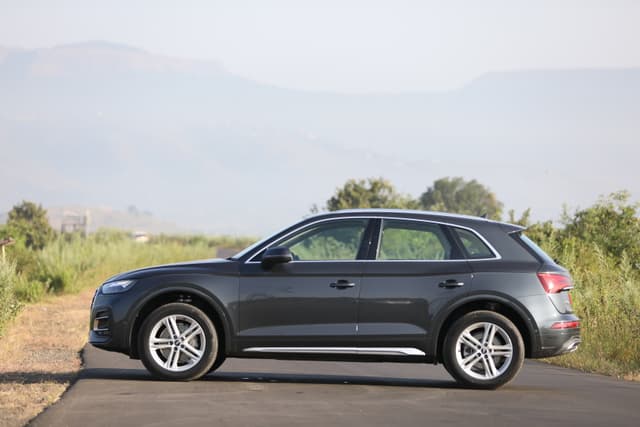
Given your budget and requirements, the Kia Sonet petrol DCT is actually a very sensible choice. This Kia car is one of the most polished sub-4-metre SUVs on the market, with a refined turbo-petrol engine, a well-appointed cabin and a strong aftersales network. The DCT gearbox is quick and smooth in normal driving, and the car is compact enough to be easy to manoeuvre in city traffic. The reverse camera is available on mid-spec variants, so you do not have to stretch your budget to the top-end model. The Kia Sonet price starts at Rs 7.40 lakh (ex-showroom). On the DCT reliability question, it is important to be realistic rather than alarmist. DCTs are fundamentally different from torque converter automatics. They use two clutches and can feel slightly jerky at crawling speeds, especially in stop-start traffic. Over very high mileages, clutch wear can become a factor, but this is not a widespread issue at 70,000 km if the car is driven sensibly and serviced on schedule. The Sonet's DCT is one of the better-tuned units in the segment, and for your monthly running of 500 km, it should not be a major concern. The key is to avoid excessive creeping on the brake and to shift to Neutral when possible.If you are open to alternatives, the Mahindra XUV 3XO petrol automatic is worth considering. This Mahindra car uses a torque converter automatic, which is smoother at low speeds and better suited to heavy traffic. The 3XO is also one of the most spacious sub-4-metre SUVs, with a wide rear bench and a strong safety rating. However, the boot is smaller than the Sonet's, and the overall cabin does not feel as premium.Given your requirements, the Sonet petrol DCT remains the best fit.
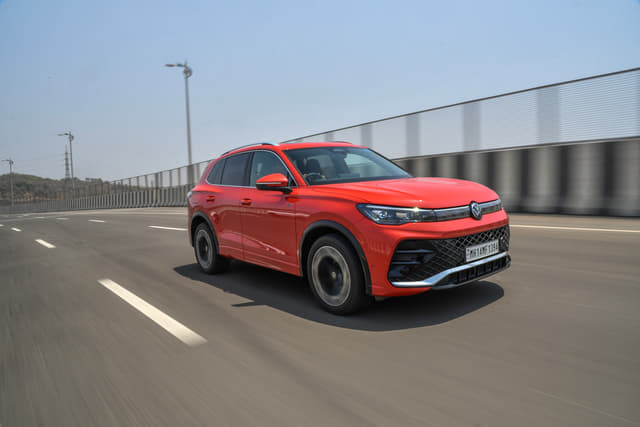
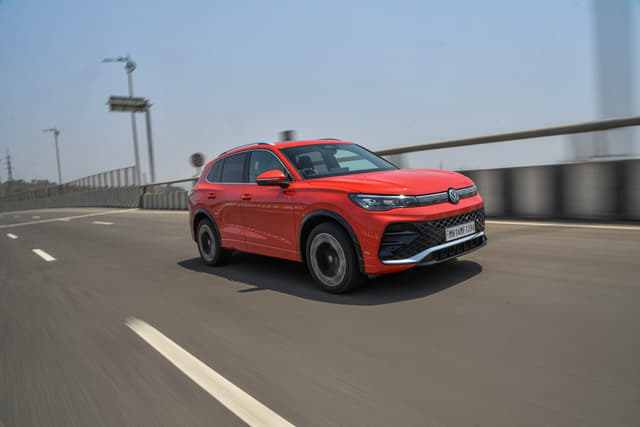
We are first-time car buyers from Warangal, Telangana. Both my parents, who are above 50 years of age, will be driving the car regularly, and nobody in our family has owned a car before. Around 60% of our usage will be on highways. We plan to keep the car for a minimum of 6-8 years. We also expect decent mileage, although we understand that both are turbo-petrol cars, so we are not expecting very high fuel efficiency. Between the Kylaq's torque converter and the Venue's DCT, which one is genuinely easier and less stressful to drive for a 50 years+ first-time driver in daily city traffic? For Kylaq Signature Plus AT owners, how is the automatic transmission performing in real-world city driving? Are there any complaints after a few months of ownership? We do have a Skoda dealership in our city, but we would like to know how smooth the actual service experience has been for owners in similar Tier-2 cities. Given that we previously cancelled our Venue HX8 DCT booking due to concerns about ethanol blending, which was priced at Rs. 16.1 lakh on-road, does going back to the Venue HX6 make practical sense, or are we just going in circles? I'm personally interested in the Kylaq, but the car will mostly be used by my parents. If any issue occurs, I want the service centre to be able to resolve it easily without troubling them too much or having the car remain at the workshop for weeks.
In your case, the Venue HX6 Turbo DCT is the better choice. The Hyundai Venue price starts at Rs 8.00 lakh and goes up to Rs 15.65 lakh (ex-showroom, Delhi).While the Kylaq is the more enjoyable SUV to drive and its torque converter automatic is smoother than the Venue's DCT in slow-moving traffic, your priorities are different. This will be your family's first car, both your parents (50+) will be driving it regularly, and you plan to keep it for 6-8 years. In that context, Hyundai's larger service network, more established ownership experience and easier support in a tier-2 city like Warangal give it the edge.The Kylaq's 6-speed torque converter is an excellent automatic petrol car and is likely to feel more natural than the Venue's DCT in bumper-to-bumper traffic. However, the Venue's DCT has matured over the years and is perfectly manageable with normal driving. On the highway, both cars perform well, but the Kylaq has the better ride and handling balance, making it the more rewarding car to drive.As for going back to the Venue after cancelling the HX8, it doesn't mean you're going in circles. The HX6 sits at a much better price point and represents stronger value for money than the HX8 did. Also, concerns around future ethanol blending shouldn't be the deciding factor today. E20 petrol will continue to remain the standard fuel for the foreseeable future, and manufacturers design their latest turbo petrol engines to run on it.
Dear Autocar, I’m looking for some advice on a dilemma that I haven’t been able to resolve. I’m replacing my 2015 Audi Q3 Diesel, which has been an excellent long-distance tourer for us. I haven’t test-driven the Alcazar yet, but I plan to do so shortly. My annual running is relatively low, so this isn’t a petrol vs diesel question from a fuel-cost perspective. Our typical usage is very long road trips (Mumbai-Goa and similar), often 8-10 hours at a stretch, with two adults (my wife and me), our Beagle, and lots of luggage. We also drive through highways, ghats, villages and city traffic, so the car needs to feel effortless and confidence-inspiring in every situation, especially while climbing steep ghats with a full load. I’m considering the Hyundai Alcazar, but I’m confused between: 1. 1.5 Turbo Petrol DCT 2. 1.5 Diesel AT (Torque Converter) If the petrol had a conventional torque-converter automatic, I would probably choose it without a second thought. My dilemma exists only because the petrol comes with a DCT, whereas the diesel gets a torque-converter automatic, which is generally considered smoother and more refined at low speeds. My priorities are, in order: - Overall refinement and cabin quietness - Smoothness of the transmission in city traffic - Effortless performance while climbing ghats with a full load - Long-distance comfort and relaxed cruising - Long-term ownership experience and reliability I am not looking for maximum fuel economy or the lowest running costs. I also have another dilemma regarding the seating configuration. Should I choose the 6-seater with captain seats or the 7-seater with the bench seat? My wife almost always travels in the second row during our road trips. She normally likes sitting in the middle seat because she enjoys the forward view. However, from the videos I’ve watched, the captain seats in the 6-seater appear significantly more comfortable and supportive for long journeys. Based on my usage, which powertrain and seating configuration would you recommend, and why? Thank you.
Between the 1.5 turbo petrol and 1.5 diesel Hyundai Alcazar, the diesel is the better fit for your usage. It offers strong low-end torque and a more relaxed, effortless character on long drives. Just as importantly, the 6-speed torque converter automatic is smoother and more intuitive in city traffic. In contrast, Hyundai-Kia DCTs tend to have a sharper engagement, which can feel slightly jerky at low speeds and in stop-go conditions.Do note that while the 1.5 diesel pulls well from low revs, its top-end performance is not particularly strong. With a full load, highway overtakes will require a bit more planning compared to the turbo petrol. That said, for your kind of driving, which prioritises ease, consistency and long-distance comfort, the diesel’s overall delivery and gearbox pairing work better.On seating, the 6-seater with captain seats is the more comfortable choice. The individual seats are better contoured, offer superior support, and the addition of armrests makes a noticeable difference on long journeys. Your wife will likely appreciate the enhanced comfort over extended hours on the road. The trade-off, of course, is the loss of the exact central seating position she prefers, but in the Alcazar, the front seats are not overly bulky, so forward visibility remains reasonably good.One alternative worth considering is the Mahindra XUV 7X0 diesel. It offers stronger performance, better refinement, and feels more effortless on highways, especially when fully loaded. The ride quality is also well suited to mixed road conditions. However, it is a larger vehicle than the Alcazar and can feel more cumbersome in tight urban environments.Overall, for your priorities, the Alcazar diesel with captain seats strikes the best balance of comfort, smoothness and ease of driving
Last Updated on: 8 Aug 2026