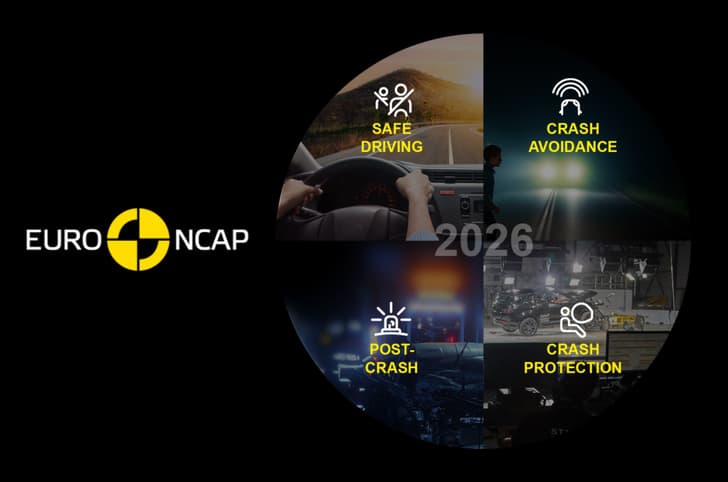
Euro NCAP has outlined significant updates to its vehicle safety assessment system, set to take effect in 2026. The new protocol is the organisation’s most extensive overhaul since 2009, designed to make testing more realistic and better aligned with real-world driving risks.
The updated framework will assess cars across four areas: safe driving, crash avoidance, crash protection and post-crash safety, with 100 points available in each category.
- More focus on real-world scenarios and driver distraction
- Physical buttons prioritised over touchscreen controls
- Tougher ADAS testing with fewer intrusive alerts
Safe Driving
Updated rules focus on reducing distraction and improving driver awareness
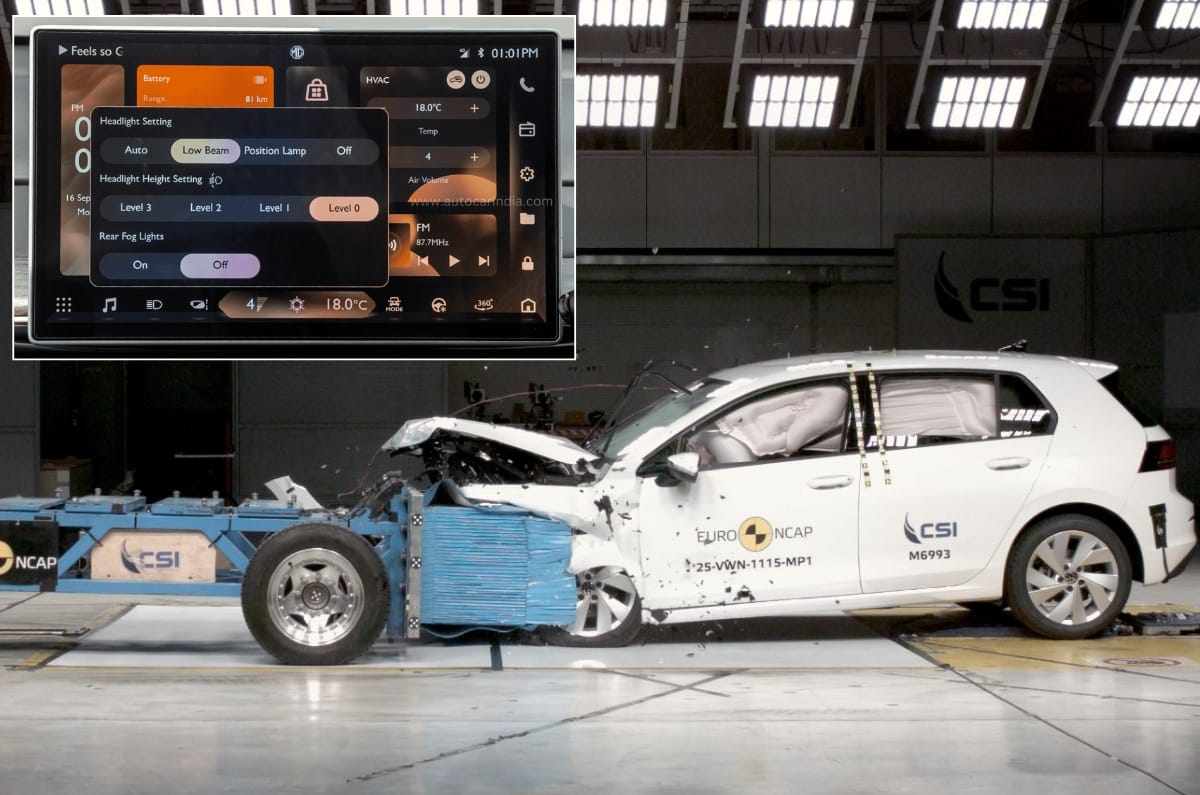
Under the 2026 Euro NCAP rules, cars will score higher if they use physical buttons for essential, frequently used functions. The scoring will look at how easy these controls are to reach and operate, as well as how clearly they are labelled. The aim is to reduce distractions caused by touch-heavy interfaces.
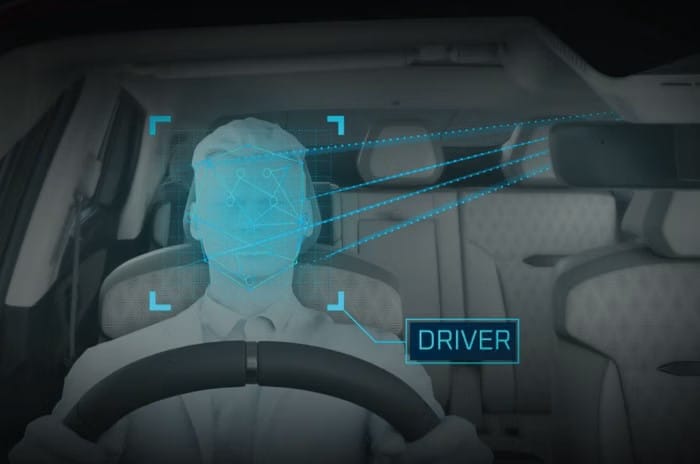
Driver-monitoring technology is also getting more weight. Systems that track eye and head movement continuously and adjust the behaviour of driver-assistance features based on this data will earn higher marks. Cars equipped with systems that can detect impairment from alcohol or drugs will receive additional points. If a driver becomes unresponsive, the vehicle should be able to slow and come to a controlled stop; this will further improve the safety score.
Seatbelt-usage detection will also be assessed more closely. Euro NCAP will also evaluate how well restraint systems and airbags adapt to different body types to ensure protection across a wide range of occupants.
Crash Avoidance
ADAS systems to be tested in more real-world situations
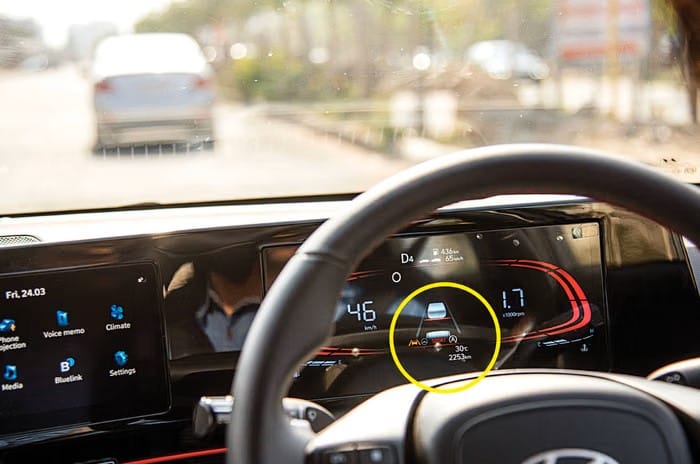
Core ADAS functions, such as lane support and autonomous emergency braking, will now be tested in a broader range of real-world scenarios involving pedestrians, cyclists and two-wheelers. The evaluation will check how consistently these systems respond in unexpected situations.
Cars will lose points if the ADAS features trigger sudden, unwanted or unpredictable actions, especially overactive lane-keeping or abrupt braking, which have been common complaints among users. Lane support features should work in a calm, consistent manner that does not disturb the driver.
Vehicles that can detect pedal misapplication will even get extra credit. For example, when the driver presses the accelerator instead of the brake. This will form part of a new low-speed collision test, which also checks for cyclist-dooring situations.
Crash Protection
Tests broadened to reflect more occupant sizes and risks
From 2026, Euro NCAP will use more sled testing and virtual simulations to cover a broader range of occupant sizes and age groups. It will help create a more accurate picture of injury risks for children, adults and older passengers.
Pedestrian protection testing will also be expanded, with greater focus on vulnerable impact zones around the windscreen base and bonnet edge.
Post-Crash Safety
Focus on access, rescue support and EV thermal protection
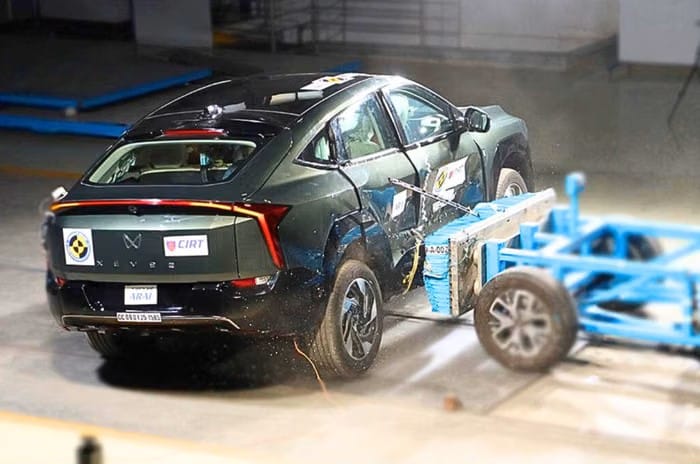
The new framework emphasises easier access for rescue teams. Electrically operated exterior door handles must remain functional after a crash, and emergency call systems must accurately report the number of occupants.
For EVs, the high-voltage battery must isolate automatically after an impact. Drivers should also receive warnings about any fire risks, helping reduce post-crash danger.
Bharat NCAP 2.0
India’s crash-test update to follow a similar direction
India is also preparing a major update to its crash-test programme, with the proposed Bharat NCAP 2.0 set to introduce stricter safety requirements and higher scores for stronger build quality and advanced safety tech. The new protocol is expected to come into effect in 2027.
Like with the 2026 Euro NCAP update, Bharat NCAP 2.0 will place greater emphasis on real-world conditions. The rating structure will expand to five assessment pillars, moving beyond the current focus on adult and child protection and basic safety assists.

 Dipan Sur
 Viraaj Bhatnagar