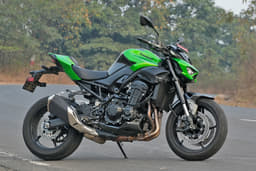

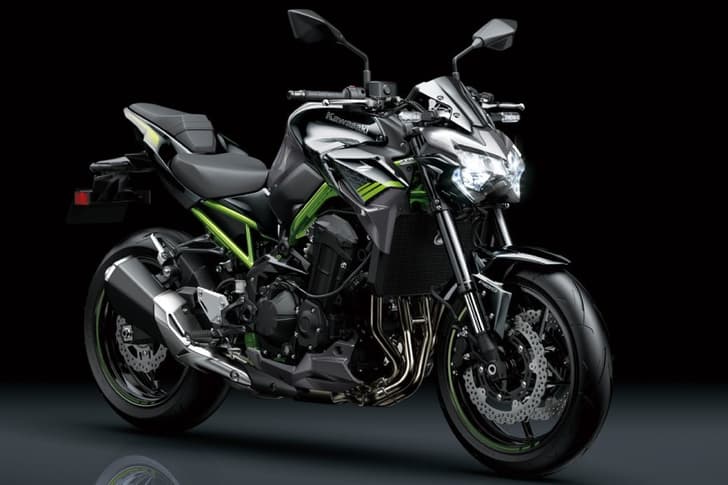
Kawasaki has revealed the updated Z900 for 2020 at the EICMA 2019. The new Kawasaki Z900 features revised styling – an evolution of Kawasaki’s Sugomi design – but more importantly, it finally gets traction control and rider modes, equipment that was absent in the earlier ABS-only Z900. It was the need of the hour as the Z900's competitors already offered these electronic rider aids.
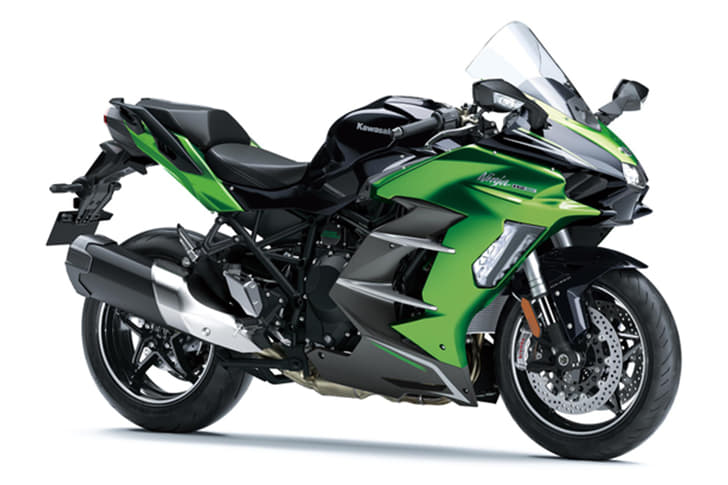
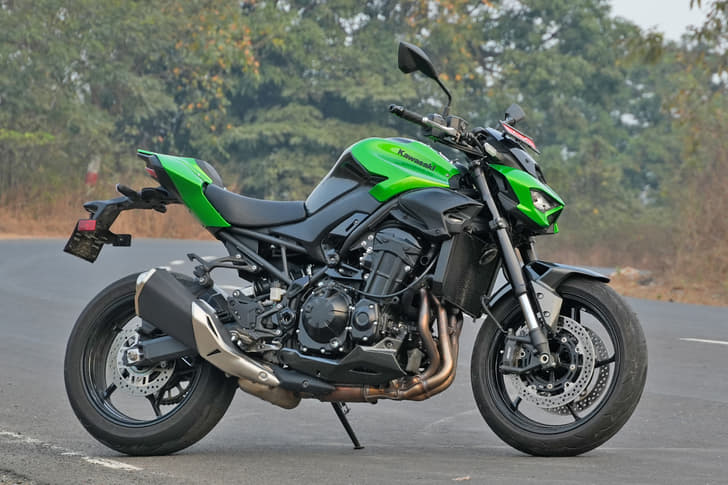
The new Kawasaki Ninja Z900 looks sharper and angrier than before and that’s courtesy of the new LED headlamp with integrated LED position lights and Kawasaki H2-inspired fangs underneath. The turn indicators are LED units too, while the tail-lamp is Z-shaped like before. The rest of the design is pretty much the same with minor tweaks to the tank extensions and the tailpiece; the highlight is the partly exposed steel trellis frame, finished in a rather fetching shade of green.
The 948cc, liquid-cooled, inline-4 engine produces 125hp at 9,500rpm and 98.6Nm at 7,700rpm, identical to what the engine in the previous motorcycle produced. That’s great considering that the engine in the 2020 model is Euro5/BS6 compliant. The motor is paired to a 6-speed gearbox.
As mentioned, the 2020 Kawasaki Z900 gets a host of riding aids that includes 3-level Kawasaki Traction Control (KTRC) and two power modes - Low and Full. The Low power mode chops power to 55 percent of the available 125hp, which makes it useful while riding in slippery conditions, like on rain-soaked roads. In addition, the new Z900 also gets four riding modes – Sport, Road, Rain and Rider, with the latter allowing the rider to set the systems as per preferences. This can be done via the new TFT instrument panel interface that also features Bluetooth connectivity, allowing users to pair their smartphone using the Kawasaki Rideology app.
The front and rear suspension units are the same as before, with the rear shock absorber mounted horizontally for better mass centralisation. Interestingly, the 2020 Z900’s specification sheet states that seat height has gone up from 795mm to 820mm. Also, the new Z900 is slightly longer and taller, at 2,070mm and 1,080mm, respectively. Kawasaki has also increased the wheelbase by 5mm to 1,455mm and the ground clearance as well from 130mm to 145mm. And despite the slight increase in dimensions and Euro5/BS6-compliant engine, at 210kg (kerb), the 2020 Kawasaki Z900 weighs as much as the previous model.
The braking set up is also the same as before with 300mm twin discs at the front and a single 250mm disc at the rear.
The 2020 Kawasaki Z900 will go on sale in India next year, and considering the additional equipment, we expect a slight bump in price.
 Ved Janve
 Vishal Venugopal
 Dinshaw Magol