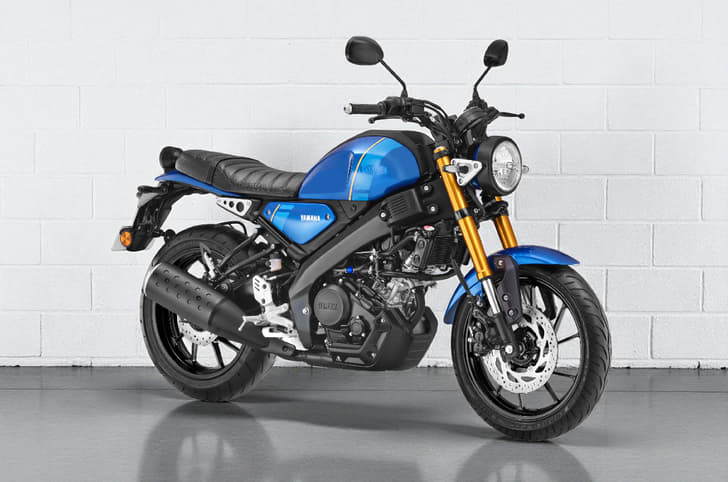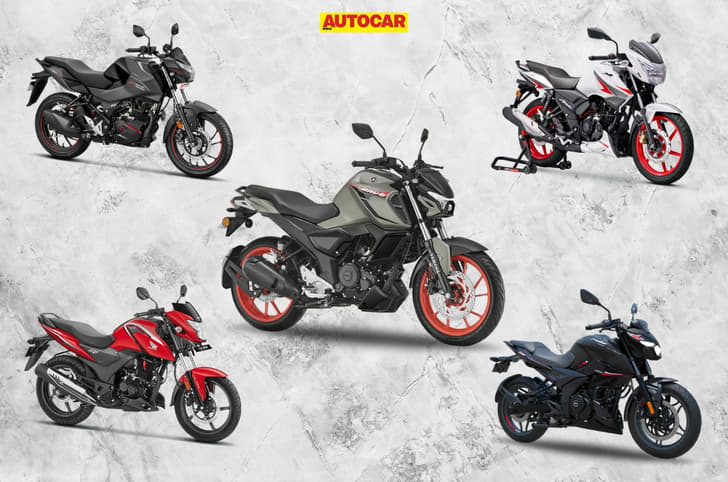
The Yamaha FZ-Rave is the latest addition to the brand’s FZ line-up and marks a fresh attempt to make an impact in the fiercely competitive 150-160cc segment. Most of what the bike offers is familiar and shared with the FZ and FZ-S, but there are a few cosmetic changes that may appeal to a wider audience.
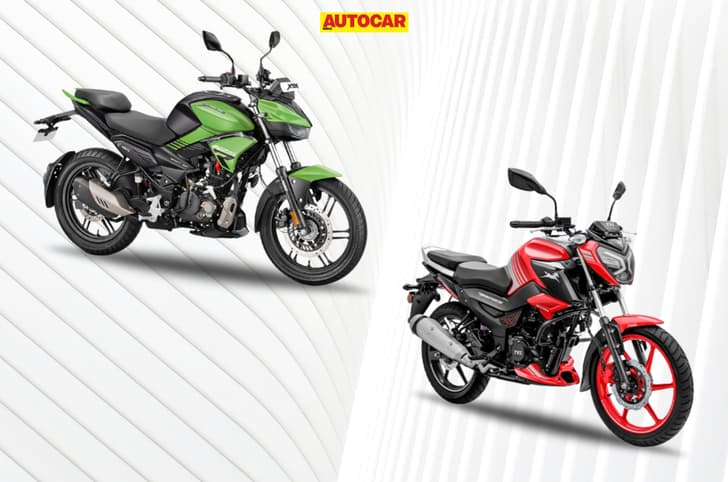
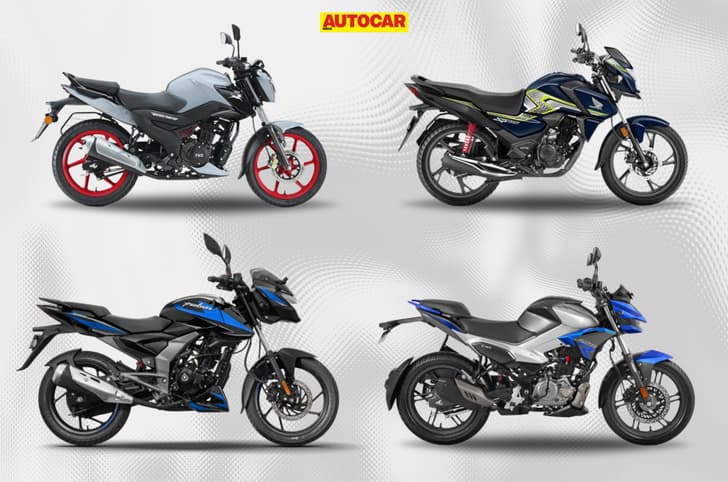
Still, it enters a segment filled with strong contenders like the Hero Xtreme 160R, TVS Apache RTR 160 2V, Honda SP160 and Bajaj Pulsar N160. Here’s how they compare, at least in theory.
Yamaha FZ Rave vs Hero Xtreme 160R vs TVS Apache RTR 160 2V vs Honda SP160 vs Bajaj Pulsar N160: Engine and output
The Apache RTR 160 2V makes the most power
All five motorcycles here use air-cooled engines with a simple SOHC architecture. The FZ-Rave has the smallest displacement, which is reflected in its output as well, as it makes the least power and torque on paper. In contrast, the Apache RTR 160 2V, despite being one of the oldest models in this group, leads the pack with 16.04hp – only marginally ahead of the Pulsar N160.
Torque figures show less variation. The Honda SP160 makes the most, while the FZ-Rave produces around 1.5Nm less. However, both the FZ-Rave and SP160 deliver peak torque much earlier in the rev range than their rivals, which should translate to better low-end performance in city use, where these bikes will spend most of their time.
Yamaha FZ Rave vs Hero Xtreme 160R vs TVS Apache RTR 160 2V vs Honda SP160 vs Bajaj Pulsar N160: Weight and dimensions
FZ-Rave is the lightest; Pulsar N160 is the heaviest
Yamaha FZ Rave vs Hero Xtreme 160R vs TVS Apache RTR 160 2V vs Honda SP160 vs Bajaj Pulsar N160: Suspension, brakes and tyres
The Pulsar N160 gets USD fork on top variant
All bikes use a telescopic fork and monoshock setup on their base variants. However, the Pulsar N160 stands out by offering a USD fork on its top-spec variant but at a premium of roughly Rs 14,000 over the base model. The FZ-Rave and Pulsar N160 are also the only two bikes here that do not offer a rear drum brake option.
Single-channel ABS is standard across the base variants of all five bikes, while the Pulsar N160 and Apache RTR 160 2V also offer dual-channel ABS variants.
The FZ-Rave runs a wider 140-section rear tyre, compared to the 130-section tyres on most rivals. This should give it slightly better grip, stability and, importantly, a more muscular profile from the rear.
Yamaha FZ Rave vs Hero Xtreme 160R vs TVS Apache RTR 160 2V vs Honda SP160 vs Bajaj Pulsar N160: Features
Features vary significantly across variants
This is where the differences between the models become the most noticeable. The FZ-Rave is offered in a single variant, and its key features include a negative-LCD display and single-channel ABS, which is largely what the Hero Xtreme 160R has to offer as well.
The RTR 160, on the other hand, comes in six variants with varying features as you go up the range. The top-spec versions get dual-channel ABS, a Bluetooth-enabled digital console with TVS SmartXonnect, three ride modes (Urban, Rain and Sport) and Glide Through Technology (GTT) that makes city riding easier.
The Honda SP160 is the only one here to offer a 4.2-inch TFT display with Bluetooth connectivity. Paired with the Honda RoadSync app, it supports turn-by-turn navigation, call/SMS alerts and real-time efficiency data.
The Pulsar N160 gets a Bluetooth-enabled digital cluster and three ABS modes (Road, Rain and Off-road).
Yamaha FZ Rave vs Hero Xtreme 160R vs TVS Apache RTR 160 2V vs Honda SP160 vs Bajaj Pulsar N160: Price
The Hero Xtreme 160R is the most affordable bike here
The Hero Xtreme 160R undercuts all its rivals by a fair margin. The FZ-Rave sits right in the middle of the segment in terms of pricing. Compared to similarly priced variants of the Apache RTR 160 and Honda SP160, the FZ-Rave offers similar hardware and features on paper.
The real question is whether that’s enough to justify its noticeable performance deficit. That said, the FZ platform is tried and tested, and its build quality, lighter weight and city-friendly nature may still make the FZ-Rave an appealing, reliable and easy-to-ride option.
 Ved Janve
 Stephen Raj Antony