Indian Gen X – the Tata Sierra is back, awesome! Indian Gen Z – Tata has launched a new SUV named Sierra. Interesting.
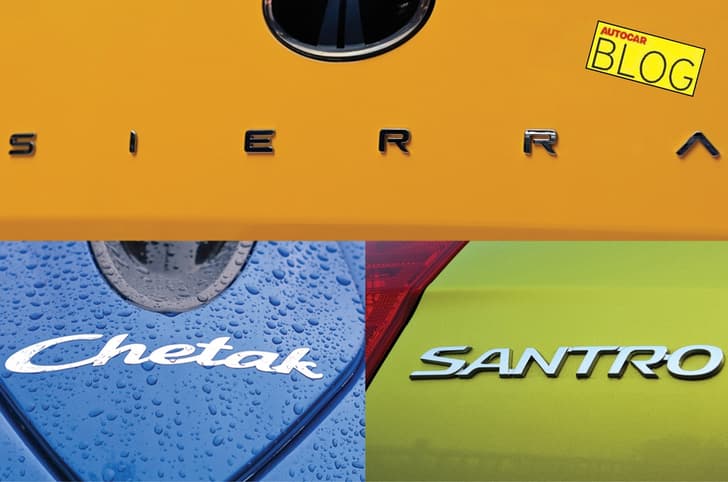
To the older generations, the Sierra has been relaunched after more than three decades, whereas for the younger – and still car-buying generations – it is a fresh introduction. Yes, they do hear a lot of chatter amongst ‘older’ people about how it disrupted the Indian automobile scene and so on, but really do not have any ‘reference’ except for stories. Similarly, when Bajaj brought in the Chetak in 2020 in a new avatar after almost 14 years, some celebrated its reincarnation, while others simply saw one more electric 2W entrant.
Why do relaunches happen? And do all work?
The reasons are not the same for each case, and they vary across cultures and markets. Given my little research, I find five reasons for a relaunch.
Legacy. This is the single biggest reason. A once great brand needs to be revived to cater to a similar segment that it once enthralled. Or maybe the segment then, after all these years, needs a similar solution now. The Fiat 500 is a great example. So is the Alpine. Jawa is also attempting the same.
Contemporise. A once powerful brand can be back in a new avatar, catering to a new segment while pulling at the heartstrings of the previous one. Almost a double whammy. The Bajaj Chetak is a very good example. My favourite is the Citroën Ami.
Portfolio. Reviving a brand can help you expand your offering without risking stretching your brand promise too far away from what your core values are. So, TVS, for example, can fight more ‘premium’ brands with the Norton in any market.
Flanking. This is a strategy where you can offer multiple products in the same price band to stonewall competition. Reviving a brand that you had withdrawn once might actually help. Or might not, as in the case of the relaunched Hyundai Santro in 2018. It had to go just four years later.
Pedigree. An old ‘premium’ brand driven by provenance can be revived as a market-entry strategy for an automaker. This allows you to get in at the upper end, either to milk a market’s obsession with anything coming from your country or to create the halo and showcase for the rest of your portfolio to encash upon. Volkswagen did it with Bugatti. Mercedes-Benz did it with Maybach. The first is simply a showcase. The second had to be watered down. And then there was yet another German brand called Borgward that got revived in 2010 after almost half a century to sink without a trace very soon.
We Indians do not think much about legacies and pedigrees. So, the more marketers and product planners stay away from such reasons, the better the chance a brand revival has of market success. The product must deliver on merit, the similarity in the name is purely coincidental!

 Uday Singh

 Dipan Sur


 Glenn Noronha