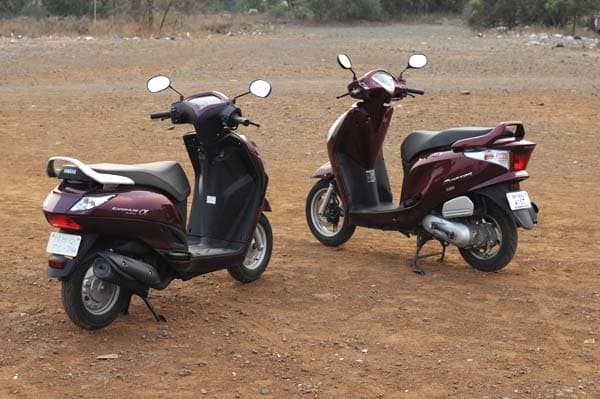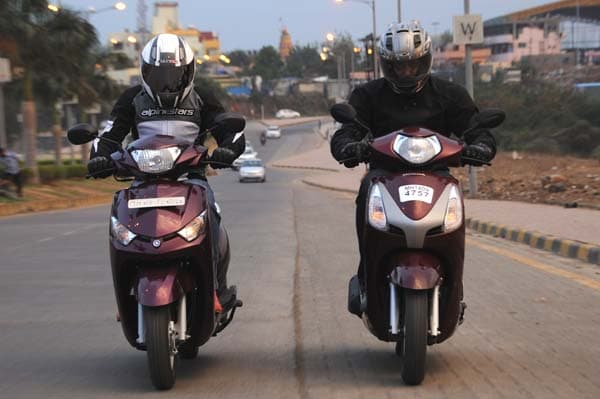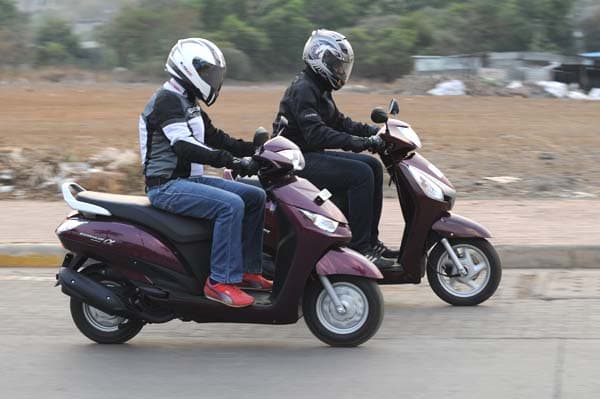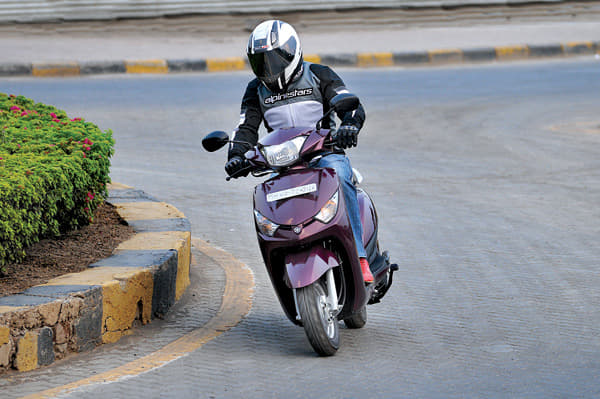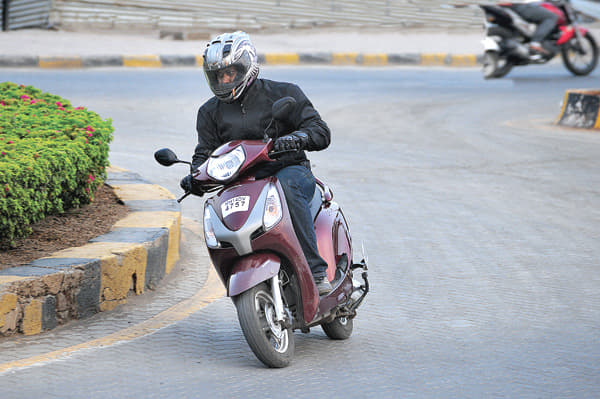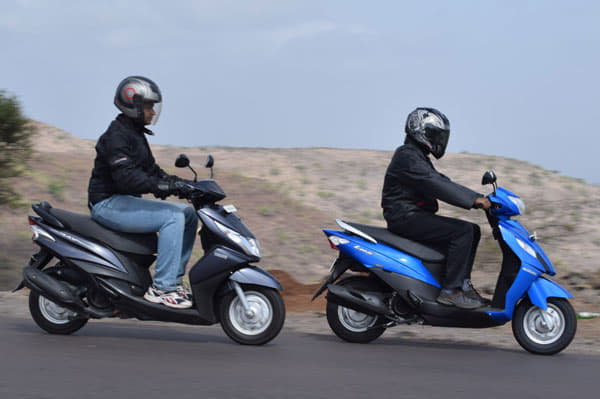
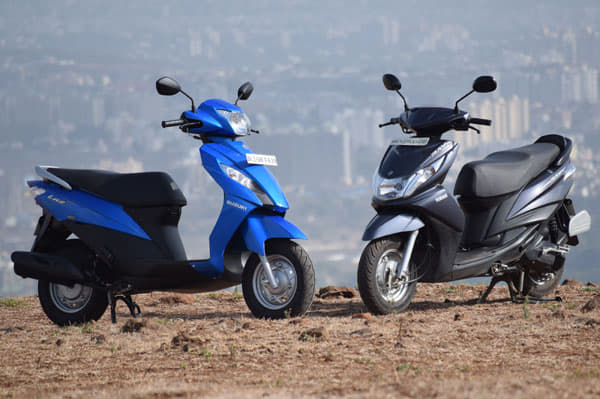
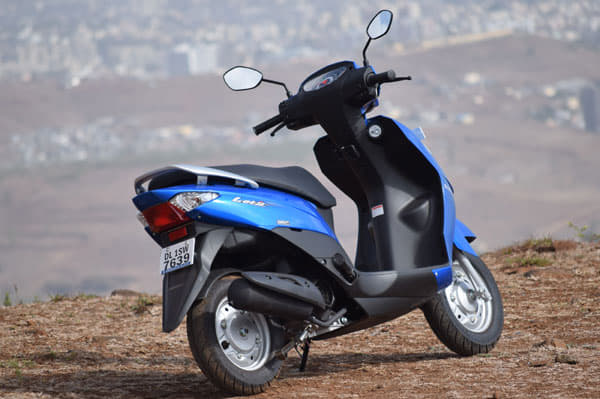
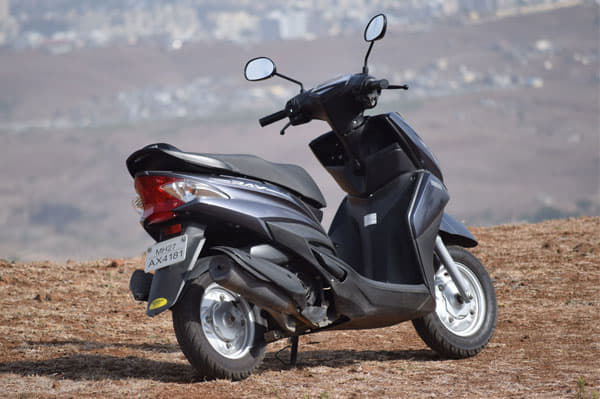
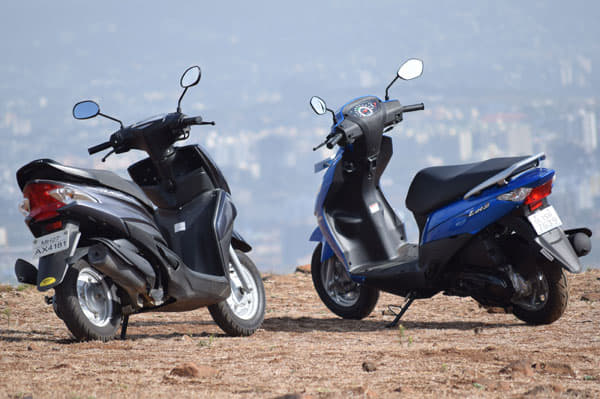
Suzuki has been around since 2004 in India, playing hard ball in the 125cc segment ever since. It is after 10 years of a presence here that the company has made a move towards the 110cc segment, with its Let's scooter, showcasing petite dimensions, plastic body panels and Suzuki typical styling. Meanwhile, Yamaha has been gobbling up sales in the scooter segment with the sharp looking Ray, right since the time it made its debut in India back in 2012. Both rival scooters target the same customers, trend young guys and gals, and come with similar displacement powerhouses. We find out which one of the two can side-line the other?
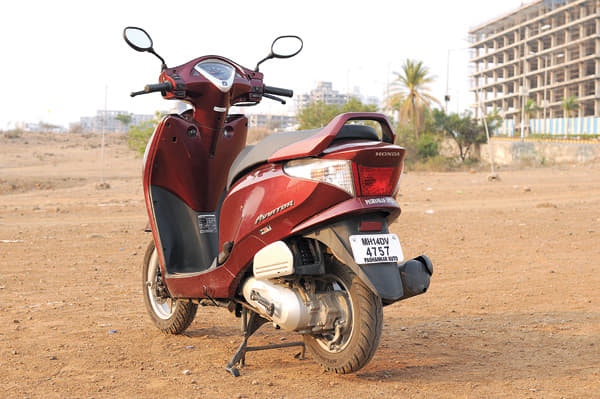
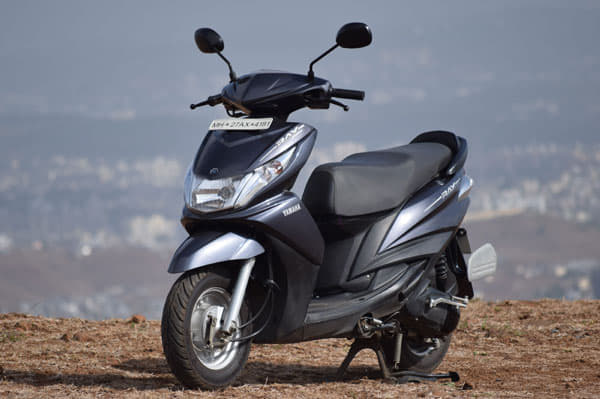
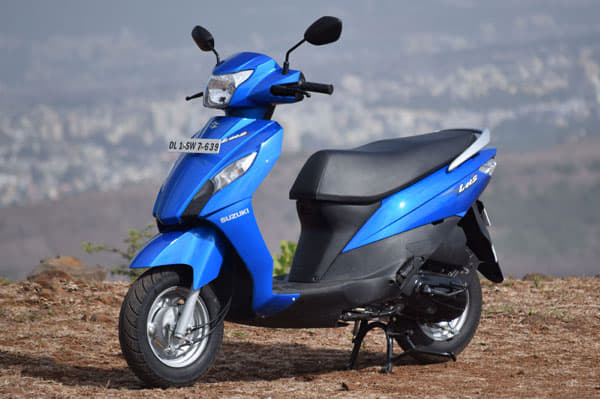
Both, the Let's and Ray are built keeping the fairer sex foremost in mind, and look modern, smart and trendy. Styling on the Let’s is fresh but relatively sober, easily recognizable though as a Suzuki with conservative body lines. The Ray is clearly sportier and youthful, with a nice flair thanks to sharp lines that give it a distinct look.
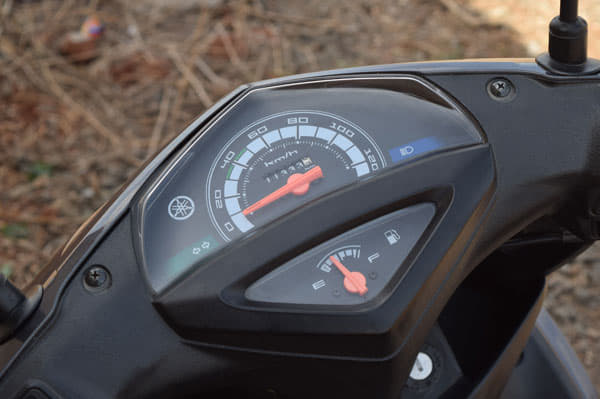
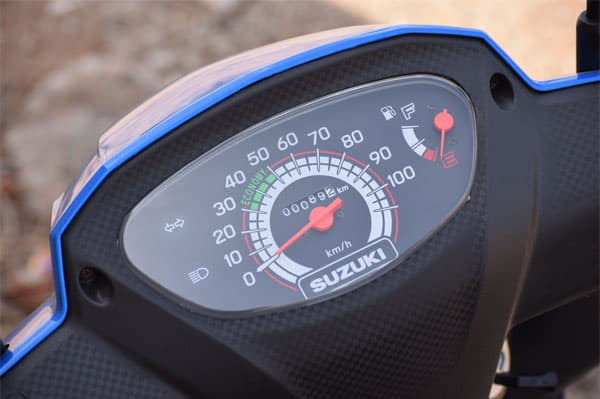
The Let's gets a halogen powered headlight with a useful pilot lamp placed on the handlebar, while the Ray has a smarter looking headlight cluster with indicators that sit flush in the front apron, providing bright visibility at night. Vertically set indicators on the Let's get deeply cut silhouettes finished in black on the front apron. Both scooters come with neatly arranged instruments that are legible on the go, including a speedometer, odometer and fuel-gauge, wherein the Ray's cluster looks a bit more stylish.
Switchgear on both these Japanese scooters feels built to last, similar to the rear view mirrors that are well placed to offer clear visibility behind. Yamaha offers slightly better palm grips in comparison to the ones found on the Suzuki. The Let's gets a solid feeling brake lock clamp that operates perfectly, whereas Yamaha has failed to provide the Ray with this much needed safety feature.
 Ved Janve
 Rishaad Mody
 Vishal Venugopal
 Deepak Pachauri