Diesel Automatic Cars in India (43)
Discover the best Diesel Automatic Cars. Our comprehensive guide covers detailed specifications, expert reviews, pricing information, and buying advice for Diesel Automatic Cars. Find the perfect cars that matches your requirements and budget.


Trending Questions on Cars - Answered by Autocar Experts
I'm planning to buy a new car with an on-road budget of up to Rs. 30 lakh in India. I want a car that offers excellent comfort, low running costs, and a relaxed driving experience for my daily commute. 1. My Driving Profile -Average monthly driving: 2,500 km -Driving conditions: 60% suburban roads and Highway and 40% city traffic -Long-distance trips: One or two trips per month -Current car: 2017 Maruti Suzuki Baleno, manual transmission 2. Comfort and Ergonomics I'm approximately 6 feet tall and currently experience fatigue and leg pain during my daily commute in my manual Baleno. My top priority is to find a car with: -An automatic transmission for easier driving, especially in traffic. -Excellent front-seat comfort and adequate legroom. -Good driving posture, lumbar support, and adjustable seating. -A comfortable suspension setup for daily commuting and long journeys. -Low cabin noise and minimal driver fatigue. 3. Running Costs and Powertrain -Low running costs and excellent overall energy efficiency are important. -I have charging facilities available at home, so I'm open to considering an electric vehicle (EV). -I'm also willing to consider petrol, diesel, or hybrid vehicles if they offer better overall value. -I want to compare energy or fuel costs, maintenance, insurance, and long-term ownership costs. 4. Family Requirements -The car will primarily be used for my daily commute. My family occasionally travels with me, so rear-seat comfort is also important. -I'm open to both 5-seater and 7-seater options, provided the car meets my comfort and cost requirements. 5. Budget and Ownership -Maximum on-road budget: Rs. 30 lakh -I want a reliable car that offers good value for money over long-term ownership. -I plan to use the car for several years, so durability, battery longevity (for EVs), resale value, and total cost of ownership matter. Please suggest a car.
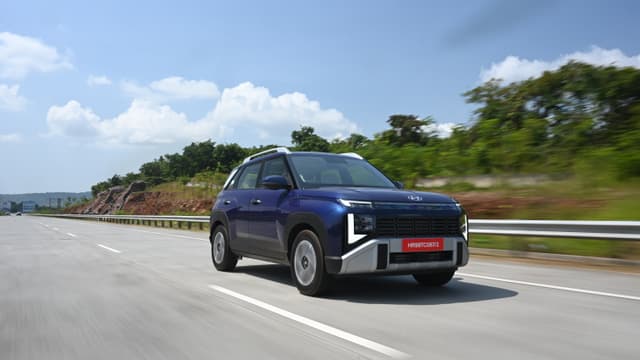
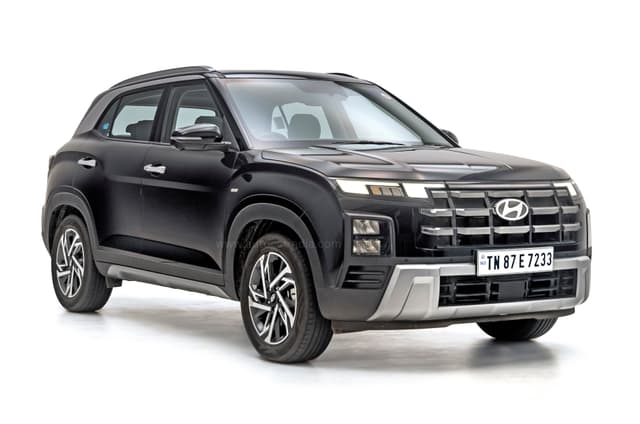
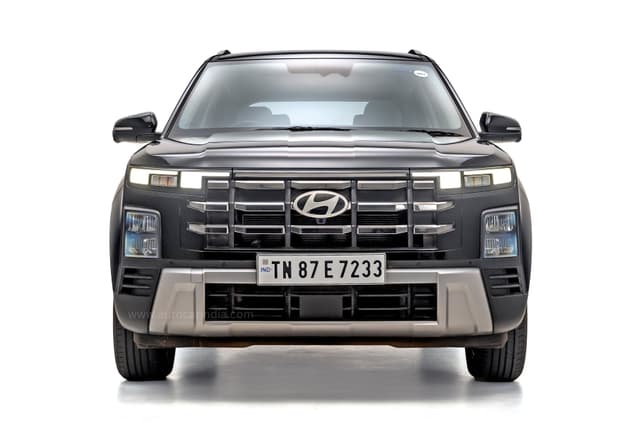
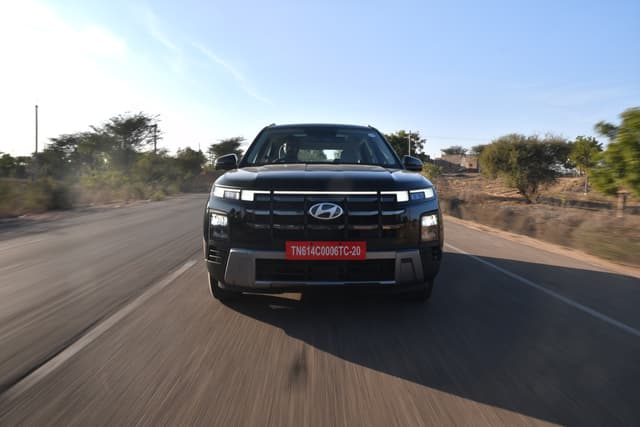
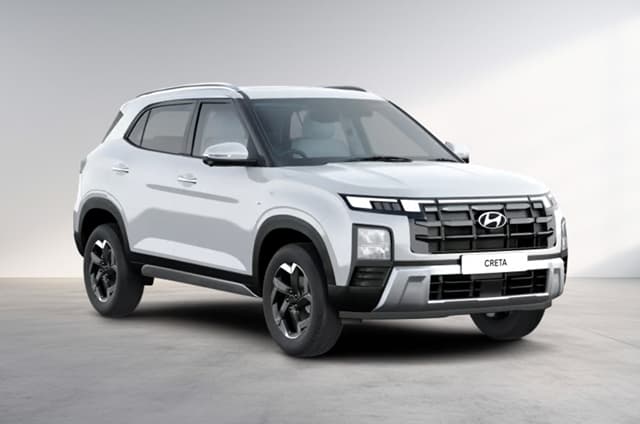
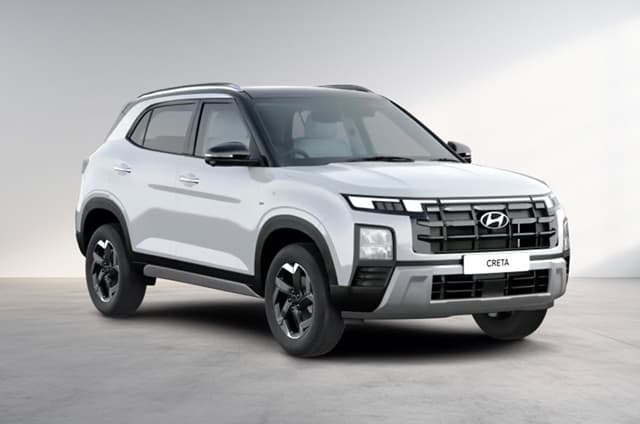
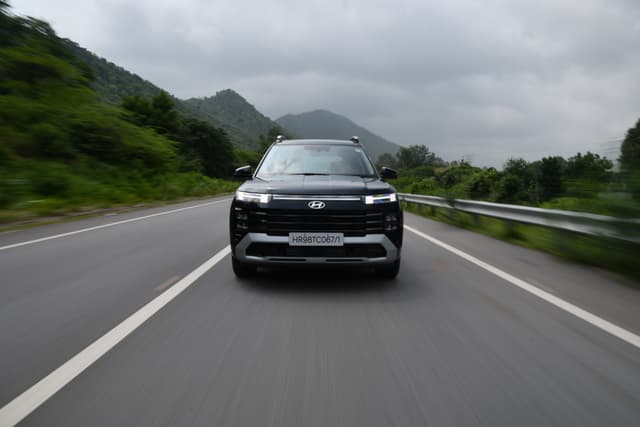
Based on your requirements, the Hyundai Creta Electric is a solid choice. With a 2,500 km monthly running and home charging available, an EV makes strong financial sense, and the Creta Electric stands out for its comfort, refinement and ease of ownership. The front seats are well-cushioned with good lumbar support, the driving position is comfortable for taller drivers, and the suspension is well-tuned for both city and highway use. The cabin is quiet, the ride is comfortable, and the overall driving experience is relaxed and effortless, which will significantly reduce fatigue compared to your Baleno. Running costs are low, maintenance is minimal, and Hyundai's service network is strong. The Creta also offers a spacious rear seat and a practical boot, making it suitable for occasional family trips. If you prefer a petrol option, the Kia Seltos 1.5 IVT automatic is the best alternative. It offers excellent seat comfort, an efficient engine, and a comfortable ride, but the Creta Electric is the better long-term ownership proposition given your usage pattern.
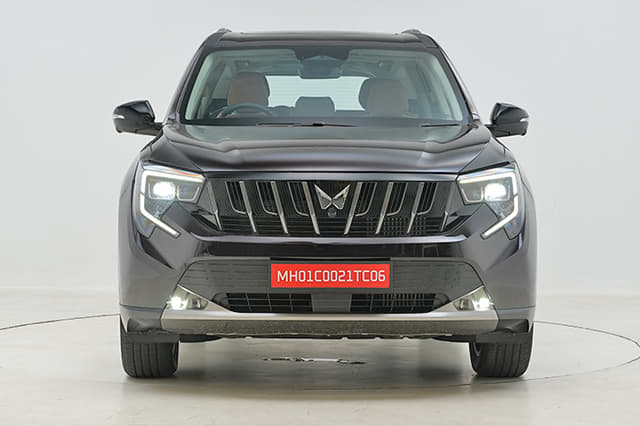
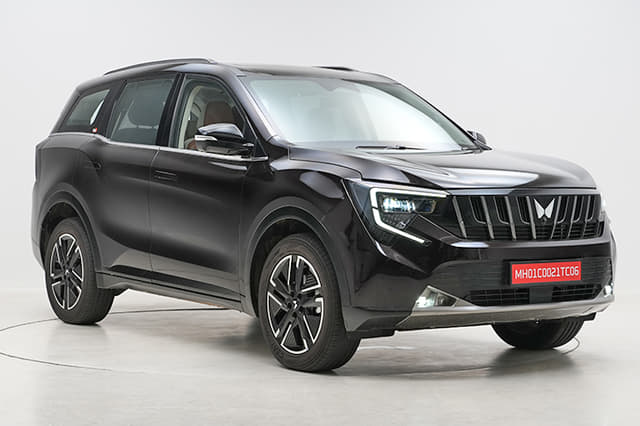
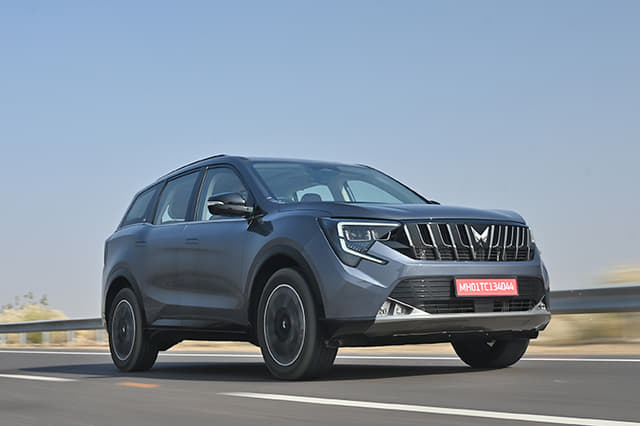
We are a family of 4 and our usage is limited to 10-12,000 km annually which involves 60:40 city-highway usage. Our trips always have a couple of more members joining us. I like the XUV 7XO (diesel) automatic but I am not too sure about its longevity since I would like to own this car for 8-10 years. I considered the Alcazar but I felt the 2nd row is slightly narrow compared to the 7XO. Also, as a car that costs as much as the 7XO isn't nearly as powerful either. Are these my only options? I know my usage may not need a diesel but I would like to own one while these are still available, so I don't mind the delta in price. Also, with the E20 petrol, the performance and efficiency of my current S-Cross has seen drastic difference. I would like the car to be engaging to drive and also reliable with a fuss free ownership. Could you guide me on this please? Thank you.

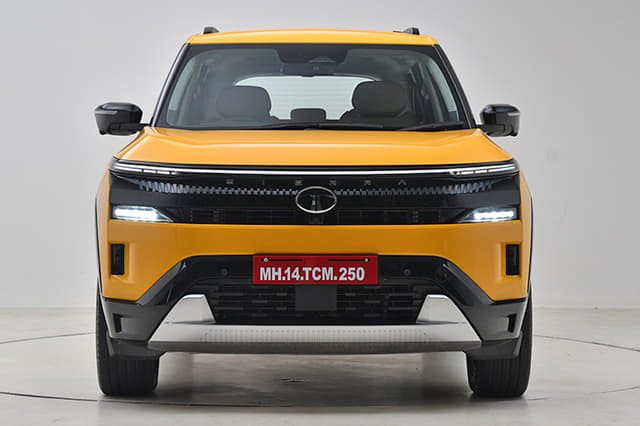
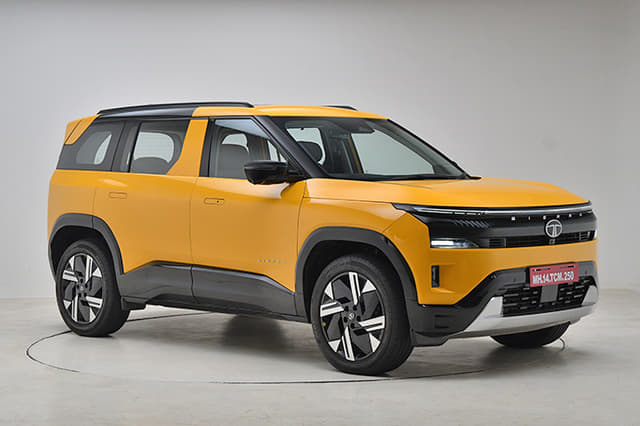
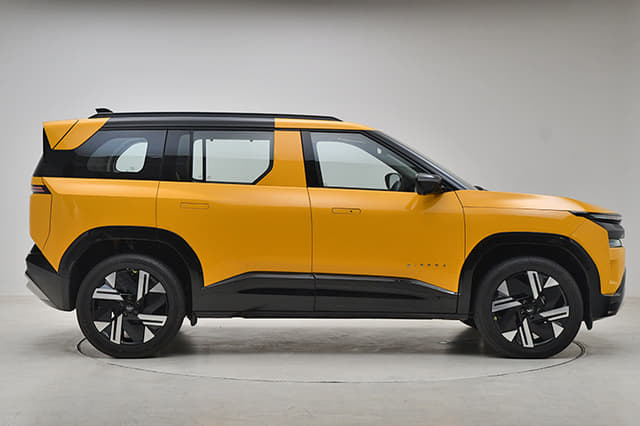
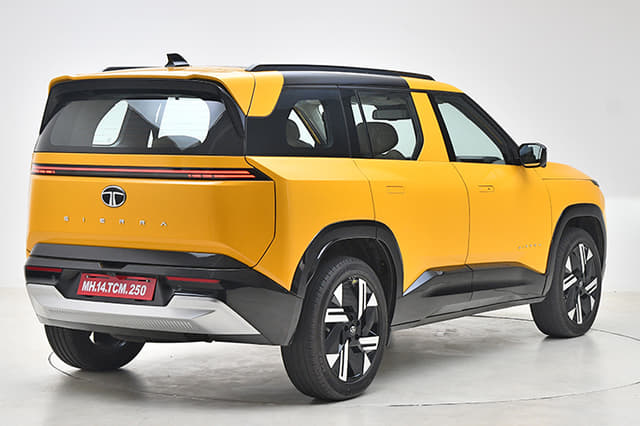
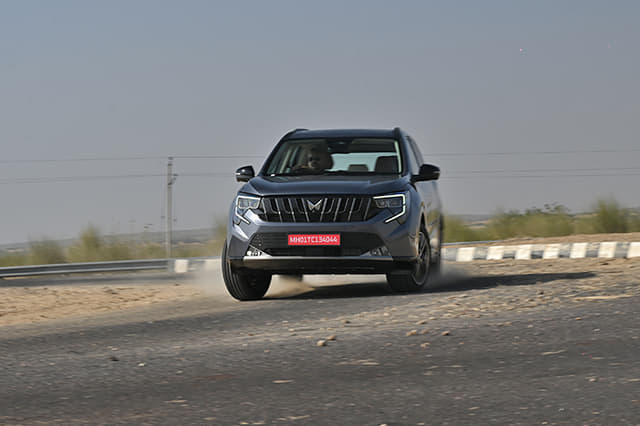
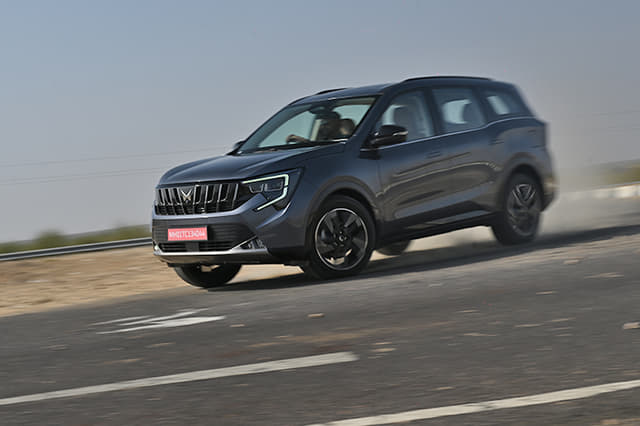
Go for the Mahindra XUV 7XO diesel automatic. Your usage of 10-12,000 km a year with a 60-40 city-highway split does not strictly demand a diesel, but your preference for owning one while they are still available is valid, and the XUV 7XO diesel is one of the best diesel powertrains in the segment. It is strong, refined and well suited to highway touring, which aligns with your occasional long trips with additional family members.The XUV 7XO is also one of the most engaging 7-seater SUVs to drive, with good performance and a well-sorted chassis. The second row is genuinely spacious, and the third row is usable for occasional passengers, which is important given your family of four plus two additional members on trips. On longevity, Mahindra has made significant improvements in reliability and ownership experience over the past few years, and the XUV 7XO is a mature product. As long as you maintain it well, there is no reason it cannot be a reliable 8-10 year ownership proposition.If you are open to alternatives, the Tata Sierra is worth a look. It is spacious, comfortable and feels premium inside, but the diesel engine is not as strong nor as refined as the Mahindra's. Overall, the XUV 7XO diesel automatic is the best fit for your requirements. It offers the right balance of space, performance, driving engagement and long-term ownership potential.
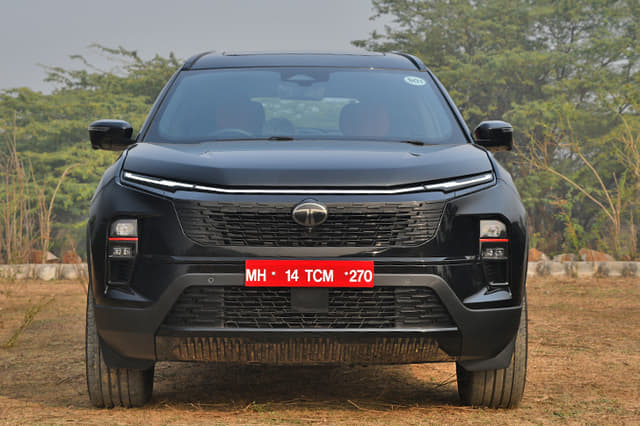
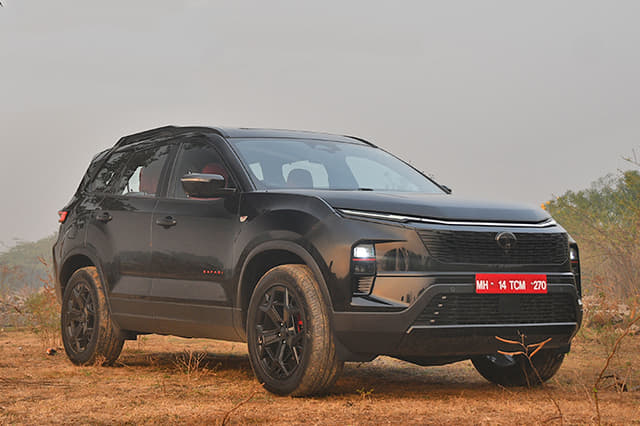
Hi Autocar Team, I am planning to buy the Tata Harrier by selling my 2021 Tata Nexon petrol XZ+ (O) Dark Edition, which has covered 30,000 km. I am confused about whether to choose the Harrier petrol or diesel. With the government introducing stricter emission norms, will buying a diesel car be a viable option in the long run? If I choose diesel, should I go for the manual or automatic transmission? Which gearbox is more durable? If I choose petrol, can I expect decent mileage from such a heavy car? Please advise.
We would recommend the Harrier diesel automatic if you do substantial highway driving or cover over 15,000km annually. If your usage is mainly within the city and your annual running is low, the petrol automatic is worth considering, although its fuel bills will be considerably higher than those of your Nexon petrol.The stricter emission norms coming into effect from April 2027 are fleet average fuel efficiency targets for manufacturers, not a ban on diesel cars. The diesel therefore remains a viable option, particularly if you intend to keep the Harrier for several years and regularly undertake long journeys. Fuel efficiency is the petrol Harrier's biggest drawback. In Autocar India's test, the petrol automatic returned 6.17kpl in the city and 12.49kpl on the highway, against 9.6kpl and 14.4kpl respectively for the diesel automatic.The automatic is more convenient in traffic, while the manual diesel offers slightly better efficiency. Neither gearbox should be chosen on durability assumptions alone.
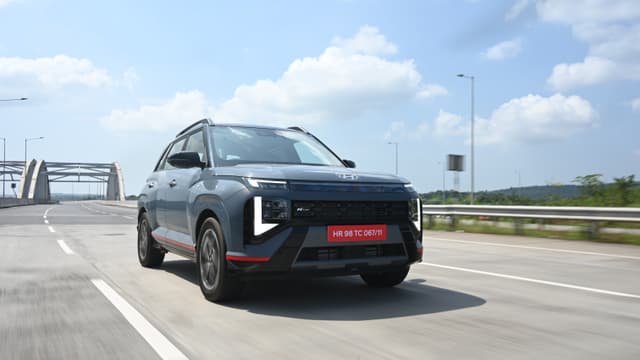
Hi Autocar team, I am planning to buy the Hyundai Creta automatic but am confused between the petrol and diesel versions. I currently own a Swift diesel and drive around 10,000km a year, with a mix of city and highway use. I usually take 300-600 km trips every one or two months, along with occasional longer drives with family or friends. My city use includes hospital visits, school pickups and drops, shopping and family occasions. I am worried about DPF issues with diesel and petrol mileage. Which should I choose?
Go for the Hyundai Creta petrol automatic. With around 10,000 km a year and a genuinely mixed usage pattern, petrol is the safer and more sensible choice. Diesel will give you better fuel economy on your longer highway runs, but with your annual running, the savings are unlikely to justify the higher upfront cost and the potential hassle of DPF-related issues, especially given your city usage. Modern diesel cars are far better than they used to be, but short city runs and stop-start traffic can still cause the DPF to clog over time if the car is not regularly driven at sustained speeds.The petrol automatic is smooth, refined and well suited to your city driving, school runs and hospital visits, while still being perfectly capable on your longer highway trips.
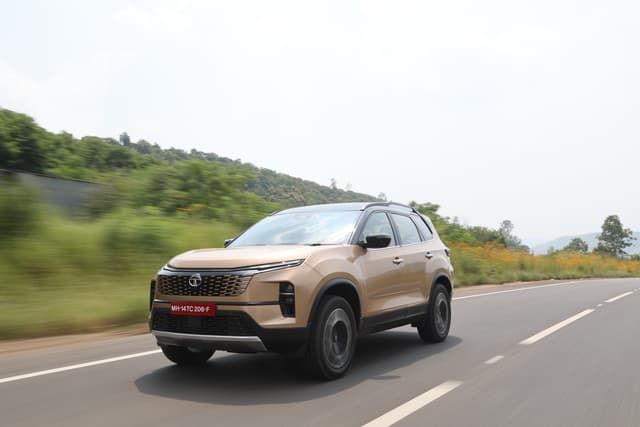
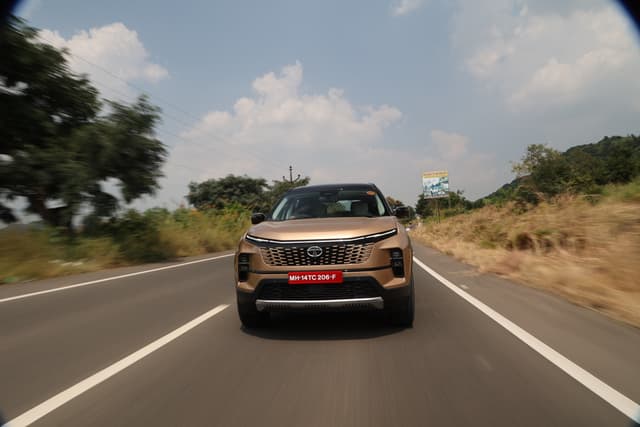
Hi, kindly advise me on choosing between the Tata Safari and the Mahindra XUV 7XO diesel automatic. My annual driving is around 25,000 to 30,000 km, with a mix of city and highway travel. I am not interested in a hybrid or an electric vehicle. Which of these two SUVs would be the better choice for my usage? Please advise. Thanks in advance.
Go for the Mahindra XUV 7XO diesel automatic. At 25,000- 30,000 km a year, you’ll spend a lot of hours behind the wheel, and that’s where the Mahindra pulls ahead. Its 2.2 diesel is noticeably stronger than the Tata Safari’s diesel, so overtaking on the highway takes far less effort. It’s also more refined. The Safari’s diesel gets gruff, especially at low speeds in town. The 7XO’s ride is excellent too, soft over bad roads and flat and composed at high speed. If you ever drive on poor roads or in the hills, it also offers all-wheel drive on the top versions, which the Safari doesn’t.The one area where the Safari wins is the third row. It’s easier to get into and roomier, while the 7XO’s last row really only suits kids or short trips. So if you’ll regularly fill all seven seats with adults, the Safari deserves a serious look.Otherwise, the 7XO is the better car to live with every day.
Last Updated on: 27 Oct 2026