autocar-logo
Delhi
Fallback ad for 970x90

Land Rover Discovery Sport vs BMW X3 vs Volvo XC60 comparison

Can the very refined Discovery Sport outdo its accomplished rivals, the X3 and the XC60?
3 min read20 Oct '15
Staff WriterStaff Writer
79K+ views
Fallback ad for 728x90

What’s new?

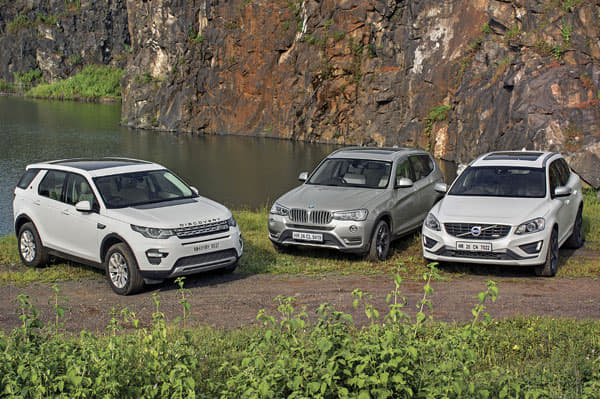
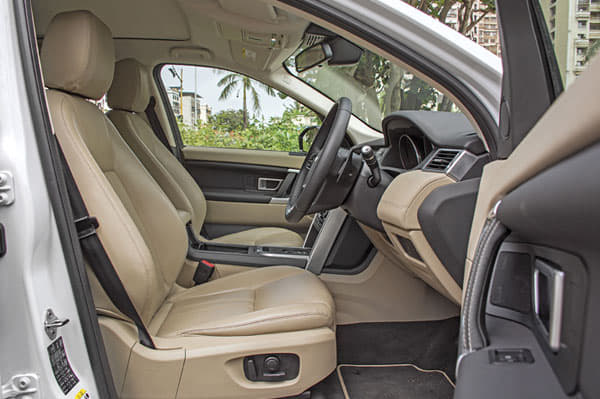
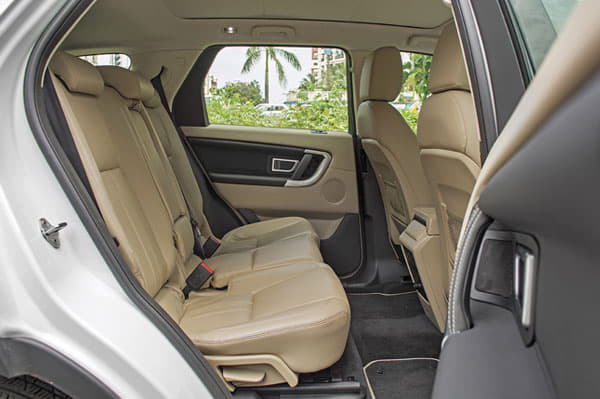
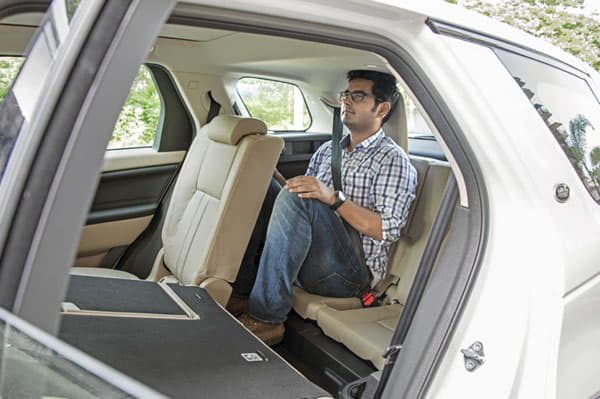
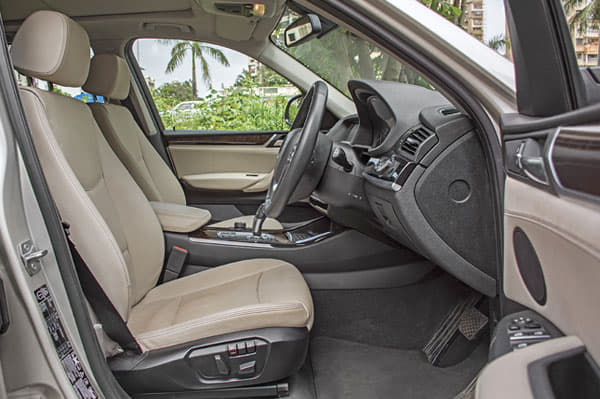
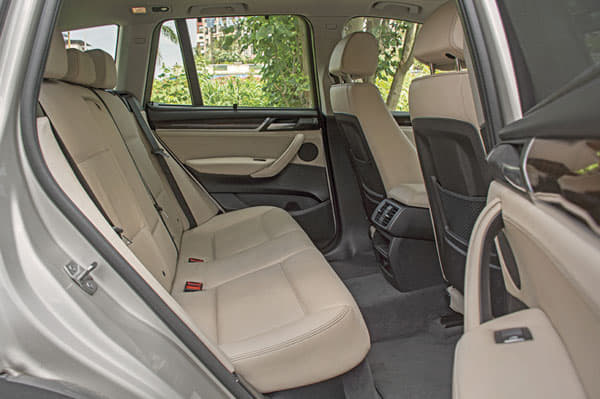
The most recent entry to the luxury segment in the Rs 45 to 55 lakh category is the new Land Rover Discovery Sport and it comes as a breath of fresh air. Replacing the Freelander, this fresh and modern new SUV looks and feels like it is from a whole generation ahead. The competition is new too. BMW’s X3 has got a new 2.0-litre diesel engine and Volvo’s XC60 gets plenty of updates too. Despite each having a strong, distinctive character, all three have more than just a few similarities. All three luxury SUVs get reasonably spacious cabins you can comfortably be chauffeured around in, large big space, four-wheel drive and gearboxes with upwards of eight gears. Their size is also perfect for navigating through congested cities without breaking into a sweat. Nice to drive, they feel tough enough to easily last the better part of a decade and each pack in a good amount of kit too.  

What are they like to drive?

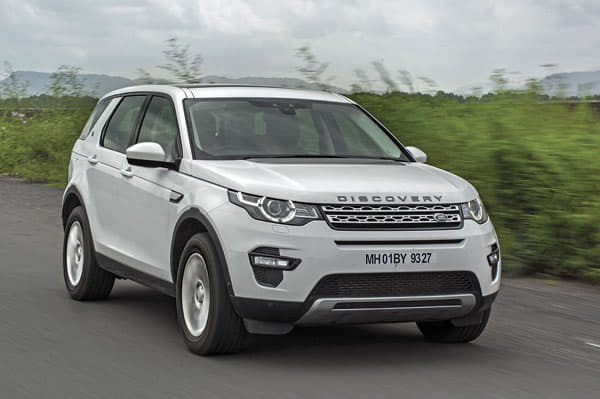
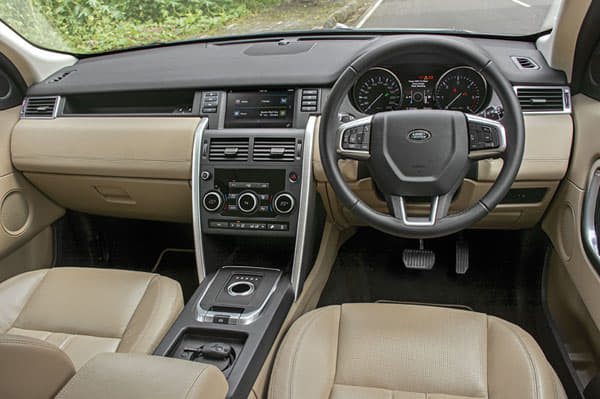
Land Rover’s Discovery Sport draws power from a 2,179cc and four-cylinder engine, producing 147.5bhp. This is a bit low for an SUV that weighs 1,817kg. We soon found, however, that on the road it is capable enough for everyday use to cleanly pull away from regular traffic, with the smooth-sounding engine making the experience even nicer. One may even mistake it to be a petrol unit when on the move. The gearbox upshifts smoothly and has the convenience of paddle shifters too.

Land Rover Discovery Sport vs BMW X3 vs Volvo XC60 comparison

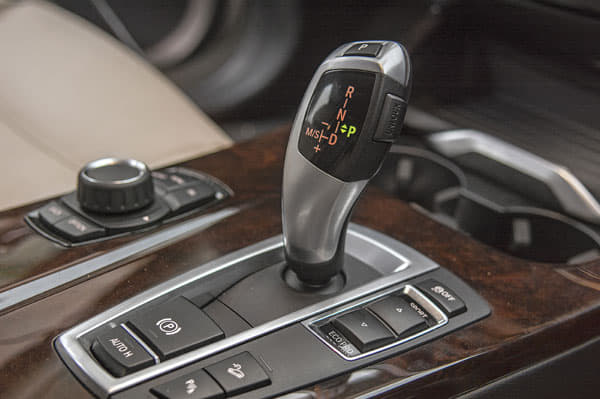
What is also nice is that the Discovery Sport comes with a nine-speed gearbox, and so it is possible to cruise at 100kph doing only about 1,400rpm. In Sport mode, the gearbox allows the engine to go as high as 4,000rpm without shifting up which makes way for some amount of spirited driving. This thrill is short-lived though. You soon realise that the extra revs don’t make the car all that much faster and the power fades off sooner than you expect. The sharp steering and body control around corners is fairly decent as well. It isn’t sporty, as the name claims, especially around the tighter corners. However, stability at high speeds is particularly good and the steering is also very nicely judged; it has plenty of weight and loads of accuracy.

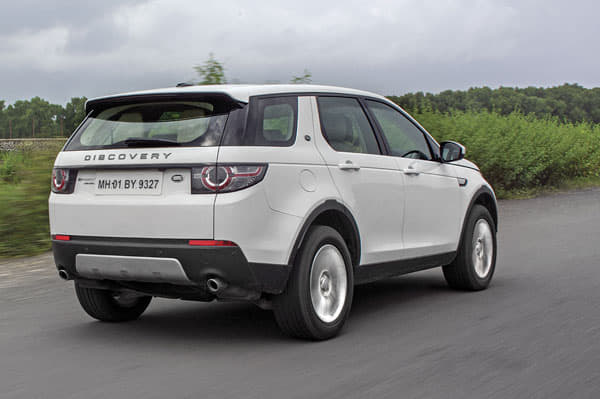
The engineers have ensured a comfortable ride quality. Broken bumps, sharp edges and rough road surfaces are easily absorbed, and this is by far the most genuine SUV in the segment. Its 4x4 system and terrain response give it plenty of real off-road skill.

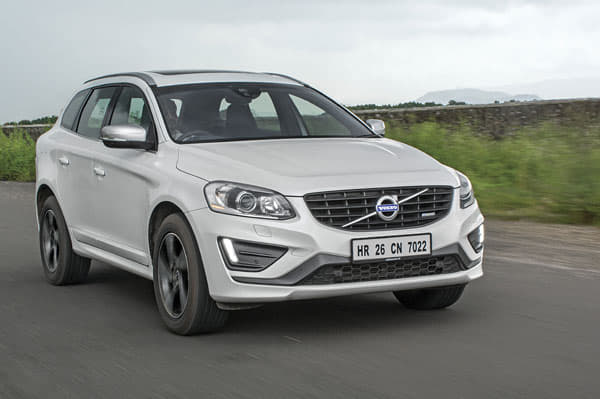
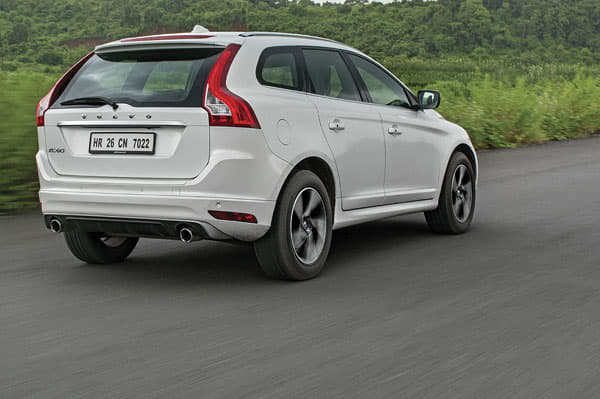
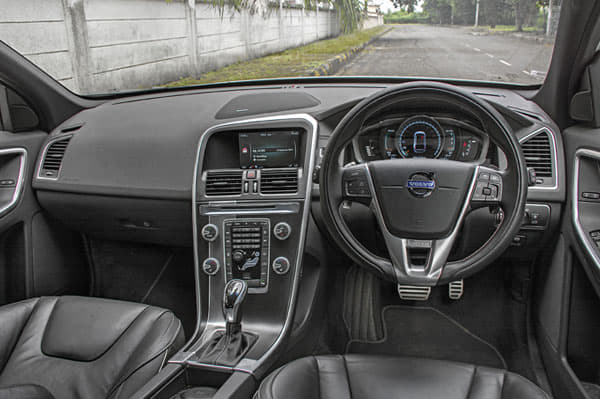
The Volvo XC60 impresses instantly from behind the wheel. The 1,969cc, four-cylinder engine produces a strong 178.9bhp of power. This is higher than the Discovery Sport by a fair margin and is evident as it shoots forward quickly and gains momentum effortlessly. The engine is audible inside the cabin but is has more note when revved all the way to 5,000rpm in Sport mode.

The gearbox on the Volvo is decent, but isn’t up to the task when you are in a hurry. There are three different steering sensitivity settings to choose from. The softest mode works well in the city and the hard mode is good if you want to enjoy a few corners. The ride quality is a bit stiff, however, but the stiff set-up means a small portion of every bump does get transferred to the cabin. Thankfully, stability on the highway and on smooth surfaces is a class apart and truly impressive.

Land Rover Discovery Sport vs BMW X3 vs Volvo XC60 comparison

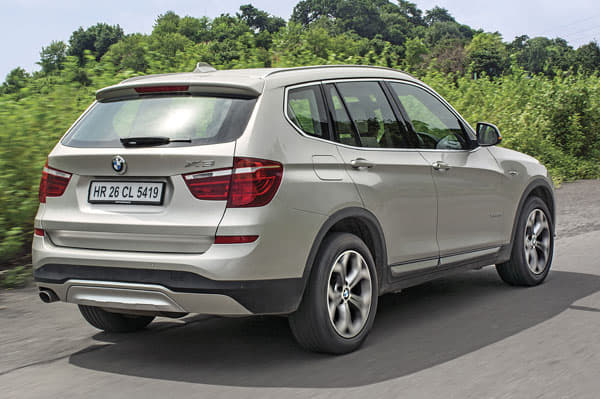
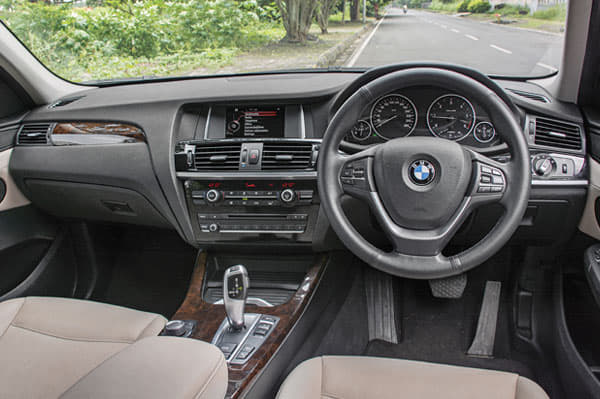
The BMW X3 feels driver-friendly from the very beginning. The cockpit wraps around you, helping you better connect with the car, and from the trio, the X3’s steering wheel provides the best feedback and is consistent, be it at any speed or road surface, you'll just love it.

At city speeds, the X3 feels smaller than it is, thanks to the taut chassis and four-wheel-drive system. These factors inspire confidence when negotiating corners at high speeds and the car will keep you entertained for very long if you drive yourself. There’s no struggle, no hesitation, no feeling of interrupted power, just a strong seamless power delivery, plenty of grip, confidence and agility. Only a bit of noise from the engine at speed spoils the overall great performance and paddle shifters are missed too. The X3 will surge forward with an almost immediate sense of urgency, in any drive mode, but switching over to Sport+ means the traction control system will be switched off.

Ride quality is a bit compromised here, the BMW feels lumpy and may toss you about at low speeds. It improves a lot at higher speeds though, but cross the 80kph mark and the X3 feels flat and sure-footed – more than its competition for sure. This is easily the nicest car to drive among the three.
Fallback ad for 728x90

New BMW X6 diesel vs Porsche Cayenne diesel comparison

If on-tarmac thrills are your number-one priority from a luxury SUV, it doesn’t get much better than these two.
2 min read10 Nov '15
Gavin D'SouzaGavin D'Souza
Fallback ad for 728x90

New Ford Figo vs Tata Bolt vs Hyundai Grand i10 comparison

The new Figo diesel is fast and fun, but can it take on the estabished class favourites and win? We pit it against the Tata Bolt and the Hyundai Grand i10.
2 min read30 Nov '15
Shapur KotwalShapur Kotwal

Front seat is big and well bolstered, but cushioning is soft.

Figo has decent support and cabin is wide.

EcoSport-like dash is tough, with plenty of hard-wearing materials, but the design is a bit bland.

Tail-lights intrude on 275-litre boot.

Plenty of space for bottles on the new Figo’s cabin.

Rear headrests are not adjustable on the new Figo.

Front seats are big, but finding an ideal driving position is tough.

You sit high in the Bolt and thigh support is good.

Bolt has smallest boot at 210 litres.

Bolt is the only one to get a touchscreen.

Some plastics are still hard and shiny on the Tata Bolt.

The Grand i10 feels out of breath on the highway, but is quite nice to drive in start-stop city traffic.

The i10 has the most legroom, but it is narrow.

The dash is beautifully put together and quality levels are as good as on the Elite i20.

Grand has 256 litres and easy access.

Keyless start-stop adds convenience to the Grand i10.

Fallback ad for 728x90

Chevrolet Trailblazer vs Toyota Fortuner comparison

Is the new Chevrolet Trailblazer good enough to topple the Fortuner?
4 min read8 Dec '15
Staff WriterStaff Writer
Fallback ad for 728x90

New Audi Q7 vs new Volvo XC90 comparison

The all-new Audi Q7 and the new Volvo XC90 are both big, luxurious and packed to the gills with the latest tech. But which is the one to go for?
3 min read16 Dec '15
Staff WriterStaff Writer

Q7’s low-set dashboard is unique among SUVs; frontal visibility is excellent.

Front seats are large and remain comfy over long distances.

Q7 middle row offers immense space but thigh support not best.

Third-row seating position is quite knees-up.

Interior lighting gives look of a cockpit.

Air-con buttons are touch sensitive.

High-res digital instruments look superb.

Third row backrests can be folded/raised at the touch of a button.

360-degree camera comes very handy when placing the big Audi.

There’s very limited foot room in the third row.

Spare wheel positioning in boot is simply ridiculous.

You’ll have to leave behind the spare wheel to make full use of the third row and boot.

Touchscreen takes pride of place on Volvo dash. Cabin has a soothing air about it.

Front seats as comfy as they look.

XC90 cabin isn’t as airy as the Q7’s but space is good. Middle-seat squab could be larger.

Large windows and decent headroom make XC90 third row feel quite useable.

Touchscreen is just brilliant to use.

Central controls have rich crystal effect.

Audio system sounds incredible.

Rear-most occupants get dedicated air-con vents.

Front seat ventilation is a great feature for India. Seats are heated too.

Manual steering adjust is not in keeping with the XC90’s price.

Gearbox not enthusiastic. There are no paddleshifters either.

With all seats up, the Volvo has the larger boot.

Fallback ad for 728x90

Maruti Baleno vs Honda Jazz vs Hyundai i20 comparison

Maruti's new Baleno takes on the Jazz and i20. Which one is worth the hype?
3 min read6 Jan '16
Gavin D'SouzaGavin D'Souza

Baleno's dash design is fresh but still too many standard Suzuki bits.

Large headrests impede view from rear.

Surprising amount of room in Baleno and seats comfy too.

High, small opening spoils this large boot.

Info screen in Baleno is very detailed.

Some plastics in the Baleno aren’t as good as others.

Projector lamps give Baleno a premium look.

Jazz’s City-like asymmetric cabin design doesn’t feel special enough and plastic quality is inconsistent.

The most spacious and comfortable seats, front or rear.

Largest boot and easiest to load too.

Jazz touch AC tricky to use on the go.

Storage spaces in the Jazz are thoughtful and plenty.

Jazz’s snappy, short-throw gearshift is a delight to use.

i20's dash has the best design and the highest quality materials as well.

Space not as good as the others and seats are too soft.

i20 seats low and window sill high.

Smallest boot here, but well shaped.

i20 switches and ports are illuminated.

The i20 is the only one to get a rear AC vent.

i20’s power delivery feels too flat and is weak low down.

Fallback ad for 728x90