autocar-logo
Delhi
CH

Chandra

14w

Hi, I'm planning to buy my first car. I drive about 1500-1800 km per month (80% city). My budget is about 15 -17 lakhs. I'm so confused between Nexon, XUV 3XO, Venue, and all of the diesel automatic variants. I'm open to hybrid variants as well. My priorities are: safety, fuel efficiency, comfort & features. Also thinking about Sierra & Duster of automatic variants. Please suggest a good one. Thank you.

Autocar India team

Autocar India

Verified
14w
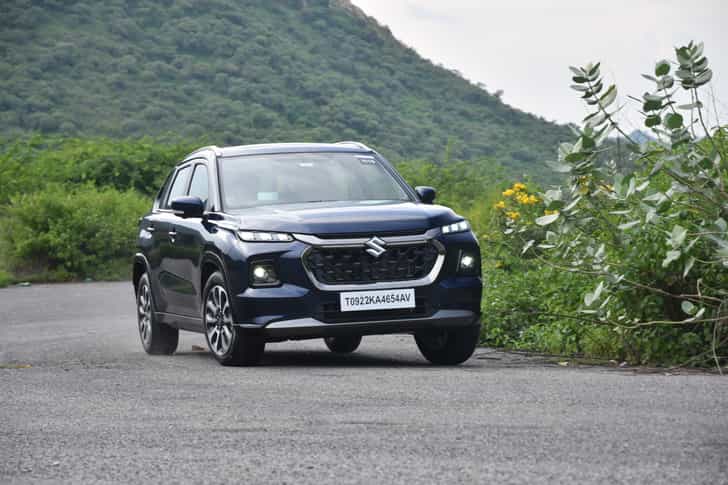
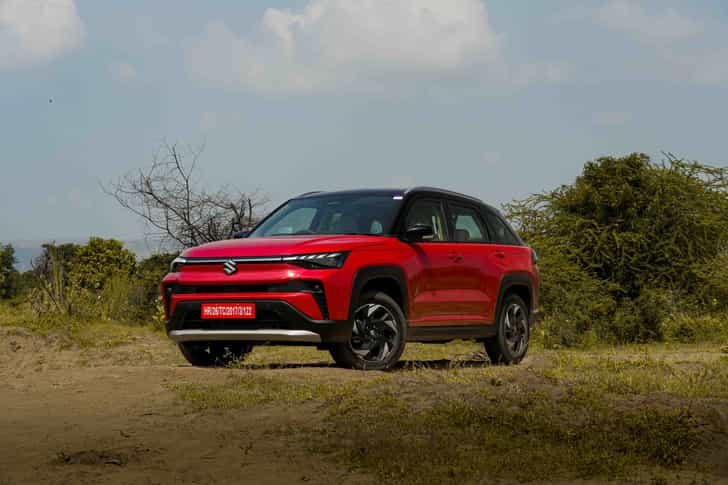
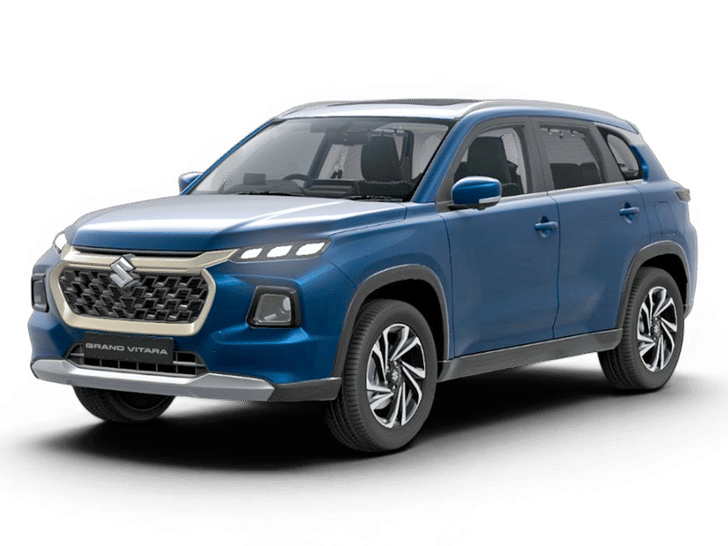
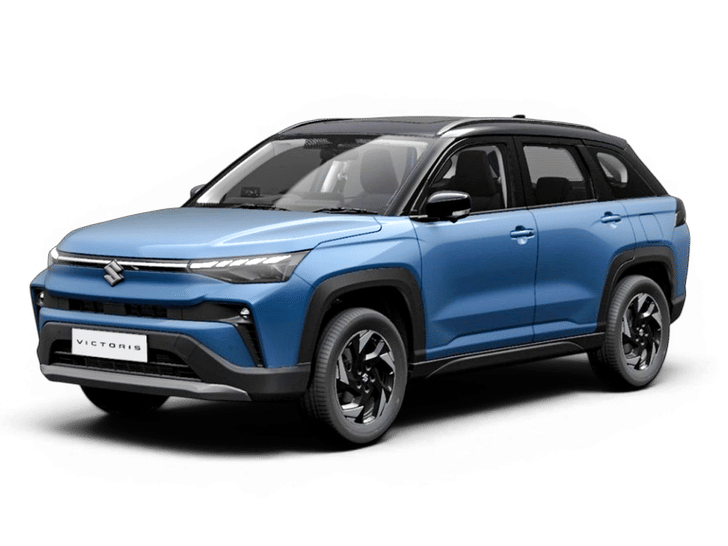
Since you drive 50–60km a day (about 1,500–1,800km a month), it’s understandable that you want something efficient and economical to run. A hybrid would normally make sense, but the Maruti Suzuki strong hybrids (Grand Vitara / Victoris) and the Toyota Urban Cruiser Hyryder sit above your budget. More importantly, with your running, it would still take years to recover the higher upfront cost of the hybrid powertrain.
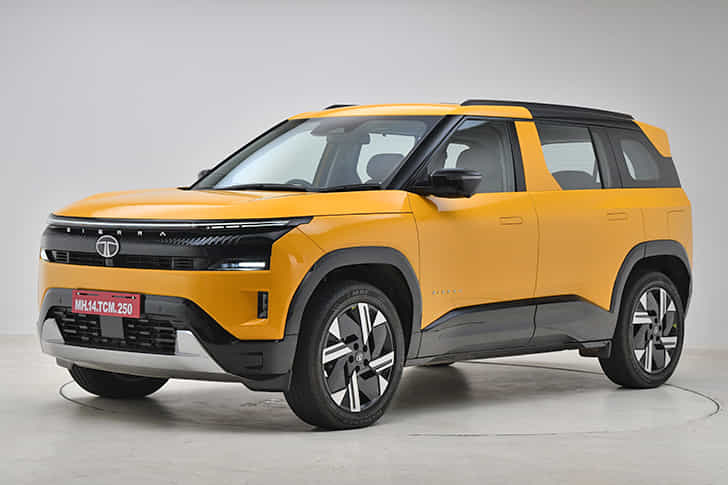
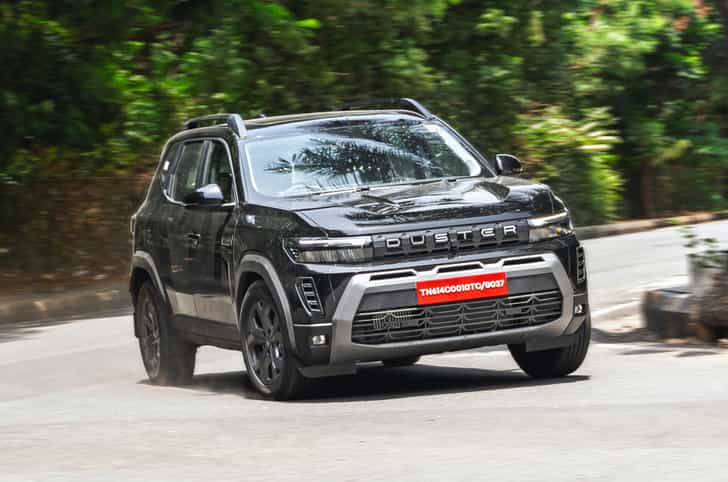
The upcoming Renault Duster is promising, but will launch only with petrol engines — no diesel and no hybrid — so fuel efficiency won’t match a diesel automatic in daily city use. As for the Tata Sierra, it’s a very appealing SUV thanks to its design, space, and premium cabin. However, the 1.5 diesel in the Sierra isn’t the most refined or punchy in the segment, and the pricing of the higher variants, especially the autos, will stretch well past the upper end of your budget. Also, the Sierra is more of a lifestyle SUV than an efficiency-focused one.
Given your budget and priorities — safety, fuel efficiency, comfort, and features — a diesel compact SUV still fits best. Rear-seat space is not a big concern since you’ll mostly be driving yourself, so you don’t need to pay extra for a larger mid-size SUV.
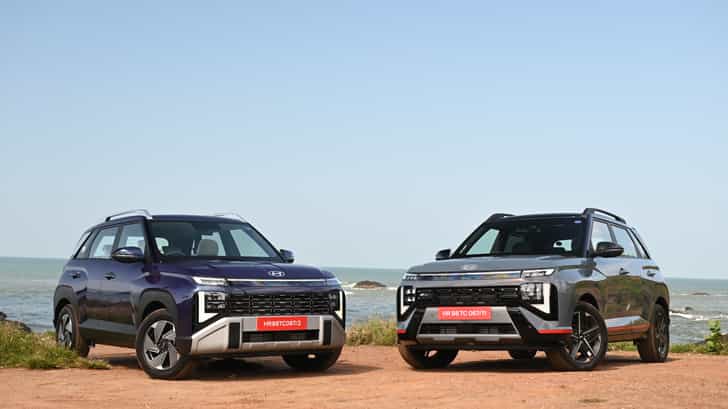
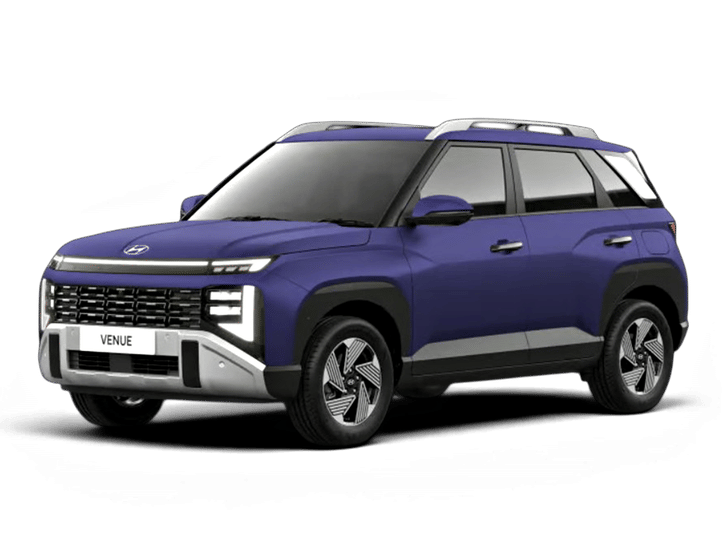
Among your shortlist, the recently launched Hyundai Venue 1.5 diesel automatic is the most balanced choice. It offers:
  • Excellent fuel efficiency
  • Strong, relaxed performance
  • Smooth and city-friendly automatic
  • Long feature list that rivals larger SUVs
  • Proven safety and reliability
Overall, the Venue diesel auto gives you the best combination of economy, comfort, and everyday usability within your budget.
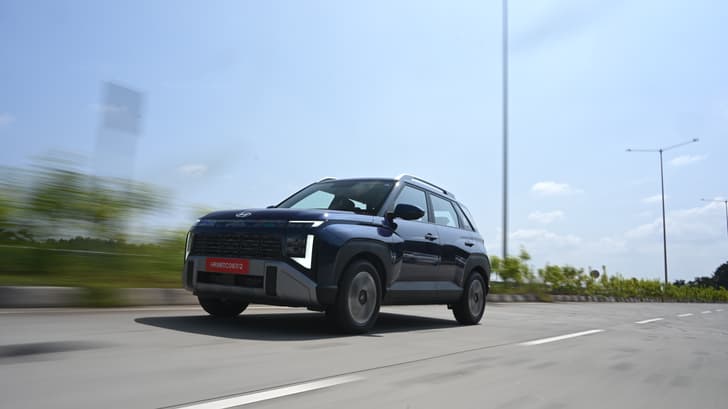
Hyundai Venue

Hyundai Venue

Was this helpful? Ask a follow-up

Got a suggestion for Chandra?

Add a Comment

Recommended questions for you

PS

PSR

1w

I want to buy a petrol automatic SUV in the range of 17 to 18 lakh. I am considering the Grand Vitara Zeta AT, Victoris ZXI, and Creta S(O) IVT. My annual average usage is between 5000 and 6000km. Please suggest a good option among the three vehicles in terms of smooth journey, mileage, and maintenance cost.

Autocar India team

Autocar India

Verified
46m

The Hyundai Creta is the better all-rounder and offers more space, a stronger and smoother powertrain (1.5 P IVT) and marginally better comfort. However, given your priorities of mileage and maintenance costs, it's hard to beat Maruti Suzuki on these fronts.Whether you choose the Maruti Suzuki Grand Vitara or Victoris is a matter of preference (and which dealership is more accessible to you - Arena or Nexa), as they are essentially the same car underneath, using the same 1.5-litre petrol engine and 6-speed AT gearbox. Despite using a torque converter automatic gearbox, which is not typically associated with good mileage, both Maruti SUVs offer exceptional fuel economy, and maintenance costs over the course of their lives will be among the lowest in the segment.

VehicleMaruti Suzuki Grand Vitara
VehicleMaruti Suzuki Victoris
VehicleHyundai Creta
SU

Sunny

1d

I am thinking of buying the Sonet HTK Optional DCT turbo petrol, which is around ₹12 lakh, and at the same time, the Venue HX5 turbo DCT petrol is coming at ₹13.5 lakh on-road in Bangalore. Which should I pick? Second, are heating issues still a thing to consider in both these DCT models?

Autocar India team

Autocar India

Verified
4h

Between the two, we would suggest going for the Kia Sonet HTK (O) DCT. The Sonet and the Venue share the same 1.0-litre turbo petrol engine paired with the DCT gearbox, so performance and the overall driving experience will be very similar. In terms of equipment as well, both these variants are quite similarly equipped, but the Sonet is around Rs 1.5 lakh cheaper, which makes it an excellent value for money.That said, the Hyundai Venue is the newer car and offers slightly better rear seat space. So if rear seat comfort is an important factor for you, that is something to keep in mind.On the topic of DCT overheating, it can happen in very heavy bumper-to-bumper traffic where the car is constantly crawling forward. However, this gearbox has been around for quite some time and has seen improvements over the years. In normal usage, it is not a major concern, and there are safety systems built in to alert you if the gearbox temperature rises too much.

VehicleKia Sonet
VehicleHyundai Venue
SC

Sai charan

1w

I am confused between Kia Seltos MT petrol and Tata Sierra Diesel MT. I have a plan to keep car for more than 10 year. I have driven about 1,40,000 kms with my previous car in 10 years. I want to buy a safe car. I generally drive on open and highways. Should I go for seltos or Sierra. Whether diesel car have future in India? Kia says K3 platform. But no guarantee until it is crash tested at BNCAP or GNCAP. Unlike Maruthi, they could have displayed their crash ratings during launch itself but not done.

Autocar India team

Autocar India

Verified
1d

In terms of safety, Tata cars usually have a better track record in crash tests than Kia, but it’s important to remember that star ratings are not the only factor that decides how safe a car is. They tell you how a particular variant performed in a specific set of tests, but things like active safety tech, tyre quality, stability at speed and how the car is driven matter just as much in the real world. The updated Kia Seltos now sits on Kia’s K3 platform, which has been engineered to meet stricter global safety norms and offers better torsional rigidity than the older SP2 architecture, so on paper it is a step up in crash protection, even though we do not yet have an official Bharat NCAP rating to point to for the India-spec car. Kia, like every other manufacturer, still has to comply with India’s mandatory crash regulations, which are aligned with UN regulations for frontal and side impact, so it is not an “unsafe” car just because it hasn’t been independently rated yet.On the Tata side, the new Sierra is built on a modern, heavily reinforced platform and is expected to score very well in Bharat NCAP, with a five-star rating widely anticipated, in line with Tata’s recent record with models like the Nexon and Harrier. That, combined with the inherent advantage of a larger, heavier SUV with a strong structure, will naturally give you more peace of mind if crash safety is high on your priority list. For your kind of usage – mostly open roads and highways over long distances – the Sierra diesel will also feel like the better long-distance car, thanks to its strong mid-range performance, relaxed cruising ability and planted high-speed manners. It is the sort of car that feels unflustered at triple-digit speeds and can munch miles comfortably, which suits your 1.4 lakh km over 10 years kind of running very well.The Seltos, particularly in its latest avatar, is also a competent highway car with a comfortable cabin and good performance, but it doesn’t feel as inherently solid or as planted at speed as a larger, heavier SUV like the Sierra. Where the Kia does score is in its more proven reliability record and aftersales experience, which becomes crucial when you’re planning to keep the car for a decade or more. Tata has improved a lot, but Kia still has the edge in consistency of service quality and hassle-free ownership in most markets. On the question of diesel’s future: stricter emission norms and the shift towards electrification will definitely make diesels less common over time, especially in smaller cars. But for now, for larger SUVs that do a lot of highway mileage, diesel is still very relevant in India, thanks to its superior fuel economy and long-range cruising ability. You’re not looking at a fuel that will suddenly become unusable in the next 8–10 years; what you might see instead are higher costs for emission systems and maybe fewer new diesel launches in the long run. So, if a diesel suits your driving pattern – which in your case, with frequent highway use and a long ownership horizon, it does – it can still be a perfectly sensible choice.

VehicleKia Seltos
VehicleTata Sierra

Posted on: 8 Dec 2025