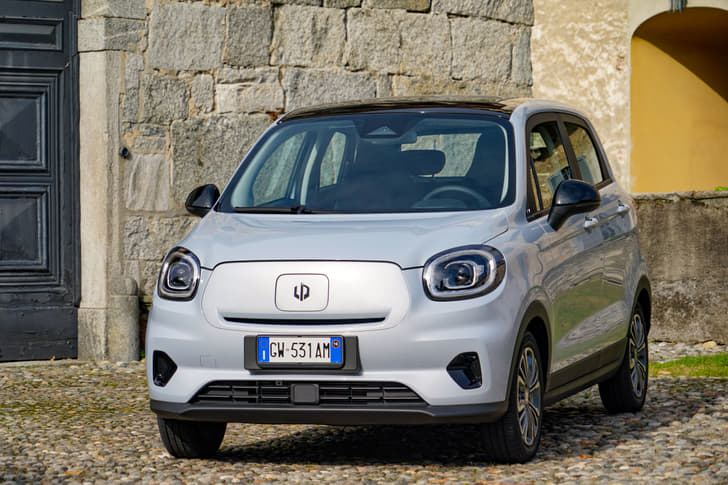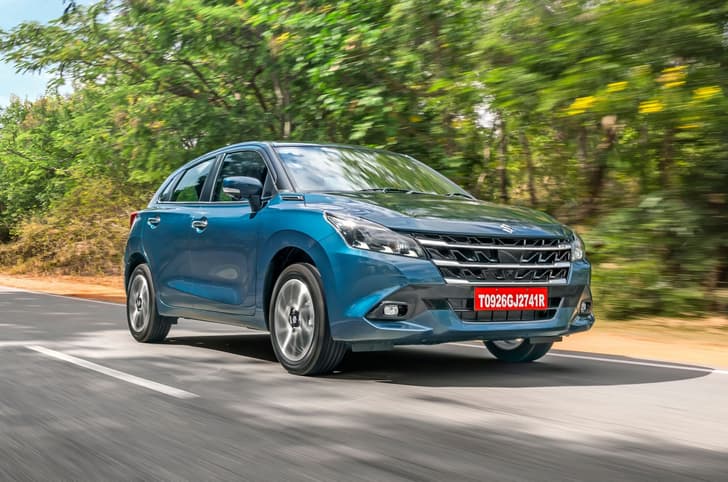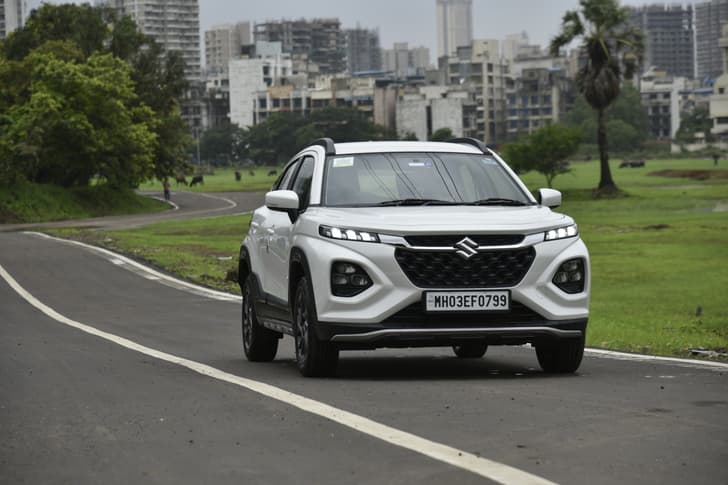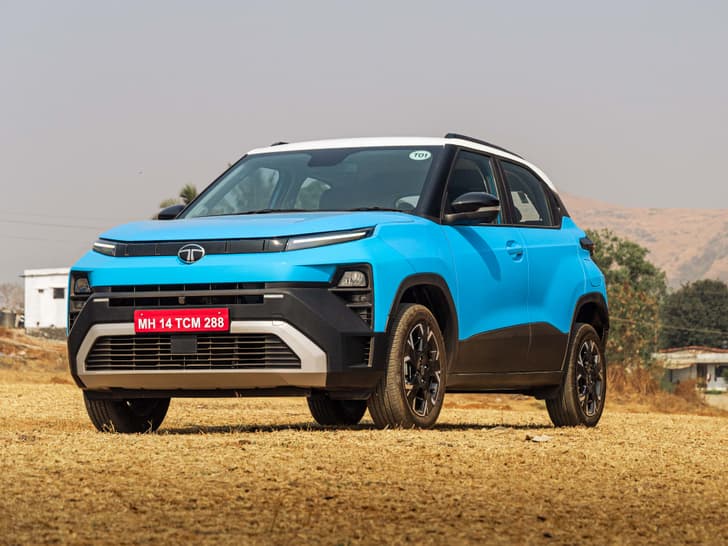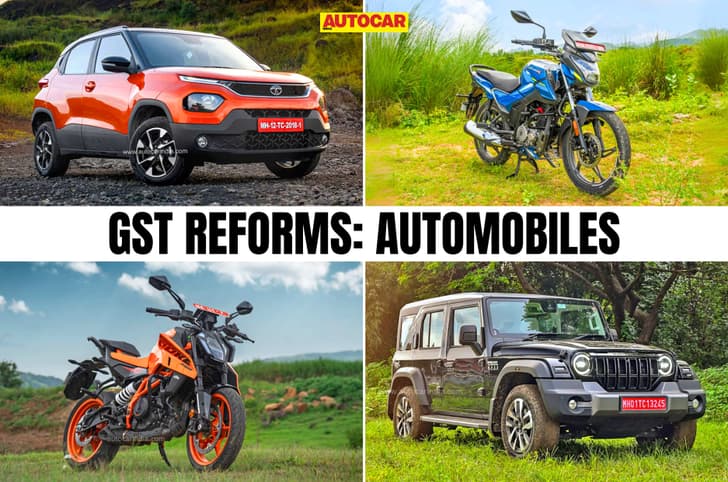
The Indian government has reduced tax rates across all categories of cars and certain classes of motorcycles. The number of tax slabs has also been reduced from an earlier 8 to just 3. The new tax slabs will be effective from September 22.
New GST rates on cars explained
Petrol, diesel and hybrid cars that were previously levied with 28 percent GST will now attract only 18 percent GST, provided they fall within the current small car definition: those up to 4,000mm in length and equipped with up to 1,200cc petrol engines or up to 1,500cc diesel engines.
Midsize and large cars will some benefit, as the earlier tax structure had a 28 percent GST plus cess (depending on the powertrain and body style), which took the effective tax rate to 43-50 percent. These cars will now attract only a GST amount of 40 percent, regardless of the powertrain. The cess has been eliminated altogether from all categories of cars.
New GST rates on bikes explained
Motorcycles with engine capacities of up to 350cc will also see a tax drop from 28 percent to 18 percent.
The dampener, however, is on large-capacity motorcycles – that is, those above 350cc. Earlier, these two-wheelers attracted an effective tax rate of 31 percent (28 percent GST + 3 percent cess). However, under the new GST reforms, the tax slab now stands at 40 percent, effectively putting large-capacity bikes in the same category as sin goods like alcohol and tobacco.
GST rates for EVs remain the same
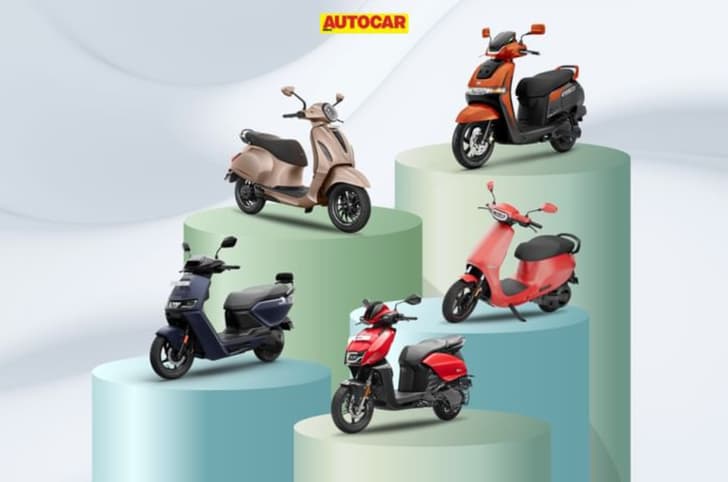
Interestingly, while there was talk of the tax being hiked on EVs, the rate has been kept the same, at 5 percent. This is in keeping with the government’s mission of promoting electric mobility and will bring cheer to luxury EV players, who had feared a hike. Incidentally, the luxury segment is seeing higher EV adoption of around 8 percent, versus 2 percent for the industry as a whole.
The tax reduction on small cars and small-capacity motorcycles will definitely be a boost to the automobile sector that has been looking forward to stimulus to accelerate growth.
Mr Shailesh Chandra, president, SIAM, said, “We also thank the Government of India for continuing with the GST rate of 5 percent on electric vehicles, which will help sustain the ongoing momentum towards sustainable mobility.”
Also see:
Maruti, Tata, Hyundai, Mahindra August sales drop due to GST cut expectations
 Autocar India News Desk
 Dhruv Dhaka
 Dipan Sur