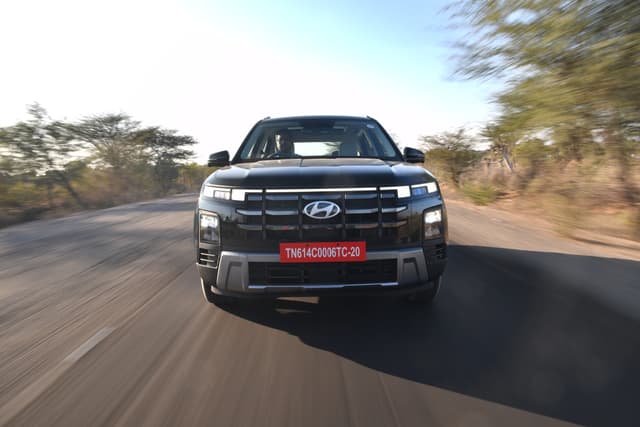
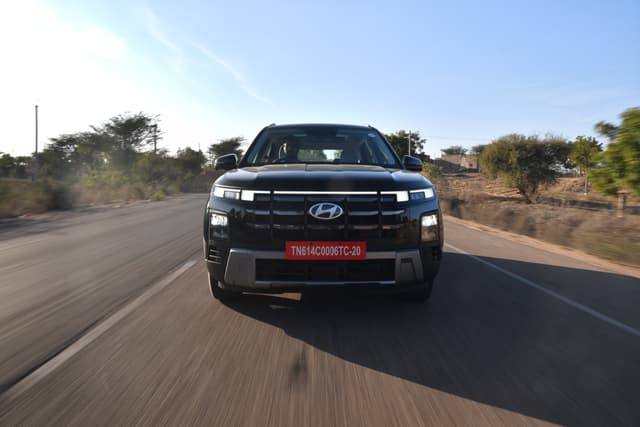
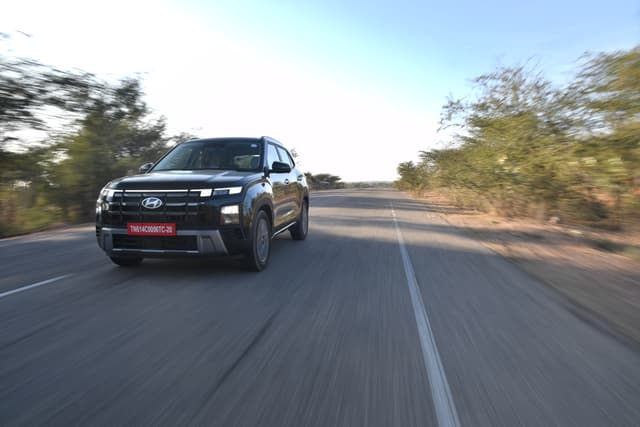
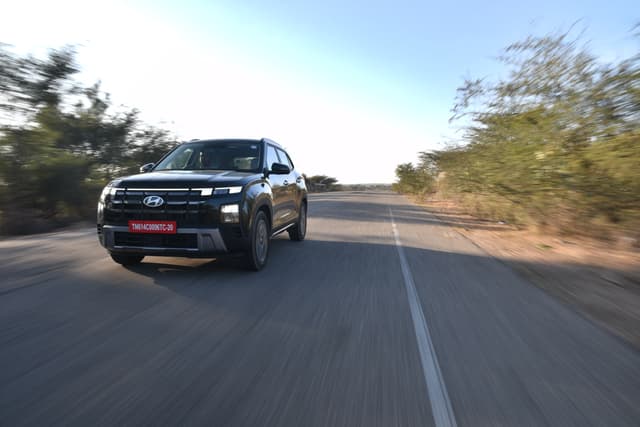
SUV cars in India (190)

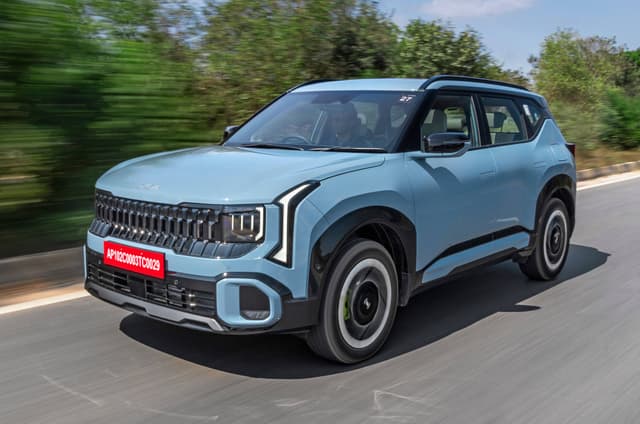
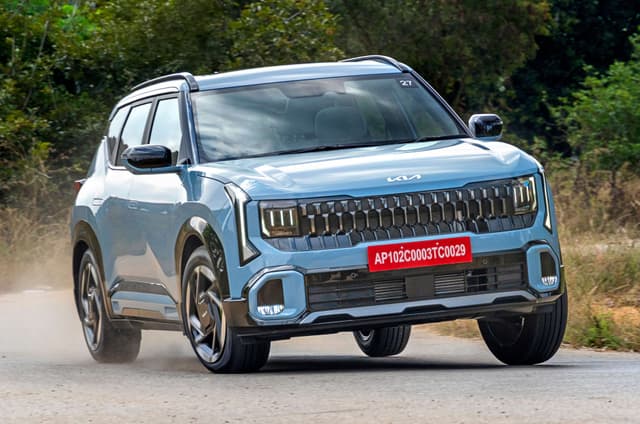
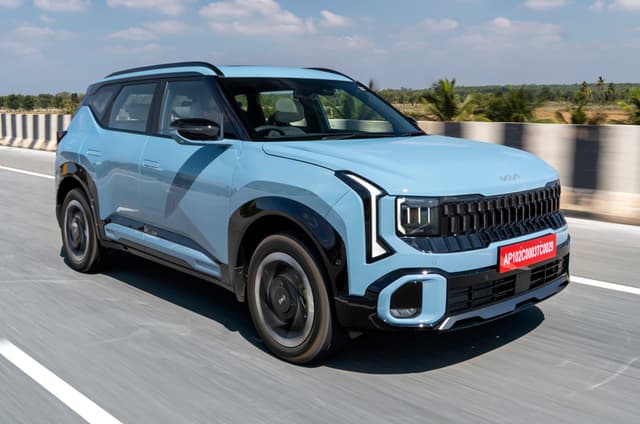
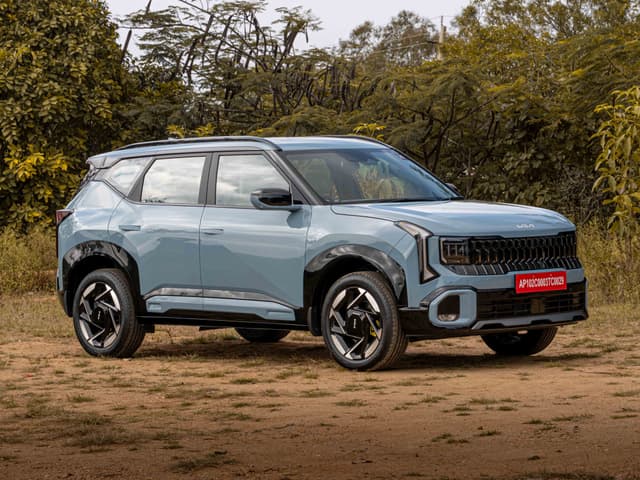
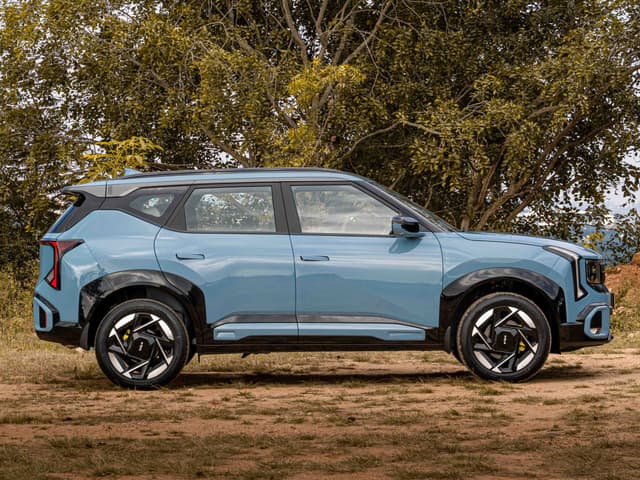
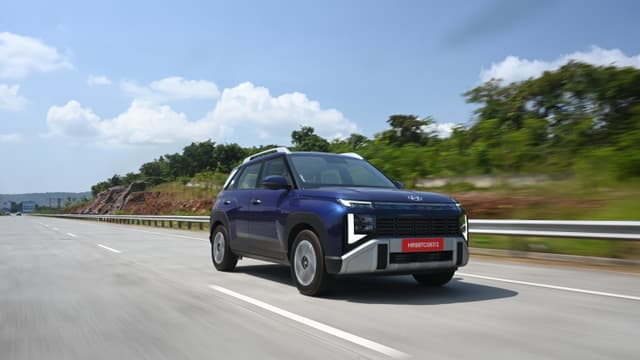
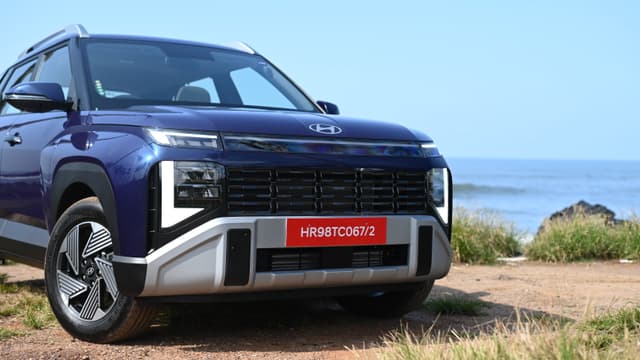
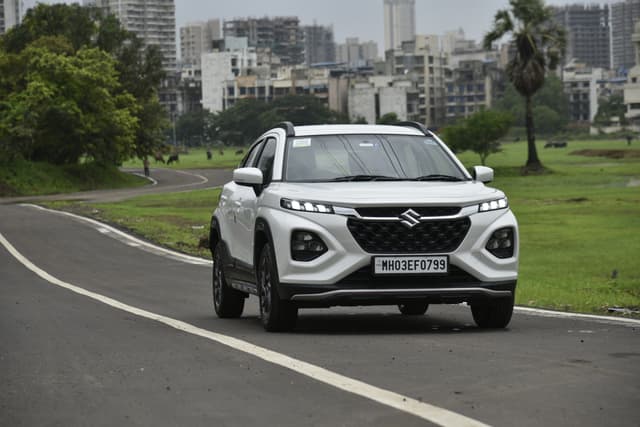
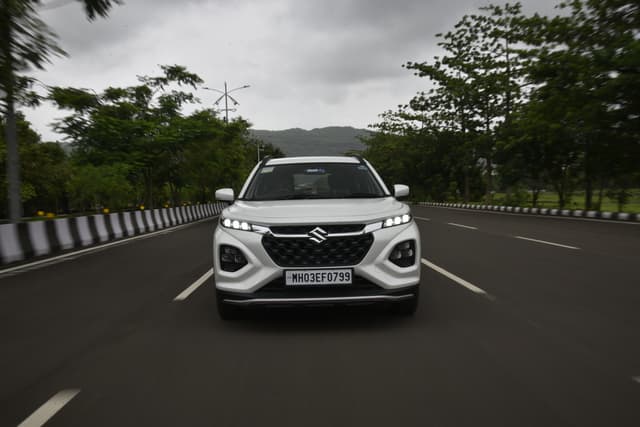
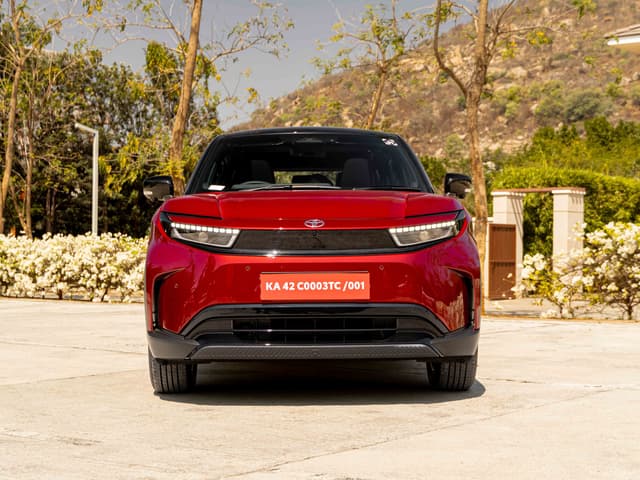
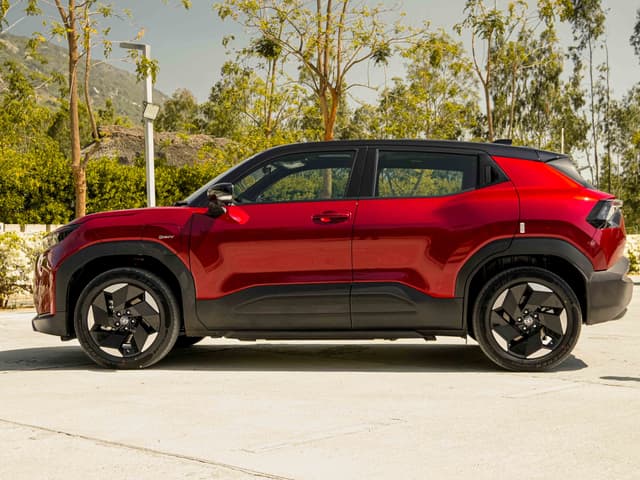
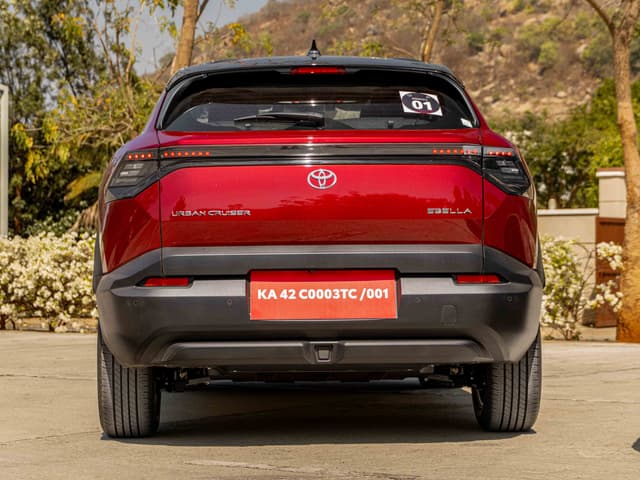
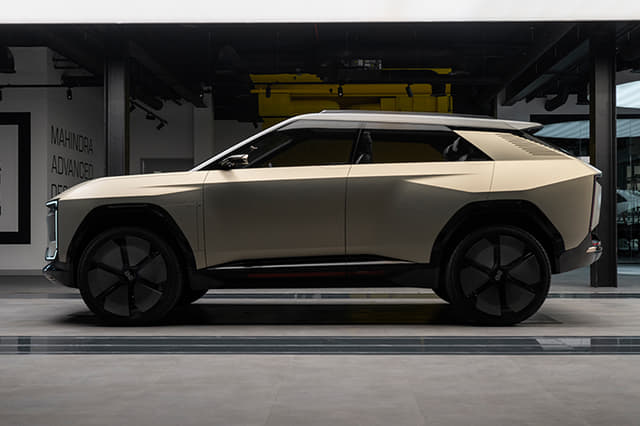
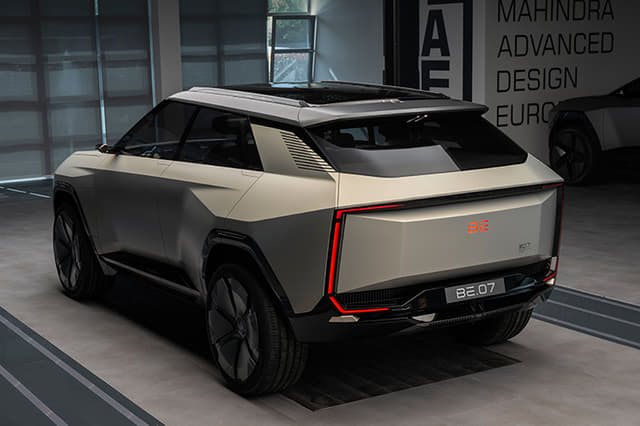
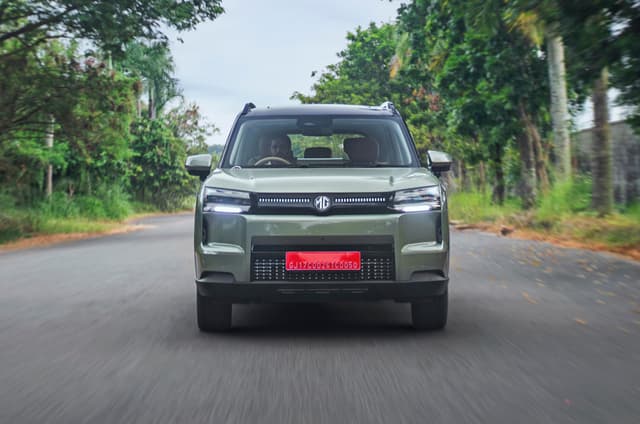
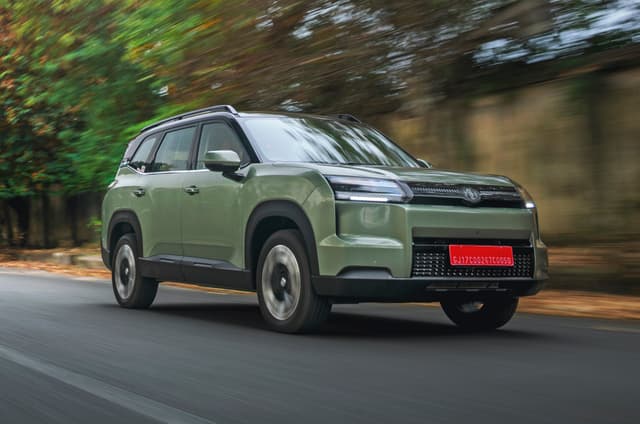
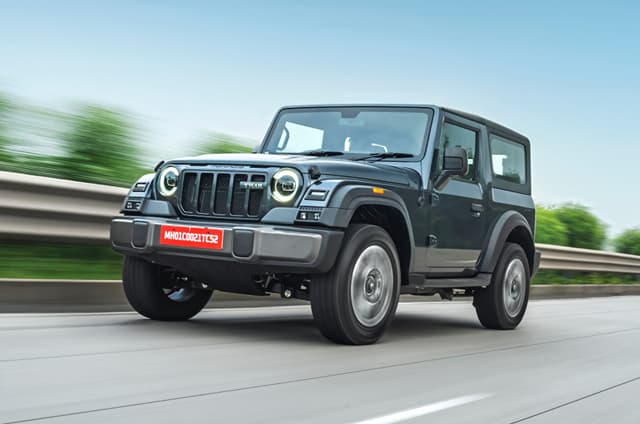
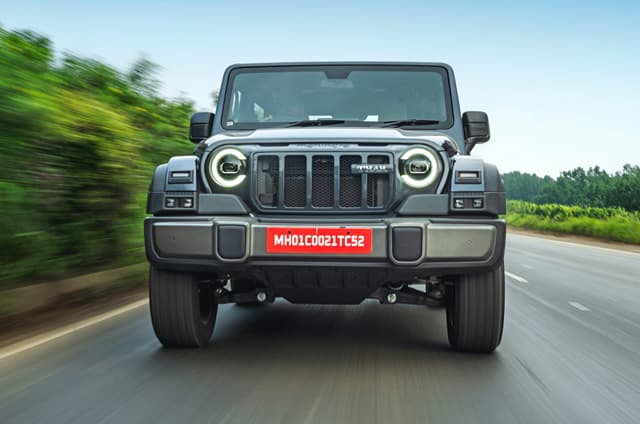
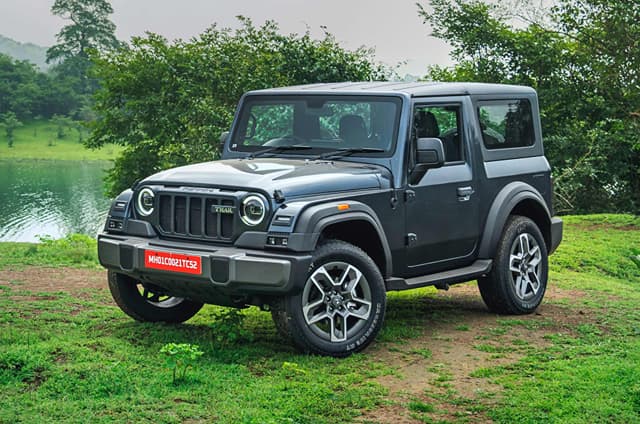
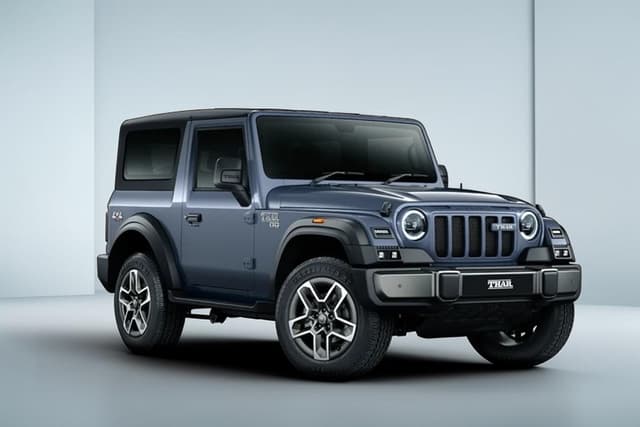
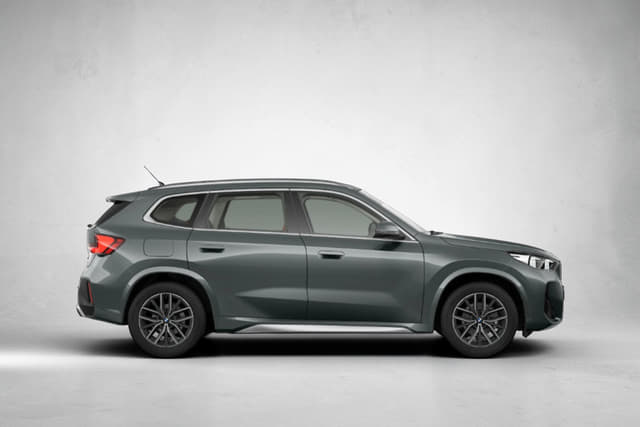
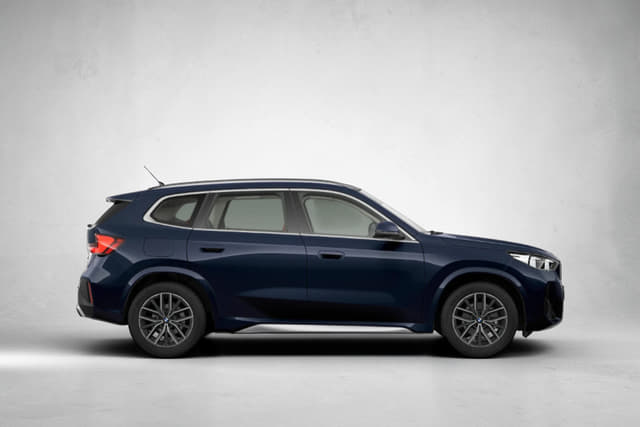
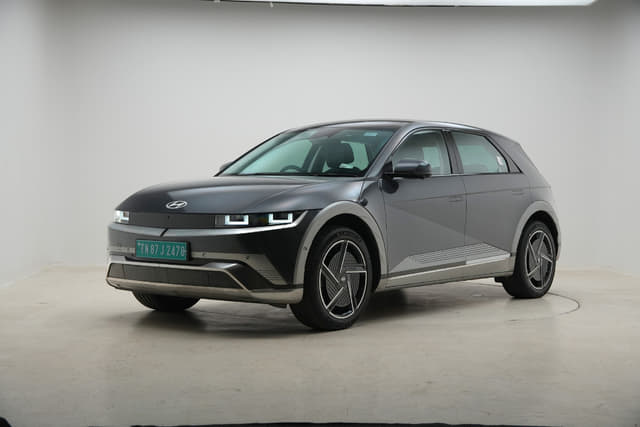
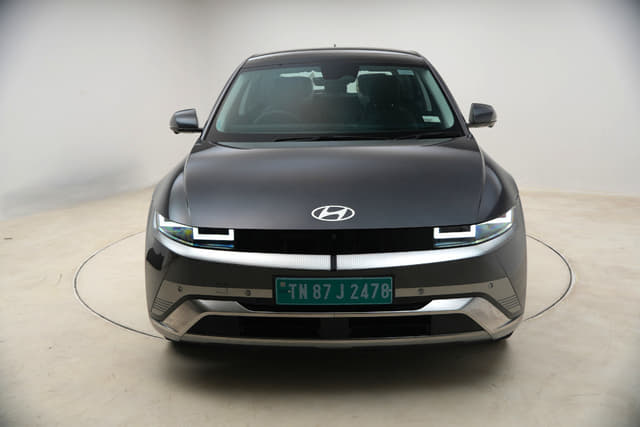
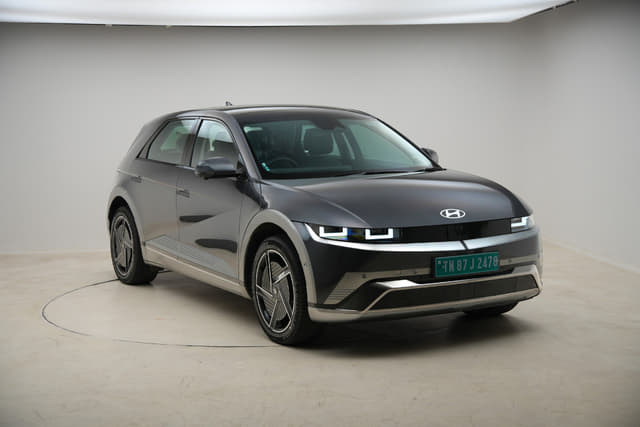
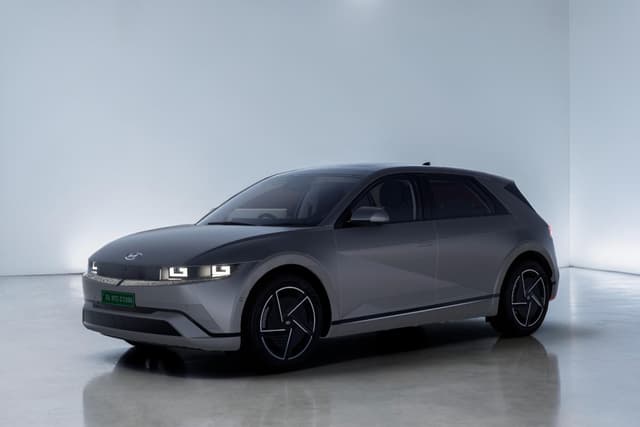
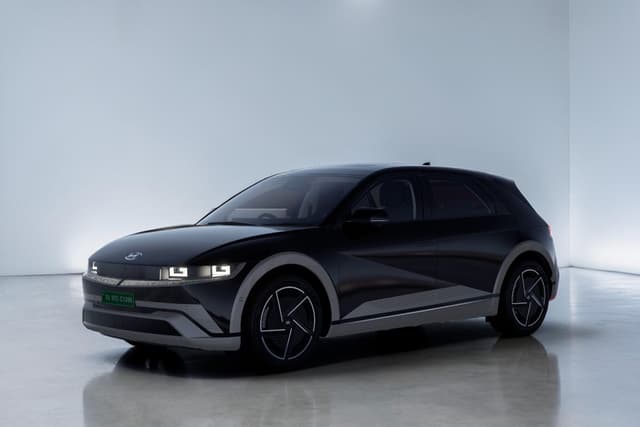
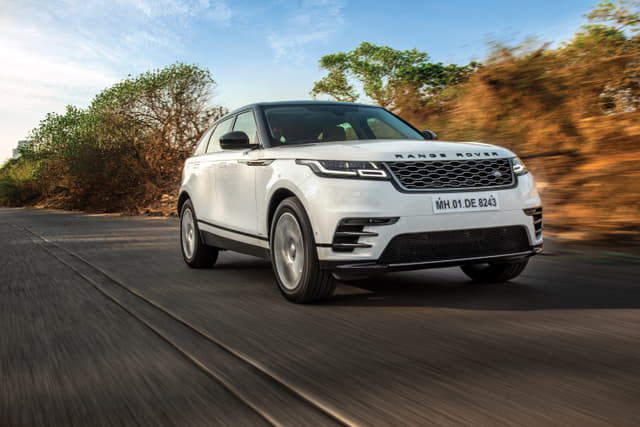
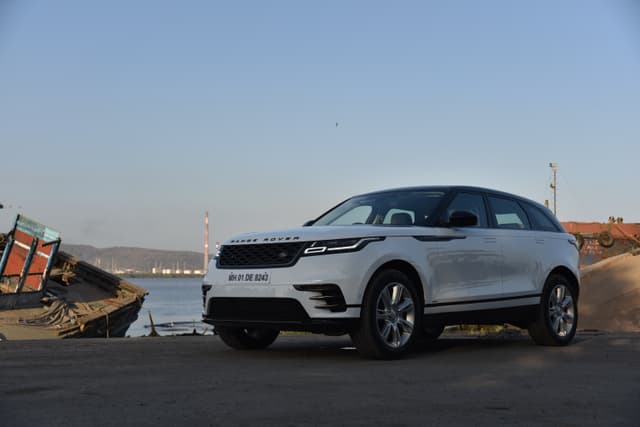
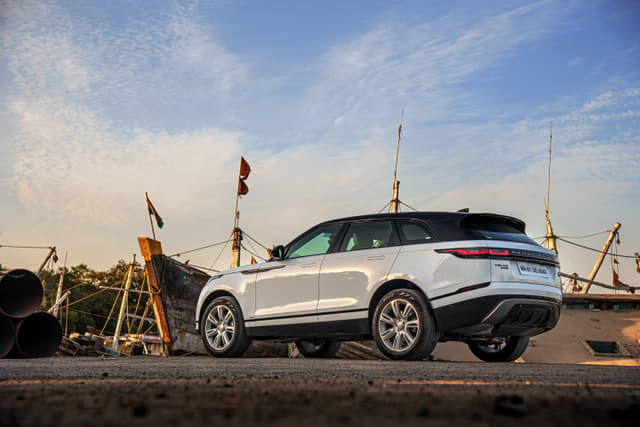
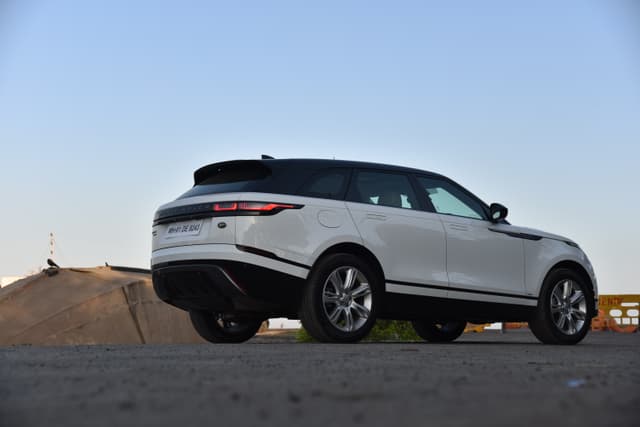
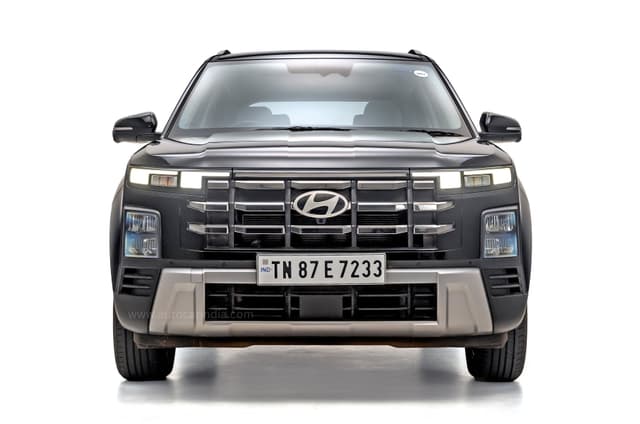
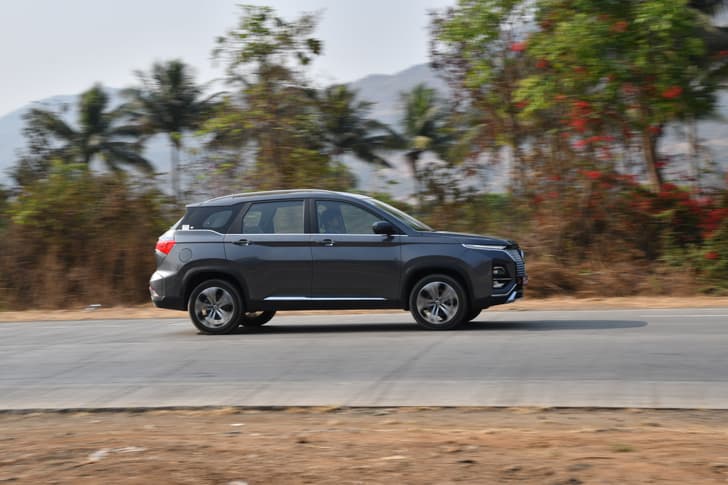
SUVs have become India's most popular passenger vehicle segment, thanks to their higher ground clearance, commanding driving position, and practicality. The category has expanded rapidly over the last decade, with manufacturers now offering SUVs across almost every price point, from entry-level models to premium luxury offerings.
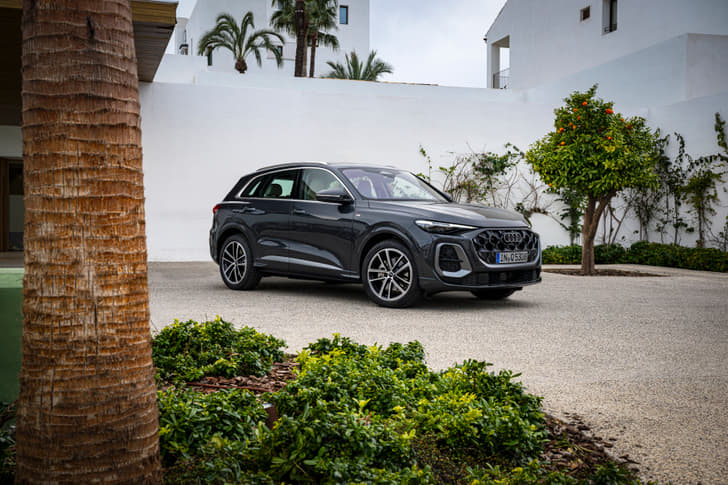
Buyers today can choose from five-, six-, seven-, and even nine-seat SUVs, with petrol, diesel, CNG, hybrid, and electric powertrain options available across the segment. Popular SUV manufacturers in India include Hyundai, Mahindra, Tata, Maruti Suzuki, Kia, Toyota, Skoda and Volkswagen, while luxury SUVs are offered by brands such as Mercedes-Benz, BMW, Audi, Land Rover, Porsche and Lexus.
With SUVs now available across such a wide range, price is the first factor that separates the market into distinct choices.
SUV Cars in India by Price
Price is one of the simplest ways to narrow down the SUV market, with models ranging from affordable sub-4-meter options to luxury SUVs costing well over Rs 30 lakh.
Price range | SUVs buyers can consider | What this segment offers |
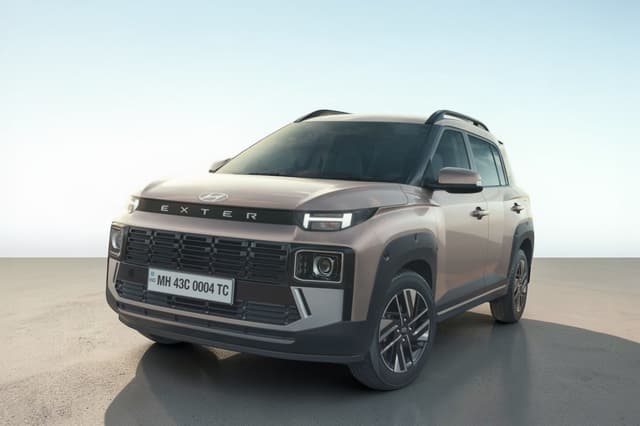
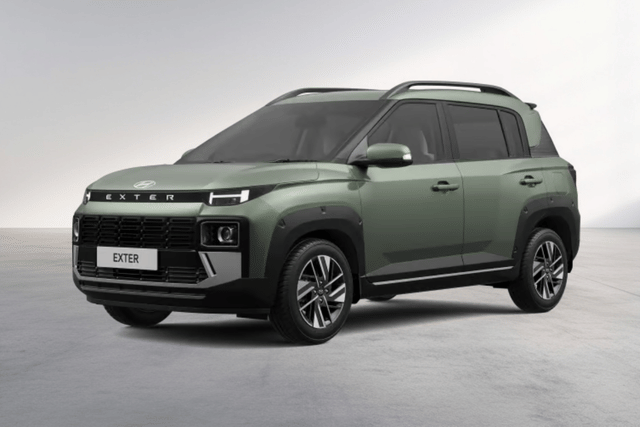
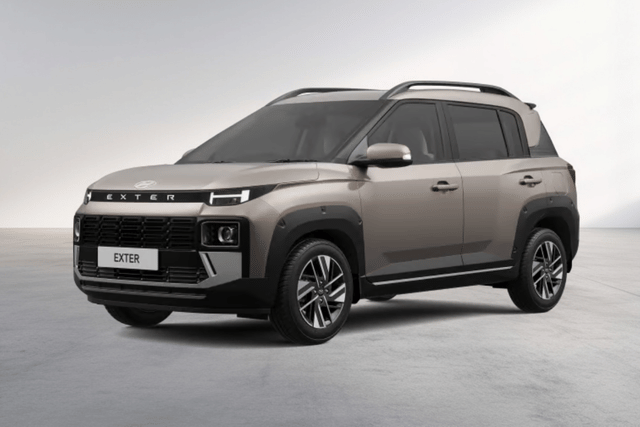
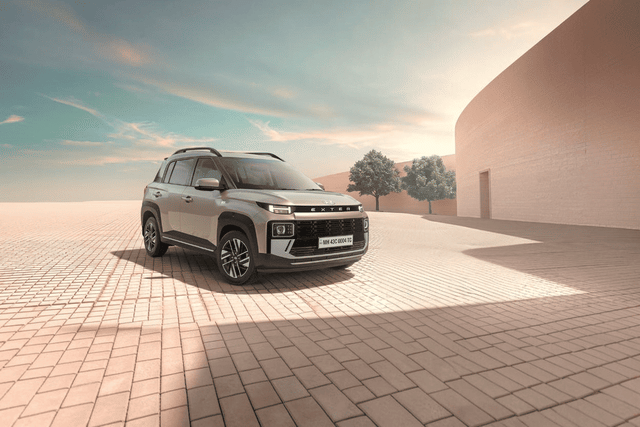
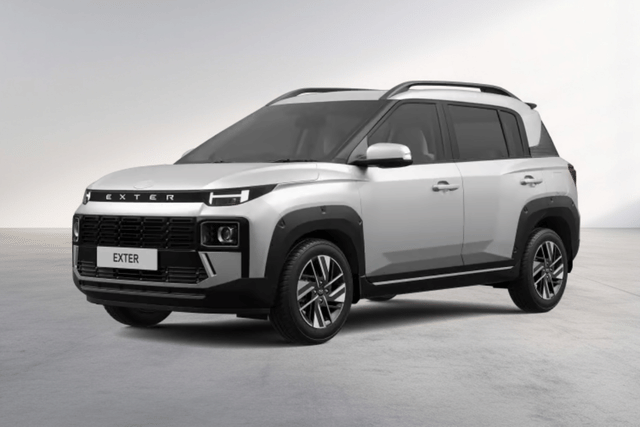
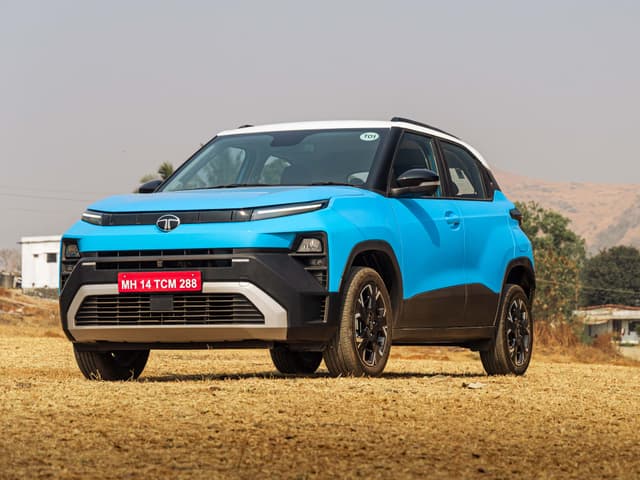
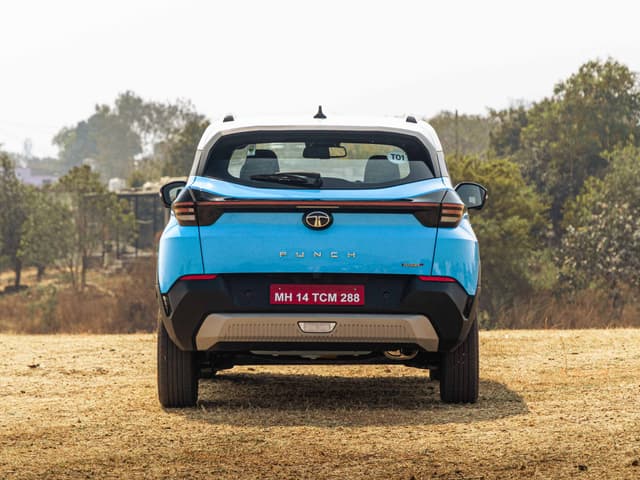
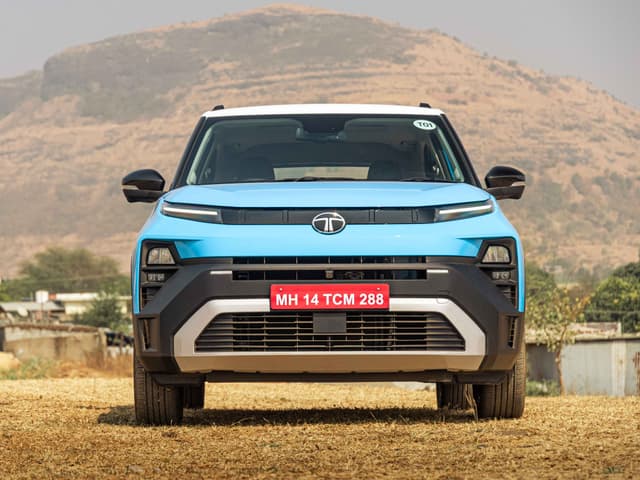
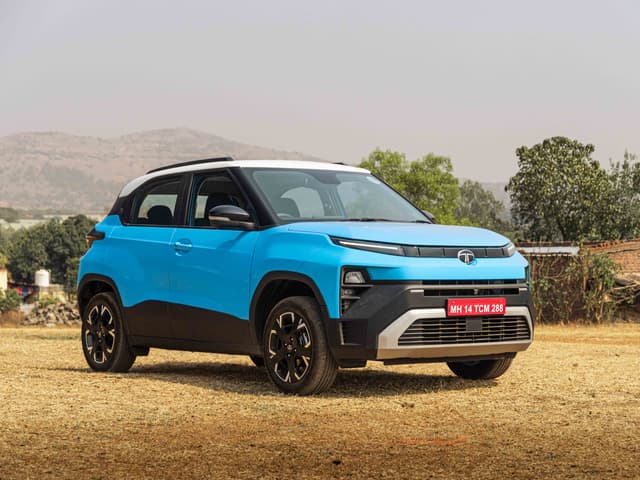
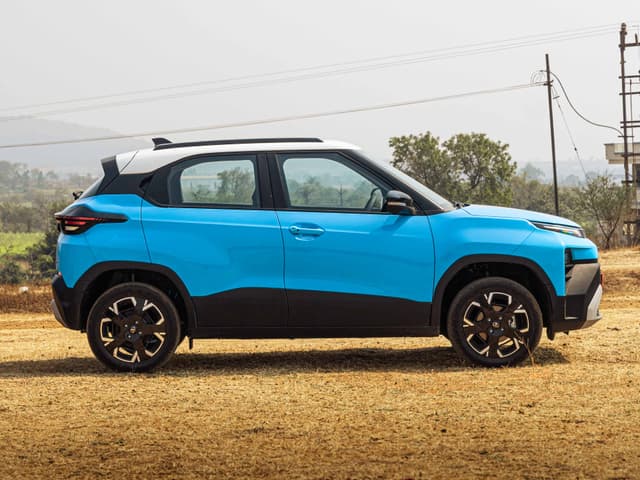
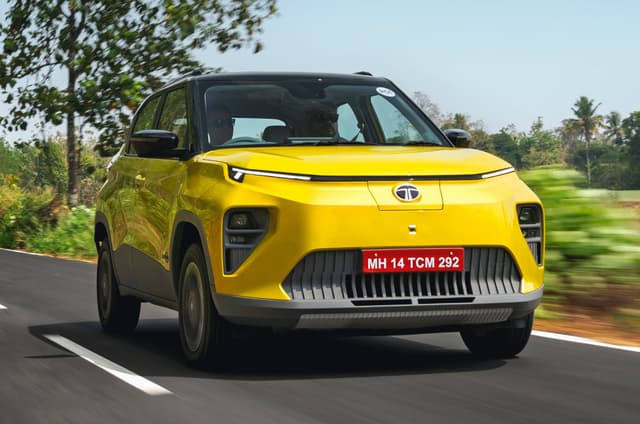
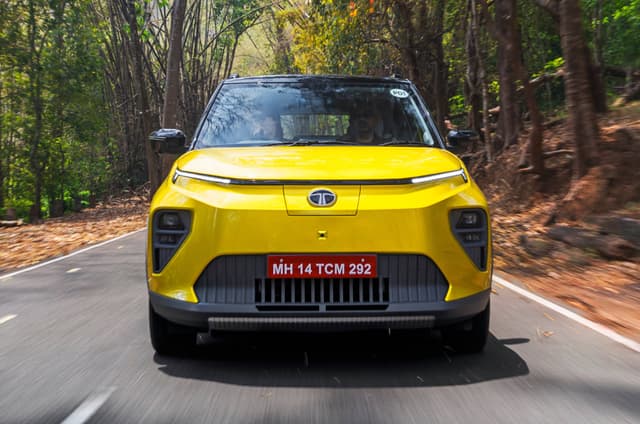
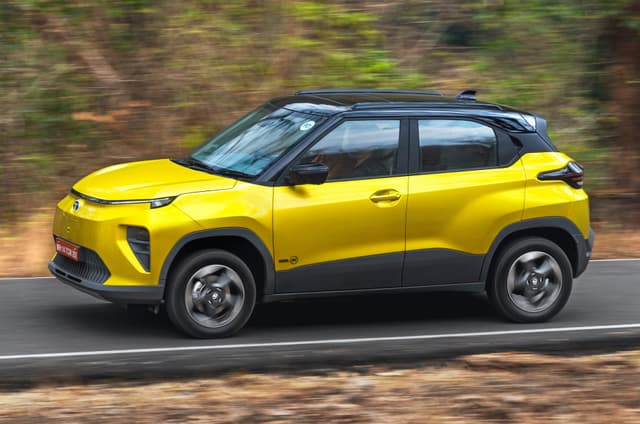
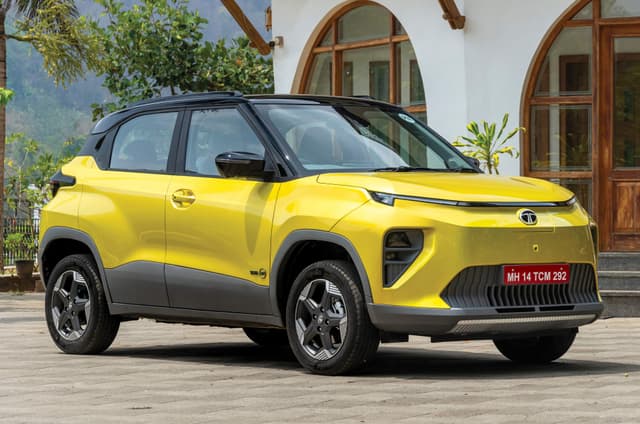
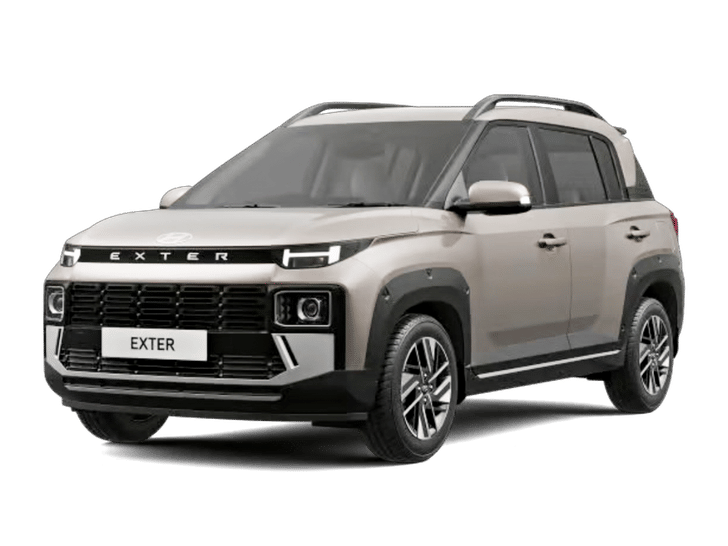
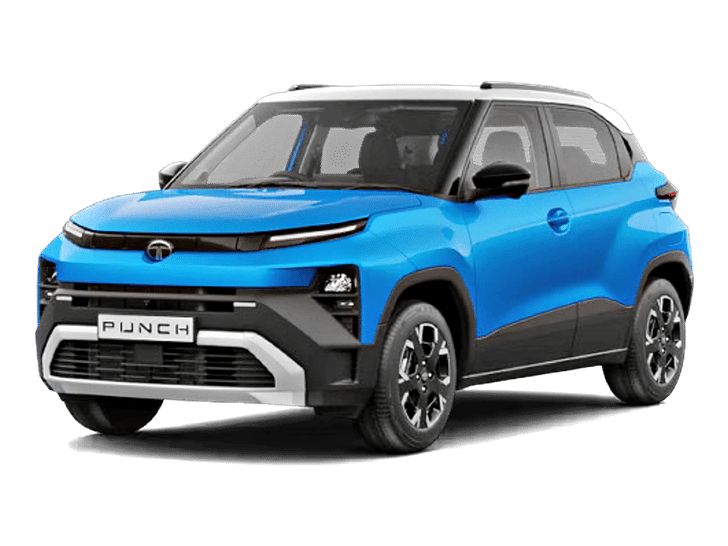
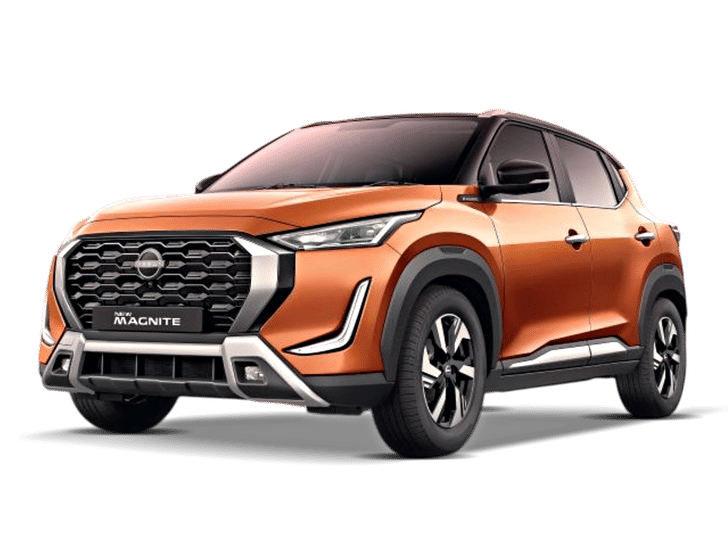
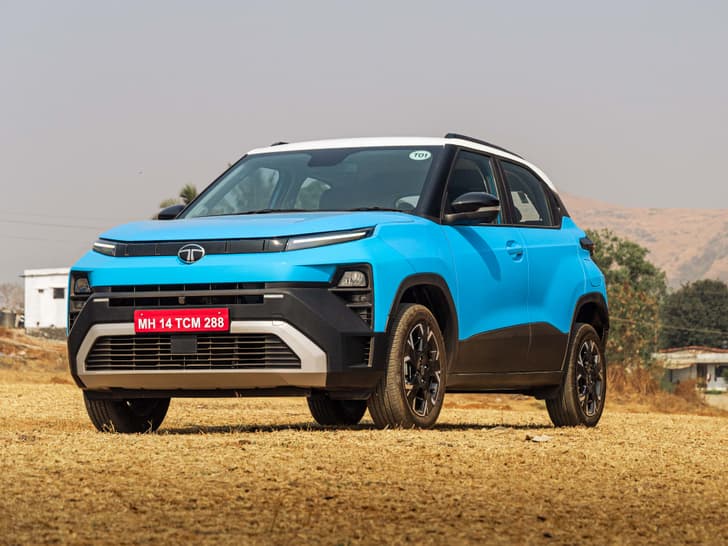
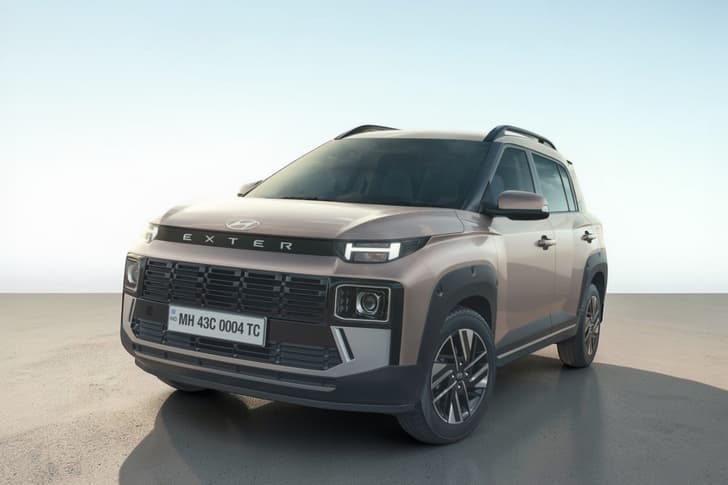
Under Rs 10 lakh | Tata Punch, Hyundai Exter, Renault Kiger, Nissan Magnite | Compact dimensions make these SUVs easy to drive and park in the city, while higher ground clearance and SUV styling add everyday practicality. |
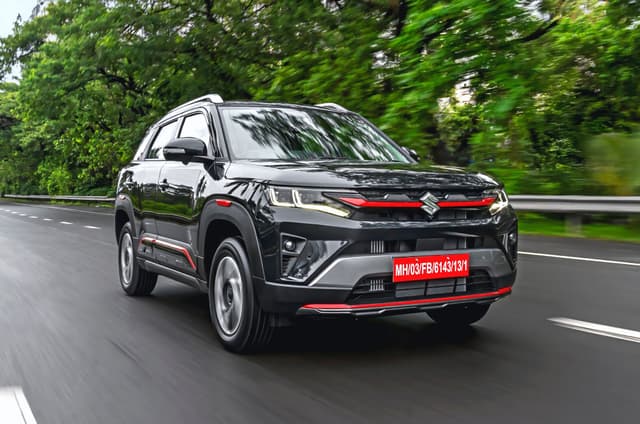
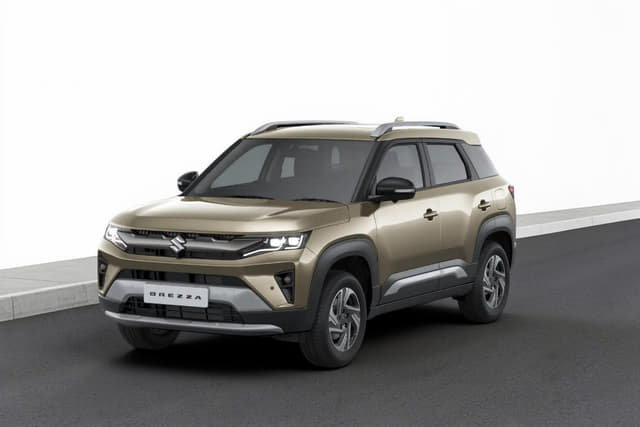
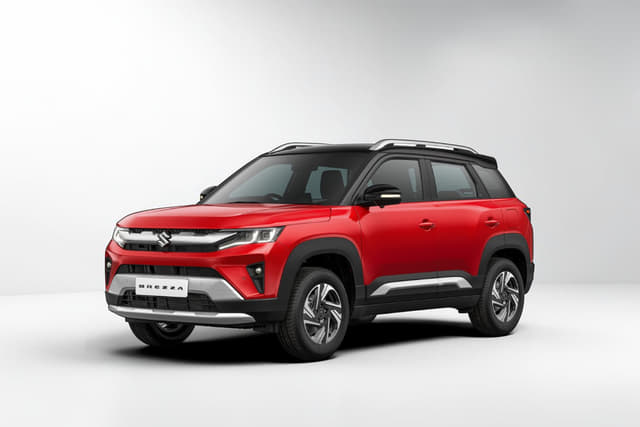
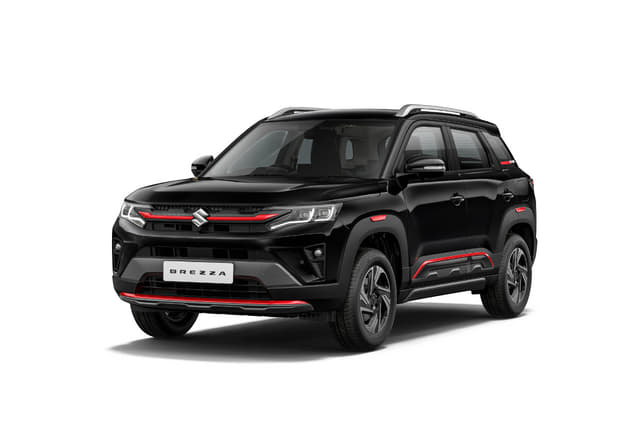
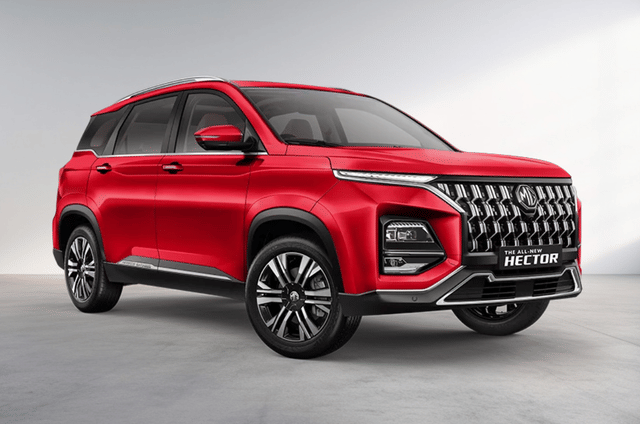
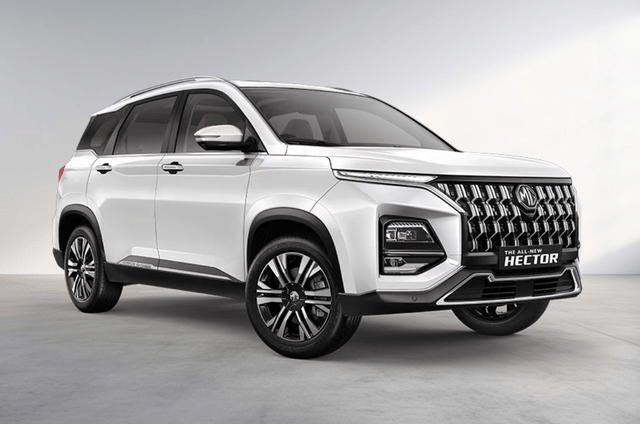
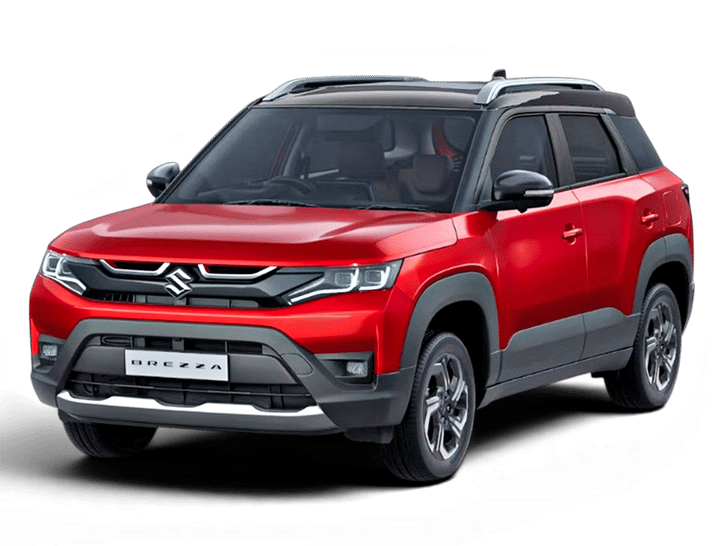
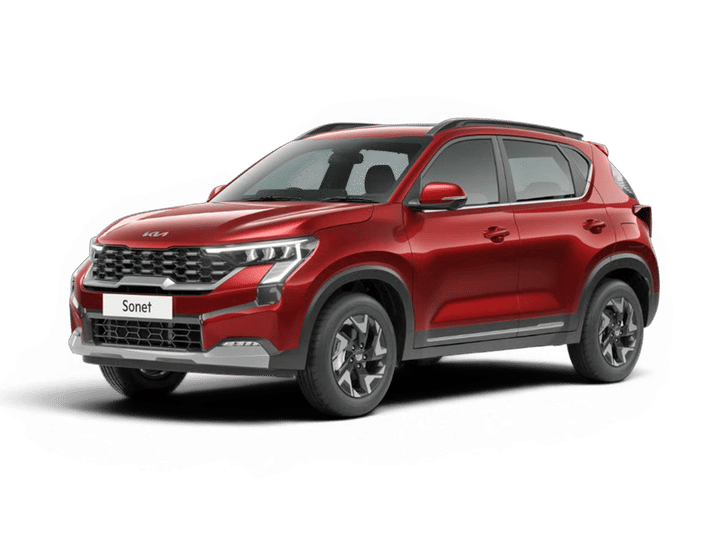
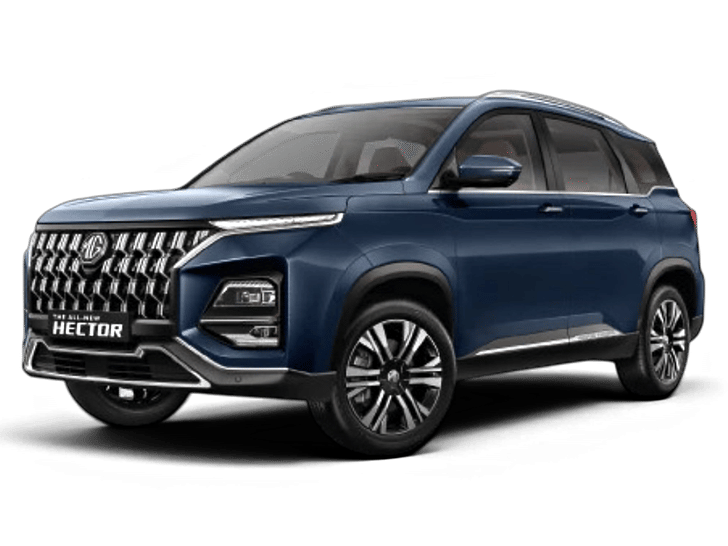
Rs 10–15 lakh | Tata Nexon, Hyundai Venue, Kia Sonet, Mahindra XUV 3XO, Maruti Brezza, MG Hector (base variants) | More choice of engines, gearboxes and variants, with several models offering enough space and performance for both city and highway use. |
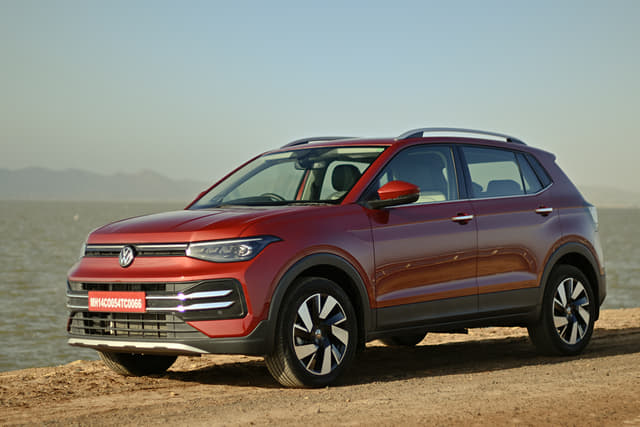
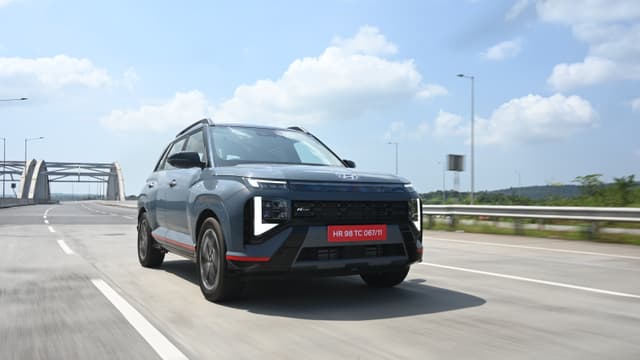
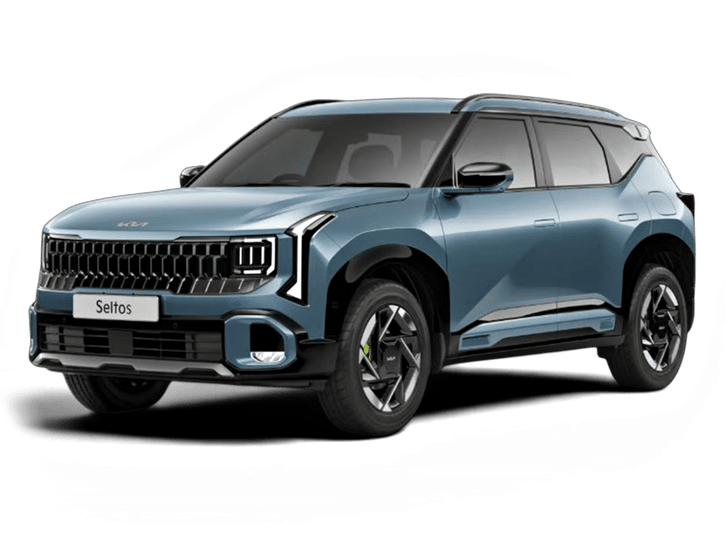
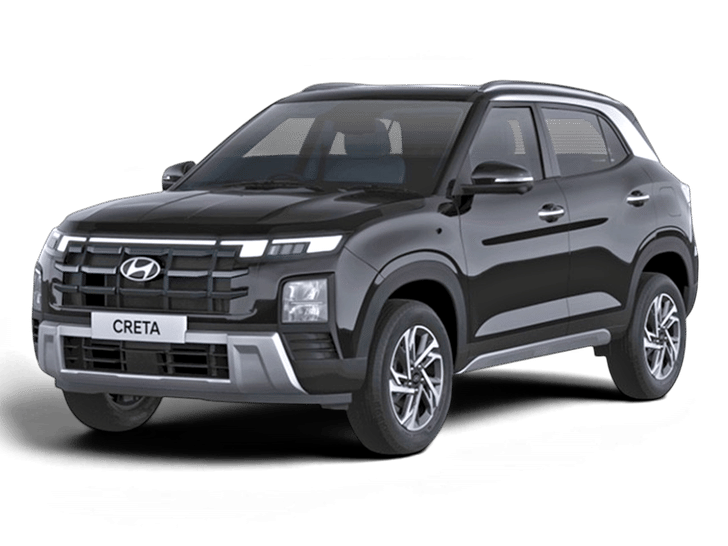
Rs 15–20 lakh | Hyundai Creta, Kia Seltos, Maruti Grand Vitara, Toyota Hyryder, Honda Elevate, MG Hector, Mahindra XUV 7XO (lower variants) | Larger cabins and a wider choice of powertrains, including strong-hybrid options on the Grand Vitara and Hyryder, along with higher equipment levels. |
Rs 20–30 lakh | Tata Safari, Mahindra XUV 7XO, Jeep Compass, Jeep Meridian | This range brings larger SUVs and three-row options, with more powerful engines and features such as level 2 ADAS available on select models. |
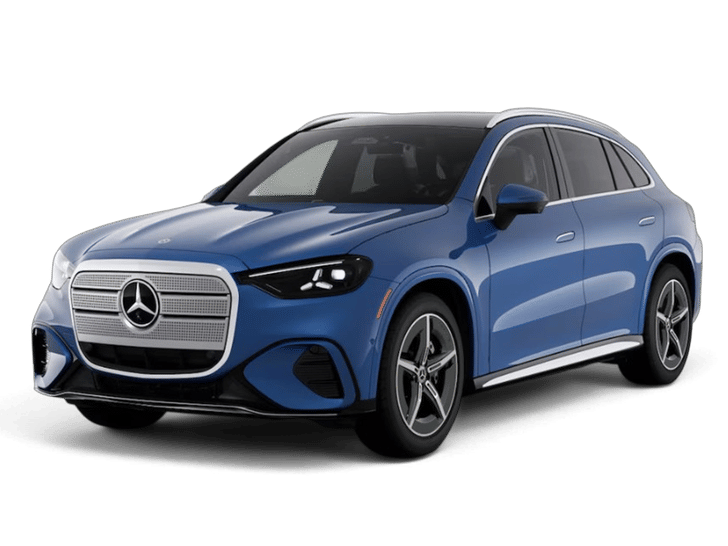
Above Rs 30 lakh | Toyota Fortuner, Skoda Kodiaq, Volkswagen Tayron, Jeep Grand Cherokee, BMW X5, Mercedes-Benz GLE, Audi Q7 | The segment moves into larger and luxury SUVs, with bigger cabins, more powerful powertrains and, on select models, four-wheel drive and higher levels of equipment. |
Note: Prices are ex‑showroom and based on 2026 model positioning. On‑road costs vary by city and can move some variants into adjacent price bands.
Price is only one way of separating the choices. SUVs within the same budget can have very different dimensions and seating layouts.
SUV Cars by Size in India
SUVs in India can broadly be grouped by their dimensions and seating capacity. The range starts with sub-4-metre models and extends to large three-row and luxury SUVs.
Sub-4-metre SUVs
The Tata Punch, Hyundai Exter, Maruti Brezza, Tata Nexon, Hyundai Venue, Kia Sonet and Mahindra XUV 3XO are among the key sub-4-metre SUVs in India. Their compact dimensions also place them in a lower vehicle tax bracket, while their smaller footprint makes them suited to congested urban environments.
Midsize SUVs
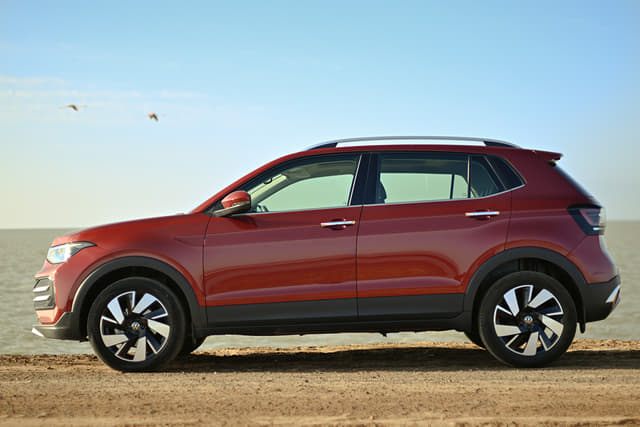
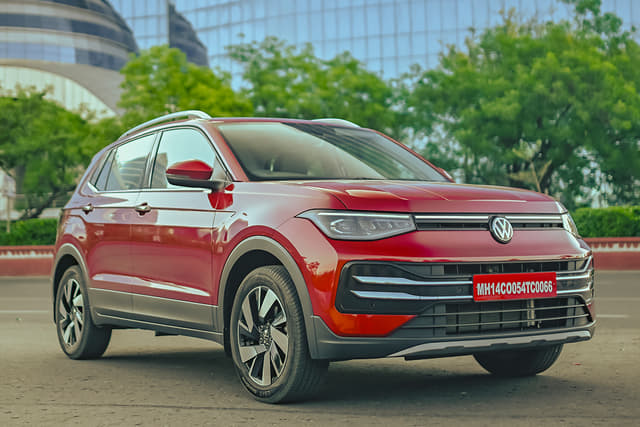
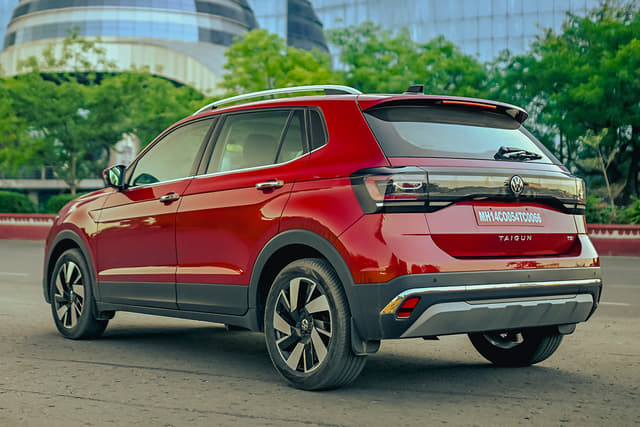
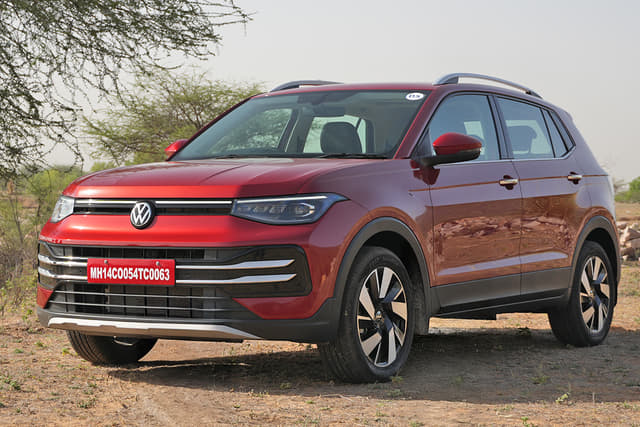
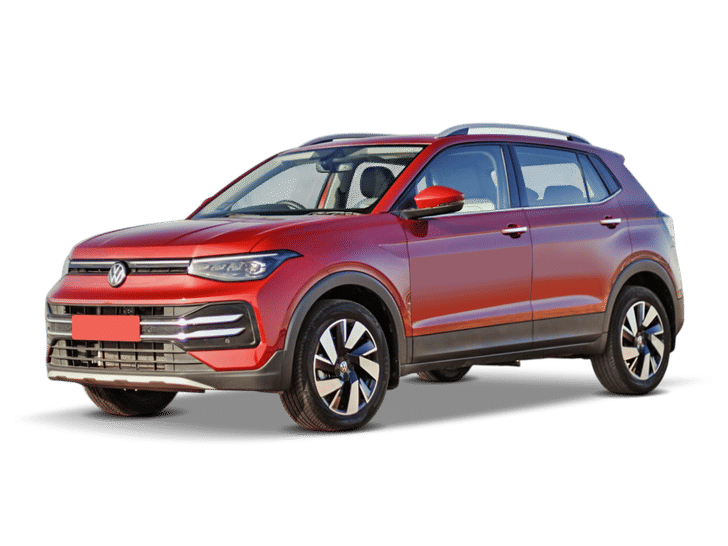
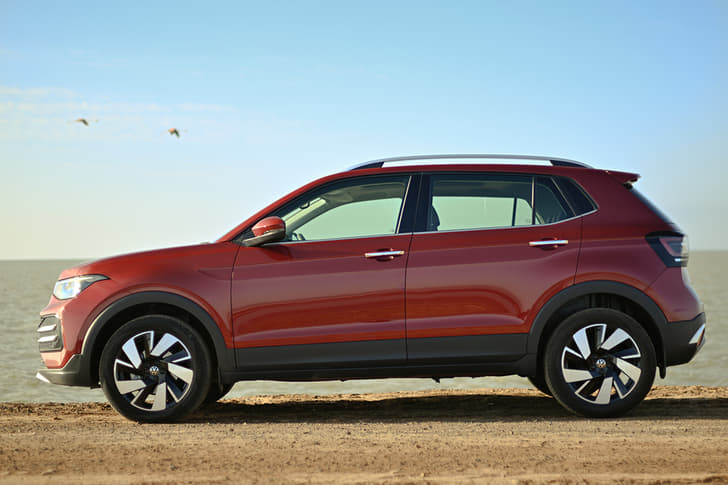
The Hyundai Creta, Kia Seltos, Maruti Grand Vitara, Toyota Hyryder, Honda Elevate, Volkswagen Taigun and Skoda Kushaq form the core of the midsize SUV market. They sit between compact SUVs and larger three-row models, with five-seat layouts and greater interior volume than most sub-4-metre SUVs.
Three-row SUVs
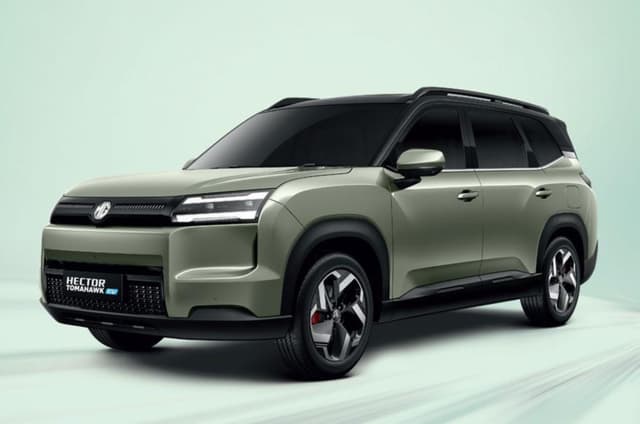
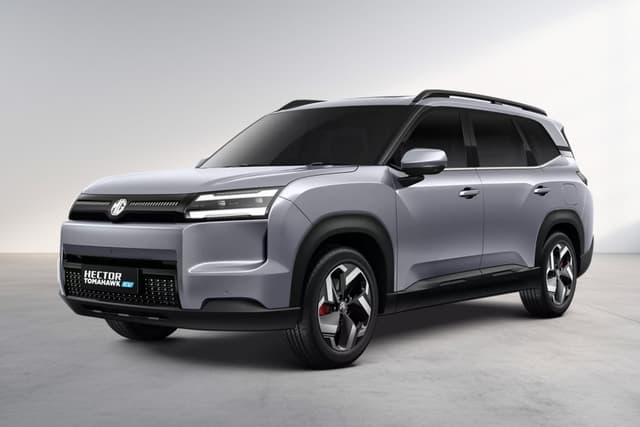
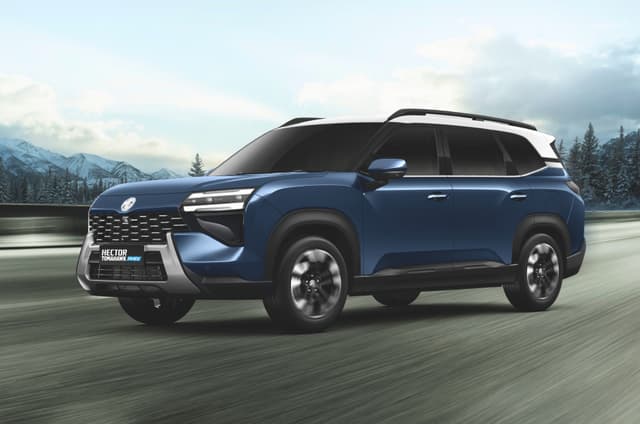
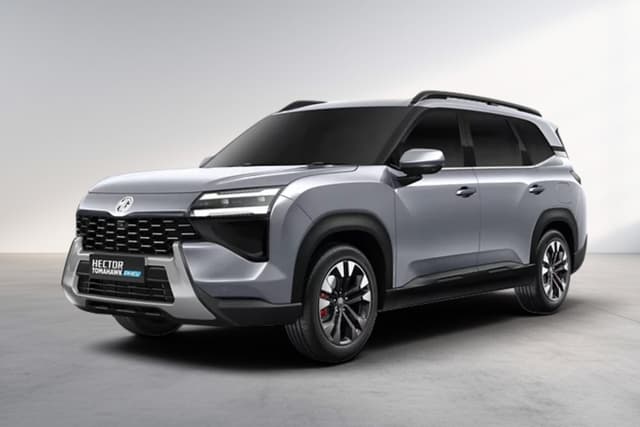
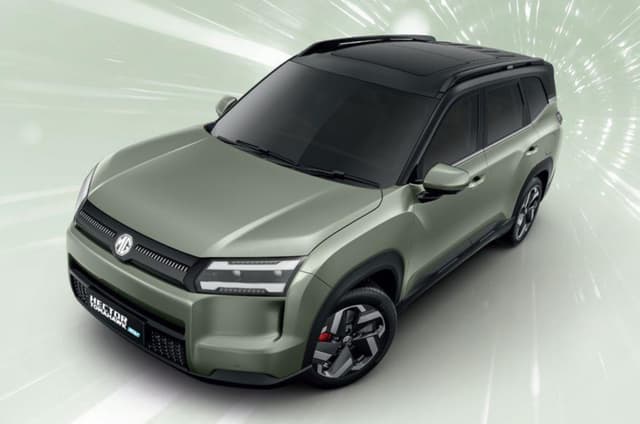
The Hyundai Alcazar, Tata Safari, Mahindra XUV 7XO, MG Hector Plus and Toyota Innova Hycross cater to buyers who need additional seating. Third-row space varies between models, while the Alcazar, XUV 7XO, Safari and Hector Plus are available in both six- and seven-seat configurations.
Large and luxury SUVs
The Toyota Fortuner and Jeep Grand Cherokee occupy the larger end of the mainstream SUV market, while luxury choices include the BMW X5, Mercedes-Benz GLE, Audi Q7, Volvo XC90, Range Rover Sport and Porsche Cayenne. These models offer larger dimensions and more elaborate interiors, with multiple powertrain and drivetrain options depending on the model.
The other major distinction between SUVs is what sits under the bonnet, with buyers now able to choose from several powertrain types.
SUV Cars in India by Fuel Type
Petrol, diesel, CNG, hybrid and electric powertrains are all represented in India's SUV market, although availability varies by model and segment.
- Petrol: Available across almost every SUV category, from the Hyundai Exter and Tata Punch to the Toyota Fortuner and luxury SUVs. It has the widest representation across the market.
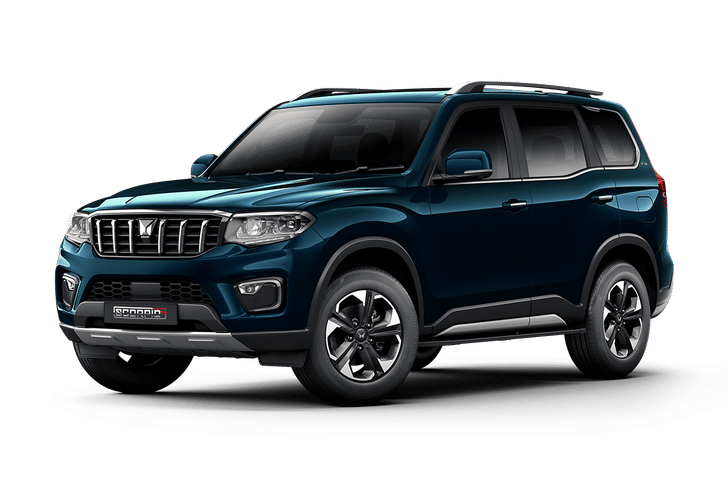
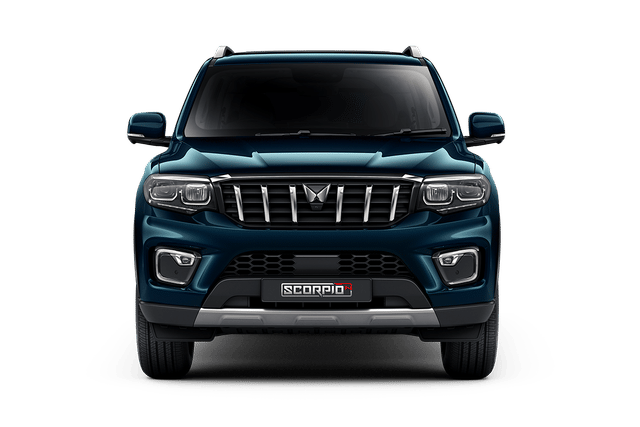
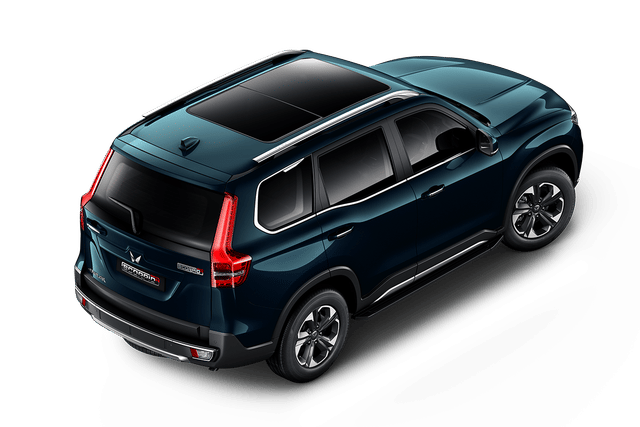
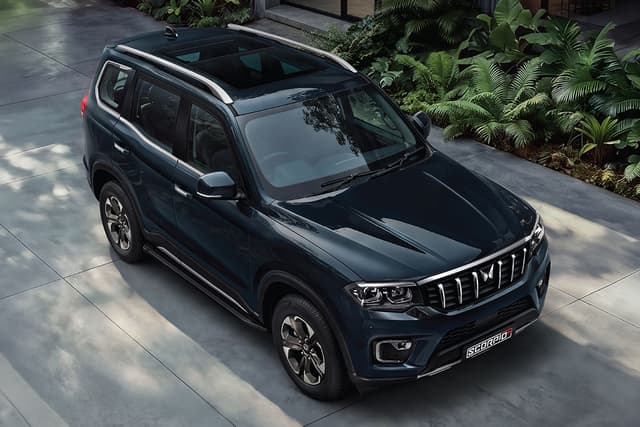
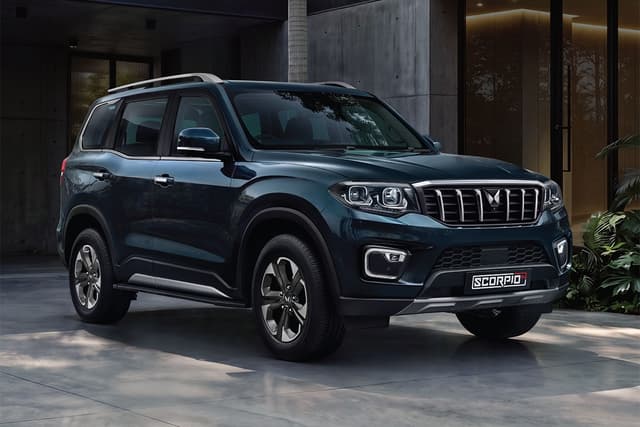
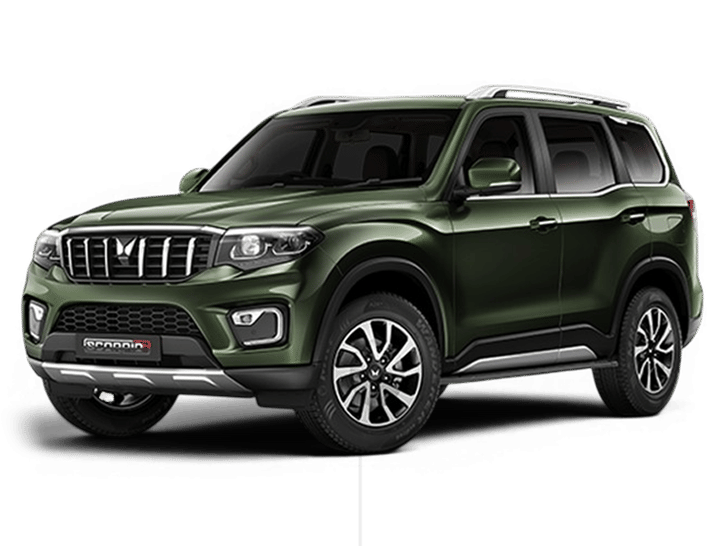
- Diesel: Mainly available on larger SUVs and models aimed at buyers covering higher annual distances. Examples include the Hyundai Creta, Kia Seltos, Mahindra Scorpio-N, Tata Safari and Toyota Fortuner.
- CNG: Available on models including the Maruti Brezza, Maruti Fronx, Hyundai Venue and select Tata SUVs such as the Punch and Nexon. The main attraction is lower running costs, although the CNG hardware can reduce usable boot space.
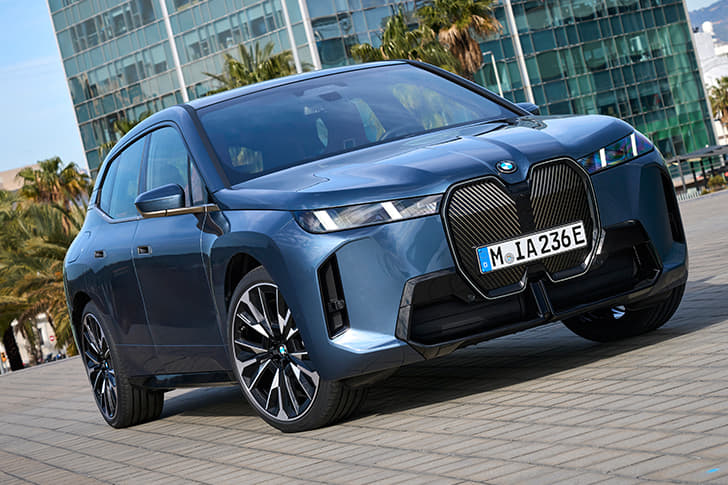
- Hybrid: The Maruti Grand Vitara and Toyota Hyryder offer strong-hybrid powertrains in the mainstream SUV market. Luxury options include hybrid versions of the Mercedes-Benz GLE and BMW X5.
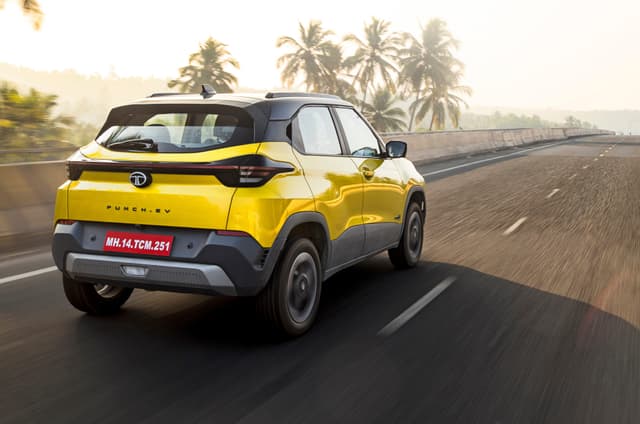
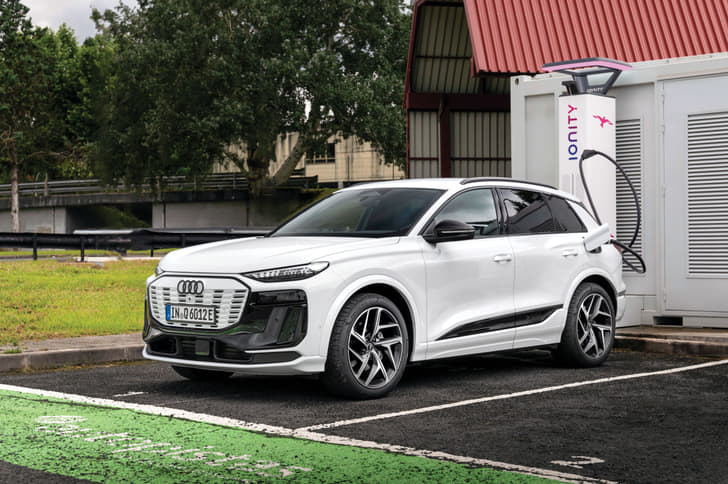
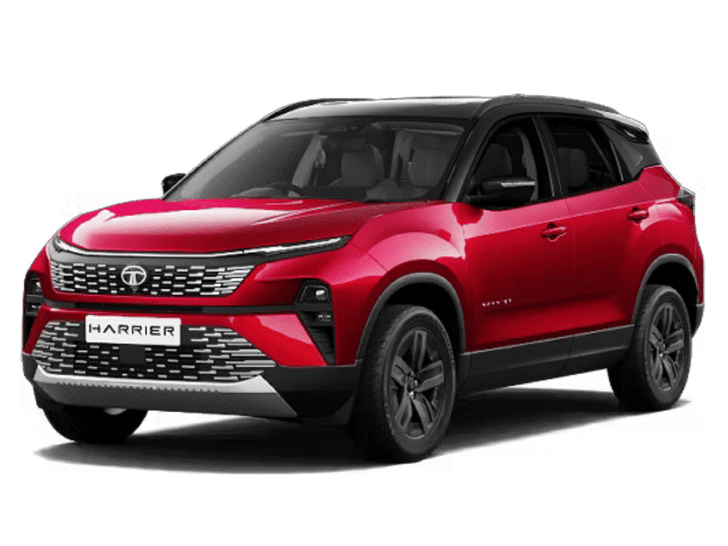
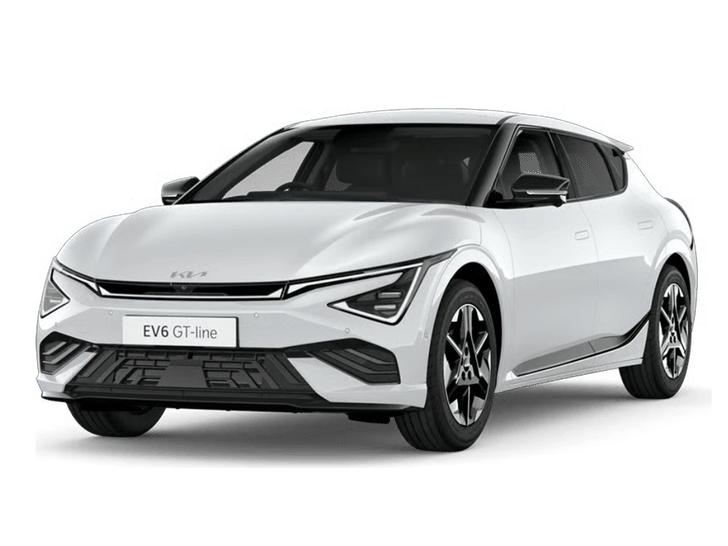
- Electric: The Tata Punch EV, Tata Nexon EV, Mahindra XUV 3XO EV, Tata Harrier EV and Mahindra XEV 9e are among the electric SUVs available in India, spanning compact models to larger SUVs.


Find cars by fuel type


SUV Cars Comparisons
Trending Questions on SUV Cars - Answered by Autocar Experts
I am a first-time car buyer. Please suggest an SUV that is easy to drive for a new driver who is not very confident behind the wheel. I am looking for a car with very light steering for heavy traffic and parking, good ground clearance, a 360-degree camera, and a CVT transmission, as I feel CVTs are easier to drive in traffic. What about the Honda Elevate CVT? It offers good hood visibility and ground clearance, but I am not sure about its steering. I also feel it is a bit long, and it does not have a 360-degree camera. Could you suggest other options that would suit my needs? Are Hyundai and Kia IVTs better than CVTs? What about the Nissan Magnite CVT and Renault Kiger CVT? Would an EV be a better option? Overall, please suggest an automatic car that is easy to drive for someone who is not very confident behind the wheel. I would prefer a car that meets my requirements, but I am open to better suggestions as well.
Following my previous question about replacing my 2019 Tata Hexa, which has covered 1.30 lakh km, with a new SUV or MPV within a budget of Rs 35 lakh and for a daily commute of around 90 km, we had finalised between the Scorpio N and the XUV 7XO, and had found the Scorpio more familiar than the Hexa. Now I am confused about which variant of the Scorpio N to go for: the Z8T or Z8L. The Z8L has ADAS, which isn't much use for my family and me, so is the Z8T the right choice? Although we are not in a rush and can wait another year, are there any upcoming vehicles with the same RWD diesel-manual DNA that are worth waiting for?
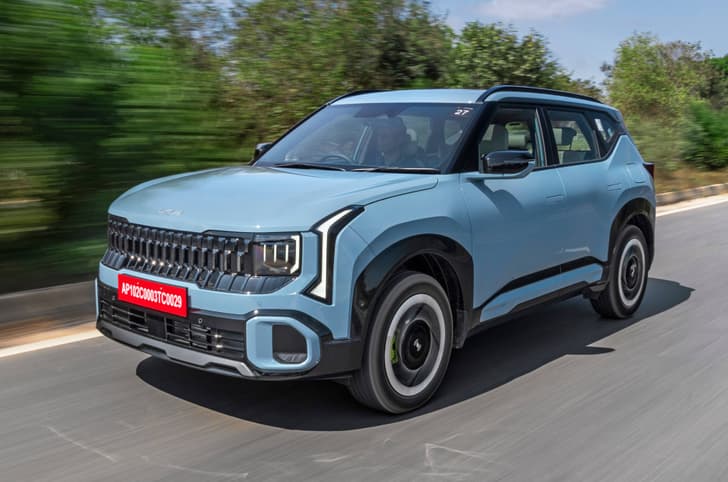
I am planning to buy my second car, a sub-4m petrol automatic SUV, with a budget of around Rs 15 lakh. I currently own a WagonR, and my usage is primarily city driving, with occasional long trips. I am confused between the Kia Sonet, Kia Syros and Hyundai Venue. I particularly like the Syros, but I am concerned about its low sales figures and the positioning of its headlamps. I am also unsure whether a 360-degree camera is worth having, as it is available only in the top variant of the Sonet, while the Syros does not offer one. I would appreciate your guidance on which of these SUVs would be better suited to my requirements.
I am based in Navi Mumbai and am planning to buy an electric SUV or MPV. My daily commute is around 25km, while I typically drive 200km on weekends. I currently own a 2017 Hyundai Creta 1.6 diesel manual and have test-driven the Hyundai Creta Electric, BYD eMax 7 and Kia Carens Clavis EV. With a budget of Rs 30 lakh, which 6-seater electric SUV or MPV would be suitable for long-term ownership? I am also concerned about BYD's after-sales service and would like to understand how it compares with the other options in terms of service support and long-term reliability.
SUV Cars User Reviews
Maruti Suzuki Brezza
Hardik•02 October 2026
Brezza is a no-nonsense car with good mileage and long-term reliability. The 1.5 NA engine is recommended, and the ZXI+ AT variant is a good choice.
View all Brezza ReviewsMahindra Scorpio N
Praveen N K•03 October 2026
The Mahindra Scorpio 7XO AX7L version is a better choice, especially without ADAS. It hits the sweet spot for an upgrade.
View all Scorpio N ReviewsHyundai Exter
Dr Manish•02 October 2026
The car is amazing. STRONG built quality, existing features, very comfortable and spacious gives you a luxury feel, very good average. Hyundai Exter is best in her category, driven in city, highway, rural everywhere the performance is above expectations.
View all Exter ReviewsTata Punch
Anand N Shirolkar•21 September 2026
I would love to drive the Punch , very elegant and safe car to drive
View all Punch ReviewsKia Seltos
Raj•03 October 2026
The new Kia Seltos is based on a new platform and has improved a lot. It's fresh and new, and I would recommend the Seltos for its advanced features used globally.
View all Seltos ReviewsVolkswagen Taigun
Naveen Singh•03 October 2026
I drove my friend's car, and it was an amazing experience! I was planning to get a Grand Vitara, but now I'm definitely going for this car just because of how smooth it is and the sound of the wheels when it hits 100 km/h.
View all Taigun ReviewsMG Hector
Mohammad Toufeeq•10 September 2026
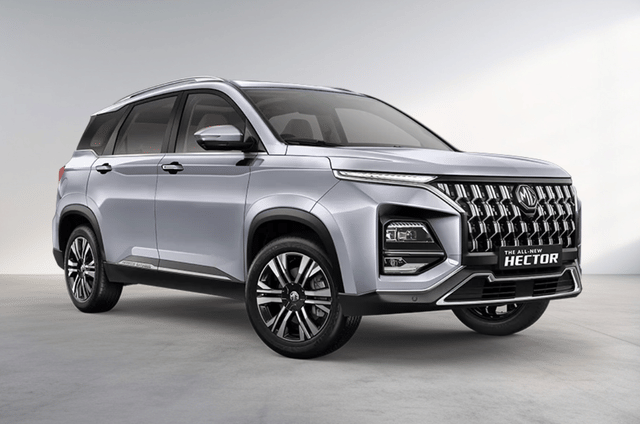
When I drive it, I love the features and looks. The seats are comfortable, and the driving experience is massive. The rear seat space and boot space are large, and the rear camera visibility is clear.
View all Hector ReviewsTata Punch EV
Imran Khan•03 October 2026
Smooth as silk. Top class experience. The interior looks beautiful, elegant and appealing. The car is very comfortable. Even ladies will enjoy driving this. The latest tech-supported dashboard adds to the beauty. The external look and colours are also very tempting.
View all Punch EV ReviewsSUV Cars Expert Reviews
SUV Cars Images
SUV Cars Videos
SUV Cars - FAQs
SUVs offer higher ground clearance, a commanding driving position and a more practical cabin than most hatchbacks and sedans. Many SUVs also offer larger boots, higher seating capacity and all-wheel drive or four-wheel drive options, depending on the model.
SUVs generally offer higher ground clearance, a taller seating position and greater practicality. Sedans, however, often provide better ride comfort, handling and fuel efficiency. The right choice depends on your driving needs and priorities.
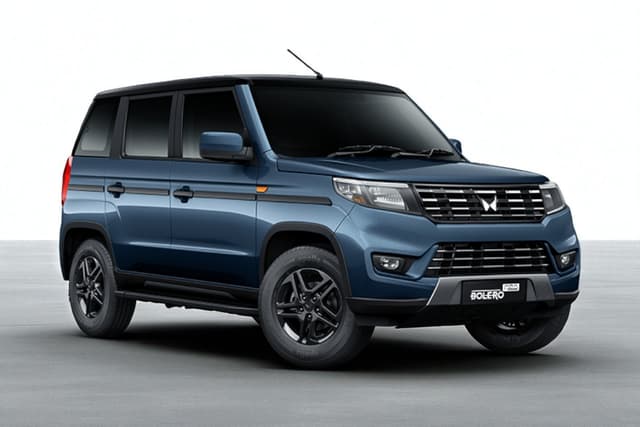
Many SUVs in India are available with six-, seven- or even nine-seat layouts. Popular options include the Mahindra XUV700, Mahindra Scorpio N, Tata Safari, Hyundai Alcazar, Jeep Meridian and Mahindra Bolero Neo+.
Yes. Compact and midsize SUVs are well suited to city driving, combining a higher seating position with manageable dimensions. Many models are also available with automatic transmissions, making them convenient for daily commutes.
SUVs are generally preferred for their styling, higher ground clearance and driving position, while MPVs focus on maximising passenger space and comfort. Buyers looking for seven- or eight-seat family vehicles should consider both body styles before making a decision.
No. Most popular SUVs sold in India are front-wheel drive, while selected models offer all-wheel drive or four-wheel drive, particularly those designed for off-road driving or premium segments.
While SUVs have traditionally been less fuel efficient than hatchbacks, many modern SUVs are available with CNG, hybrid and electric powertrains that significantly improve efficiency. Fuel economy ultimately depends on the vehicle's size, engine and powertrain.
Last Updated on: 3 Oct 2026