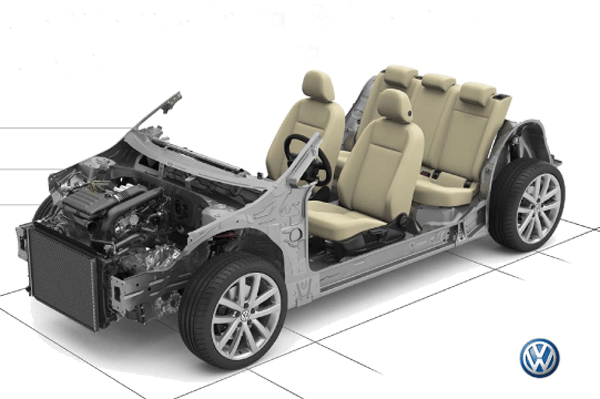
Volkswagen’s modular transverse engine platform, called MQB, has been a big success for the company. A basic set of common parts for cars from the VW group whose engines are mounted transversely, MQB allows the company to lower costs through standardisation.
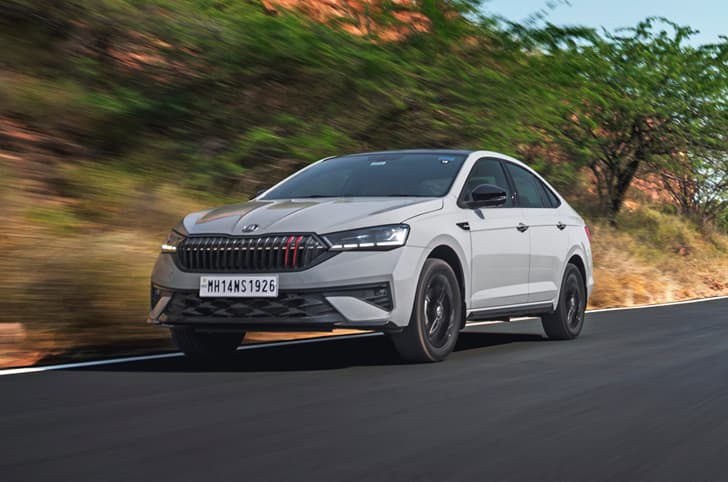
Successful cars include the new Audi A3, Skoda Octavia, VW Golf, VW Passat and others. There are currently three sub-variants of MQB, with ‘tool kits’ that differ slightly. In the order of size, there’s the new MQB A0 on which the new Polo will be based, the VW Golf’s MQB A is currently the most commonly used, and there’s the MQB B on which the new Passat is built.
While costs have been reduced due to the MQB programme, they are still not low enough to help VW achieve high levels of penetration in emerging markets like India. This is the reason why VW is blending some of its standardised MQB modules with others that will be specially developed at a lower cost. The objective is to put together a lower-cost sub-platform that will be used in developing markets around the world, offering the benefits of both low- and high-cost technology.
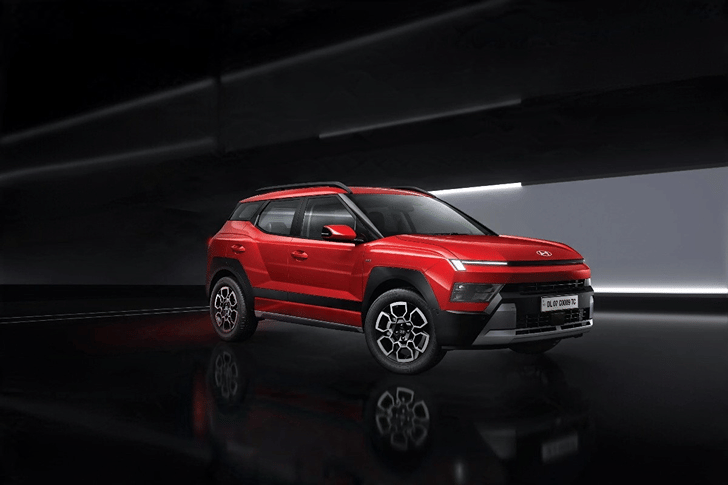
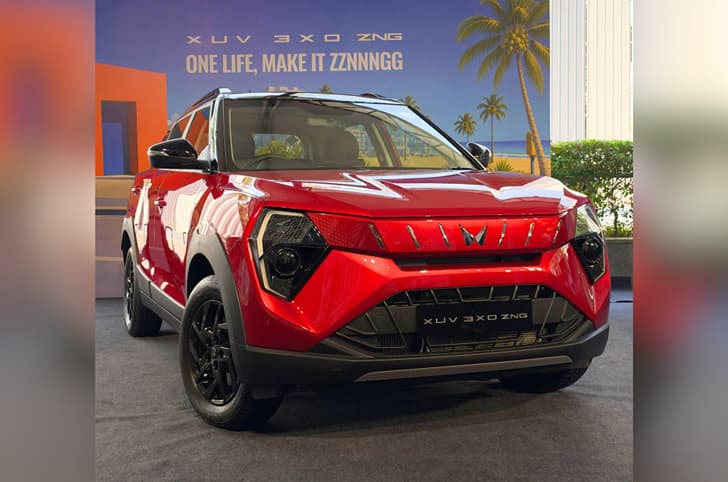
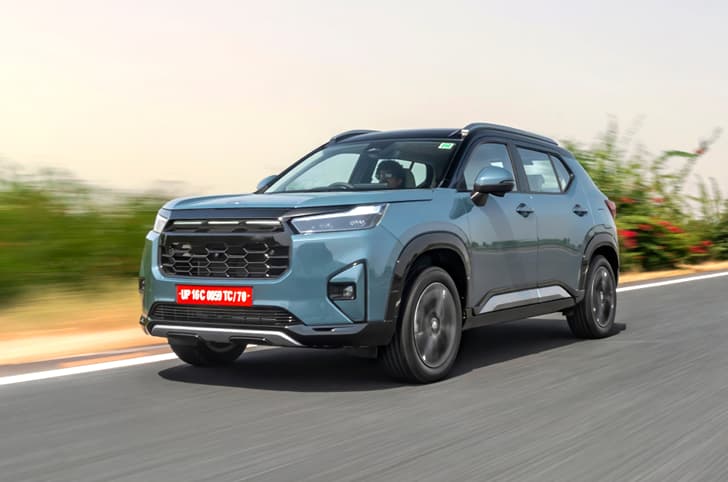
Taigun-like compact SUV, based on the low-cost platform, might be the first one to India.
But how exactly does VW plan to do this? To begin with, MQB uses seven different standard modules spread over the car’s structure. The positioning of the engine, front axle and pedal box are the same in all MQB cars, and other standardised bits include similar suspension and engine mounting points. This results in a big saving.
What makes MQB work, however, is that it’s also highly flexible. Length, width, height, wheelbase, wheel size and seating position are all variable. So it can be used to make vehicles in different classes. And now, it will be used to make lower-cost cars tailored to the requirements of emerging markets such as India.
 Dipan Sur
 Viraaj Bhatnagar