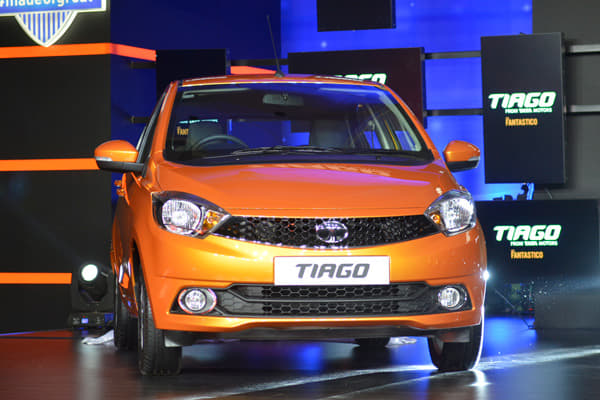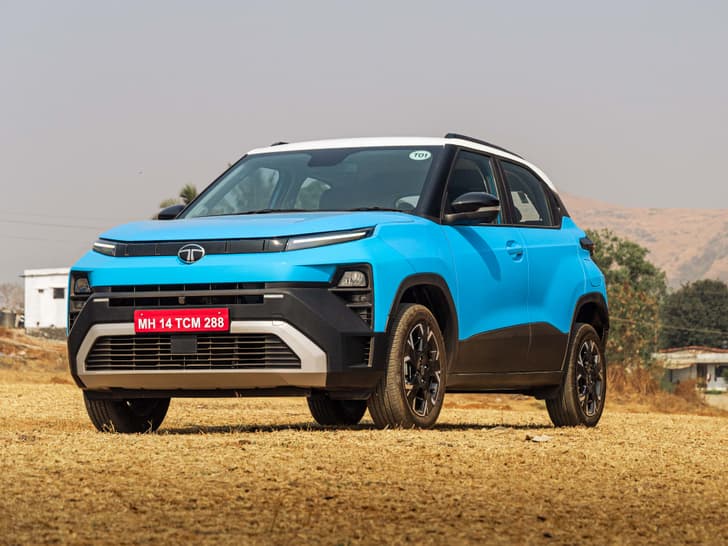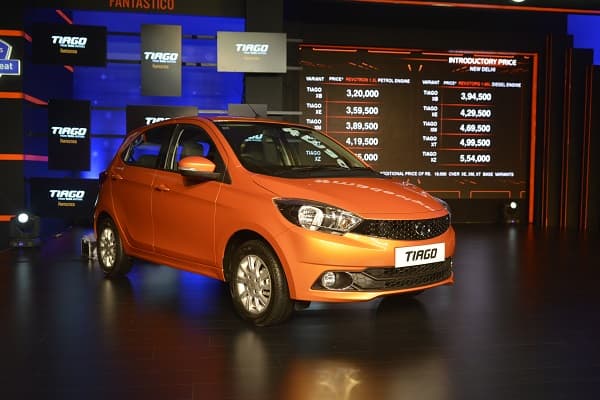
Gunning for a turnaround in its volumes, Tata Motors has launched the Tiago as it aims for the individual buyer and is keen on pushing the Indica and Indigo towards the commercial segment. It wouldn’t be an exaggeration to say that it is one of the most crucial launches for the home-grown carmaker. The much-anticipated launch comes at a time when the Tata Motors brand is struggling and hardly has any pull in the market. So how important is the launch of the Tiago for the carmaker?
“Tiago is certainly very important since it will help us to change the image to some extent because the image undoubtedly has to improve. There has to be a clear, specific and focused positioning of our brand in the mind of the customer and even suppliers,” Girish Wagh, senior vice-president (Programme Planning & Project Management) at Tata Motors told Autocar India.
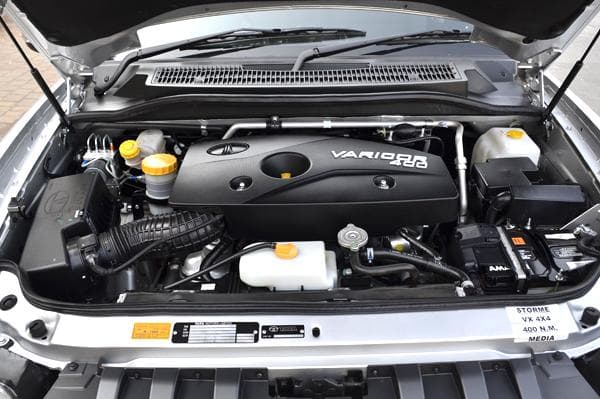
Having lost the opportunity at growing its volumes with the Bolt, whose sales have declined 66 percent (772 units) in Feb 2016 over last year, Tata Motors has pulled out all the stops with the Tiago. The vehicle comes with a clean sheet design and also marks the debut of two new in-house developed engines – a 1.2-litre three-cylinder naturally aspirated Revotron petrol and a 1.05-litre three-cylinder Revotorq diesel.
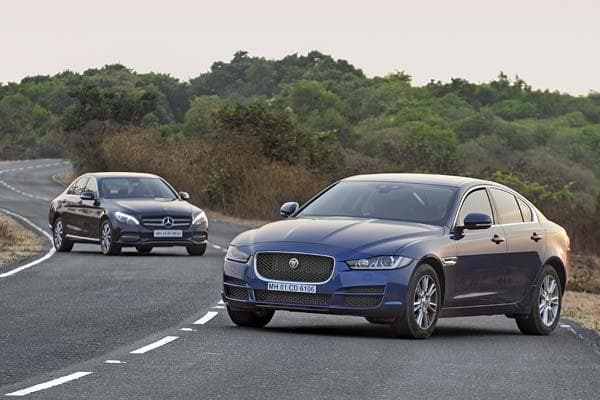
Interestingly, a lot of inputs have been taken from luxury carmaker Jaguar Land Rover (JLR) for the engineering process. “We have our own New Product Introduction (NPI) process which has taken lot of inputs from the JLR’s process. The latter is more mature as a lot of products have gone through that process,” Wagh said adding that a lot of issue-based inputs such as getting the right quality of sheet metal for instance, were also taken from the luxury carmaker.
On the price front, the carmaker also had a few learnings from the Bolt – a model that misfired despite being a promising product, due to its high price. “We have had a lot of learnings from the Bolt and the Zest. On the pricing front, the learnings from the Bolt were to improve the way we price our products and you can clearly see that with the Tiago’s pricing. Having a number of variants and the optional safety packs is also among those learnings,” Wagh said. Launched at a staggeringly low introductory price of Rs 3.20 lakh (ex-showroom, Delhi) for the base petrol variant, the hatch not only undercuts its rivals such as Celerio and i10 across all variants but also knocks on the door of the Alto. The eye-catching price, however, is likely to crawl up in the near term.
With regards to promotion, Tata has gone big and global. The carmaker recently roped in ace football star Lionel Messi as its global brand ambassador. The association with Messi also points towards Tata’s global ambitions with the Tiago but for now the objective of using football over cricket is to position the car as more class than mass.
The last ‘p’, however, is the most crucial one. Surely, Tata Motors has a lot of ground to cover in terms of its presence, and towards that end, the company has recruited and trained over 1,000 additional sales personnel at its 597 dealerships. However, a lot more work needs to be done, along with a complete overhaul of the retail format as the customer experience lags behind that offered by competitors.
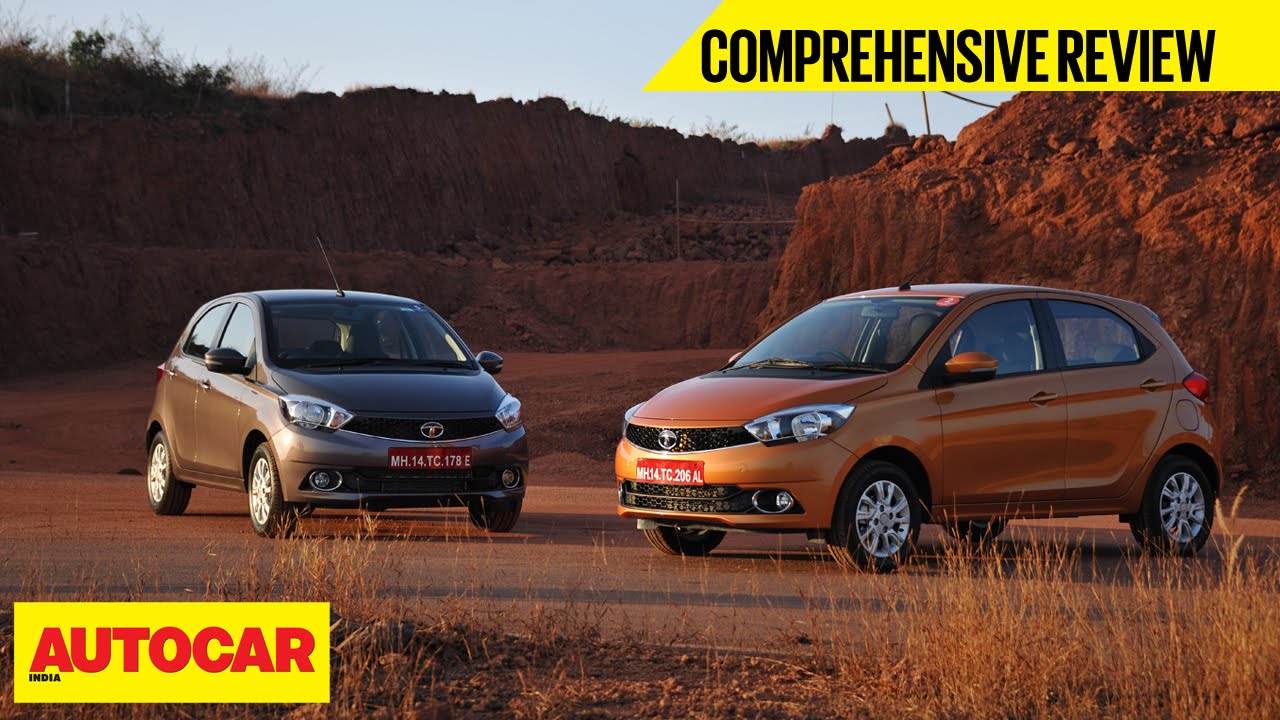
Tata Tiago vs Maruti Celerio diesel comparison

 Viraaj Bhatnagar
 Dipan Sur
 Dhruv Dhaka

 Saptarshi Mondal