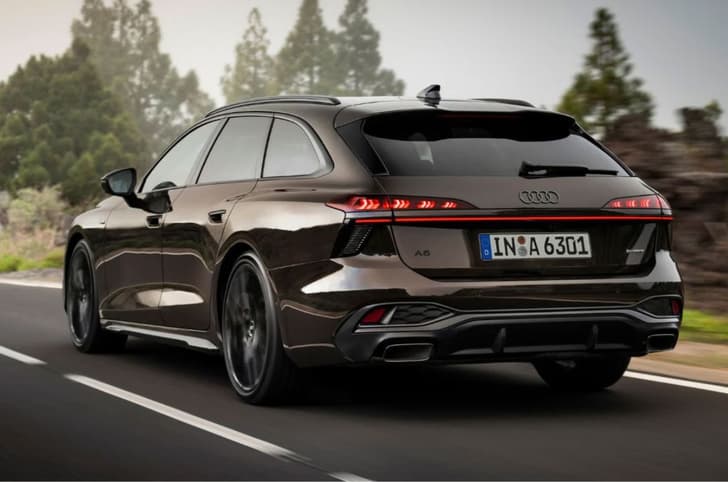
The European Union (EU) is set to rescind its proposed ban on new ICE-powered cars, which would have gone into effect in 2035. This exhaustive ICE car ban was first put forth in 2021 as a way to heavily curtail tailpipe emissions, but the EU has backpedalled on it following sustained lobbying by governments and major carmakers.
- Tailpipe emissions reduction target for 2035 is now 90 percent; it was 100 percent earlier
- Remaining 10 percent of emissions must be offset by using green fuels in ICE and hybrid cars
Europe ICE ban watered down
Emissions reduction target to be lowered; European Parliament nod awaited
Under revised proposals drafted by the European Commission, carmakers operating in the EU will be required to cut total tailpipe CO2 emissions by 90 percent from 2035, instead of the previously mandated 100 percent reduction compared to 2021 levels. It’s worth noting, though, that this new set of rules still requires formal approval from the European Parliament.
‘Green’ fuels could be the saving grace for ICE and hybrid cars
The prior emissions target effectively banned all non-electric vehicles, but the new threshold would allow hybrids and pure ICE-powered cars to continue being sold in the EU. However, the remaining 10 percent of emissions reductions will need to be offset through the use of biofuels, e-fuels and European-made low-carbon steel, with manufacturers using “green” steel expected to receive additional emissions credits.
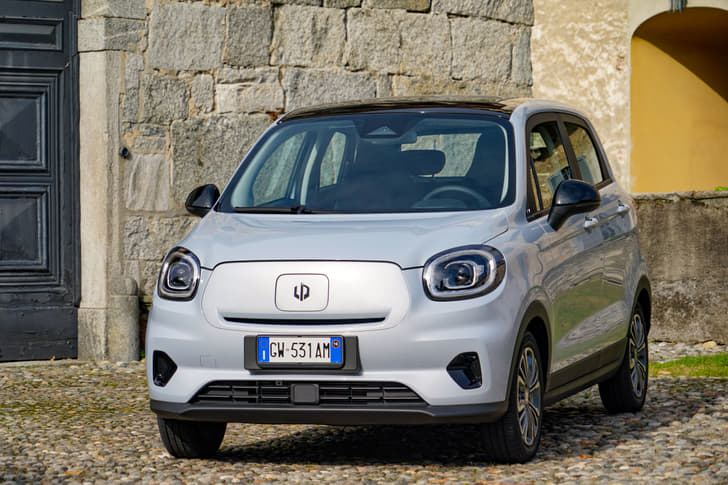
“Super credits” for small electric cars built under the EU’s new M1E regulations (length under 4.2 metres) have also been introduced to encourage affordable EV production, while carmakers missing targets could face fines totalling up to billions of euros. Notably, the revised plans do not specify an end date for ICE vehicle sales, potentially allowing them to continue indefinitely.
Carmakers now have more time to wait for EV demand to rise
EV sales have globally slumped in recent years, resulting in strategy reversals from carmakers such as Audi, Mercedes-Benz, Ford, Porsche and others who were previously committed to going electric-only. These revised rules will likely be met with relief by Europe’s automotive industry, granting carmakers greater flexibility and more time as they transition to full electrification while maintaining competitiveness in ICE-dominant segments and markets.

 Dipan Sur
 Dhruv Dhaka