The definition of the word 'accident’ implies that it is an event that happens by chance, or that it is without apparent or deliberate cause. It can happen to anyone and, most of all, when they are least expecting it. Precaution is the best form of prevention, especially when it comes to the safety of occupants in a car. We bring a list of what we think are essential safety features to have in a car to prevent accidents and to protect yourself in one.
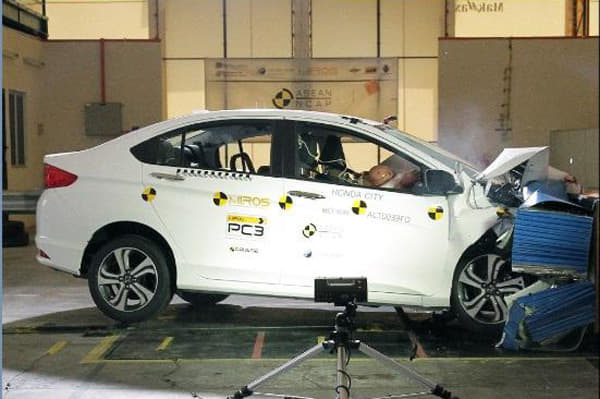
Crumple zones: Bela Barenyi, a Mercedes-Benz engineer came up with the concept of using crumple zones in cars. Used for the first time in the mid-1900s, it made its debut on the Mercedes-Benz 220. The idea behind the safety feature is to deflect kinetic energy away from the occupants in the event of a collision.
Crumple zones work on a very simple concept. The cabin of the car is made of a rigid compartment, with a softer zone around it. In case the car is involved in a crash, the outer, softer ‘crumple zone’ collapses under impact, distributing and channeling the energy around the cabin instead of through it, keeping the occupants safe.
Three point seatbelts: Seatbelts, now mandatory widely across the globe, have saved millions of lives. They were invented by Volvo engineer Nils Bohlin. The concept of seatbelts is to hold the occupants in place if the car crashes.
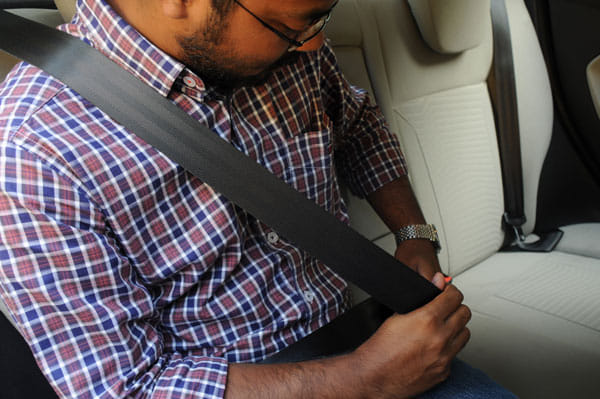
When a car hits an obstacle, it loses momentum very rapidly, however, the occupants continue moving at the same speed as the car before the crash. This is called the catapult effect. The front occupants hit the dashboard or the steering wheel at the same speed as the car hits the obstacle, and can sustain very serious injuries, or worse. Seatbelts counter this by holding the occupants in place and don’t allow them to move about. The force is evenly spread across the stronger parts of the body such as the waist and the chest, reducing trauma to the body.

 Viraaj Bhatnagar
 Dipan Sur
 Dhruv Dhaka