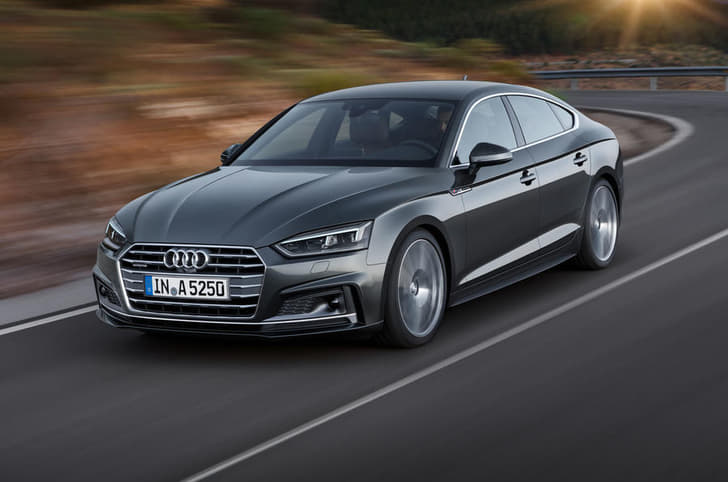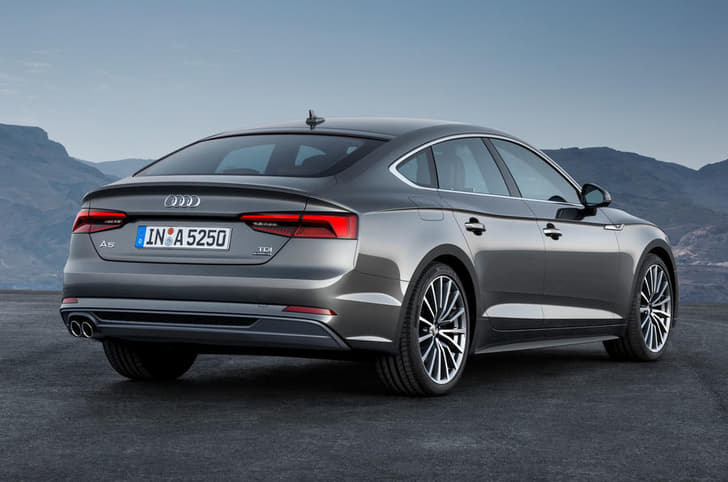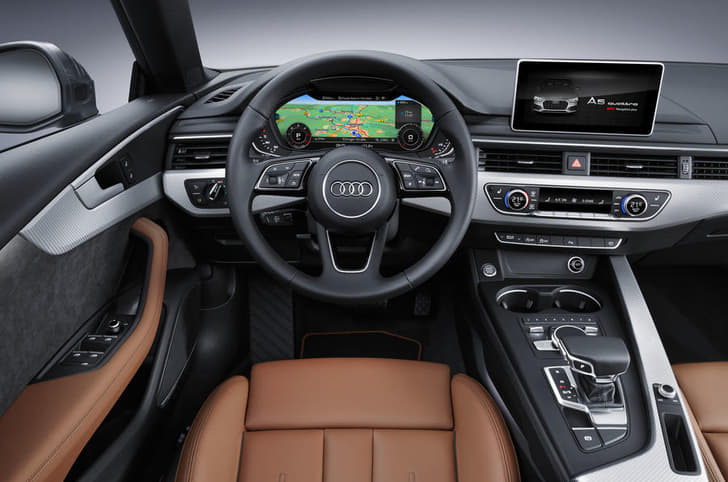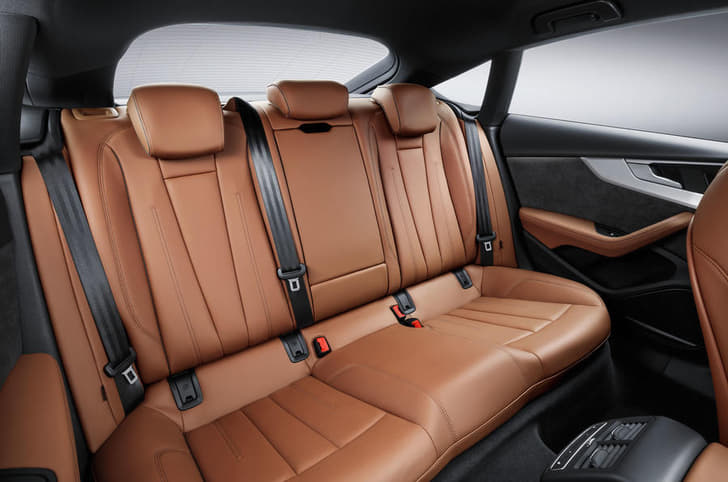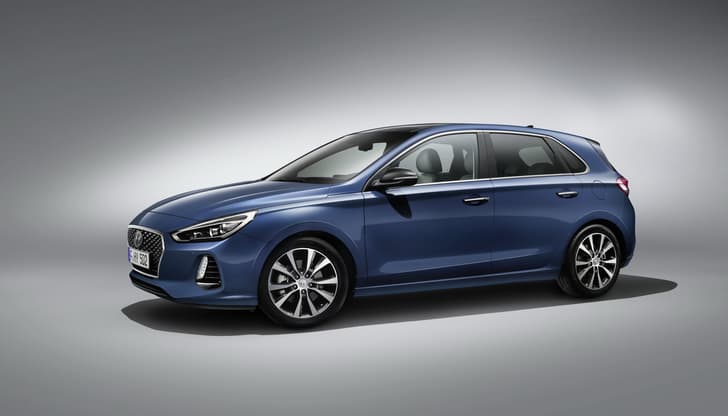
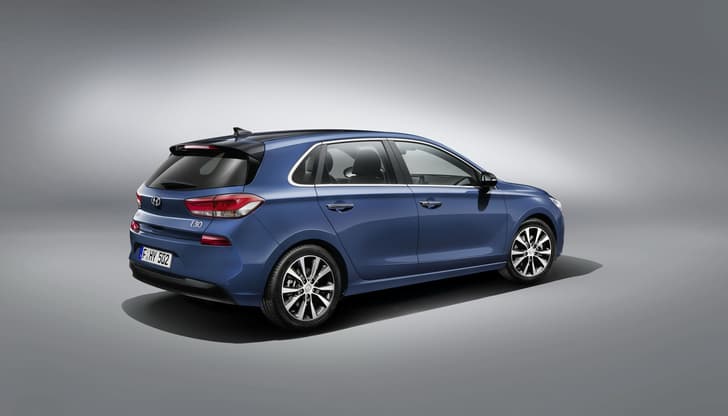
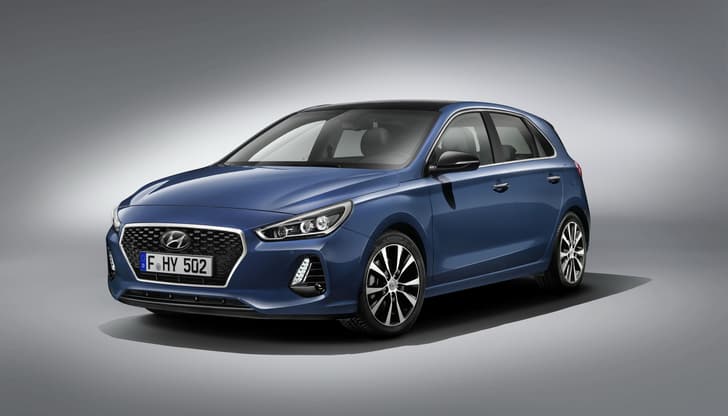
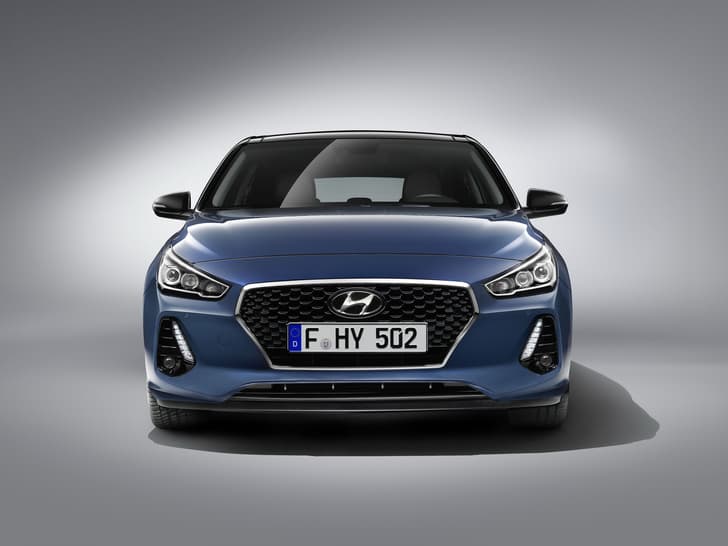
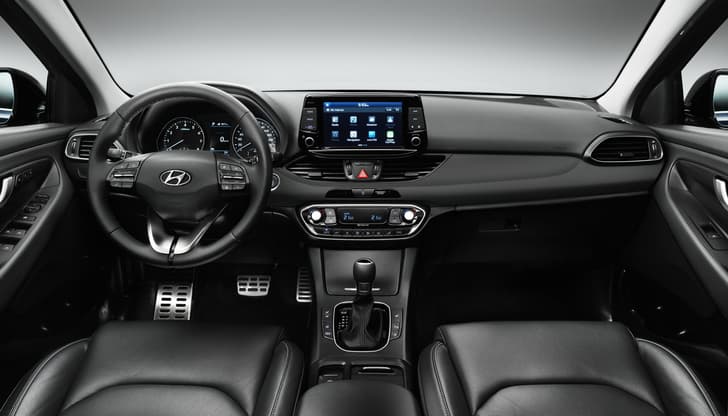
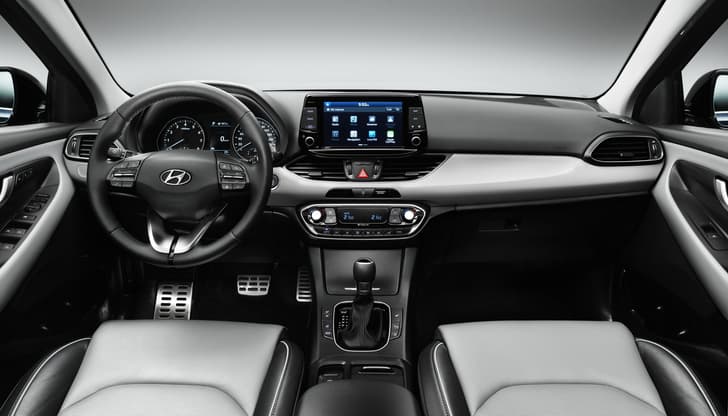
Hyundai has released a first set of images of the all-new i30 hatchback. The new i30 will be shown to the public for the first time at the upcoming Paris motor show 2016.
The firm claims it has “redefined” the i30, and even borrows some lines from Volkswagen’s history in referring to it as “the people’s car”, which is “accessible, appealing in design and great to drive”.
The i30 will become a family of vehicles, topped by a long-awaited, high-performance N hot hatchback version, which will be Hyundai’s first attempt at such a car and also the first driver’s car to come from the company's development centre at the Nurburgring. Hyundai also revealed that the car was benchmarked against every model in its segment, picking out the attributes of competitors that it wanted to focus and improve on.
The next-gen hatchback features a new look, with Hyundai aiming to make its cars more stylish and desirable as its growth in Europe continues. It claims the number one reason for purchase of the previous i30 was design, and Peter Schreyer, the automobile designer behind Kia’s revitalisation, now oversees the firm’s designs as it seeks to give its cars greater visual appeal. The car sports Hyundai’s new ‘Cascading Grille’ at the front, which will be introduced across all of its models from the i10 to Santa Fe in the future.
The car has been developed in Europe and is built on a completely overhauled version of the existing architecture. It uses MacPherson struts at the front and multi-link suspension as standard at the rear, with “performance-orientated” dampers. Hyundai claims the i30 has “very agile and responsive handling”, as well as a “dynamic ride”. The steering has been made faster and directness has been increased by a claimed 10 percent, and the brakes have also been beefed up. Axel Honisch, general manager of Hyundai Technical Centre Europe, said, "It’s a good balance between ride and handling. The ride comfort was at a good level from before, we aim to increase the dynamism, gain some more agility and make it more fun to drive.”
The body is made of 53 percent advanced high-strength steel, which is manufactured by Hyundai itself and double the amount of the material used in the previous model. As a result, the body-in-white is some 28kg lighter than that of its predecessor and rigidity has been increased by 22 percent.
The new i30 is 4,340mm long, 1,795mm wide, and 1,455mm high, with a wheelbase of 2,650mm. This means it’s marginally longer and wider than the current model, but also lower, while the wheelbase remains the same. It weighs 1,316kg in its lightest form, which is slightly more than the 1,306kg of the current i30 despite the lighter body, although equipment levels have increased.
 Viraaj Bhatnagar
 Dipan Sur
 Dhruv Dhaka
 Saptarshi Mondal