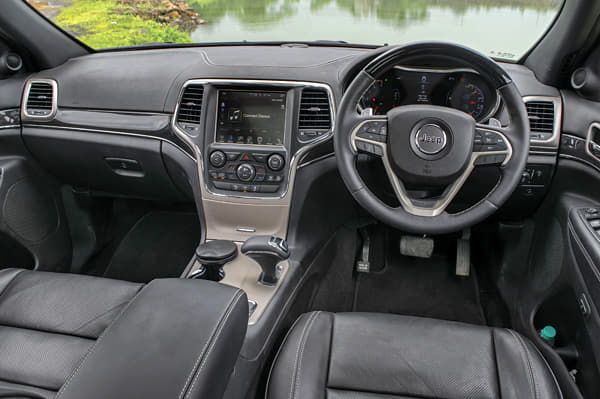
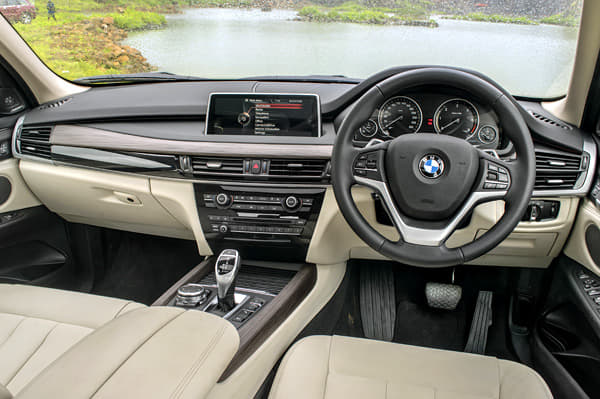
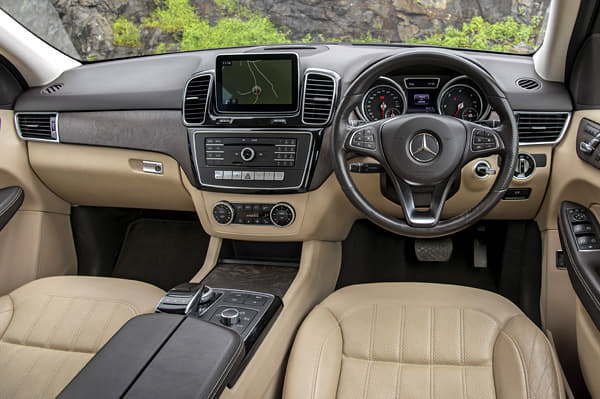
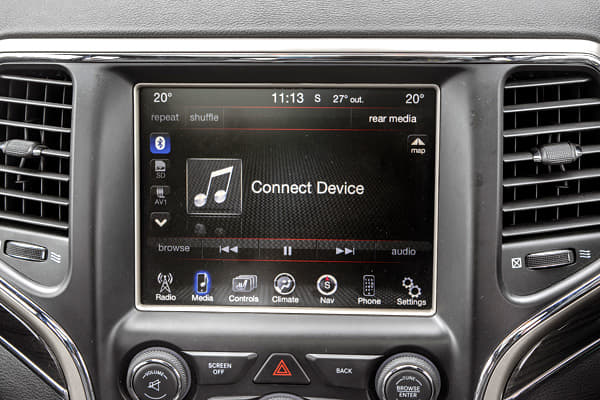
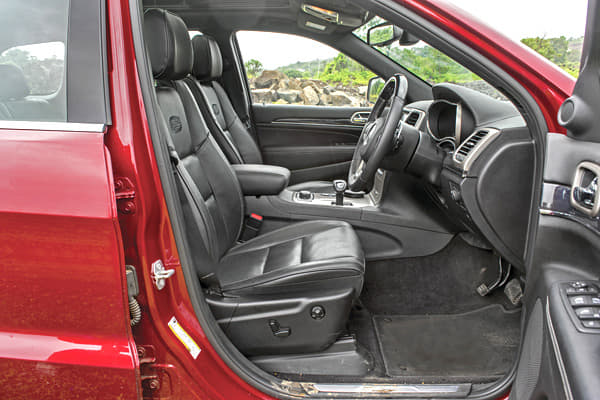
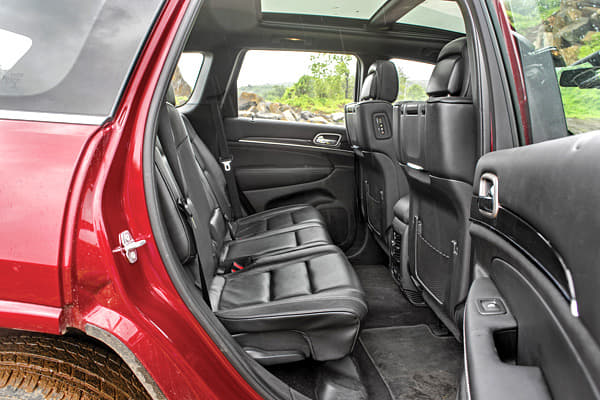
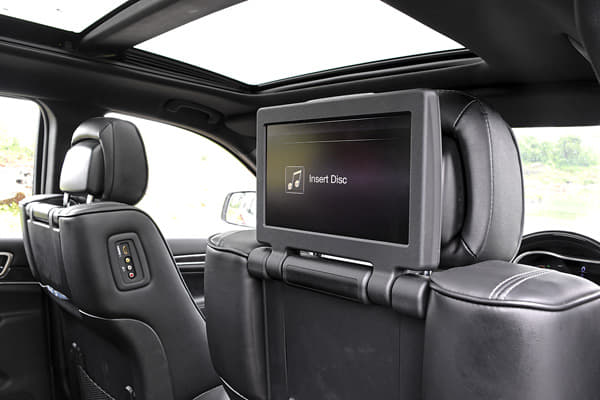
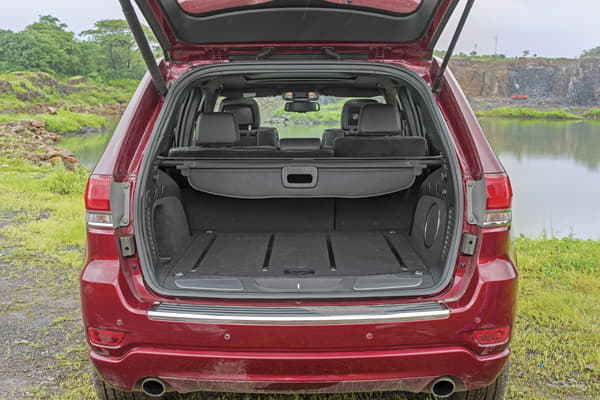
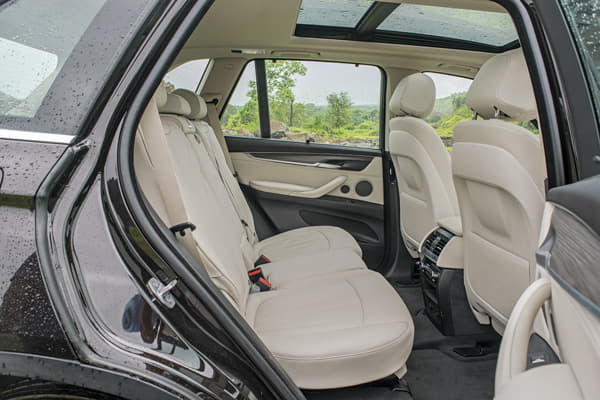
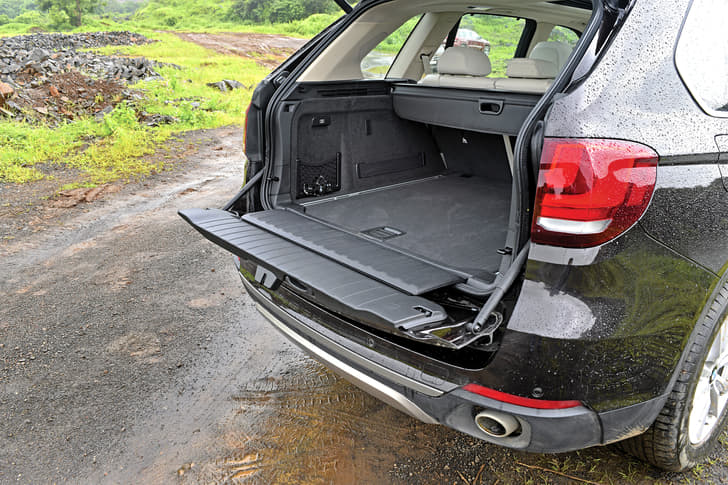
Seven-seater luxury SUVs, in general, have one big problem – that last row of seats. Often cramped and difficult to get into, these third row seats only offer limited comfort, if any. Worse still, they eat into useable boot space and make carrying a spare wheel difficult. This is why we strongly recommend that unless the third row will be used regularly, you are better off with a five-seater.
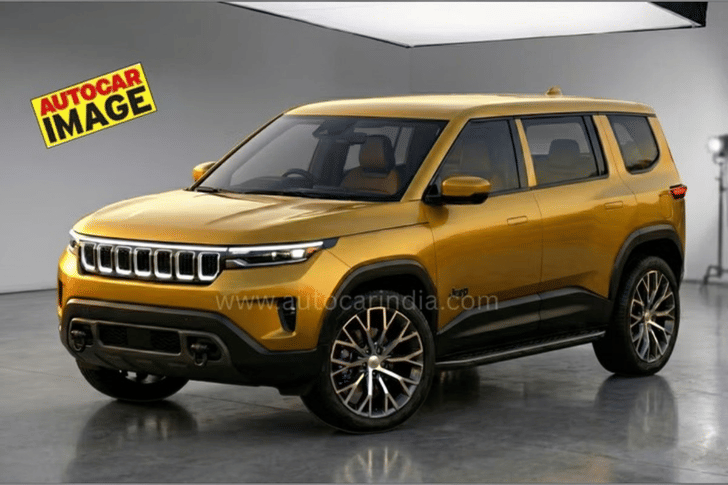
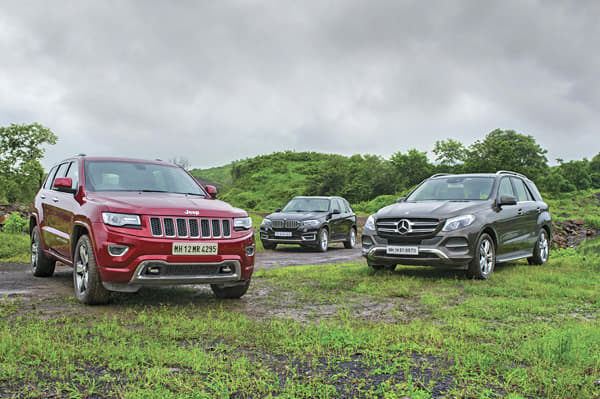
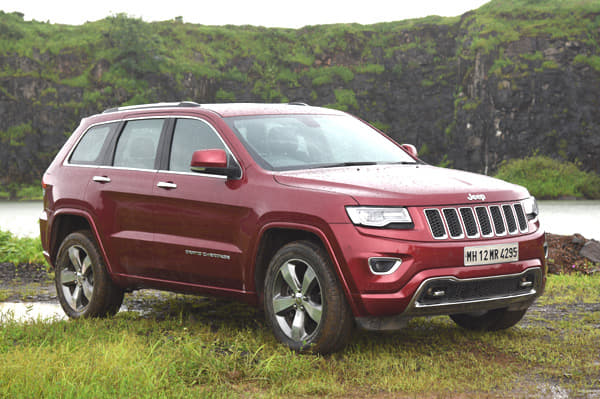
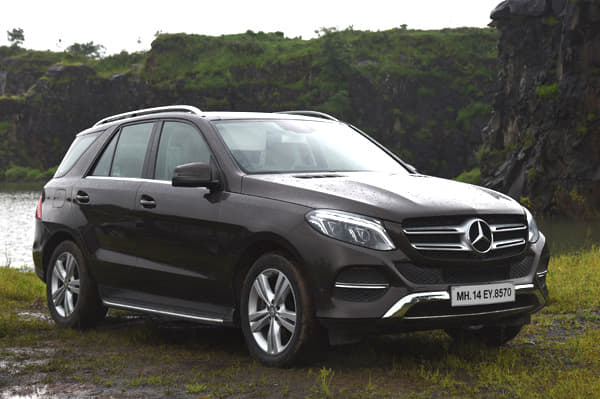
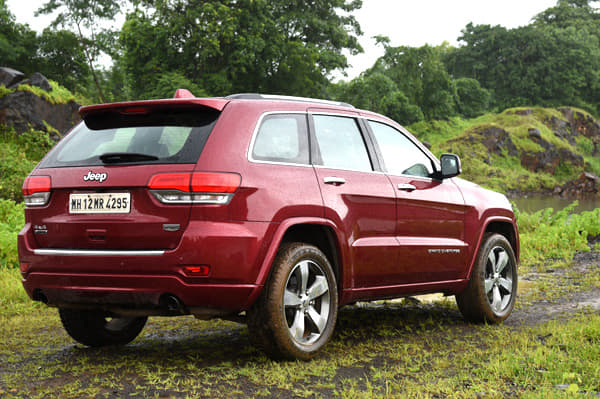
Mercedes and BMW have been offering the GLE-Class (previously known as the M-Class) and X5 (five-seater variant) for some time now. Now though, there's a new kid in town – Jeep – with its all-American Grand Cherokee. Being a Jeep, the Grand Cherokee is as SUV as an SUV gets, with a powerful engine, a squarish, stand-up design, large wheels housed in even larger wheel arches, a full-time four-wheel-drive and a low-ratio gearbox that is unique within its class, to handle those especially challenging terrains.
The Grand Cherokee will, however, be imported into India, thus making it a pricey proposition – while the Merc and Beemer are priced at Rs 72.9 lakh and Rs 72 lakh respectively, the comparable Grand Cherokee Summit variant is priced at a whopping Rs 1.03 crore. We put the three together on a combination of good and bad roads to answer the big question: despite the fat price-tag, can the American prove to be a viable alternative to the Germans?
What are they like to drive?
All three cars are powered by six-cylinder, 3.0-litre turbo-diesel engines, mated to automatic gearboxes with power channeled to all four wheels. However, the way this power is delivered and how the cars behave on the road varies widely.
The Jeep Grand Cherokee’s engine is a V6, with a power rating of 240hp. Start the car and you are surprised by how quiet and smooth the engine is at idle. Slot the gear lever into D and put your foot down on the throttle, and the car just takes off. The effective powerband stretches from 1,500 to about 3,800rpm, and the engine pulls robustly within it, with the feeling of power both ample and meaty. Refinement levels are high, so much that when cruising on the highway, the engine is almost silent, The smooth V6 is complemented by an eight-speed automatic gearbox that shifts ratios quickly. On empty roads, the car settles down comfortably in a high gear, but push the throttle harder for overtaking and the gearbox quickly shifts down to provide the requisite thrust.
The Grand Cherokee gets a fully independent suspension that is setup a bit stiff. Low speed ride, as a result, is slightly firmer than the competition here. While the ride is comfortable overall, especially once you up the pace a bit, the Jeep does tend to get knocked around a bit, in part due to the big 20-inch wheels.
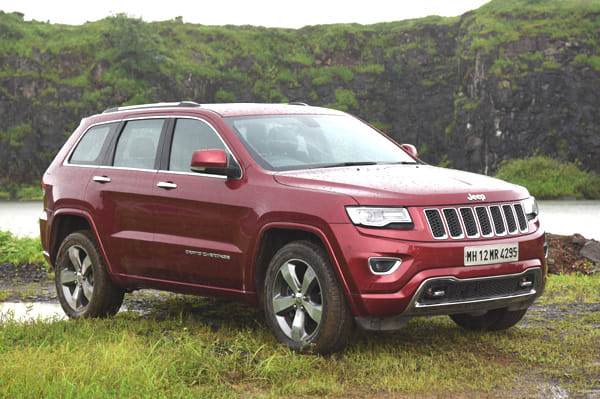
The flipside of the firm suspension, however, is that the car feels planted and body roll is surprisingly well-contained around corners. In fact, the Grand Cherokee displays astonishing composure for a car its size. The steering offers lots of feedback to the fingertips and is accurate. However, it is a bit on the heavier side, something that is apparent especially while driving in the city.
What really sets the Grand Cherokee apart, though, is its ability to tackle difficult off-road conditions. It comes with 4 distinct off-road modes that help optimise the engine, gearbox, differential, brakes and stability system. But what truly sets it apart is the ‘4WD Low’ button that allows for an especially low gear ratio to be used in really challenging conditions like driving over rocks, where lots of initial torque is needed.
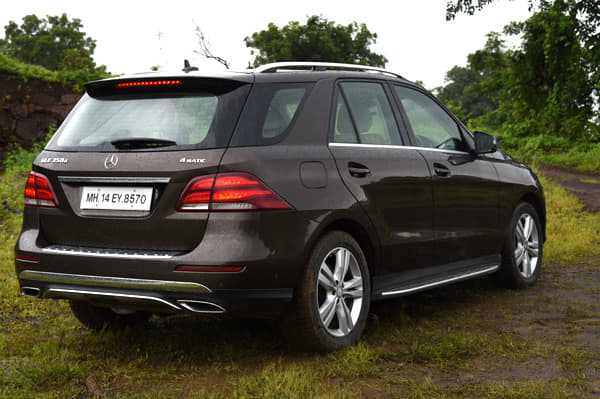
The Mercedes GLE 350d, like the Grand Cherokee, comes with a V6 under the hood, mated to Mercedes’ 9G Tronic auto ’box. This engine has the highest power rating of the bunch at 258hp, apparent when you put the foot down on the accelerator and the car pulls robustly, piling on speed rapidly. Strong performance is delivered from as early as 1,600rpm, all the way up to around 3,800rpm. From thereon till the 4,200rpm redline, however, it is mostly noise and little go.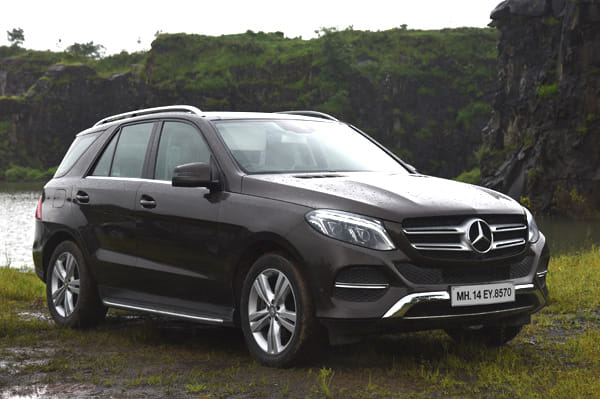
The Mercedes sits on all-round air suspension, unique in this class, and gets an adaptive damping system. The suspension does a great job of absorbing bumps and potholes, especially in Comfort mode, while maintaining impressive composure at high speeds. The active damping also helps change suspension characteristics in various modes, viz. Sport, Comfort, Slippery and Off-road, whereas the air suspension allows to increase the ground clearance by as much as 25mm.
The GLE 350d is not the best handler of the lot, though. The steering wheel feels a bit numb, indicating the GLE’s bias towards comfort as opposed to sportiness. The GLE enjoys going around corners sedately: hurl it into a bend and it feels sloppy, clearly communicating that it doesn’t enjoy being driven in this manner.
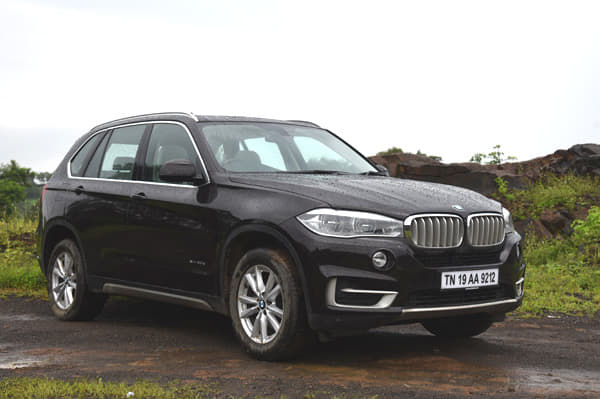
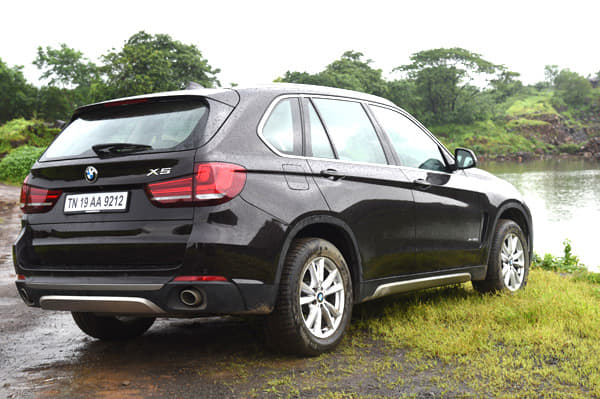
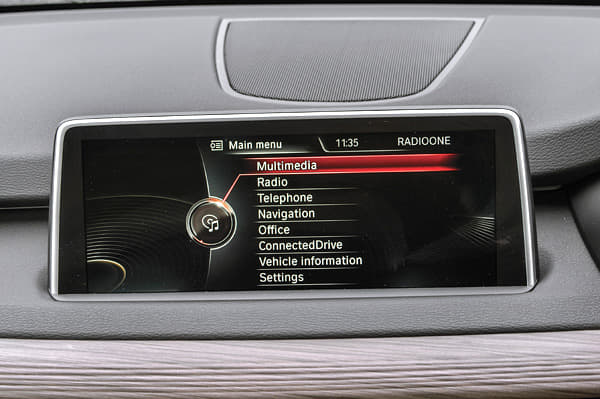
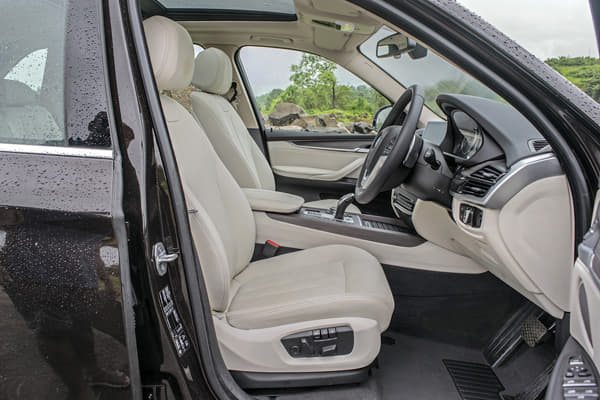
The BMW X5, unlike its rivals, gets an in-line six-cylinder engine. The diesel engine feels almost petrol-like due to how refined and rev-happy it is. This engine, without doubt, is the sportiest of the lot. There is a constant and linear flow of power from as early as 1,500rpm, and unlike the competition that have done their best work by 3,500rpm, this engine keeps on pulling and pulling all the way to 5,000rpm (or 5,600rpm in Sport+ and manual). What also sets the BMW apart are the sharp and crisp throttle responses: tap the accelerator and the car lurches forward, eager to spin its speedo needle. It is also the most vocal of the lot, emitting a sporty snarl. The eight-speed Steptronic gearbox it comes with is also the best here, delivering quick shifts and holding the revs until the redline.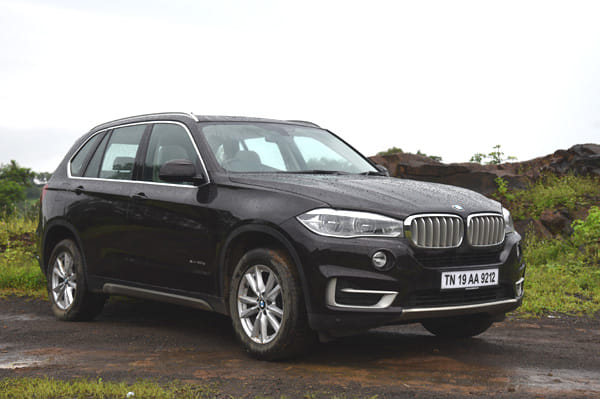
The X5 gets a traditional steel spring suspension setup in the front and air suspension in the back, armed with an adaptive damping system. The ride, especially in Comfort mode, is biased towards suppleness. While this allows the car to absorb most bumps quite well, it does result in some amount of up-and-down bobbing movement. The BMW rides on 18-inch wheels, the smallest in this comparison test, which help to improve its bump-swallowing ability.
The X5 gets BMW’s Servotronic adaptive steering assist, which adjusts the weight of the steering depending on vehicle speed and driving mode. In practice, this results in a steering that feels twitchy and nervous. In fact, the overall driving experience is somewhat spoiled by the steering. Unlike its rivals, the BMW does not get any off-road modes – it only gets Comfort, EcoPro, Sport and Sport Plus.
 Viraaj Bhatnagar
 Dipan Sur
 Dhruv Dhaka
 Saptarshi Mondal