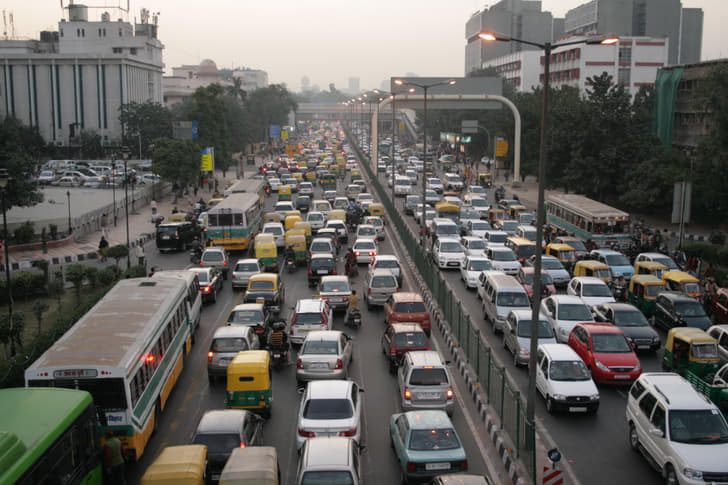
Increased costs to manufacturers and consumers are expected following the government’s decision to pass over the BS-V emission standards and directly implement BS-VI across the country from April 1, 2020.
Vishnu Mathur, director general of the Society of Indian Automobile Manufacturers (SIAM), confirmed prices will rise in a bid by the government to fight harmful emissions.
“Costs will definitely go up,” Mathur told Autocar India. “However, the price increase may vary for different manufacturers,” he added, while also confirming the industry’s response would only be decided once a formal draft notification about the BS-VI plan is issued.
According to some estimates, customers may have to spend up to Rs 1 lakh more – depending on the variant – to get a BS-VI compliant car. Around Rs 50,000 crore will have to be invested by carmakers to upgrade the four-wheeler engines to make them compliant for BS-V alone.
The proposal to skip BS-V was confirmed in a tweet from Nitin Gadkari, Minister of Road Transport and Highways, after he chaired a meeting attended by Oil Minister Dharmendra Pradhan, Minister of Heavy Industries Anant Geete and Environment Minister Prakash Javadekar.
Before that, the previous plan laid out in October last year was for BS-V norms to be applied from 2019, followed by BS-VI in 2023, with SIAM suggesting at the time that the industry was not ready to go straight to BS-VI because of the technological developments required.
“While BS-V requires vehicles in India to be fitted with a diesel particulate filter, BS-VI involves the optimisation of selective catalytic reduction technology. Leapfrogging to BS-VI wouldn’t give automakers enough time to validate these technologies, which could have led to major reliability issues in vehicles,” an official had said.
However manufacturers will now have to ensure BS-VI norms are readied for 2020.
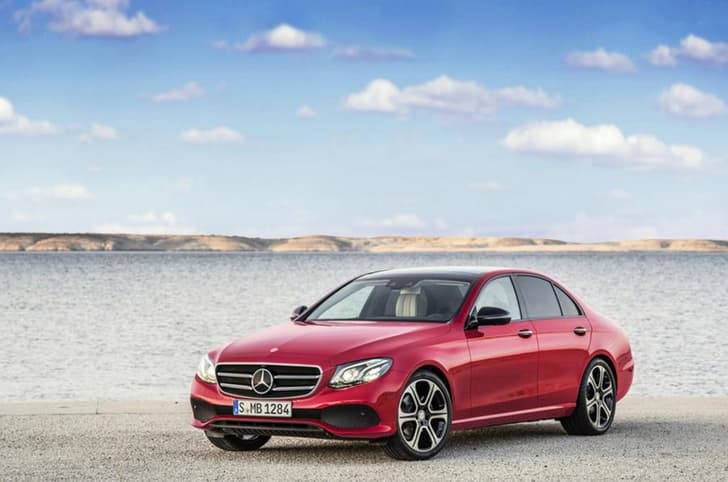
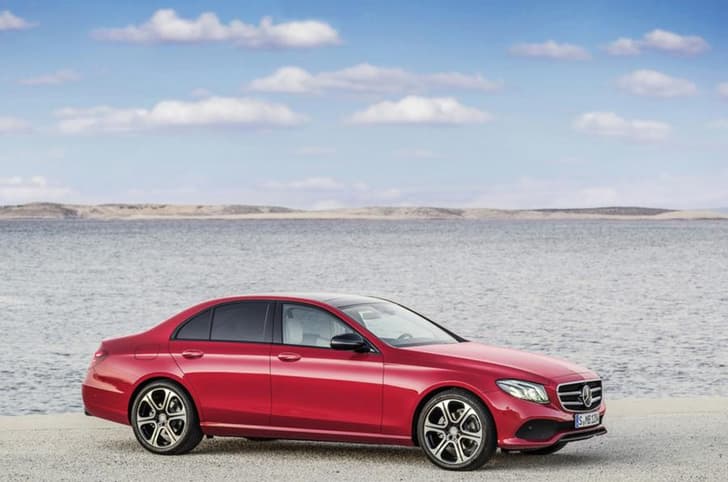
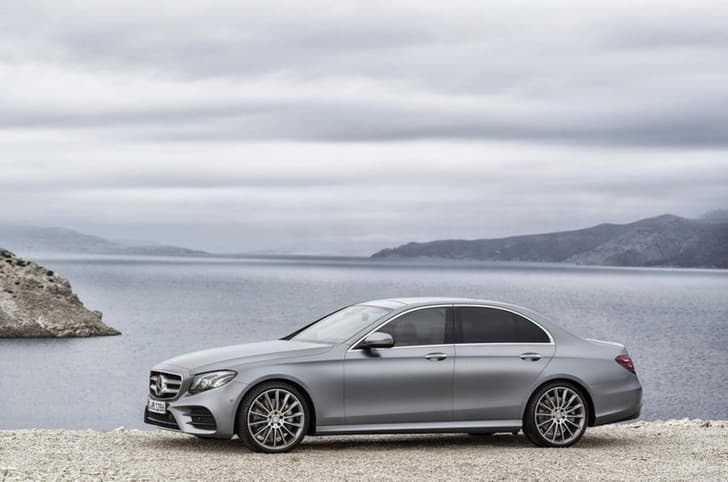
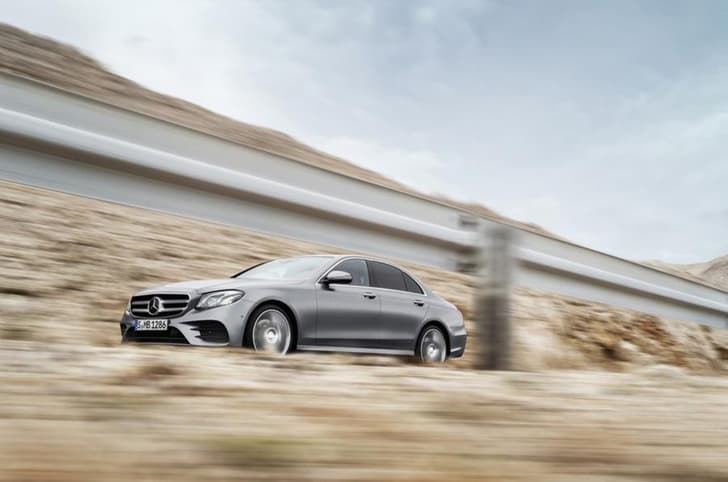
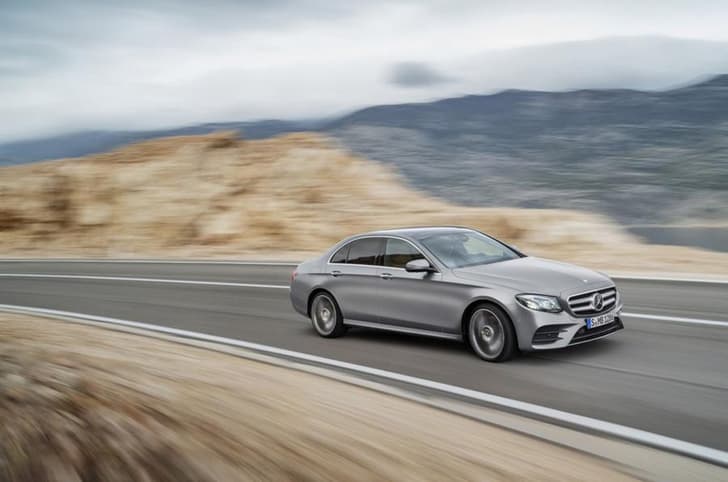
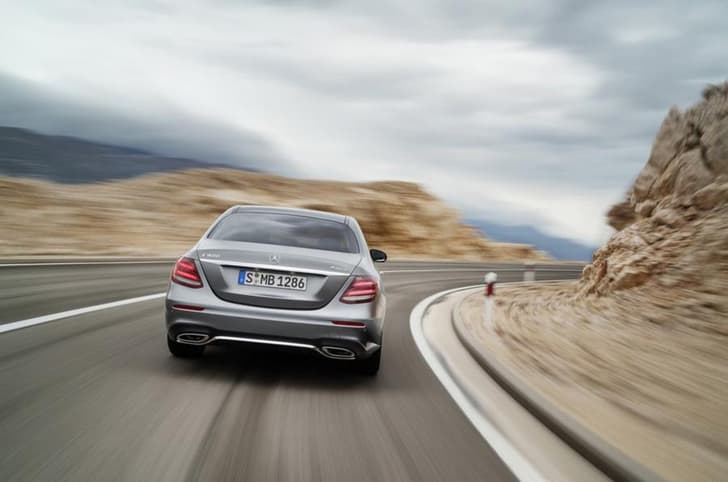
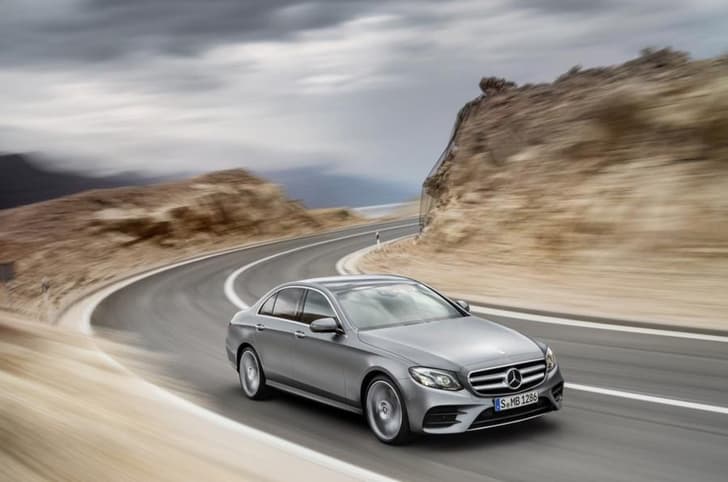
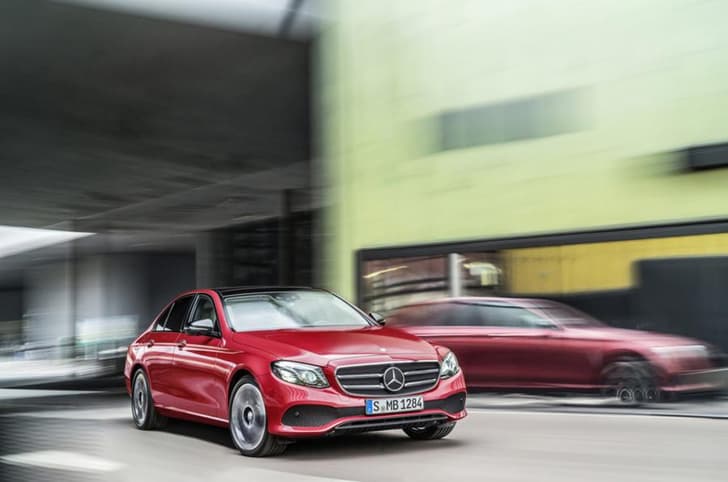
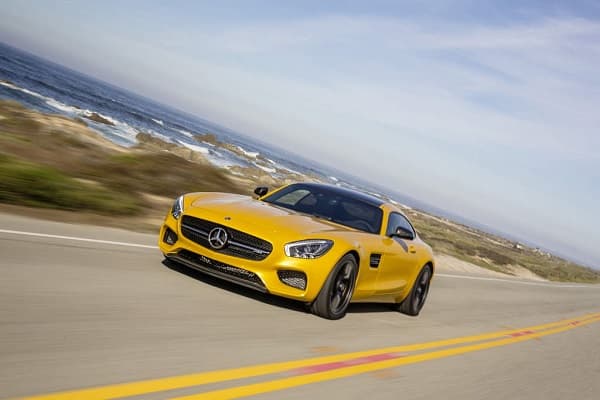
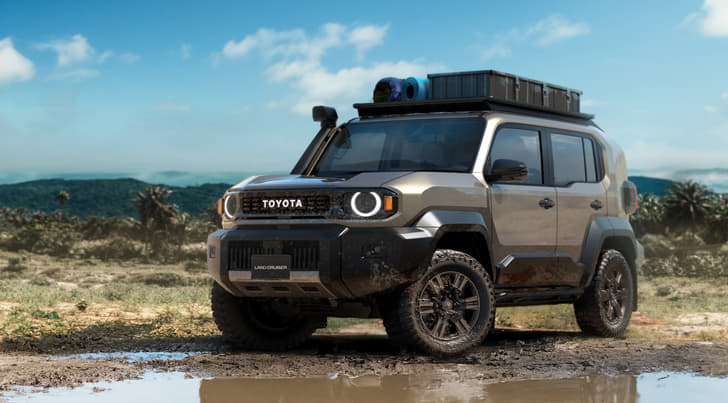
Companies which are prominent in areas like Europe – which already has strict engine emission standards – such as Toyota already have some Euro 6 compliant cars, and are not concerned by the proposed plans for India. Similarly, German carmaker Mercedes-Benz would prefer to move rapidly to less polluting Euro 6 norms than have a backlog.
An official from Toyota Kirloskar Motors told Autocar India: “We are ready for any eventuality to meet future norms.”
However, manufacturers based in India are likely to have to invest heavily to meet the emissions standards.
Pravin Shah, president and chief executive of the automotive division at Mahindra & Mahindra, said the industry shares the government’s worries over emissions, but called for rational decisions to be reached.
“Our industry is as concerned as the government, but the mechanism and methods by which it is addressed needs to be based on facts and figures, and not emotion,” Shah said.
“One has to take a look at the required time and understand what others have done. Such issues need to be solved in a planned way without impacting or changing the course of the set roadmap,” he added.
More than 50 cities in India currently have BS-IV norms, with the rest still following BS-III standards.
 Viraaj Bhatnagar
 Dipan Sur
 Dhruv Dhaka
 Saptarshi Mondal