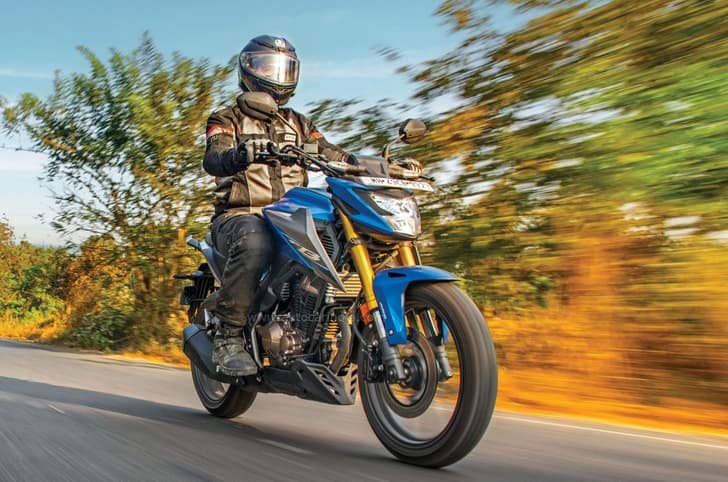
At the time of our road test, the Honda CB300F was being offered with a Rs 50,000 discount nationwide. This was supposed to be till the end of 2022 but as of January 3, 2023 this discount is still on offer. This is quite unprecedented; a new Honda product doesn’t get such a big discount within a few months of its launch. But this doesn’t come as a surprise, because the launch price of Rs 2.26 lakh-2.29 lakh was simply too much for what this bike had to offer. After all, while it might be a 300, its specifications are much akin to the simpler 250s on sale today. Now, at Rs 1.79 lakh, can the CB300F make a genuine case for itself?
UPDATE: In late 2024, Honda launched an E85-compatible version of the CB300F, at the same price as the regular model - Rs 1.70 lakh (ex-showroom, Delhi). This flex fuel version of the Honda CB300F is capable of running on a mixture of petrol and ethanol, containing up to 85 percent of the latter. All the mechanicals and features of the standard bike are carried over to the CB300F flex fuel.
Honda CB300F review: Design and features
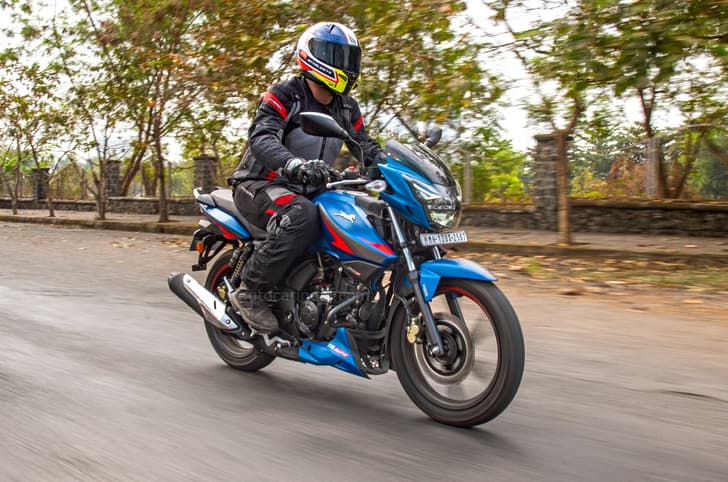
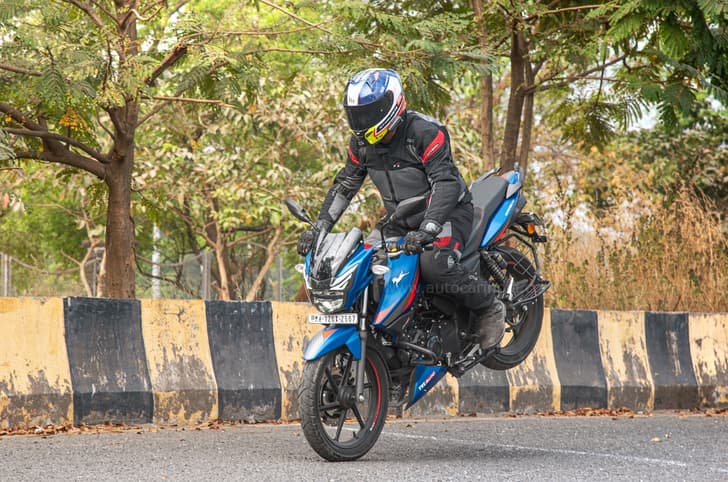
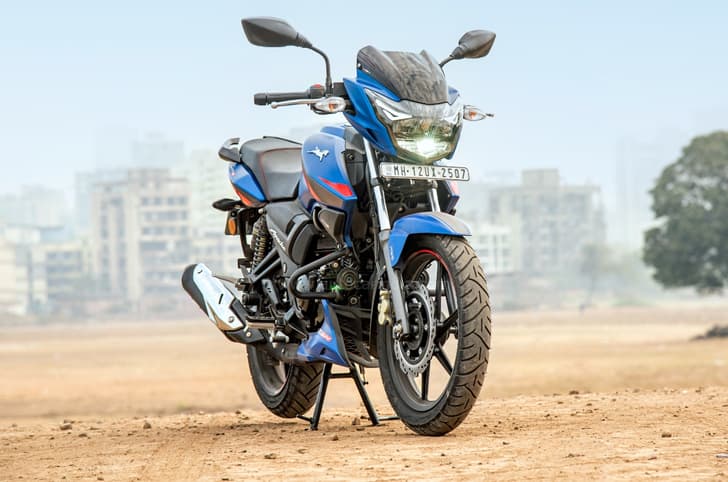
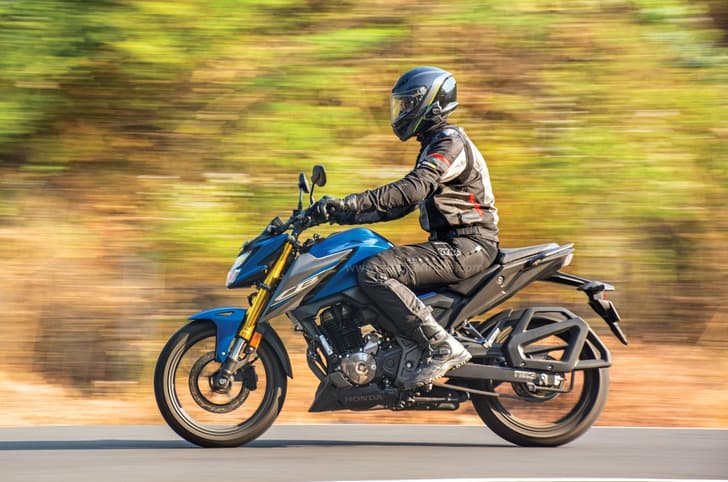
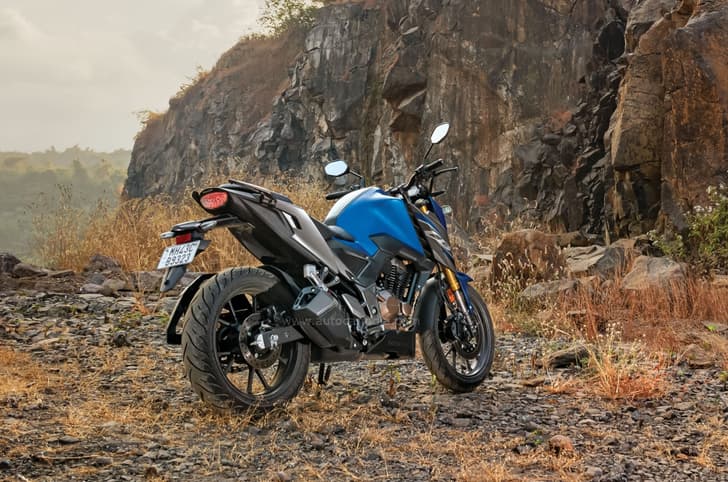
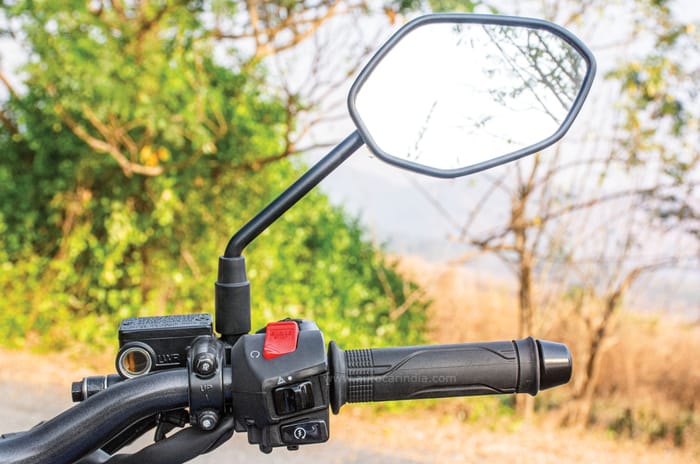
As with most sporty naked bikes today, the Honda CB300F has a front-heavy look, with angular tank extensions, although it doesn’t have a steeply raked rear end, which should bode well for carrying a pillion. Our test bike came finished in this handsome, deep blue colour and the flakes visible in the paint are a really neat touch. The richly painted, 14.1-litre tank and the tactile switchgear further reinforce its premium positioning. While quality levels are respectable nearly all over, the mirrors and non-adjustable levers are lifted straight off Honda commuter bikes (like the Unicorn and Shine) and stick out like a sore thumb on this otherwise well-finished product. Another bone I have to pick with Honda is the inversion of the indicator and horn buttons to the standard layout. It’s counterintuitive and how!
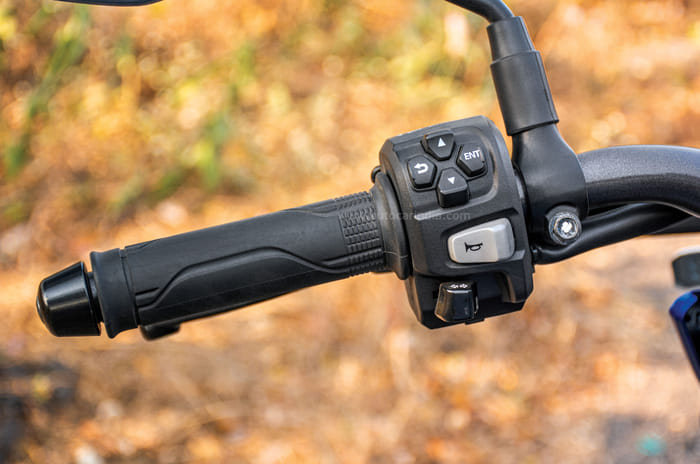
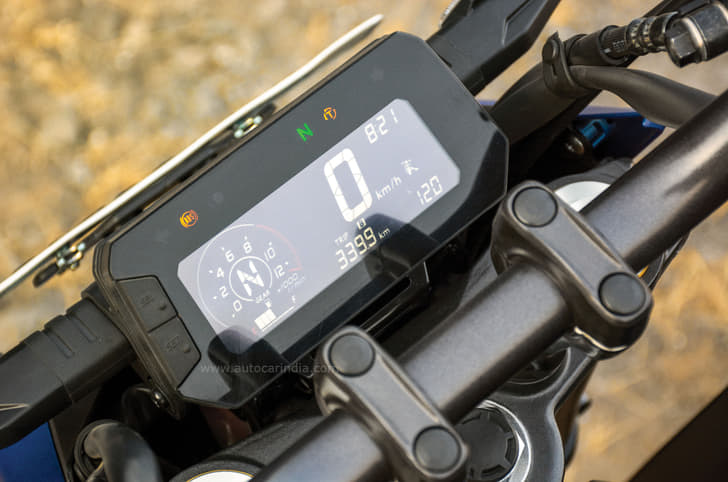
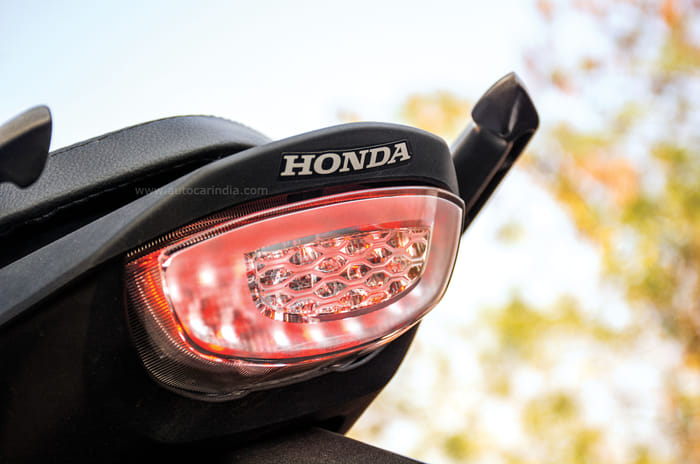
The CB300F is the only bike in the class to feature a traction control system, and while not necessary on a bike with this little power, it is a nice safety feature to have in low-grip situations. The negative LCD isn’t the largest unit around but packs in a fair bit of information and is legible no matter the time of day. A handy USB Type-C charger is placed close to the handlebar and there’s even Bluetooth connectivity on offer, although it only works if you have a communication device on your helmet. The LED headlight provides decent illumination, both at high and low beams, but isn’t anything to write home about. The tail-lamp is a bit ordinary-looking and something snappier would have helped the CB300F’s case. While there’s no denying it is a handsome, well-built machine, it resembles the smaller Hornet 2.0 a bit too much for its own good.
Honda CB300F review: Ride and handling
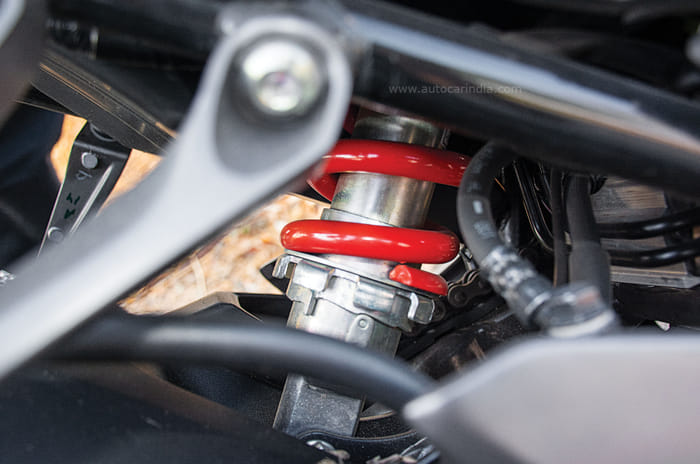
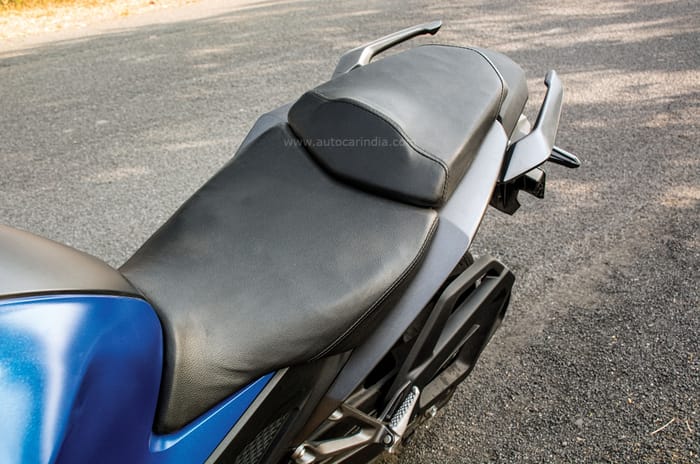
Riding the CB300F around in the city is quite a peaceful affair, partly thanks to its very amenable 789mm seat height, but mostly down to its light and nimble-feeling nature with its 153kg kerb weight. Pair these figures with the feather-light clutch and a superb turning radius and what you’ve got is one of the most city-friendly 250-300cc bikes available today. The cherry on top is the natural-feeling rider triangle, with a slight forward reach to the bars and mildly rear-set footpegs, making long hours in the comfortable saddle a breeze. Honda sets the rear shock preload at the softest setting, which tends to send a jolt up your back over large bumps. Raising the preload will help, but the overall nature of this suspension is competent – neither very sporty nor supremely comfortable.
Honda CB300F review: Performance and fuel economy
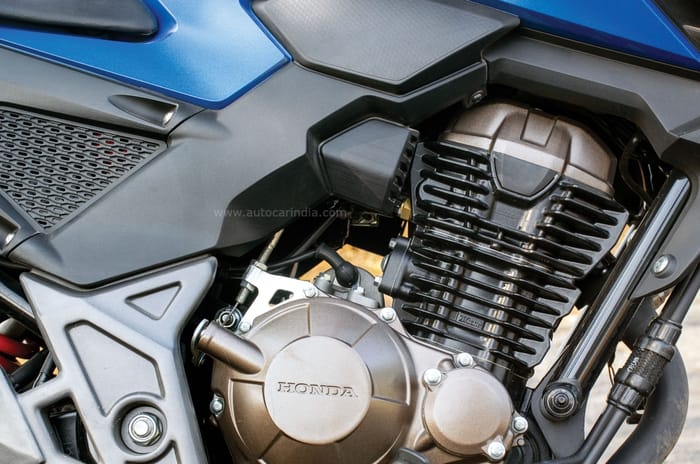
Refinement has been a Honda hallmark since before my parents were born, and while the CB300F isn’t outright unrefined, it’s just not up to the standard set by the Minato-based marque itself. Once you hit 6,000rpm, the engine, surprisingly, produces more buzz and vibration than its 250cc rivals from the likes of Yamaha, Suzuki and Bajaj. The engine’s sweet spot is around 85/90kph in top gear. However, even a small increase in speed from here on results in a disproportionately large increase in vibrations around the seat and the handlebar, but not the rubber-mounted footpegs.
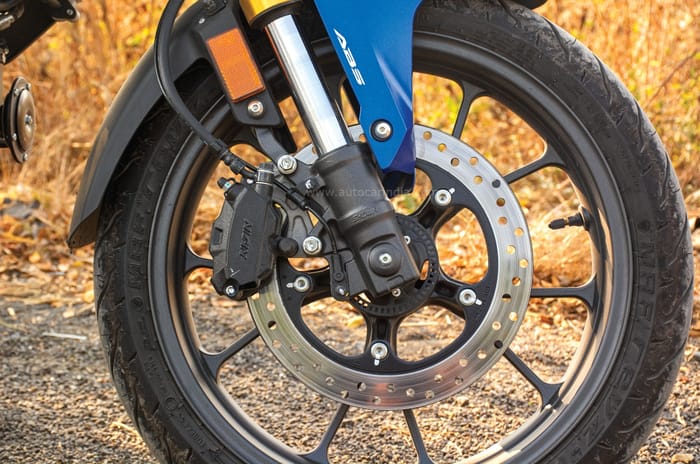
The 6-speed gearbox is precise, with a very light clutch feel that makes riding in the city a breeze. The MRF REVZ tyres perform adequately and are a good match for this bike’s capabilities. Braking performance (provided at both ends by Nissin) is a love/hate affair, with the front brake lacking feel but the reassuringly strong rear brake does, partly, make up for it. Dual-channel ABS is standard and isn’t switchable.
Honda CB300F review: Verdict
The CB300F is a quick, well-built, feature-packed offering from Honda that is now also priced competitively. There isn’t any standout feature on the CB300F, but it comes together as a stylish, lightweight and do-it-all motorcycle that’s more than the sum of its parts. Add to that the fact that Honda spares and service are famously light on the wallet and the little CB makes a compelling case for itself.
As a city-oriented motorcycle, the Honda CB300F does many things right, but its lack of refinement is the biggest drawback, especially when rivals like Bajaj are now offering smoother engines in this space. Nevertheless, for those who value the Honda badge and don’t have much interest in long-distance travel, the CB300F makes for a good motorcycle – but only at a discounted price, as it simply cannot justify its original price tag.
 Rishaad Mody