
autocar-logo
Mumbai
HK

Heet kariya

1d

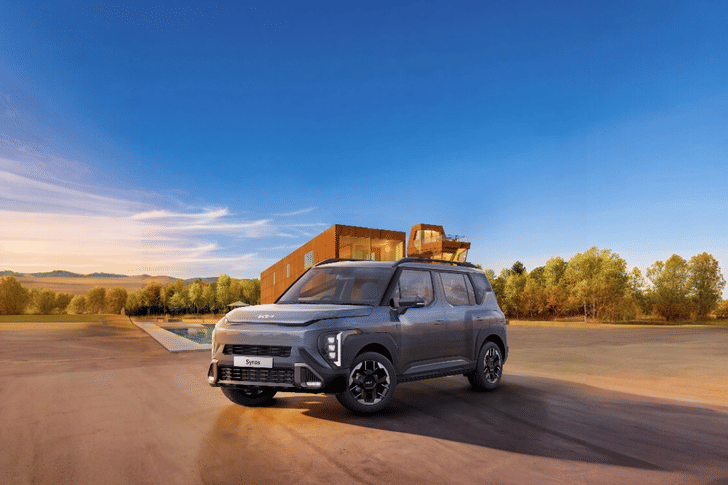
Hello Autocar Team, I hope you’re doing well. I’m planning to buy a new car within a budget of around ₹15 lakh (on-road), and I’ve been quite confused between the Hyundai Venue and the Kia Syros, especially in the diesel automatic variants. To give you some context, I’m based in Nagpur, and after-sales service is a big factor for me. I already own a few Hyundai cars in my family, and honestly, the experience with their service network has been smooth and reliable. Because of that, I’m naturally inclined towards the Venue and feel a sense of trust there. That said, the Kia Syros has really caught my attention, mainly because of its interior design and overall cabin feel, which just seems more premium and modern, which is making the decision a bit difficult. However, there are a couple of things holding me back from the Syros. The headlight placement feels a bit too exposed and low, which makes me slightly concerned about it being prone to damage in daily city conditions. Also, I’m still a bit unsure about the overall exterior design. It hasn’t fully grown on me yet compared to the more familiar and balanced look of the Venue. My usage will mostly be city driving with occasional highway runs, so I’m looking for something that’s comfortable, easy to drive in traffic, and not too stressful to maintain in the long run. Some of my key expectations are: Diesel automatic option, good real-world mileage, and reasonable running costs. Practical features like a 360-degree camera and genuinely useful driver assistance features (not just gimmicks). A smooth, lag-free infotainment system with a good UI, comfortable seating and ride quality for daily use. I’m also slightly concerned about long-term ownership. Factors like service quality, parts availability, resale value, and overall peace of mind matter to me more than just initial impressions. From your experience and real-world testing, which of the two would you recommend for someone like me? Would it make more sense to stick with Hyundai, given my past experience and reliability factor, or is the Syros compelling enough in terms of features and overall package to take that leap? Looking forward to your honest advice. Regards, Heet Kariya.

Autocar India team

Autocar India

Verified
12m
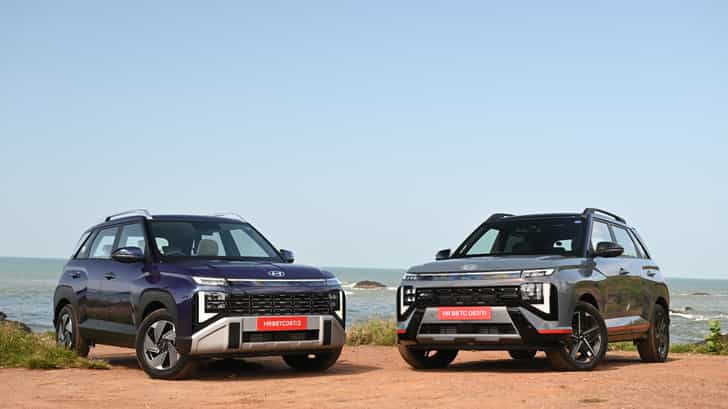
Since both the Venue and Syros share the same diesel engine and automatic gearbox, you can take reliability, performance and fuel efficiency out of the equation. In day-to-day use, both will feel very similar in terms of how they drive, how they perform in traffic and even how much they cost to run.
So the decision really comes down to overall experience and what matters more to you.
The Kia Syros has the edge in terms of cabin experience. It feels different, premium and offers a better sense of space, especially in the rear seat. If your priority is a car that feels upmarket from the inside and a bit more special every time you step in, the Syros does a better job.
The Hyundai Venue, however, is the more sorted and familiar choice. You already have experience with Hyundai, so you know exactly what to expect in terms of service quality, parts availability and overall ownership experience. It is also a well-proven product, which reduces uncertainty when you are planning to keep the car for a long time.
Hyundai Venue

Hyundai Venue

Recommended questions for you

PK

Pradeep kukreja

1w

Hello Autocar Team, I am planning to buy a new car with a budget of around ₹12-14 lakh. I am considering the Hyundai Venue HX5 DCT, Kia Sonet HTX 1.0 DCT, Maruti Suzuki Brezza ZXI AT, and Tata Nexon EV 45 Creative. My primary car is an EV (MG Windsor), which I use daily for around 60-65 km. This new car will be my second vehicle, with a daily running of around 20-25 km. I did not like the road presence of the Venue much, although I liked its cabin. The Sonet has a strong road presence but feels a bit dated inside. The Brezza feels outdated both inside and outside, although it offers Maruti’s reliability. I also liked the Nexon EV, but the variant within my budget misses some features like rear AC vents. I am quite confused between these options and am specifically looking for an automatic variant. Could you please guide me on the best choice?

Autocar India team

Autocar India

Verified
2d

Since you already have an electric MG Windsor, it would be advisable to get a petrol vehicle that can be used for longer journeys as well as the short commutes you mentioned. Among your choices, the Hyundai Venue is a very good pick. Although it shares its powertrain with the Kia Sonet, the Venue is based on a more modern platform. In the HX5 trim you’ve chosen, it comes equipped with most of the essential features, including a 10.25-inch infotainment screen and even a sunroof.A facelift for the Maruti Suzuki Brezza is expected, but the timeline is not yet confirmed. Sources suggest it could arrive around the festive season this year or even early next year. The exterior is not expected to get a radical makeover, but we do expect it to receive the 1.0-litre turbo-petrol engine and 6-speed torque-converter automatic that does duty in the Fronx. If you are willing to wait, it could be a good option.

VehicleMG Windsor
VehicleKia Sonet
VehicleMaruti Suzuki Brezza
VehicleHyundai Venue
KU

kumar

4d

Hi, I’m totally confused between the Tata Sierra Pure 1.5 NA and Seltos HTE 1.5 NA variants. My heart says go with the Sierra, but my mind says Seltos. I am also hearing a lot about the Sierra 1.5 NA engine, which is the least powerful in the segment or underpowered, with no pickup, so I am quite worried about it. I want to go with the Sierra because of its looks, bigger size, and good rear-seat space. I am hesitant about the Seltos because I earlier owned a Sonet 1.2 NA manual (now sold), and I have mixed feelings about Kia, especially regarding design. So I would prefer not to go with Kia again. I need your help in choosing the better car between these two. My usage will mostly be highway driving with family, and less than 10,000 km per year. Is the Sierra 1.5 NA really that underpowered? Please guide me.

Autocar India team

Autocar India

Verified
4h

We can totally understand why your heart is saying, Tata Sierra. It looks fantastic, has loads of road presence and, as you’ve rightly picked up, the rear seat is one of its biggest strengths with great space and comfort for the family. For your mostly highway usage with under 10,000km a year, that relaxed, big‑car feel and rear seat comfort are genuine positives.However, it’s also true that the Sierra 1.5 NA is objectively a very slow car, and that’s not social media gossip but borne out in our tests. The 1.5 NA petrol‑manual takes about 17.34sec for 0-100kph, and an even more telling 18.38sec for 20-80kph in third gear, which is where you really feel it for overtakes. The automatic is slower still to 100kph. By contrast, a Seltos 1.5 NA does 0-100kph in roughly the 12-13sec band, depending on gearbox, which is a full class quicker and feels it on the road. So yes, the Sierra NA is genuinely underpowered for the segment; it is one of the slowest midsize SUVs on sale.​That said, “underpowered” doesn’t mean undriveable, especially at the kind of steady‑state highway cruising you’re talking about. The Sierra NA’s torque comes in reasonably low, so it will sit at 90-100kph in a relaxed way and feel perfectly fine as a family cruiser. Where you will pay the price is every time you need a quick overtake or have to accelerate decisively uphill or with a full load. You will need more planning, more downshifts and a lot more patience than in the Kia Seltos. It’s not dangerous if you drive to its limits, but it is hard work, and you will always be aware that the engine is the weak link.In short, don’t let the Sierra’s 1.5 NA engine be a deal breaker, but instead learn to live with its lack of power, especially if your heart says Sierra.

VehicleTata Sierra
VehicleKia Seltos

Posted on: 21 Mar 2026