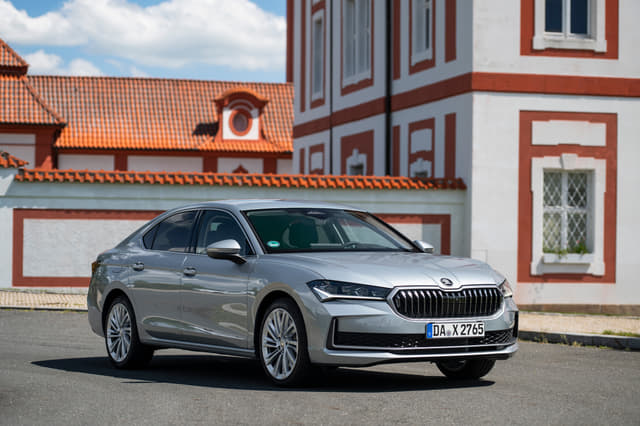
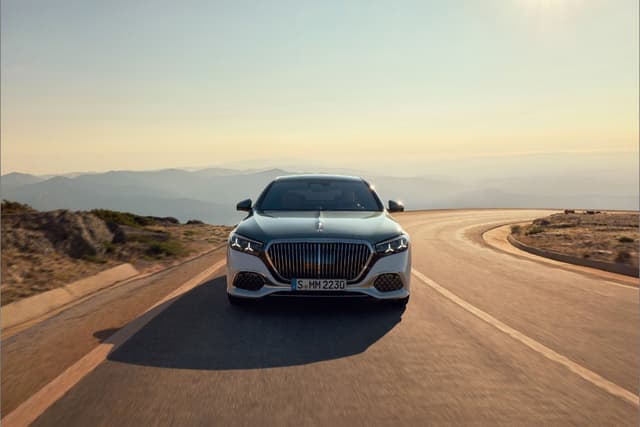
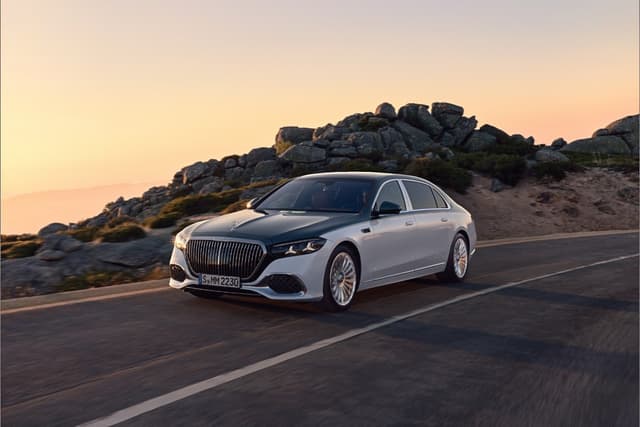
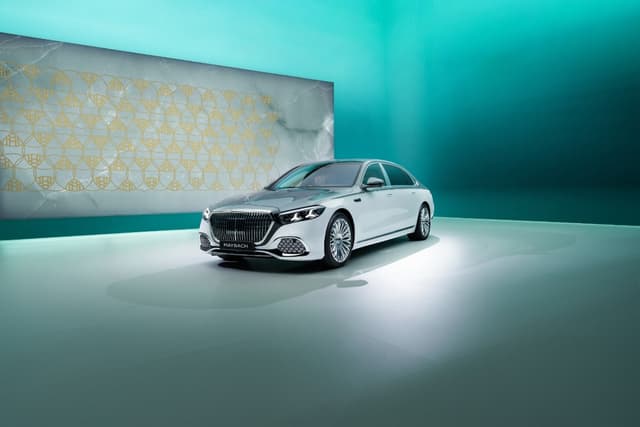
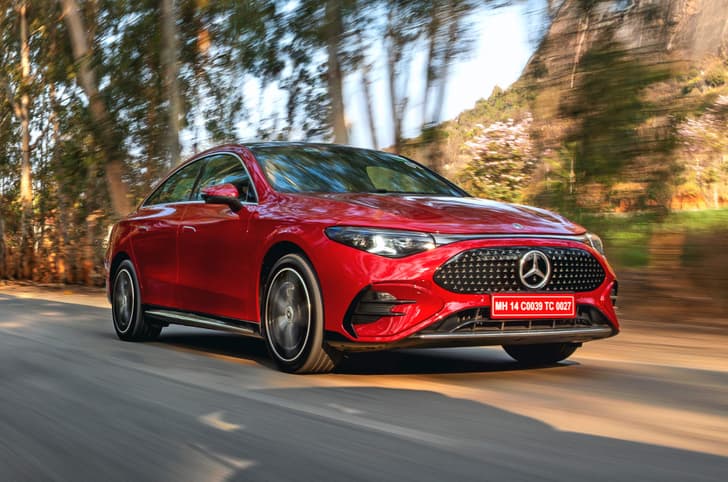
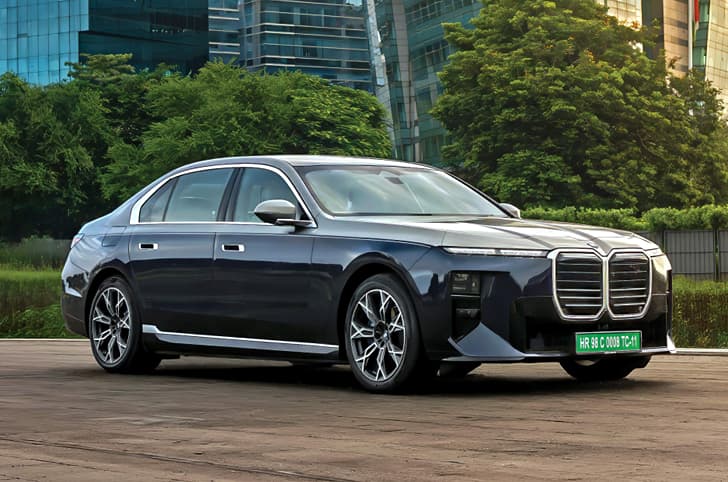
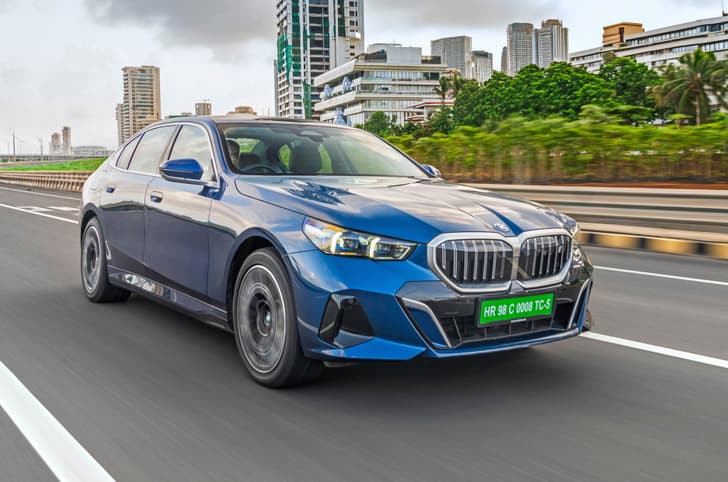
Sedan cars in India (50)

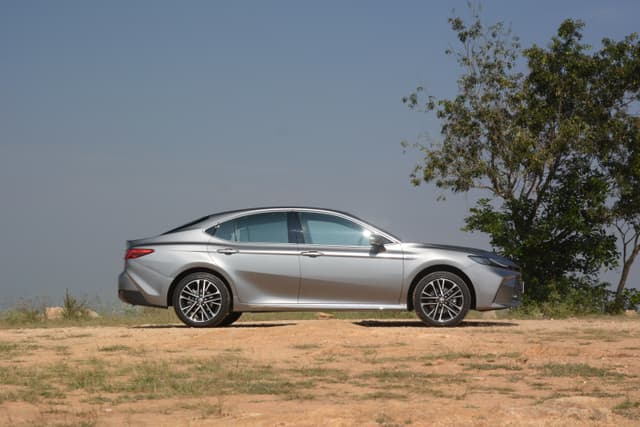
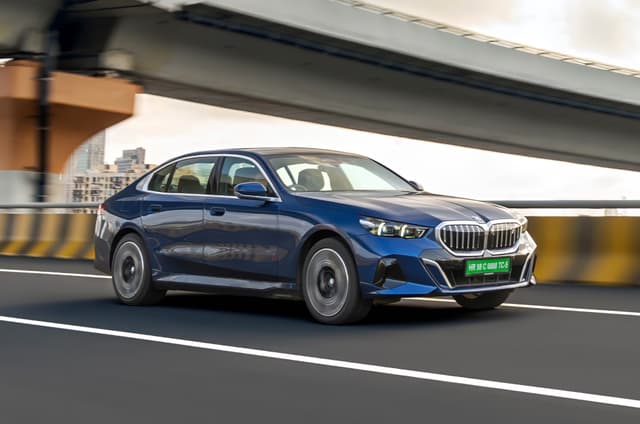
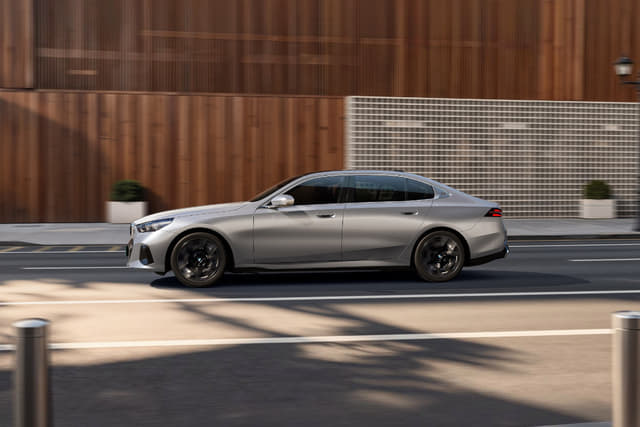
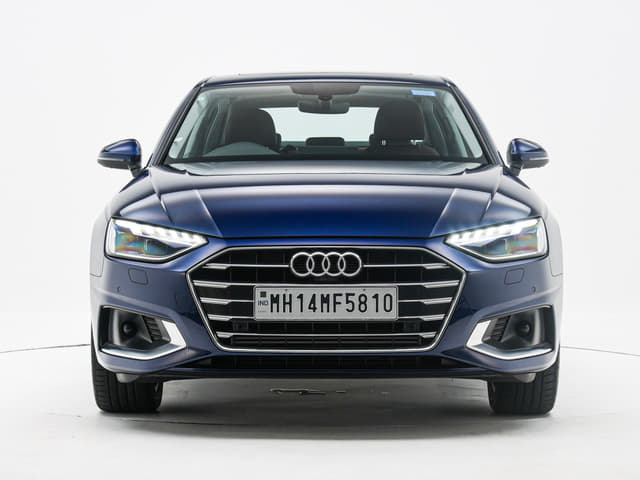
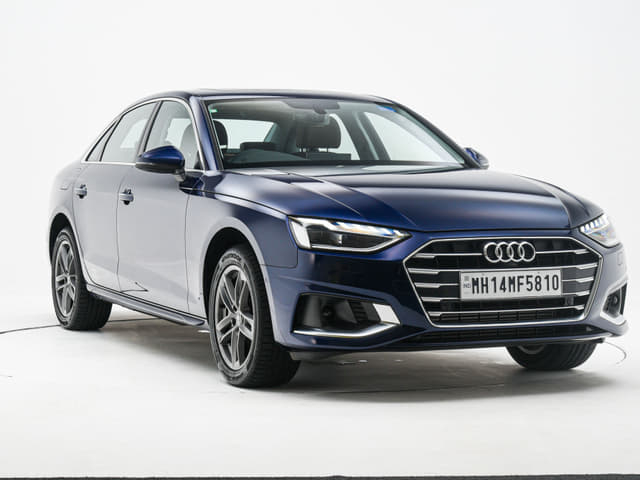
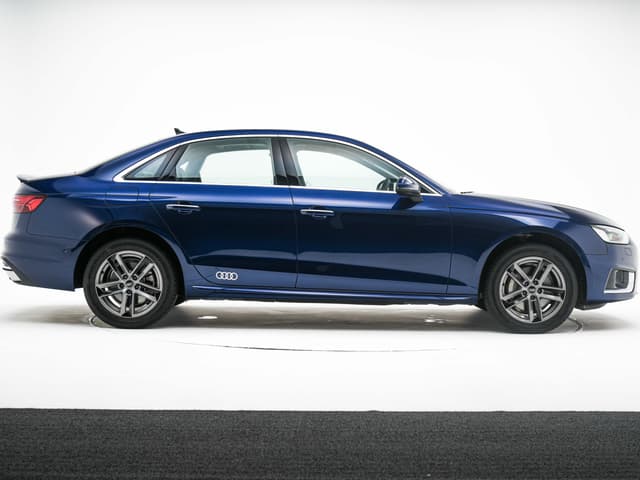
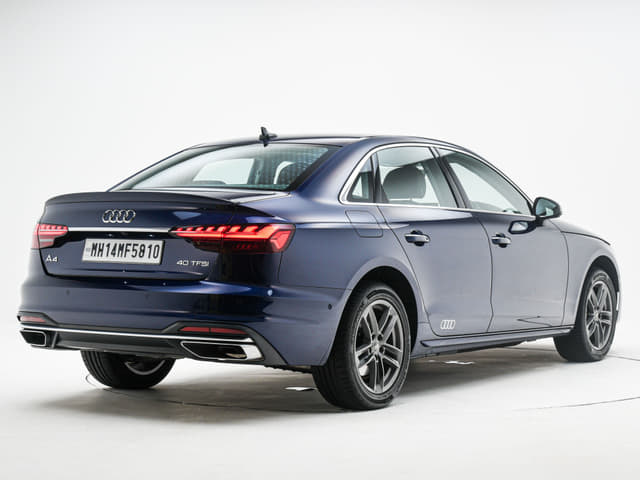
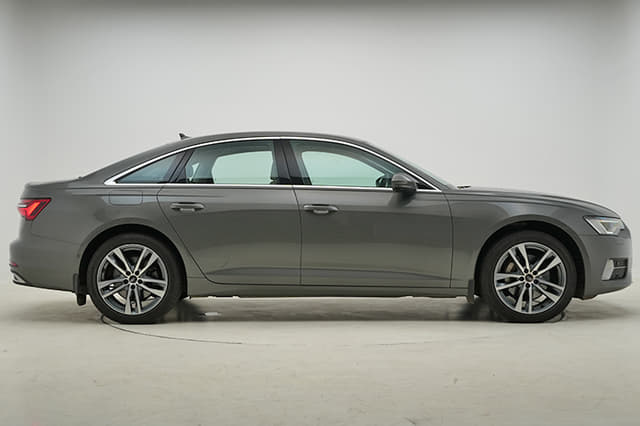
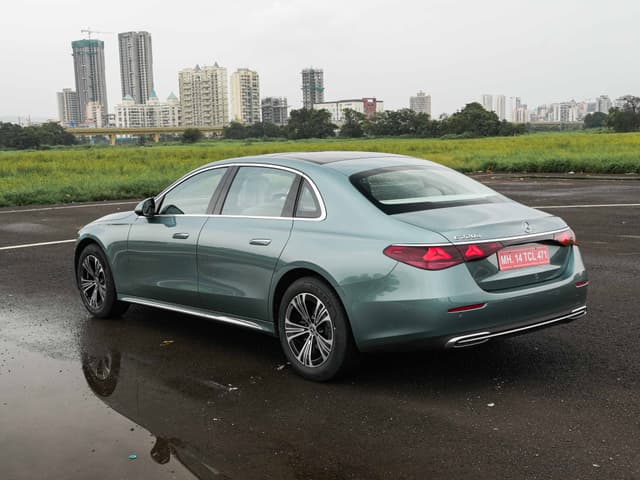
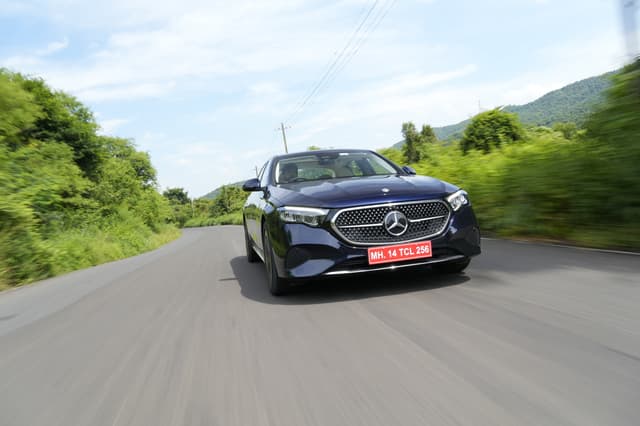
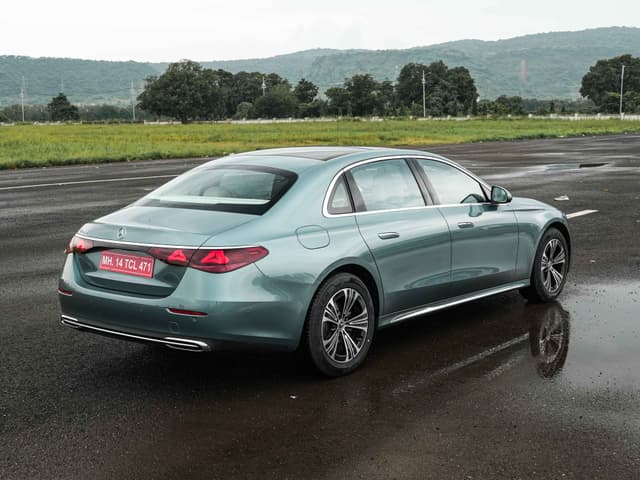
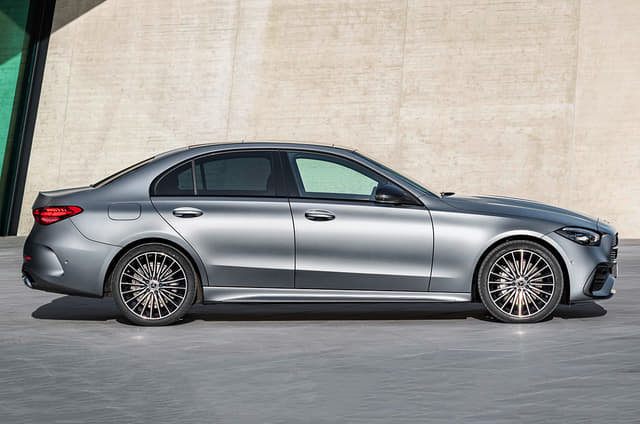
A sedan is a standard type of passenger car with an enclosed body, a fixed metal roof, and separate compartments for the engine, the people inside, and the luggage. This definition plays out in four practical ways on every sedan sold in India:
- Three-box design: the engine sits up front, passengers in the middle, and the boot at the back
- Seating capacity: usually two rows of seats that comfortably hold three to four people
- Doors: most models get four side doors for easy entry and exit
- Roof shape: flat or gently sloping, giving good headroom for rear passengers
That shape hasn't changed in decades, but its popularity has. As per our study in April 2026, the Maruti Suzuki Dzire was India's bestselling car of FY2026, with over 2.29 lakh units sold, up 39% on the year before. That's a big deal in a market that has favoured SUVs for over a decade. But over half those sales came from fleet operators, so it's more a commercial win than a retail revival. Sedans in India held just 8.59% of the passenger vehicle market in 2025, against 55.38% for SUVs.
As per us, sedans in India aren't one market, they're two: a mass-market segment built on value and running costs, and a luxury segment built on comfort and brand image. So the real decision for most buyers isn't sedan versus SUV, it's mass-market versus luxury sedans in India.
As of now, there are 49 sedan cars in India featured on Autocar India, out of which 37 are available for purchase, and 12 are upcoming. Sedan prices in India start at Rs 5.60 lakh for the Tata Tigor and go up to Rs 15.07 crore for the Rolls-Royce Phantom.
Types of Sedans in India
The mass-market segment splits further into two types, compact and mid-size, while luxury stands as a category of its own. So, in total, we have three types of sedans in India:
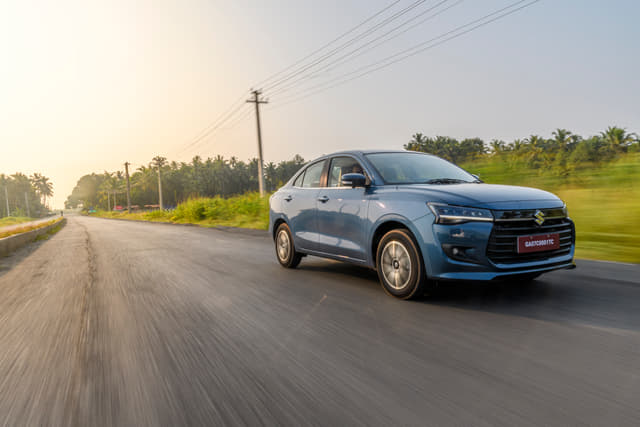
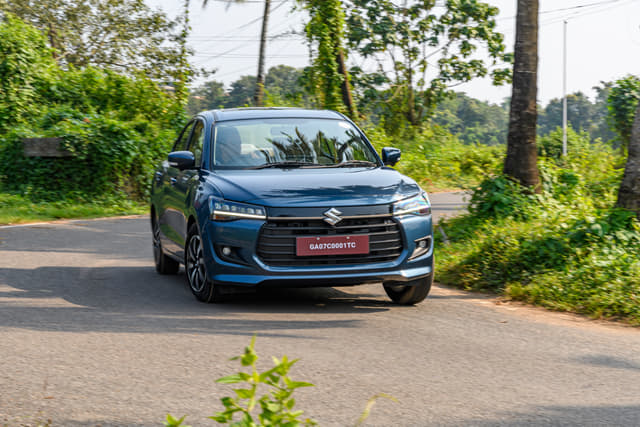
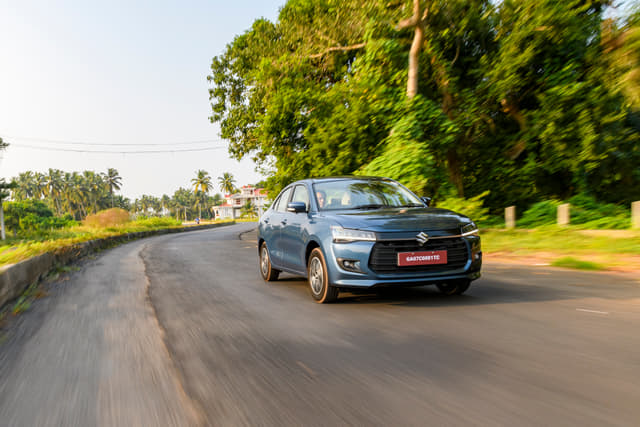
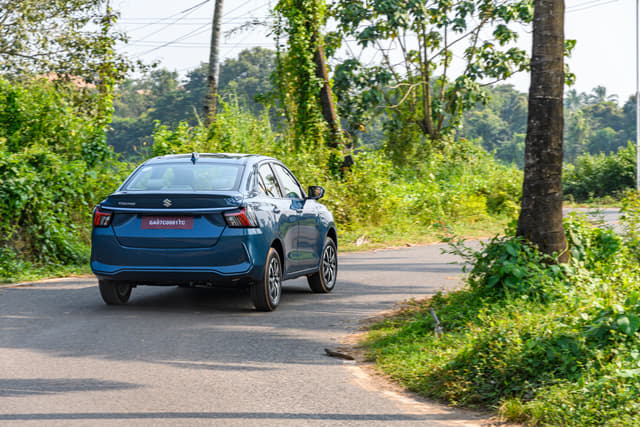
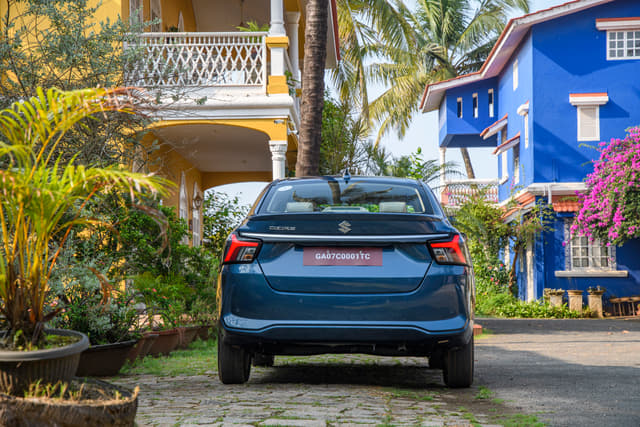
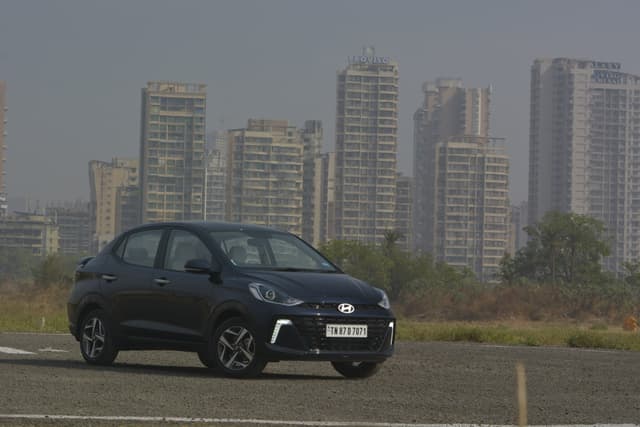
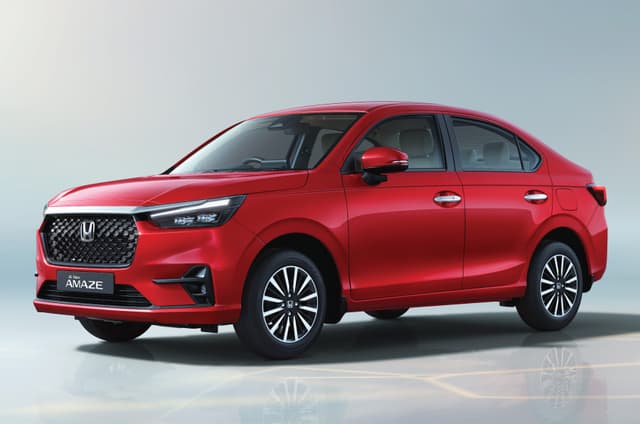
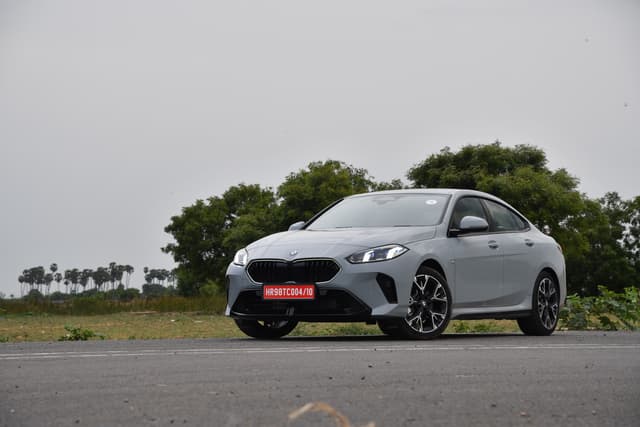
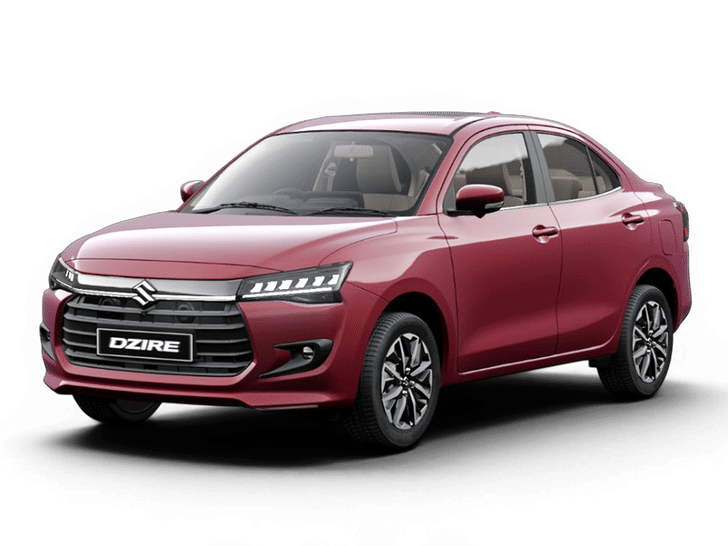
- Compact sedans: These are sub-4-metre sedans that are easier to drive in dense city traffic and offer strong fuel efficiency. Cars like the Maruti Suzuki Dzire and Honda Amaze fall in this group.
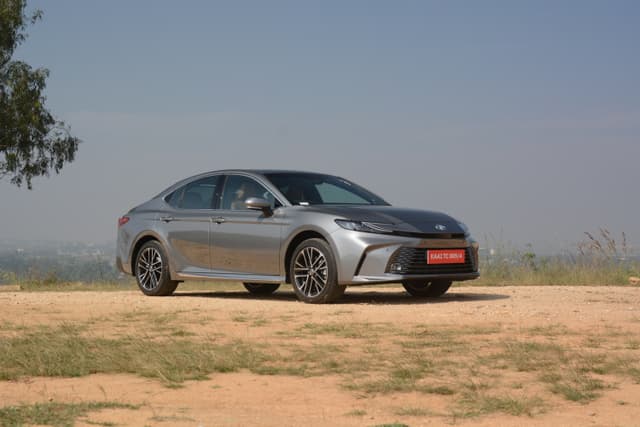
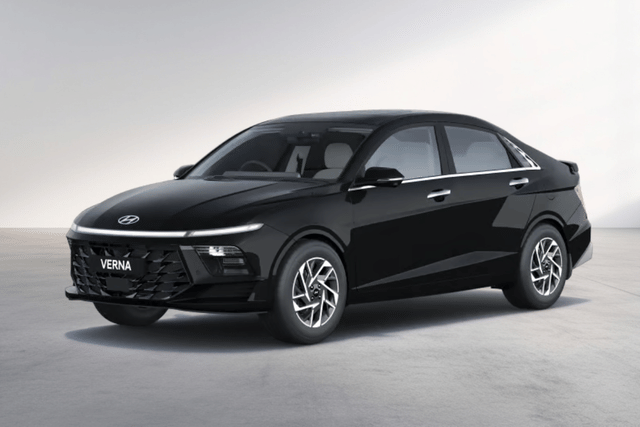
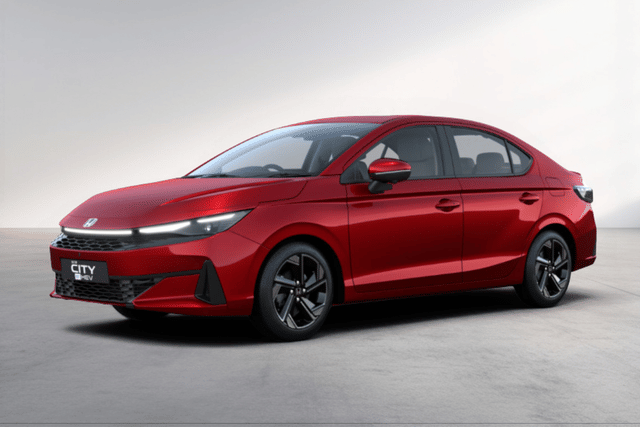
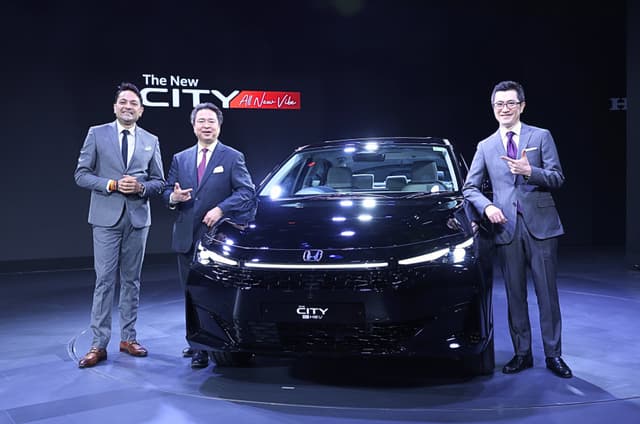
- Mid-size sedans: These are larger than compact sedans, offer more legroom and powerful engines, and are better suited for family use and long-distance commutes. Cars like the Hyundai Verna and Honda City fall in this group.
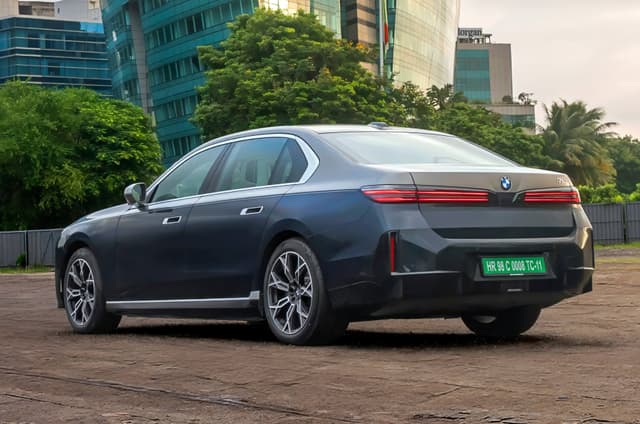
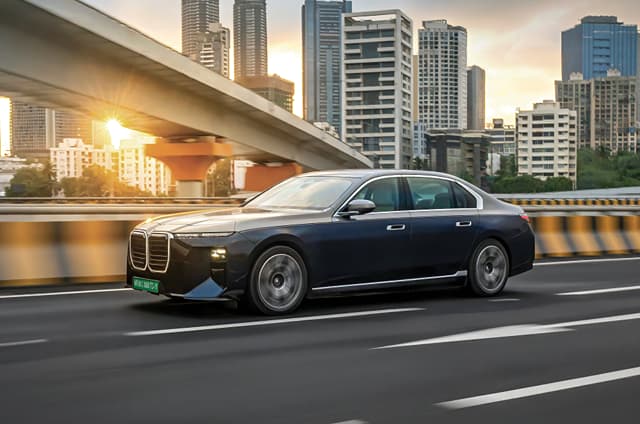
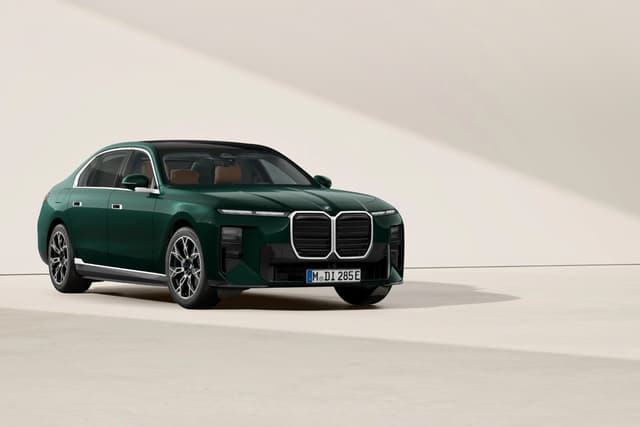
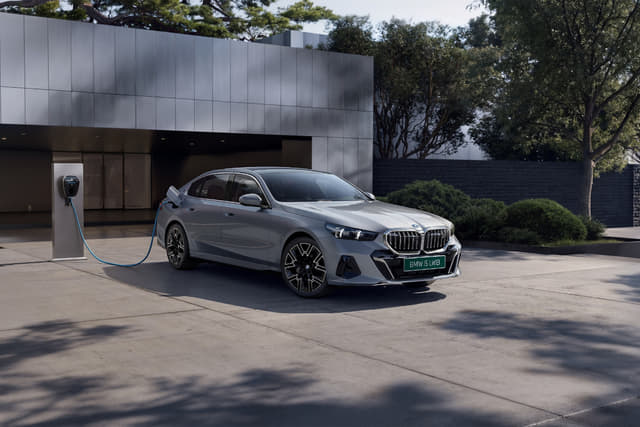
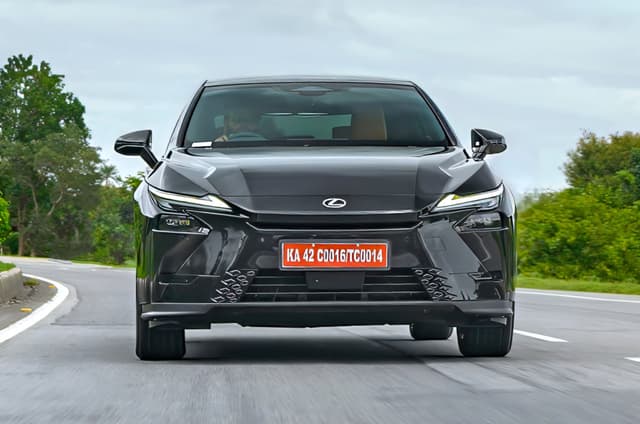
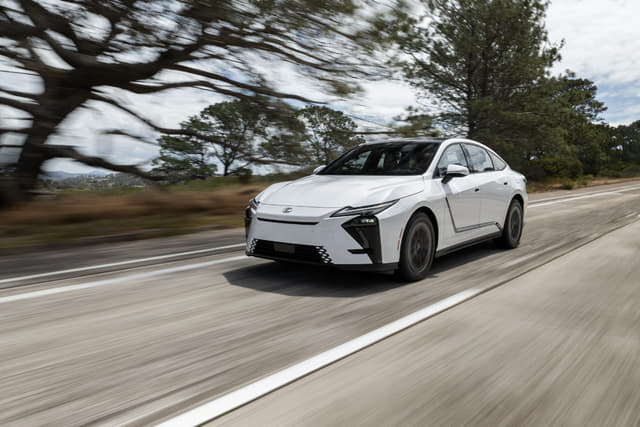
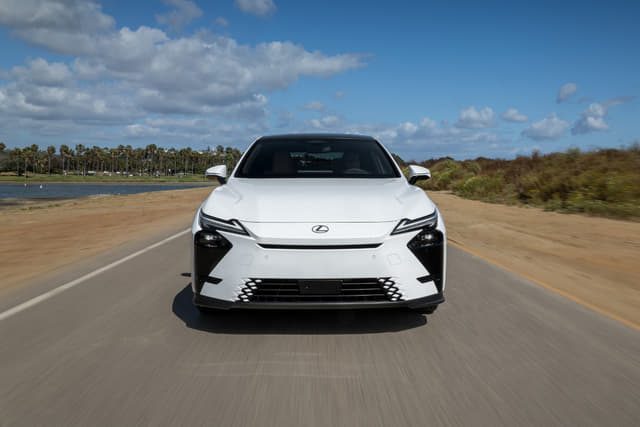
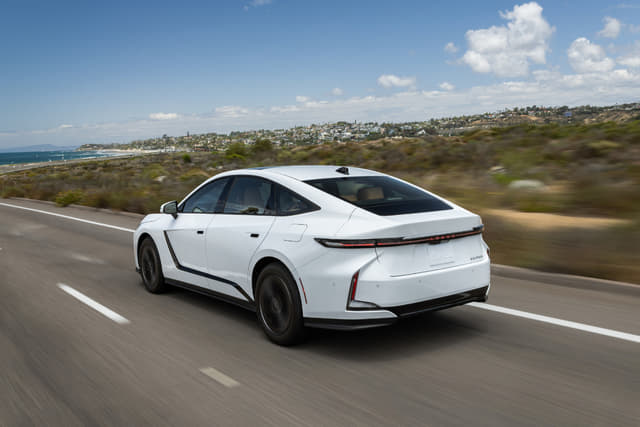
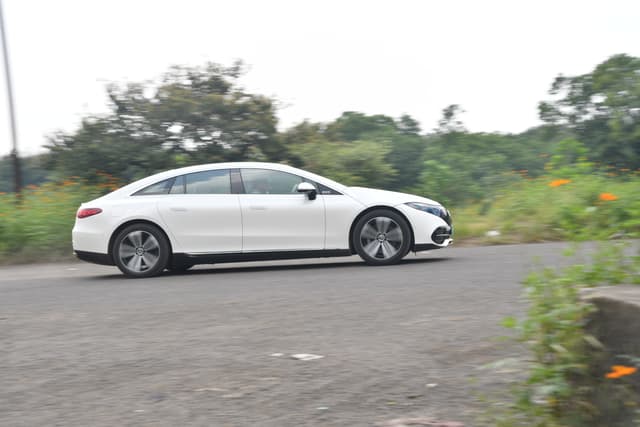
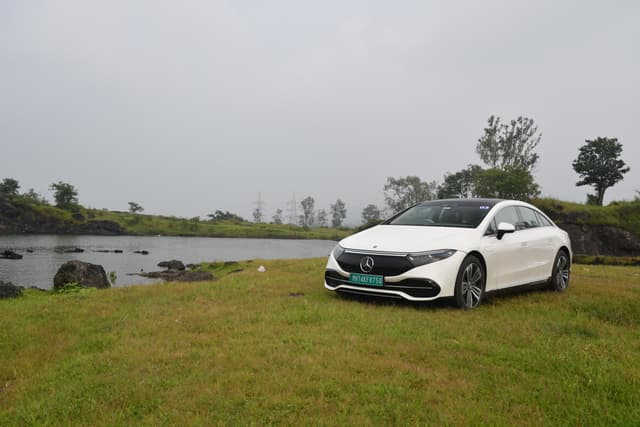
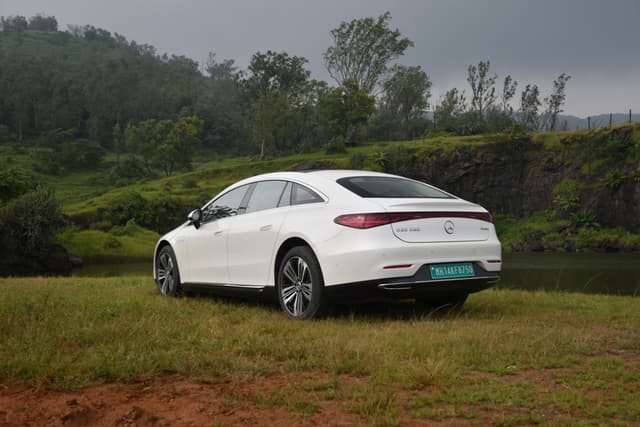
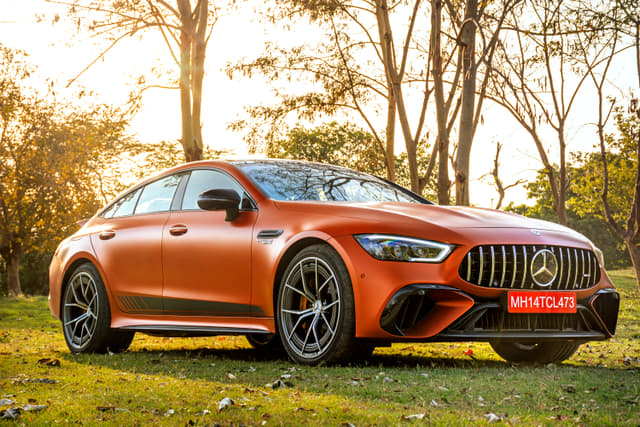
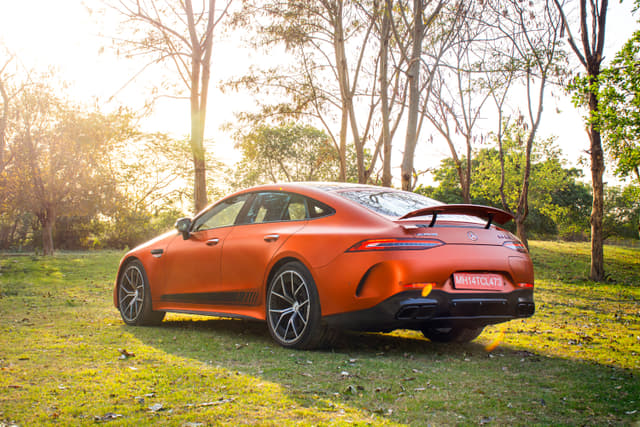
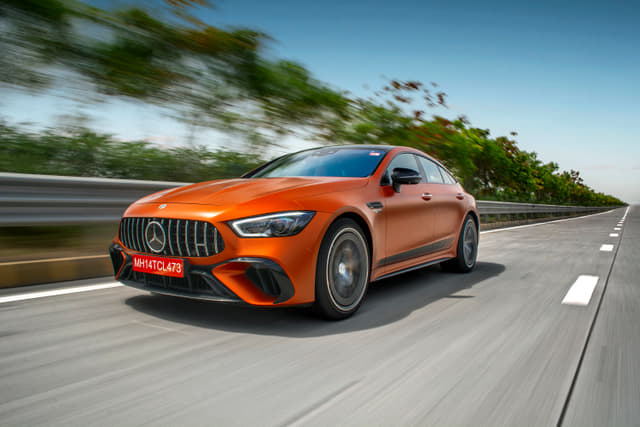
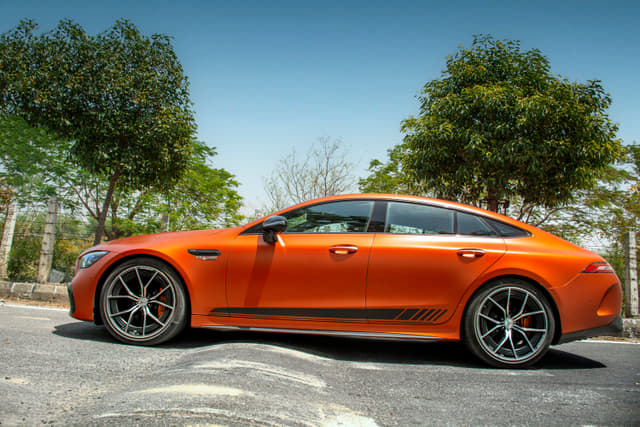
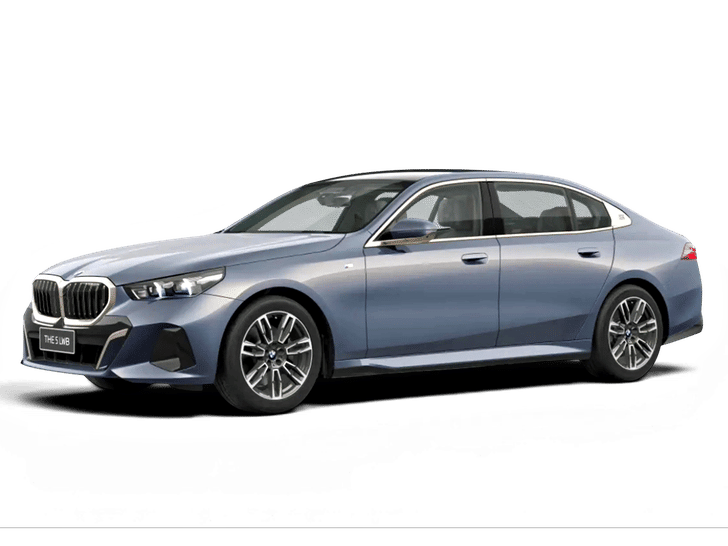
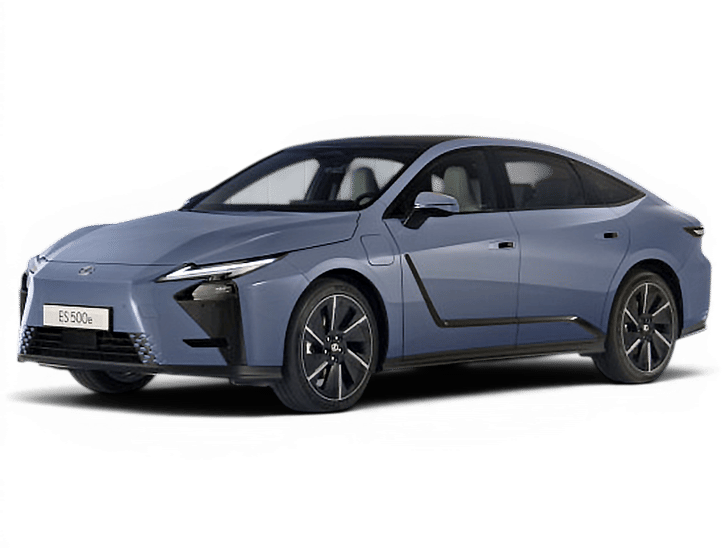
- Luxury sedans: These sedans are higher-priced sedans that come equipped with advanced tech, refined cabins, and offer a more relaxed ride. Cars like the BMW 7 Series and Lexus ES fall in this group.
Top 10 Sedans in India (Mass-Market)
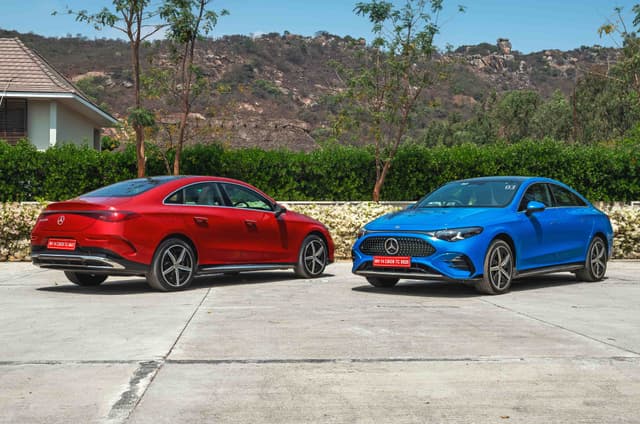
Nine models listed in the table come from six mass-market brands: Maruti Suzuki, Hyundai, Tata, Honda, Skoda, and Volkswagen. The tenth, the Skoda Octavia RS, represents the brand's full range rather than sales volume, since it sells in far smaller numbers and costs much more than others on the list.
Model | Ex-showroom Price | USP |
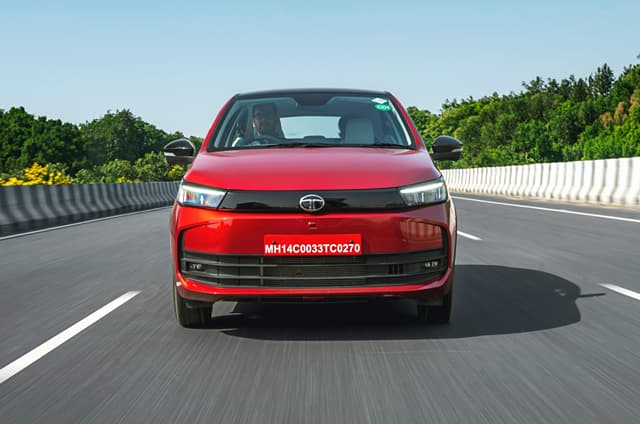
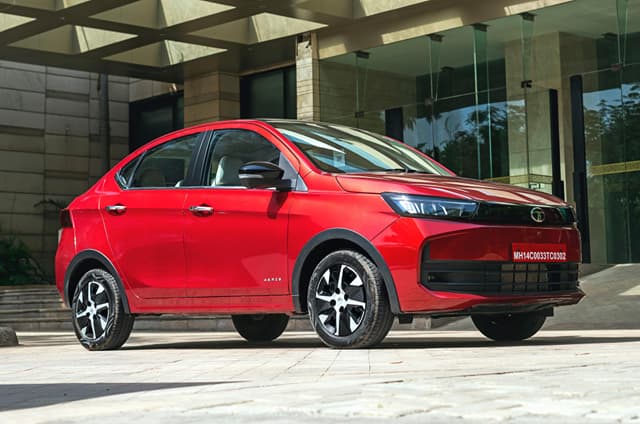
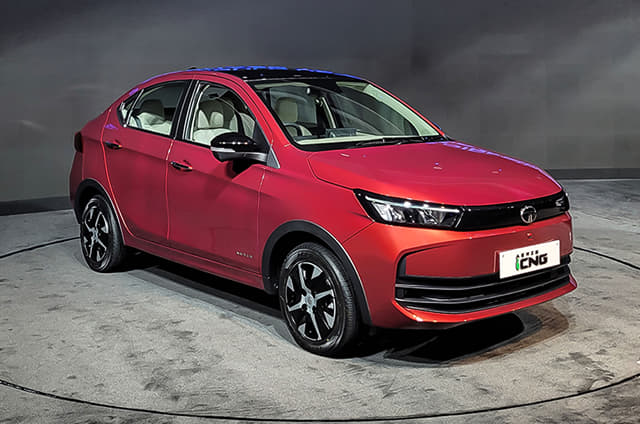
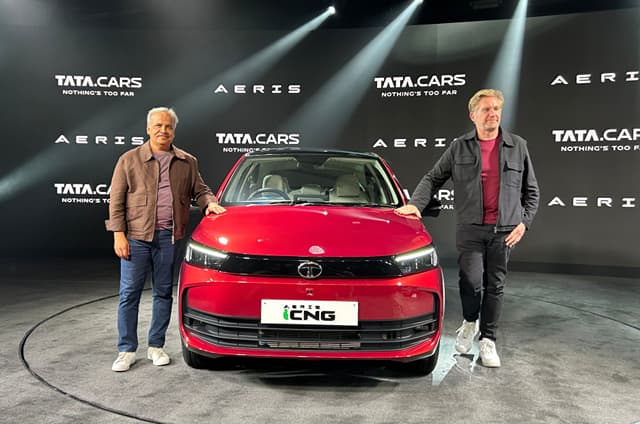
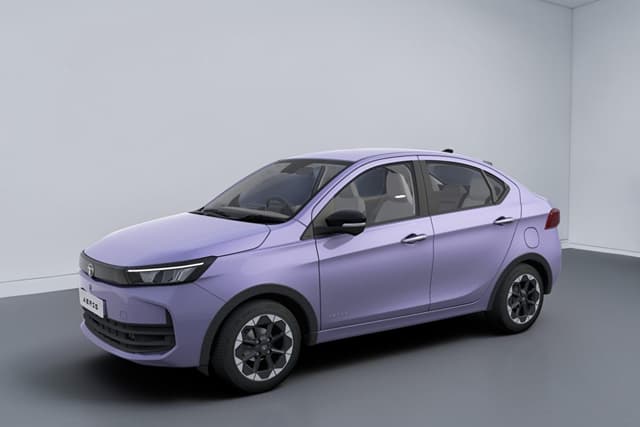
Tata Tigor | Rs 5.60 - 9.00 lakh | One of very few sedans in India with a factory-fitted CNG-automatic (AMT) combination |
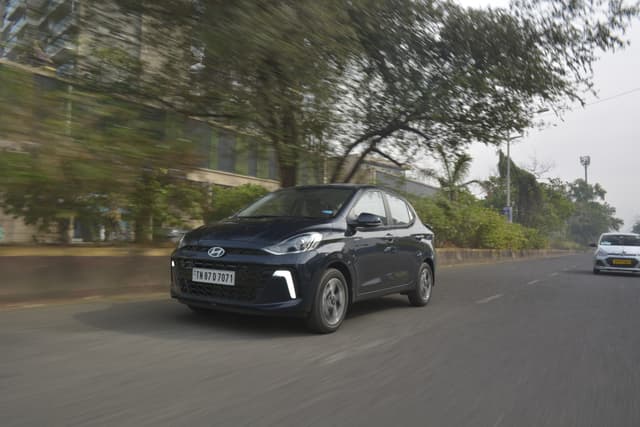
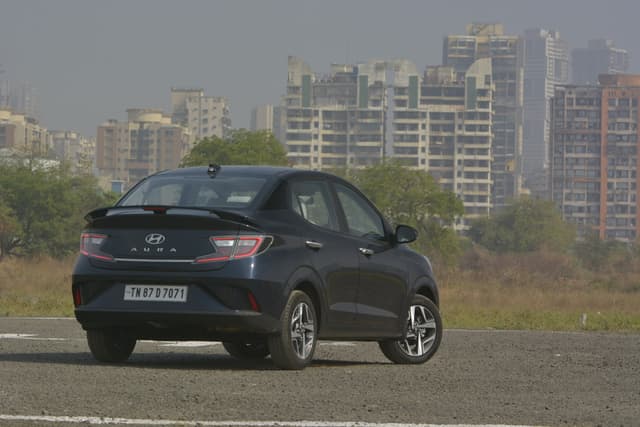
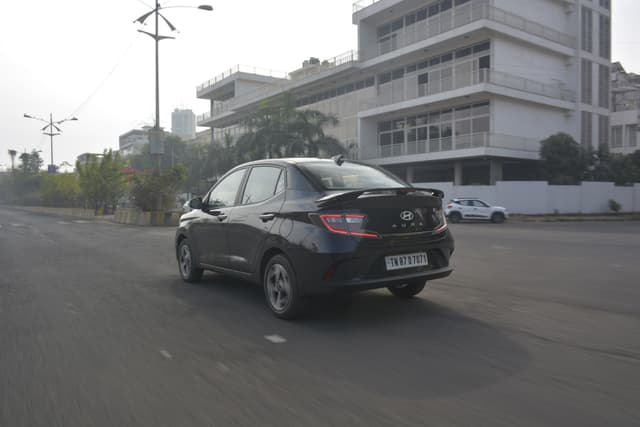
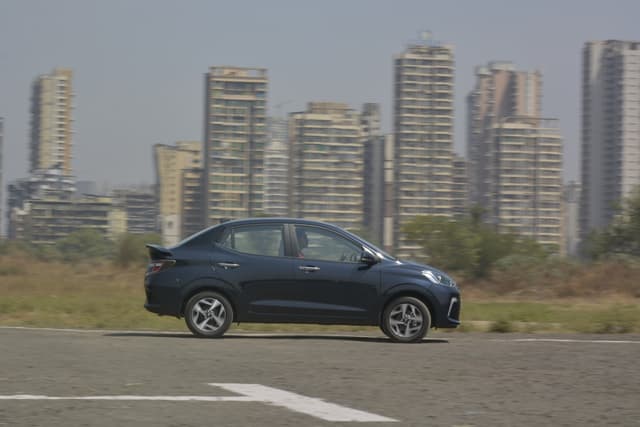
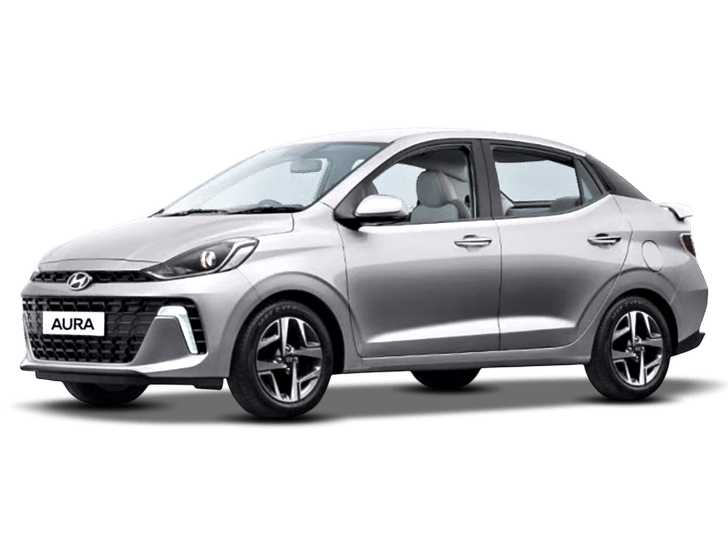
Hyundai Aura | Rs 6.00 - 8.60 lakh | Comfortable ride and cabin ambiance, though this sedan doesn't lead the segment on any single spec |
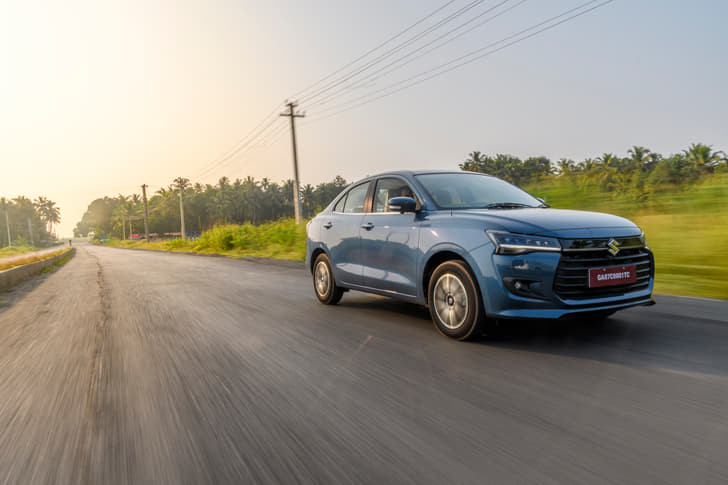
Maruti Suzuki Dzire | Rs 6.31 - 9.41 lakh | Highest CNG mileage in the segment at 33.73 km/kg, and one of only two cars in India with a 5-star rating from both BNCAP and GNCAP |
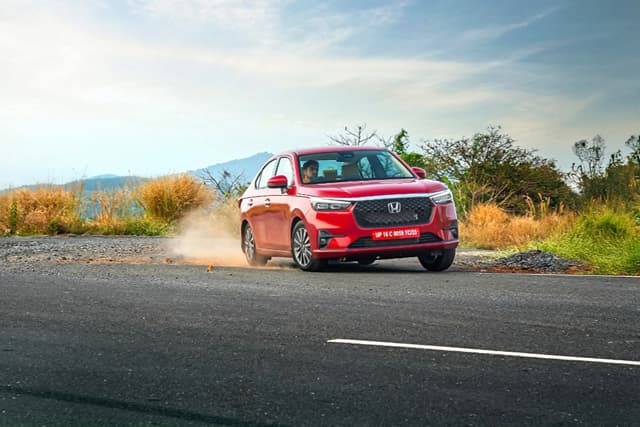
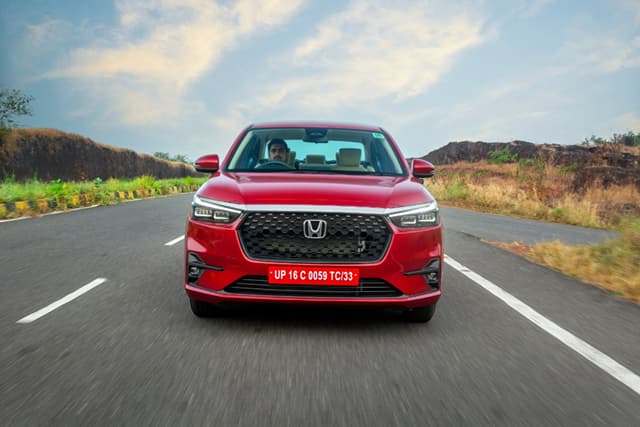
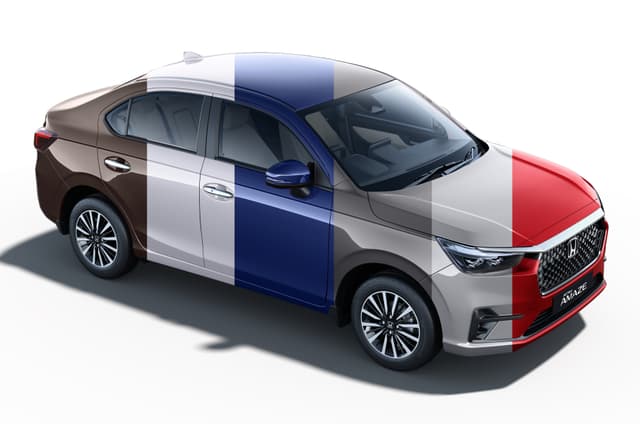
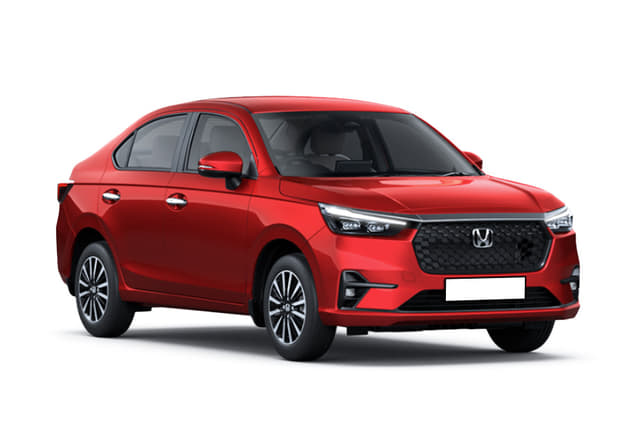
Honda Amaze | Rs 7.65 - 10.00 lakh | 5-star Bharat NCAP rated (October 2025), and the most affordable car in India with Level-2 ADAS |
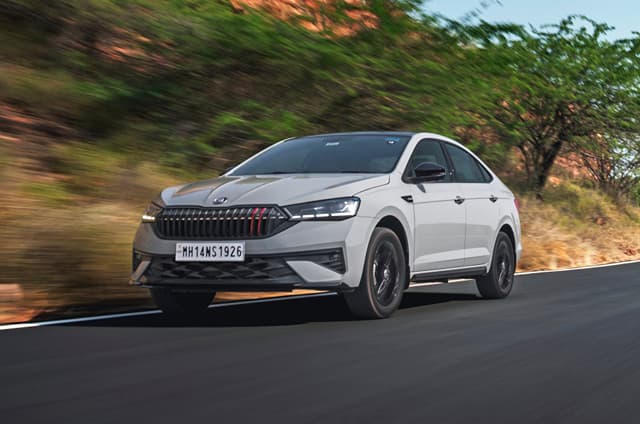
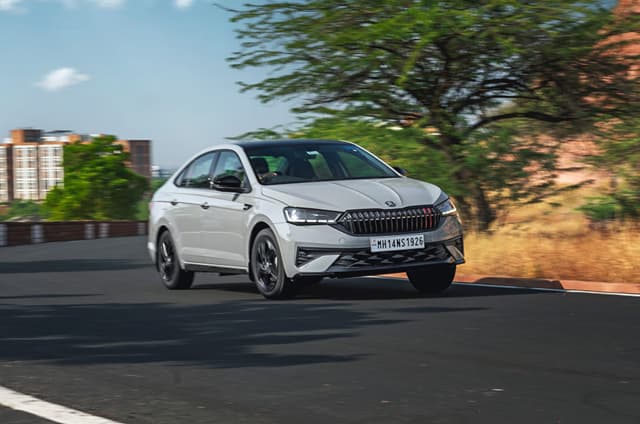
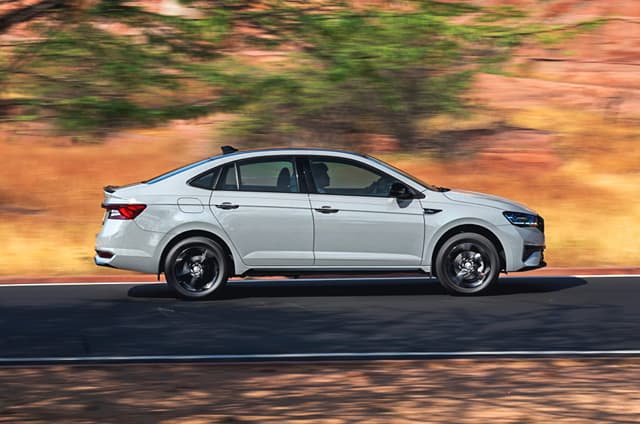
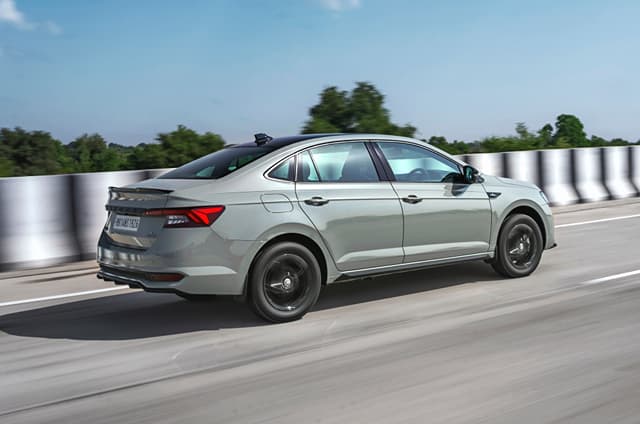
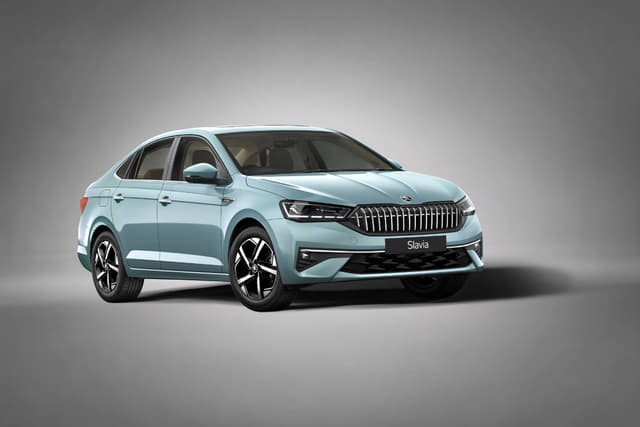
Skoda Slavia | Rs 10.00 - 18.19 lakh | Segment-leading 521-litre boot (shared with the Virtus), plus an exclusive sporty Monte Carlo trim |
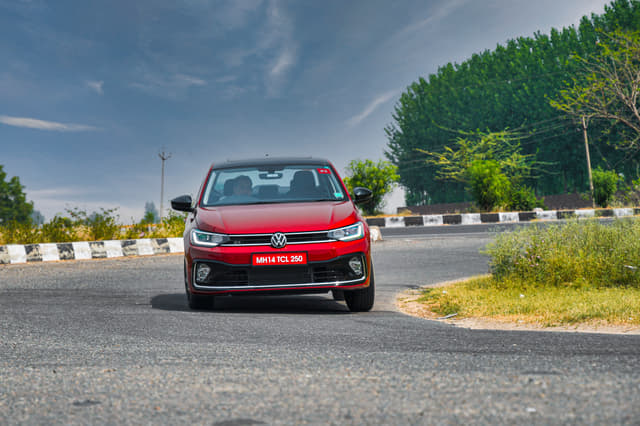
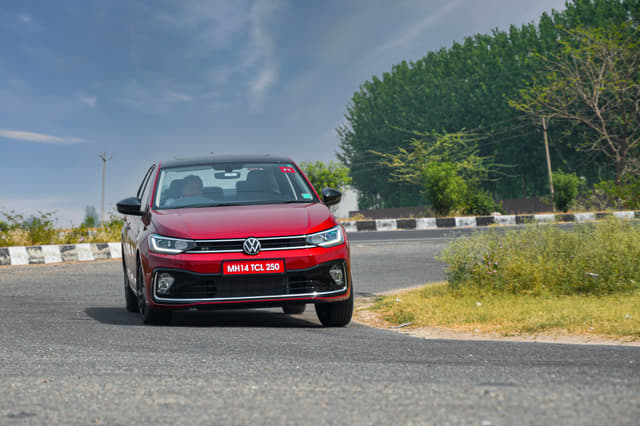
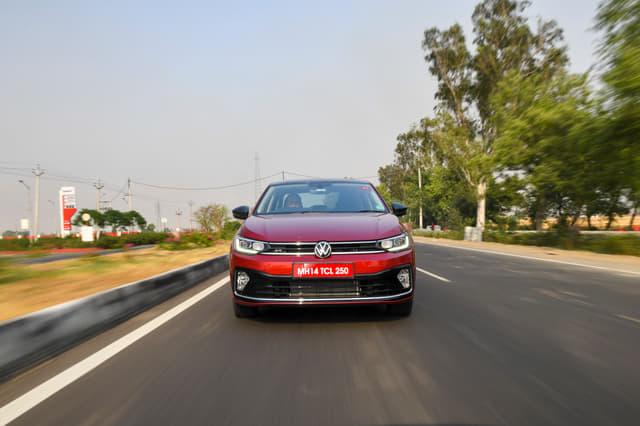
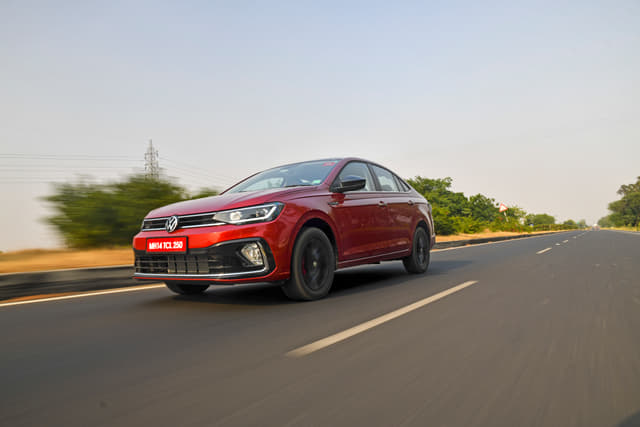
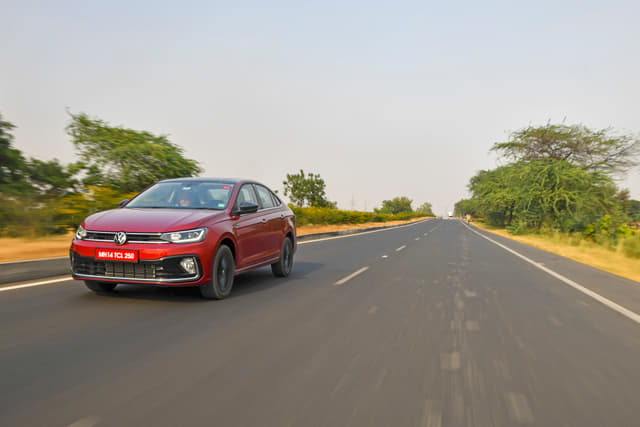
Volkswagen Virtus | Rs 10.71 - 19.20 lakh | Segment-leading 521-litre boot (shared with the Slavia); only sedan here with cylinder-deactivation tech for extra efficiency |
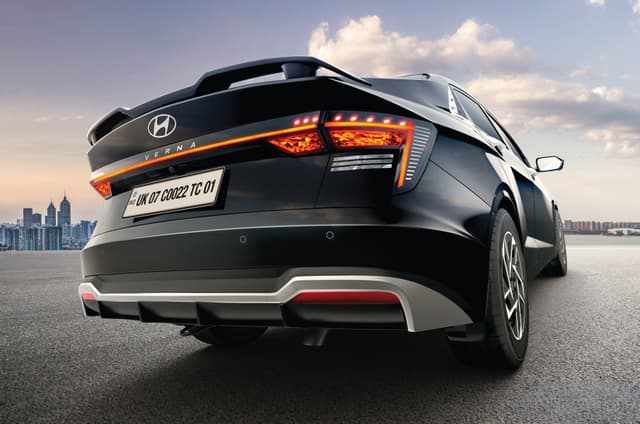
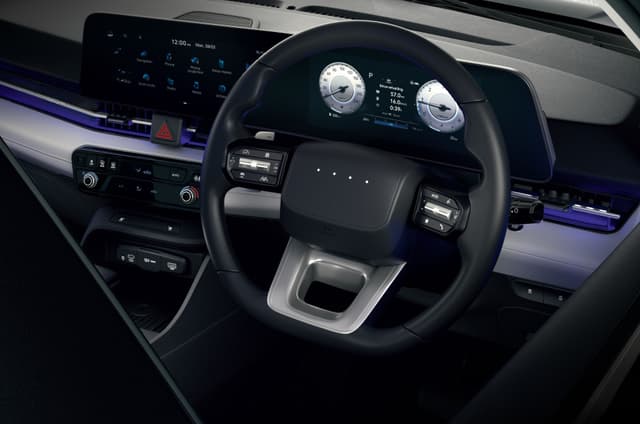
Hyundai Verna | Rs 10.99 - 18.26 lakh | Only sedan here with both heated and ventilated front seats, plus a standard Level 2 ADAS suite |
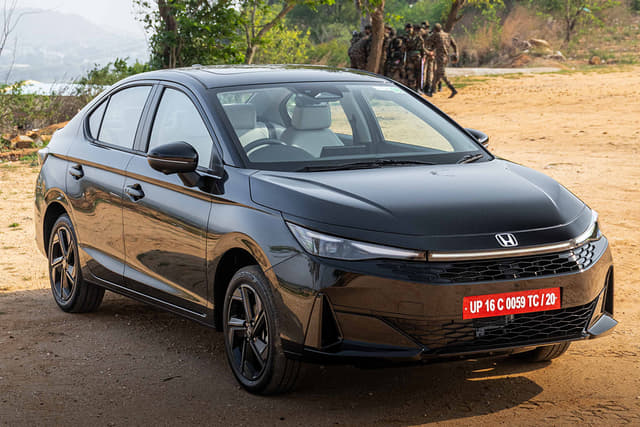
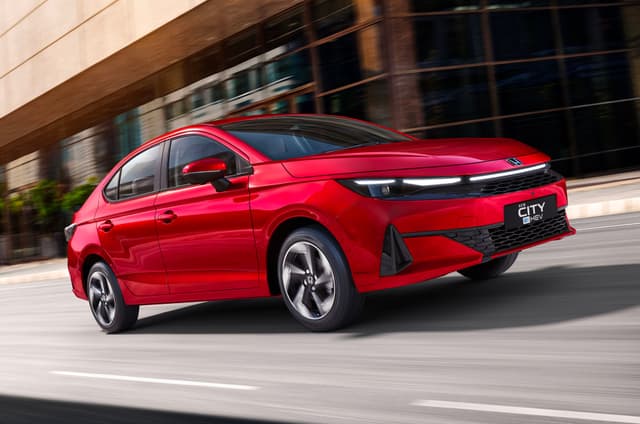
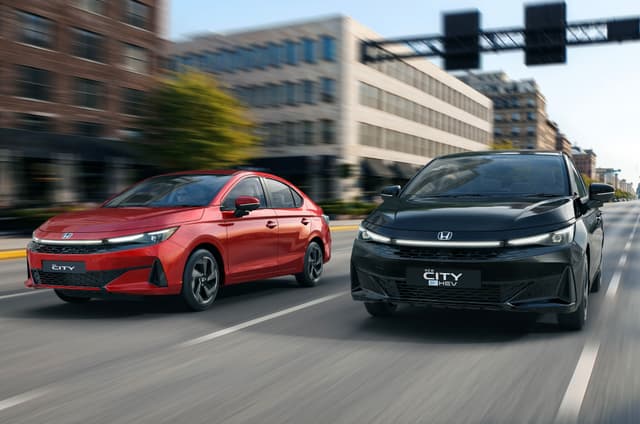
Honda City | Rs 12.08 - 21.44 lakh | Only sedan in this group offered with a hybrid (e:HEV) powertrain |
Tata Tigor EV | Rs 12.49 - 13.75 lakh | Only mass-market sedan EV on sale; first EV in India to be crash-tested by Global NCAP |
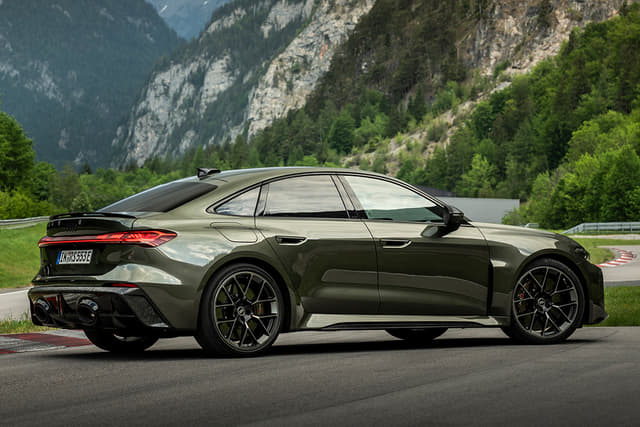
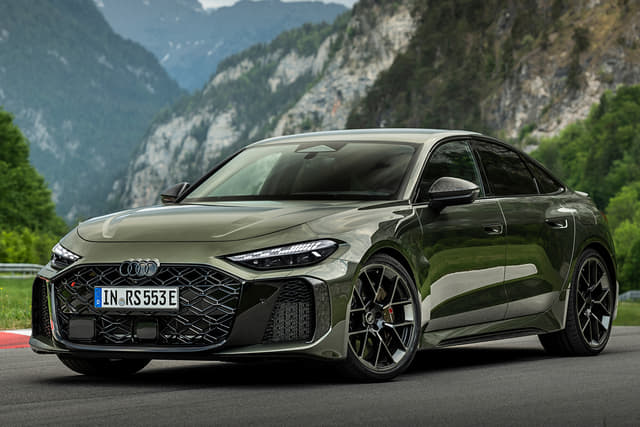
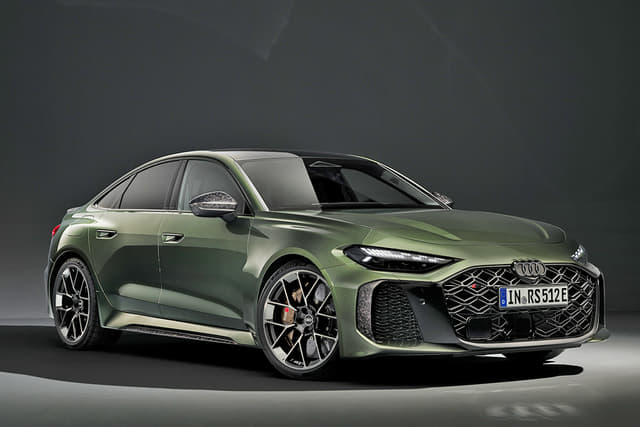
Skoda Octavia RS | Rs 56.69 lakh | Standard 10 airbags, well above typical rivals' 6-8, and its 2.0 TSI engine (265hp/370Nm) does a claimed 0-100kph in 6.4 seconds, the quickest-accelerating car in this list |
The cheapest sedan car in India on this list is the Tata Tigor, the most expensive is the Octavia RS, and genuinely ultra-luxury sedans like the Rolls-Royce Phantom sit in a market of their own, which we will get into next.
Top 10 Luxury Sedans in India
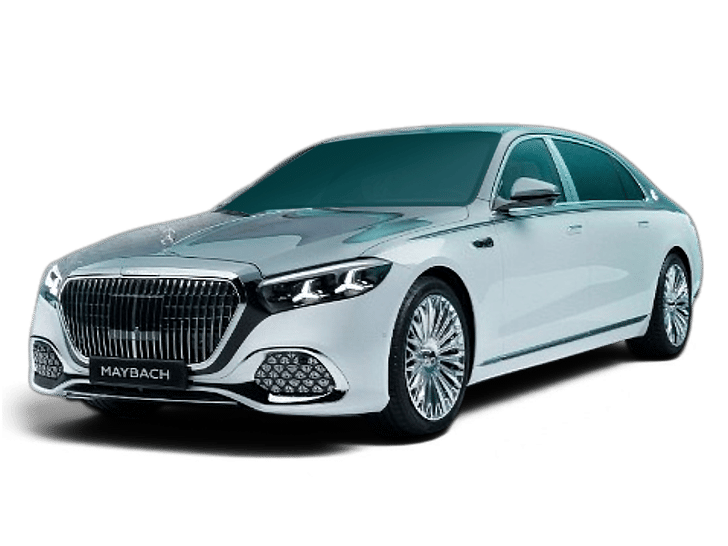
Unlike the mass-market list, this one isn't based on sales volume, since luxury sedans sell in far smaller numbers and we don't have verified sales data across all eight brands. Instead, it's one representative model from each luxury brand on sale in India. BMW and Mercedes-Benz get two entries each, since both run the widest sedan lineups in this segment, from mainstream models to outright flagships.
Model | Ex-showroom Price | USP |
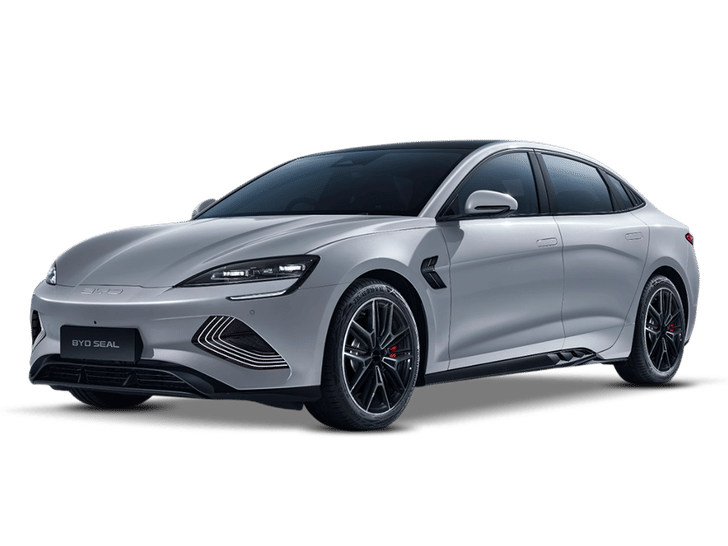
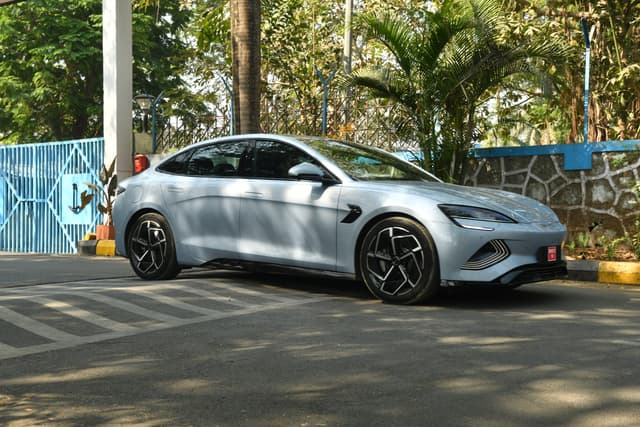
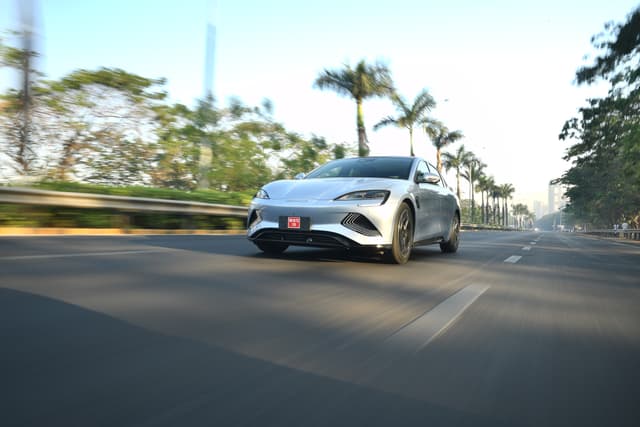
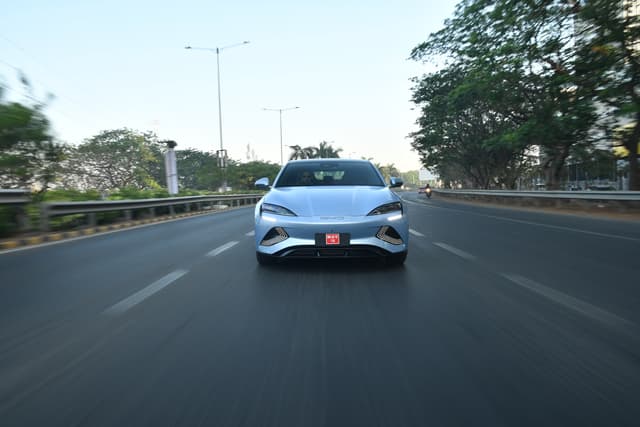
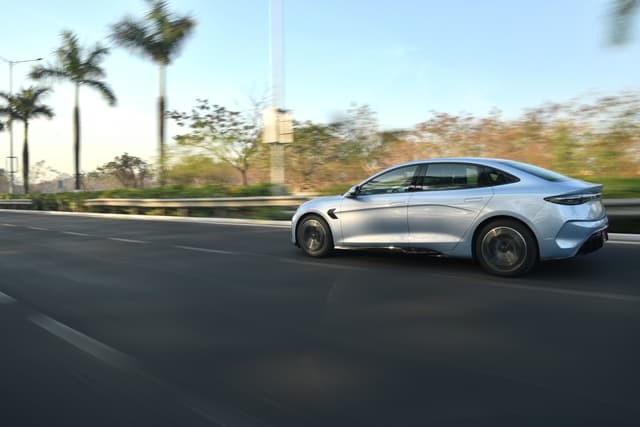
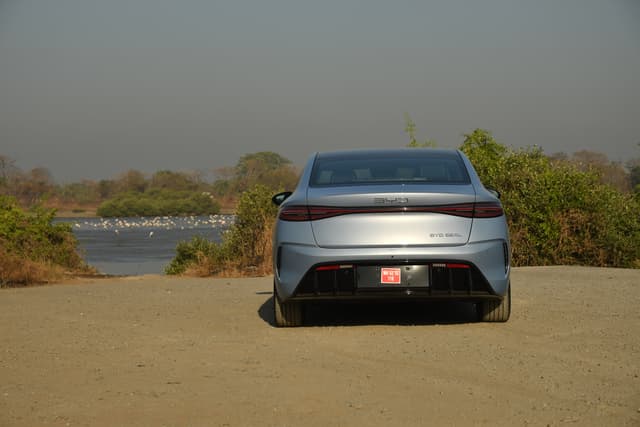
BYD Seal | Rs 41.50 - 53.65 lakh | The Premium variant's 82.56kWh Blade LFP battery gives an ARAI-certified range of up to 650km, the highest of any electric sedan in this price bracket |
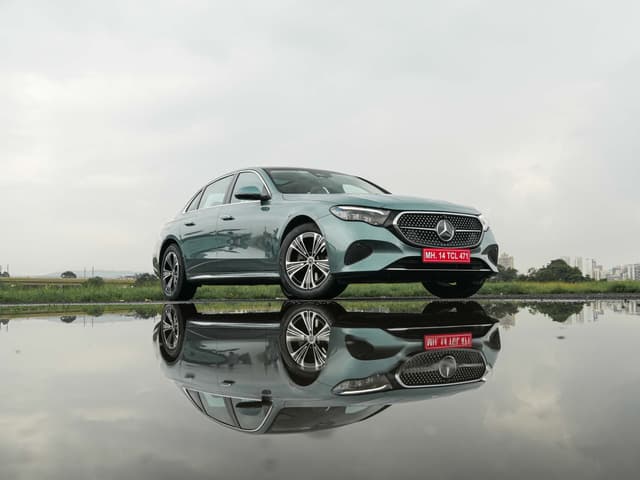
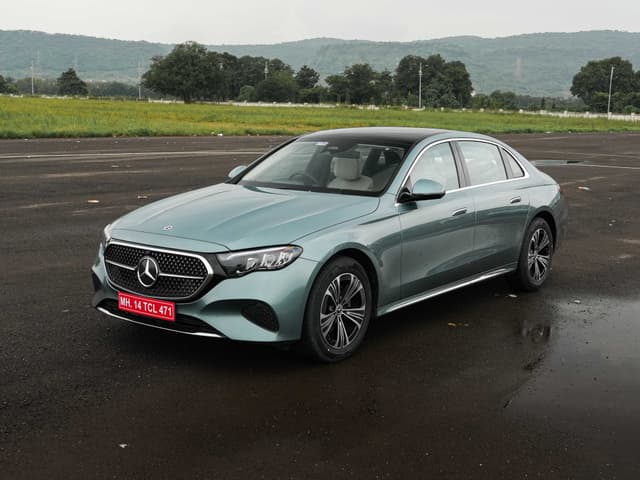
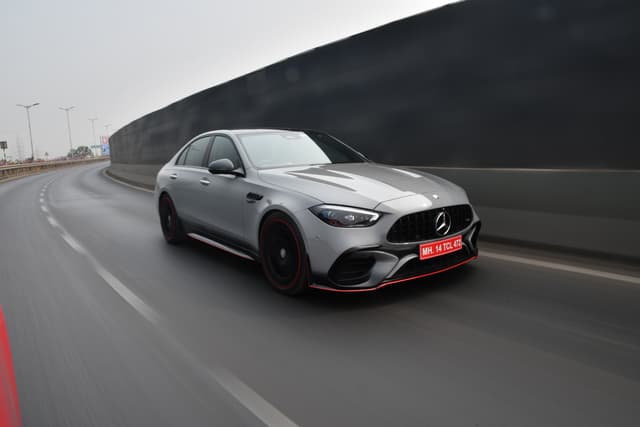
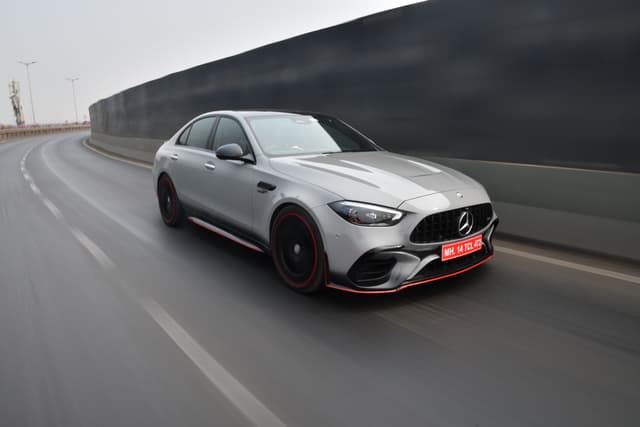
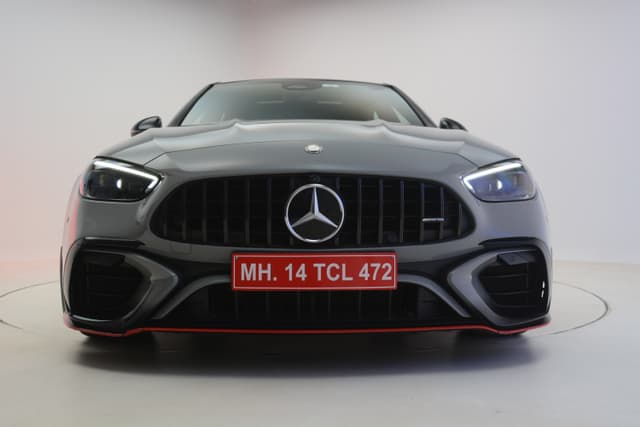
Mercedes-Benz C-Class | Rs 61.20 lakh - 1.91 Cr | The range-topping C 63 S E Performance plug-in hybrid makes a combined 680hp/1,020Nm (0-100kph in 3.68s). As per us it is “the most powerful C-Class available in the market"” |
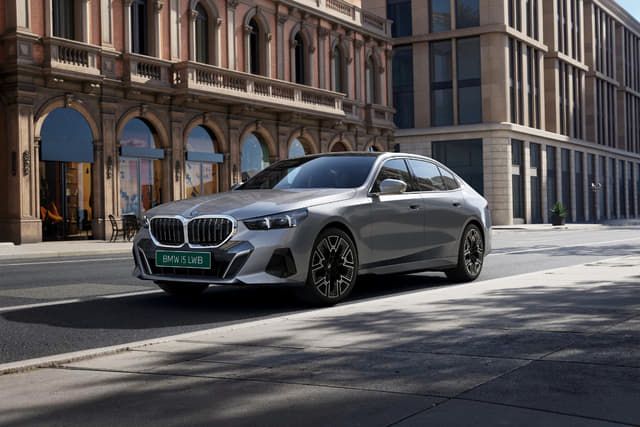
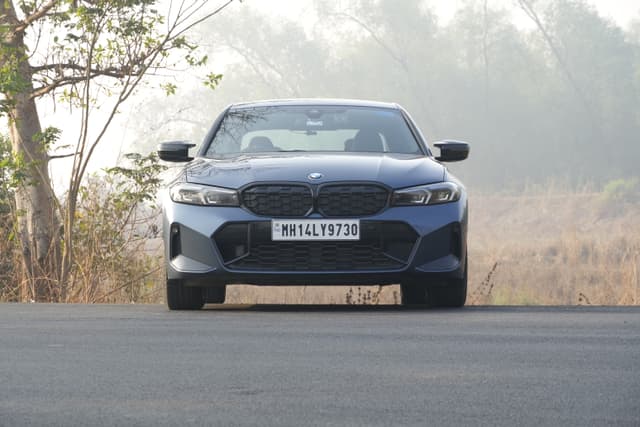
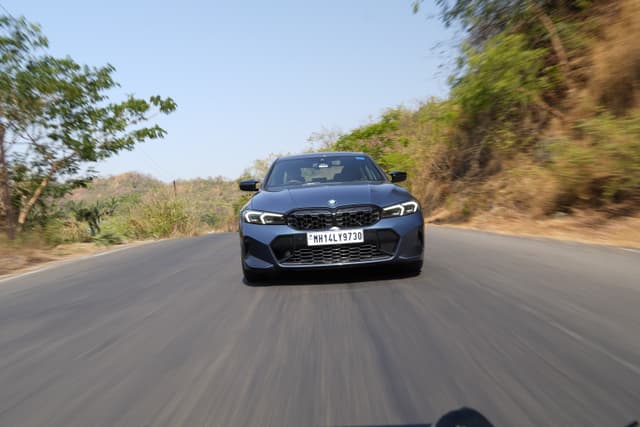
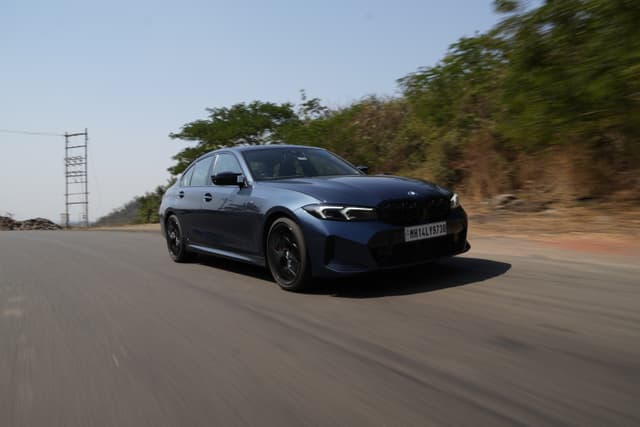
BMW 3 Series LWB | Rs 62.70 - 64.20 lakh | India-specific long-wheelbase body (2,961mm wheelbase, 110mm longer than the standard M340i), the only 3 Series body style here offered with a diesel engine alongside the turbo-petrol |
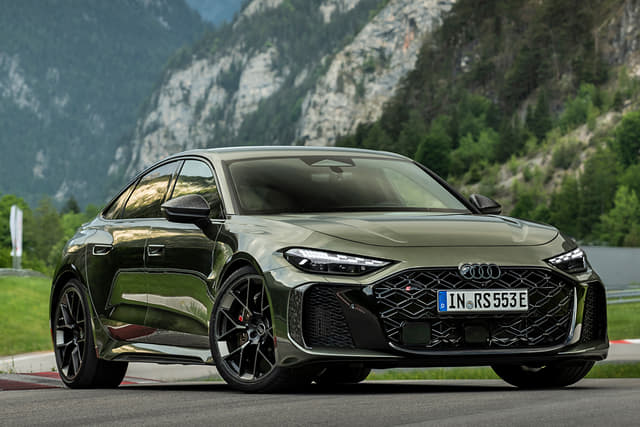
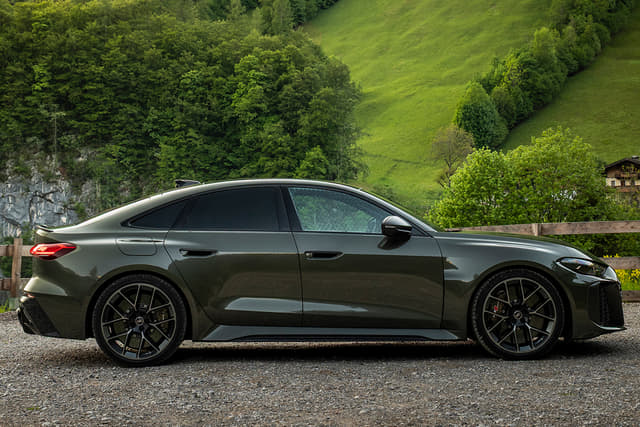
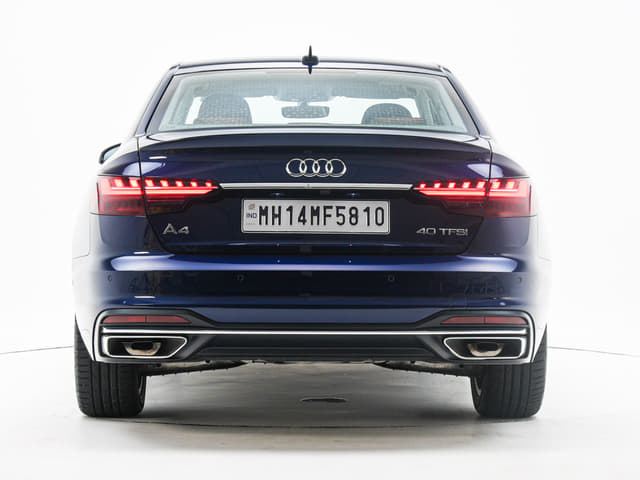
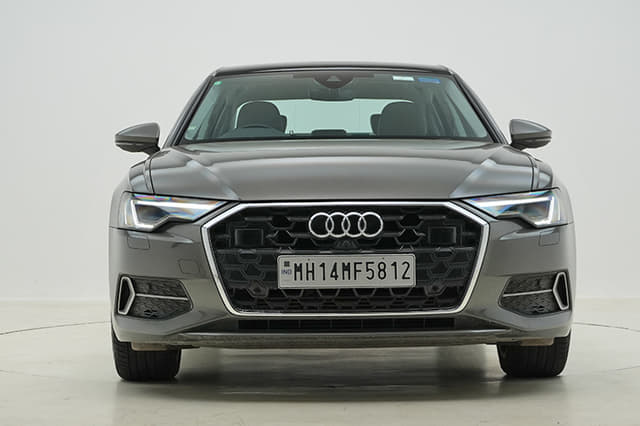
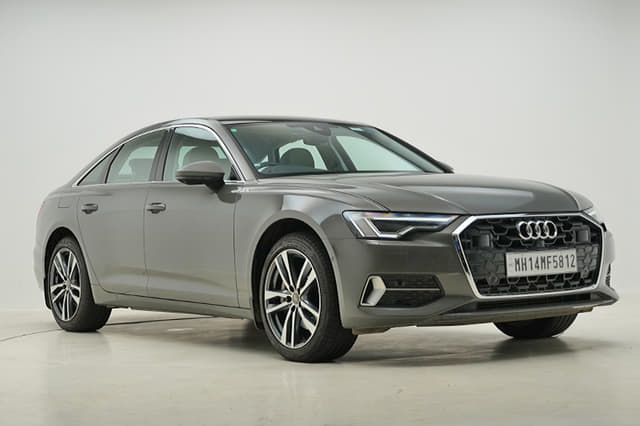
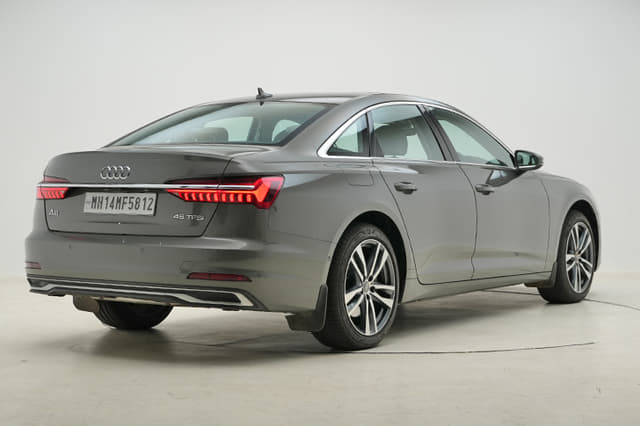
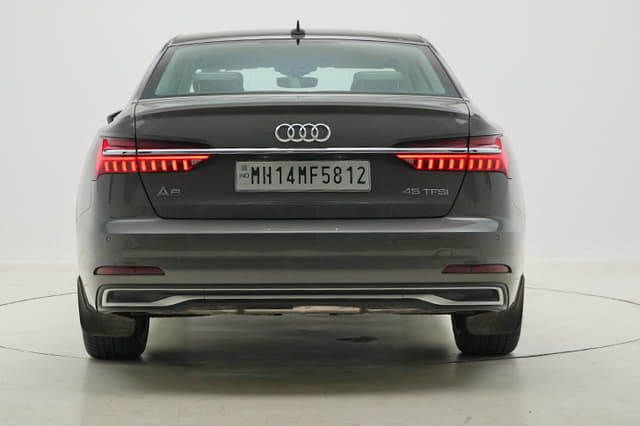
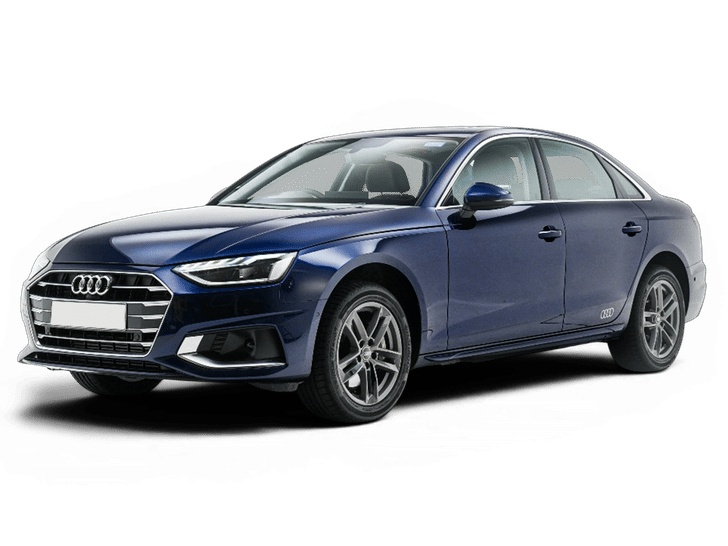
Audi A6 | Rs 64.81 - 71.66 lakh | One of very few sedans in India with Matrix LED headlamps as standard, a 5-star Euro NCAP rating, and a class-leading 530-litre boot |
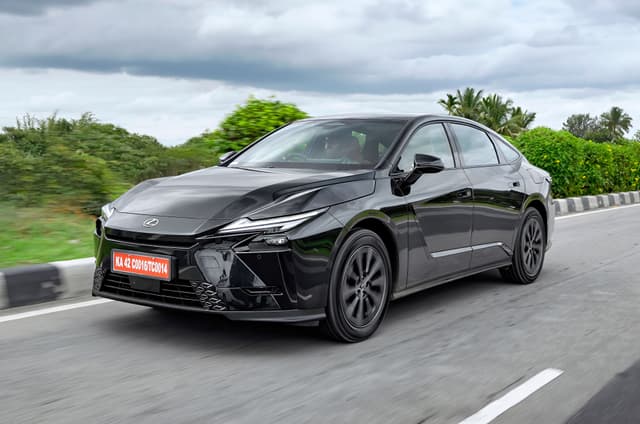
Lexus ES | Rs 66.10 - 71.80 lakh | A self-charging full hybrid that needs no plug or wall charger, unlike plug-in-hybrid rivals in the segment |
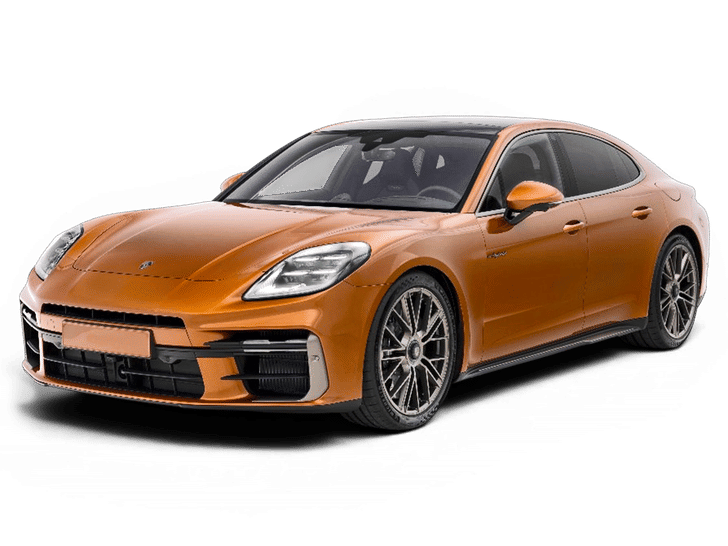
Porsche Panamera | Rs 1.79 - 2.35 Cr | The GTS variant's V8 makes 500hp/660Nm (0-100kph in 3.8s); Autocar India notes it has “no direct rivals as a sports saloon” |
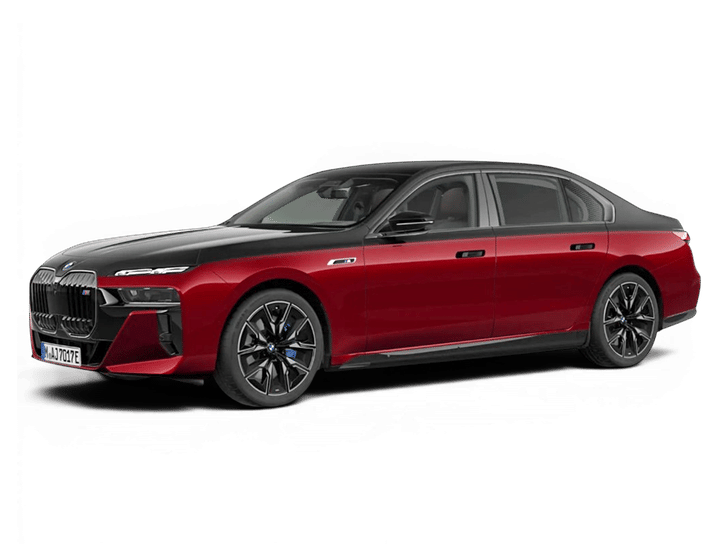
BMW 7 Series | Rs 1.95 Cr | The only sedan sold in India with a 31.3-inch 8K Theatre Screen that folds from the roofliner for rear passengers |
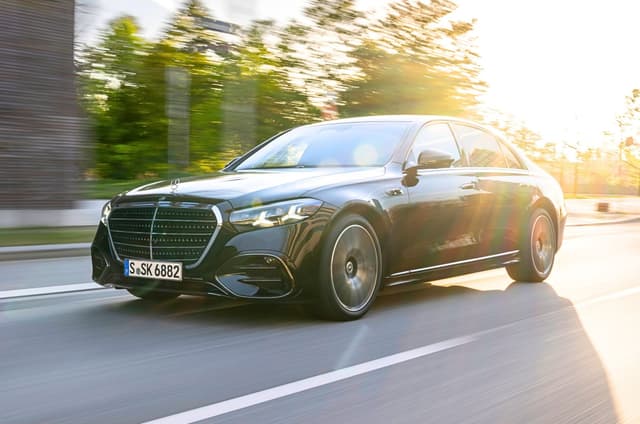
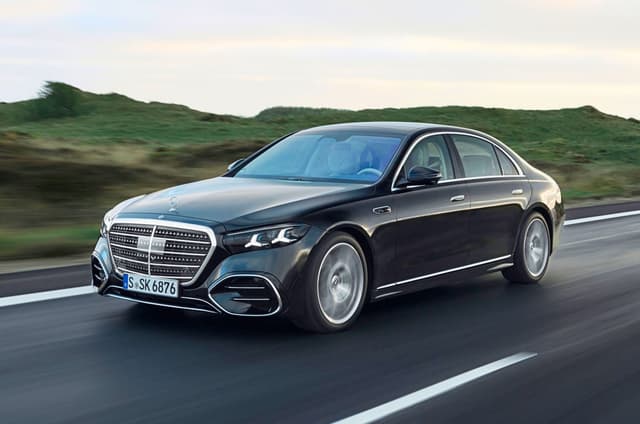
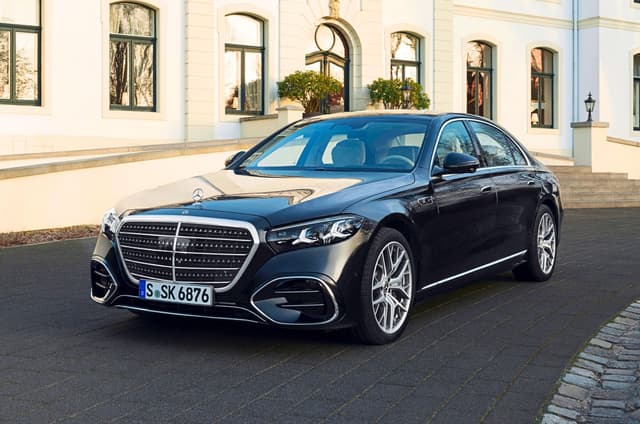
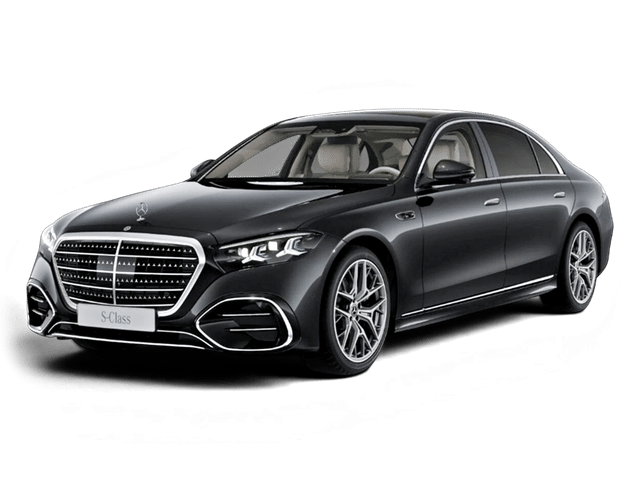
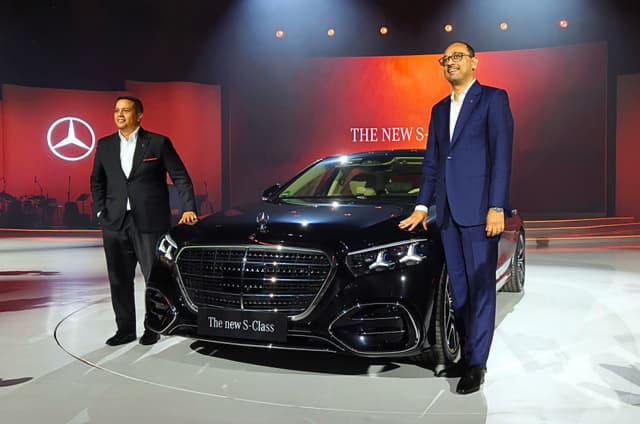
Mercedes-Benz S-Class | Rs 2.20 - 2.38 Cr | Standard MBUX Superscreen for the front passenger, plus 37-degree power-recline rear seats with dual rear-entertainment displays |
Lotus Emeya | Rs 2.95 Cr | The Emeya 900 does 0-100kph in 2.78 seconds, quicker than any other sedan on this list, with charging up to 420kW |
Rolls-Royce Phantom | Rs 12.87 - 15.07 Cr | The only V12-engined sedan sold in India, and every unit is individually bespoke-built to the owner's specification |
The cheapest sedan car on this list is the BYD Seal, and the most expensive is the Rolls-Royce Phantom.


Find cars by fuel type


Find cars by fuel type


Find cars by transmission
Find cars by transmission


Find cars by transmission
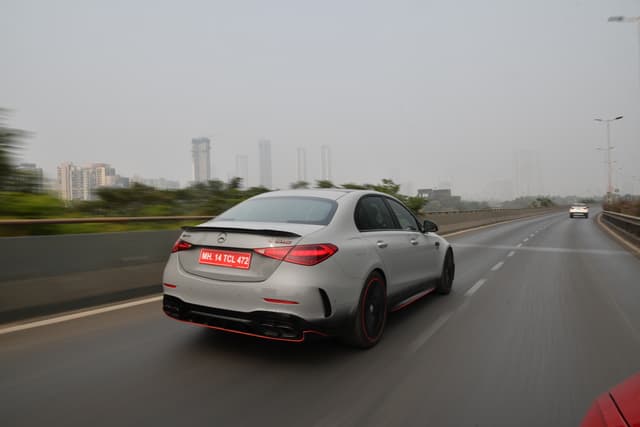


Sedan Cars Comparisons

Trending Questions on Sedan Cars - Answered by Autocar Experts
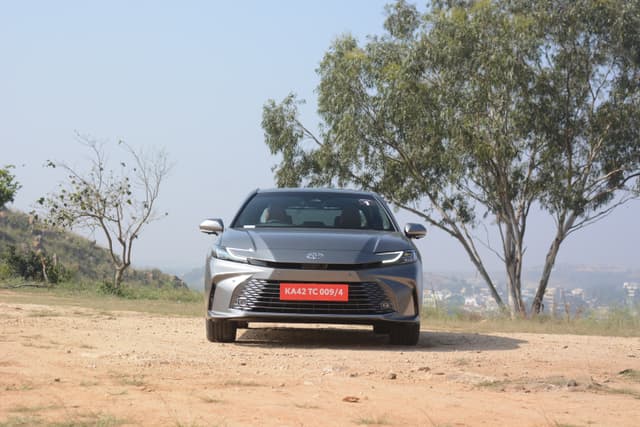
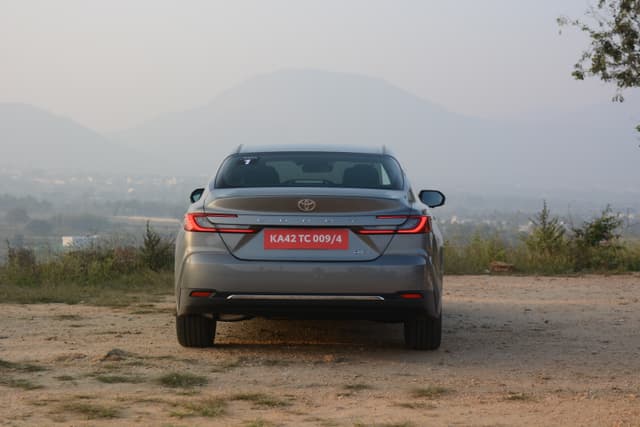
We have been using a 2019 Kia Seltos 1.4 DCT and are now planning to change our car. I am leaning towards a sedan, particularly the Volkswagen Virtus, for its performance, driving comfort and build quality. I have driven the Volkswagen Vento 1.0 TSI before, so I am familiar with the driving experience. However, the Virtus does not feel like a significant upgrade from our current car, especially because its interior seems dated compared with newer models. I have also considered the Toyota Camry, which looks beautiful and offers a more premium experience, but it is beyond our budget. We drive around 15,000km a year, with a mix of city commutes and highway trips. I want an engaging driving experience, good performance, comfortable long-distance cruising and a premium feel. A sedan is my first preference, but I am open to an SUV if it makes more sense. What would you recommend? Are there any cars that would feel like a genuine upgrade from the Seltos?
Hi, I am planning to buy a sedan and am confused between the Volkswagen Virtus 1.5 DSG GT Chrome for Rs 21.5 lakh (June-manufactured, due for delivery in November) and the facelifted Skoda Slavia Prestige 1.5 for Rs 22.70 lakh. Is it worth paying extra for the Slavia, or should I go with the Virtus?
Hi Autocar India, I currently own a Skoda Slavia 1.0 TSI MT, but since my wife prefers to drive an automatic, I'm planning to sell it and upgrade to either Hyundai Verna 1.5 IVT or 1.5 Turbo DCT. I need a car that feels a little more responsive at the lower end, especially in stop-and-go traffic, as I find my Slavia slightly sluggish in this situation. My monthly running is around 1,000 km, with approximately 70% highway and 30% city driving. Between the two Verna variants, which one would you recommend based on my requirements? Also, are there any SUVs in the similar price range that offer good mileage and better low-end response? I would love to hear your recommendation.
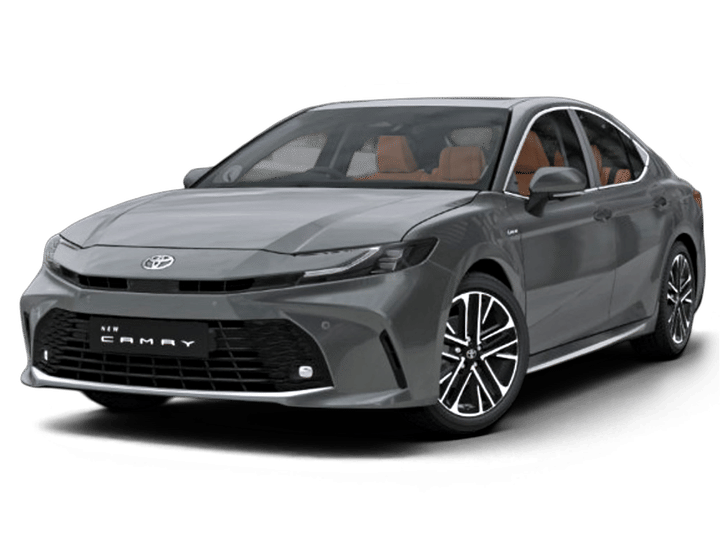
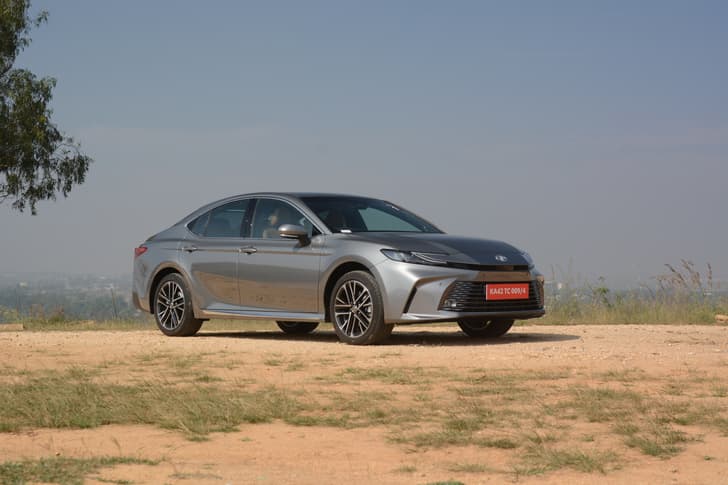
I am confused between waiting for the Skoda Superb and going ahead with the purchase of the Toyota Camry. I am looking for an executive sedan that prioritises rear-seat comfort for my parents, who are senior citizens. Mercedes-Benz and BMW models are outside my budget. My last premium sedan was a Skoda Laura, before it was renamed the Skoda Octavia and eventually discontinued. This car will primarily be used for long-distance travel between two cities or towns. Should I wait for the Skoda Superb or go ahead with the Toyota Camry?
I am 34 years old and I currently own a Honda Amaze. I am planning to get a new car. My annual running is around 7000 km and 85% of the running is out of Mumbai. I wanted a sedan but that is not mandatory. I want to buy a car that I plan to keep for the next 10 years. I need a safe automatic car that has front ventilated seats with good after sales support. I like Hyundai Verna and Creta but I do not want to go for a Maruti or Tata car. My budget is 15 lakh that can be extended up to 19 lakh if the car is value for money. Which car do you suggest?
Sedan Cars User Reviews
BMW 7 Series
Anand Singh•17 October 2026
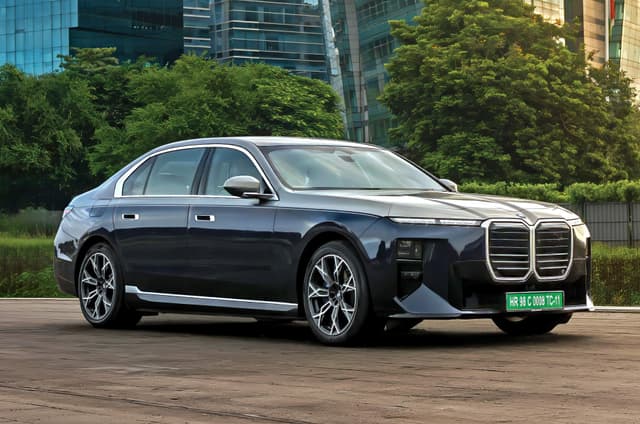
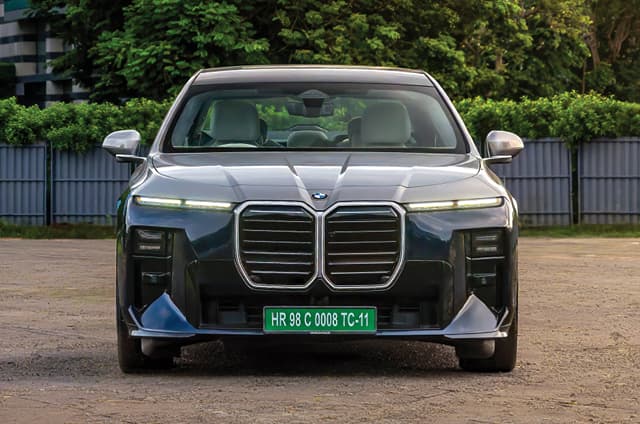
This car is so awesome and comfortable, with tons of features. I really love its crazy looks. I think anyone with good financial standing should buy this car.
View all 7 Series ReviewsSkoda Superb
Nishant•03 August 2026
Stretching a bit would also land you the Skoda Superb.
View all Superb ReviewsMaruti Suzuki Dzire
Autocar User•26 October 2026
The Dzire is the best compact sedan out there. It offers great mileage, and Maruti Suzuki's service is top-notch. It could use a bit more space and an AC vent for the trunk, especially when carrying items that can spoil.
View all Dzire ReviewsToyota Camry
Omkar Pandit•23 October 2026
Absolutely fantastic car! It has plenty of space, sharp looks, and great driving pleasure. The mileage is unbelievable, and the seating arrangement is one of the best.
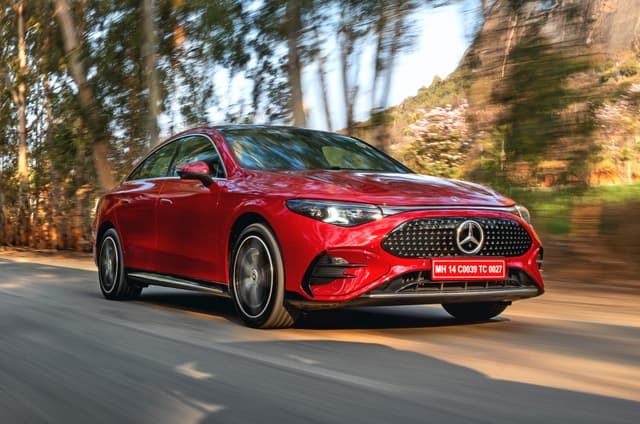
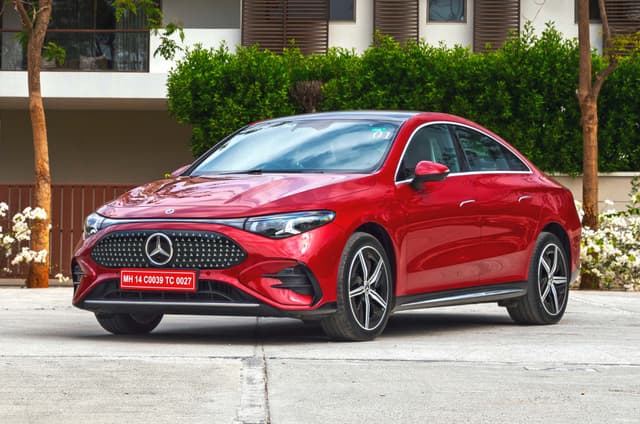
View all Camry ReviewsMercedes-Benz CLA Electric
Ishan•08 September 2026
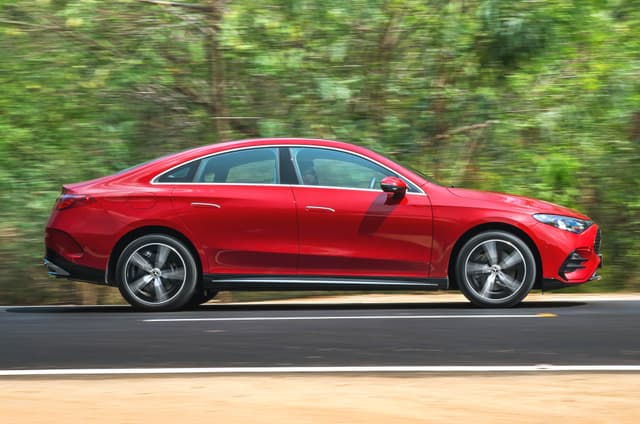
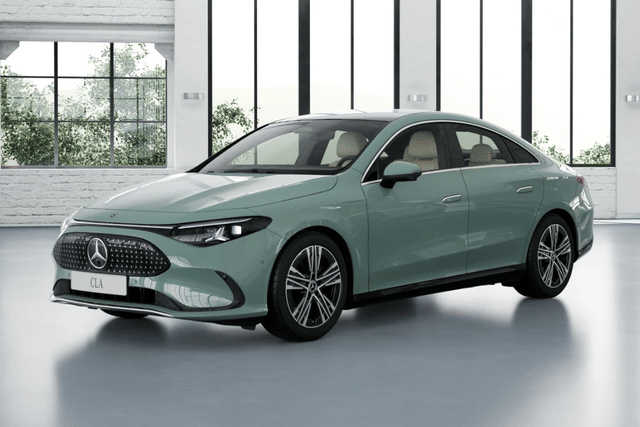
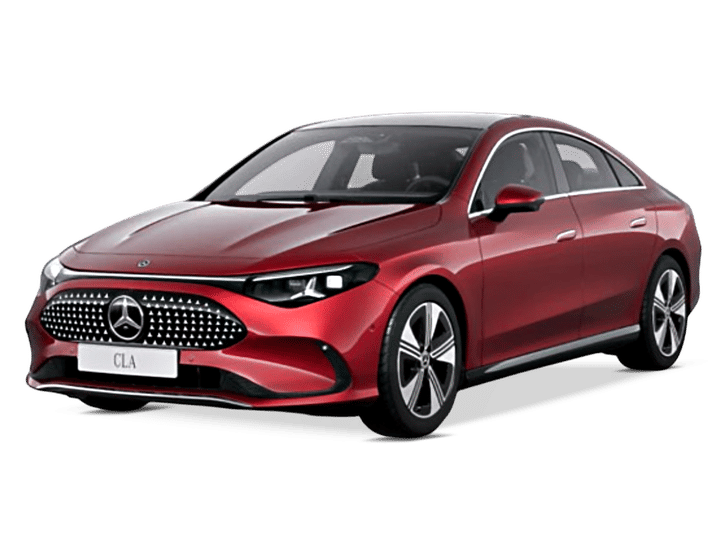
The performance of this car is brilliant, and the interior is very sporty and aesthetic. I really like the design of the headlights and the bonnet. The price is a bit high considering the rear space and comfort, but it feels premium and luxurious in the front seats. Overall, a very good car, I highly recommend it.
View all CLA Electric ReviewsBMW i7
Akashkhedekar•25 October 2026
I really like the look and comfort of this car. It stands out compared to others. The seats are comfy, and the mileage is average. The design is beautiful, making it a great choice for anyone. Overall, it's the best car in the budget segment.
View all i7 ReviewsHyundai Aura
prijesh•27 October 2026
I purchased this car in 2021 and it was a great experience. Specially purchased for company fitted CNG and for good mileage. I have driven about 16000 km single-handed. It is a good car for those who care about mileage.
View all Aura ReviewsHyundai Verna
Donald•06 October 2026
Having come from 4 consecutive Hyundai cars, the latest being the new Verna Turbo Petrol.
View all Verna ReviewsSedan Cars Expert Reviews
Sedan Cars Images
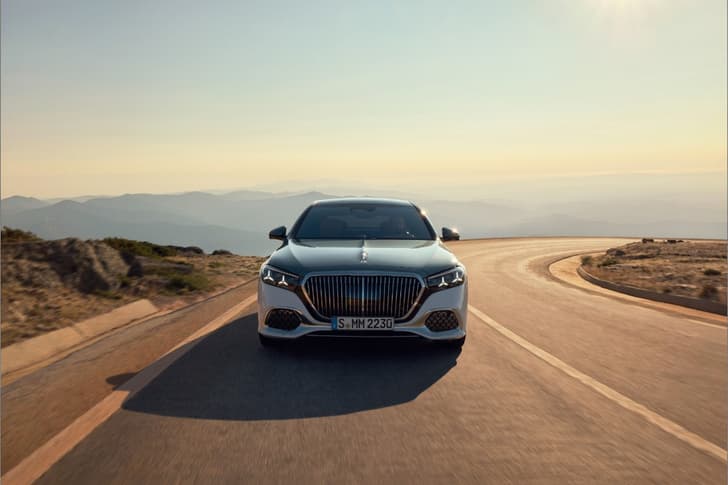
Sedan Cars Videos
Sedan Cars - FAQs
Sedans usually sit lower to the ground than SUVs, which means they are not top heavy and have a lower centre of gravity. Because of this, automakers are better able to tune the suspension for a cushier ride, while the better driving dynamics comes from a reduced rolling effect in the corners.
Since the boot of a typical sedan is an entirely separate part of its body, manufacturers can design a boot with fewer compromises than most other body types. This segregation between luggage and occupants also allows brands to optimise the cabin for more space and comfort. Furthermore, the lower loading lip of a sedan's boot makes it easier to load heavier items.
Yes, the average sedan is lighter than the average SUV as the latter tends to be larger in general. Lower weight naturally reduces fuel consumption, which makes sedans more efficient than an SUV of a comparable segment.
If you enjoy driving in a spirited manner and have a budget of around Rs 20 lakh, then the Volkswagen Virtus and Skoda Slavia are great options. The stiff MQB A0 IN platform and a well-calibrated steering allows these sedans to change directions swiftly and with confidence. When equipped with the 1.5-litre engine and dual-clutch automatic gearbox, the Virtus and Slavia feel particularly sporty and engaging to drive.
If you are worried about scraping the ground, you must know that ground clearance alone isn't a factor. Most sedans have an adequate amount of space between the underbody and the ground beneath. What matters more is the suspension setup (softly sprung ones can sink, leading to clearance issues), wheelbase (a longer wheelbase can increase the chance of scraping the belly), and overhangs (these can get caught at steep ramps or large speed-breakers). For example, an Honda Amaze or a BYD Seal can scrape their underbodies when loaded with occupants and luggage.
Last Updated on: 27 Oct 2026