Autocar India
Introducing Badges

Every helpful action can earn a badge.

•1d

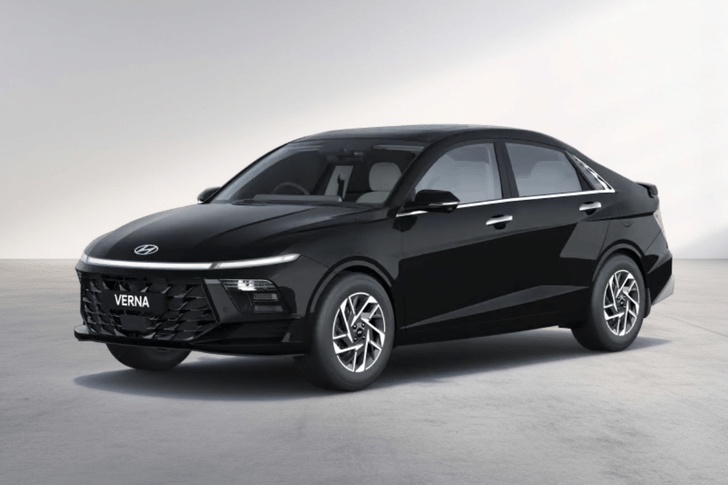
I am 34 years old and I currently own a Honda Amaze. I am planning to get a new car. My annual running is around 7000 km and 85% of the running is out of Mumbai. I wanted a sedan but that is not mandatory. I want to buy a car that I plan to keep for the next 10 years. I need a safe automatic car that has front ventilated seats with good after sales support. I like Hyundai Verna and Creta but I do not want to go for a Maruti or Tata car. My budget is 15 lakh that can be extended up to 19 lakh if the car is value for money. Which car do you suggest?

Verified
•20m

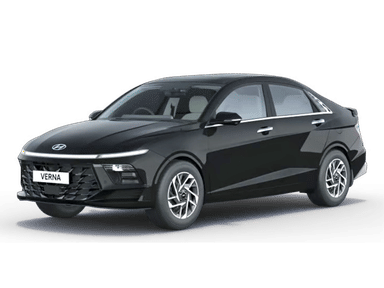
Go for the Hyundai Verna 1.5 petrol IVT. It is the best fit for your requirements. You are coming from a Honda Amaze, so you already appreciate the comfort and ease of a sedan. The Verna is a significant step up in terms of refinement, space and features, and it offers a genuinely premium ownership experience. The IVT automatic is smooth and well suited to your driving pattern, especially with 85 percent of your running outside Mumbai. The Verna also offers front ventilated seats, strong safety credentials and a comfortable ride, making it a great long-term ownership proposition. Hyundai's aftersales support is strong, and the car is known for its reliability and low maintenance costs. Your annual running of 7,000 km does not justify a diesel, and the petrol IVT strikes the right balance between performance and efficiency. The Creta is a good alternative if you specifically want an SUV, but the Verna is the more value-for-money option and better suited to your preferences.
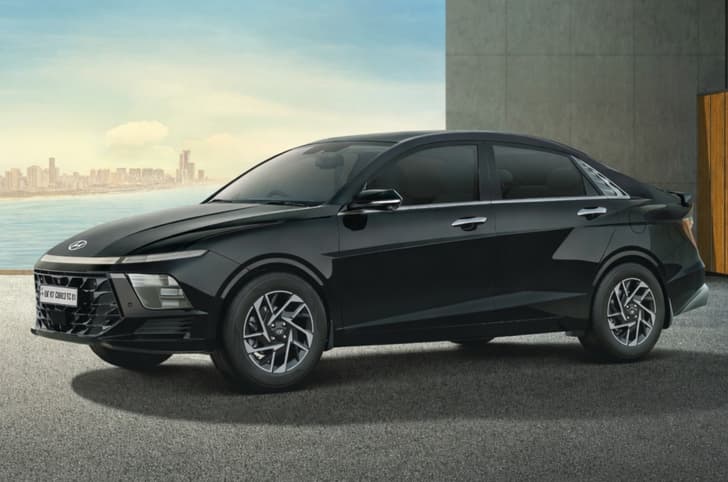
Hyundai Verna

Hyundai Verna

More posts on similar cars

•1d

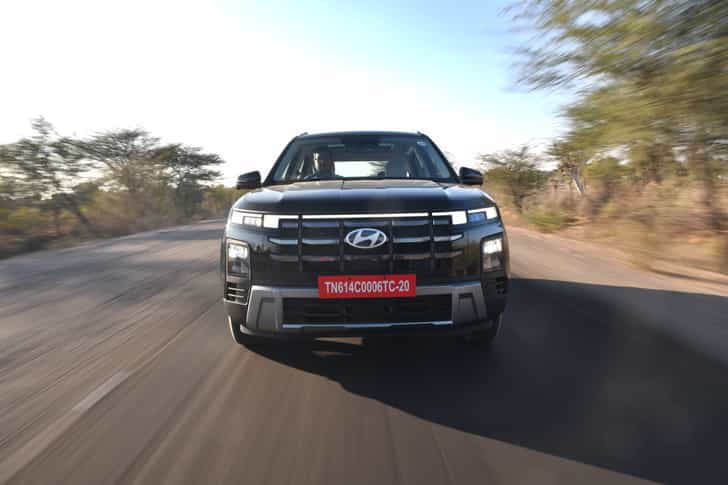
Hi Autocar Team, I am interested in buying a Hyundai Creta, but I am confused between the petrol and diesel variants. I drive around 10,000 km per year, with a mix of short trips, long trips, and city driving. I am concerned about DPF issues with the diesel engine and the mileage of the petrol engine. Q1. How often do we need to drive a diesel car? Is there any rule that we need to start and drive it daily? Q2. If we don't drive the car, will soot still form in the DPF? Q3. If I don't drive the car for two weeks and then drive it only in the city for the next two weeks, how would DPF clogging occur? Basically, how should we maintain these diesel engines? Please guide me in understanding this.

Verified
•21h

At 10,000km a year, buy the Hyundai Creta petrol. A diesel only pays off at much higher mileage, and its higher price would take many years to recover. The petrol’s fuel bill will be higher, but at your running, the difference is only around Rs 2,000-2,500 a month.To answer your DPF questions: No, you don’t have to drive a diesel every day. Soot only forms while the engine is running, so a car parked for two weeks builds up nothing. The bigger risk then is a flat battery. The filter cleans itself by burning off the soot, but it needs heat to do it. That takes 15-20 minutes of steady driving at highway speeds. Short city trips never get it hot enough, so the soot keeps building until a warning light comes on.Your pattern is the risk. Two weeks parked does no harm, but two weeks of only city driving is exactly what fills the filter. A diesel car owner in your position would need a proper highway run every couple of weeks and avoid switching off midway through a cleaning cycle.None of this is difficult, but it’s a routine you have to keep up, and with a petrol car you don’t have to think about it.

VehicleHyundai Creta
•3d

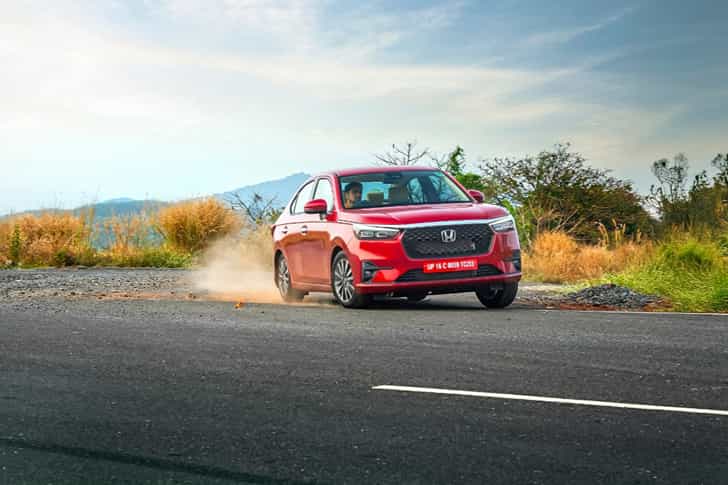
I am planning to upgrade my dad’s car. He currently drives a 2014 Honda Amaze petrol, which has clocked over 70,000km. My dad is satisfied with its comfort and driving experience. I am planning to buy a new petrol car, with ride quality and comfort as the top priorities, followed by fuel efficiency. The car will be driven on bumpy village roads and semi-hilly roads in Kerala, with occasional trips on state highways. My maximum budget is Rs 13-14 lakh on-road. Reliability and service quality are also important, as my dad is not very knowledgeable about automobiles. So far, we have been happy with the Honda Amaze’s service costs and quality, and the car has not had any major issues. Could you please suggest a suitable car that meets these requirements?

Verified
•1d

Based on your father’s priorities and usage, we’d recommend the Honda Elevate SV manual as the most sensible upgrade, provided you can stretch your budget a wee bit. It’s currently around Rs 14.2 lakh on road in Kerala, though the final quote will depend on your location, insurance and any dealer offers.It builds on the Honda qualities your father already appreciates in his Honda Amaze, while adding a higher seating position, more ground clearance and a comfortable suspension that copes well with broken roads. That makes it well suited to his village-road driving, with the caveat that bigger potholes still need to be taken slowly The 1.5-litre naturally aspirated petrol engine is smooth, responsive and straightforward to drive. On steeper climbs, he may need to downshift rather than expect strong pulling power in a high gear. The cabin is comfortable, visibility is good and the boot is generous. Overall, it offers the fuss-free driving experience he’s enjoyed in the Amaze, in a more spacious package. Given his positive experience with the local Honda workshop, staying with the same service setup is another practical advantage.If Rs14 lakh is a firm ceiling, we’d look at the Maruti Suzuki Brezza 1.0 turbo-petrol. Its punchy engine should suit the uphill stretches, and your budget could allow a higher variant with more features. This Maruti Suzuki car also offers a 1.5-litre naturally aspirated petrol, which is worth trying if he prefers smoother, more linear responses over outright punchWe’d favour the Elevate for comfort and familiarity, but have your father test-drive both on the kind of roads he actually uses before deciding.

VehicleHonda Elevate
VehicleMaruti Suzuki Brezza
VehicleHonda Amaze

Has E20 fuel affected your mileage?
Is ADAS worth paying extra for in a car?

Popular discussions right now

•6d

I am a 6 ft driver who loves driving. I've driven the Swift 2013 petrol, Creta 1.6 Diesel Auto and the XUV500 the most on long trips. Now that I am planning to buy a car with a strict budget, do you think the 3XO AX5 TCMPFI petrol variant will be a wise decision to make, as I will be travelling once a month for short trips from Bangalore to Coorg, Pondicherry, GOA, and Mangalore? Which other car can be a perfect match for me, keeping a budget of 12 lakhs max? Also, the 3XO AX5 I'm getting from a friend who has hardly driven 6k km for 10 lakhs.

Verified
•4d

Go for the Mahindra XUV 3XO AX5 TCMPFI petrol from your friend for Rs 10 lakh. At that price, it is a very good deal and a sensible upgrade from your Creta 1.6 diesel automatic. The 3XO is one of the most spacious compact SUVs in the segment, with a wide cabin and good rear seat comfort, which will make your long drives to Coorg, Pondicherry, Goa and Mangalore more comfortable. The turbo petrol engine is smooth and is well suited to both city driving and highway cruising. At Rs 10 lakh for a car with only 6,000 km on the clock, you are getting a nearly new car at a significant discount, which makes it a far better value proposition than buying new.If you are looking for alternatives under Rs 12 lakh, the Skoda Kylaq 1.0 TSI manual is the best option for an enthusiast driver. The new Brezza turbo-petrol could also be a good choice. Overall, the 3XO from your friend is the most sensible choice. It offers a good balance of comfort, reliability and value, and will serve you well on your monthly road trips.

VehicleMahindra XUV 3XO
VehicleHyundai Creta
VehicleSkoda Kylaq
VehicleMaruti Suzuki Brezza
•4d

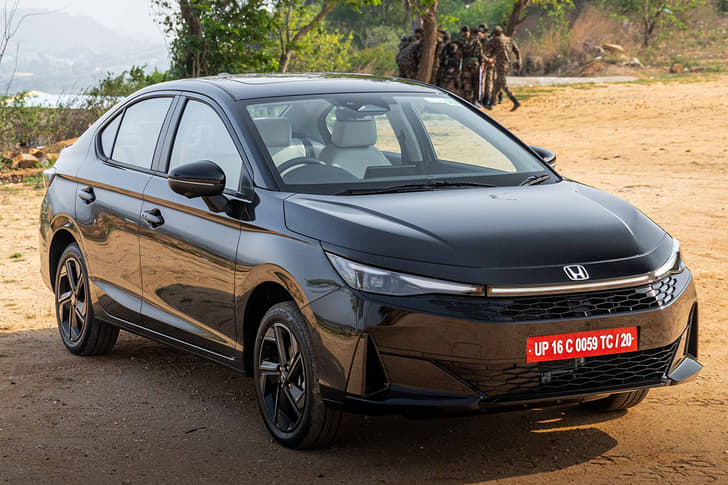
I currently own a Jeep Compass and want to get an additional car for my father, with good reliability, unlike the Jeep. My father still drives a 2008 Honda City, and I am torn between a few choices: the Honda City, Skoda Slavia, Nissan Tekton and Toyota Hyryder. Or should I wait for the Virtus facelift or the new-generation Creta? His usage is low, at almost 500 km per month. Please suggest.

Verified
•1d

With just 500km a month, petrol is the clear choice, and reliability and ease of ownership become the most important factors. The Honda City is the safest recommendation here. It is a proven product with a strong reliability record, a comfortable ride and a familiar ownership experience that your father will appreciate, especially coming from a 2008 City. The Skoda Slavia and Volkswagen Virtus are both excellent to drive, but the 1.0 TSI engine can feel a bit laggy at low speeds, and the 1.5 TSI is overkill for this kind of usage. The Nissan Tekton is a good value proposition, but engines are not responsive at low speeds and Nissan's service network is not as strong as Honda's, which matters more for a low-running, long-term ownership scenario. The Toyota Urban Cruiser Hyryder is a solid option if you specifically want an SUV, but the hybrid premium does not make financial sense at this running, and the naturally aspirated petrol is not as refined as the City's engine. The new-generation Hyundai Creta is worth waiting for only if your father specifically wants an SUV; otherwise, the City remains the more sensible choice. Overall, the Honda City is the most reliable, comfortable and hassle-free option for your father's usage.

VehicleHonda City
VehicleSkoda Slavia
VehicleVolkswagen Virtus
VehicleToyota Urban Cruiser Hyryder
VehicleNissan Tekton

Upcoming launch buzz

Community discussions on upcoming launches
Want to sell your car?

Sell your car at the right price, without the stress.
Add a photo of your Creta

First sightings, real road conditions, delivery buzz

Posted on: 13 Oct 2026