Latest questions answered by experts
Pramod Kumar
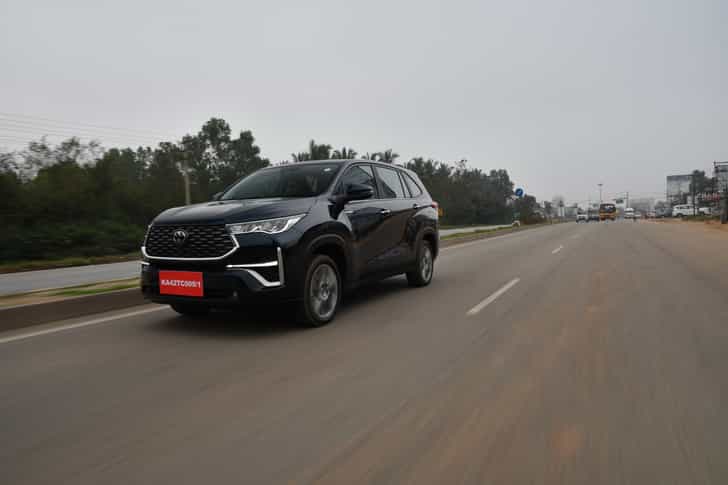
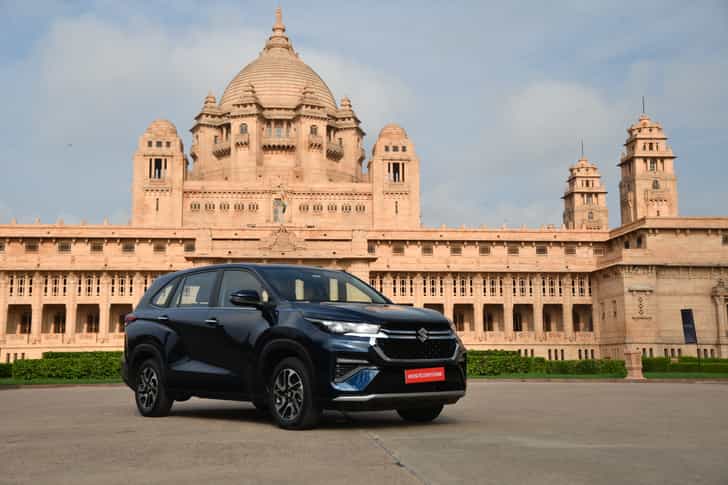
•1wToyota HyCross GX(O) vs Maruti Victoris ZXi(O) strong hybrid vs Tata Sierra Accomplished Plus turbo petrol. Which is best for long-term usage under ₹30 lakh?

Autocar India
For long-term usage, the Toyota Innova HyCross GX (O) and the Maruti Victoris ZXi (O) strong hybrid are safer bets than the Tata Sierra Accomplished+ Turbo Petrol. Both come with a solid reputation for reliability and strong after-sales support, which is what really matters over 8-10 years of ownership.Between the Toyota HyCross and the Victoris, the HyCross is the more comfortable and practical choice. Its very spacious cabin, better third-row usability and comfortable ride make it a nicer long-distance family car. The 2.0-litre petrol engine is simple and proven, and its relaxed highway manners are a big plus if you do a lot of intercity trips.The Maruti Suzuki Victoris strong hybrid scores on efficiency and smoothness thanks to its hybrid powertrain, which is especially nice in traffic and helps keep running costs low. However, the boot is smaller, and the cabin is the least spacious of the three, so it’s not as versatile for full-family use. If you mainly drive yourself with only occasional passengers, the Victoris, which is also the most compact and city-friendly of the lot, is the easiest to live with in daily urban driving.
Shashank
•1wHello experts, I want to know if the new Duster 1L turbo engine will be good for city driving, or if it will feel underpowered, as my driving is 85% in the city.

Autocar India
The new Renault Duster 1.0 turbo-petrol should be acceptable in the city, but it is not the most effortless choice for predominantly urban use like yours.The 1.0 turbo makes about 99hp and 160-166Nm, and the torque comes in from around 2,000rpm, so performance at low revs will feel merely adequate rather than strong. You will need to work the gearbox to keep the engine in its power band, especially with a full load or on inclines, and that can get tiring in bumper‑to‑bumper traffic. The good bit is that the clutch is light and the engine reasonably refined, so it won’t feel cumbersome or heavy in daily use.However, there is no automatic with the 1.0 turbo. It comes only with a 6‑speed manual, which is a drawback for an 85% city‑running profile. If you prioritise smoothness and ease over outright punch, an automatic CVT in this segment will suit you better.The Kia Seltos 1.5 iVT offers seamless, jerk‑free power delivery and feels very smooth and responsive in typical city driving. Similarly, the Hyundai Creta 1.5 petrol CVT, which has the same gearbox as the Seltos, is another good option. Both the Kia Seltos and the Hyundai Creta make urban driving more relaxing, even if performance is only adequate rather than exciting.
Rajesh
•1wHi, I have booked a Honda Elevate V CVT for Rs 15.30 on road, along with 50k worth of free accessories. However, I am quite confused about the Kylaq Prestige and XUV 3XO AX5L, which come in the same budget. So, I need your suggestion whether I can proceed with the Elevate or should I go with 3XO or Kylaq because of their plush interiors.

Autocar India
Go ahead with the Honda Elevate V CVT you’ve booked. At Rs 15.30 lakh on-road plus Rs 50,000 in accessories, it secures a smooth automatic, solid 5‑seat practicality, and hassle‑free, predictable ownership. Switching now could mean losing the Rs 50,000 accessory bundle and current discount.Compared to the Skoda Kylaq and Mahindra XUV 3XO, the Elevate is a segment bigger with significantly more cabin space and luggage room. The one thing you give up is a plusher‑feeling cabin, compared with the 3XO or Kylaq. The Elevate V’s interior and touch points are more basic at this trim.If cabin ambience matters more than anything else and you’re okay with a smaller footprint, consider the XUV 3XO AX5L (preferably the AT) instead, provided the AT fits your ₹15.30 lakh budget in your city. The Kylaq 1.0 TSI is nicer to drive, but doesn’t have the cabin ambience of the 3XO.
Dilip Kumar
•1wWhat is your opinion on buying the Maruti Suzuki Invicto, a hybrid 7-seater?

Autocar India
The Maruti Suzuki Invicto is nowhere near as popular as its twin, the Toyota Innova HyCross, though both are virtually the same car. With the Invicto not being in as much demand, better discounts are possible, but you will also take a hit in resale value when you go to sell it. If you are comfortable with the Maruti-Suzuki badge, choose the Invicto Zeta+ (7‑seater) strong‑hybrid. It offers the most usable three‑row comfort, smooth city driving, and the widest service network.At over 4.7 m long and with about a 2,850 mm wheelbase, it offers real space across three rows. The strong‑hybrid setup keeps the city running very smooth, often shutting the engine off at low speeds and running on pure electric power. As a result, fuel efficiency is very good.The one thing you give up is ADAS features. The Invicto doesn’t offer lane keep, adaptive cruise, or AEB, which some rivals provide at this size. If you specifically want ADAS and more top‑end features, consider the Toyota Innova HyCross Hybrid ZX (O) instead. It adds active safety tech, but it will cost you more and involve longer wait periods.
Prashant
•3dI want to purchase a car costing around 10L (1-2 up or down). City and highway trip ratio is 80-20. Fuel efficiency, safety, low maintenance and comfort are primary considerations. Can you please suggest any? I am also open to buying a used car.

Autocar India
Choose the updated Tata Punch Accomplished MT. For an around Rs 10 lakh budget and 80% city use, it blends five-star safety, a comfortable cabin, a cushy ride and easy ownership.Your city-heavy usage suits this Tata car’s compact footprint and light steering, making parking and tight turns easier. Its Bharat NCAP five-star safety rating adds confidence for safety-focused buyers. In our testing, the 1.2-litre petrol returned around 13kpl combined, which is decent for a vehicle of this kind. Its simple 1.2-litre naturally aspirated engine (no turbo or direct injection) keeps maintenance straightforward. Ride quality is absorbent over potholes, and the 187mm ground clearance clears speed breakers easily, improving day-to-day comfort.The one trade-off is highway performance. The 1.2-litre naturally aspirated engine feels modest for quick overtakes with five occupants on board, so you will need to plan manoeuvres and keep the engine in the power band. If you need a bit more performance, consider the turbo-petrol version, even if it means opting for a lower variant.On the test drive, check if the performance is adequate for your needs, and ensure the clutch and gearshift action are light enough for your city commutes.
Ashish
•3dHi, I have a family of four and need a car for daily office commuting, along with around four outstation trips a month. My budget is ₹17 lakh. What would you suggest?

Autocar India
Pick the Skoda Slavia Sportline 1.0 TSI AT. For a family of 4 and monthly highway runs, it blends 5‑star safety, surefooted 100-120 kph stability, and comfy rear seating.Your daily office commute will benefit from the smooth 6‑speed torque‑converter AT, which reduces fatigue in traffic. With four outstation trips a month, the Slavia’s strong brakes and taut suspension feel planted at 100 kph on patchy roads, while over 500 litres of boot space fits all the luggage you would need for an outstation trip. The 1.0 TSI has ample mid‑range for quick overtakes with four onboard, and 6 airbags plus ESC are standard.The one thing you give up is Maruti/Hyundai‑level reach. Skoda’s service network is smaller, so in smaller towns you may have fewer workshops. The Sportline trim offers a sunroof, 16-inch alloy wheels, a reversing camera with parking sensors, LED headlamps, a 10.1-inch touchscreen with Apple and Android connectivity and more. It is a well-sorted car with lots of practicality, comfort and ease of driving.
Rushi
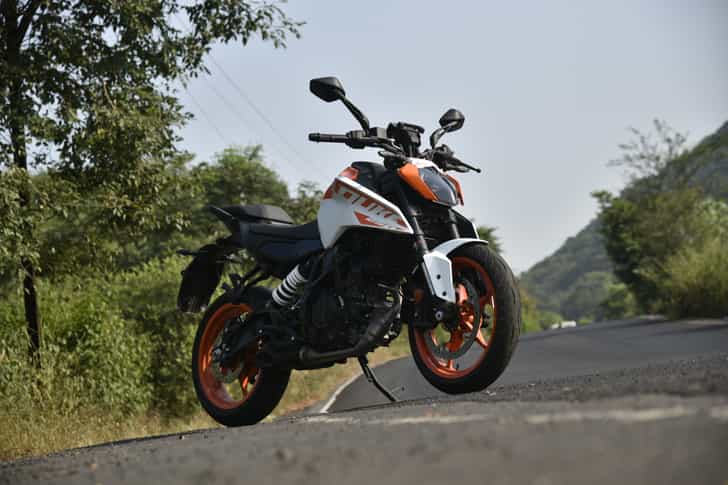
•3dHey there, I have booked a KTM Duke 250, which is expected to be delivered around mid-month. As a new rider with experience only on an Activa, should I wait for the upcoming 350 Duke or go ahead with the 250?

Autocar India
We would recommend you go ahead with the KTM 250 Duke purchase as your first bike. It will be an easier and friendlier machine to learn on. The upcoming 350 Duke will likely be similar in terms of its throttle response and power output to the 390 Duke, which will make it a much faster machine and thus less suited to a beginner.
Anunay Sinha
•3dI am planning to buy a new vehicle with a budget of 15 to 16 lakh on-road. My usage is mainly in the city, between 60% to 70%, while the rest is on highways and occasional hill drives. Daily running is around 30 to 40 km. I am currently considering the Honda Elevate, Renault Duster, and Tata Sierra.

Autocar India
Go for the Honda Elevate VX MT. Within your ₹15-16 lakh on-road budget, it balances easy city driving and occasional hill trips with dependable performance and simple ownership.Your usage is 60-70% city and 30-40 km daily (roughly 900-1,200 km/month), so a straightforward petrol manual keeps things hassle‑free without turbo/DPF complexity. The Elevate’s upright seating and good visibility reduce fatigue in traffic, and its compact footprint makes tight parking simpler than bigger SUVs. For weekend runs to the hills, the manual’s engine braking and predictable throttle response give steady control on descents and hairpins.The one thing you give up is brisk turbocharged punch. Fast uphill overtakes will need a downshift, and the features list isn’t as flashy as some rivals at this price.If you want an automatic to ease your 60-70% city commute, consider the Maruti Suzuki Brezza ZXi AT instead. It’s smooth in traffic and climbs hills without fuss. However, between the two, the Elevate is a notch up in terms of comfort, fit-finish and refinement.
Atul Rajput
•3dBetween the Hyundai Venue and Honda Elevate, which car is good for a city drive?

Autocar India
Pick the Hyundai Venue turbo petrol-DCT. Its 3995 mm footprint, light steering, and automatic gearbox make tight city traffic, U‑turns, and parking simpler than the larger Elevate.For city use, a smaller size is the biggest win. The Hyundai Venue is about 317 mm shorter than the Elevate (3995 mm vs ~4312 mm), so squeezing into gaps, basement ramps, and narrow parking slots is easier. The DCT automatic is convenient in bumper‑to‑bumper traffic, and the Venue's lighter controls mean it's easier to drive in the city and to park.The one thing you give up is rear space and boot volume. The Elevate’s longer body (about 300+ mm) seats three adults and carries weekend luggage more comfortably. If you regularly carry 4-5 adults or prefer a very smooth CVT feel over quick shifts, consider the Honda Elevate V CVT instead.
Need expert advice?
Ask the Autocar community and experts.