Latest questions answered by experts
I want to buy a car under Rs 18 lakh with ventilated seats. Which one would you suggest?
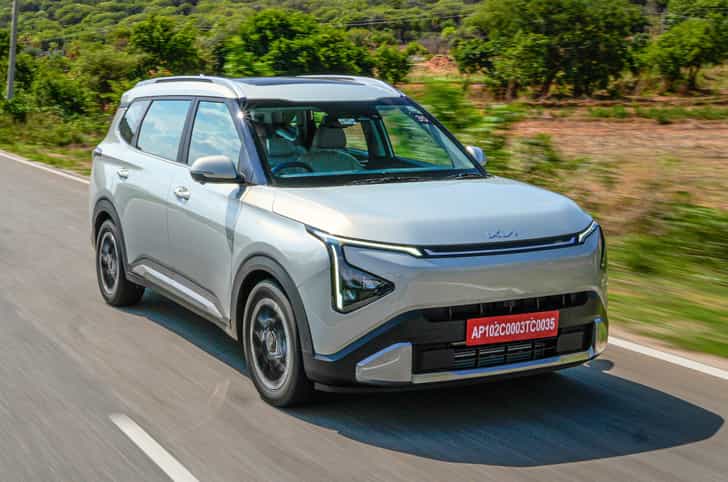
Go for the Kia Syros HTX (O) 1.0 T-GDi DCT. At under Rs 18 lakh, it offers ventilated seats not only at the front but at the rear as well. Syros is also one of the most spacious compact SUVs on the market. The long wheelbase makes it a genuinely comfortable five-seater, and the overall value proposition is very strong at this price. The only real drawback is the ride comfort, which can feel a little choppy, and some do not like the looks so much.Alternatively, you can check out the Hyundai Venue, which, though not as spacious, comes pretty close and is a better all-rounder. Or even the Tata Nexon and Skoda Kylaq, which are both fun-to-drive compact SUVs with ventilated front seats.

I currently own a Wagon R VXi CNG and want to upgrade to a CNG automatic. Please suggest the best option with good mileage. I am 62 years old.
Given your age and your current ownership of a Wagon R VXI CNG, the priority should be ease of driving, reliability and low running costs. Since you specifically want a CNG automatic, the Tata Punch i-CNG AMT is the most sensible upgrade. It retains the same strengths you are used to: low running costs and a tall driving position, while adding the convenience of an automatic gearbox.The AMT is not the smoothest automatic on the market, but it is simple, reliable and well-suited to city driving. In fact, Tata Motors is currently the only brand offering AMTs with CNG models, with the Altroz, Tiago and Tigor also available with this combination. However, given its tall seating position and ease of ingress and egress, we recommend the Punch CNG. It's feature-loaded too, and thanks to its dual-cylinder CNG storage, you don't sacrifice on boot space either.
Hi, I currently own a 2018 Swift AMT ZXi and plan to replace it with an EV. My daily running is around 25-30 km in Mumbai city traffic, and I have a charging socket available in my society. My budget is around Rs. 8-12 lakh. Please advise whether I should opt for an EV or an ICE car. I am looking for a car that is similar in size to the Swift.
With a daily running of 25-30 km in Mumbai city traffic and a dedicated charging socket at home, you are in the ideal use case for an electric car. Your running is high enough for the lower running costs of an EV to make sense, and the predictability of your usage means you will rarely need to rely on public charging. Your budget of Rs 8-12 lakh and requirement for a Swift-sized car point you towards the Tata Tiago EV, which is the most sensible choice in this scenario. It is compact, easy to drive in the city, and offers a range that is more than sufficient for your daily needs. The Tiago EV also benefits from Tata's established EV ecosystem and service network, which is important for long-term ownership confidence.The only reason to consider an ICE alternative would be if you regularly do long highway trips or are uncomfortable with the idea of planning charging stops. Given your usage pattern, that does not seem to be the case. The Tiago EV will give you a quieter, smoother and more cost-effective city driving experience than any ICE car in this price range.
I drive around 300 km within the city and 800 km on the highway. Which engine would be better for me: a 1.0-litre naturally aspirated engine or a 1.0-litre turbo-petrol engine?
We are assuming you are referring to the Renault Kiger or Nissan Magnite, as these are the only two cars that come with the choice of 1.0 NA and 1.0 Turbo petrol engines. In either case, go for the 1.0-litre turbo petrol. With your usage of 300km city and 800km highway, the turbo petrol is the better fit. It offers stronger mid-range performance, which makes overtaking on highways much easier and more effortless. At the same time, it remains efficient and manageable in city driving. The naturally aspirated 1.0-litre will feel adequate in the city, but on highways it will feel underpowered, especially when you need to accelerate quickly. The turbo petrol gives you the flexibility to handle both city and highway driving comfortably, and the difference in fuel efficiency is not significant enough to justify the performance compromise.

Hello Autocar India Team, I live in Noida, UP, and I am a first-time car buyer. My budget is around Rs. 5-9 lakh, and I am also a new driver. I am looking for an AMT hatchback that is fuel-efficient, offers good space and comfort for occasional trips, is easy to drive, and has low maintenance costs. I have shortlisted the following cars within my budget: - Maruti Suzuki Wagon R AMT - Renault Kwid AMT - Maruti Suzuki Celerio AMT - Tata Tiago AMT Which car would be the best for my requirements? Also, will E20 fuel really damage the engine or reduce the mileage of new cars? Please explain.
Go for the Maruti Suzuki Wagon R 1.2 AMT. As a first-time buyer in Noida with a Rs 5-9 lakh budget, the Wagon R is the most sensible choice. This Maruti Suzuki car is extremely easy to drive, has a tall-boy design that gives you excellent visibility and a comfortable seating position, and offers genuinely good space for a small family. The AMT is smooth enough for city use, and Maruti’s service network and low maintenance costs make ownership hassle-free. It is also one of the most fuel-efficient cars in the segment, which keeps running costs low.The Tata Tiago AMT is the better car to drive, with a more solid feel and better ride quality, but it does not match the Wagon R for ease of ownership, service reach or fuel efficiency. The Celerio AMT is also a good option, but the Wagon R’s taller cabin, more powerful 1.2-litre engine option and better rear seat space make it the more practical choice. On E20, there is no need to worry. All new cars are engineered to handle E20 fuel, and while you may see a slight drop in fuel efficiency, it will not ruin the engine. The impact is minor and not a reason to avoid buying a new car.
Suggest a car Requirements: Daily city driving in Bangalore, with lots of potholes. I am open to either an SUV or a sedan. My budget is Rs. 25-30 lakh on-road. ADAS, cruise control, and hill assist are must-have features. I want a car that offers a comfortable drive, feels luxurious, and is fun to drive. An automatic transmission is a must.
Go for the Kia Seltos 1.5 T-GDi DCT. It is the best fit for your requirements. The Seltos turbo is genuinely fun to drive, with strong performance and a well-sorted chassis that makes it enjoyable on both city roads and highways. The 1.5 T-GDi engine paired with the DCT automatic is a highlight, offering quick shifts and a responsive driving experience. At the same time, this Kia car is comfortable over broken roads and potholes, with a suspension setup that strikes a good balance between ride comfort and handling. It also feels premium inside, with a well-built cabin and a solid feature set that includes ADAS, cruise control and hill assist. The only thing to be aware of is that the DCT gearbox can feel a bit clunky in stop-and-go traffic, but overall it is a well-rounded package that delivers exactly what you are looking for. If you want something a bit larger, the Mahindra XUV 7XO turbo-petrol is a good alternative, but it will feel large and cumbersome in Bangalore city traffic, and its fuel economy is very poor.
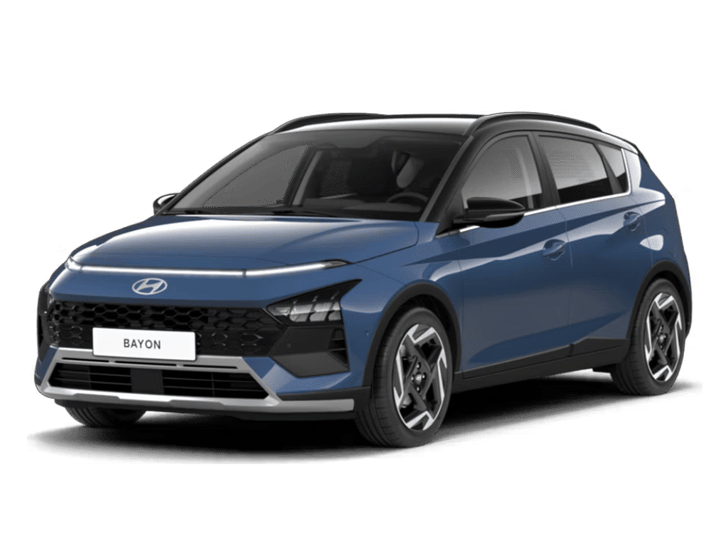
I drive around 6-8 km daily in heavy traffic in Gurgaon, with a monthly running of around 220-400 km. I am looking to upgrade from an i10 CNG. I want an automatic car with Auto Hold, good suspension, and stable handling. Features such as a defogger, cruise control, and ventilated seats would be good to have. My on-road budget is around Rs. 15 lakh. I am considering the Syros EV HTK, Nexon EV Creative 45, MG Windsor Exclusive, and Victoris VXi AT. I am also considering waiting for the upcoming Bayon AT, XL6 AT, Hyundai Inster, and updated Fronx. Kindly suggest which would be the best option for my requirements.
For your usage pattern of 6-8 km daily in heavy Gurgaon traffic and a monthly running of 220-400 km, an EV is the most sensible choice. Your running is too low for a diesel or CNG to make financial sense, and the stop-start nature of your commute is where EVs really shine with their smooth, silent operation and negligible running costs. The Kia Syros EV HTK would be our top recommendation from your shortlist. This Kia car offers a well-rounded package with a comfortable ride, a good feature set and a mature ownership experience. The MG Windsor Exclusive is also worth considering if rear seat space is a priority, but the Syros EV feels like the more complete product overall. The Nexon EV Creative 45 is a good value proposition, but the Syros EV feels like the more polished and premium offering. The Victoris VXI AT is a solid petrol alternative, but given your usage and budget, the EV route makes far more sense. As for the upcoming launches, the Bayon AT and Inster are all interesting options, but none are likely to fundamentally change the equation for your specific usage pattern. The Syros EV HTK is the car that will make you happiest after five years of ownership.

Hello, given the DPF concerns and upcoming CAFE III regulations, with my driving pattern being 60% highway and 40% city and covering around 15,000 km annually, would a 1.5L diesel (automatic or manual) still be a worthwhile choice?
Yes, a 1.5-litre diesel is still a worthwhile choice for your usage. At 15,000 km a year with 60% highway driving, you are well within the sweet spot for diesel ownership. The DPF concerns are often overstated - modern diesels are designed to regenerate the filter during sustained highway runs, and your usage pattern is ideal for that. CAFE III regulations are pushing manufacturers towards cleaner engines, but they are not making diesels obsolete; they are simply making them more efficient and cleaner. The bigger question is whether diesel still makes financial sense. With the narrowing price gap between petrol and diesel, the payback period is longer than it used to be, but at your mileage and highway bias, it still adds up. If you are keeping the car for 5-7 years, you will see the benefit. As for automatic versus manual, go automatic if you want ease of use in city traffic; modern torque converter automatics on diesels are smooth and reliable in cars like the Kia Seltos and the Hyundai Creta. Overall, diesel is still the right choice for your usage.
Is the Hycross facelift coming? There has been no official update, and I am getting confused about whether I should wait for the facelift or buy the current model now.
Yes, a facelifted version of the Toyota Innova Hycross is expected soon. Toyota has already started testing the updated model, and it is likely to arrive in the coming months. The update is expected to be a mild one, with minor cosmetic changes and a few feature additions, rather than a major overhaul of the car.If you are happy with the current Hycross and need the car soon, there is no strong reason to wait. The current model is already a very well-rounded MPV with a strong hybrid powertrain, excellent space and Toyota's proven reliability. However, if you are not in a hurry and would prefer to have the latest version, it makes sense to wait a little longer for the facelift.Ultimately, the decision comes down to your timeline. If you need the car now, go ahead and buy the current Hycross. If you can wait a few months, the facelifted version will give you a slightly fresher package.
I am confused between Mahindra XUV 7XO and Tata Safari Petrol. I am planning to buy a 7-seater petrol car with 5-star safety and am planning to own the car for at least next 12 years and am not concerned about its resale value. My monthly running is around 1400 km with 65% city and 35% highway driving. Please advice.
Go for the Mahindra XUV 7XO petrol. With a 12-year ownership horizon, reliability and long-term peace of mind become far more important than any short-term advantages. The XUV 7XO petrol is a proven package with a strong ownership track record, a robust service network and a well-sorted powertrain that is better suited to your 65% city usage. The turbo petrol engine is responsive and refined, and the overall package feels more mature and dependable for long-term ownership.The Tata Safari petrol is a good product, but the petrol engine is still relatively new and does not have the same long-term track record as the Mahindra. For a 12-year ownership plan, that matters. Both cars are safe, spacious 7-seaters, but the XUV 7XO edges ahead on reliability and overall ownership confidence. Since you are not concerned about resale value, the focus should be on the car that will give you the least hassle over the next decade, and that is the XUV 7XO petrol.
Which is the best electric SUV under 24 lakh considering my running is quiet less?
You could consider the 42kWh battery version of the Hyundai Creta Electric. If you want something that's larger in size with more features, you could consider the Mahindra XEV 9E with a 59kWh battery. Both should easily fall within your budget of Rs. 24 lakhs.
Currently, I own a Grand i10 petrol manual. My annual running is between 8,000 to 10,000 km within Ahmedabad and on highways. Now, I am planning to buy a new family diesel car under a budget of 13-15 lakh. My requirement is an automatic compact SUV car.
With 8,000-10,000 km a year and a mix of Ahmedabad city and highway driving, a diesel automatic might not be the best financial decision. At this running, the fuel savings from diesel are unlikely to offset the higher purchase price over your ownership period. Modern petrol automatics are likely to be more suited to your usage pattern.In case you still want to go ahead with a diesel-automatic car, in your Rs 13-15 lakh budget, the Mahindra XUV 3XO is the best fit. It offers a strong turbo diesel engine mated to a 6-speed AMT, and a comfortable ride, making it well suited to both city driving and highway runs. It is also one of the most spacious compact SUVs in the segment, with a wide rear seat that makes it a genuinely comfortable family car. The only drawback is that the boot is on the smaller side, but for most family needs it is still adequate.You could also consider the Kia Sonet diesel-automatic. It has a smoother transmission, and is available across a wider price range, across multiple variants. Overall, the Sonet, although due for a generation change next year, is still a very sophisticated, competent compact SUV on sale.
I own a 2023 XL6 as well as a 2014 Nissan Micra petrol manual. I am using Micra for daily city driving that is around 20 km. I am planning to upgrade Micra and am confused between a hatchback and compact SUV. I like Ignis automatic but it has been discontinued. Please suggest.
You could consider the Hyundai Grand i10 Nios AMT. It is a compact, easy-to-drive and a very refined hatchback. The cabin quality is excellent, and it should be a good replacement for the Micra. The Maruti Suzuki Baleno AMT is also a good option, that's a bit larger and more spacious compared to the Nios. Alternatively, if you can stretch your budget a bit, the Nissan Magnite Turbo-CVT will be a good upgrade from your outgoing car. It is easier to get in and out, has a stronger turbo-petrol engine, and its CVT (automatic) is far smoother than all AMT options available.

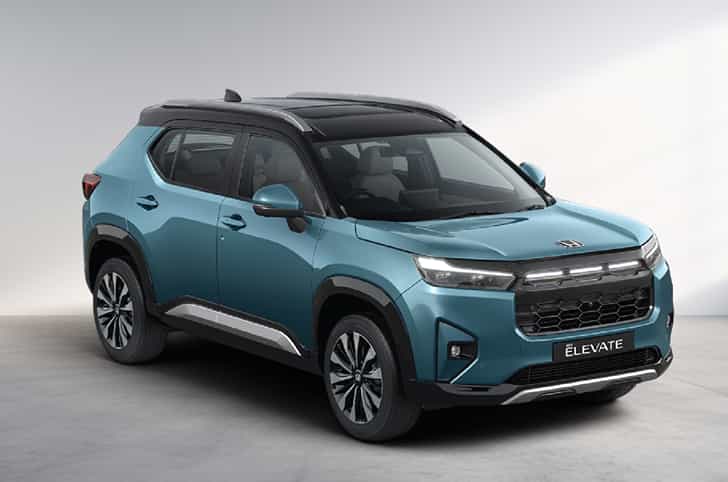
Hello experts, I want your advice on Hyundai Venue N Line N6 or Honda Elevate V or SV model for daily commute of around 500 km monthly running in Delhi traffic. I am planning to maintain the vehicle for approximately 10 years.
At merely 500km a month in Delhi traffic, your usage is quite limited. The Hyundai Venue N Line N6 MT is a sportier-looking version of the Venue, that is bound to stand-out in a crowd. The turbo-petrol engine is smooth and refined, and the 6-speed manual gearbox is slick too. Do note, that its clutch effort is low, however the travel is on the longer side and the action is a bit springy - this might take some time to get used to. Overall though, it is quite user-friendly with a light steering, good visibility and its relatively compact dimensions. Also, being a Hyundai, you're backed by its widespread support network, and the ownership experience is likely to be fuss-free.Go for the Honda Elevate only if you value cabin and boot space more. An added advantage of the Elevate is its more responsive naturally aspirated petrol engine, as well as its excellent ride-handling balance. And being a Honda Jazz owner, you're likely to be familiar with Honda's sorted service experience too. The Elevate is a fuss-free, sensible choice, but for a sportier driving feel, and its uniqueness, the Venue N Line gets our vote.
Need expert advice?
Ask the Autocar community and experts.