


Last Updated on: 17 Jul 2026
Tata Nexon EV
The Tata Nexon EV is Tata's compact eSUV. The Tata Nexon EV price ranges between Rs 12.49 lakh to Rs 17.69 lakh (ex-showroom)
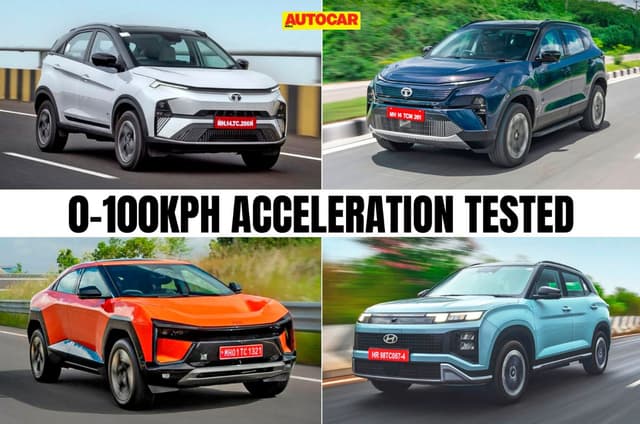
The Nexon EV battery capacity is 30kWh in the entry-level variant and 45kWh in higher variants. Tata Nexon EV range is claimed at up to 489km (MIDC), with a real-world figure of around 375 km for the 45kWh variants. It has a single-motor FWD powertrain that makes up to 142 hp and 215 Nm. The Tata Nexon EV 0-100kph time is 8.9 seconds, as per Tata’s claims.
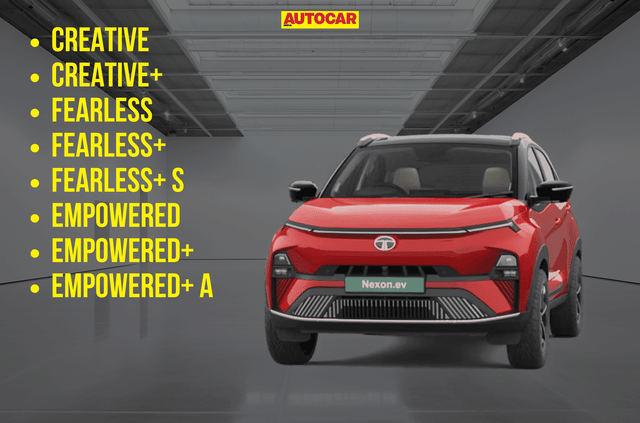
In India, the Nexon EV is offered in 5 trim levels: Creative, Fearless, Empowered, Empowered+, and Empowered+ A. The Nexon EV medium-range 30kWh battery pack comes only in Creative+ and Fearless variants. Meanwhile, the long-range 45kWh battery pack comes in Creative, Fearless, Empowered, Empowered+, and Empowered+ A. The limited edition Red DARK comes in the Empowered+ and Empowered+A variants, and the Dark variant comes solely in the Empowered+ A variant.
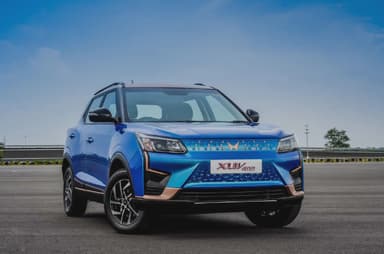
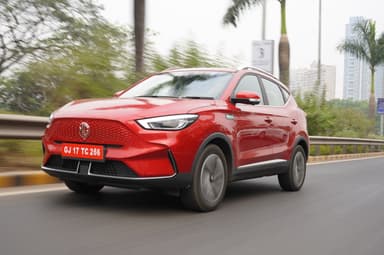
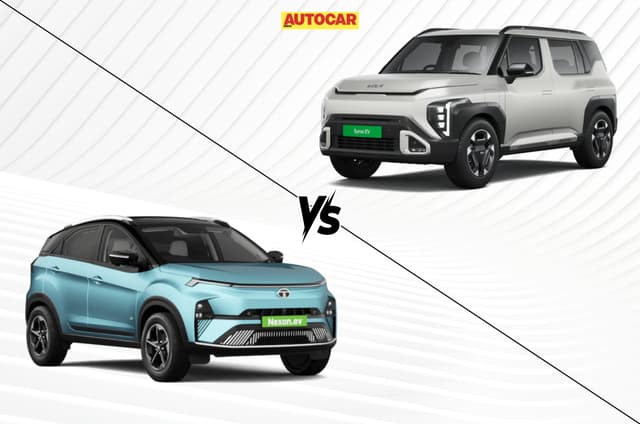
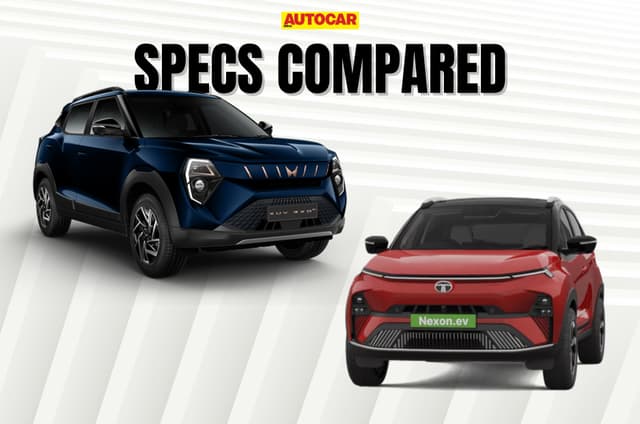
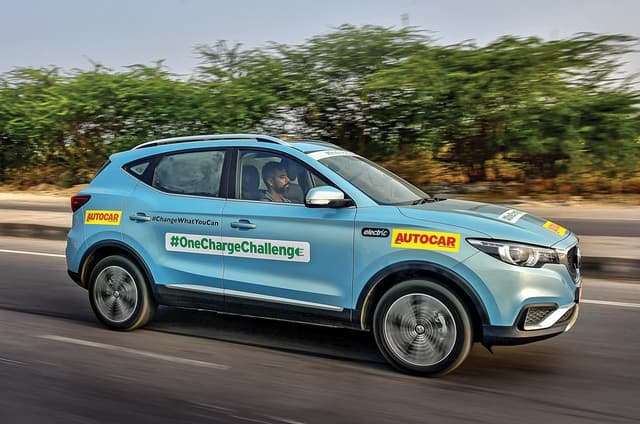
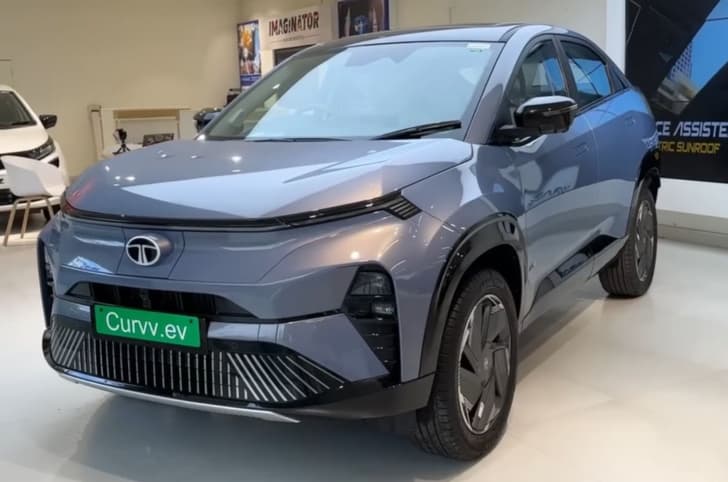
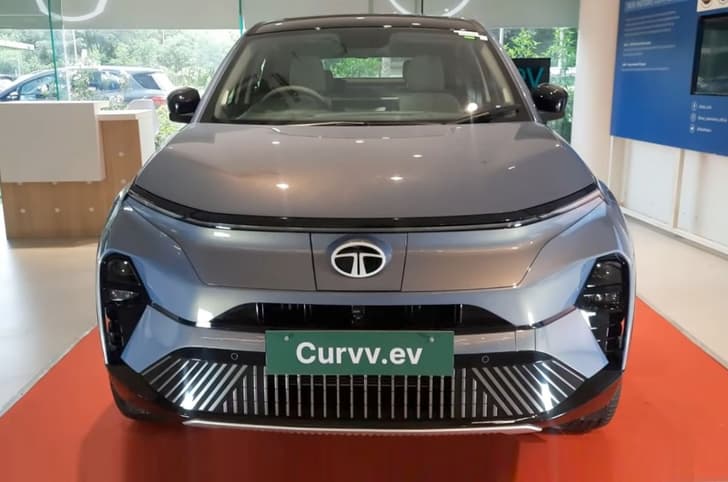
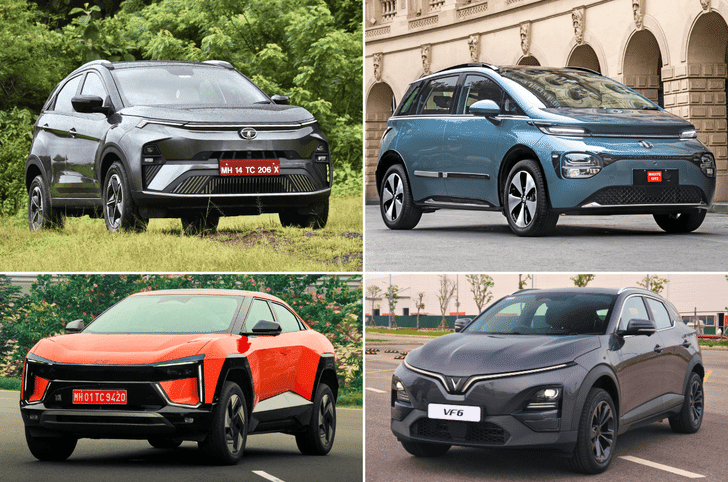
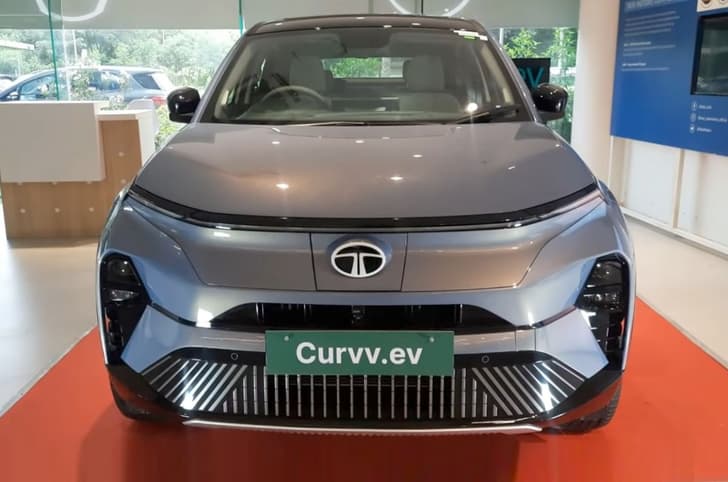
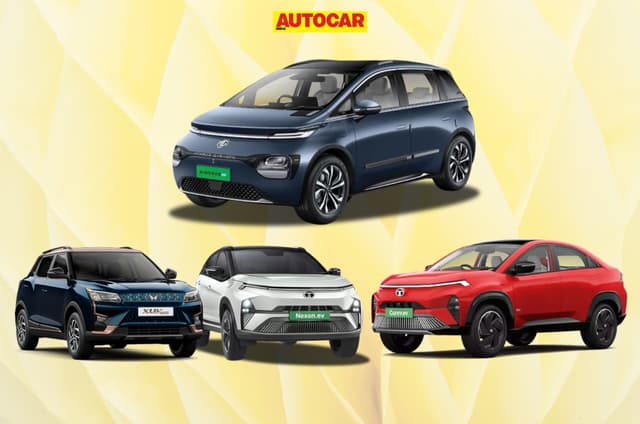
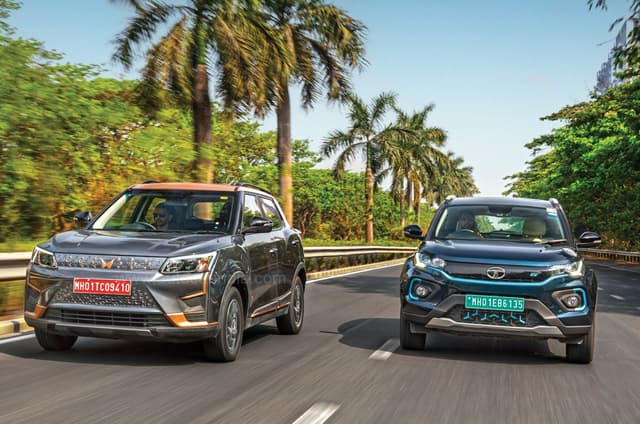
The Nexon EV rivals the Mahindra XUV400 in its segment. But due to coinciding price ranges, the Nexon EV also competes with the MG ZS EV, MG Windsor, Vinfast VF6, and Tata Curvv and Hyundai Creta Electric, depending on the variants.
Tata Nexon EV Highlights
- The Tata Nexon EV safety rating is 5 stars as per Bharat NCAP. Its safety features include Level 2 ADAS, 6 airbags, an electronic parking brake with auto hold function, hill start assist, ESP, traction control, ABS with EBD, a blind spot monitor, and more.
- In terms of charging, the Nexon EV battery state goes from 10-80 percent in 40 minutes using a 60kW DC charger.
- The Tata Nexon EV ground clearance measures at 190-205mm, ample for Indian roads.
- The Tata Nexon EV launch date was September 14, 2023.
- The dimensions of the Nexon EV stand at 3995mm in length, 1802mm in width, and 1625 mm in height, with a wheelbase of 2498mm.
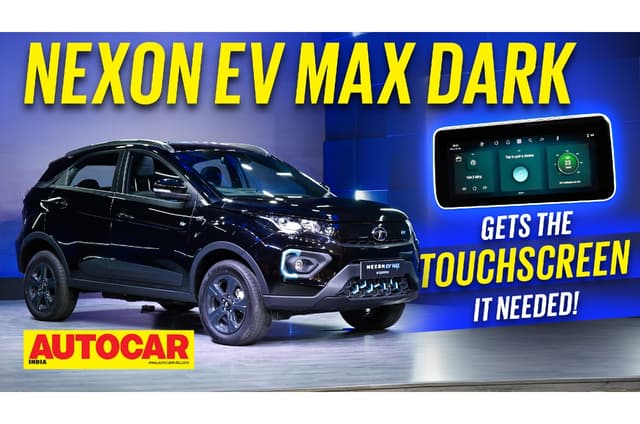
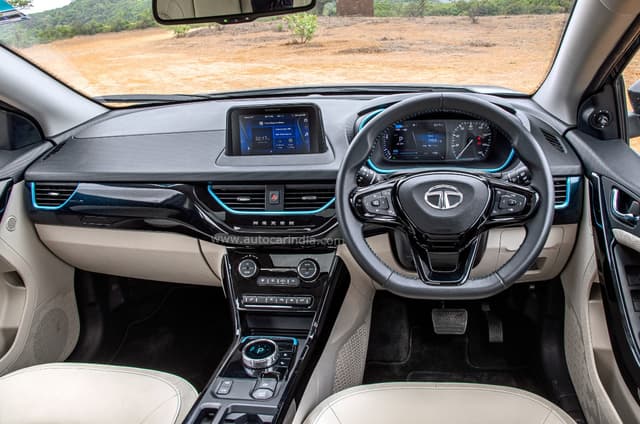
- Inside, the Tata Nexon EV offers features like a panoramic sunroof, a floating 12.3-inch infotainment touchscreen with wireless Android Auto and Apple CarPlay, a 10.25-inch digital driver display, ambient lighting, ventilated front seats, connected car tech, and leatherette upholstery.
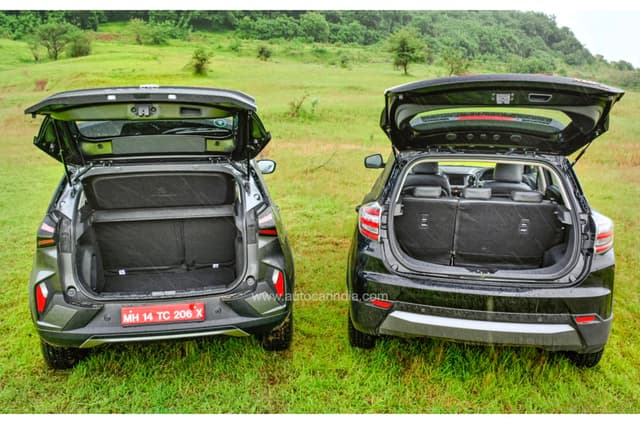
- The Nexon EV boot space is rated at 350 litres along with an 11.6-litre frunk.
Tata Nexon EV Latest Updates
5 March 2026: MY24 Tata Nexon EV models get discounts of up to Rs 1.41 lakh in March 2026.
6 February 2026: Tata Nexon EV customers can avail benefits of up to Rs 1.2 lakh.
Tata Nexon EV Features and specifications
Our Rating | 8 |
Battery Range | 275 km - 489 km |
Fuel Type | Electric |
Transmission | Auto |
Seats | 5 |
Body Style | SUV |
Doors | 5 |
Claimed Electric Motor Range | 489 km |
Warranty Distance | 125000 km |
Warranty Duration | 3 Years |
| Fuel Type/ Propulsion | Electric |
| Number of Motors | 1 |
| Pure Electric Driving Mode | Yes |
| Motor Type | Permanent Magnet Synchronous AC motor |
| Battery Capacity | 45 kWh |
| Claimed Range | 489 km |
| Terrain Modes | No |
| Charging Time | 17.6hrs 10%-100%(15A), 6.6hrs 10%-100%(7.2 kW AC fast charger), 40min 10%-80%(60 kW DC fast charger) hrs |
| Front Brakes | Disc |
| Rear Brakes | Disc |
| Type of Power Assist | Electric |
| Steering Adjust | Tilt |
| Length | 3994 mm |
| Width | 1811 mm |
| Height | 1625 mm |
| Wheelbase | 2498 mm |
| Power Windows | Front and Rear |
| Interior Lamps | |
| Headlight and Ignition on Reminder | |
| Front Seatback Pockets |
| Crash Test Rating | 5 |
| Lane Keep Assist | |
| Pretensioners & Force Limiter Seatbelts | |
| Passenger Airbag |
| Body Coloured Bumpers | |
| ORVM turn indicators | |
| Outside rear view mirror (ORVM) | |
| Projector Headlamps |
| Speedometer | Digital |
| Tachometer | |
| Trip Meter | |
| Average Fuel Consumption |
| Audio System | |
| Speakers | 4 |
| Branded Music System | JBL |
| CD Player |
| Phone App | |
| Vehicle Tracking Via App | |
| Find My Car | |
| Emergency Call Button |
Tata Nexon EV price & variants
The Tata EV car price in India starts at ₹12.49 lakh (ex-showroom). The Tata Nexon EV on road price in India will vary by city and charges like RTO, insurance, and other factors, but you can expect it to be in the ₹14.4-20.2 lakh range depending on the chosen variant.
In India, the Nexon EV is offered in 5 trim levels: Creative, Fearless, Empowered, Empowered+, and Empowered+ A. The Nexon EV medium range 30kWh battery pack comes only in Creative+ and Fearless variants. Meanwhile, the long-range 45kWh battery pack comes in Creative, Fearless, Empowered, Empowered+, and Empowered+ A. The limited edition Red DARK comes in the Empowered+ and Empowered+A variants and the Dark variant comes solely in the Empowered+ A variant.
The Tata Nexon EV Empowered+ A 45 Red Dark features include a panoramic sunroof, powered and ventilated front seats, a 12.3-inch floating infotainment touchscreen, a 10.25-inch digital driver's 360-degree camera, a wireless charger, ambient lighting, connected car tech, a 9-speaker JBL sound system, leatherette upholstery, ADAS and more. The Nexon EV top model price offers the most comprehensive feature set in the lineup.
Tata Nexon EV Official Brochure
Download the complete brochure with specs, features, and variants.
Tata Nexon EV expert review
We like
Improved driveability and range
Loaded with tech and features
Step up in interior design and quality
We don't like
DC fast charging is slow
Cabin ergonomics
Fit and finish in certain areas
8.0
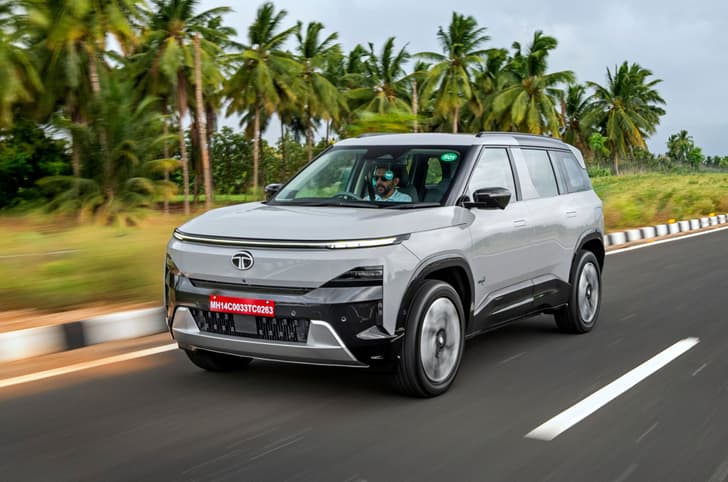
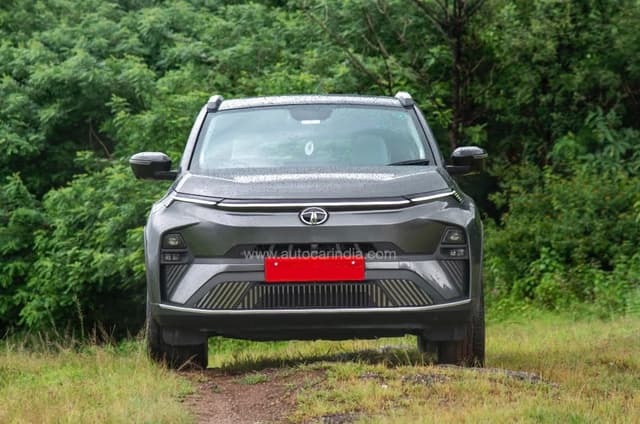
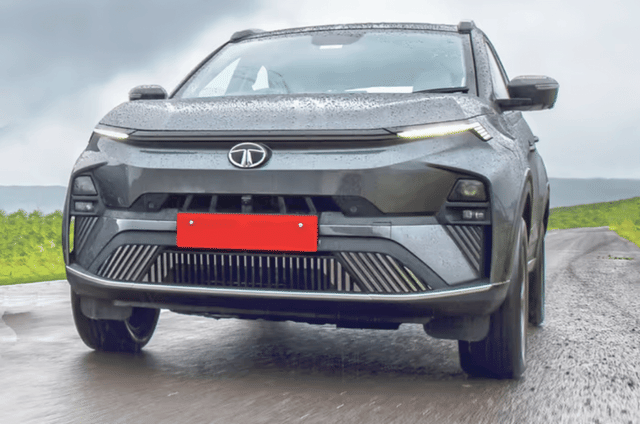
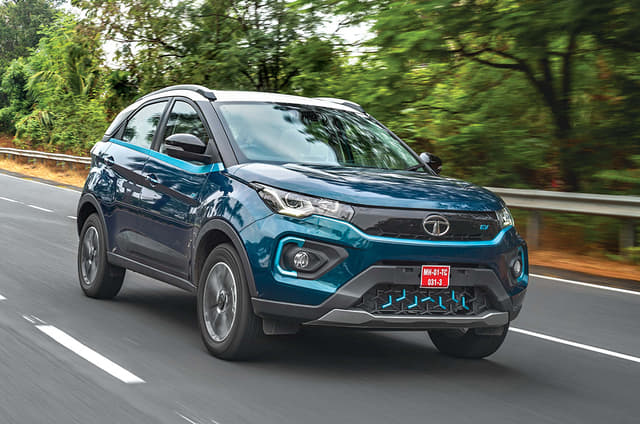
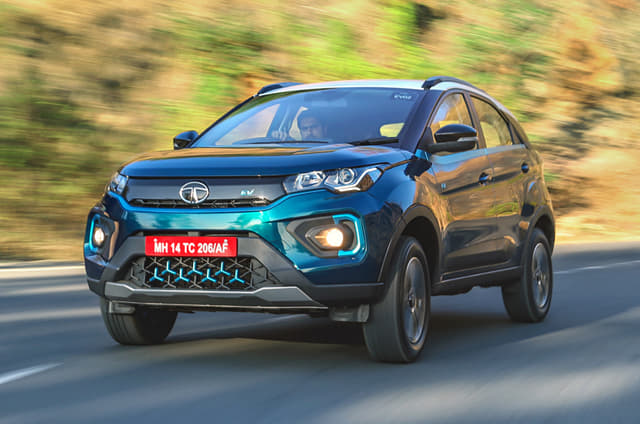
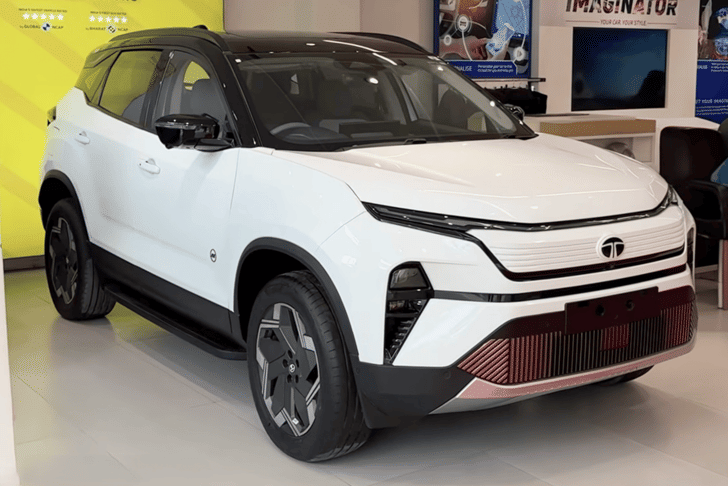
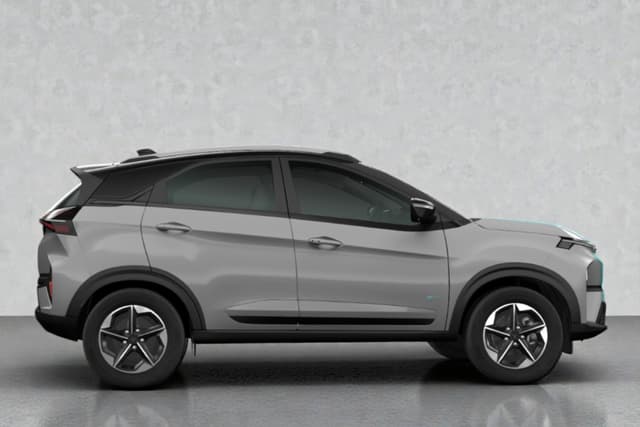
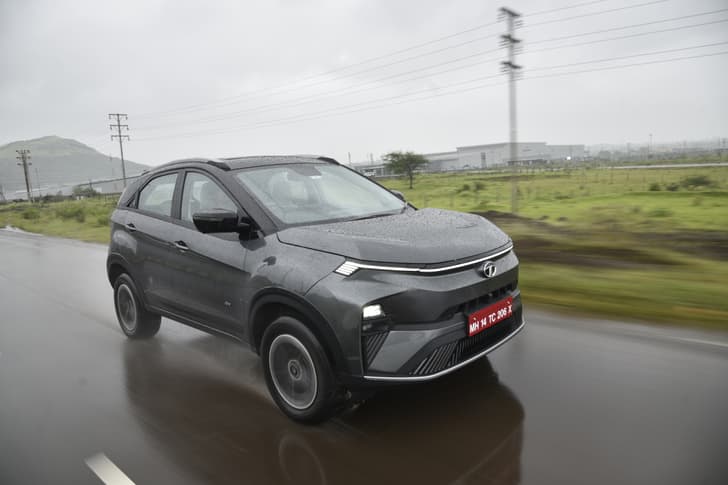
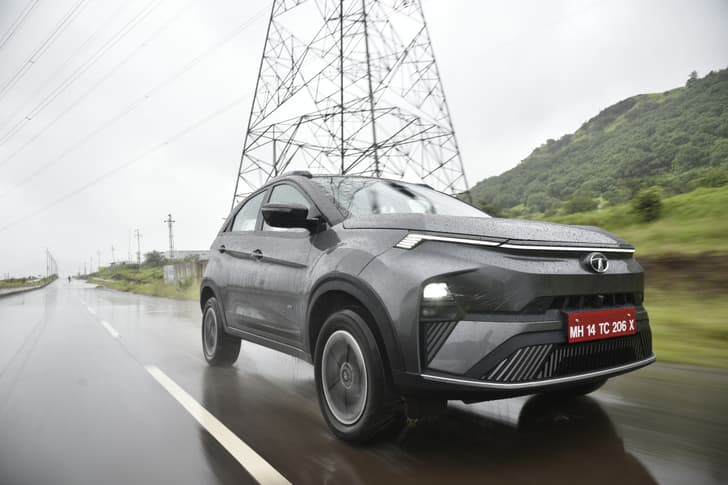
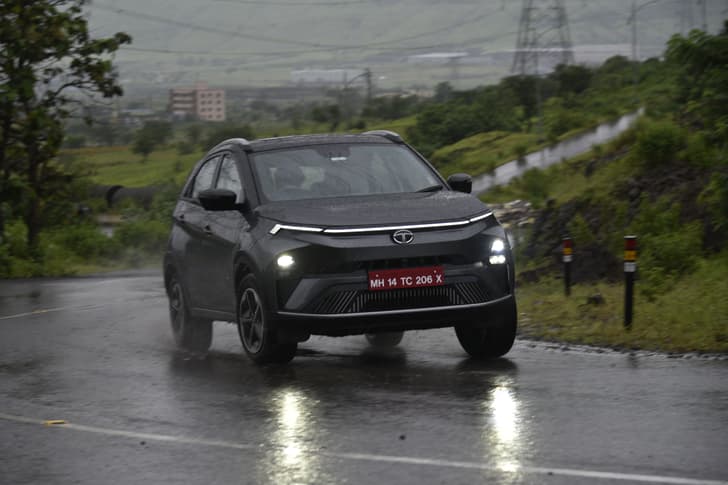
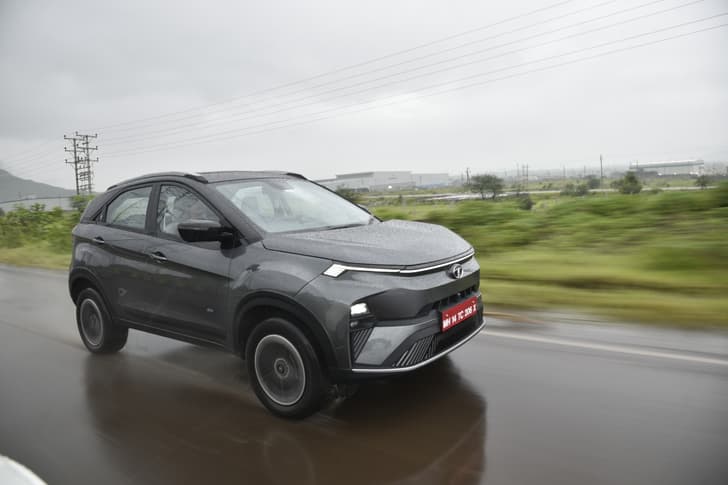
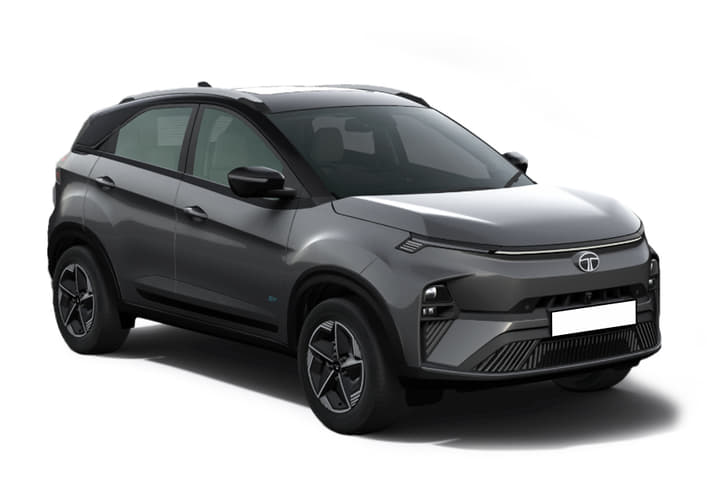
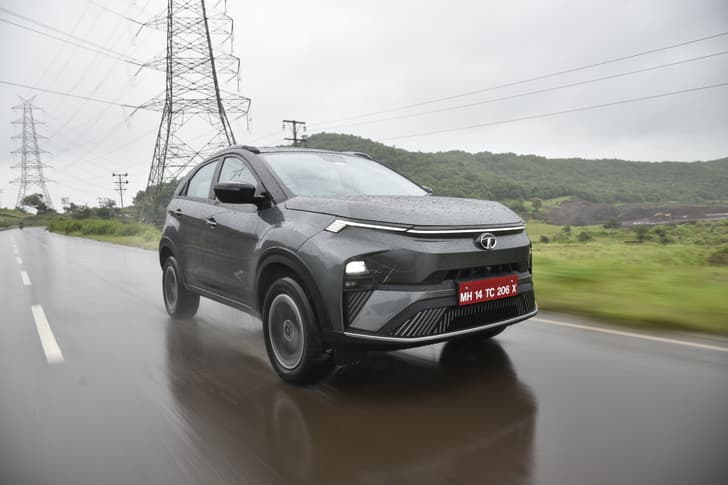
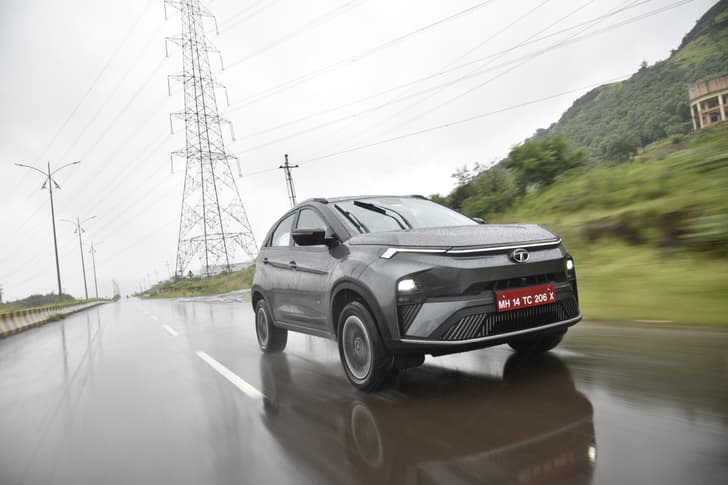
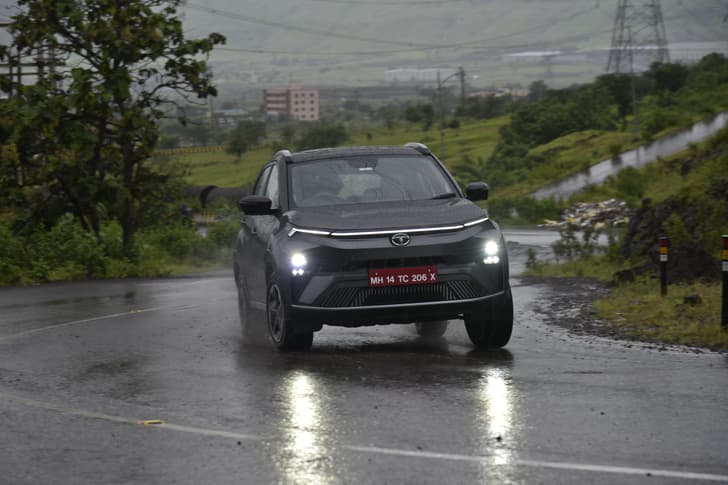
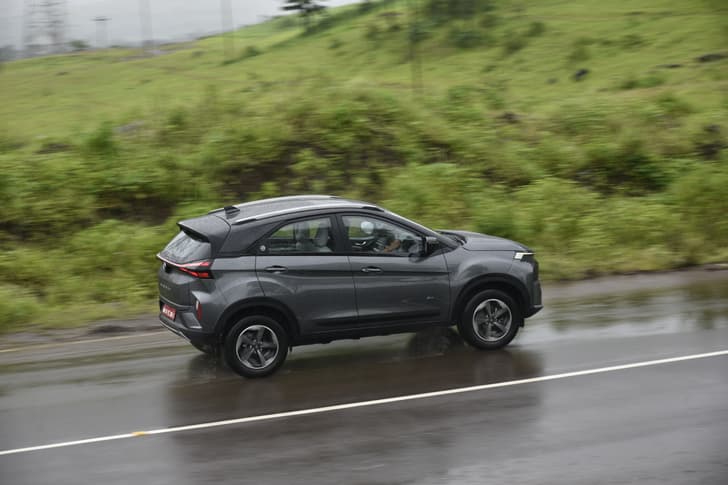
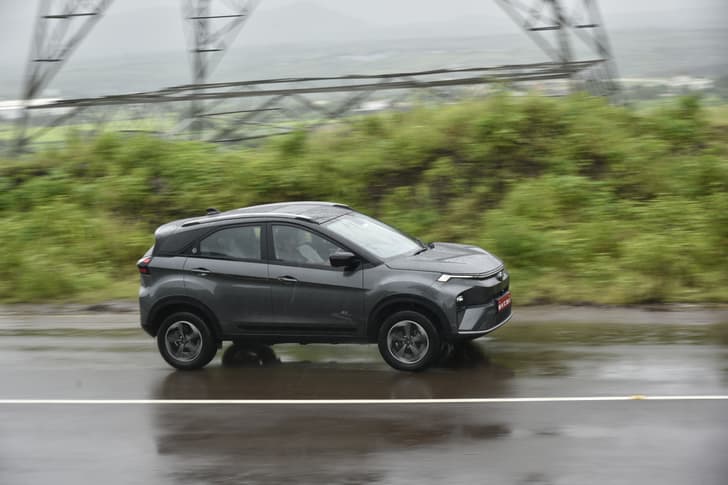
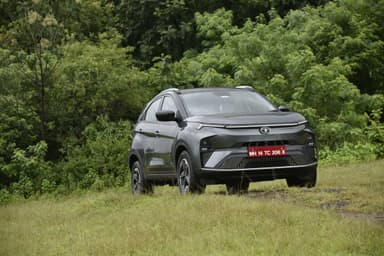
Tata completely redesigned the exterior, making it nearly unrecognizable as a facelift. Like the updated ICE Nexon, the EV draws heavily from the Curvv concept, featuring a bold split-headlamp setup, full-LED lighting, a sleeker bumper, and a wide LED light bar at the rear. New aero-efficient 16-inch alloys, the omission of blue highlights, and a stylish integrated spoiler give it a mature and modern stance. Unique to the EV are elements like a front LED bar that also shows charge status, metallic strakes in the air dam, and exclusive paint options like Empowered Oxide and Intensi-teal. These updates make the Nexon EV facelift a definite head-turner.
7.0
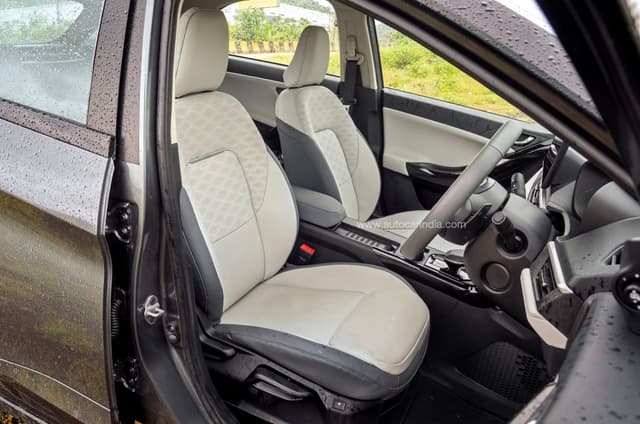
Inside too, the Nexon EV made a serious leap forward. Two large, crisp screens dominate the dashboard, complemented by a premium dual-tone grey interior with blue stitching. The twin-spoke steering with an illuminated logo feels nice, but its gloss black surfaces pick up smudges easily. HVAC controls are now touch-based toggles, and while visually appealing, they’re prone to fingerprints. The gear selector is now conventional, but the new drive mode rotary dial can be slow to respond. While seat bolstering and under-thigh support have improved, the cushioning is firm, and rear headroom is tight for tall passengers. USB Type-C ports, 3-point seat belts for all, and minor tweaks improve convenience, but missing features like rear seatback pockets and proper cupholders remain a downside.
8.0
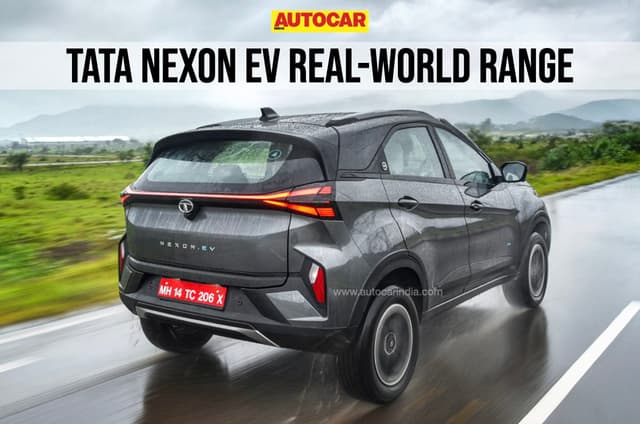
Under the hood, Tata’s Gen 2 electric motor is 20kg lighter, uses fewer rare-earth materials, and revs higher at 16,000rpm. Though torque is down to 215Nm, the flatter curve ensures smoother delivery and better efficiency. It still feels quick, doing 0-100kph in 9.3sec on wet roads—quicker than the outgoing EV Max. The updated 45kWh version, introduced in 2024, bumped up power to 150hp, though it felt near identical to drive. Three drive modes—Eco, City, and Sport—now show clearer differentiation, especially in throttle response and power delivery.
8.0
The facelift launched with 30kWh and 45kWh batteries, the latter claiming 465km (ARAI) thanks to better aerodynamics and efficiency. Regen braking remains adjustable via paddles and now recovers more energy. In real-world tests, the 45kWh version delivered a solid 350km combined range. Tata backs the battery and motor with an 8-year/1,60,000km warranty. Charging remains limited to 7.2kW AC and 30kW DC, which is slow by current standards. However, the addition of vehicle-to-load and vehicle-to-vehicle charging is a handy upgrade.
8.0
Ride quality remains firm but composed, improving at higher speeds. The Nexon EV handles well, with solid grip, confident braking, and well-weighted steering, even with efficiency-focused tyres. The rear disc brakes on higher variants further boost braking performance.
8.0
The 10.25-inch digital cluster is customisable and informative, while the 12.3-inch infotainment touchscreen is fluid and bright, though slightly glitchy on the pre-production unit we tested. The system supports OTA updates, wireless smartphone connectivity, and integrates features like a 360-degree camera, blind spot monitor, and the new arcade.ev app store, which offers OTT and games. Top trims include ventilated seats, a wireless charger, air purifier, sunroof, JBL sound system, and connected car tech. Safety is top-tier with six airbags, ESC, parking sensors, electronic parking brake, and hill controls. The updated model has also earned a 5-star Bharat NCAP rating.
8.0
Priced from Rs 12.49 lakh to Rs 17.19 lakh (ex-showroom), the Nexon EV facelift builds on its predecessor’s strengths. With major updates to design, quality, performance, and features, it nearly feels like an all-new model. Minor flaws like inconsistent fit/finish and slow charging remain, but overall, it’s a standout mid-cycle refresh that enhances an already successful formula.
Reviewed by: Soham Thakur
Tata Nexon EV User Reviews
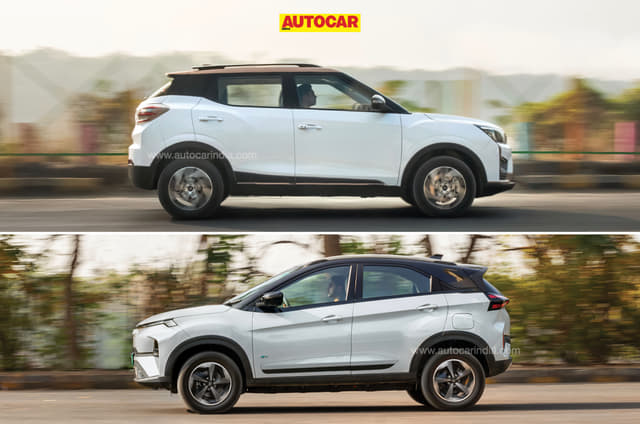
The Tata Nexon iCNG offers low running costs but lacks convenience and boot space.
For ride comfort and reliability, the Nexon EV Creative is a good choice. The additional features and the free 6.5 kW charger are definitely a plus. The Nexon feels robust on the road and is great for city driving, making daily commutes enjoyable.
Read moreI recently got the Tata Nexon Fearless variant, and I love it! The ride quality is great for both city and highway driving. The current model is already impressive, so you won't be disappointed if you decide to buy now.
Read moreAfter 16 years with the Indica, I chose the Tata Nexon. It offers the biggest upgrade in comfort, safety, performance, and features, making it the best long-term choice.
The vehicle has a stiff and busy suspension, making vertical movements and sharp bumps clearly felt in the cabin, especially by rear passengers. The steering feels vague, being very light for city parking but lacking feedback and confidence at highway speeds. The power delivery is linear and smooth but misses the sudden, thrilling acceleration punch of rival EVs. Screen-only controls for mirrors, AC, and drive modes cause dangerous driver distraction while moving. It defaults to heavy regen braking and active safety alerts every time you start, forcing tedious screen menu adjustments. The absence of a rear wiper severely blocks rear visibility during rain. The high-beam throw is weak, lacking the required range and brightness for confident nighttime highway cruising. The high cabin floor due to the battery underneath forces a cramped, knees-up seating posture for taller occupants. The AC struggles in heat, with the massive glass area and panoramic glass roof turning the cabin into a sauna, making the AC slow to cool.
Read moreTell us about your experience
Tata Nexon EV reviews
Tata Nexon EV comparison
Tata Nexon EV Range
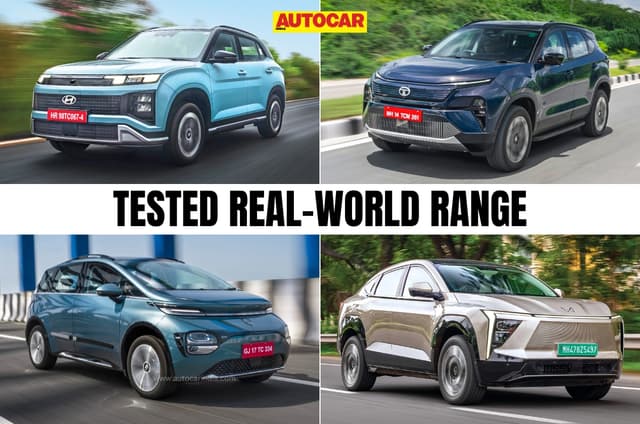
The Tata Nexon EV range is 275 km - 489 km km (MIDC) for the 30kWh battery pack, whereas the 45kWh option delivers a claimed Nexon EV range km of 489km. Tata Nexon EV mileage in real-world conditions should fall somewhere around 365 km (45kWh).
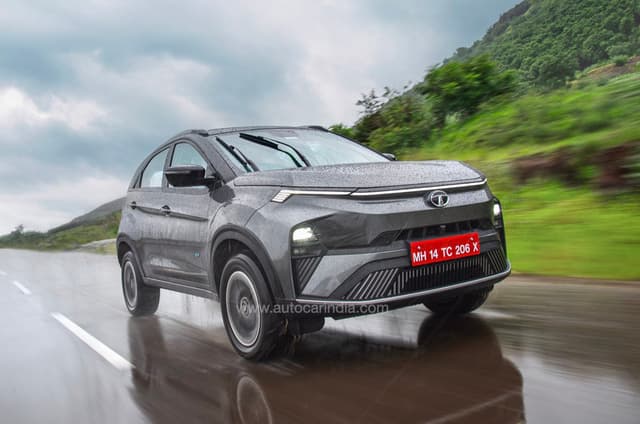
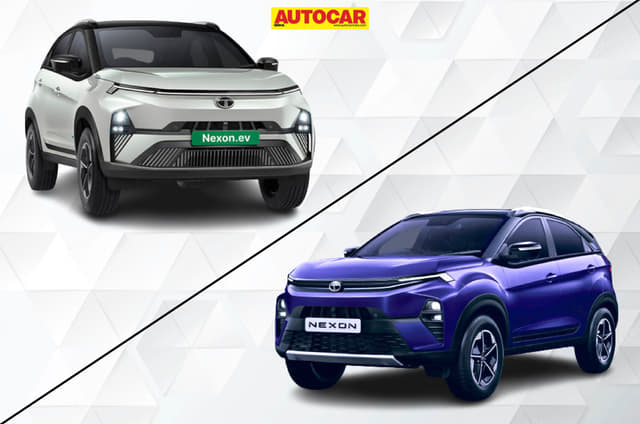
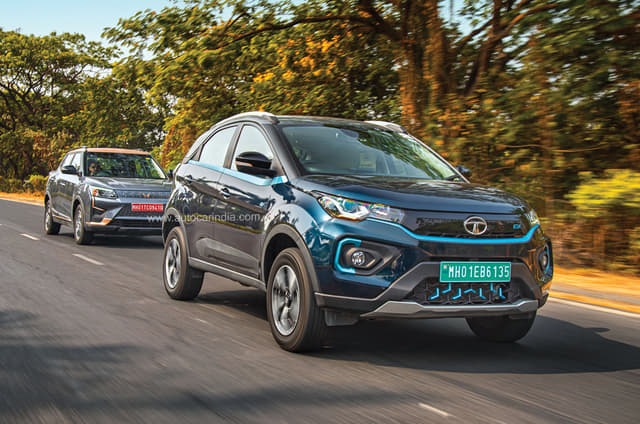
45kWh Nexon EV variants get a 142hp electric motor, while the 30kWh models get a 127hp motor. Torque output remains fixed at 215Nm for both. The Nexon EV battery can do a 10-80 percent charge in 40 minutes using a 60kW DC charger. For those concerned about replacement costs, the Nexon EV battery price and Tata Nexon EV battery price are covered under warranty for up to 15 years on the 45kWh variants.
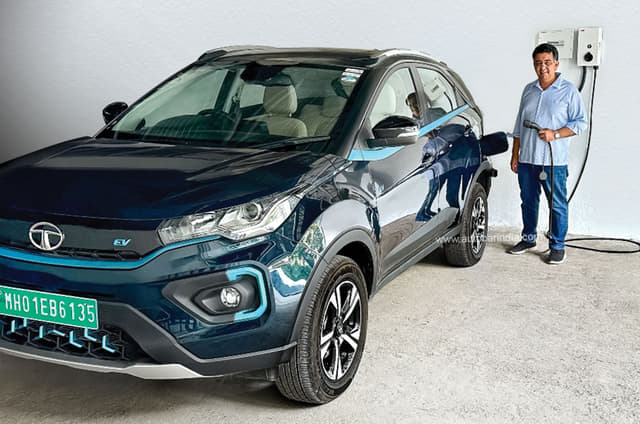
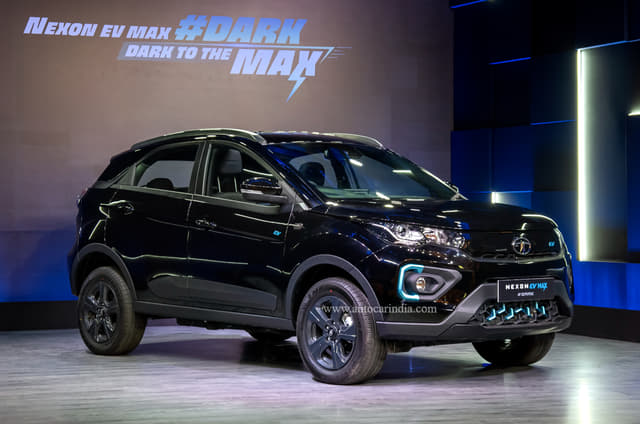
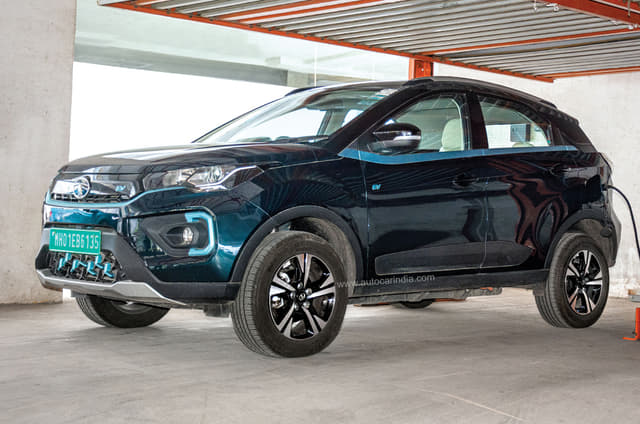
| PowertrainThe combination of engine type, fuel, and transmission that powers your vehicle and determines how it drives and what it runs on. | ARAI RangeMileage certified by the government, tested under controlled lab conditions. Real-world mileage will vary. | Autocar Tested RangeAutocar's experts test each vehicle on fixed city and highway routes under standardised conditions - single occupant, AC running, manufacturer-recommended tyre pressures. Tanks are filled to the brim before and after each run to calculate efficiency. Results reflect realistic real-world usage. | User Reported RangeMileage figures are reported by vehicle owners and represent the approximate real-world efficiency you may experience. Actual mileage will vary based on driving conditions, habits, and vehicle condition. |
|---|---|---|---|
Electric-Automatic (Auto) 30 kWh | 275 km | 208.0 km | 304.6 km |
Electric-Automatic (Auto) 45 kWh | 489 km | - | 297.6 km |
Tata Nexon EV news
Tata Nexon EV Images
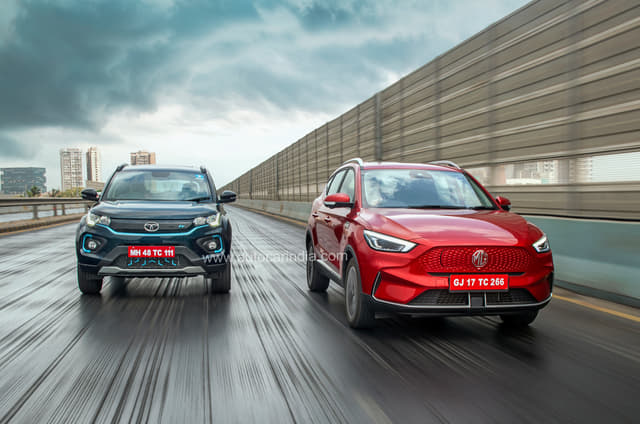
Images of the Tata Nexon EV showcase its compact SUV form factor with EV power, upright stance, sleek front and rear LED light bars, unique design, etc. Nexon EV interior images showcase the SUV's tech-laden cabin, panoramic sunroof, large touchscreen and driver's display, 350-litre boot, and more.
Tata Nexon EV videos
Tata Nexon EV video reviews cover ride comfort, real-world range, handling, charging performance, and interior practicality. Watch the Nexon EV SUV video to see how it provides EV performance in a compact body along with feature rich interiors and impressive range.


Tata Nexon EV Colours
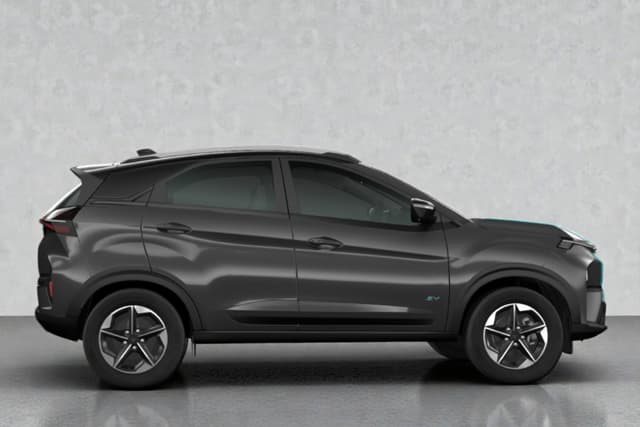
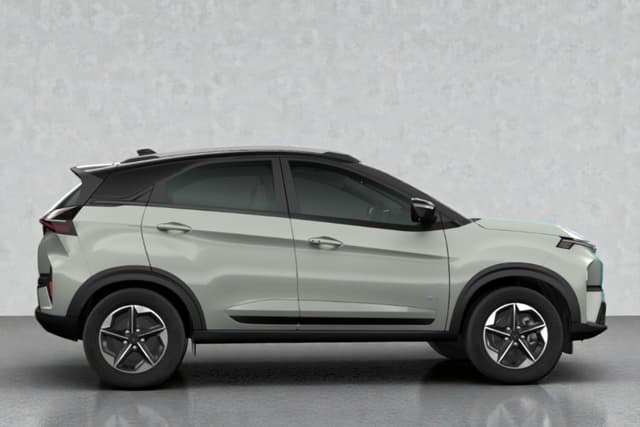
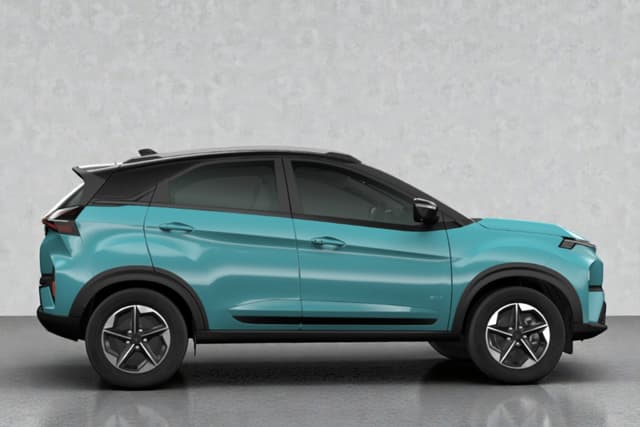
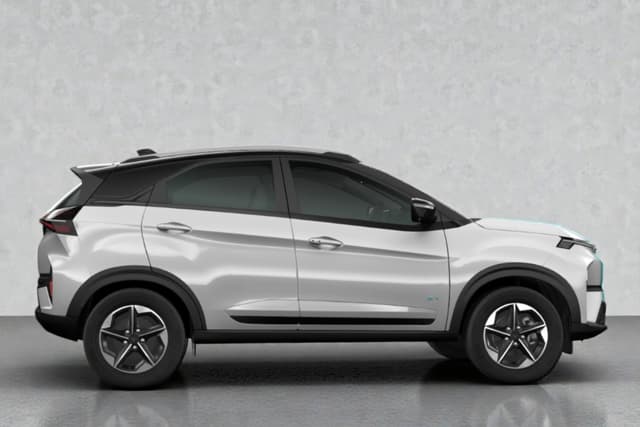
Tata offers 5 colours for the Tata EV, namely . These colours all come with a black roof, so they are dual-tone finishes by default. Depending on the variant, the Nexon EV interior finish is either all black (Dark edition), a mix of black and white or all red seats in the red DARK edition.
Have questions about this car?
Ask owners & Autocar experts.
Tata Nexon EV FAQs
Yes, the Nexon EV is refined, peppy, offers numerous creature comforts, and is relatively compact, making it a great urban commuter.
The Nexon EV's ride is on the firmer side, making it feel composed over undulations at slow speeds and smooth and stable at high speeds.
The Nexon EV has ample space in its rear seats to accommodate 3 occupants.
The 45kWh variants of the Nexon EV would be ideal for highway trips, as they offer a MIDC-certified range of 489km.
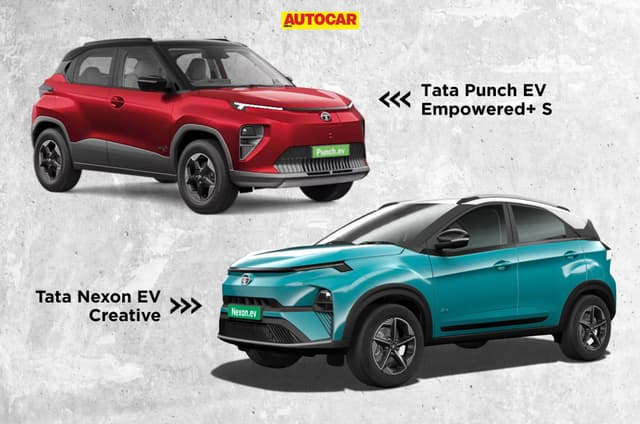
The Tata Nexon EV is best suited to those looking for a sharp-looking electric SUV that offers more features, range, power, and space than the Punch EV, but is still compact enough for city use.
If your usage is primarily in the city and you can afford the steeper upfront cost, the Nexon EV is the more refined, powerful, and cheaper-to-run option. Frequent highway users, though, should consider the ICE-powered Nexon instead.
Over the Punch EV, the Nexon EV offers features like a panoramic sunroof, ventilated front seats, Level 2 ADAS, a larger 12.3-inch touchscreen, a JBL sound system, rear AC vents, and more.
Questions you may find useful
Haris
Hi Autocar Team, I currently own a 2016 Maruti Suzuki Ciaz diesel, which I plan to keep for highway trips, long-distance travel and as a backup vehicle. I am looking to buy a second car purely as a city EV for Chennai, with a budget of around Rs 15 lakh on-road, though I can stretch slightly if justified. My typical usage includes daily city driving, client meetings, airport runs and occasional family outings. I drive around 10,000km per year and usually keep my cars for 7-9 years or until they reach around 1 lakh kilometres. My priorities are: ride comfort and suspension, reliability over 7-9 years, battery warranty and long-term ownership confidence, service network and availability of parts, ease of driving and parking in city traffic, resale value after 7-9 years, and real-world range of at least 300km. I have already test-driven several EVs, including the Mahindra BE 6, Hyundai Creta EV, Kia Carens EV, MG ZS EV, Maruti e Vitara and VinFast VF 6. While I liked the Mahindra and VinFast products, I am now wondering whether a smaller and more affordable EV makes more sense since I already have the Ciaz for highway duties. Which EV would you recommend as the best secondary city car for long-term ownership in India today? Would you choose the Tata Punch EV, Nexon EV, Tiago EV, MG Windsor EV or another option altogether? Looking forward to your advice.

autocar.india
Pick the Tata Nexon EV 45kWh. For a Chennai city car, it rides over broken roads better than most, slips into tight parking spaces, and still delivers over 300km on a single charge. You already have the Ciaz for highway duties, so the Nexon EV’s size, light steering and good visibility make daily client visits and airport runs stress-free.For long-term ownership, Tata’s EV footprint is the widest in India today, with parts and service support across most cities, and the 8-year/1.6 lakh km battery warranty aligns well with your 7-9 year ownership plan. The battery chemistry also handles heat well, which matters in Chennai. Running costs remain low, and strong demand should help resale values compared to many other EVs.The Punch EV and Tiago EV are good options too, but they will fall well short of your requirement of 300km-plus on a single charge. The MG Windsor EV is worth considering if you want a more spacious cabin, though its real-world range is not as strong as the Nexon EV’s.One honest niggle: Tata’s service quality can be inconsistent, so make sure you choose a good dealer with a strong reputation.
Prashanna Periyannan
I'm looking to buy an EV in the 13-15 lakh budget range. Right now, the Punch EV seems to be the best fit. Can anyone share if a next-generation Nexon EV based on the ACTI EV platform is expected anytime soon? If the launch is not too far away, I can wait and opt for the larger car instead. Thanks in advance for any information.

autocar.india
Go ahead with the Tata Punch EV now, because an all-new Nexon EV is a long way off, and your Rs. 13-15 lakh budget cleanly fits the Punch EV. The current Nexon EV got a big update only recently, so a ground-up platform change is unlikely in the next 12 months. The next-gen Nexon is due likely in 2027, and even so, the ICE model will come first, with the EV likely to follow later, so your wait will be long. When it does come, expect it to be pricier than today’s Nexon EV, so it will likely sit well above your budget anyway.For your money today, the recently updated Punch EV gives you a modern EV package, a useful range for daily commutes, and it is easier to live with in tight city traffic and parking. If you truly need more cabin and boot space for family trips, the current Nexon EV exists, but getting a well-equipped one will push you beyond Rs 15 lakh on-road in most cities.
Tushar
Sir, how is the rear suspension and ride quality of the Mahindra XEV 9e Pack One and Two? I tested the Pack Three and found the rear seat very boat-like with too much movement both vertically and sideways, which can get nauseating for rear-seat passengers. Is the suspension setup in Pack One and Two any better? Should I instead go for the Harrier EV 75 RWD if I want better ride quality, or should I wait for the Sierra EV? I want an EV bigger than the Nexon, but I do not like the Curvv EV and was thinking of avoiding Mahindra because of the suspension. I tried the Nexon EV and new Punch EV and found their rear suspension much better than the XEV 9e and even the eVitara. Please guide.

autocar.india
What you felt in the Mahindra XEV 9e Pack Three is a fair observation. The XEV 9e does have a softer suspension tune, and for some rear seat passengers, that can translate into a floaty, slightly boat-like vertical movement over undulations, which can feel uncomfortable or even nauseating if you are sensitive to that kind of motion. As far as we know, there is no major suspension hardware difference between Pack One, Two and Three that fundamentally changes this character, so we would not expect the lower variants to feel significantly different in this regard.If rear seat ride quality and body control are a major priority, the Tata Harrier EV is the better option right now. It feels more tied down, composed and generally better controlled from the rear, without that excessive floatiness. If you still want to stay with Mahindra, the XEV 9e actually feels more balanced in this respect and does not have the same exaggerated bouncy character as the XEV 9S.That said, since you are clearly particular about ride quality and already like how Tata’s EVs are tuned, we would absolutely suggest waiting for the Tata Sierra EV as well, especially since its launch is right around the corner. It should sit in that sweet spot above the Nexon EV in size while potentially offering the kind of more settled suspension setup you seem to prefer.
Ameya Kulkarni
I currently own a Tata Tigor AMT, but I’m unhappy with the AMT’s performance and the cabin feels too cramped for my 6 ft height. I want to upgrade with a budget of around ₹10 lakh. I’m considering a used Hyundai Creta (automatic), but I’m worried about petrol issues due to ethanol blending. Should I instead buy a new EV such as the Windsor EV or Tata Nexon EV? My driving is mainly in the city (Mumbai), about 500 km/month. Which option suits me best?

autocar.india
Since your running is 500km a month and within city limits, an EV makes sense for you. However, given your budget is around Rs 10 lakh, both the MG Windsor EV and Tata Nexon EV are more expensive than that. Alternatively, you should consider the Tata Punch EV. The ARAI claimed Tata Punch EV range is 265 km for the smaller 25 kWh battery pack version and 365 km for the larger 35 kWh long range (LR) version, with a real-world LR range of around 229 km. Power and torque outputs are 82hp and 114 Nm for Standard and 122 hp and 190 Nm for Long Range. The Punch EV is ideal for urban users who want a compact, well-equipped EV with solid performance and comfort. Tata Punch EV prices start at Rs 9.99 lakh and go up to Rs 14.44 lakh (ex-showroom).
ARYAN SINGH
I want to upgrade my Suzuki Swift ZXI to a new car. I travel 1,500-2,000 km monthly, about 80% in the city. I’m confused between the Nexon EV Creative and the upcoming Fronx Hybrid. My budget is around ₹15 lakh. Please suggest.

autocar.india
The upcoming Fronx hybrid is expected to be a full or strong hybrid and thus will deliver a good fuel efficiency; however, it is still some time away. If you need a car soon or in the next few months, then the Nexon EV would be best.
Samir Kotecha
I mostly drive in the city and am planning to buy a new car. I’m confused about whether to buy the Tata Nexon EV or the Kia Sonet / Hyundai Venue. The EV’s budget is high, but I can save on petrol. What should I do? Please advise.

autocar.india
The right vehicle for you is difficult to suggest without knowing your monthly running. If you drive around 1,000-1,200 km per month, it’s better to go for a petrol car, as it will be much more affordable to buy.We would also recommend waiting for the new Hyundai Venue, which is set to launch on November 4, before making your final decision.That said, electric vehicles like the Tata Nexon EV are great for city driving. They offer strong performance, quiet running, and low running costs (if you have the facility to charge at home).
Thangavelu
Nexon EV or Baleno. Which one should I buy? My monthly running is around 2,000 km, and my budget is ₹15–20 lakh.

autocar.india
But if you have to choose between the Baleno and Nexon EV, go for the Maruti Baleno. It is much more affordable as Baleno price starts from ₹5.98 lakh (ex-showroom). On the other hand Nexon EV price begins with ₹12.49 lakh (ex-showroom), the initial savings will offset EV's running cost benefits. What's also nice is that the Baleno is very efficient too. Additionally, the Baleno's resale value will be much better than the Nexon EV.
Harshith
Hi, I travel around 3,000 km a month, with 80% on highways at speeds of 100–120 km/h. I am looking to buy an EV and can set up a home charger. The options I have narrowed down to are: MG ZS EV top model – an older car, but is it still worth it? MG Windsor Pro EV top model Tata Nexon EV top model Which of these should I go for?

autocar.india
We’d rule out the MG Windsor Pro EV first. It’s more of a city-focused EV, and its highway manners aren’t ideal. The ride is firm, and there is noticeable road noise, which can be tiring over long distances.The Tata Nexon EV is capable on highways, but its real-world range still falls short of the MG ZS EV’s. An important factor if you cover long distances and occasionally rely on public chargers.The MG ZS EV, though slightly older, remains the best option for your usage. It offers stronger performance, a more comfortable long-distance ride, better range, and a more spacious, premium cabin that feels a class above the others. Since it has been on sale for a while, you should also be able to negotiate a decent discount.
Krish
I travel around 120km every day, five days a week, within Mumbai. I'm looking for an EV with a bit more ground clearance and a budget of around 15 lakh. Which one would you recommend?

autocar.india
For your usage of 120km a day, five days a week within Mumbai, an electric car makes strong financial sense, but there is a drawback you should also consider. As for the car, the best fit for your requirements is the Tata Nexon EV 45. It offers a real-world range of around 350km, which comfortably covers your daily commute with margin for AC usage and traffic. This Tata electric car also has good ground clearance for Mumbai’s speed breakers and broken patches, and the compact SUV form factor makes it easy to manoeuvre and park in the city. Within your Rs 15 lakh budget, however, the only downside is that you'll get a lower variant with fewer features.The Punch EV is another option to consider, offering more features but a slightly shorter range. The drawback is that the boot and interior space are less, but for a daily city commute, that is a minor compromise. Do note, however, that with such high usage, you will charge your car very frequently, and this will take its toll on the battery life. So while your daily running costs will be low, you might experience performance and range drops earlier in the car's life than other users, which could even affect resale value.
Rajesh
Which is the best EV car to buy under a budget of Rs. 20 lakh in terms of features, safety, and reliability?

autocar.india
The MG Windsor Pro is the best EV to buy under Rs. 20 lakh if you want a genuinely usable family car. It is the only EV in this price range that offers a proper five-seat cabin with good rear-seat space, a large boot and a comfortable ride. That makes it far more practical than smaller EVs like the Tata Nexon EV or Mahindra XUV 3XO EV, which are good cars but do not offer the same level of space or comfort. The Windsor also has a proven track record in India, and MG’s service network is now well established, so reliability and ownership experience are not concerns. The MG car also comes loaded with features like a large touchscreen, leatherette upholstery, panoramic sunroof and much more. As for safety, the Windsor Pro also gets Level 2 ADAS features like autonomous emergency braking, adaptive cruise control and much more. The only real drawback is that the Windsor is not the most exciting car to drive, but as a family EV it is the most complete package in this price bracket. If you are looking for something more compact and city-friendly, the Nexon EV is still a strong alternative, but for overall practicality the Windsor is the clear recommendation.
Upcoming Cars


Tata Cars

Trending Cars


Latest Cars