Last Updated on: 15 Aug 2026
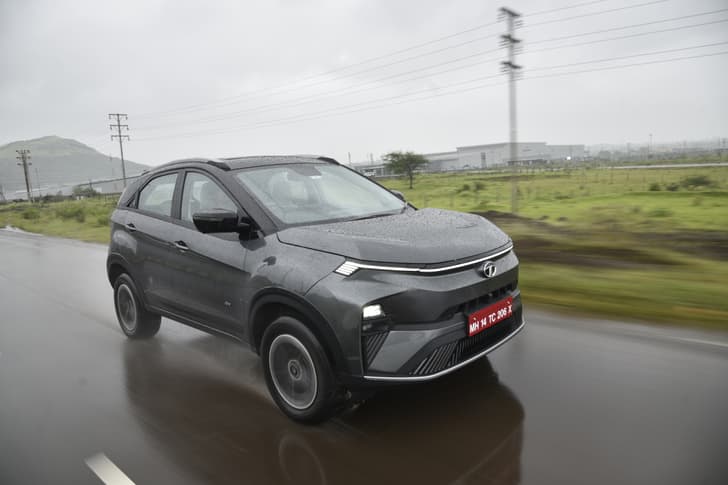
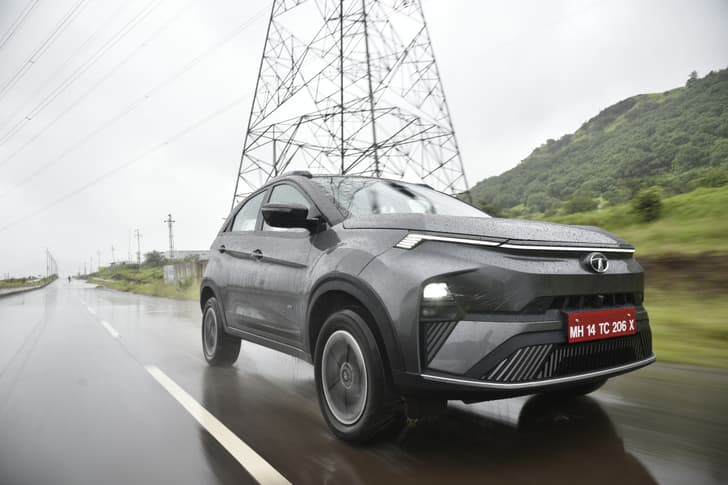
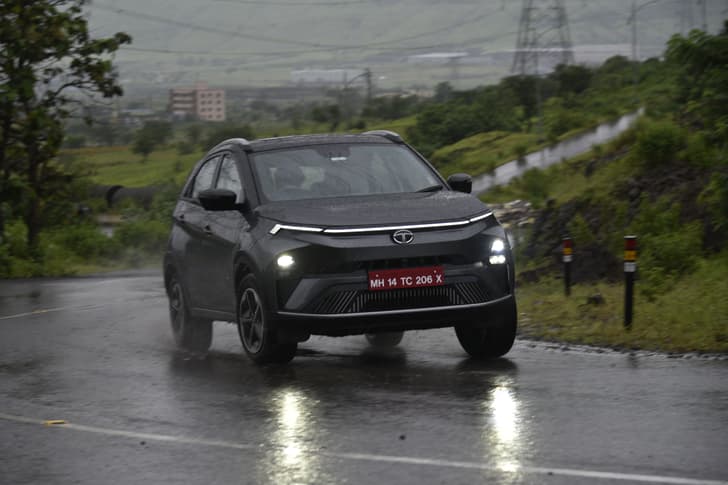
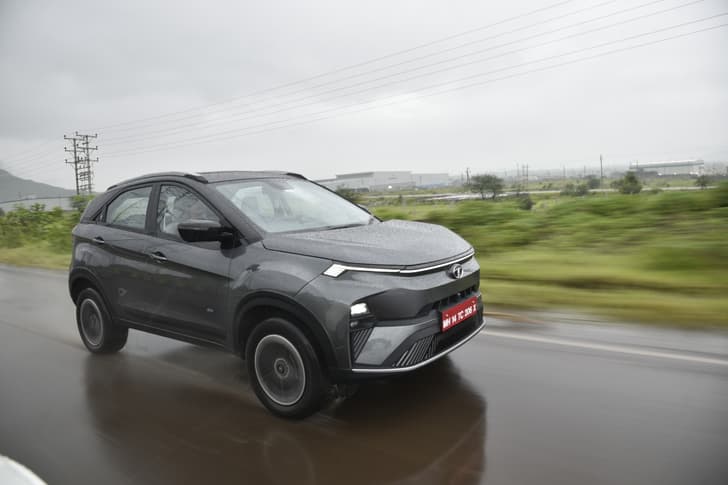
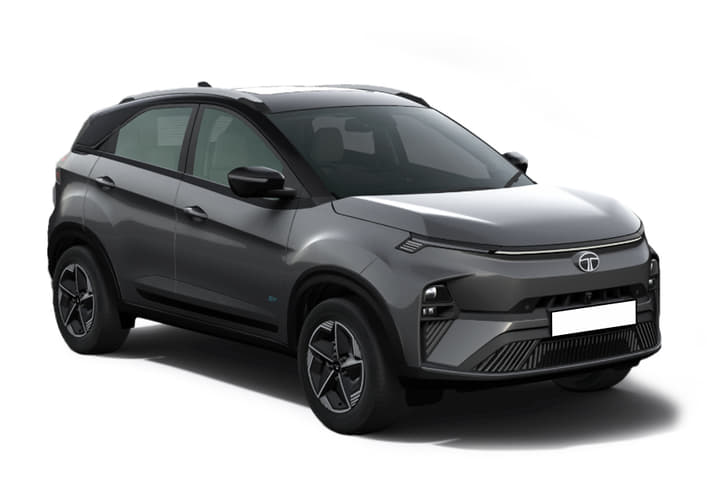
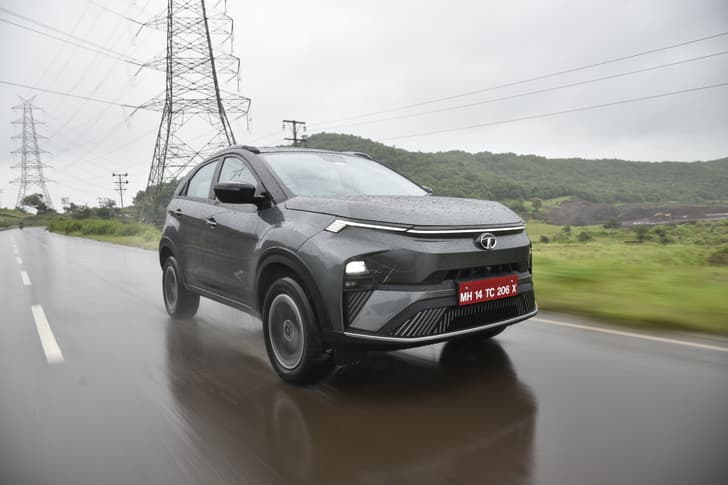
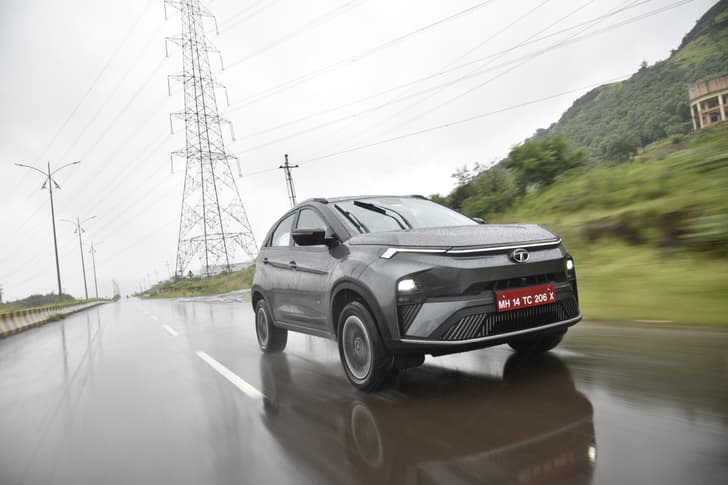
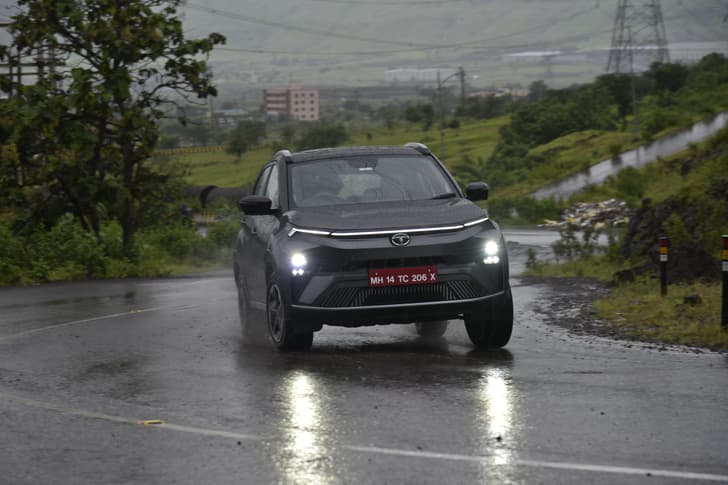
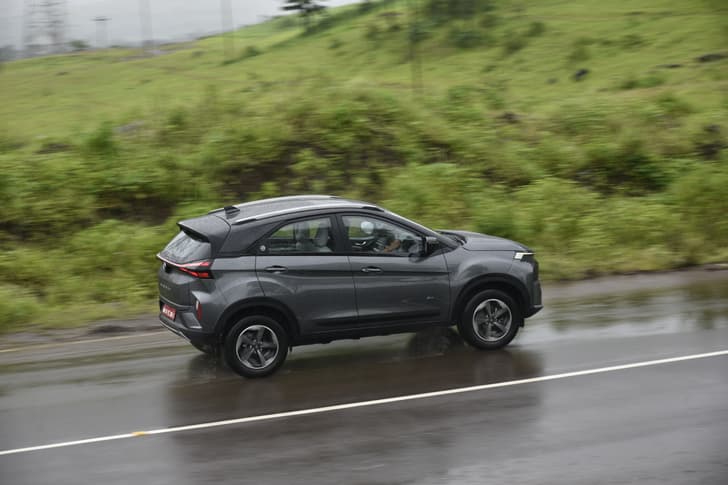
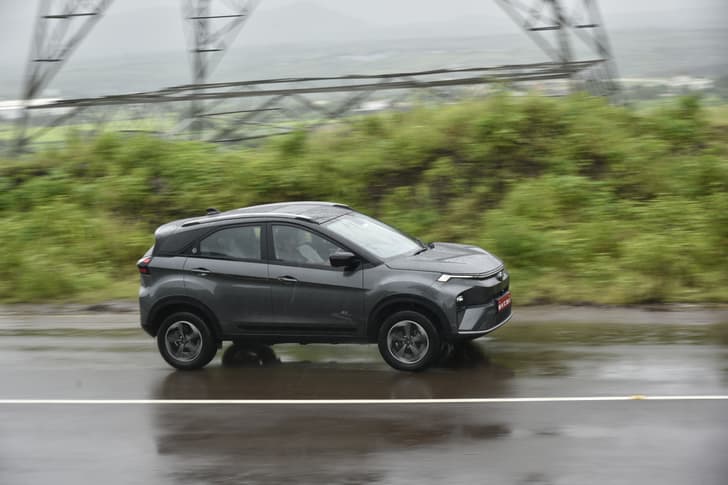
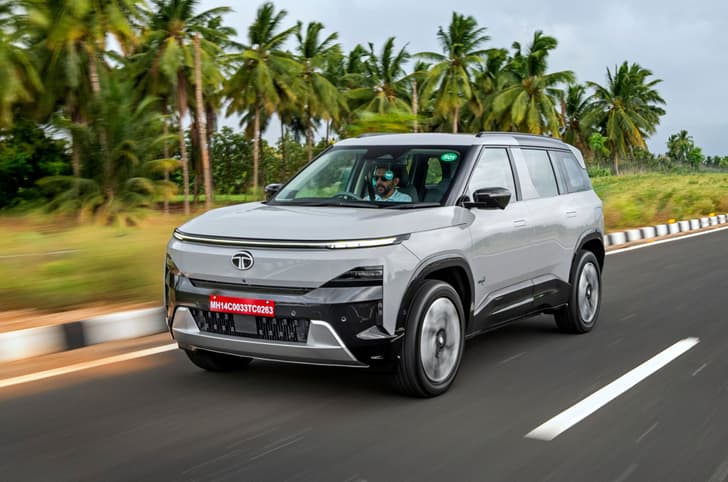
Tata Nexon EV Fearless MR
Tata Nexon EV Fearless MR Key Features
- Rear Defogger
- Rear AC Vents
- Exterior Mirrors Electric Fold with Power Folding
- Driver Window Only Power Windows with One Touch-Down
- Phone-based Satellite Navigation
Tata Nexon EV Fearless MR specifications
Engine & Transmission
Fuel Type/ Propulsion | Electric |
Motor Type | Permanent Magnet Synchronous AC motor |
Number of Motors | 1 |
Pure Electric Driving Mode | Yes |
Gearbox Type | Auto |
Number of Gears | 1 |
Manual Shifts via Gear Lever on Automatic Gearbox | No |
Sport Mode for Automatic Gearbox | Yes |
Drive Layout | Front Wheel Drive |
Lockable Differential/s | No |
Max Motor Power | 129hp |
Max Motor Torque | 215Nm |
Fuel & Performance
Terrain Modes | No |
Auto Start/Stop | No |
Battery Capacity | 30 kWh |
Charging Time | 10.5 hrs (10% to 100% 3.3 kW AC) 4.3 hrs (10% to 100% 7.2 kW AC), 56min (10% to 80% 50 kW DC) hrs |
Claimed Range | 275 km |
Autocar Tested EV Range | 208.0 km |
User Reported Range | 295.6 km |
0-100kph | 9.3 s |
20-80kph (in third gear/ kickdown) | 5.35 s |
40-100kph (in fourth gear/ kickdown) | 6.39 s |
Suspension & Steering
Front Suspension Type | Independent, MacPherson Strut |
Front Springs | Coil Springs |
Rear Suspension Type | Non-independent, Torsion Beam |
Rear Springs | Coil Springs |
Damper Control | No |
Ride Height Adjust | No |
Type of Power Assist | Electric |
Steering Adjust type | Manual |
Steering Adjust | Tilt |
Turning Radius | 5.3 m |
Front Brakes | Disc |
Rear Brakes | Drums |
Wheel Size | 16 inches |
Front Tyre Size | 215/60 R16 |
Rear Tyre Size | 215/60 R16 |
Wheels | Alloys |
Dimensions
Length | 3994 mm |
Width | 1811 mm |
Height | 1616 mm |
Wheelbase | 2498 mm |
Ground Clearance | 205 mm |
Boot Capacity | 350 litres |
Doors | 5 |
Tata Nexon EV Fearless MR features
Comfort
| Power Windows | Front and Rear |
| Driver rear view monitor (DRVM) | |
| Steering Mounted Controls | Audio and Phone |
| Bluetooth Connectivity | |
| Bottle Holder in Doors | |
| Cabin Boot Access |
Safety
| Crash Test Rating | 5 |
| Brake Disc Wiping | |
| Rear Cross Traffic Alert | |
| Boot Open Warning | |
| Traffic Sign Recognition | |
| Driver Airbag |
Exterior
| Body Coloured Bumpers | |
| Follow Me Home Headlamps | |
| Outside rear view mirror (ORVM) | |
| ORVM turn indicators | |
| Welcome and Goodbye Animation | |
| LED DRLs |
Interior
| Speedometer | Digital |
| Tachometer | |
| Trip Meter | |
| Average Fuel Consumption | |
| Average Speed | |
| Distance to Empty |
Entertainment
| Audio System | |
| CD Player | |
| Branded Music System | |
| Speakers | 4 |
| USB Input | |
| AUX Input |
Connected Car Features
| Emergency Call Button | |
| Vehicle Tracking Via App | |
| Alexa Compatibility | |
| Remote Sunroof Open / Close via App | |
| Remote AC On / Off via App | |
| Find My Car |
Tata Nexon EV variants
 Electronic Stability ControlFully Digital Digital Instrument ClusterWired Android AutoOver the air (OTA) updatesFabric Seat MaterialElectronic Parking Brake with AutoholdRear AC VentsPhone-based Satellite NavigationNavigation On Instrument ClusterLeather-wrapped Steering WheelHill Descent ControlWired Android AutoLED Daytime Running LightsRear AC VentsElectronic Parking Brake with AutoholdBlind Spot MonitorPanoramic SunroofJBL Branded Music SystemNavigation On Instrument ClusterLeatherette Seat MaterialLane Departure AvoidanceSunroofPhone-based Satellite NavigationFront Only Ventilated SeatsDaytime Running LightsLane Departure AvoidanceSunroofPhone-based Satellite NavigationFront Only Ventilated SeatsDaytime Running LightsLane Departure AvoidanceSunroofPhone-based Satellite NavigationFront Only Ventilated SeatsDaytime Running Lights
Tata Nexon EV comparison

Questions you may find useful
I drive around 70 kms a day mostly in city.I am confused between the tata Punch smart plus 40 kwh and Nexon ev creative 45 kwh. Which is a better option as a secondary car. Both the cars give almost similar range. I want good ride comfort and good reliability. I am okay to spend the additional 1.5 lakhs for the nexon ev creative model (I need not buy a fast charger as nexon comes with free 6.5 kw charger)
Hi Autocar Team, I currently own a 2016 Maruti Suzuki Ciaz diesel, which I plan to keep for highway trips, long-distance travel and as a backup vehicle. I am looking to buy a second car purely as a city EV for Chennai, with a budget of around Rs 15 lakh on-road, though I can stretch slightly if justified. My typical usage includes daily city driving, client meetings, airport runs and occasional family outings. I drive around 10,000km per year and usually keep my cars for 7-9 years or until they reach around 1 lakh kilometres. My priorities are: ride comfort and suspension, reliability over 7-9 years, battery warranty and long-term ownership confidence, service network and availability of parts, ease of driving and parking in city traffic, resale value after 7-9 years, and real-world range of at least 300km. I have already test-driven several EVs, including the Mahindra BE 6, Hyundai Creta EV, Kia Carens EV, MG ZS EV, Maruti e Vitara and VinFast VF 6. While I liked the Mahindra and VinFast products, I am now wondering whether a smaller and more affordable EV makes more sense since I already have the Ciaz for highway duties. Which EV would you recommend as the best secondary city car for long-term ownership in India today? Would you choose the Tata Punch EV, Nexon EV, Tiago EV, MG Windsor EV or another option altogether? Looking forward to your advice.

 Tata Nexon EVTata Punch EVTata Tiago EVMG Windsor
I'm looking to buy an EV in the 13-15 lakh budget range. Right now, the Punch EV seems to be the best fit. Can anyone share if a next-generation Nexon EV based on the ACTI EV platform is expected anytime soon? If the launch is not too far away, I can wait and opt for the larger car instead. Thanks in advance for any information.
Tata Punch EVTata Nexon EVSir, how is the rear suspension and ride quality of the Mahindra XEV 9e Pack One and Two? I tested the Pack Three and found the rear seat very boat-like with too much movement both vertically and sideways, which can get nauseating for rear-seat passengers. Is the suspension setup in Pack One and Two any better? Should I instead go for the Harrier EV 75 RWD if I want better ride quality, or should I wait for the Sierra EV? I want an EV bigger than the Nexon, but I do not like the Curvv EV and was thinking of avoiding Mahindra because of the suspension. I tried the Nexon EV and new Punch EV and found their rear suspension much better than the XEV 9e and even the eVitara. Please guide.
Mahindra XEV 9eMahindra XEV 9STata Sierra EVTata Nexon EVTata Harrier EVI currently own a Tata Tigor AMT, but I’m unhappy with the AMT’s performance and the cabin feels too cramped for my 6 ft height. I want to upgrade with a budget of around ₹10 lakh. I’m considering a used Hyundai Creta (automatic), but I’m worried about petrol issues due to ethanol blending. Should I instead buy a new EV such as the Windsor EV or Tata Nexon EV? My driving is mainly in the city (Mumbai), about 500 km/month. Which option suits me best?
Tata Punch EVTata Nexon EVMG WindsorTata Nexon EV price in India
Upcoming Cars
Tata Cars
Trending Cars


Latest Cars