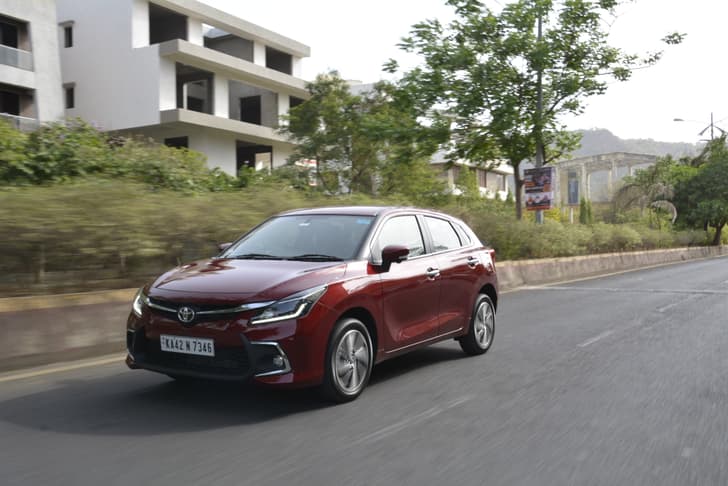
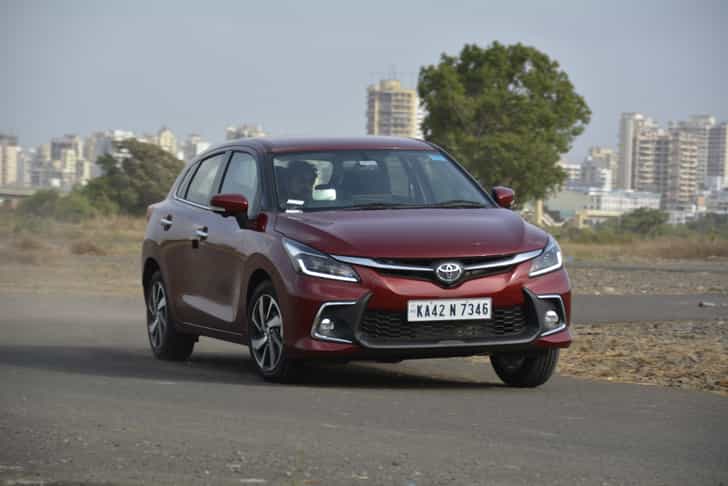
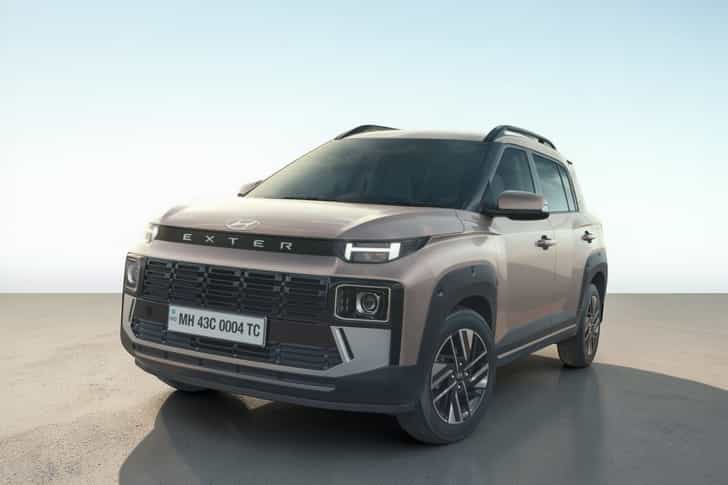
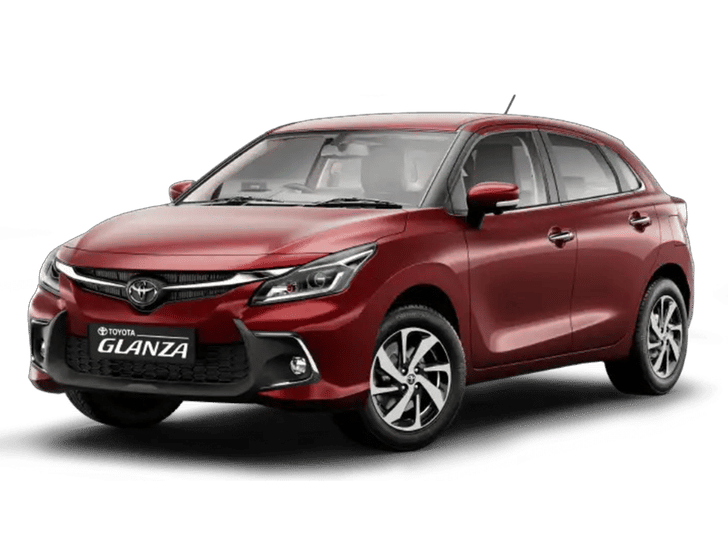
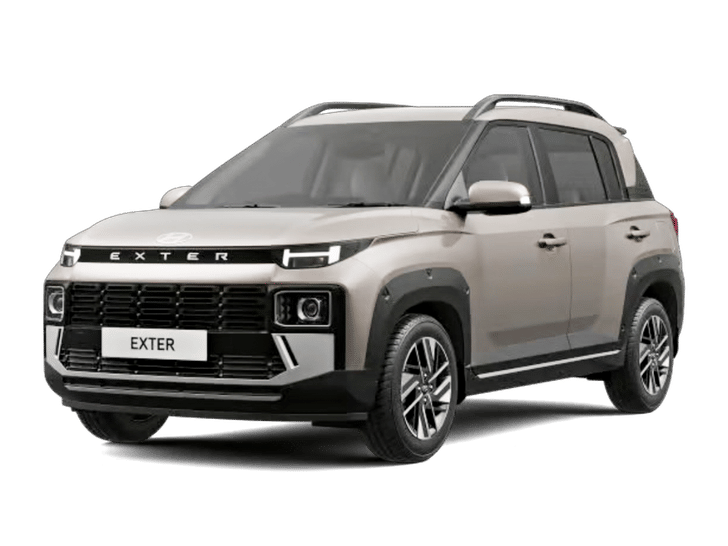
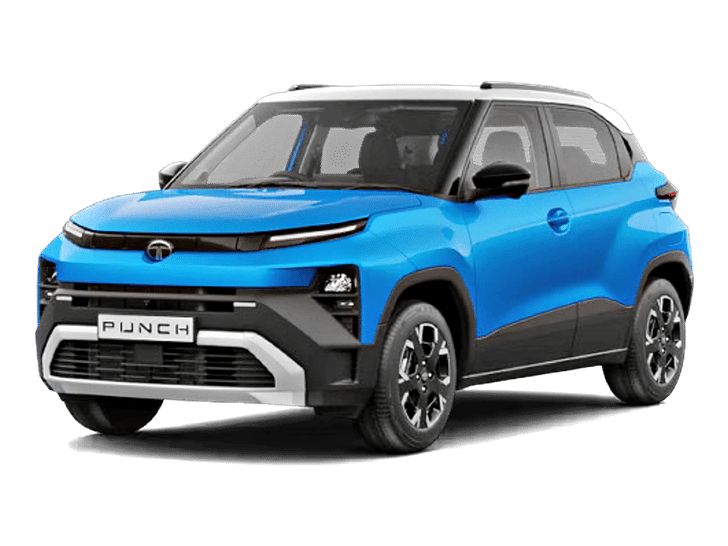
Those are both excellent options, and as you said, each has its strengths. The Hyundai Exter has the advantage of a taller seating position and a more compact overall footprint, both of which should serve you well as an amateur driver. Since that is your main priority, the Exter should be your pick, as mileage too will be good (ARAI rating of 19.2kpl), although not quite as good as the Glanza (ARAI rating of 22.94kpl). The Toyota Glanza has a more premium and spacious interior, and a few more features too, but if that is lower down on your priority list, then stick with the Exter. Can’t decide which car to buy? Ask our experts and get answers to all your car related queries. Ask experts Latest questions Asked by: Nimish S For daily city driving of 80-100 km within Mumbai, will the Tata Sierra diesel auto be a better choice? I have heard that DPF causes regeneration issues if the new diesel cars are not driven on long highway trips in their highest gear. The car will be mainly driven in Mumbai traffic and will take around 1,000 km outstation trips once every 4-5 months. Please explain whether a diesel auto, a good combination for convenience and mileage, can be troublesome (DPF troubles) in city use. Thank you. If your daily round covers 80 to 100km, the Tata Sierra diesel automatic is the one that fits your brief best. The diesel’s far more efficient than the petrol for that sort of running, and Tata’s six-speed Aisin torque-converter auto is a well-matched companion for the 1.5-litre engine. It keeps the motor in its sweet spot without feeling strained, whether you’re crawling through traffic or cruising along the coastal road.There’s often a bit of anxiety around diesels and their particulate filters, but that’s largely a non-issue in your case. The DPF’s job is to trap soot from the exhaust and burn it off once the system gets hot enough — something that happens naturally when the engine is under load for a reasonable duration. Problems usually arise only when the car is constantly driven short distances and quits before it can complete this self-cleaning process.Since your daily commute is fairly long, the exhaust will reach optimum temperature often enough for regeneration to go through smoothly. Even within Mumbai, stretches like the Sea Link or a run-down to south Mumbai allow the DPF to do its passive cleaning without any driver input. So with your usage, the diesel auto won’t just be easy on fuel — it should also remain hassle-free in the long run. Asked by: Naresh I currently own an i10, which has reached the end of its life. I am looking to upgrade to at least a mini or micro SUV. My budget is ₹6 to ₹10 lakh, with a requirement of at least a 4 or 5-star GNCAP rating. I am open to sedans as well. Please suggest the best cars. However, I am also confused between buying a new car versus a used one or stretching my budget, as I am planning to move abroad in the next 6 to 12 months. I initially thought of buying a used car from trusted online portals, but I am worried about investing additional money in used cars in case they require major repairs. Your best options for sub-compact SUVs in your budget are the Tata Punch and the Nissan Magnite, both of which have received a 5-star NCAP crash test rating. Of the two, we recommend the Nissan Magnite, as it has recently received a facelift, which has given it more features and a more upmarket cabin. And overall, it is the more spacious of the two, and has the advantage of a turbo-petrol engine option, which also falls in your budget.As for whether you should buy a used car instead, it's always an advantage, as you will not suffer the same depreciation hit as you would buying a new car, and yes, you can get a vehicle from a segment or two above within the same budget.Or else you could lower your budget and save some money. As long as you choose a relatively young used car and have it inspected thoroughly before purchase, the repairs should not be major in 6-12 months. Try a trusted used car portal like Spinny, which does thorough vehicle evaluation on its used cars for a bit more peace of mind. Asked by: Asif I own a 2013 Swift VDI that has done 80,000 km. I recently switched jobs, and my monthly usage has increased to roughly 1,500 km, with 65% highway usage. I am planning to upgrade to an SUV, but due to parking constraints, I can only consider a sub-4-metre SUV. Should I go for a diesel again or opt for a turbo-petrol, since I have not had to worry about DPF issues so far? Also, which car and variant below ₹15 lakh would suit me? Please exclude Tata and Mahindra. Given your increased usage of 1500km per month, you should definitely stick with a diesel car. Yes, DPF is a new consideration you will have to make, but given your usage, a lot of which is on the highway, the regeneration process should happen naturally. And even that aside, it's not too much of a hassle if you look after your vehicle properly.As for the SUV itself, the only diesel compact SUVs that aren't made by Tata or Mahindra are the Hyundai Venue, Kia Sonet and Kia Syros - which use the same 1.5-litre turbo diesel engine. Of the three, while the Sonet is relatively affordable, the Venue feels like a slightly better value, as it has newer tech, more space and better comfort overall, so it is the one we recommend. View all questions Can’t decide which car to buy? Ask our experts and get answers to all your car related queries. Ask experts