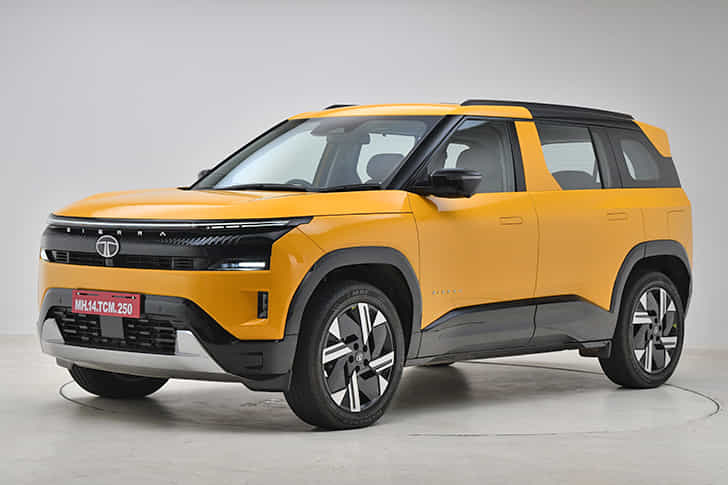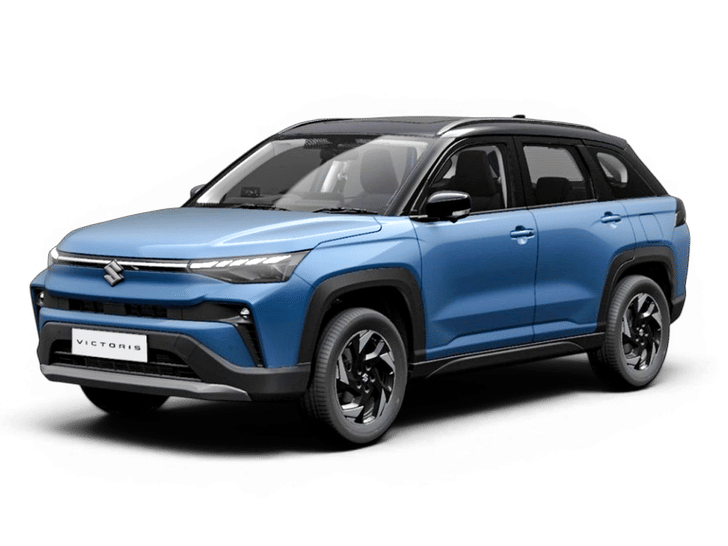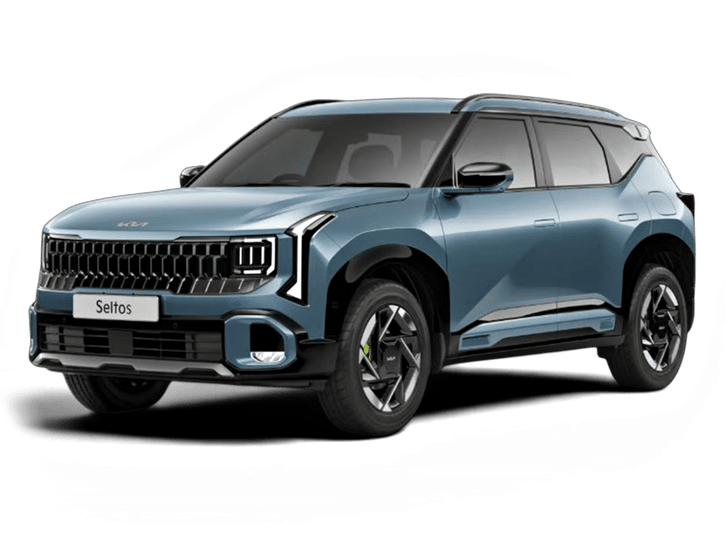
I’m a first-time car buyer with a ₹20 lakh budget. I was considering the Creta SX Manual, but after the Tata Sierra launch, I prefer its design and features. Since first-batch cars may have initial issues, I’m unsure whether to buy the Sierra now or choose the Creta. If waiting is better, should I buy a small car for 1- 2 years? For my usage (25 km city daily and 800 km highway trips every three months), which is better - the Tata Punch or the Hyundai Exter?

    Asked by: Nagarjuna

    The Hyundai Creta is a car you can't go wrong with, and if you're looking for a fill-it-and-forget-it type of car, it is the one to go for. 

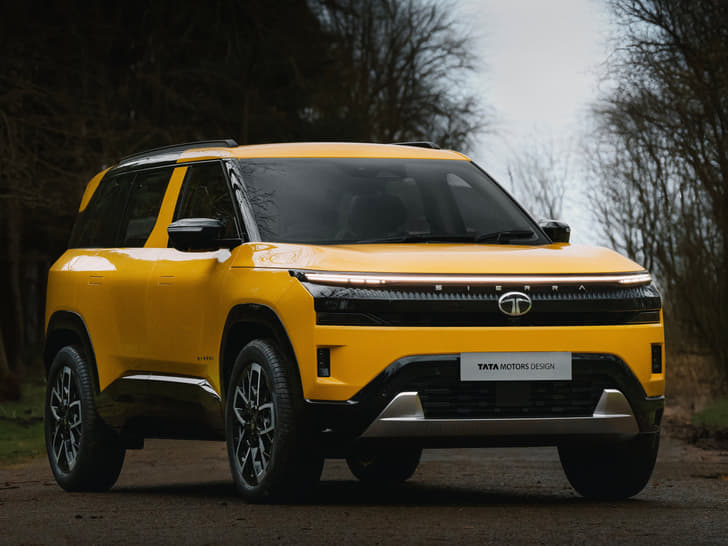
    The ownership experience with a Tata vehicle, on the other hand, can be a hit or a miss, and many users often complain that their new launches are riddled with niggles. However, the Tata Sierra is a very desirable offering, and since it is built at Tata's Sanand plant (known for its high quality standards), chances are that it is likely to be niggle-free from the start. So if your heart is set on the Sierra, go for it. 
    Answered by img img Autocar India Team img Dec 10, 2025
    Can’t decide which car to buy? Ask our experts and get answers to all your car related queries. Ask experts
    Help and Support

    Latest questions

    Asked by: Shashank I have a Skoda Octavia 2019 petrol, which clocked 43k in 6 years. The monthly run is less than 100km with some occasional highway trips. Considering the age of the vehicle and E20 norms, should I consider switching to any new car within the same budget of 30-35 lakh, or should I keep it running? I am afraid of any big expense that usually arises in German cars after 6-7 years. We’d recommend holding on to your Skoda Octavia. With just 43,000 km on the clock, it still has plenty of life left in it. The Octavia is one of those rare cars that’s hard to replace because there's simply nothing quite like it today. Even though it’s been discontinued, it remains the benchmark for premium sedans even today. It would have made sense to trade in your current Octavia for a new one, but Skoda’s plans to launch the new Octavia have been put on hold.Running a 2019 petrol Octavia on E20 fuel, you might eventually see some premature wear on fuel hoses and plastic components, but this is unlikely to happen for several years. Even if it does, the affected parts are generally easy to source and inexpensive to replace. The bigger worry is the possibility of other issues cropping up over time, which could be costlier to fix.However, since you use the car very little and it’s been running smoothly so far, fingers crossed, it will remain glitch free. We suggest you keep your Octavia and have many more miles of enjoyable motoring. It’s a car you’d likely regret selling, and as long as it keeps performing well, there’s no urgent need to switch.
    Dec 10, 2025
    Asked by: Nimish S For daily city driving of 80-100 km within Mumbai, will the Tata Sierra diesel auto be a better choice? I have heard that DPF causes regeneration issues if the new diesel cars are not driven on long highway trips in their highest gear. The car will be mainly driven in Mumbai traffic and will take around 1,000 km outstation trips once every 4-5 months. Please explain whether a diesel auto, a good combination for convenience and mileage, can be troublesome (DPF troubles) in city use. Thank you. If your daily round covers 80 to 100km, the Tata Sierra diesel automatic is the one that fits your brief best. The diesel’s far more efficient than the petrol for that sort of running, and Tata’s six-speed Aisin torque-converter auto is a well-matched companion for the 1.5-litre engine. It keeps the motor in its sweet spot without feeling strained, whether you’re crawling through traffic or cruising along the coastal road.There’s often a bit of anxiety around diesels and their particulate filters, but that’s largely a non-issue in your case. The DPF’s job is to trap soot from the exhaust and burn it off once the system gets hot enough — something that happens naturally when the engine is under load for a reasonable duration. Problems usually arise only when the car is constantly driven short distances and quits before it can complete this self-cleaning process.Since your daily commute is fairly long, the exhaust will reach optimum temperature often enough for regeneration to go through smoothly. Even within Mumbai, stretches like the Sea Link or a run-down to south Mumbai allow the DPF to do its passive cleaning without any driver input. So with your usage, the diesel auto won’t just be easy on fuel — it should also remain hassle-free in the long run.
    Dec 10, 2025
    View all questions
    Can’t decide which car to buy? Ask our experts and get answers to all your car related queries. Ask experts
    Help and Support