
Last Updated on: 23 Jun 2026
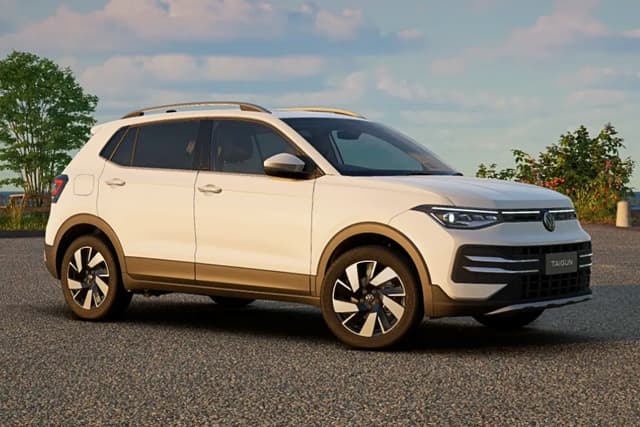
Volkswagen Taigun
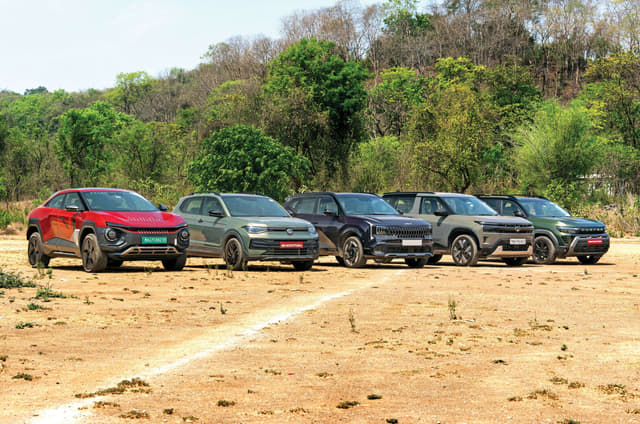
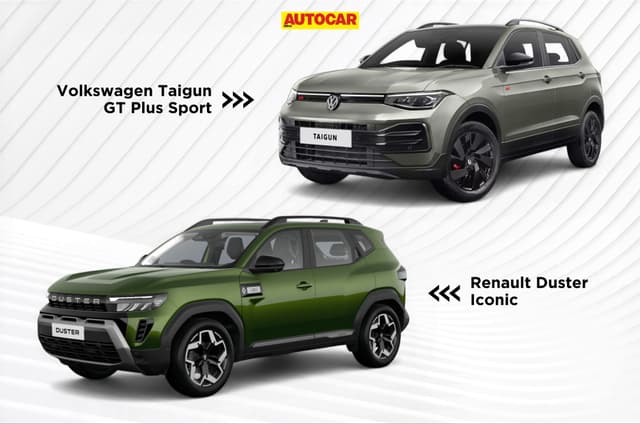
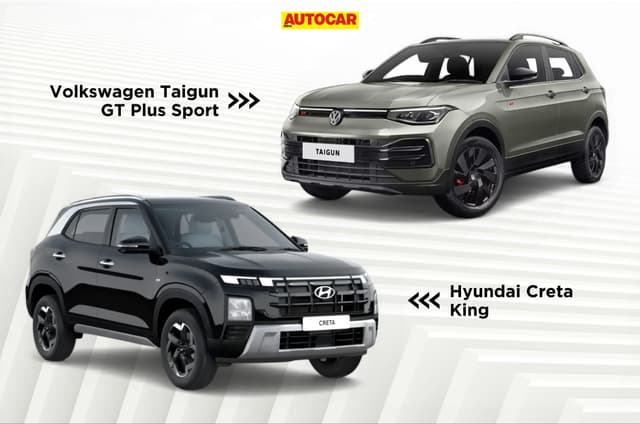
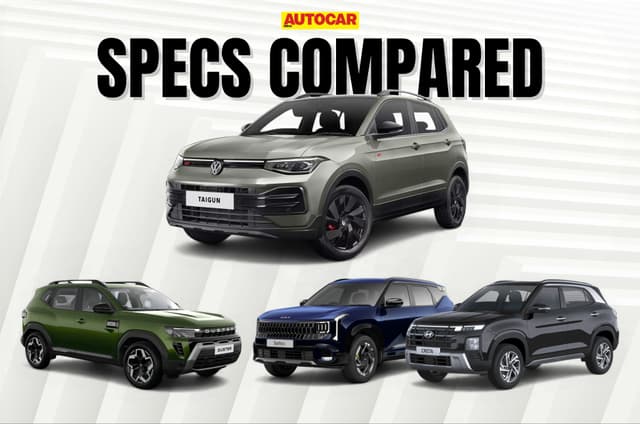
The Volkswagen Taigun price starts from Rs 11.00 lakh and goes upto Rs 19.30 lakh (ex-showroom). The Taigun is a midsize SUV sold by Volkswagen that competes with the Hyundai Creta, Kia Seltos, Skoda Kushaq, Maruti Suzuki Grand Vitara, Honda Elevate, Toyota Urban Cruiser Hyryder, Maruti Suzuki Victoris, Duster, Tata Sierra, MG Hector and more. VW Taigun on road price starts from Rs 13.02 lakh to Rs 22.74 lakh depending on the variant and city.
The Volkswagen Taigun variants on sale include 11 options spanning petrol engine options only. Volkswagen offers the Taigun with both manual and automatic gearboxes. The Volkswagen Taigun mileage stands at a claimed 18.85 kmpl - 19.98 kmpl as per ARAI testing.
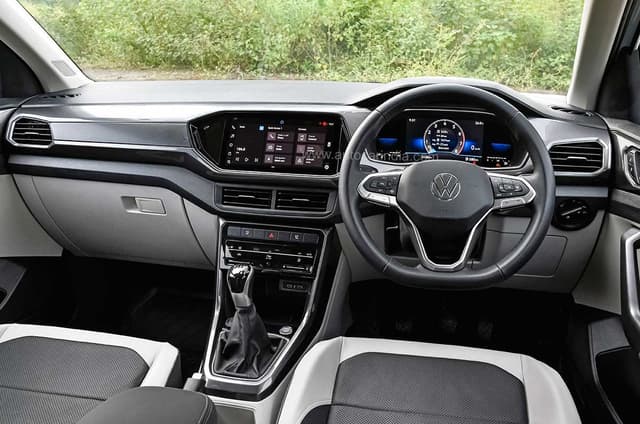
The Volkswagen Taigun interior gets a two-tone finish and a sizable number of creature comforts. Volkswagen Taigun features include 10.1-inch infotainment touchscreen, 8-inch digital instrument cluster, 6-speaker sound system, ventilated front seats, wireless Apple CarPlay and Android Auto, automatic climate control, powered front seats, sunroof, red ambient lighting, leatherette upholstery, and more.
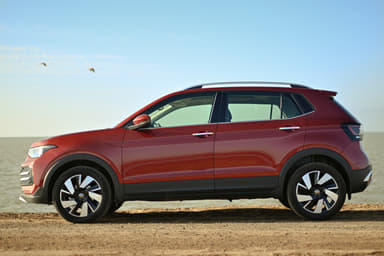
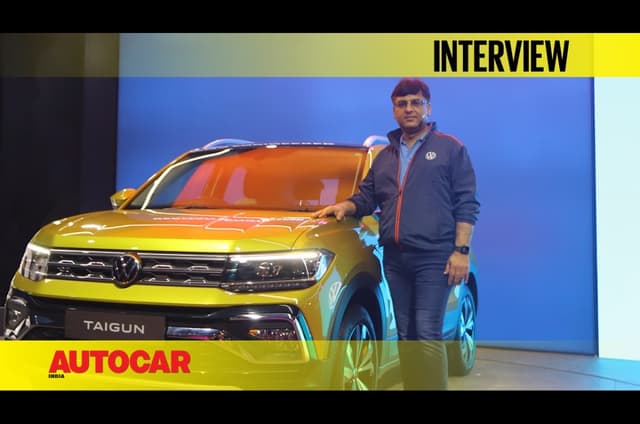
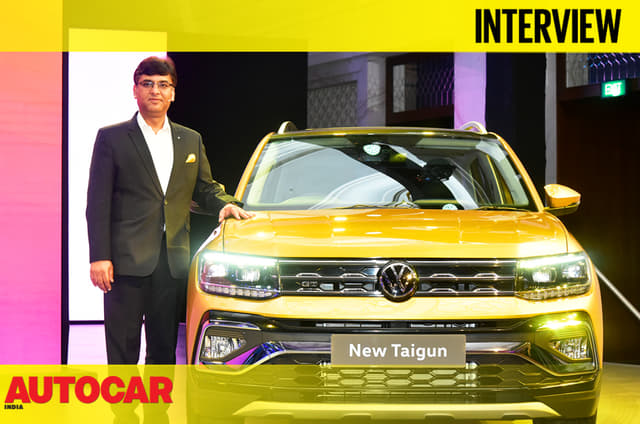
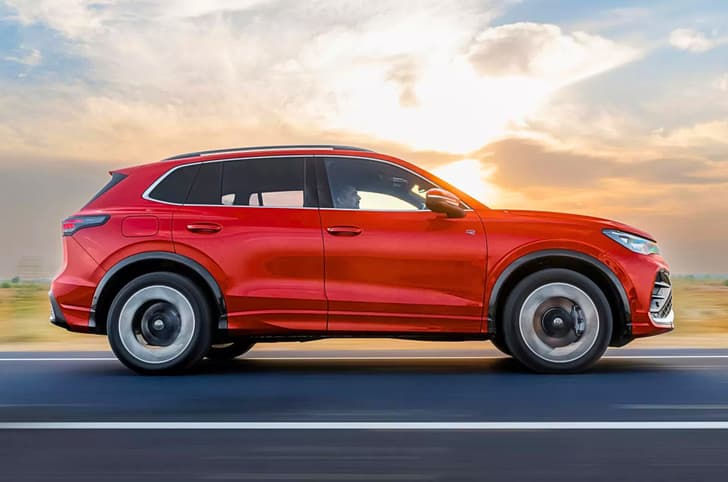
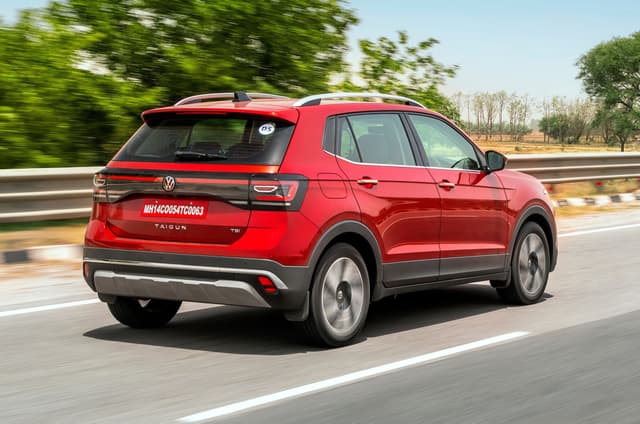
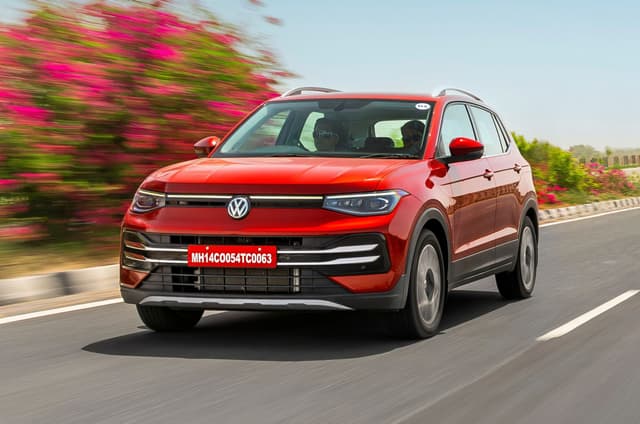
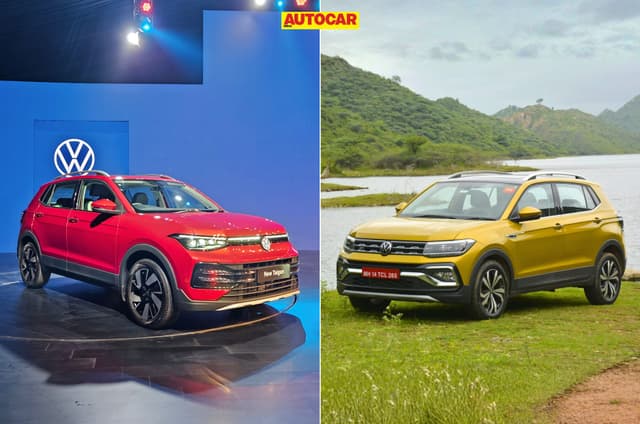
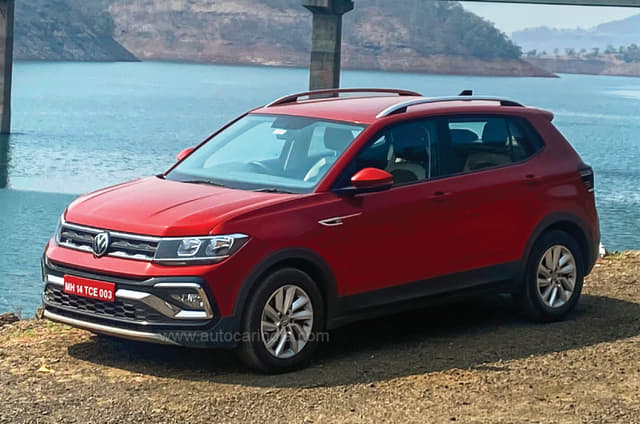
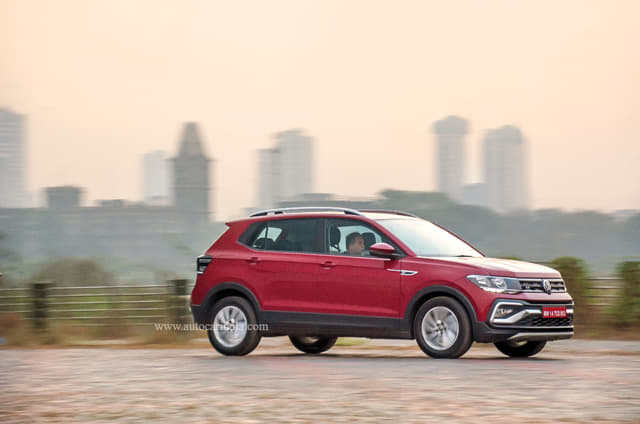
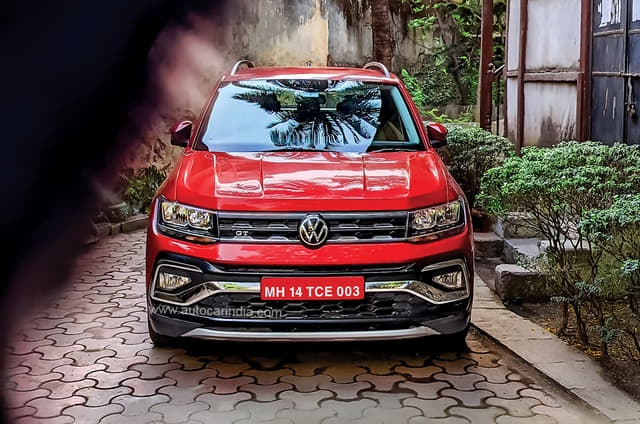
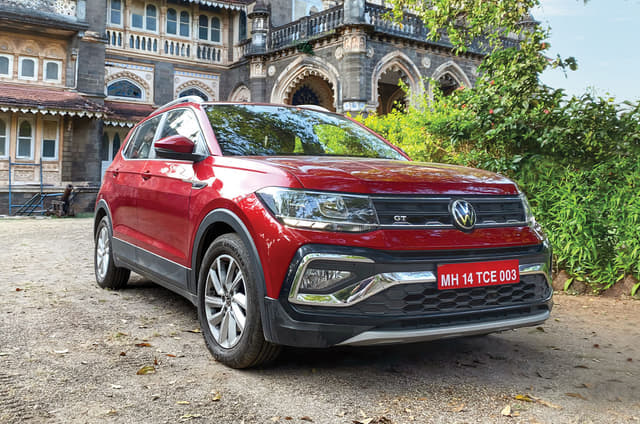
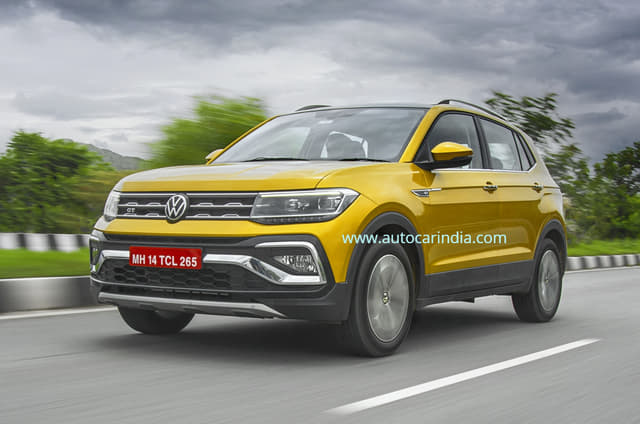
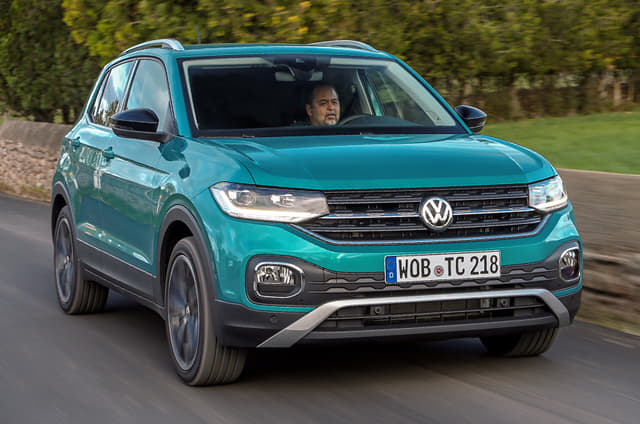
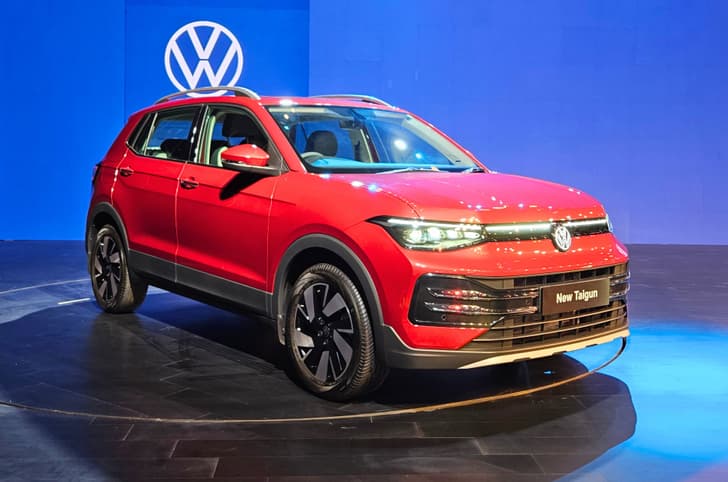
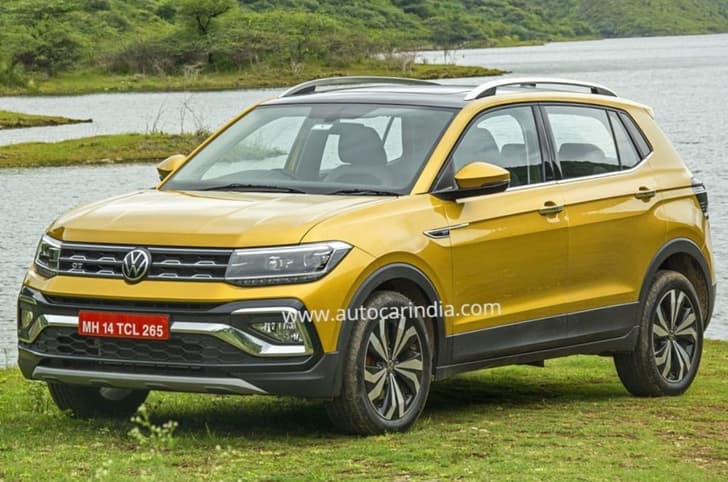
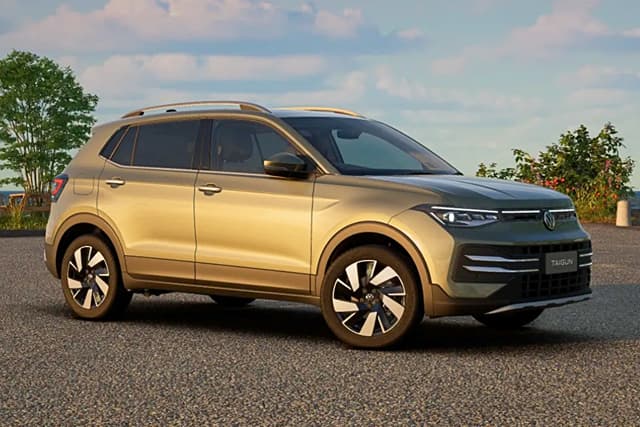
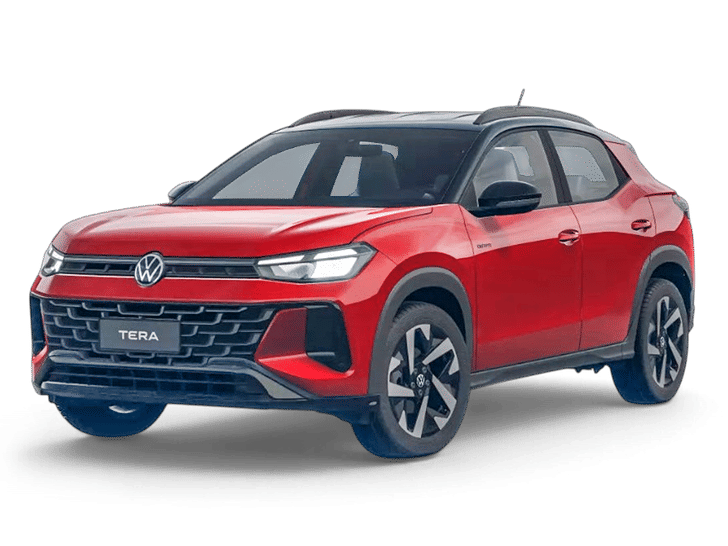
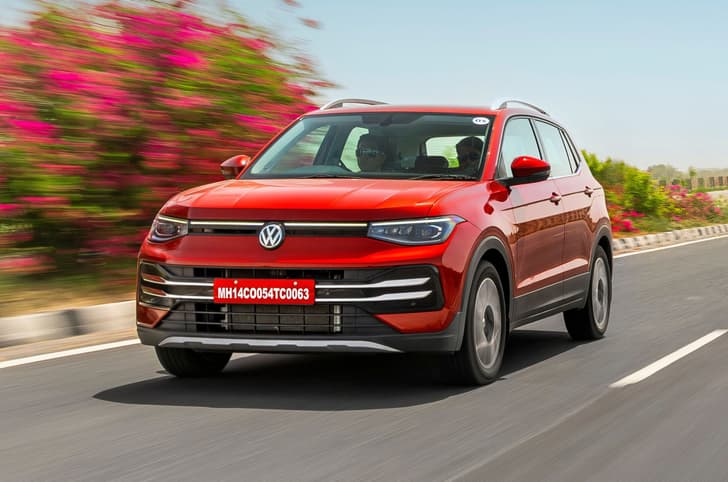
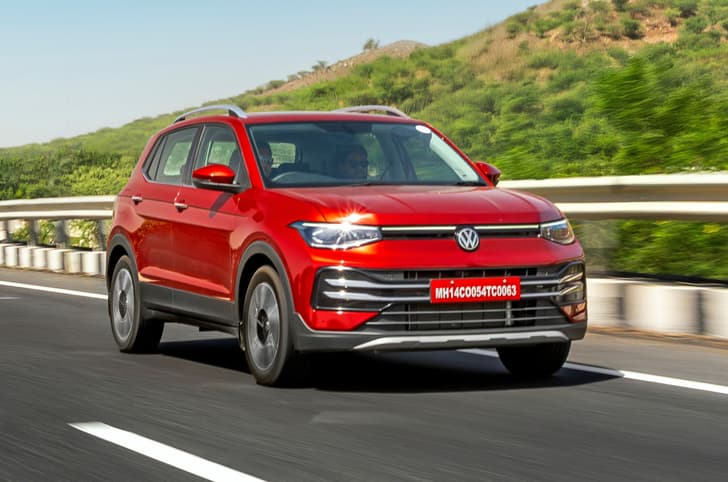
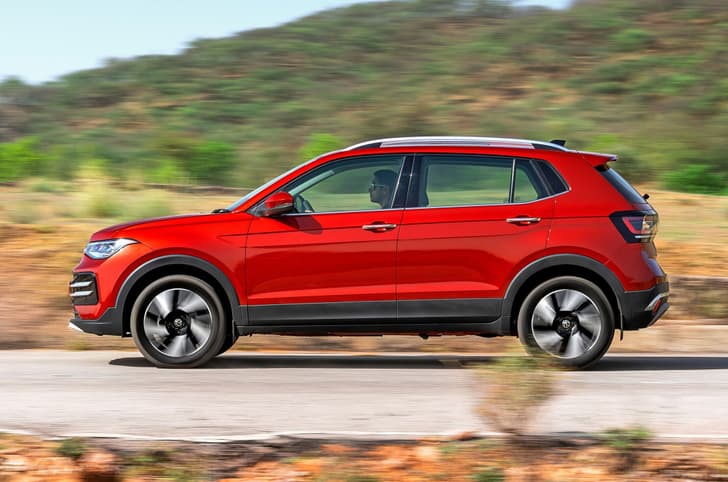
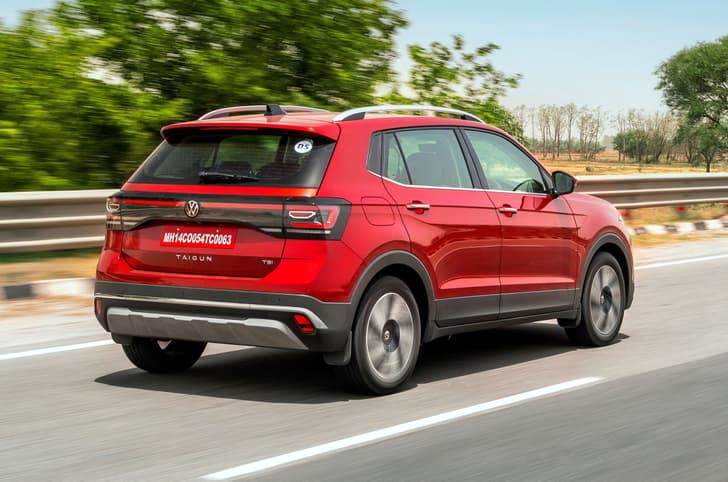
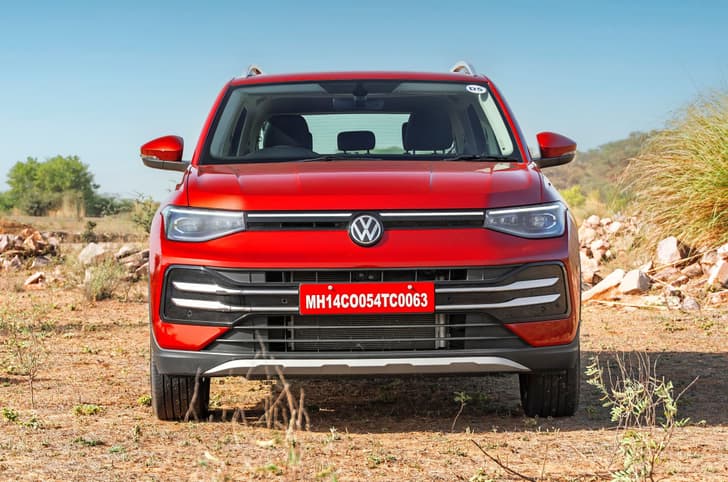
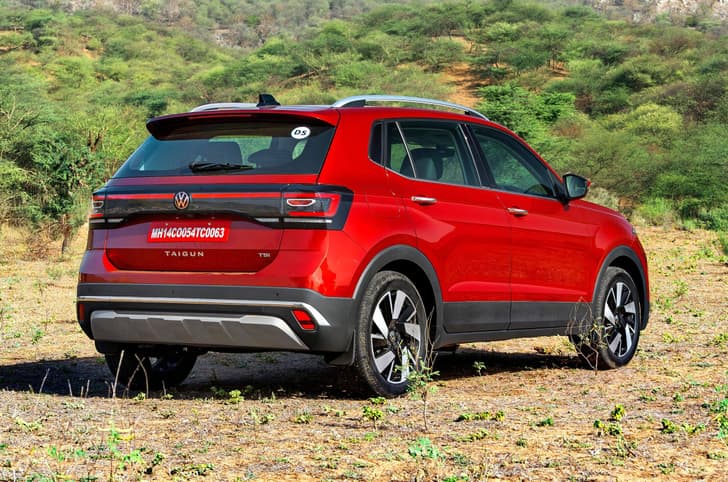
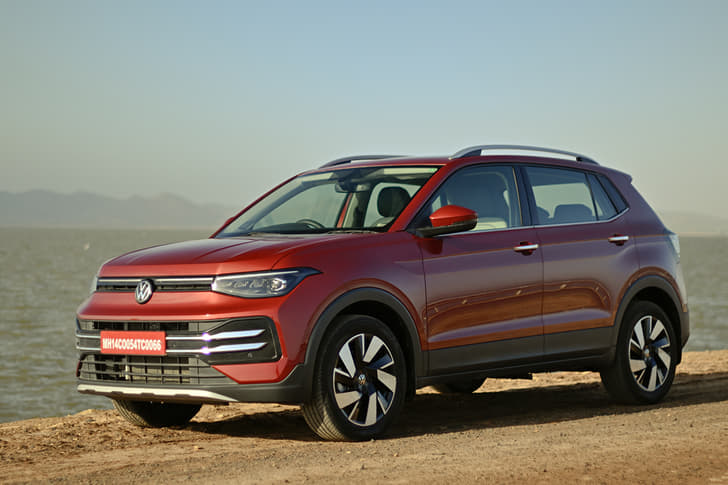
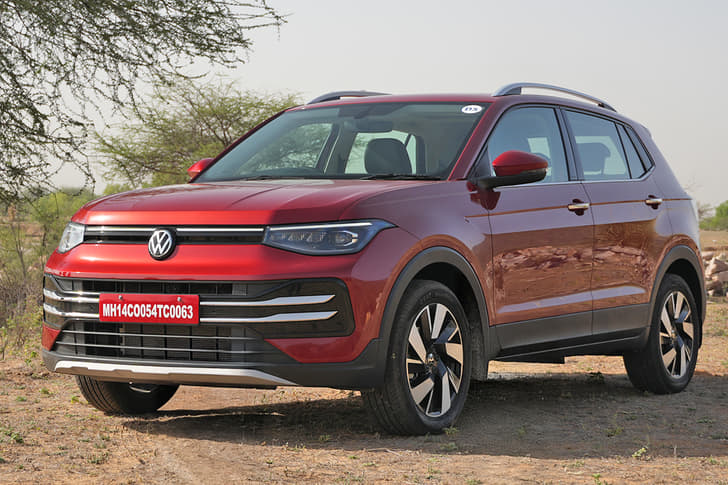
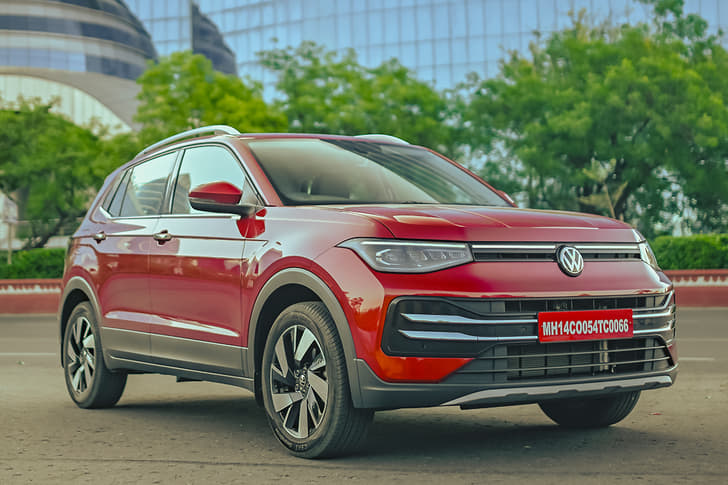
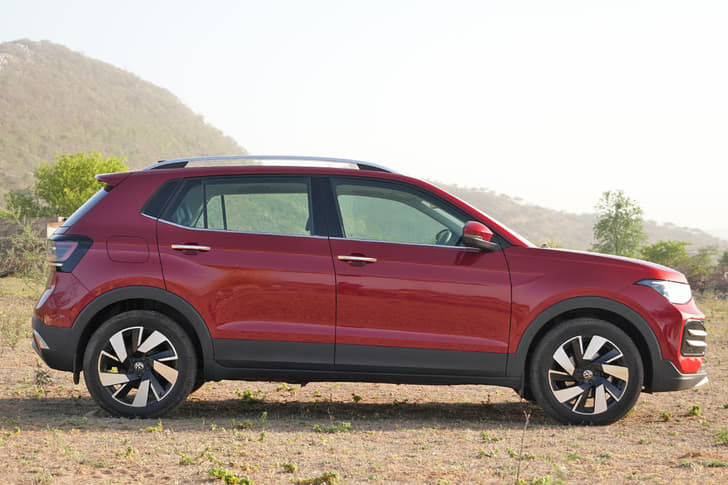
The VW Taigun looks modern and subtly aggressive thanks to design highlights like large LED headlights, muscular bumpers with lots of chrome detailing, rear LED light bar, generous body cladding, 17-inch alloy wheels, roof spoiler, etc. Volkswagen Taigun ground clearance is 188mm.
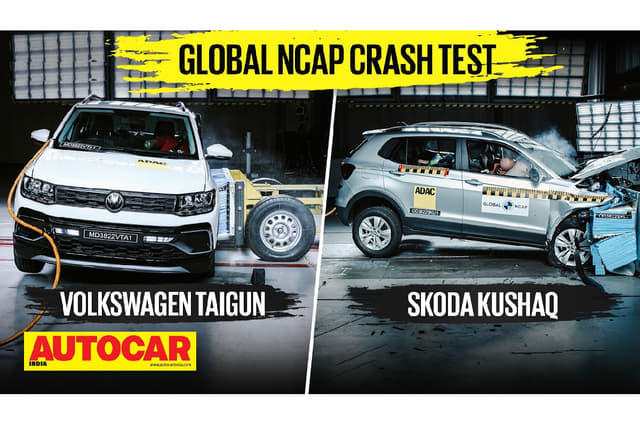
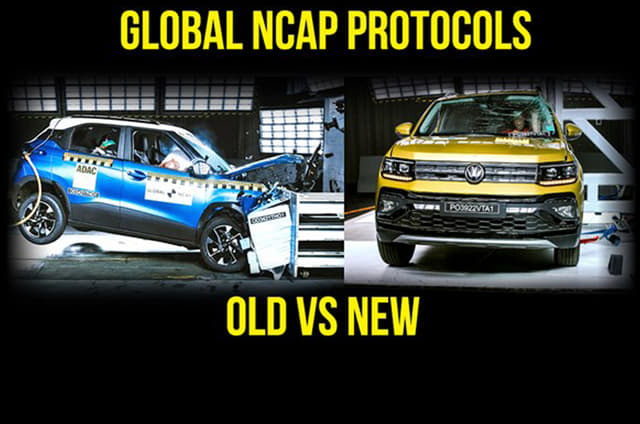
The Volkswagen Taigun safety rating is 5 stars as per Global NCAP testing. Additionally, the Taigun safety features include 6 airbags as standard, ABS with EBD, front disc brakes, traction control, ESC, ISOFIX child seat anchors, rear view camera, rear parking sensors, TPMS, hill hold control, and more.
Key Highlights of Volkswagen Taigun
- The VW Taigun price range is Rs 11.00 lakh to Rs 19.30 lakh (ex-showroom).
- Volkswagen Taigun top model price is Rs 19.30 lakh (ex-showroom).
- The Taigun is powered by 3 cylinder turbo-petrol and 4 cylinder turbo-petrol engines, both available with manual and automatic transmissions.
- The Volkswagen Taigun dimensions are 4,221mm length, 1,760mm width, 1,612mm height, and 2,651mm wheelbase.
- Volkswagen Taigun boot space is 385 litres.
- The Volkswagen Taigun mileage is 18.85 kmpl - 19.98 kmpl (claimed).
- Volkswagen Taigun interior features include a 10.1-inch infotainment touchscreen, 8-inch digital instrument cluster, 6-speaker sound system, wireless Apple CarPlay and Android Auto, automatic climate control, powered front seats, sunroof, etc.
- The Volkswagen Taigun ground clearance is 188mm.
Volkswagen Taigun Latest Updates
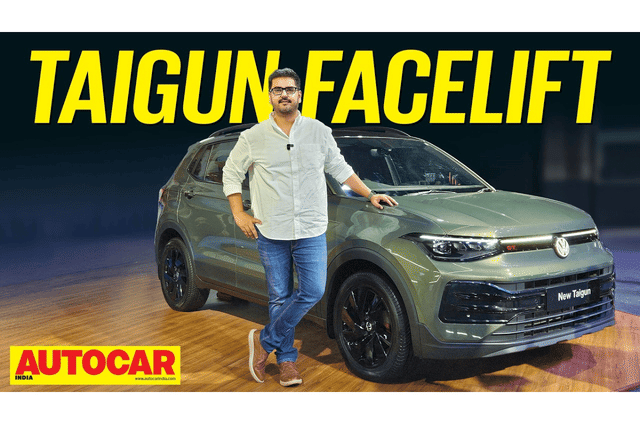
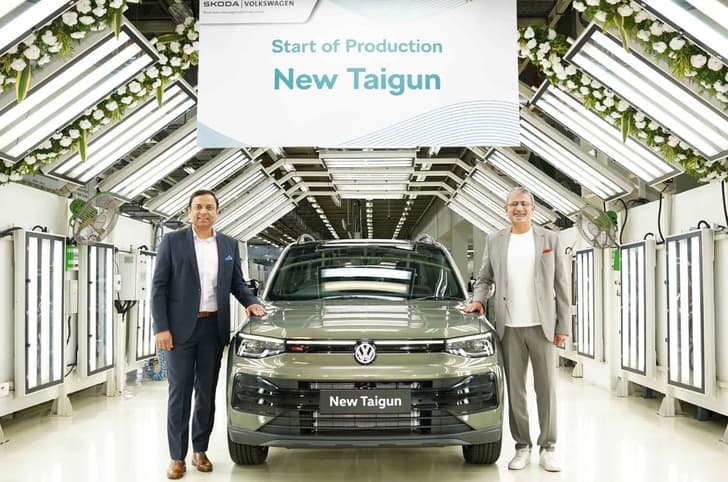
- 14 April 2026: 2026 Volkswagen Taigun facelift launched at Rs 11 lakh
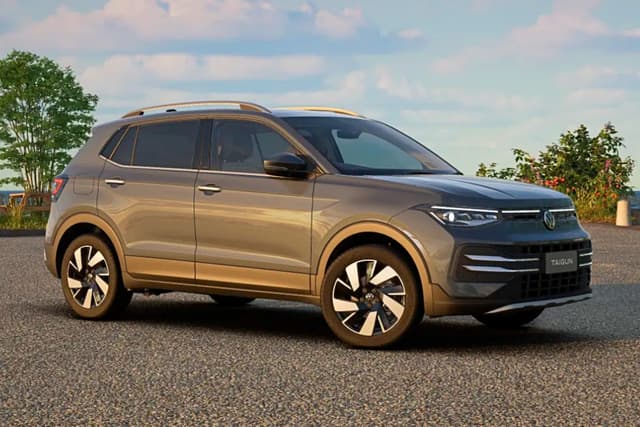
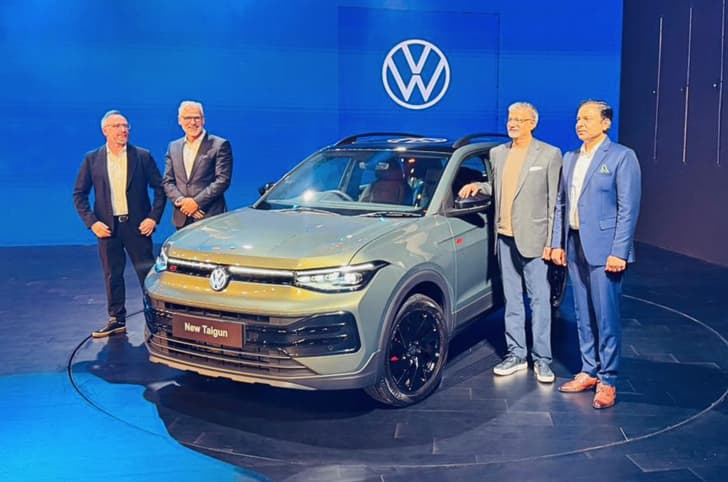
- 9 April 2026: Volkswagen pulls the covers off the Taigun facelift, gets updated styling with more features, like a panoramic sunroof and new 10.25-inch driver's display
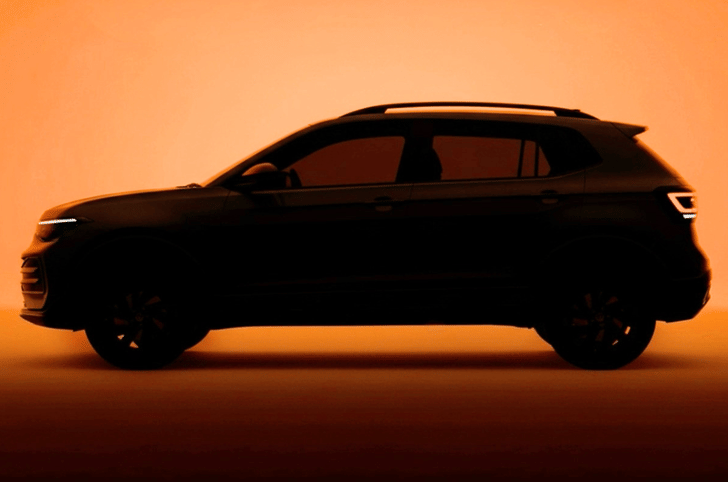
- 6 April 2026: Volkswagen teases Taigun facelift ahead of April 9 launch; first official teaser of the midsize SUV hints at redesigned lights and front bumper
- 26 March 2026: Volkswagen Taigun facelift to debut on April 9
Volkswagen Taigun Features and specifications
Our Rating | 7 |
Mileage | 18.85 kmpl - 19.98 kmpl |
Engine | 999 cc - 1498 cc |
Fuel Type | Petrol |
Transmission | Manual, Torque Converter, DCT |
Seats | 5 |
Body Style | SUV |
Doors | 5 |
Max Power | 150 hp at 5000 - 6000 rpm |
Max Torque | 250 Nm at 1600 - 3500 rpm |
| Engine Displacement | 1498 cc |
| Engine Installation | Front |
| Fuel Type/ Propulsion | Petrol |
| Number of Cylinders | 4 |
| Official Fuel Economy | 18.85 kmpl |
| Emission Standard | Bharat Stage VI |
| Fuel Supply System | Direct Injection |
| Rear Brakes | Disc |
| Front Brakes | Disc |
| Turning Radius | 5.05 |
| Type of Power Assist | Electric |
| Height | 1612 mm |
| Kerb Weight | 1320 kg |
| Length | 4221 mm |
| Width | 1760 mm |
| warranty Distance | 100000 |
| warranty Duration | 4 Years |
| Ambient Lighting | |
| Bluetooth Connectivity | |
| Bottle Holder in Doors | |
| Climate Control | 1-zone |
| Rear Washer/Wiper | |
| Rear Defogger | |
| Anti-Lock Brakes (ABS) | |
| Tyre Pressure Monitoring System | Warning Only |
| ORVM turn indicators | |
| Antenna | Shark Fin |
| Roof Rails | Functional |
| Headlight Type | LED |
| Driver's Seat Height Adjust | |
| Electric Adjust for Driver's Seat | |
| Electric Adjust for Front Passenger's Seat | |
| Seat Count | 5 |
| Speakers | 6 |
| Voice Commands | |
| Display | 10.09-inch Touchscreen |
| Android Auto | Wireless |
| Vehicle Tracking Via App | |
| SOS Button | |
| Geo Fence | |
| Driving Analytics |
Volkswagen Taigun price & variants
The Taigun price starts from Rs 11.00 lakh to Rs 19.30 lakh (ex-showroom). Volkswagen sells the Taigun in 11 variants. The Volkswagen Taigun on road price starts at Rs 13.02 lakh to Rs 22.74 lakh.
- Volkswagen Taigun base model is powered by a 1.0-litre 3-cylinder turbo-petrol engine developing 115hp and 178Nm, mated to either a 6-speed manual or 6-speed AT.
- The Volkswagen Taigun GT price starts at Rs 17 lakh (ex-showroom). Taigun GT variants are powered by a stronger 1.5-litre 4-cylinder turbo-petrol engine producing 150hp and 250Nm, paired with either a 6-speed manual or 7-speed DCT.
Volkswagen Taigun Official Brochure
Download the complete brochure with specs, features, and variants.
Volkswagen Taigun expert review
We like
Rock-solid highway stability
Smooth-shifting 8-speed automatic
We don't like
Low speed ride feels harsh
Misses 360-deg camera, ADAS, rear sunblinds
8.0
Under the hood is the familiar 115hp/178Nm 1.0-litre, three-cylinder direct injection turbo-petrol engine, now paired with a new 8-speed torque converter automatic (AQ300), replacing the earlier 6-speed unit.
This new gearbox shifts ratios seamlessly and very smoothly. And compared to the outgoing 6-speed auto version, its creep function (initial roll-on) is much more natural, though it still feels slightly eager than some of its rivals with CVT and DCT, particularly in reverse.
Just like the mechanically identical Kushaq with the same powertrain, acceleration feels a bit quicker than the outgoing 6-speed automatic version. This new gearbox complements the 1.0-litre TSI well, and the closely stacked ratios keep the engine in its powerband. While gearshifts are seamless, you’ll notice the gearbox going up or down ratios too frequently - even light throttle inputs can trigger multiple downshifts quickly. Paddle shifters are carried over for manual control.
6.0
Volkswagen claims that the 1.0L 8AT version can deliver up to 19.54kpl. However, a real-world highway run from Jaipur to Chandigarh covering 448.8km, with two occupants, luggage, and the AC set to 22-deg C in full-auto mode, yielded a fuel efficiency of 13.94kpl. The car consumed 32.19 litres of fuel, with an average speed of 68kph.
This gearbox’s enthusiastic nature as well as its shorter gearing seems to have impacted its fuel efficiency. To put it into perspective, at 100kph in eighth gear, the engine spins at around 2,000rpm, which is higher than ideal for an eight-speeder.
8.0
The Taigun continues to be among the most engaging SUVs to drive in its segment. Its taut chassis delivers predictable handling, and high-speed stability is excellent—it feels planted and reassuring at triple-digit speeds.
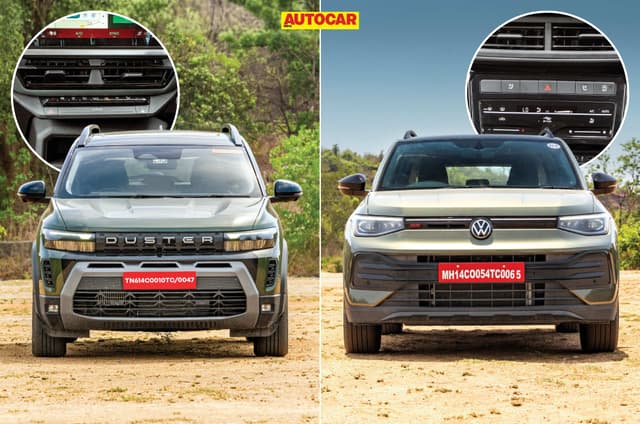
That said, the suspension is on the stiffer side and can feel jarring over sharp bumps at low speeds, especially compared to rivals like the Renault Duster or the Tata Sierra. The steering is light and direct, making city driving easy, though it could do with more weight at higher speeds.
Interestingly, the 1.5-litre version now gets rear-disc brakes, while the 1.0-litre variant continues with rear drum brakes. Despite that braking performance remains strong and confidence-inspiring.
7.0
Design changes are largely focused on the front, with a slimmer grille, sleeker LED headlamps and a full-width light bar with an illuminated VW logo, similar to the Volkswagen Tayron. There’s a redesigned bumper with chrome detailing, new 17-inch alloy wheels, and minor updates at the rear including revised tail-lamp elements and sweeping indicators.
The 188mm ground clearance remains unchanged as are its other dimensions, making it one of the smallest SUVs in its class.
7.0
Inside, the dashboard gets a new silver trim, which goes well with the black and light grey interior colour scheme. On a bright and sunny day however, it reflects on the (passenger-side) window which can get a bit distracting. VW has also upgraded the air-conditioning system with a variable displacement compressor that cools the cabin more efficiently and operates at a lower fan speed than before.
Like before, the front seats are well-shaped, supportive, and their ventilation function is effective despite having just two fan speeds. Rear seat space is adequate, with decent headroom thanks to a scooped roof. The seat contouring and the cabin’s width however, makes this space best suited for two adults. The 385-litre boot, while modest on paper, is highly usable and can accommodate up to six cabin-sized suitcases, even more than some rivals with a larger boot capacity rating.
6.0
It gets a new 10.25-inch digital instrument cluster, which besides multiple views, has fonts that are crisp, clear and very easy to read. And while the touchscreen remains the same as the outgoing version, the software has been updated - the interface remains slick and the touch sensitivity is very nice. What isn’t nice however is that certain functions, for example adjusting the volume is a three-step operation, which is not very user-friendly.
Also, VW could have also taken this opportunity to upgrade its reverse camera; the resolution still remains very quite poor. And while the company has introduced front parking sensors with this version, a 360-degree camera is still missing.
A panoramic sunroof is a new addition too. Unlike its Skoda sibling, this version doesn’t get a rear seat massage function - while that isn’t something most buyers are likely to miss, kit like a 360-degree camera, rear sunblinds and ADAS are features that would bring the Taigun at par with the competition.
6.0
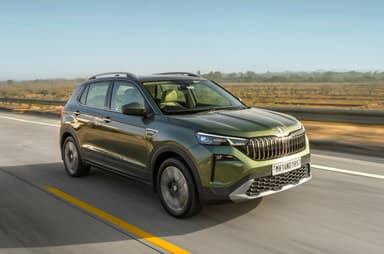
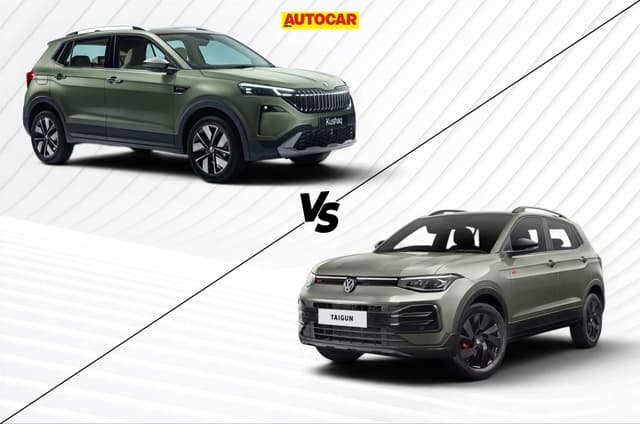
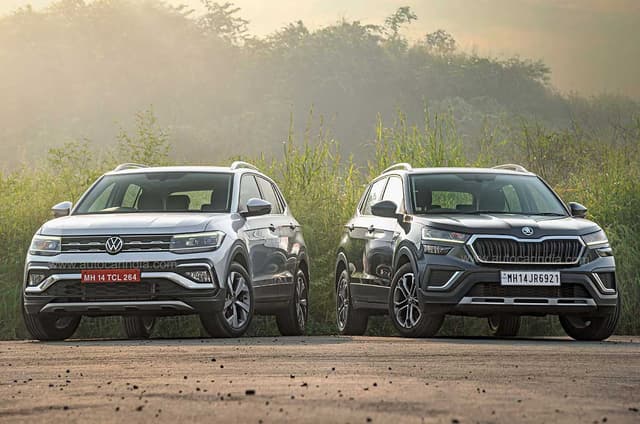
Priced at Rs 11 lakh to 19.30 lakh, the Taigun is positioned higher than the mechanically identical Skoda Kushaq (Rs 10.69 lakh to 18.99 lakh). However, not only is the Skoda more affordable, but it also gets more standard equipment such as a single-pane sunroof and alloys, making it better value for money.
To conclude then, despite the updated styling, added features and a new gearbox, the 2026 Taigun has only inched forward. Unfortunately though, this update isn’t substantial enough to keep pace with the rapidly advancing competition - rivals are far more rounded in comparison.
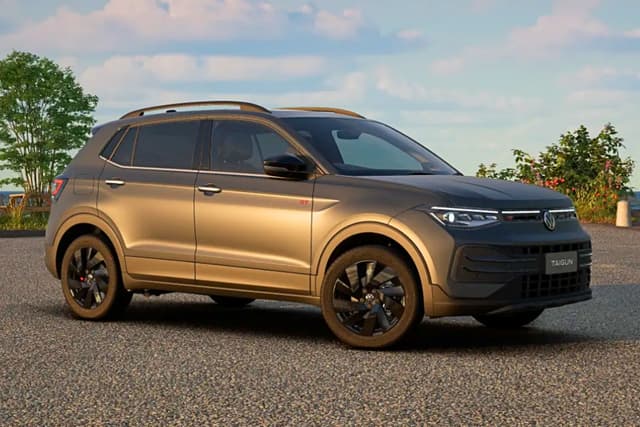
In summary, the Taigun is still the driver’s choice in this segment, and if driving pleasure is your top priority, then and only then, the Taigun makes a strong case.
Reviewed by: Saumil Shah
Volkswagen Taigun reviews

Volkswagen Taigun comparison


Volkswagen Taigun mileage
The Volkswagen Taigun mileage ranges between 18.85 kmpl - 19.98 kmpl (claimed). These Volkswagen Taigun mileage figures are based on ARAI testing.
| PowertrainThe combination of engine type, fuel, and transmission that powers your vehicle and determines how it drives and what it runs on. | ARAI MileageMileage certified by the government, tested under controlled lab conditions. Real-world mileage will vary. | Autocar Tested MileageAutocar's experts test each vehicle on fixed city and highway routes under standardised conditions - single occupant, AC running, manufacturer-recommended tyre pressures. Tanks are filled to the brim before and after each run to calculate efficiency. Results reflect realistic real-world usage. |
|---|---|---|
Petrol-Manual 999 cc | 19.98 kmpl | - |
Petrol-Automatic (Torque Converter) 999 cc | 19.54 kmpl | 10.45 kmpl |
Petrol-Automatic (DCT) 1498 cc | 18.85 kmpl | - |
Volkswagen Taigun news
Volkswagen Taigun Images
Check out the Volkswagen Taigun images in our gallery, which highlight the SUV’s sophisticated exterior styling, well-built interior, and sizable feature list.
Volkswagen Taigun videos
Video reviews of Volkswagen Taigun cover its ride comfort, handling, performance and fuel efficiency of the petrol powertrains, refinement and NVH levels, seating capacity, boot space, and safety features.


Volkswagen Taigun Colours
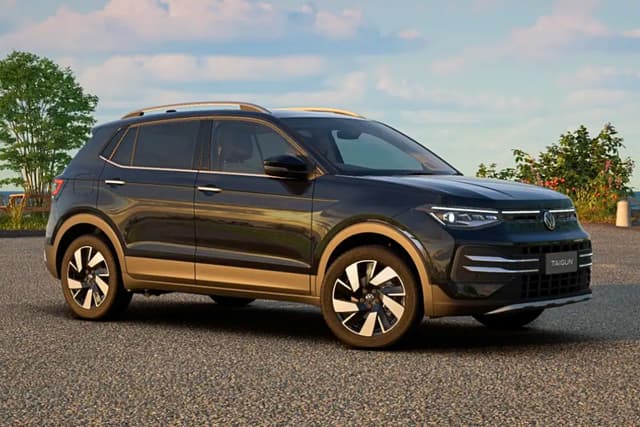
The Volkswagen Taigun colours span 9 options. Volkswagen Taigun interior is available with multiple two-tone options.
Volkswagen Taigun FAQs
The ARAI tested mileage for the Volkswagen Taigun is 19.87 km/l for the 1.0L manual, 18.15 km/l for the 1.0L automatic, 18.61 km/l for the 1.5L manual, and 19.01 km/l for the 1.5L DSG.
The Volkswagen Taigun is offered with two petrol engines, the 1.0-litre TSI and 1.5-litre TSI.
The Volkswagen Taigun has 15 variants on sale in India.
The GNCAP 5-star rated Volkswagen Taigun has 6 airbags, ABS, ESC, hill hold control, multi-collision brakes, ISOFIX child seat mounts, tyre pressure monitoring system, and many more safety features.
The Volkswagen Taigun dimensions are 4,221mm length, 1,760mm width, 1,612mm height, and 2,651mm wheelbase.
Yes, the Volkswagen Taigun is offered with a single-pane sunroof in higher variants.
The Volkswagen Taigun price starts at Rs 11.00 lakh (ex-showroom).
The Volkswagen Taigun mileage is 18.85 kmpl - 19.98 kmpl as per ARAI testing.
The Volkswagen Taigun boot space is 385 litres.
The Volkswagen Taigun ground clearance is 188mm.
Yes, the Volkswagen Taigun is available with either a 6-speed AT or 7-speed DCT.
No, the Volkswagen Taigun is sold with petrol engines only.
Questions you may find useful
Hi, I am currently using a Ford Figo 1.2 petrol, 2019. I love the car, but I am looking to upgrade as Ford has left India, and I may have issues selling it after a couple of years. Q1. Should I go ahead and sell the car, or can I keep it for a couple of years? Q2. The car has been driven around 65k, and I have been offered 2.75 lakhs. I think it's a good value, thoughts? Right now, my running in the city is approx 500-600 kms per month. I mostly use a car for my office commute, and I don’t have a bike as of now. And yearly, out of the city running of around 2000 kms per year. Please, my city running may increase in future if I change my house location or office. I am very much confused about EV and petrol cars. In EVs, I was considering the Nexon EV. In petrol I was considering, Honda Elevate, VW Taigun 2025 (1.0 and 1.5), as I am getting some deals on them, Skoda Kylaq ( budget option with the same engine). As I am coming in a Ford Figo, I am looking for something which feels great to drive. Please suggest the correct car option. Reiterating question- Q1. Should I go ahead and sell the Ford Figo, or can I keep it for a couple of years? Q2. Ford Figo has been driven around 65k, and I have been offered 2.75 lakhs. I think it's a good value, thoughts? Q3. Will EV be the correct option for me? ( looking at my running) Q4. Or should I go ahead with petrol cars? (This E20/E30 discussion has created so much confusion) Q5. If I were to choose a petrol car, which option would be great for me? Thanks!
You don’t have to sell the Figo yet. If it’s healthy, keep it 1-2 years more; parts and service are still fine, and depreciation from here is slow. The Rs. 2.75 lakh offer is fair for a 2019 petrol at 65k km. Try direct sale or multiple portals and aim closer to Rs. 3 lakh-plus if the car is clean.Pick the VW Taigun 1.5 if you upgrade now, because it’s the only one on your list that truly feels like a step up from your Figo for daily drives and relaxed highway runs. The 1.5 is punchy, and the steering and body control make city and highway drives enjoyable. One honest catch: the automatic can feel a bit hesitant in crawl; the manual is more fun if you don’t mind a clutch. The Honda Elevate is nice, but it isn't as enjoyable as the VW/Skoda SUVs.With 500-600 km a month in the city and about 2,000km a year out of town, an EV like the Nexon EV won’t pay back quickly unless you have cheap home charging and your running shoots up.Go petrol. Don’t stress about E20/E30 - the VW-Skoda 1.0/1.5 are E20-ready, and should not pose issues if and when E30 is rolled out.
I currently own a Hyundai Verna (2019, manual transmission). My wife would prefer an automatic vehicle, and it will be her first car. I am also planning to upgrade to a luxury vehicle in the future. However, instead of purchasing two vehicles immediately, I am considering buying one car for my wife first, allowing her to get comfortable with it for about a year, and then purchasing another vehicle later. My plan is to sell the Verna, buy a new car for her, and share the same vehicle for some time. I am considering Volkswagen Taigun, Toyota Urban Cruiser Hyryder, Renault Duster, Kia Seltos and Kia Sonet. Among these, I am looking at the automatic variants. My budget is up to Rs. 20 lakh, although I can stretch it to Rs. 25 lakh if the car is particularly compelling. The primary use case will be daily office commutes of around 8-15 km, including dropping off my son on the way, so ISOFIX child-seat mounts are essential. We also take occasional highway trips, typically once every three months. Considering these requirements, which option would you recommend?
The Kia Seltos 1.5 Petrol IVT would be the recommendation here. Since this will be your wife's first automatic car and you'll both be sharing it for some time, ease of driving should be a key consideration. The Seltos' naturally aspirated petrol engine and IVT automatic combination is exceptionally smooth in city traffic, making it very beginner-friendly. It is also spacious, comfortable on long drives, comes with ISOFIX mounts and feels premium enough that you won't feel the need to upgrade immediately.The Toyota Urban Cruiser Hyryder Mild Hybrid Automatic is another strong option. Its naturally aspirated petrol engine and torque-converter automatic are smooth and dependable, while Toyota's ownership experience is among the best in the business. However, it doesn't feel quite as premium or feature-rich as the Seltos.The Renault Duster Turbo DCT is appealing if you enjoy driving. It offers strong performance, a solid feel and excellent road manners. However, the DCT transmission is not as smooth in stop-start city traffic as the Seltos' IVT, which is an important consideration for a first-time automatic driver. It is also likely to be less fuel efficient than the Seltos in everyday use.The Volkswagen Taigun remains a great driver's car, but for your specific use case, the Seltos is the more rounded family package. The Sonet is a good SUV, but it feels a size smaller than the others on your shortlist.
I’m looking for a compact SUV for India. My main consideration is great driving dynamics and power. I’m looking for a petrol variant and an automatic transmission. I’ll be using it mainly on long road trips and broken road explorations. Our dream is to do all India / global trips. In about 2 years, there’s a chance we’ll travel with four people (including me) more regularly, so I don’t want the car to struggle then. I don’t need features like ADAS, and I’ll want to upgrade the sound system and camera after purchase. While I’m leaning towards Renault, Skoda, and Volkswagen, could you give me 4-5 options and the best variant? My budget on road is 23-24 lakhs max.
Pick the Skoda Kushaq 1.5 TSI DSG, in either Prestige or Monte Carlo. It’s the most fun-to-drive in your budget, with strong mid‑range power for four-up highway climbs, and a suspension that rides well on broken roads without feeling floaty. It stays stable at speed, and the steering feels natural on long drives. One honest caveat: the 7‑speed dual‑clutch can feel a bit jerky in stop‑go traffic, but your use is mostly highways, so it suits you fine.Close second is the Volkswagen Taigun 1.5 TSI DSG. Same punchy engine and gearbox, and equally enjoyable on twisty hill roads. Between the two, buy the one that gets you the better deal or closer service centres in your city.From Renault, the new Duster turbo‑petrol DCT is a solid choice too. It’s also great on rough roads and enjoyable in the twisties with enough performance for quick highways. Its DCT uses a wet clutch compared to the dry clutch from VW/Skoda, which means shifts are smoother in the city. Wet clutch transmissions are also generally more robust than dry clutch units.Alternatively, consider the Kia Seltos 1.5 turbo-petrol DCT. It has a roomier cabin, which will be important when you are travelling four up. It isn't quite as sharp as the above competitors, but it is enjoyable with plenty of performance.If you are going to be travelling to remote locations, service availability can be scarce. If that is a concern, then include the Maruti Victoris or the Grand Vitara 1.5 petrol. They can also be had with AWD, which can be very useful on rough roads and in icy conditions.
I am selling my Ford Figo diesel and planning to buy a new car. I drive around 400-500km in the city every month and do an occasional 1,200km highway trip once every three months. Should I buy the new Kushaq 1.5 or the Slavia 1.5? Are there any other recommendations?
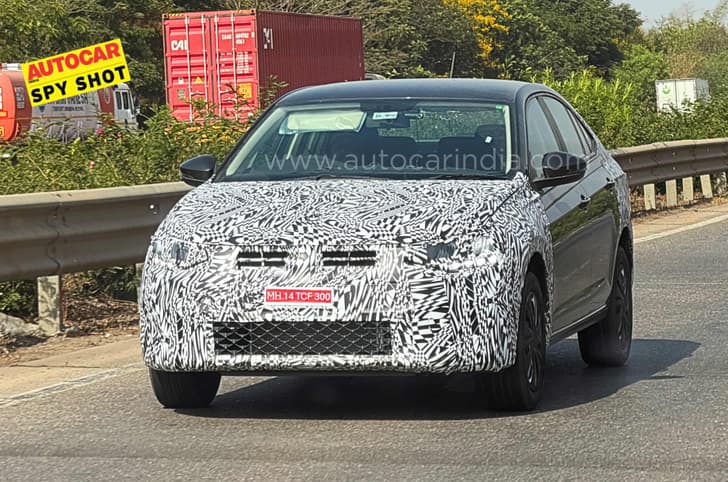
Both are good choices, but if you don't often carry tall items in the boot, the Skoda Slavia is the better fit for your needs. Your quarterly 1200 km highway runs will feel easier in the sedan - it is more stable at speed, quieter, and its big boot still swallows a lot of luggage. With your 400-500 km a month in the city, the 1.5 TSI’s strong mid-range and light controls keep it easy, and the sedan’s lower shape gives slightly better mileage than the Kushaq on the open road.The downside is that you sit lower. The Kushaq’s extra height gives you a better view out, and it is easier to get in and out of. Ground clearance is slightly better, too, but the Slavia isn't exactly lacking. If you want the same mechanics with Volkswagen flavour, look at the Virtus 1.5 or the Taigun1.5.It's worth noting that the Slavia and Virtus are due for a facelift, which will arrive sometime this year. It will bring a revised front and rear design and a few new features, similar to what the Kushaq/Taigun got recently. If that doesn't matter to you, there may be better deals to be had on the current Slavia.
Hi experts, I am planning to upgrade from my Maruti Suzuki Wagon R to a midsize SUV. My budget is Rs. 18 lakh. My usage will be primarily on highways, with very limited city driving. My priorities are safety, comfort, fuel efficiency and maintenance costs. Based on these requirements, could you please share your recommendations?
The Skoda Kushaq or Volkswagen Taigun 1.0 TSI Automatic would be the top recommendations here.Since your usage is predominantly on highways, the strengths of these two SUVs align very well with your requirements. Both feel stable and confidence-inspiring at higher speeds, offer comfortable ride quality and have strong safety credentials. Their turbo-petrol engines deliver a good balance of performance and fuel efficiency, while the new 8-speed automatic transmission should further improve efficiency and drivability. They also represent a substantial upgrade over the Wagon R in terms of refinement, comfort and long-distance cruising ability.Another strong option is the Honda Elevate CVT. It may not feel as sporty or engaging to drive as the Skoda and Volkswagen twins, but it excels in comfort, reliability and ease of ownership. The naturally aspirated petrol engine is smooth and proven, while maintenance costs are likely to be among the lowest in the segment.
I’m buying my first car and would appreciate your recommendations. Usage: Mostly self-driven, usually with 1-4 occupants, with occasional trips carrying 5 people. Around 70% city driving in Mumbai, with the rest being highway and weekend trips. Priorities: fun-to-drive and engaging, reliable and easy to own, strong safety, comfortable seats for a 6-foot driver, effective AC for Mumbai weather, good city ride quality, and decent factory audio system. I’m not looking for the most feature-packed car. I would prefer a well-engineered, enjoyable, safe, and comfortable car with a good long-term ownership experience. My budget is below Rs 15 lakh.
Pick the Volkswagen Taigun or its sister car, the Skoda Kushaq. They are fun-to-drive cars, are genuinely safe, and have secured a 5-star crash rating in Global NCAP tests. Since you said you want a fun-to-drive and engaging experience, you could consider the manual versions however the automatics too and very enjoyable to drive.For a 6-foot driver, the driving position would be fine thanks to good seat travel and adjustable steering, though make sure you check this yourself, too. The AC system was recently updated and copes much better with Mumbai heat, not the coldest in class, but effective enough. The factory audio is decent on mid trims, and they have all the basic features you would need.
I own a Hyundai Xcent SX(O) Petrol (2014 model) and have been quite happy with it. I am now looking to upgrade to a compact SUV with an automatic transmission. I am not particularly concerned about fuel efficiency or features such as a sunroof, ADAS, and other premium equipment. My main priorities are interior space, safety and crashworthiness, boot space, and good after-sales service. My budget is around Rs. 20 lakh. Which SUV would you recommend?
Go for the Kia Seltos 1.5 petrol IVT. It gives you proper family space and reasonable-sized boot, and it is has also secured a 5-star Bharat NCAP crash rating. Coming from a Hyundai, Kia’s service reach and experience will feel familiar and generally hassle free.Cabin quality is solid, seats are supportive for long drives, and it feels like a clear step-up compared to your outgoing car. You could opt for the entry-level HTE O IVT variant, which doesn't get a panoramic sunroof and some other features, so you are not forced into paying for things you do not want.If you prefer something smaller and more compact, you could consider the entry-level Skoda Kushaq or VW Taigun with the 1-litre turbo-petrol engine and 8-speed automatic. Both are nicer to drive than the Seltos, and their boot space is surprisingly better than what the numbers suggest.
I have a VW Taigun 1.5 GT Plus (automatic) and a Skoda Rapid. I'm planning to go for a new, bigger car in 6-9 months. My budget is 26-28 lakhs. It has to be automatic (petrol or EV), have 3 rows, and have excellent after-sales. The primary use would be as a family car that can seat 5 comfortably. I like the 7XO, but somehow the fit and finish felt worse than my Taigun. Great after sales is a key consideration. For this, I can stretch my budget by 10-15% if no good options exist.
Buy the Toyota Innova HyCross hybrid automatic. It is the only other bigger 3-row with space that will feel like a real step up from your Taigun. For a family of five, it is superb - wide, airy, comfy second row, and the hybrid makes city driving smooth and quiet while keeping running costs low. Toyota service, parts availability, and resale are about the best you can get at this price, and the cabin fit and panel consistency are better than those of the 7XO you sampled.The catch is the price and waiting period. The sweet-spot VX (O) and ZX trims push beyond Rs 30 lakh on road, and waiting periods can be long, so keep that in mind. Also, it will not feel as sharp to drive as your Taigun 1.5 TSI.If that's too far out of budget, two other options you can consider are the Hyundai Alcazar petrol or the Kia Carens Clavis EV. The Hyundai gets you the SUV body style, a punchy petrol-DCT combo, and comfy seating for 5 with the option of two smaller seats in the third row. The Clavis EV, meanwhile, may have a less desirable MPV shape, but it actually has more interior space and an equally well put-together cabin. Both Hyundai and Kia offer an excellent after-sales experience.
I'm planning to buy a new car in the approximate 18 lakh range. I'm confused between the Creta SX Premium Summer Edition and the Seltos HTX(A) variant. While the Seltos has more features, its petrol NA engine felt underpowered, and the turbo version is above 20 lakh. I generally drive in the city and on highways, but I also visit hilly areas often. Can you suggest any other options in this range?
Pick the Hyundai Creta diesel manual. Your hill drives will benefit from the effortless pull of a diesel at low speeds, and this engine gives that without making you work the gearbox. It also does better mileage than the petrol in all conditions, and the Creta’s ride is a touch softer, so your city commutes and long highway runs will be comfier. The only catch is you may give up a few of the Seltos’ showy features at this price, and the new-gen Kia Seltos is a bit more spacious than the Creta.If you’re fixed on petrol and want more pull than the Creta or Seltos' 1.5 NA petrol, look at the Skoda Kushaq 1.0 TSI or Volkswagen Taigun 1.0 TSI. Their turbo engines have strong mid‑range for hills and overtakes, and you can find good manual or automatic variants within your budget. They’re a size smaller inside than Creta/Seltos, and service reach isn’t as wide in smaller towns, but they drive superbly. Alternatively, check out the new Renault Duster, which offers both turbo-petrol engines across a wide price range.
I am a bit confused between the VW Taigun and the Creta N Line. My usage is 70:30 city-to-highway driving. I am coming from a Verna CRDi manual. I generally clock 10,000 km per year and am looking for the ideal combination of power and features. Kindly advise.
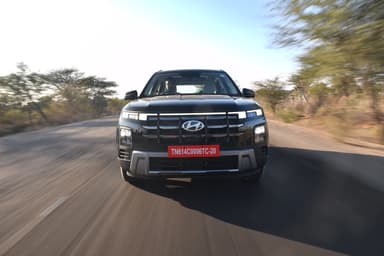
The Volkswagen Taigun feels more engaging to drive, has sharper handling, and its turbo petrol engine delivers performance that will feel more familiar to someone stepping out of a diesel sedan. If you are looking at the 1.5 TSI DSG, it is comfortably the enthusiast's choice of the two and strikes an excellent balance between city usability and highway performance.The Hyundai Creta N Line is also quick and offers a richer feature list, a more premium cabin and a slightly more comfortable rear seat. However, one of our biggest criticisms of the N Line is that the suspension feels unnecessarily stiff. While Hyundai has tried to make it feel sportier, the trade-off in ride comfort is noticeable, especially on broken roads, and it still does not feel as rewarding to drive as the Taigun.So if your priority is the ideal combination of power and driving enjoyment, the Taigun gets our vote. If features, cabin ambience and overall family friendliness rank higher, then the Creta N Line is the better fit.