Suv Diesel Cars in India (48)
Discover the best Suv Diesel Cars. Our comprehensive guide covers detailed specifications, expert reviews, pricing information, and buying advice for Suv Diesel Cars. Find the perfect cars that matches your requirements and budget.


Trending Questions on Cars - Answered by Autocar Experts
Is Tata Punch coming in diesel by the end of this year or early next year? Need to replace my 2017 i20 diesel asta. Annual run of 20-21k with 50:50 usage. Budget is 10-13 lakh on-road, Gurgaon. Need something that has more ground clearance than i20 as it would be plying in the village or tier 2 cities as well. PS: Don’t want to be in long queues for the CNG and EV charging isn’t possible at my current residence.
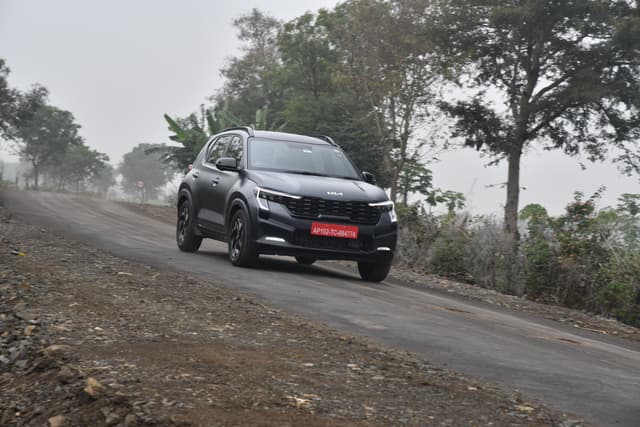
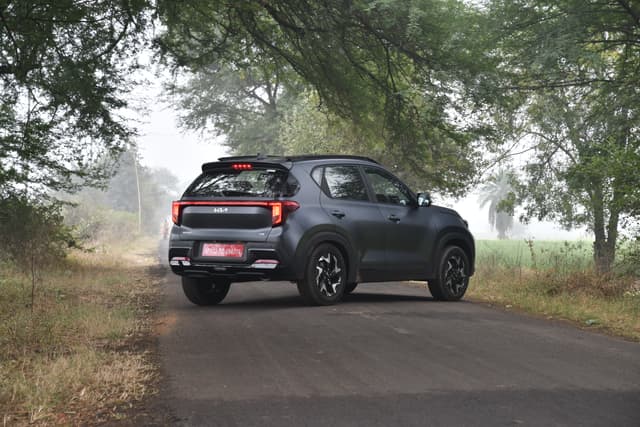
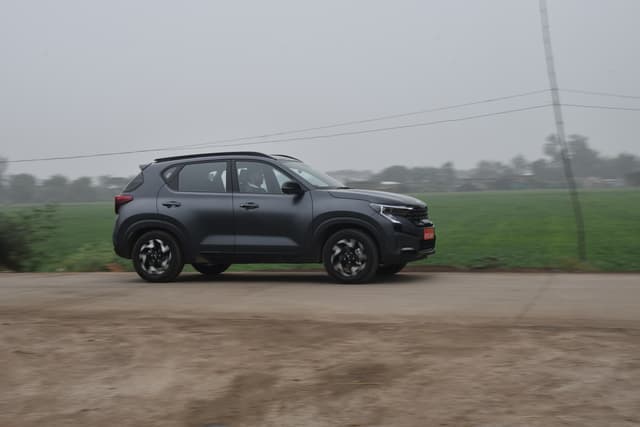
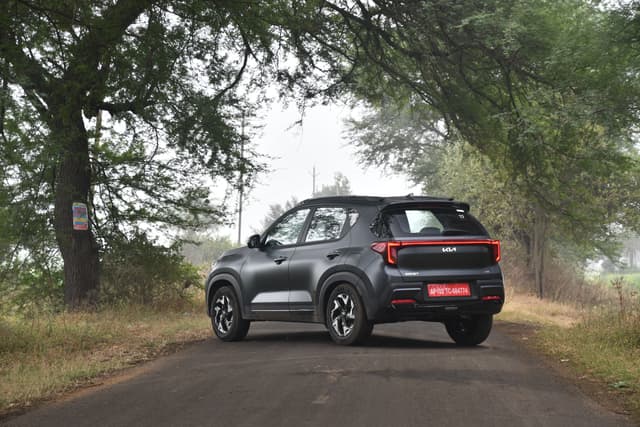
No, the Tata Punch is not expected to get a diesel engine this year or early next year. Given your annual running of 20-21,000 km with a 50:50 city-highway split, diesel car still makes the most financial sense, especially since you do not want to deal with CNG queues or electric car charging limitations.The Mahindra XUV 3XO diesel is the best fit for your requirements. It offers significantly more ground clearance than your Hyundai i20, which will be useful on village roads and in tier 2 cities. The diesel engine is efficient and well-suited to your running, and this Mahindra car is one of the most spacious compact SUVs in the segment, making it a comfortable upgrade from the i20. It also fits within your Rs 10-13 lakh on-road budget in Gurgaon.
Please suggest an SUV for me with an annual running of around 8,000- 10,000 km, mostly on highways and mountain terrain such as Ladakh, Jammu and Kashmir. A manual diesel is my priority, along with safety. I have a family of two, and my budget is Rs. 10-15 lakh.
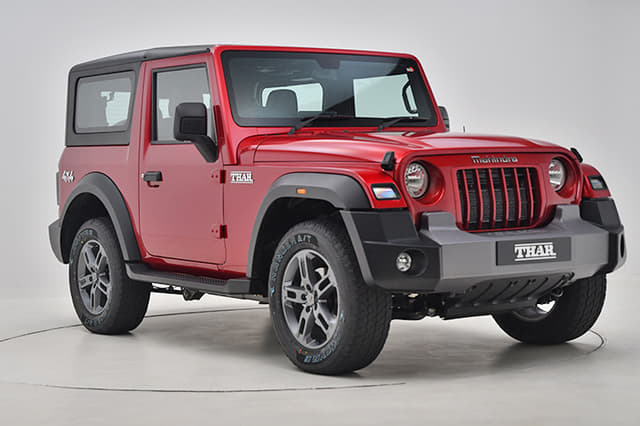
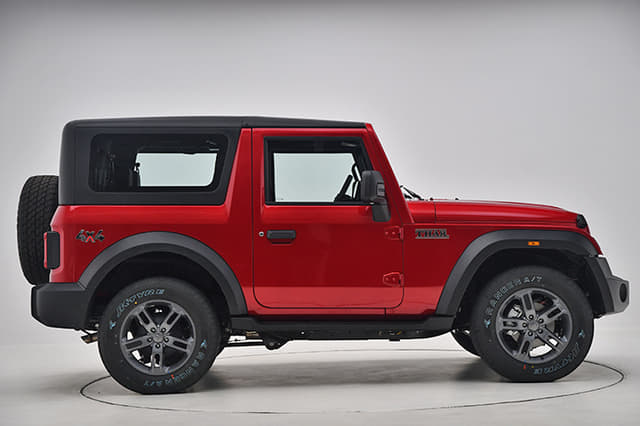
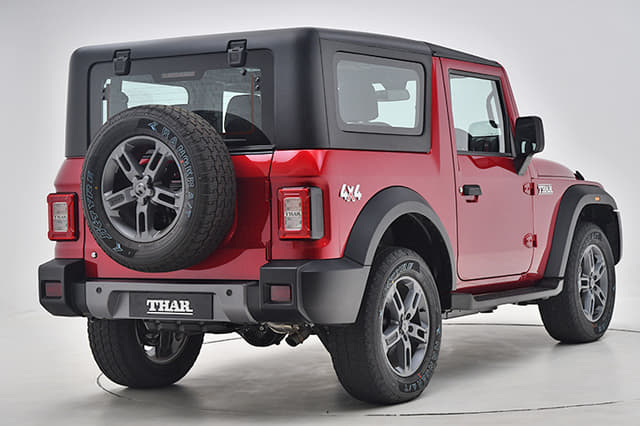
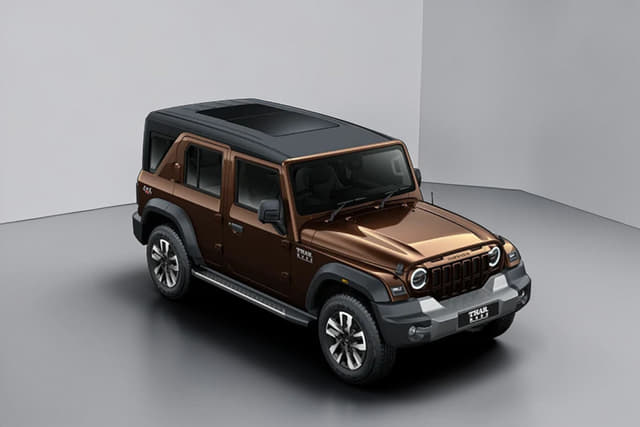
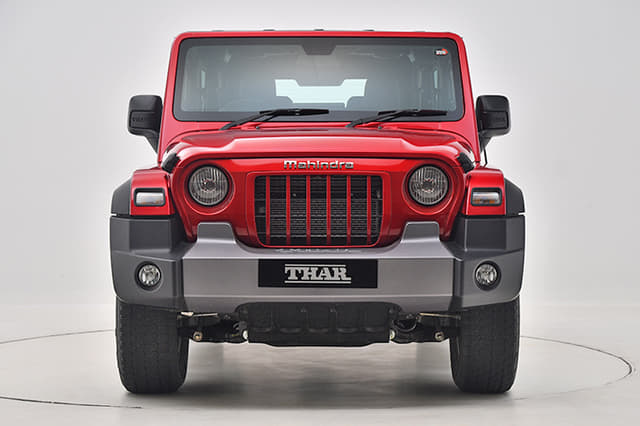
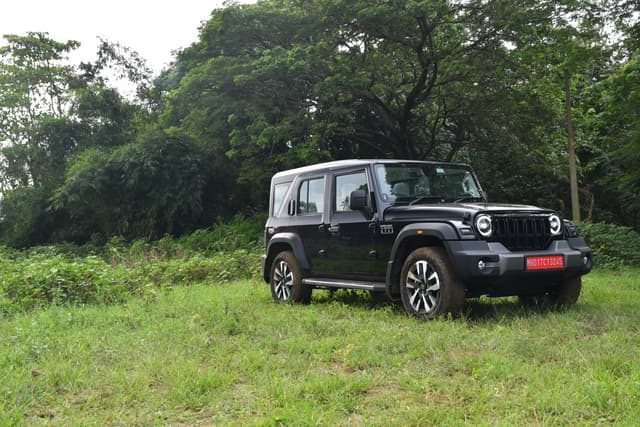
For your 8,000- 10,000 km annual running and frequent highway and mountain trips, the XUV 3XO diesel manual remains the first choice. This Mahindra car has compact dimensions that are useful on narrow mountain roads, while the diesel has plenty of low-end torque for climbs and rough terrain. It also offers strong safety credentials and is much easier to live with as an everyday car.If your Ladakh and Jammu & Kashmir trips involve genuinely challenging terrain and you want a more capable off-roader, the Thar 3-door is the more specialised choice. The 2.2-litre diesel with 4WD offers a proper low-range transfer case, making it far more capable off-road than the 3XO.However, the Thar is less practical for everyday use. It is a four-seater, has limited boot space, and the rear seats are less convenient to access. The 3XO is therefore the better all-rounder, while the Thar makes sense if off-road capability is a major priority.
Hello, I am planning to buy an SUV with a budget of Rs. 25 lakh. My monthly usage is around 350-400 km. Should I prefer a petrol or diesel SUV? Also, should I go for a manual or automatic?
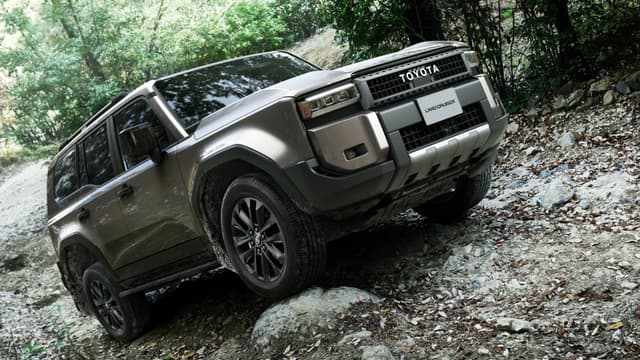
With a budget of Rs 25 lakh and a monthly running of just 350- 400 km, petrol is the clear recommendation. At this usage level, the cost savings from diesel simply will not materialise, and petrol engines are quieter, smoother and generally easier to live with in the long term. As for transmission, go for an automatic. Modern automatics are smooth, stress-free in traffic and make everyday driving far more comfortable, especially in city conditions.Now, on the car itself. At Rs 25 lakh, a strong recommendation would be the new Skoda Kushaq, which has just been refreshed. It gets a lot more features, like ventilated seats in the front, a panoramic sunroof, massage seats in the back, and a decent amount of room as well.However, it is also very nice to drive, and since your priorities are performance, it will definitely do the job perfectly for you. Driving between cities and on highways, it is extremely stable. It is light and convenient in the city, and it is planted on the highway. The 1.5-litre TSI engine is the one we recommend, which blends performance and refinement. In your budget, you can get the top-spec Monte Carlo trim that comes loaded with all the bells and whistles and still save a good amount of money. However, if you want an even bigger car with a lot more power and three rows of seating, then the Mahindra XUV700 in its AX7 guise is a good consideration. It comes with a more powerful engine, a lot more features, and a lot more space as well. If you don't mind a large car, then that is a good choice, but if you want to stick to the compact dimensions, then the Kushaq is a preferred option.
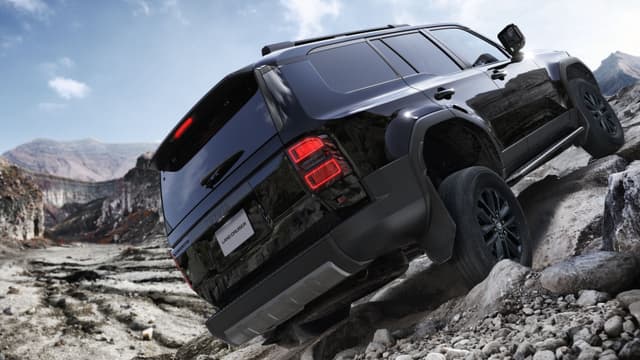
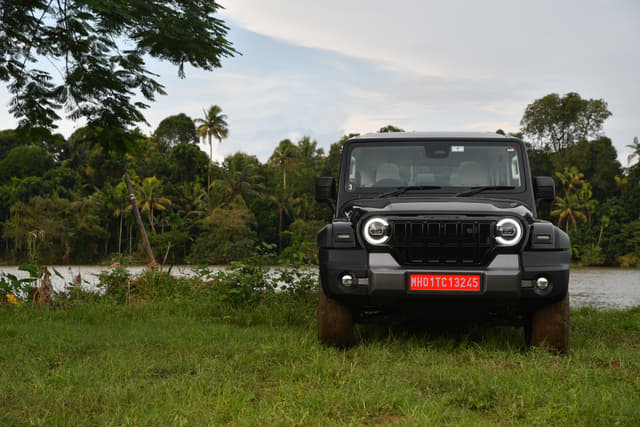
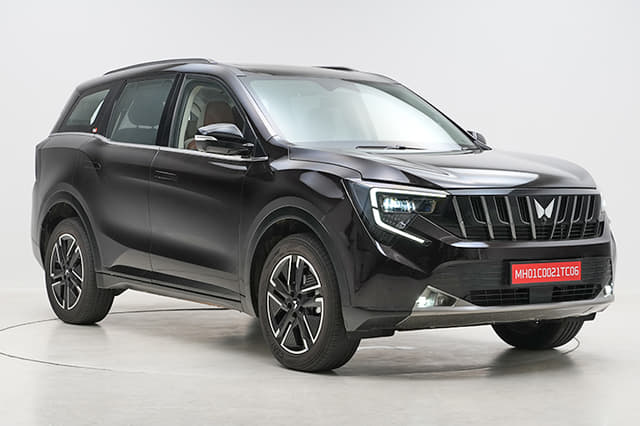
I am planning to upgrade from my 2021 Toyota Urban Cruiser petrol manual, which has covered 41,000 km. I want a comfortable five-seater that can occasionally accommodate seven people. I have shortlisted the Mahindra XUV 7XO, but I am confused between the petrol and diesel versions. I definitely want an automatic. I live in Bangalore, which is one of the reasons I chose the XUV 7XO because it gets a torque-converter automatic. I don't want the Kia Carens Clavis because of its DCT gearbox, and I am also not considering the Tata Safari because of my concerns about Tata's service experience. My monthly running will be around 1,000-1,500 km, mostly with my family. Fuel efficiency is also important, as I feel the XUV 7XO petrol could be quite fuel-hungry. I am therefore considering the diesel automatic AX7T. There will be some city driving, but my office commute also includes highway stretches, which should help with DPF regeneration. Please suggest which one I should buy. If the XUV 7XO is not the right choice, should I consider another family car or wait for any upcoming launches?
Go for the Mahindra XUV 7XO diesel automatic AX7T. Your usage pattern of 1,000-1,500 km a month with a mix of city and highway driving makes the diesel the better choice, especially since your office commute includes highway stretches that will help keep the DPF system healthy. The XUV 7XO diesel is also significantly more fuel-efficient than the petrol, which is important given your running.The torque converter automatic is smooth and well suited to Bangalore traffic, and this Mahindra car is a genuinely comfortable 5-seater with the flexibility of occasional 7-seat use. There are no major upcoming launches in this segment that would justify waiting. The XUV 7XO diesel automatic is the right upgrade from your Urban Cruiser and will serve your family well for years to come.
Hi Autocar team, I am planning to buy Mercedes and have shortlisted Mercedes-Benz GLC 220d & Mercedes-Benz GLE 450. I am in Bangalore and I commute daily to office for 20km a day along with weekend drives, long distance drive of around 15000 km per year. Now, between these two, which is better to choose? Will diesel car be good to have? Over the period of 5 to 7 years, will the government norms change for diesel vehicle? Also, should I buy the car now or consider waiting for the facelift of these 2 models next year or worth to wait till next? Please share a comprehensive report.
Go for the Mercedes-Benz GLE 450. With your 15,000km a year, a mix of city and highway, and a 5-7 year ownership plan, the GLE 450 is the better fit. The GLC 220d is a very good car, but the GLE 450 is a clear step up in space, comfort and overall luxury. It is a genuinely large SUV with a far more spacious rear seat and a more premium cabin experience, and a comfy ride quality, which makes a big difference on long drives and family trips. The 450 petrol engine is also smooth, powerful and well suited to your usage pattern.On the diesel question, at 15,000km a year a diesel can make sense, but the GLE 450 petrol is refined, efficient enough and future-proof. There is no immediate government plan to ban diesel cars, but policy direction can change over time, especially in cities like Bangalore. The GLE 450 petrol is the safer long-term ownership bet.On the facelift, both the GLC and GLE are expected to get updates in 2027 with the GLE likely to be revamped by the mid 2027. If you are not in a hurry, it is worth waiting. If you need the car now, do not overthink it – the GLE 450 will serve you well for years.
Last Updated on: 19 Sept 2026